Power Tools
Makita Mini Chainsaws Compared: CXT vs LXT vs XGT
Makita's 12V, 18V and 40V mini chainsaws share the same chain speed on paper, but cutting tests reveal clear differences in power and stall resistance.
Introduction
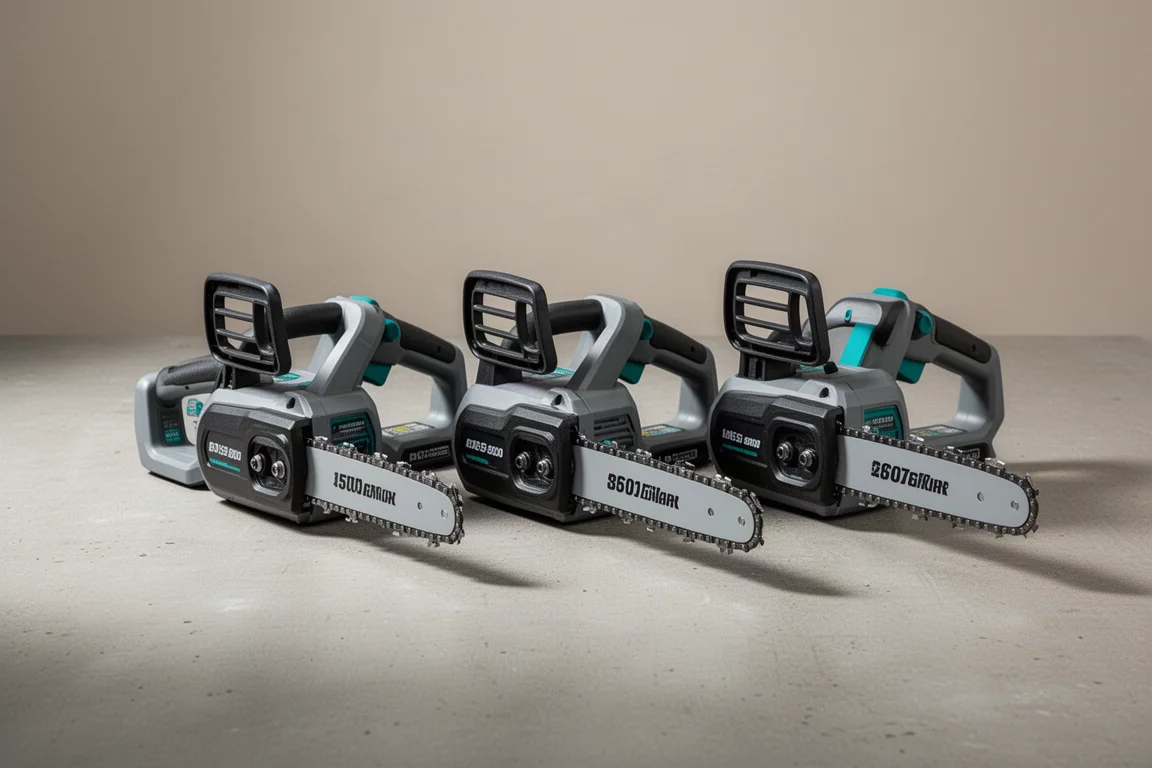
Mini chainsaws have become a popular pruning and light-cutting tool, and Makita offers them across three battery platforms: the 12V CXT, the 18V LXT and the 40V XGT. The lineup covers the Makita UC100D, the Makita DUC150 and the Makita UC029G.
On paper they look surprisingly similar. All three run the same chain speed, so the real differences show up in power, stall resistance and weight. This comparison looks at where each one makes sense.
Shared Features Across the Range
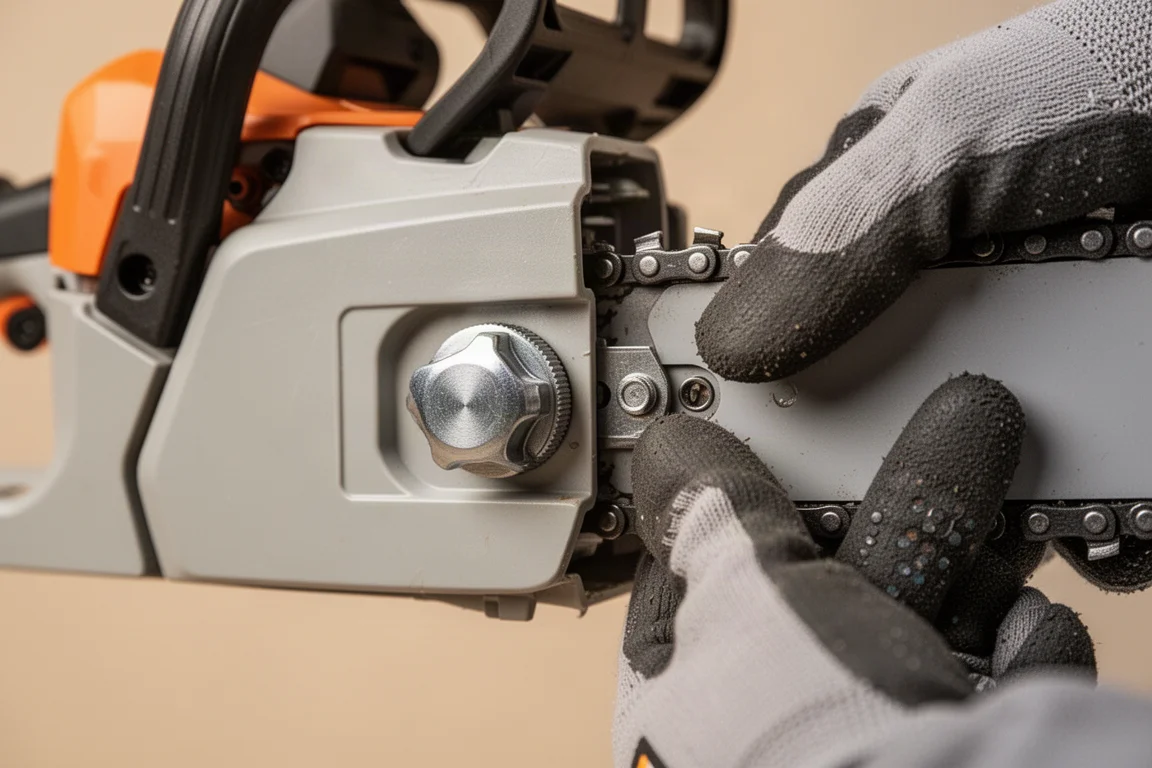
All three saws share the same core design. Each has a front hand guard, a top guard to keep your hand away from the chain, and a tool-free chain tightening mechanism: loosen the knob, the chain takes up tension, then tighten it back down. That makes mid-job chain adjustment quick and simple, which matters when cutting loosens the chain over a session.
All three also include automatic chain oilers. That is not a given in this size class, as some small chainsaws omit them entirely, but it is close to essential for any saw that cuts regularly.
Bar lengths are 100 mm (4 inches) on the UC100D, and 150 mm (6 inches) on the DUC150 and UC029G. Both of the larger saws are also available in a 100 mm / 4-inch version, under the DUC100 and UC029H model names, and model numbers differ by region.
Cutting Performance and Stall Tests
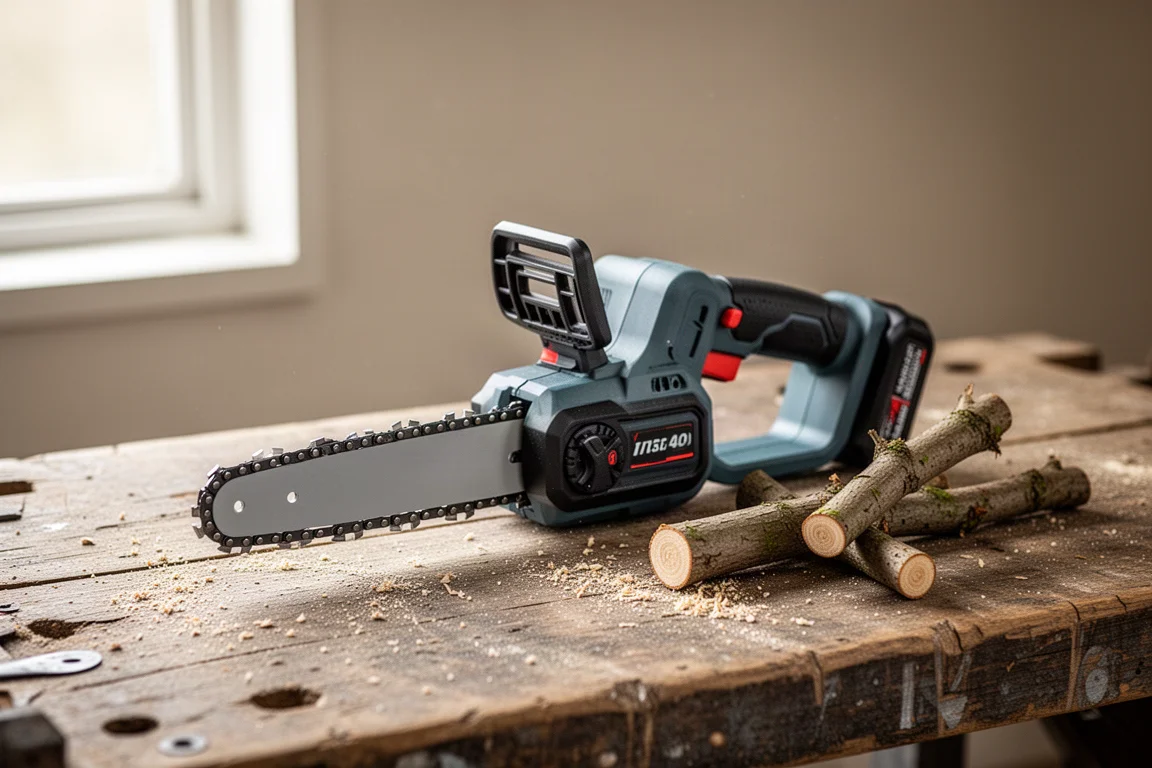
All three saws list the same chain speed of 8 m/s, yet they do not cut the same. The difference comes down to motor power.
The 12V UC100D is easy to stall. If you let the chain do the work and feed it gently, it cuts fine, but any extra pressure will bog it down.
The 18V DUC150 cuts noticeably nicer than the 12V, and handled harder pushing without stalling during normal cuts. However, in a deliberate stall test it still stalls out fairly easily under too much pressure.
The 40V UC029G is in a different league. It sounds much stronger, cuts noticeably better, and is far harder to stall. Jamming the bar into the cut barely slows it down, which points to significantly more torque. That extra torque also means the chain can loosen during hard cutting, but the tool-free tensioner brings it straight back into action.
Power, Weight and Noise
The power figures explain the cutting differences. The 12V CXT produces around 218 W max, the 18V LXT roughly 320 W, and the 40V XGT jumps to about 590 W, almost double the 18V. That is the headroom that keeps the 40V cutting when the others stall.
Noise is close: the 12V and 18V run at about 90 dB, while the 40V measures around 92 dB.
Weights are moderate across the board:
- UC100D (12V, lightest battery configuration): 1.46 kg
- DUC150 (18V, 5.0 Ah battery): 1.99 kg
- UC029G (40V, 2.5 Ah battery): 2.17 kg
None of them feel heavy, and the extra weight of the 40V is well worth the additional power. On battery compatibility, the 40V UC029G accepted every battery tried, from 2.5 Ah up to 8.0 Ah, with no lockout on the larger packs. All batteries sound and cut roughly the same, so a lighter battery is a sensible choice for wrist comfort on longer sessions.

Which One Should You Buy?
The 12V UC100D suits occasional, very light pruning where keeping weight and cost low matters most, provided you are patient and let the chain do the work.
The 18V DUC150 is the sensible middle choice for anyone already in Makita’s 18V platform. It cuts confidently for pruning and small firewood tasks, and it is only slightly heavier than the 12V.
The 40V UC029G is the one for anyone who wants genuine cutting authority in a compact package. With nearly double the power of the 18V, strong stall resistance and only about 200 g more weight, it can handle small firewood comfortably and could even take over some tasks from a larger arborist saw.
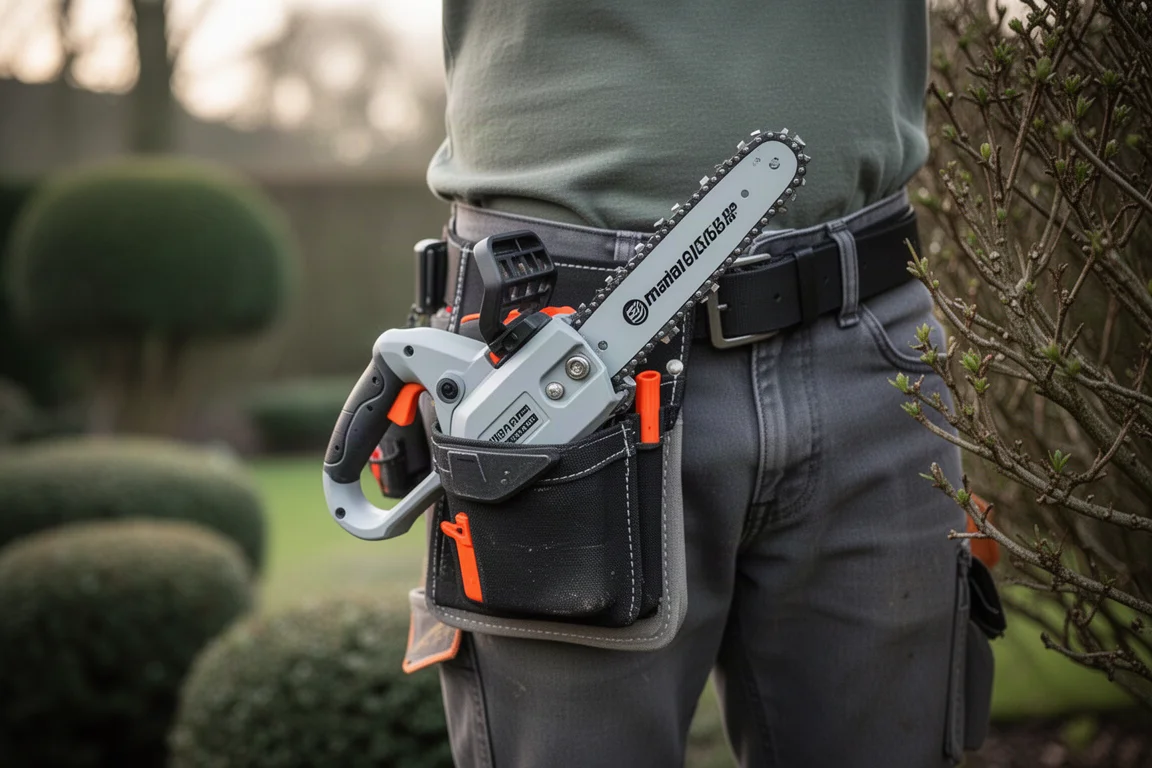
Carrying options help for all-day use: a hip holster is available that lets you slide a saw in like a sidearm, and the 40V model also supports a belt clip that can hook onto a carabiner or your belt.
Conclusion
Same chain speed, very different saws. The UC100D is the light, occasional-use option, the DUC150 is the practical all-rounder for 18V users, and the UC029G is the clear performance pick if you want a small saw that does not quit when the cut gets tough. Match the saw to how often and how hard you cut, and none of the three will disappoint.
Product link
View more details for Makita UC100D
This product is mentioned in the review. Check the specifications, options, and compatibility before buying.
View more details for Makita UC100DFurther reading
Related Reviews

Power Tools
Best 1-Inch Pistol Impact Wrenches: Three Heavy-Duty Options Compared
We compare three 1-inch pistol impact wrenches, from a budget-friendly Harbor Freight model to a premium Caterpillar unit, to help you choose the right one.

Power Tools
Best 3/4-Inch Impact Wrenches 2026: Five Contenders Compared
We compare five 3/4-inch impact wrenches across price and performance, from a budget Amazon option to Snap-on's most powerful model yet.

Power Tools
Best Budget Cordless Tools 2026: Walmart Finds That Punch Above Their Price
We tested five cordless tools from Walmart, including a high-torque impact wrench that trades blows with Milwaukee and a $35 duster that outperforms its price class.