Power Tools
Makita 18V LXT vs 40V XGT vs AEG Framing Nailer: Which Cordless Framing Nailer Deserves Your Money?
We compare two Makita framing nailers and an AEG rival on power, recoil, angle shooting, nail compatibility, and sheer durability to help you pick the right one.
Introduction
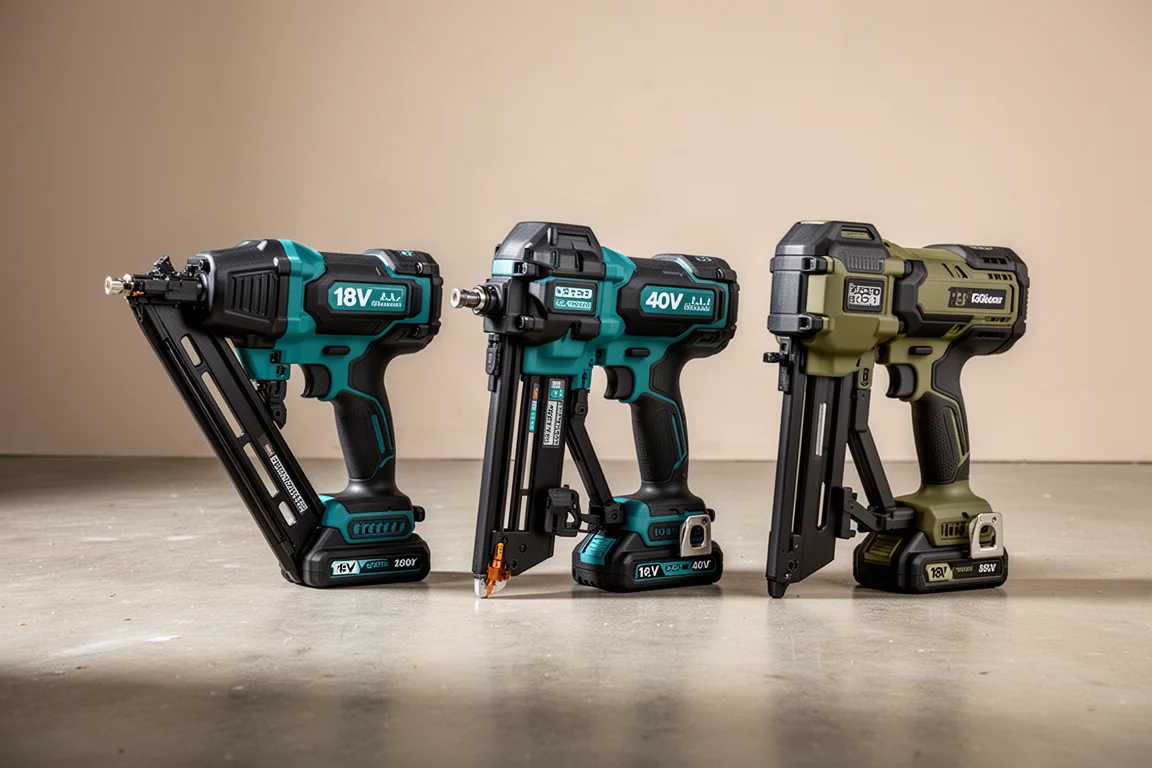
Cordless framing nailers have quietly become some of the most impressive battery tools on the market. In this comparison we look at three of them: Makita’s 18V LXT framing nailer, Makita’s newer 40V XGT framing nailer, and the AEG 18V framing nailer. The two Makita tools look similar at a glance, but a year of development between them brought real changes, and the AEG turns out to be a serious contender in its own right.
Makita 18V LXT Framing Nailer
The 18V LXT is the older of the two Makita tools, and it remains a strong all-rounder. It weighs 4,712 g, which is substantial, and its recoil feels like a slower bounce rather than a sharp jolt. That softer character makes it comfortable over long firing sessions, even if it does bounce more than the 40V.
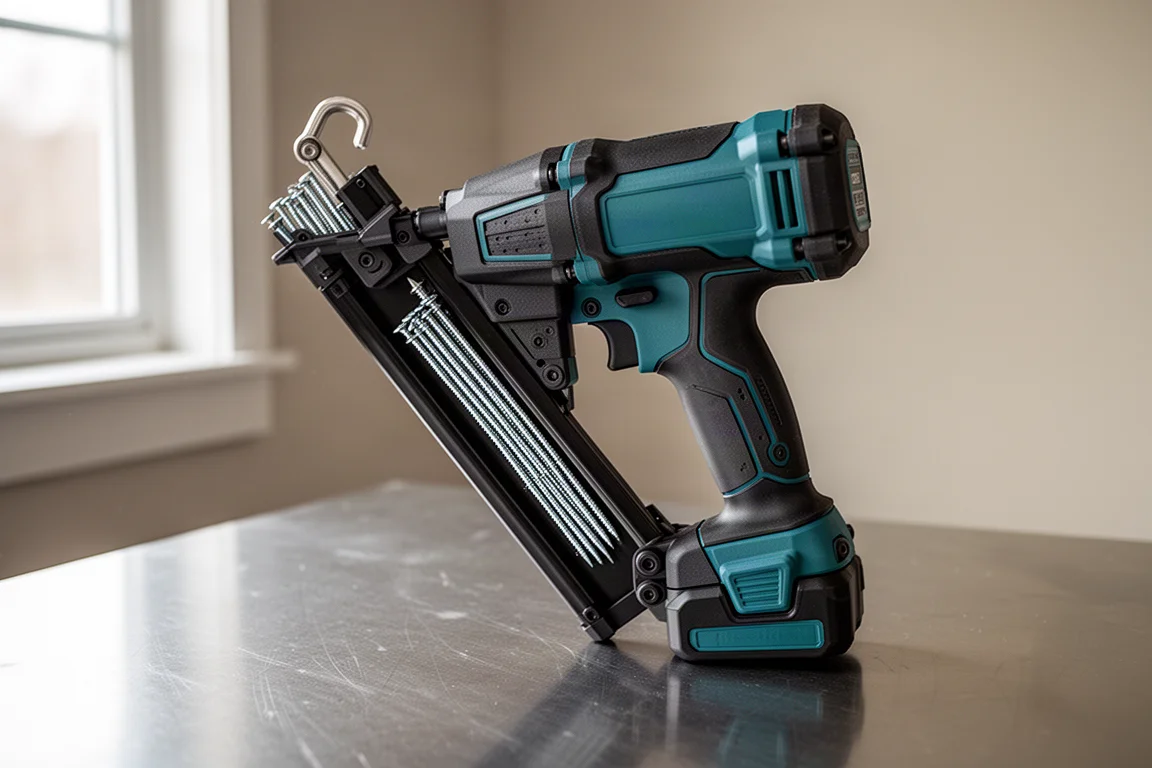
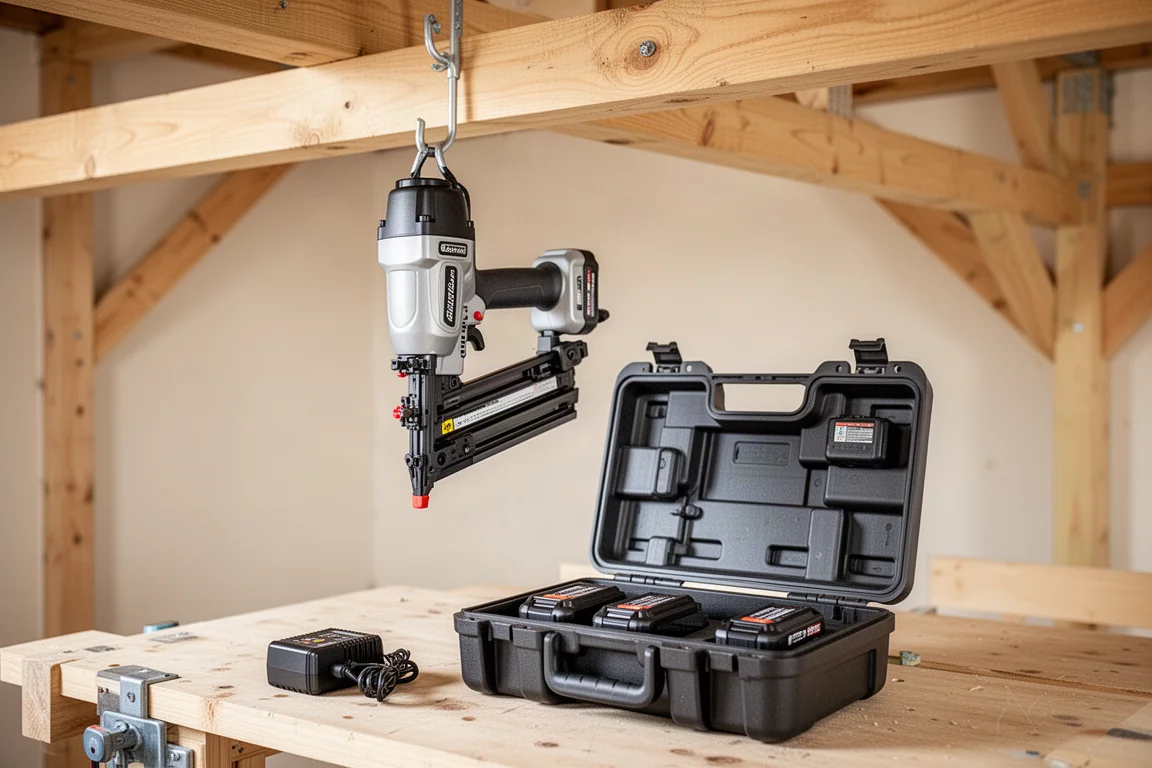
Both Makita nailers come with a rafter hook, a belt clip, and a case whether you buy bare tool or kit. The LXT case, however, is enormous. It is a massive ABS case far bigger than what other framing nailers ship with, with room for multiple batteries, a charger, and a large quantity of nails.
One practical limitation: the tool does not report its own nail count through Makita’s diagnostic adapter the way the 40V does, which matters if you want to track usage over the tool’s life.
Makita 40V XGT Framing Nailer
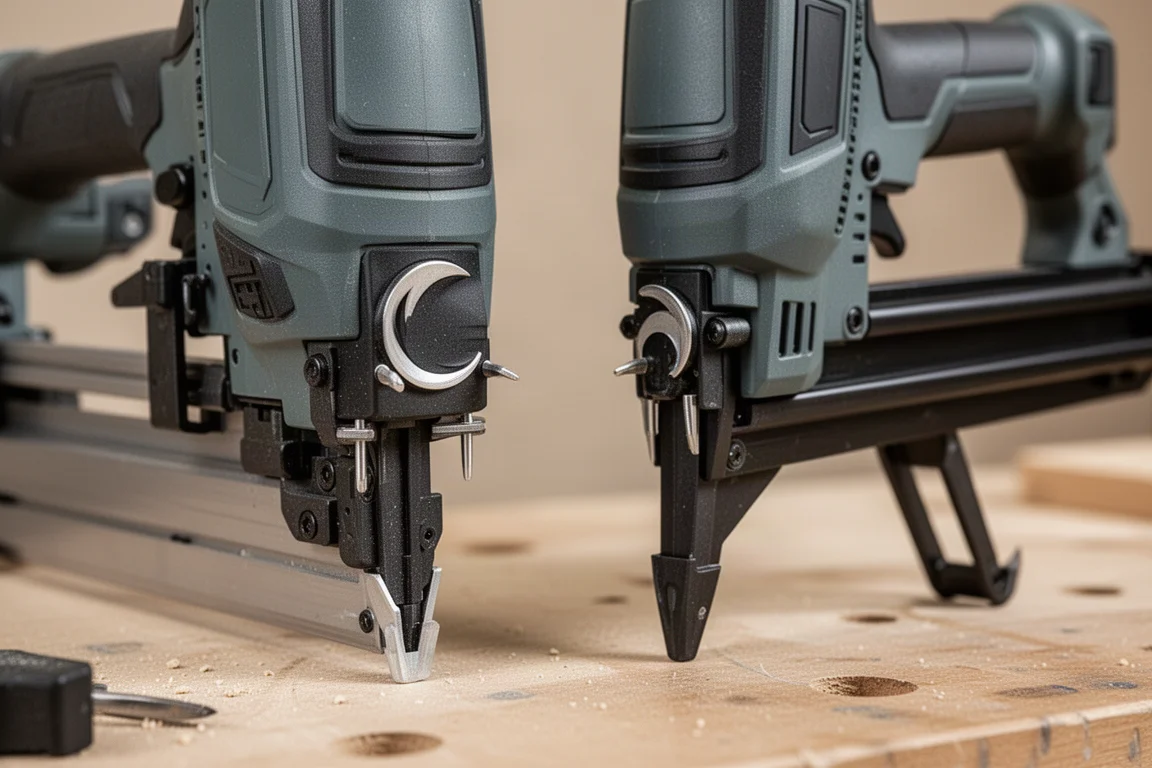
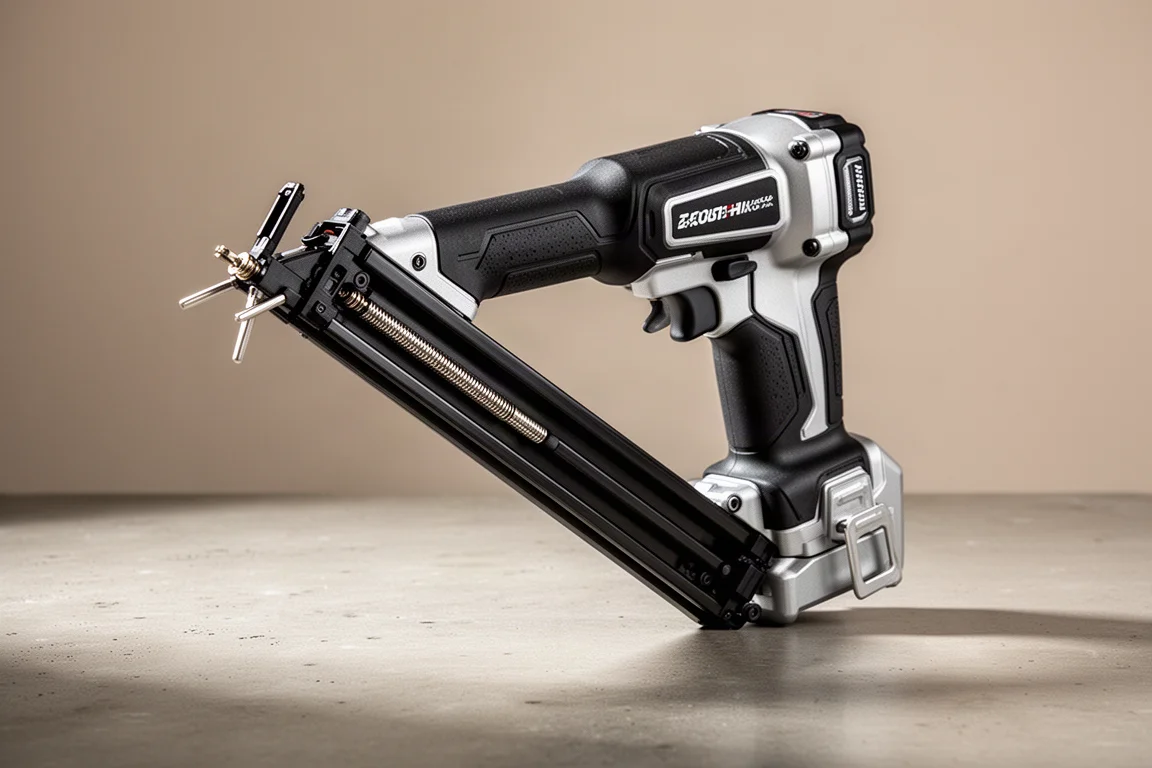
The 40V XGT brings several refinements over the 18V. The nose contact element gains an extra rear leg, which lets you fire from better angles, including shots the 18V simply cannot manage. It also sounds noticeably different, with a quicker, sharper firing character.
On the battery front, the 40V kit ships with 2.5Ah batteries. A 40V 2.5Ah pack uses the same ten 18650 cells as an 18V 5Ah pack, just wired differently, so both battery formats hold roughly 90Wh of energy. Testing showed that adding higher-capacity batteries did not drive nails deeper, so you can comfortably stick with the smaller 2.5Ah packs and save weight on an already heavy tool.
There are a couple of gripes. The kit includes the silver “fast charger”, which is actually Makita’s slow option, taking nearly three hours to charge an 8Ah battery. If you want genuinely quick charging, you want the rapid charger instead. The 40V also transmits a sharper jolt into your hand on every shot, even though the mechanism stops dead without bouncing.
Firing Speed and Depth
In a full sequential speed test, the 40V worked through a full magazine slightly quicker once you settled into its rhythm, though it felt like it stopped more often at first. The 18V had a few more mid-clip pauses.
Depth of drive was close between the two, with the 40V edging slightly deeper across most tests. Both nailers accept 50mm to 90mm framing nails in the 30 to 34 degree format, including smooth, annular ring, galvanized, and stainless steel nails.
Nail Compatibility
Both Makita nailers handled clipped head, full head, and separated round head nails without issue. Full head Paslode nails fired fine in both, which is worth noting because some competitors refuse them and bend the heads over.
One thing to know: even with the depth setting backed right off, both Makitas drive nails deep. If you were hoping to use one as a makeshift duplex nailer with nails left proud, you will be disappointed.
Penetration Testing
This is where the differences got dramatic. The tests pushed each nailer through multiple layers of 0.55mm corrugated iron plus timber underneath.
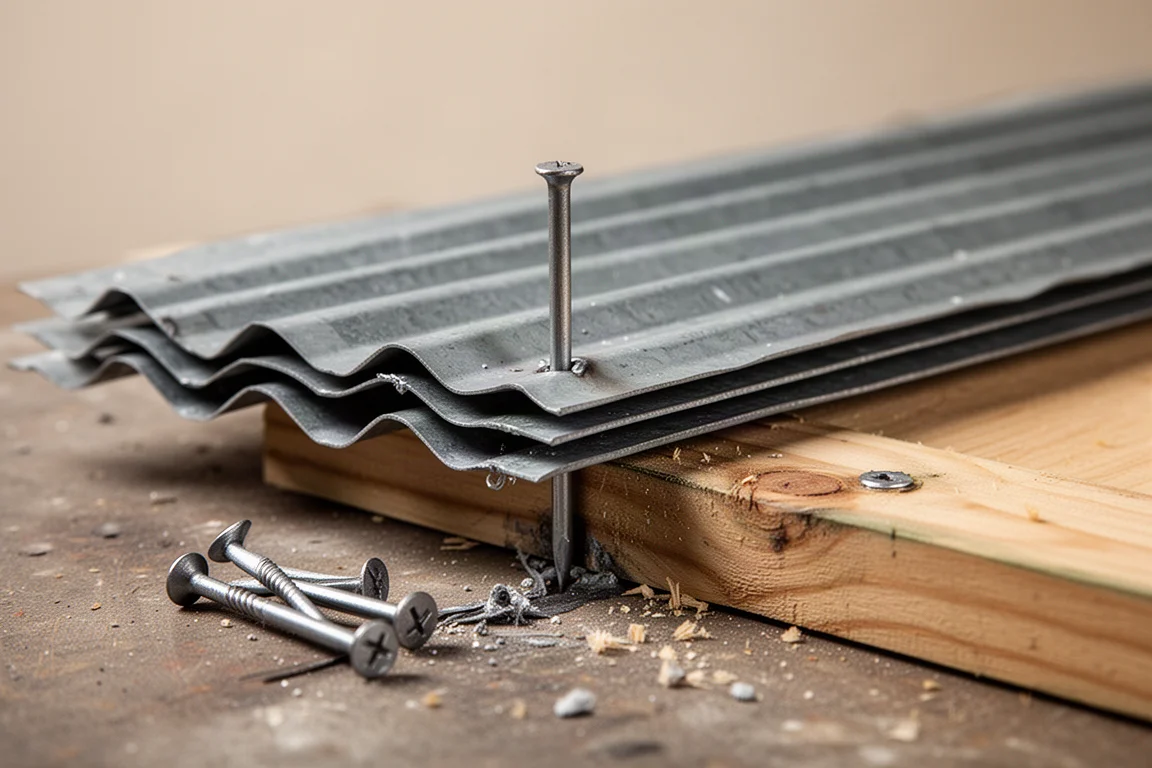
The 18V LXT managed four sheets cleanly and jammed on the fifth, bending a nail head over in the process. The 40V XGT punched through five sheets without complaint, then fired through six sheets with ease. The AEG landed between them, making it through four sheets but not five.
AEG 18V Framing Nailer
The AEG proved to be a genuine performer. In the corrugated iron test it went straight through the early layers with confidence, and while it stopped at four sheets rather than five, it handled every nail type tested, including full head Paslode nails, without trouble.
It also put in some surprising bonus performances, punching through roughly 4mm of aluminum in two pieces and driving through 1.8mm total of 304 stainless steel tubing. All three nailers managed that stainless test, which says a lot about how powerful modern cordless framing nailers have become.
Weight and Handling
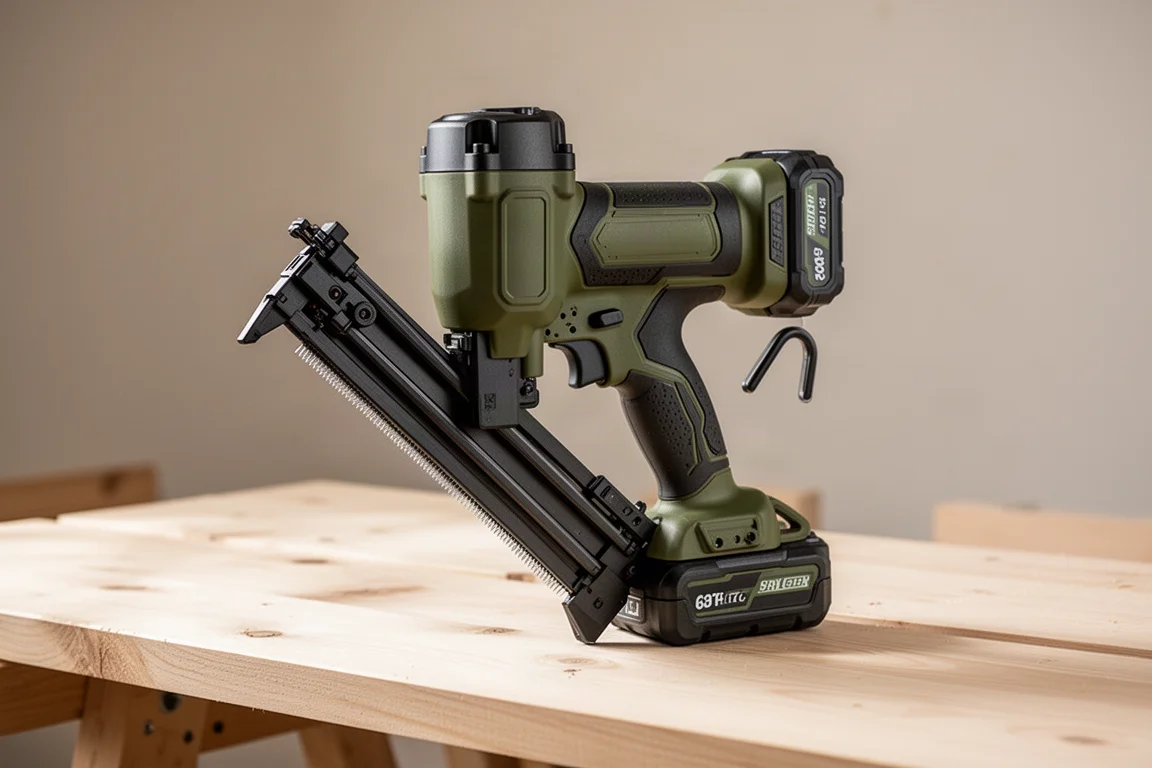
Here is the answer many people were waiting for: no, the 40V is not lighter. The 18V LXT comes in at 4,712 g, and the 40V XGT at 4,766 g, just 54 g heavier, with a little more metal in the nose area.
The 40V’s sprung magazine has some vibration dampening built in, unlike the solid magazine on the 18V, and both include the familiar no-mar tip so you can work on visible surfaces without leaving marks.
Which One Should You Buy?
If you want the most power and the best angle shooting, the 40V XGT is the one to pick. Its deeper penetration, superior corrugated iron performance, and extra nose contact leg make it the more capable tool, and it is the one to choose if you can only own a single framing nailer.
If you already have a deep 18V LXT battery collection, the 18V nailer remains excellent. It bounces more but feels gentler in the hand, fires the same range of nails, and handles nearly as much penetration work. The AEG is the value wildcard: nearly as capable as the Makitas in raw power, fully compatible with full head nails, and a proven performer if you are already invested in its battery platform.
Conclusion
All three nailers are powerful, well-built tools, but they suit slightly different buyers. The Makita 40V XGT is the overall performer with the most penetration and the best angle access. The Makita 18V LXT is the comfortable, familiar option for existing LXT users. The AEG 18V is the strong all-round alternative that punches well above its price class. Match the tool to the battery platform you already own and you will not go far wrong with any of them.
Further reading
Related Reviews
Power Tools
Best 1-Inch Pistol Impact Wrenches: Three Heavy-Duty Options Compared
We compare three 1-inch pistol impact wrenches, from a budget-friendly Harbor Freight model to a premium Caterpillar unit, to help you choose the right one.
Power Tools
Best 3/4-Inch Impact Wrenches 2026: Five Contenders Compared
We compare five 3/4-inch impact wrenches across price and performance, from a budget Amazon option to Snap-on's most powerful model yet.
Power Tools
Best Budget Cordless Tools 2026: Walmart Finds That Punch Above Their Price
We tested five cordless tools from Walmart, including a high-torque impact wrench that trades blows with Milwaukee and a $35 duster that outperforms its price class.