Power Tools
Makita LXT vs XGT: 18V and 40V Drills, Impact Drivers, and Reciprocating Saws Compared
A side-by-side look at Makita's 18V LXT and 40V XGT drills, impact drivers, and reciprocating saws, covering weight, size, power, pricing, and who each platform actually suits.
Introduction
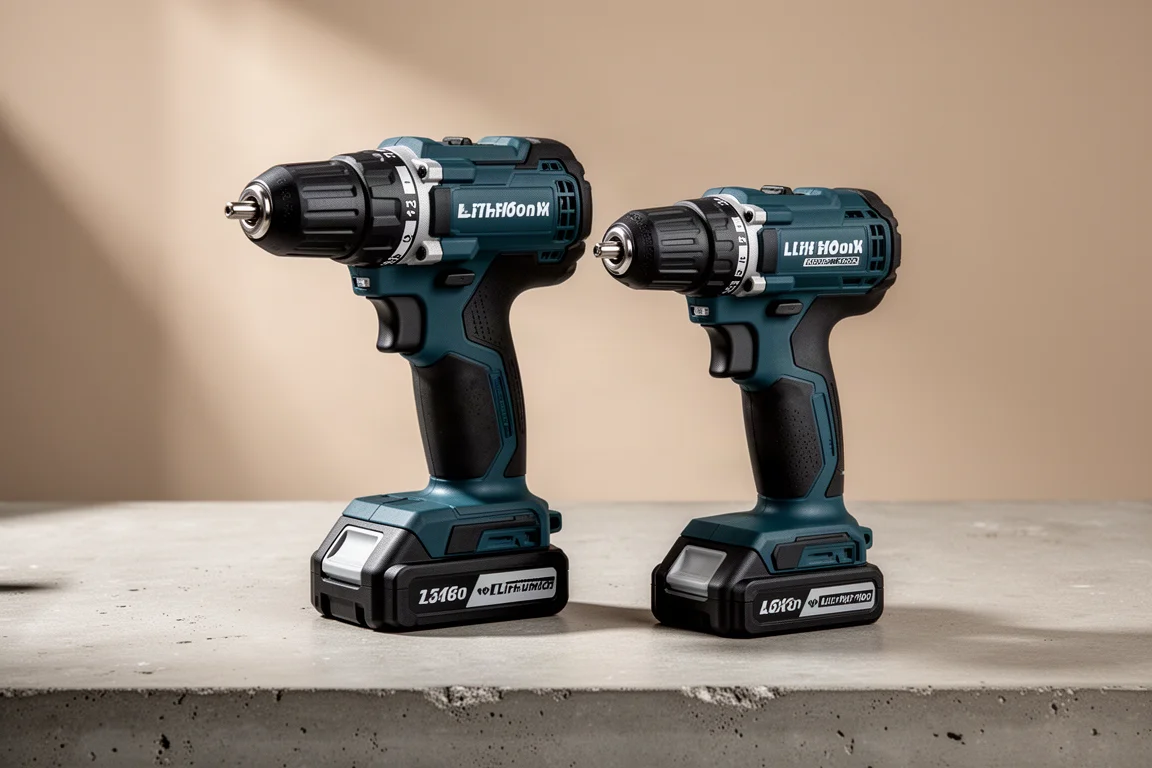
Makita currently runs two cordless platforms in parallel: the long-established 18V LXT line and the newer 40V XGT line. That leaves a practical question for anyone building or expanding a tool collection: is the move to 40V worth the extra weight, size, and cost, or does 18V still cover most real-world work?
This comparison looks at matched pairs from both platforms across three core categories: drills, impact drivers, and reciprocating saws. The LXT models chosen are the closest equivalents to the XGT tools currently available in the United States, paired with comparable battery packs, so the comparison reflects real kit configurations rather than idealized lab numbers.
The Contenders
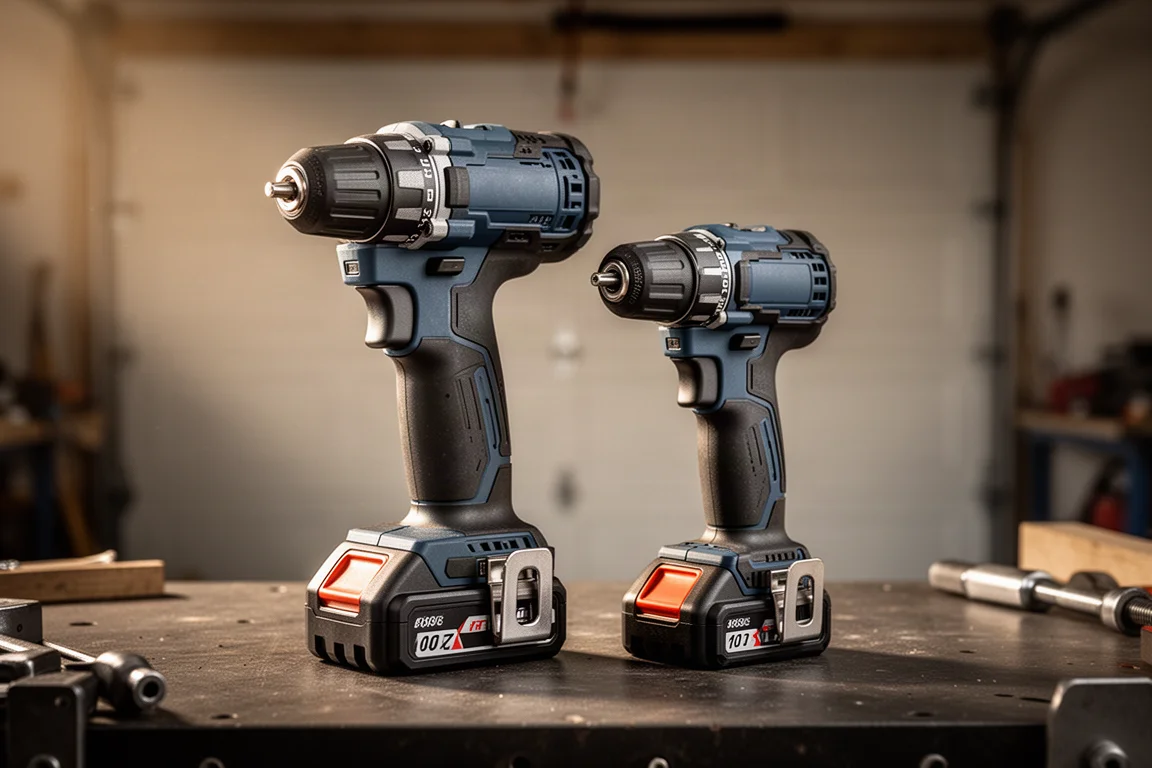
The lineup covers seven tools. On the 18V LXT side: the XPH14 hammer drill, the XDT16 and XDT19 impact drivers, and the XRJ05 reciprocating saw. On the 40V XGT side: the GPH01 hammer drill, the GTD01 impact driver, and the JR02 reciprocating saw. Battery choices mirror what typically ships in kits: a 5.0Ah pack on the LXT tools and a 2.5Ah pack on the XGT drill and impact driver, with a 4.0Ah pack on the XGT reciprocating saw.
Evaluation Criteria
The comparison focuses on measured facts first: weight, physical size, and cutting or driving performance. Subjective impressions come later, because price, battery investment, and the type of work you do ultimately matter more than a couple of ounces on paper.
One important caveat: runtime is difficult to test objectively on power tools, since it depends on heat and exact usage conditions. The observations here reflect practical experience rather than controlled lab data.
Drills: Makita XPH14 vs Makita GPH01
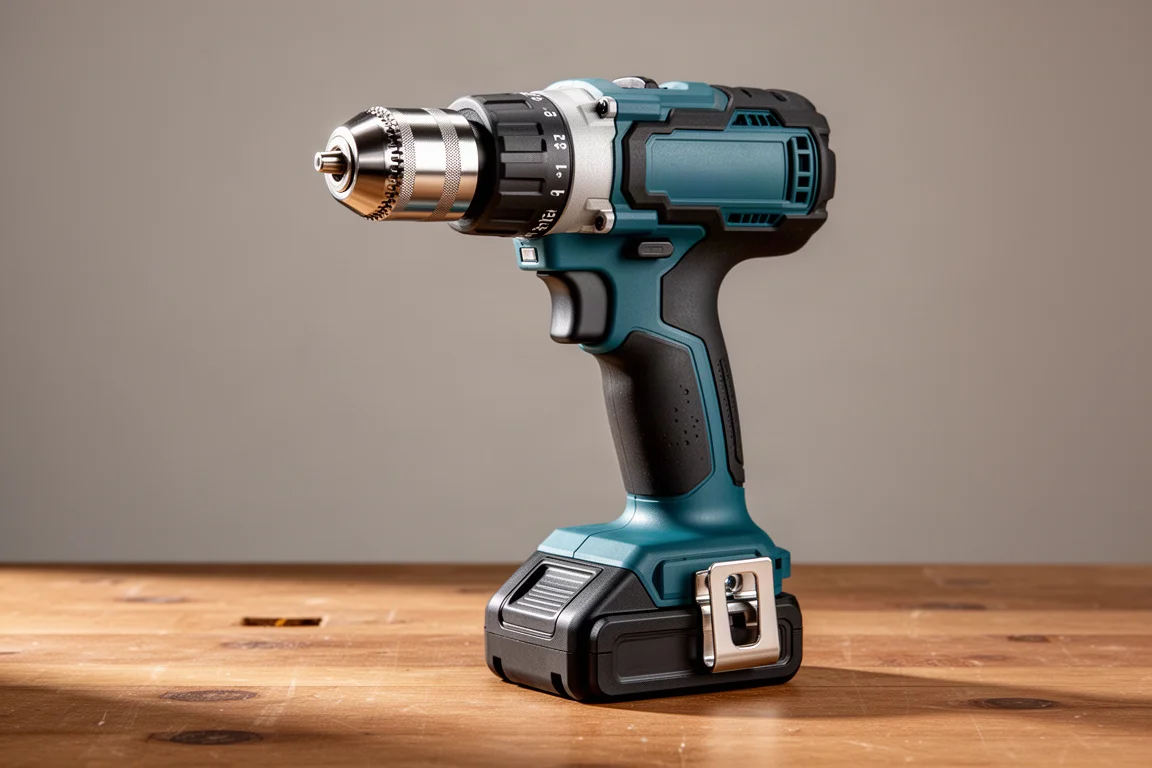
Weighing the two hammer drill/driver head-to-head, the 40V XGT GPH01 comes in around five pounds 4.2 to 6.3 ounces with its 2.5Ah battery, roughly two ounces heavier than the 18V XPH14 with a 5.0Ah pack. That is a remarkably small penalty for jumping voltage classes.
Size differences are just as modest. The XGT drill is slightly taller, by a little more than a quarter inch at most, and roughly the same length, perhaps a sixteenth to an eighth of an inch longer. In actual use, the two drills feel very similar, and it is hard to notice a meaningful difference handling them back to back.
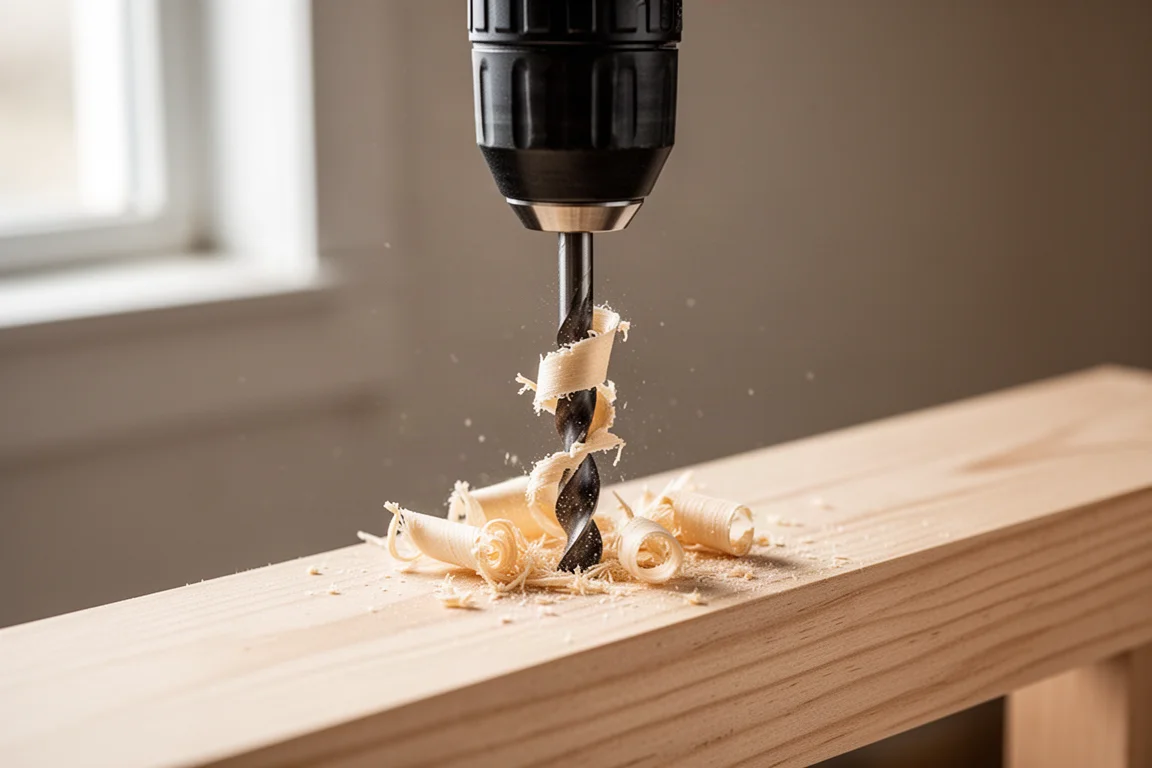
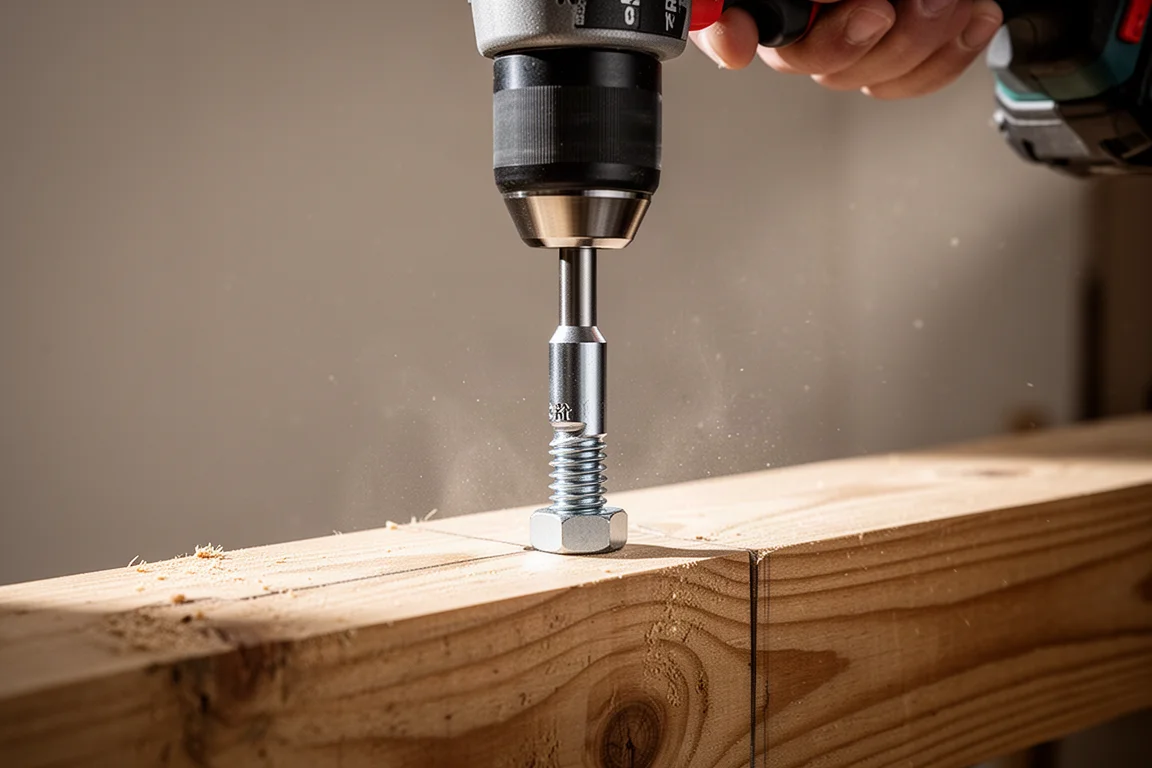
For big-hole drilling, both were run at their highest speed with a 1-1/2 inch spade bit, dropping to lower speed only if needed. The practical takeaway from use: if your drilling is mostly pilot holes and smaller holes, the 18V tool does the job and there is little reason to pay more. If you regularly push large-diameter drilling, the XGT drill earns its place.
Impact Drivers: XDT16, XDT19, and GTD01
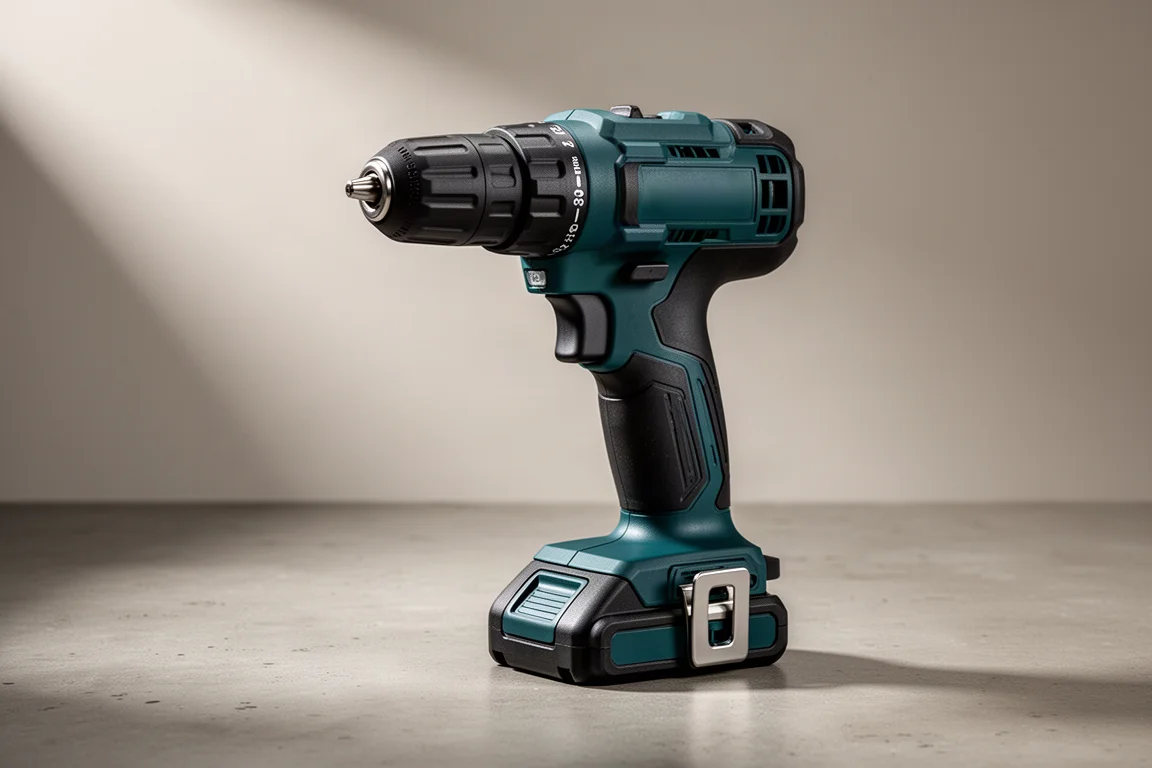
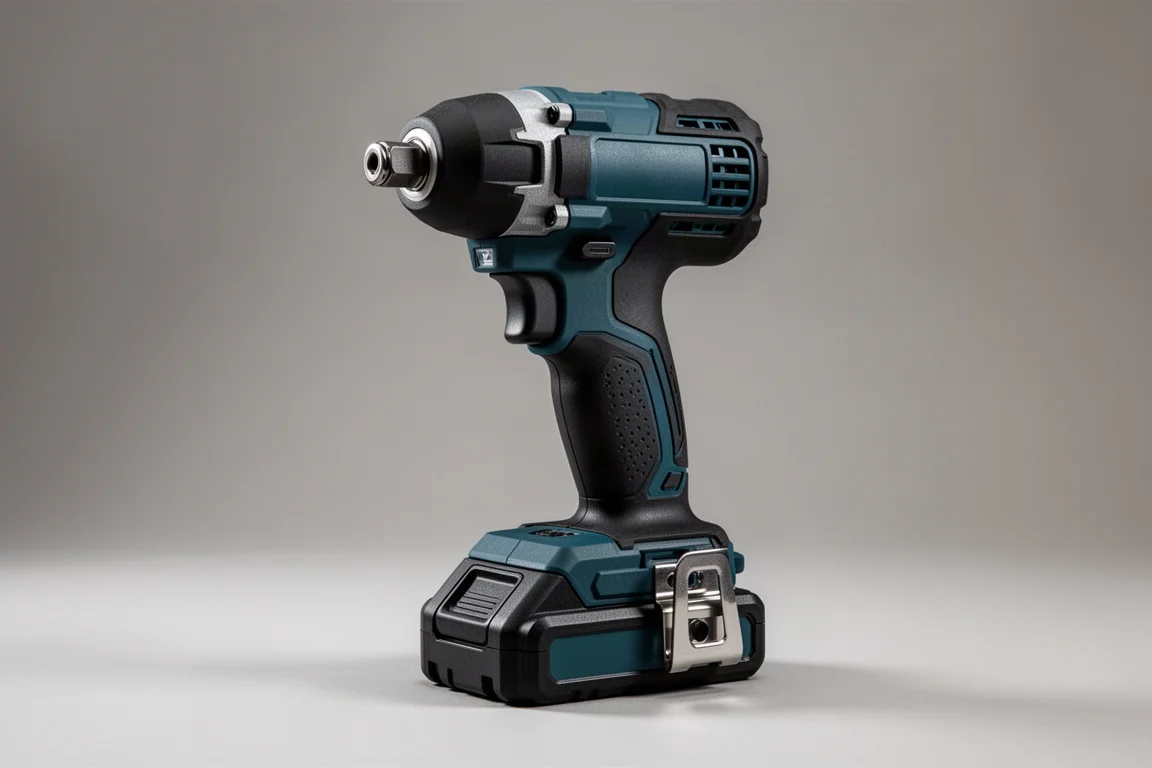
The XGT GTD01 is the current 40V impact driver in the United States. On the LXT side, the XDT16 is not the newest model, the XDT19 is, but the two share very similar housings and the XDT16 compares closely against the current-generation XGT tool, so it makes the fairer matchup.
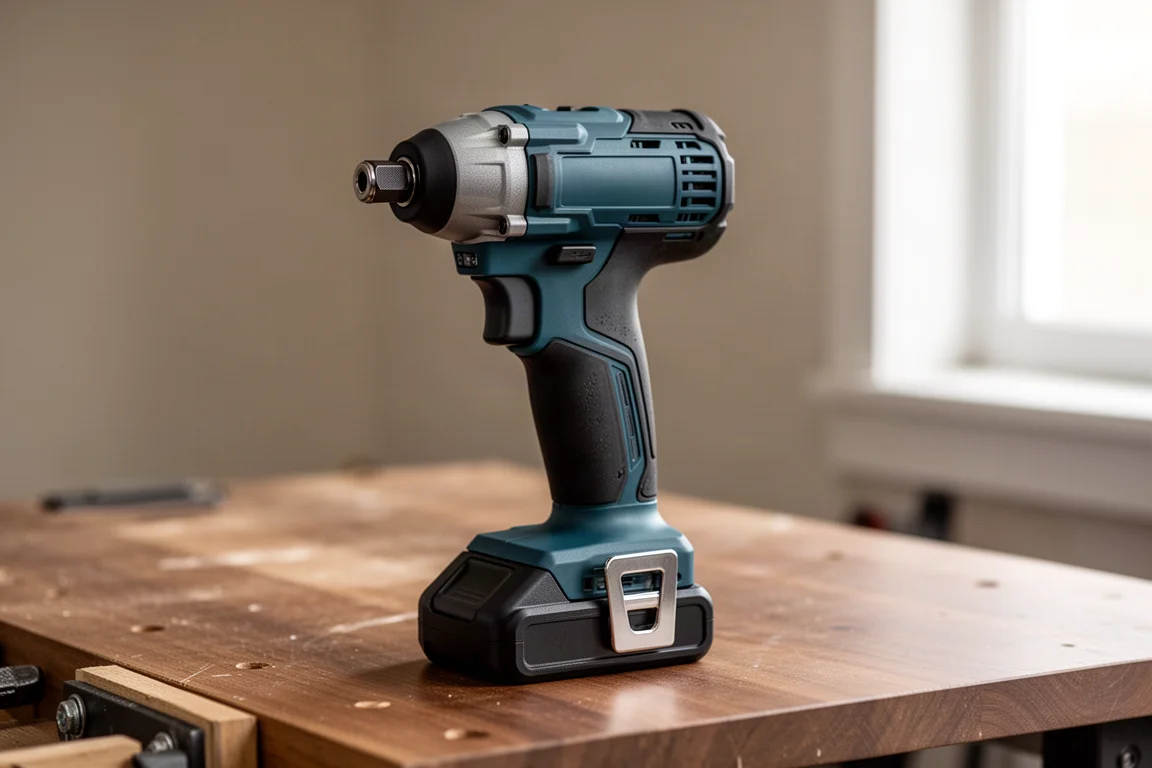
Weight tells a familiar story: the GTD01 lands at three pounds 15 ounces with a 2.5Ah battery, while the XDT16 with a 5.0Ah pack comes in at 3.81 pounds. Again, the XGT tool is only a couple of ounces heavier despite the bigger platform.
Size is where the XGT impact driver stands out more. It sits slightly under a quarter inch taller, and about a quarter inch or slightly more longer than the LXT version. Counting the shoe alone, the two are almost identical in length; it is the battery that adds roughly a full inch of length to the XGT tool. The XGT body is also noticeably chunkier overall. In day-to-day use the difference is not dramatic, but it is worth knowing before you buy.
Reciprocating Saws: Makita XRJ05 vs Makita JR02
On the 18V side, the XRJ05 represents the LXT reciprocating saw line, running a 5.0Ah battery. On the 40V side, the JR02 is the current XGT model, with the older JR01 phasing out, and it runs the 4.0Ah pack that ships in XGT reciprocating saw kits.
Here the gap widens. The XRJ05 weighs about eight pounds 9 ounces, while the JR02 comes in around ten pounds 15 ounces. The XGT saw is substantially beefier overall and adds orbital action, so the extra weight is expected rather than a flaw.
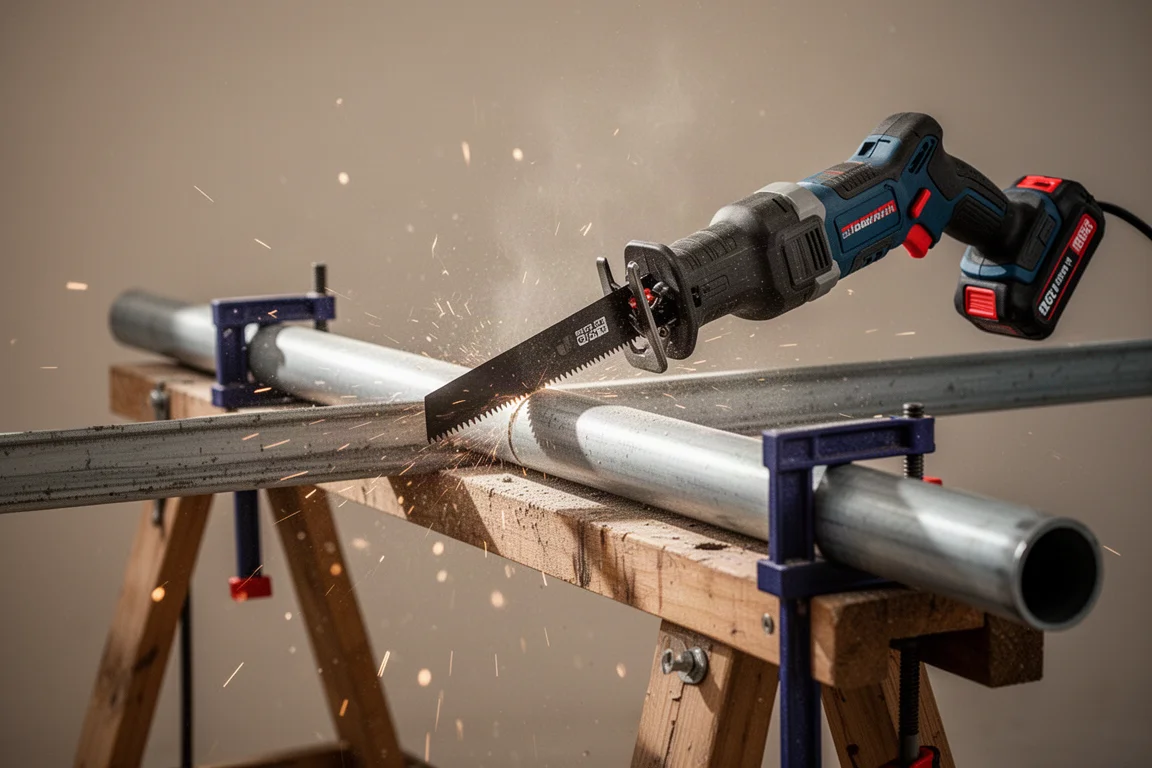
Fresh Diablo blades went on both saws for cutting tests at their highest speed settings. The bigger takeaway comes from real jobsite use: for demolition and junk removal work, tasks that might consume two or three batteries on the 18V saw can often be completed with a single battery on the XGT saw. For this category especially, the 40V platform shows its value.
Price, Runtime, and Where XGT Shines
Price is the biggest difference between these platforms. The XGT drill and impact driver kit, with two batteries and a charger, was picked up for around $222 during a deal at Home Depot. LXT tools bought used or during holiday sales can also come in at very good prices. XGT tools have historically cost more: they have been on the market a shorter time, and there is virtually no used market for them yet. Waiting for the right deal matters with either platform.
On runtime, results vary by tool. Some XGT tools delivered nearly twice the runtime of their LXT equivalents on comparable battery capacity, while others showed little difference. Outdoor equipment like blowers typically gains only around 10 to 20 percent, because those tools trade extra power against runtime and end up balancing both. The clearest XGT advantage is in the demanding outdoor and demolition tools: blowers, chainsaws, and reciprocating saws, where the battery-per-job count genuinely drops.
Buying Advice
If you are choosing between 18V and 40V, match the platform to the work. For drills and impact drivers doing general driving and pilot-hole drilling, 18V LXT remains the sensible default: lighter, smaller, cheaper, and with a much deeper tool and battery ecosystem. The XGT versions of these tools add weight and size for not a lot more usable power unless your drilling regularly pushes into large diameters.
For heavy-cutting and outdoor tools, especially demolition work with a reciprocating saw, the 40V XGT platform justifies itself through fewer battery swaps and stronger sustained performance. The same logic applies broadly across cordless brands: bigger voltage and bigger batteries cost more and weigh more, but runtimes tend to improve, with the trade-off varying tool by tool.
Conclusion
Makita’s LXT and XGT lines overlap more closely than the voltage numbers suggest. Drills and impact drivers differ by ounces and quarter inches, making 18V the value pick for most users. Reciprocating saws and the wider XGT outdoor lineup are where the 40V platform genuinely pays off, trading weight and price for fewer batteries per job. Choose by workload, not by spec sheet.
Further reading
Related Reviews
Power Tools
Best 1-Inch Pistol Impact Wrenches: Three Heavy-Duty Options Compared
We compare three 1-inch pistol impact wrenches, from a budget-friendly Harbor Freight model to a premium Caterpillar unit, to help you choose the right one.
Power Tools
Best 3/4-Inch Impact Wrenches 2026: Five Contenders Compared
We compare five 3/4-inch impact wrenches across price and performance, from a budget Amazon option to Snap-on's most powerful model yet.
Power Tools
Best Budget Cordless Tools 2026: Walmart Finds That Punch Above Their Price
We tested five cordless tools from Walmart, including a high-torque impact wrench that trades blows with Milwaukee and a $35 duster that outperforms its price class.