Power Tools
Makita LXT Battery Upgrades: What 21700 Cells Can Unlock in Your Existing Tools
We rebuilt a Makita LXT pack with modern 18650 and 21700 cells to see how much performance the platform has left on the table.
Introduction
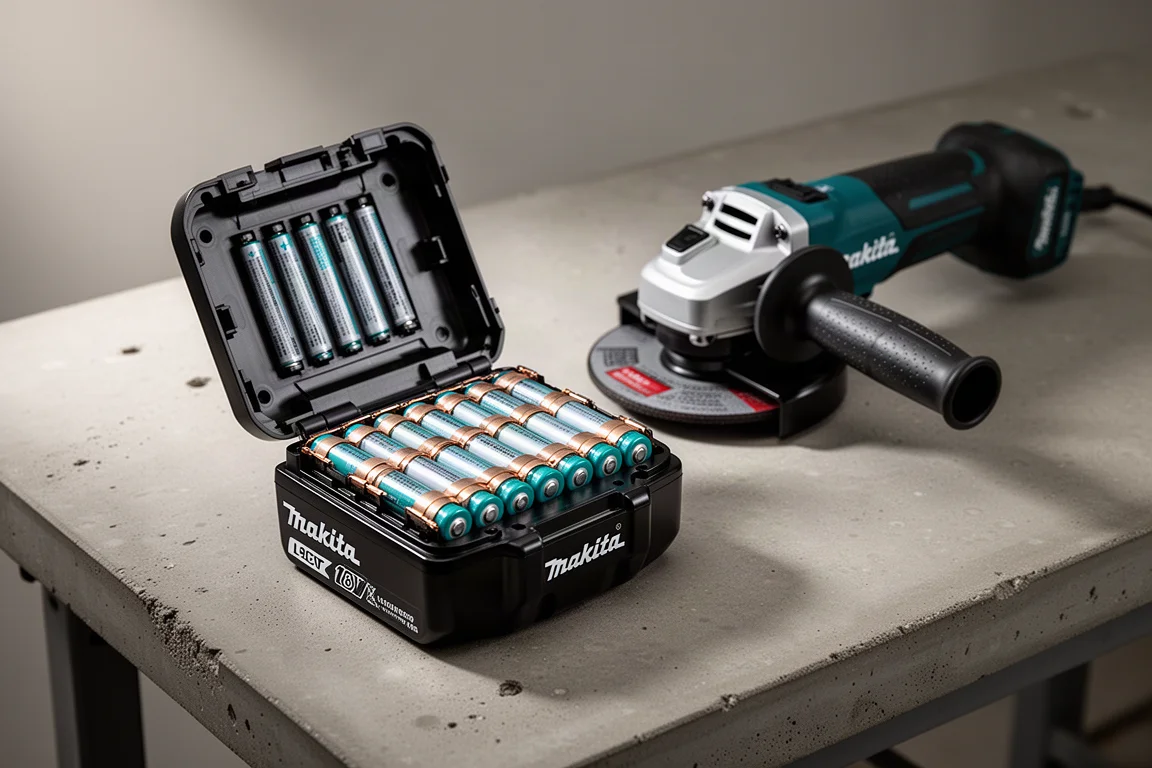
Battery technology moves faster than most power tool platforms do. That gap became obvious when one of the longest-established cordless brands, Makita, has stayed with five and six amp-hour 18650-based LXT packs while competitors moved on to 21700 cells and higher-output designs. To quantify what that costs users, a dead stock LXT pack was rebuilt with modern cells, and a custom 9 amp-hour 21700 pack was assembled from scratch, then tested in real Makita tools against a stock 5 amp-hour battery and a competing Milwaukee impact wrench.
The short version: the tools themselves have more to give than the batteries shipping with them. A battery swap alone produced measurable gains in RPM, peak power, and impact torque, including a jump from 636 to 751 foot-pounds on a three-quarter inch impact wrench.
The Test Grinder: Makita XAG04Z
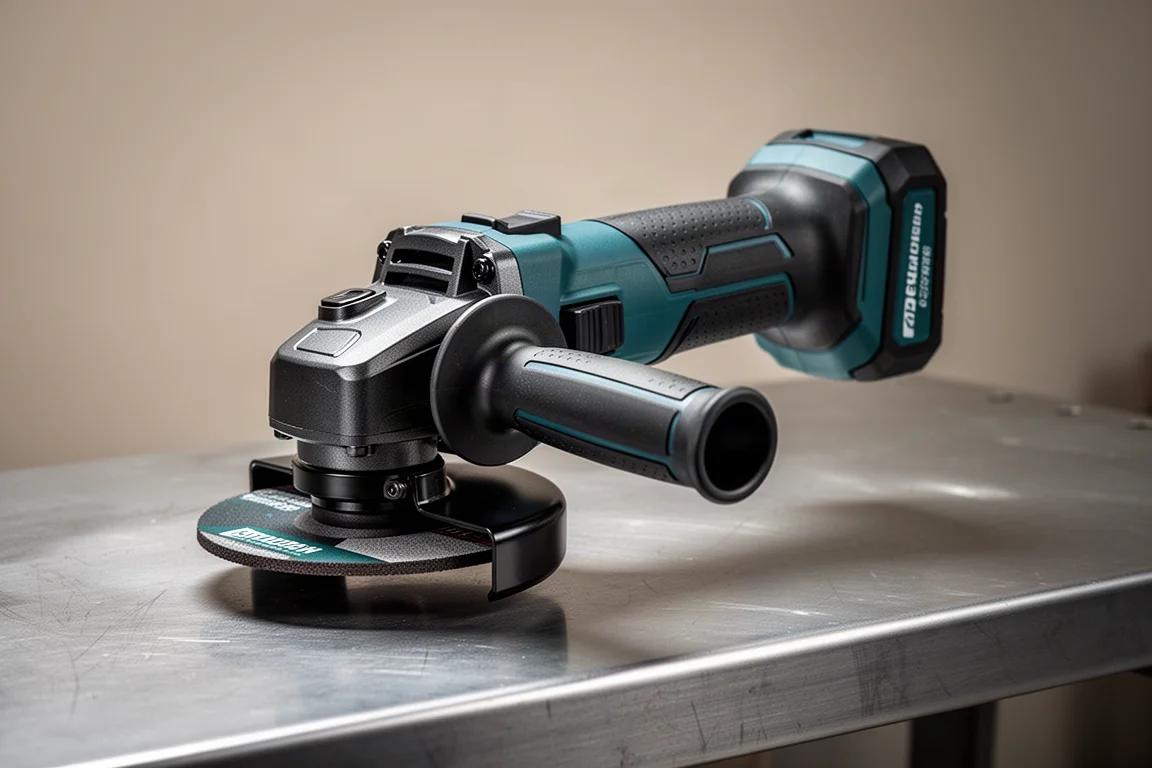
The XAG04Z is a straightforward LXT angle grinder that had not been benchmarked before this comparison. Under load until the tool stumbles or cuts off, it makes about 6,025 RPM and 450 watts of peak power. That lands within two percent of Makita’s RPM-adjustable sibling model, making the two essentially a wash on data, with the adjustable version holding a slight speed edge.
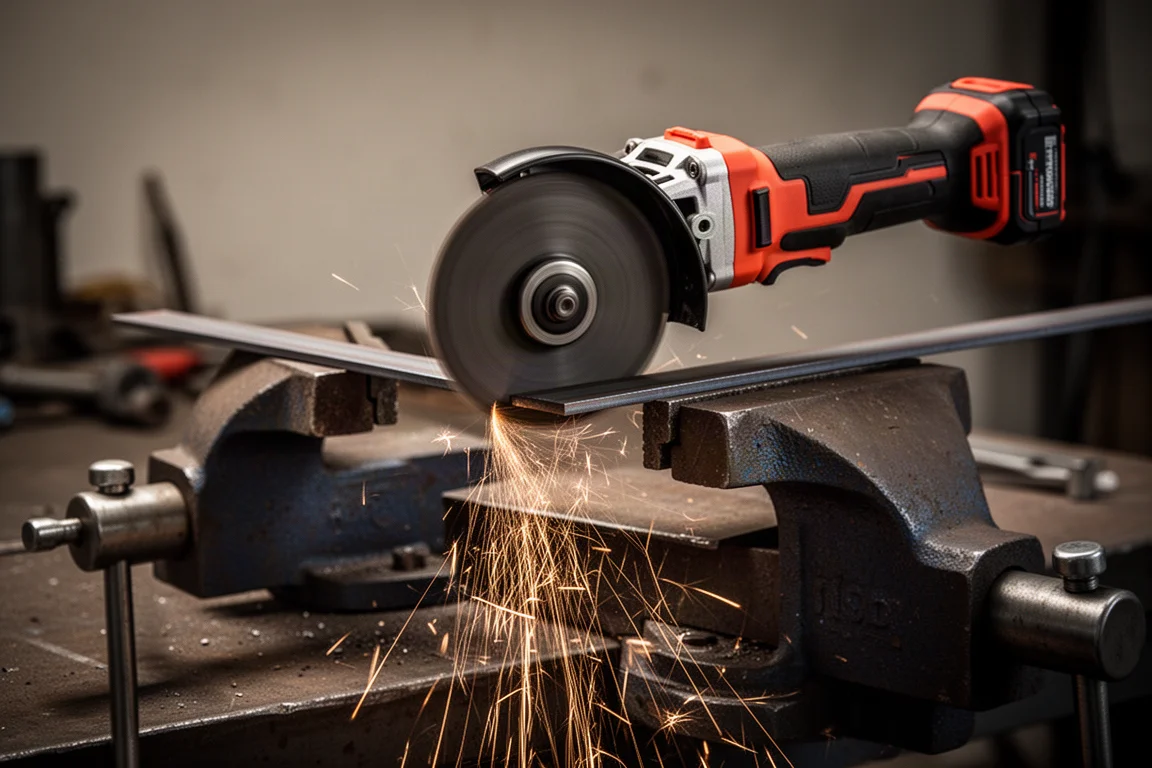
Run on the custom 25S-based rebuilt pack, the same grinder jumped to 6,410 RPM, closing the gap to the older model, and pushed peak output to 560 watts. With the 9 amp-hour 21700 pack, it reached 6,510 RPM and 660 watts, which is effectively the same peak power as a comparable M18 tool. On a power-hungry tool like a grinder, that difference is noticeable in use.
The Stock Battery: Makita LXT 5Ah
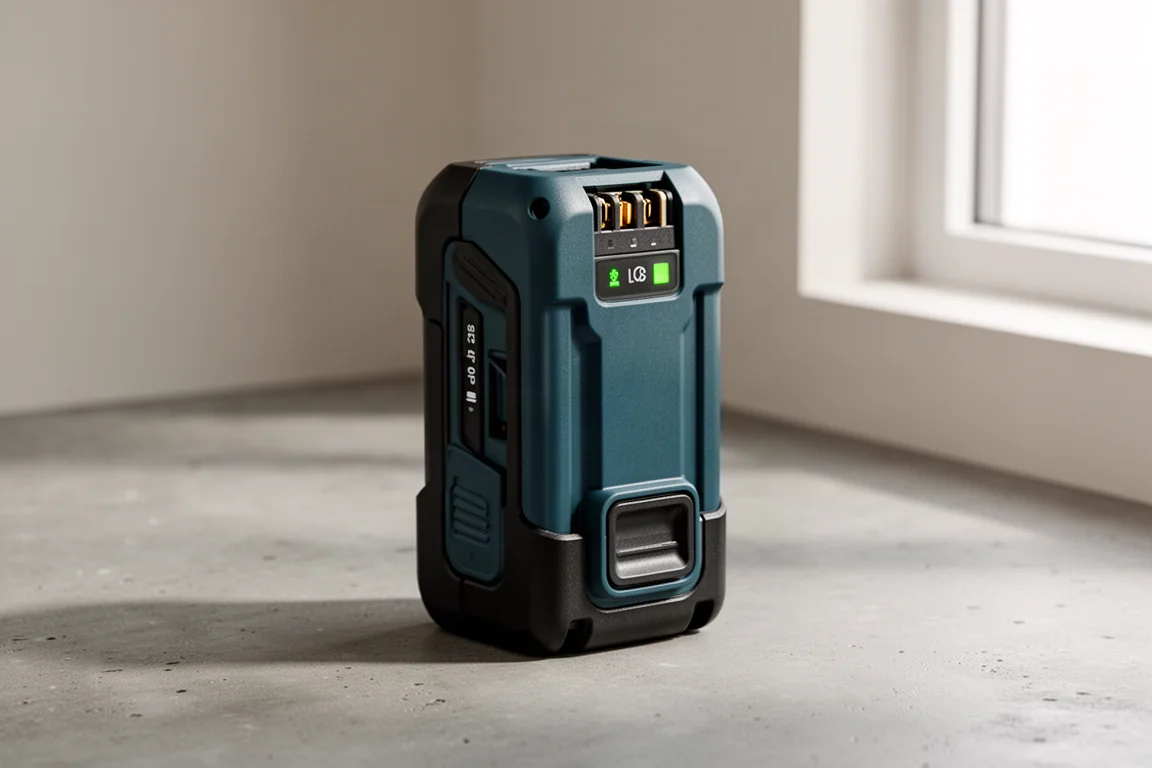
Cracking open a dead LXT 5 amp-hour pack revealed Samsung 25R cells inside. Under a heavy 700-watt load, a healthy stock pack sags from around 17 volts down to roughly 16.5 volts. That is a reasonable number for 18650 cells rated at 20 amps continuous discharge, but it also shows the ceiling of what the platform has been given to work with.
Rebuilding a Dead Stock Pack with Samsung 25R and 25S Cells
The simplest repair path is honest: replacing the dead cells with ten new Samsung 25R 18650s, or simply identifying and swapping failed cells, restores a healthy battery. A lot of 10 of those cells cost about 38.50, a genuinely practical route for reviving a pack that died while still looking new.
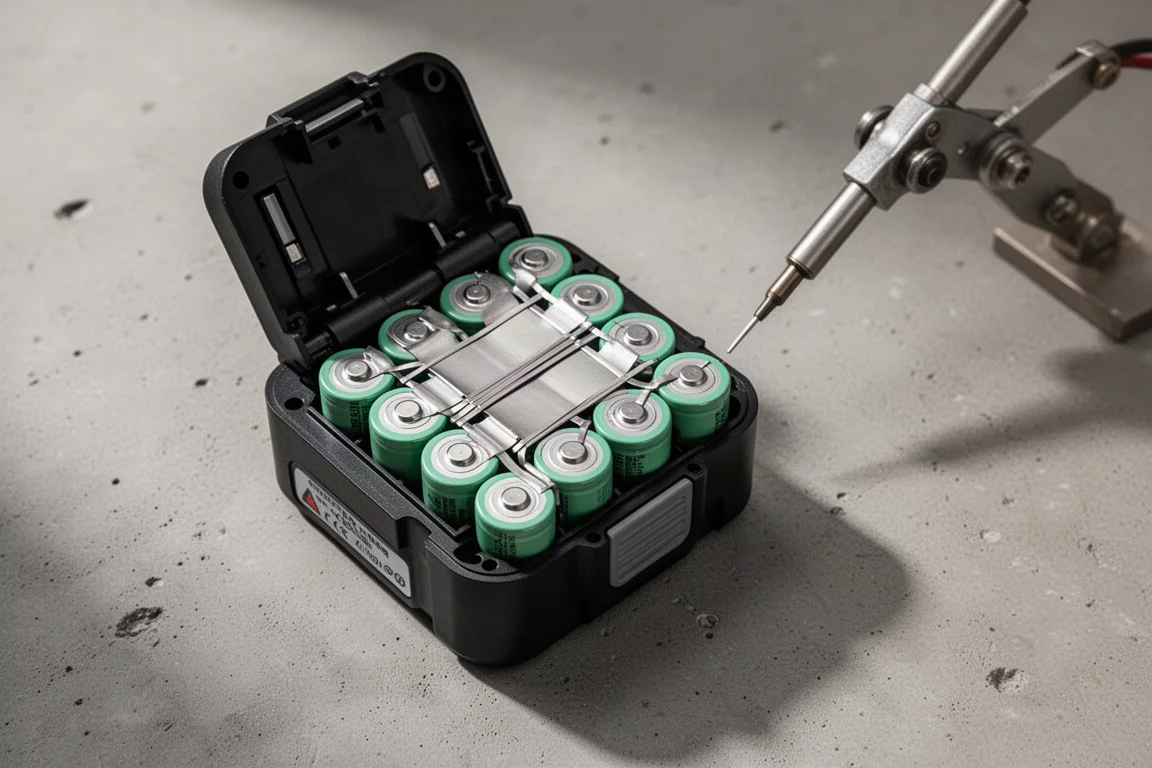
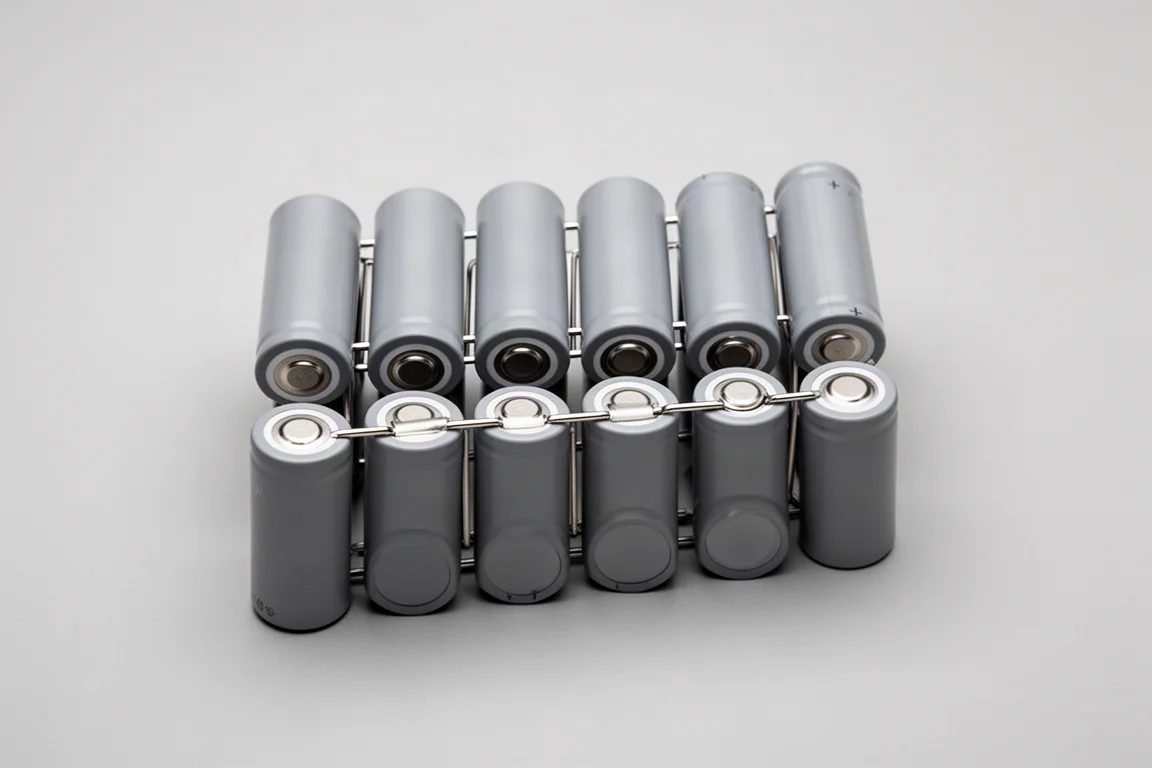
For more headroom, the Samsung 25S cells, the type used in Milwaukee’s high-output M12 batteries, raise the maximum continuous discharge spec from 20 to 25 amps. They cost roughly twice as much, about 80 for ten, but the rebuilt 5 amp-hour pack gains around 50 peak amps on tap. Stitched together with 0.25 millimeter nickel strips and patched into the original main board, the cells fit the stock shell without modification.
The 21700 Experiment: Molicel P42A and P42B
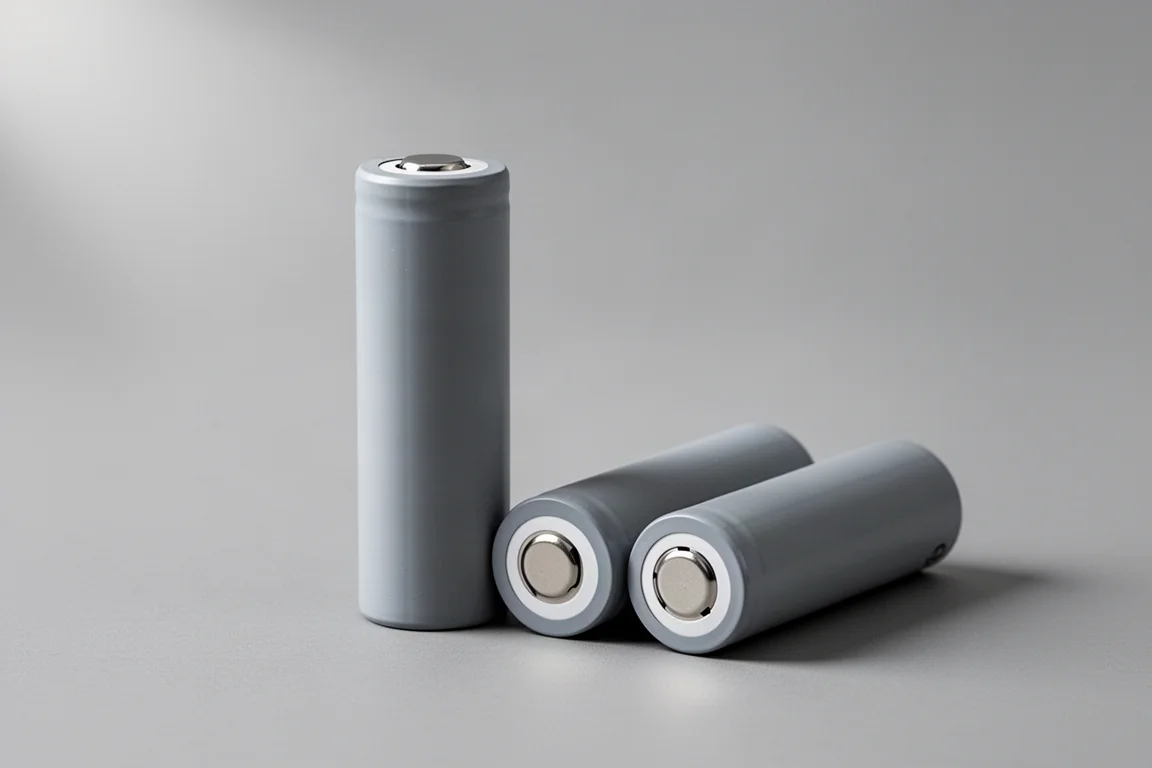
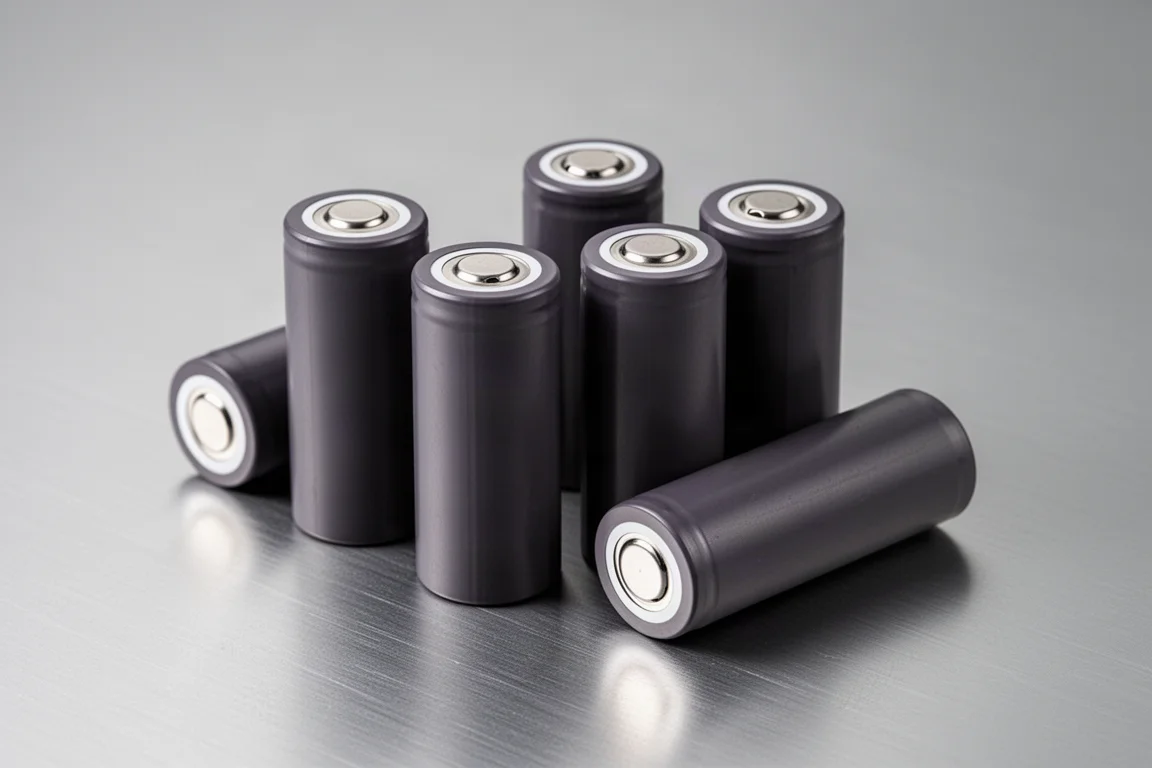
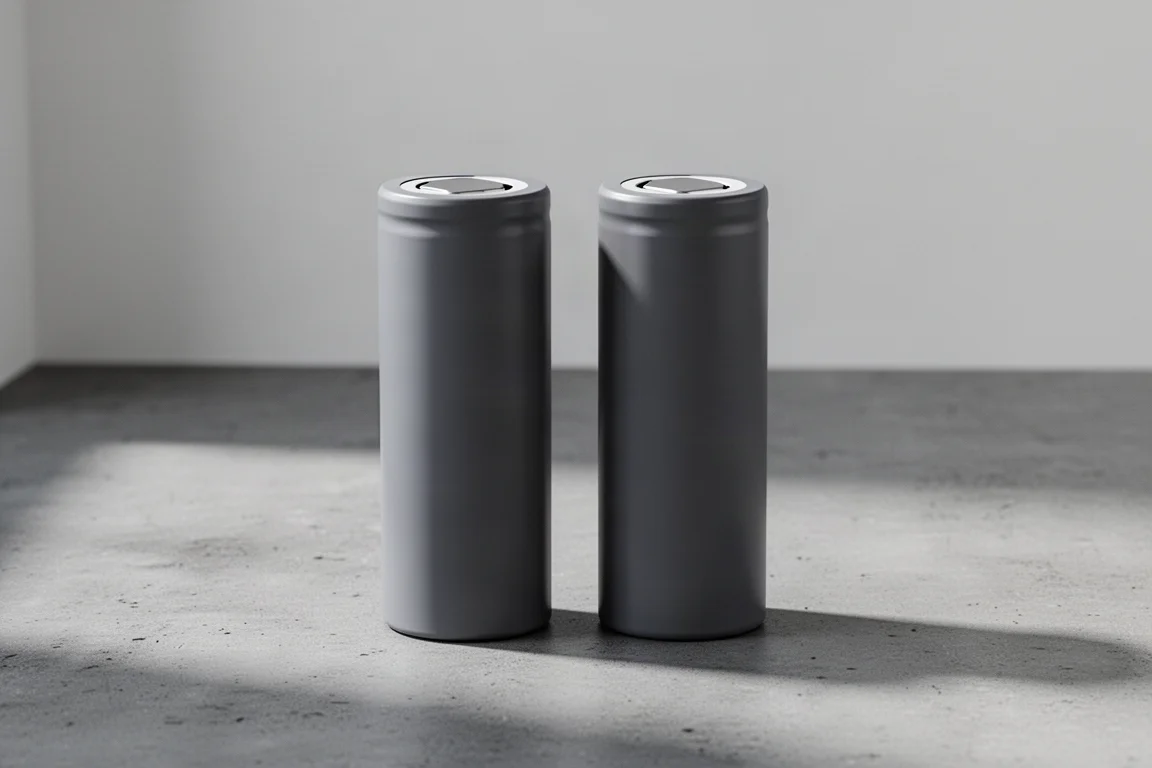
A first custom attempt paired a 2P configuration of Molicel P42A 21700 cells into an 8.4 amp-hour pack, effectively the size of an 8.0 but with a claimed higher discharge rating. In the impact wrench it actually produced less torque than the stock 5 amp-hour pack, 563 versus 636 foot-pounds, and voltage sagged badly to 13.5 volts under a 700-watt load, while the internal metal connections burned and smoked. The lesson: cell choice and joinery matter as much as capacity.
The fix was heavier equipment. A high-power capacitor-based spot welder drove much thicker nickel strips, with eight overlapping 0.25 millimeter strips per battery cross-section and 10 gauge wire routed to fit the case, soldered with a 260-watt iron. By then the Molicel P42B had arrived, billed as among the best 21700 cells available with 45 amp discharge and 4,350 milliamp-hour capacity. Ten of them in 2P made a 9 amp-hour pack the size of an 8.0.
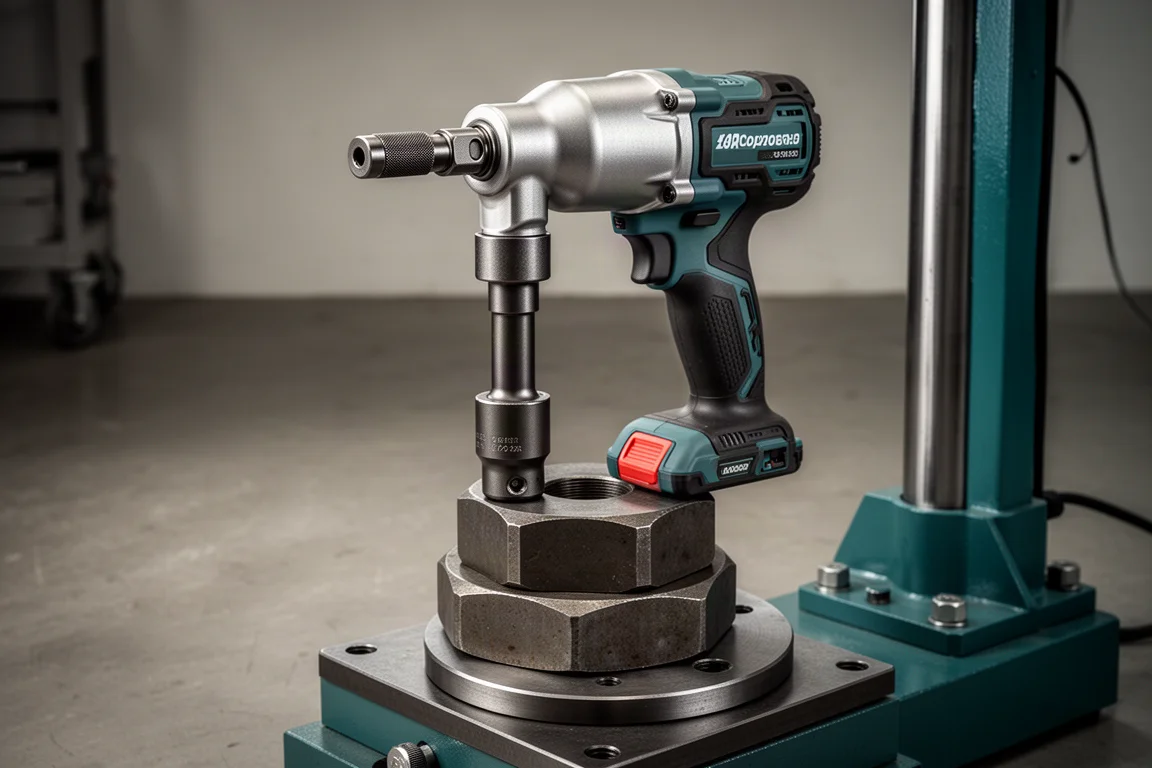
Under the same 700-watt load that dragged the stock pack to 16.5 volts and the first attempt to 13.5, the finished P42B pack held 18.7 to 19 volts, barely dipping below nominal. The impact wrench responded with 751 foot-pounds in max torque reverse testing, a gain of over 100 foot-pounds from a battery swap alone, briefly passing the Milwaukee M18 three-quarter inch high-torque on that metric.
Impact Wrench Results: Milwaukee M18 High-Torque vs Upgraded LXT
Back-to-back on the dyno, the Makita three-quarter inch impact with the stock 5 amp-hour battery managed 636 foot-pounds, a modest step up from the half-inch version but short of the Milwaukee. With the 25S sleeper pack it rose further, and the 9 amp-hour P42B pack delivered 751 foot-pounds, though in a shorter 15-second best-of-three test format the Milwaukee regained its lead.
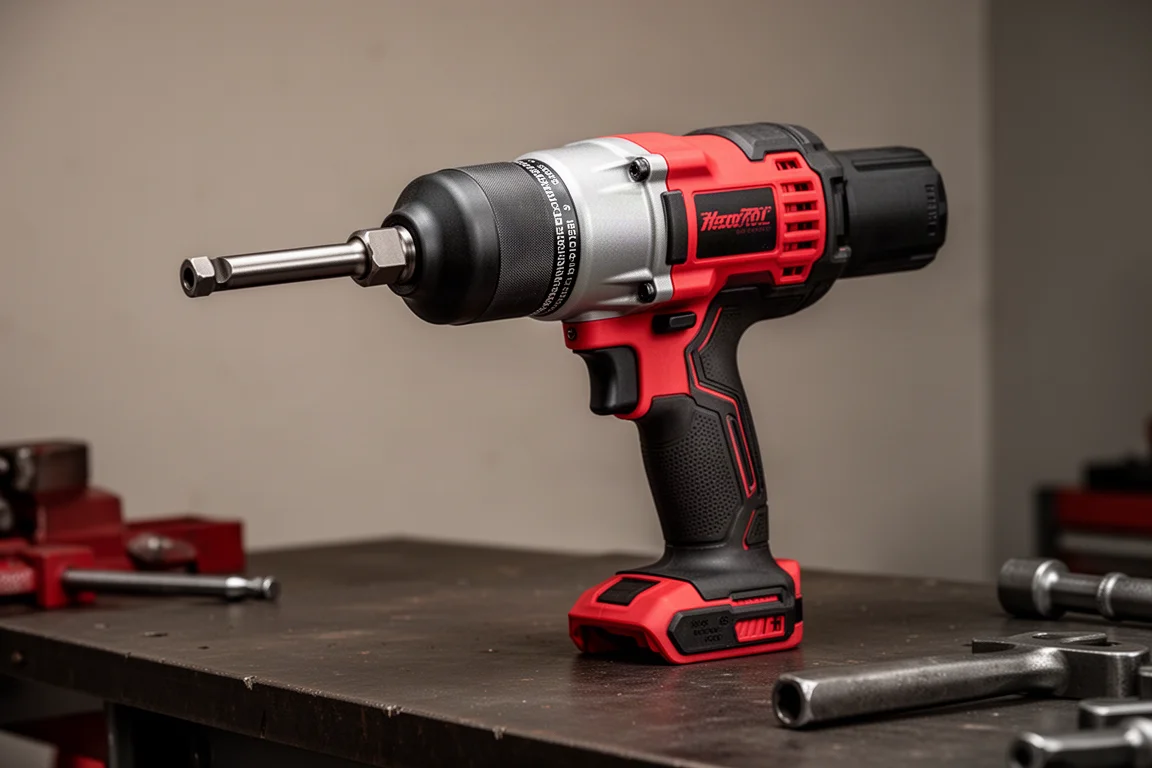
On the combined ranking, which weighs torque output against tool and battery weight, the Makita totals 394 points, below the M18 three-quarter inch. Interestingly, the hypothetical pairing of the Milwaukee with the spicy 9 amp-hour pack added relatively little on the chart, suggesting that tool is already close to maxed out, while the Makita clearly was not.
Why Don’t Brands Do This?
High-performance cells are expensive, and this kind of peak amp draw can reduce cycle life, even on quality cells, so there is a real trade-off for manufacturers. But the upside is hard to ignore: a 9 amp-hour pack the size many other brands’ 6 amp-hour packs would be a compelling offer, and new battery tech is the most immediate way to upgrade every tool a buyer already owns.
The complication for Makita is strategic. LXT tools with the 18X2 dual-battery design are not sized to accept wider 21700 cell packs, and a substantially better LXT battery would narrow the gap to the separate XGT line, making the price premium on those tools harder to justify. XGT tools, batteries, and chargers do not interchange with LXT, so moving between them is effectively like switching brands.
Should You Build One?
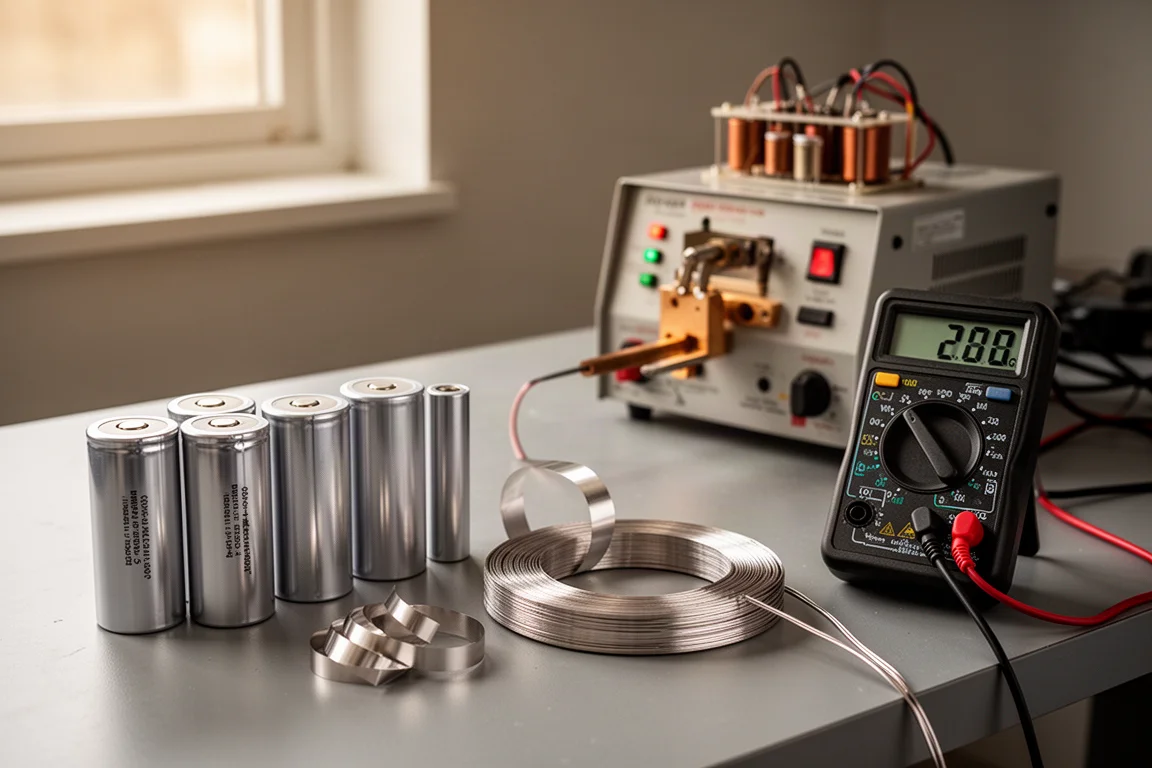
For anyone with a dead LXT pack, a cell swap with Samsung 25R cells is the conservative, sensible fix. The 25S route adds meaningful headroom for about twice the cell cost. The full 21700 build with Molicel P42B cells demands a serious spot welder, thick nickel strip, 10 gauge wire, and careful case routing, but it demonstrably unlocks power these tools have never shipped with. The main caution: pushing cells this hard shortens their life, and a botched pack is a safety risk, so this is only for builders comfortable with lithium battery work.
Conclusion
The data tells a clear story: LXT tools were built thirstier than their stock fuel tanks can deliver. A simple 18650 rebuild restores a battery for modest cost, the 25S rebuild adds real peak amps, and a Molicel P42B-based 9 amp-hour pack transformed both a grinder and a three-quarter inch impact wrench, with the impact posting numbers above its stock configuration and rivaling a competitor’s flagship. New cells in an old platform remain the cheapest performance upgrade most cordless tool owners can make.
Further reading
Related Reviews

Power Tools
Best 1-Inch Pistol Impact Wrenches: Three Heavy-Duty Options Compared
We compare three 1-inch pistol impact wrenches, from a budget-friendly Harbor Freight model to a premium Caterpillar unit, to help you choose the right one.

Power Tools
Best 3/4-Inch Impact Wrenches 2026: Five Contenders Compared
We compare five 3/4-inch impact wrenches across price and performance, from a budget Amazon option to Snap-on's most powerful model yet.

Power Tools
Best Budget Cordless Tools 2026: Walmart Finds That Punch Above Their Price
We tested five cordless tools from Walmart, including a high-torque impact wrench that trades blows with Milwaukee and a $35 duster that outperforms its price class.