Hand Tools
Makita Lockable Adjustable Spanner Review: A Clever Twist on a Classic Tool
The Makita lockable adjustable spanner clamps onto fasteners like mole grips, reducing slip and rounded-off nuts. Here's how it works and whether it earns a spot in your toolbox.
Introduction
Every toolbox seems to contain at least one adjustable spanner. They are the emergency fallback: one tool that fits almost everything. The problem is that they are not perfect. Standard adjustables have a tendency to roll nuts over, which is exactly why most people still reach for a proper spanner when they have one.
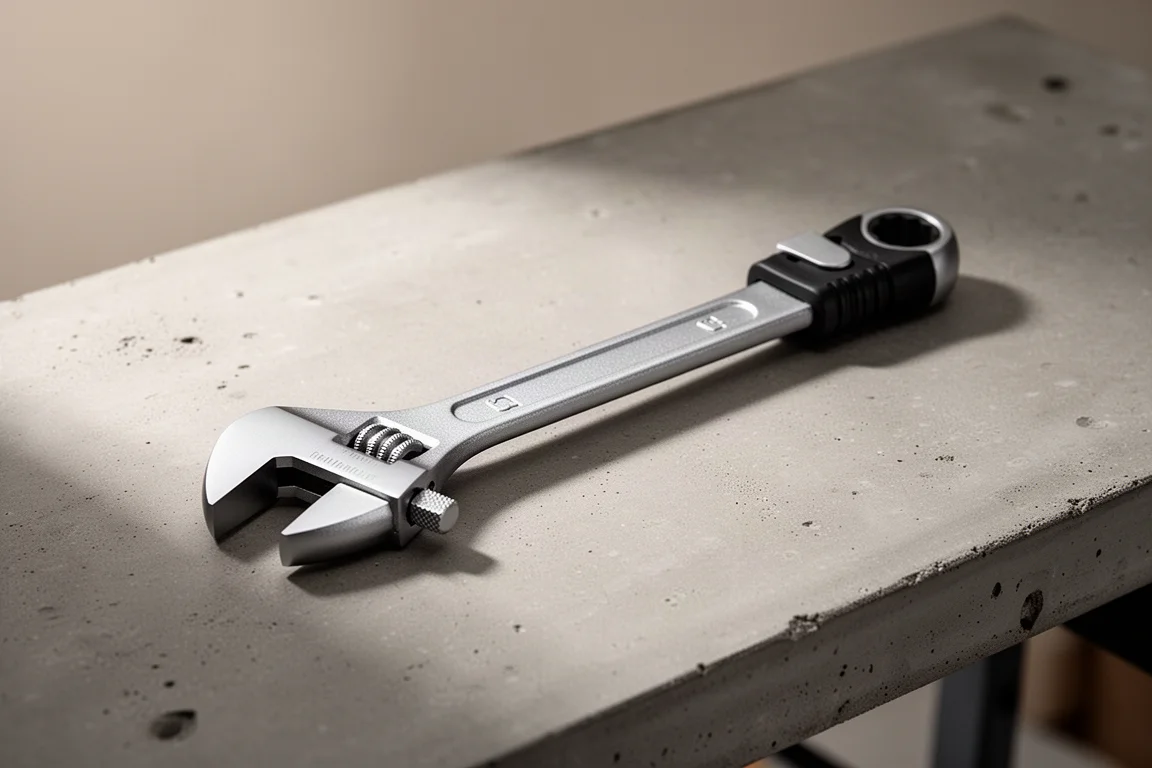
The Makita lockable adjustable spanner takes the familiar adjustable design and adds a locking mechanism borrowed from the world of mole grips. The result is a hybrid that clamps onto a fastener and stays there, promising less slip, less rounding, and a feel much closer to using a real spanner.
Who This Product Is For
This tool makes sense for anyone who relies on an adjustable spanner as their emergency option: a toolbox in the car, a plumbing bag, or a general household kit. If you regularly work with fasteners where a fixed spanner is not available or practical, the locking action is a meaningful upgrade over a traditional wobbly adjustable.
It also suits people who find themselves constantly re-tightening the thumb screw mid-job, adjusting the jaw onto the nut, turning, unlocking, backing off, and starting again, with their thumb doing all the work and the nut sometimes turning with it.
Main Strengths
How the Locking Mechanism Works
The design combines an adjustable spanner with the clamping behaviour of a set of mole grips. Mole grips earned the nickname of a “third hand” in many households: you clamp them onto whatever you are working on, adjust, and then the lock holds them in place so you do not have to keep gripping.
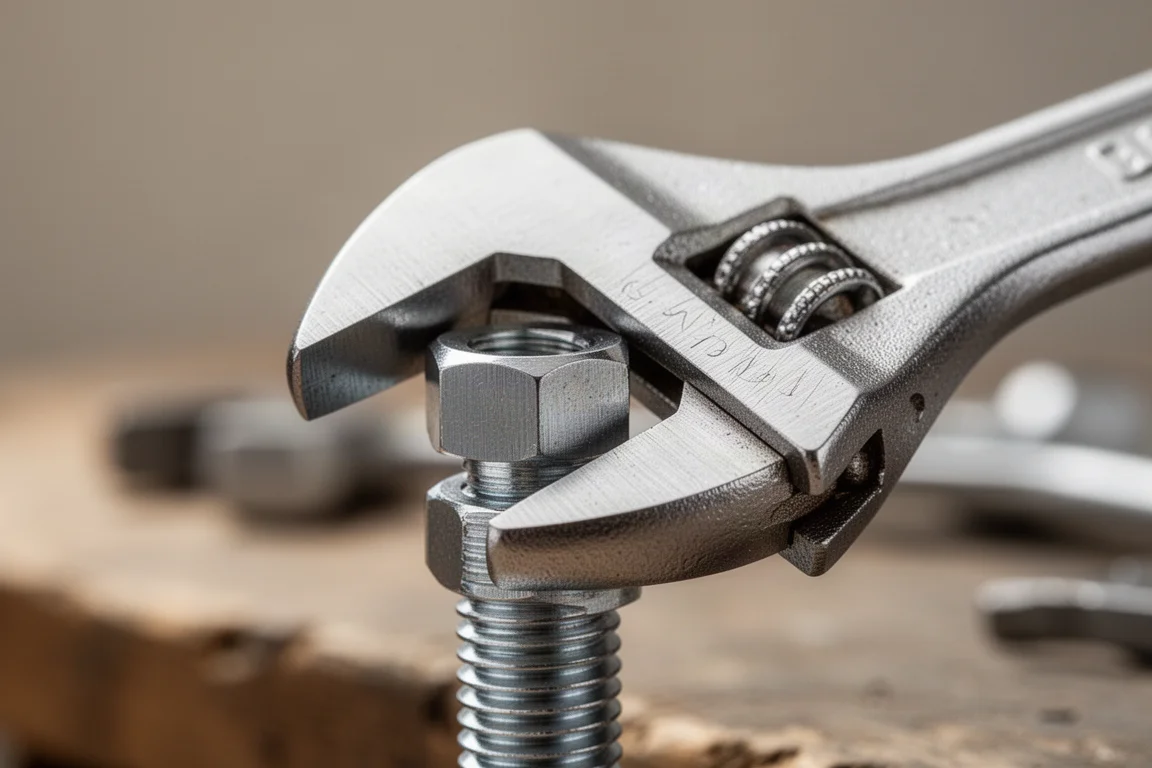
This spanner works in a very similar way. You open and close it like a standard adjustable. Once the jaws are on the nut and finger-tight, pressing the lockable bar closes the jaws just a little bit more, clamping onto the fastener and fixing the whole assembly in place.
The lever arm pushes on the bottom of the adjustment thumb screw, taking up the slack and moving the adjustable jaw a fraction closer to the fixed jaw. Look closely at the bottom of the thumb screw and you can see the spindle moving in and out by a tiny amount, just enough to tighten the jaws onto a nut.
Real-World Use: One-Handed Operation
Tested on copper tubing with a compression fitting, the key difference becomes obvious immediately. Once locked onto a nut, the spanner stays where it is put. It does not slip off, and it does not need to be re-adjusted for every turn.
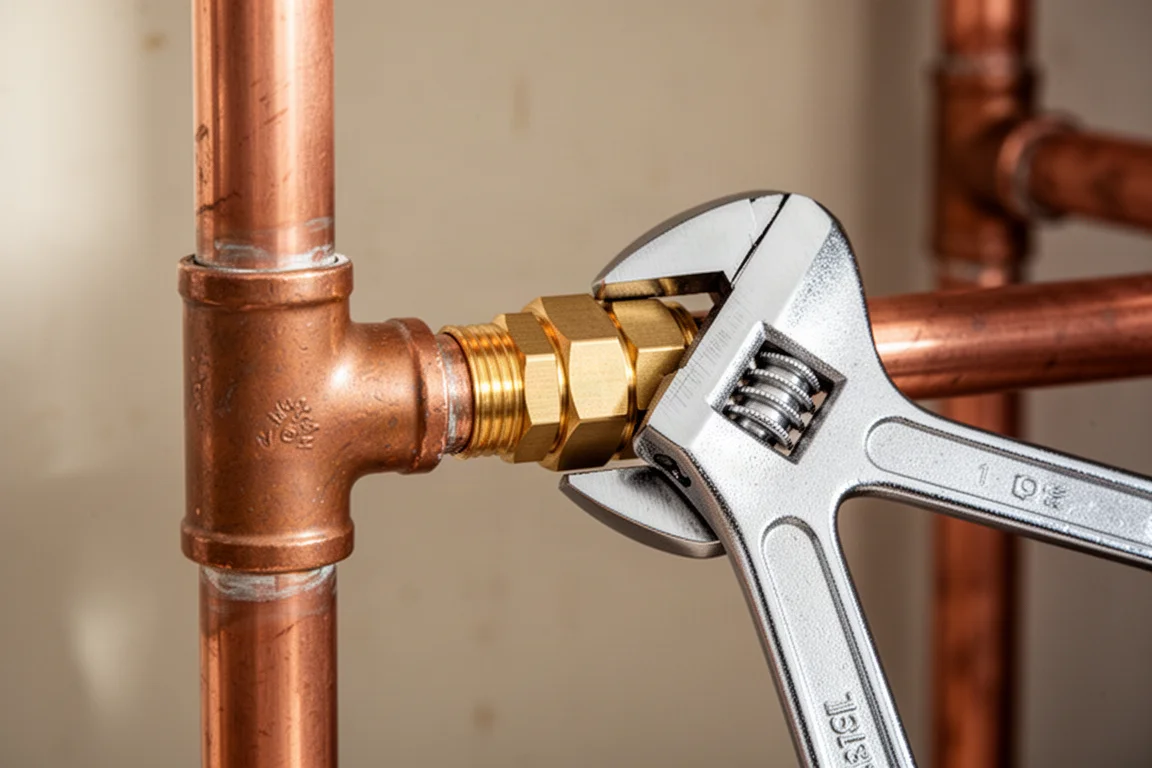
Removal and re-fitting need only one hand: unlock, feed onto the nut, lock, and carry on turning. The locking action also compensates for slightly imperfect fits; on one test fitting that had started to round over the nut slightly, tightening the lock a little more was enough to get a firm grip. That clamping force means there is much less chance of rounding off nuts, and the whole experience feels closer to using a proper spanner rather than a traditional adjustable.
Things to Consider Before Buying
How Much Do the Jaws Actually Close?
Measured with digital calipers, the jaws read 29.8mm when unlocked and set to a medium opening. Locked, that measurement dropped to 28.76mm. So the locking mechanism clamps in roughly a third of a millimetre.
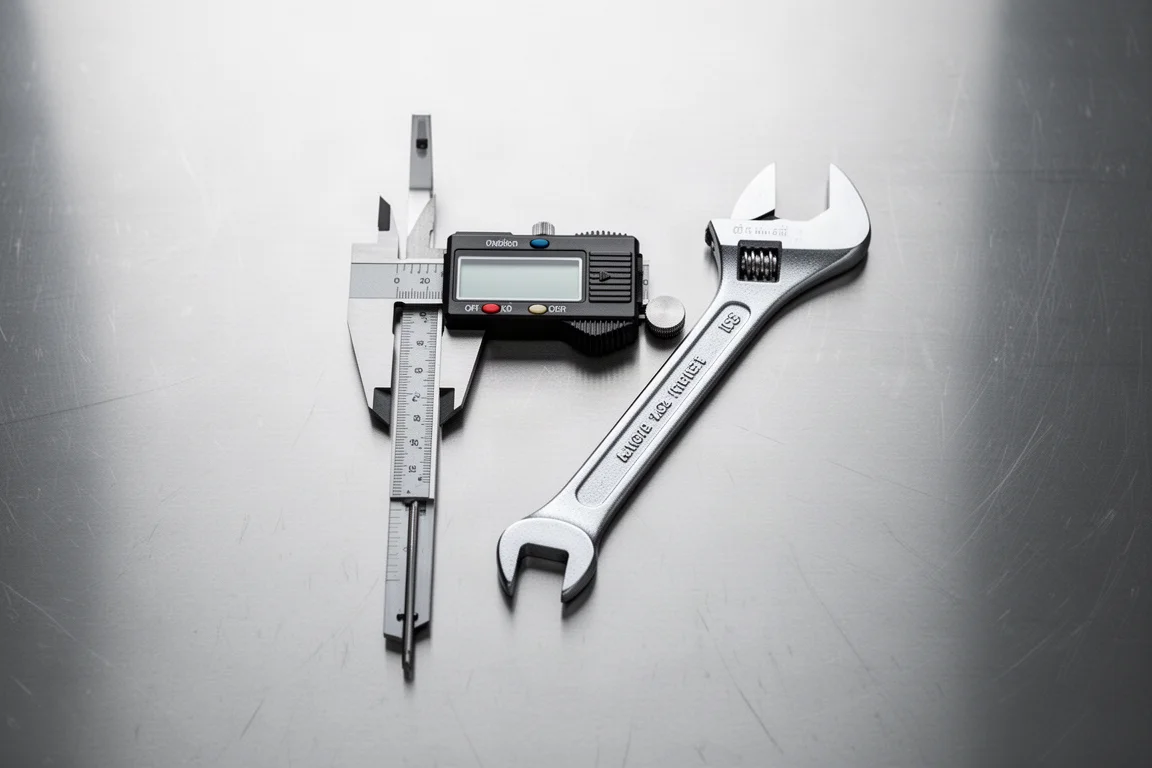
That does not sound like much, and it is not. But a third of a millimetre is just enough to take the jaws from finger-tight to really tight, which is the entire point. It is worth noting that, unlike mole grips, there is no way to make the lock tighter or looser. That third of a millimetre is fixed.
Also worth being honest about: the tool has been tried on a variety of items rather than used heavily on site, so long-term durability under daily trade use is not yet proven.
Price and the Amazon Basics Alternative
The Makita version sits at the top of the range for this type of tool, listed on Amazon at £37. If that price feels steep, there is good news: Amazon offers an Amazon Basics version of the same lockable adjustable spanner for £15.50. It lacks the branding and the rubberized handle, but at that price it will likely do exactly the same job as the branded one.
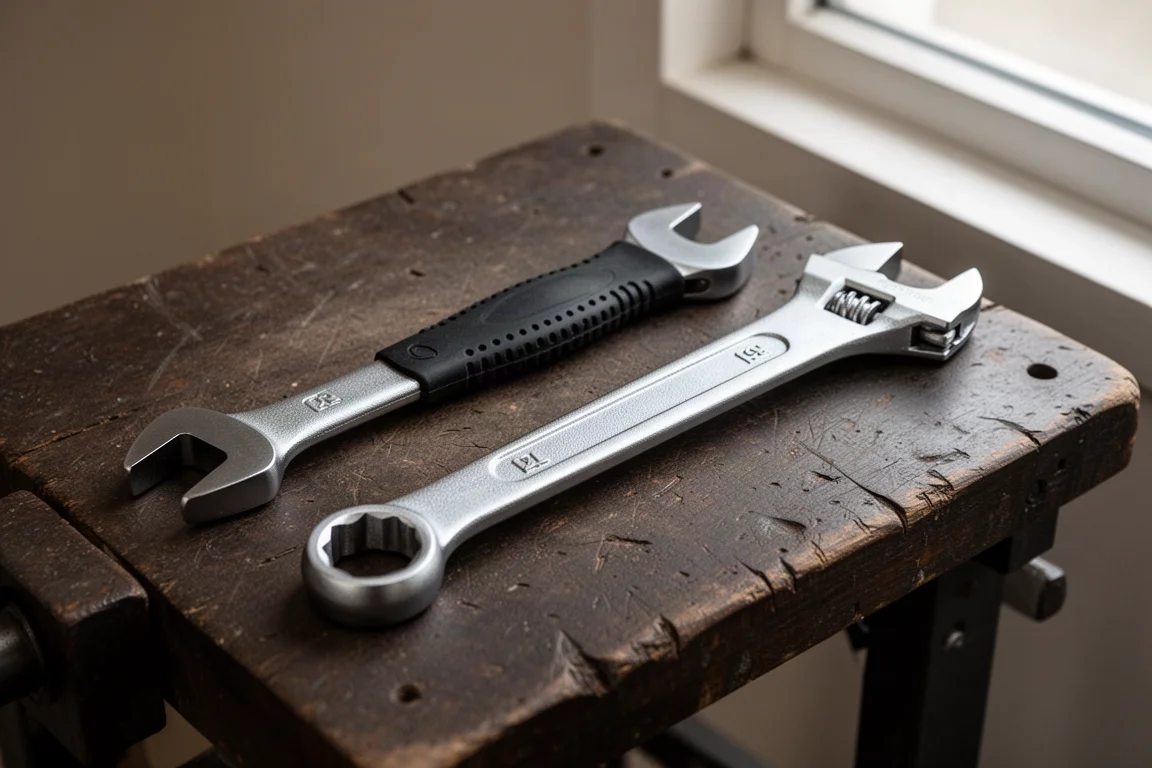
Either way, if you are buying an adjustable spanner as a just-in-case tool, the locking mechanism is the feature worth paying for over a standard adjustable.
Buying Advice
If you are choosing an adjustable spanner for an emergency kit or a general toolbox, choose a lockable version over a standard one. The Makita is the premium pick at £37 with a nicer, rubberized handle; the Amazon Basics version at £15.50 covers the same functionality without the name or the grip upgrade.
If your day-to-day work already involves fixed spanners for most jobs and an adjustable is purely a fallback, the cheaper version is probably the sensible entry point. If you want the best feel in hand and are happy to pay for it, the Makita justifies its price.
Conclusion
The lockable adjustable spanner is a genuinely useful evolution of a familiar tool. The locking bar adds a small but decisive clamping action that keeps the jaws fixed on the fastener, prevents slipping, reduces the risk of rounding off nuts, and allows one-handed operation. It will not replace a full set of spanners, but as the one spanner you keep in the car or the bottom of the toolbox, it is a clear step up from a standard adjustable.
Product link
View more details for Makita Lockable Adjustable Spanner
This product is mentioned in the review. Check the specifications, options, and compatibility before buying.
View more details for Makita Lockable Adjustable SpannerFurther reading
Related Reviews
Hand Tools
Best Diagonal Cutters 2026: 16 Pliers Tested for Cutting Power and Durability
We put 16 diagonal cutters through nail, screw, drill bit, and hex key tests to find the best value picks for your toolbox.
Hand Tools
Best Hex L Key Sets 2026: Nine Sets Tested for Real-World Torque
Nine hex L key sets from budget to premium, tested for torque, fit, and durability. See which sets deliver real performance and which ones to skip.
Hand Tools
Best Locking Pliers 2026: Top Picks Tested for Grip and Durability
We tested 18 brands of 10-inch locking pliers for grip strength, jaw bite, build quality, and ease of release to find the best options for tough jobs.