Outdoor Power Tools
Makita KR401MP Cultivator Attachment Review: Small Tool, Surprising Grit
The Makita KR401MP cultivator attachment turns a power head into a capable soil tiller, but how well it works depends heavily on which power head you pair it with.
Introduction
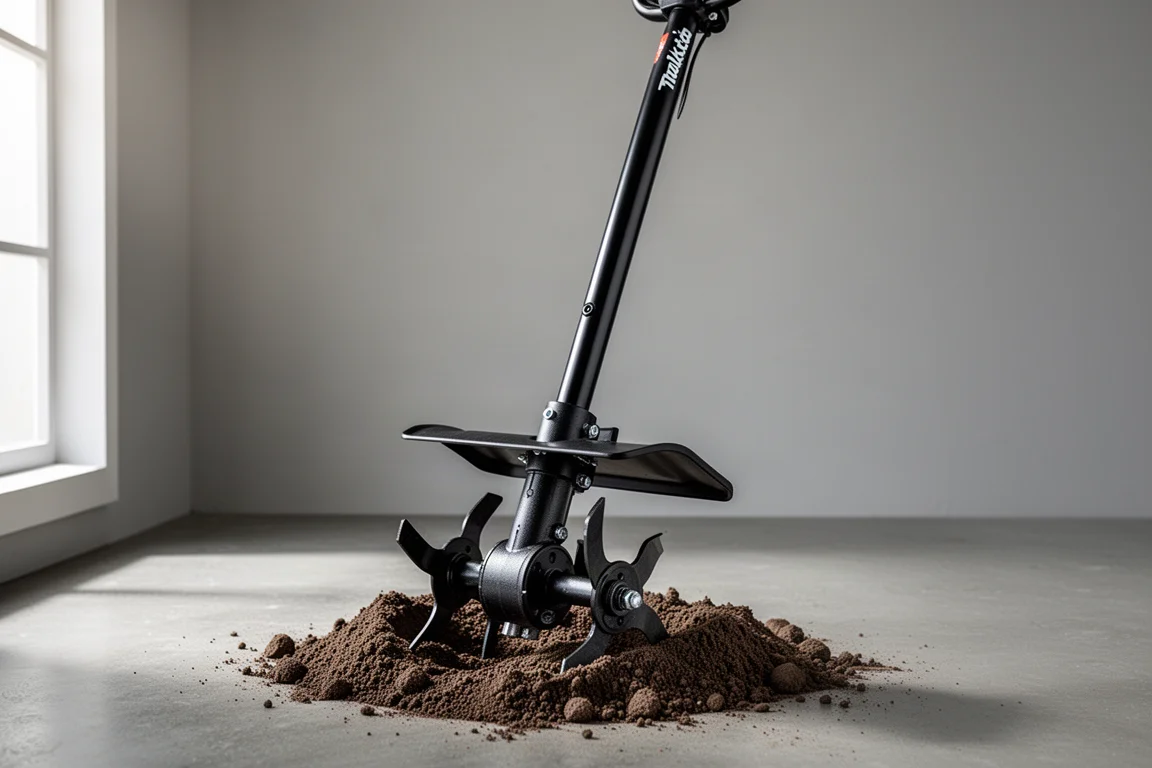
Makita’s power head system is all about one motor, many jobs, and the KR401MP cultivator attachment is one of the more practical ways to use it. Instead of buying a dedicated tiller, you add a tined attachment to a power head you may already own.
Out of the box, it feels better made than the price suggests. There is a blade assembly on either side of the main shaft with offset teeth, held on with a simple pin so they are easy to remove, sharpen, or replace. A plastic guard mounts underneath with a couple of bolts to keep debris from spraying back toward you, and the whole unit is light enough to handle comfortably.
Who This Attachment Is For
This attachment suits anyone already invested in Makita’s power head ecosystem who wants to break up soil, tear out weeds, or lower ground level in garden beds without buying a standalone tiller. Some regions call this type of tool a tiller; it does the same job either way.
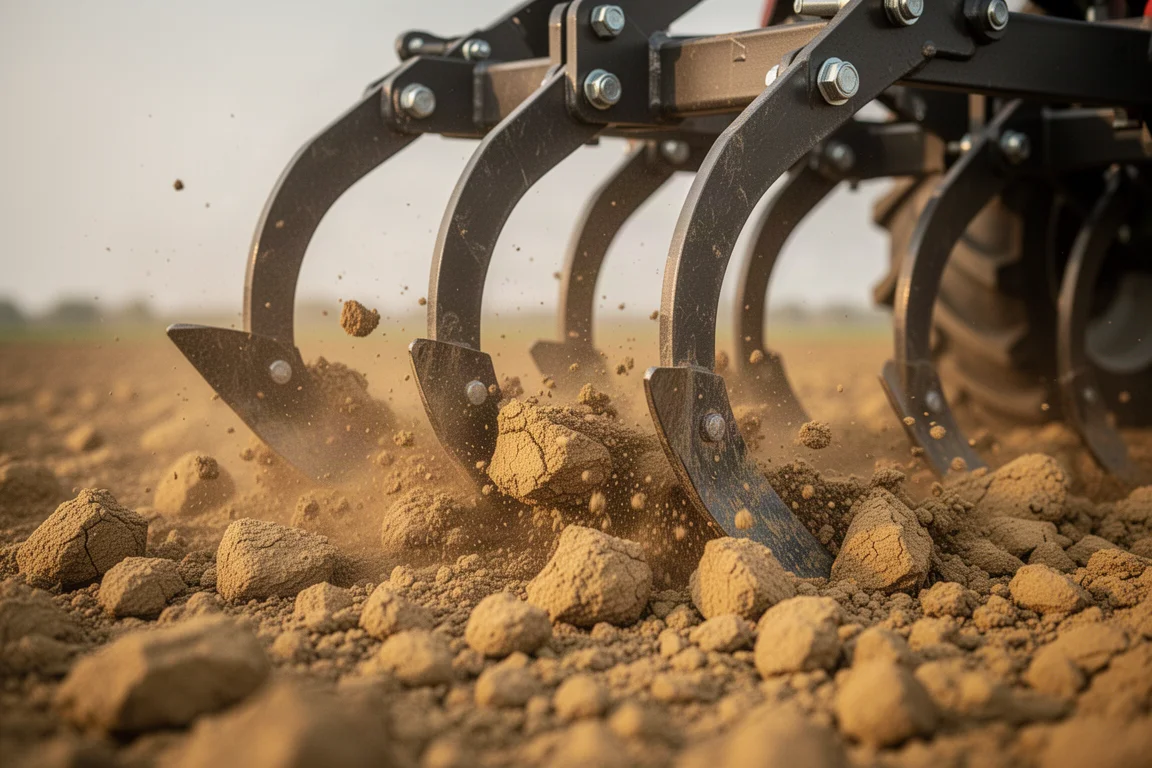
It is also worth noting how it leaves the soil. Rather than digging straight down into heavy clay and producing big clumps that are hard to spread, the tines break the ground into small, easy-to-shovel chunks that spread far more easily around the garden.
Main Strengths
The build quality is the first pleasant surprise. The tines have taken hits from rocks and chunks of concrete without breaking or showing significant damage, which is reassuring for real-world ground conditions.
Its biggest strength, though, is how it transforms depending on the power head it is paired with. In testing against very hard, dry clay with freshly charged 5Ah batteries, the results were telling:
- 18V power head (single battery): easy to stall and quick to bounce around. It simply lacks the grunt for tough clay, even at top speed.
- 18Vx2 power head (36V equivalent): noticeably stronger. It bounces a bit and is not the most comfortable tool to wrestle, but it gets through clay far faster than digging by hand and pulverizes the soil nicely. On softer, composted ground at low speed it is genuinely pleasant to use and fairly quiet.
- 40V power head: the standout. It chewed through clay that was expected to defeat it, never stalled under deliberate abuse, and the extra torque keeps the tines from bouncing. That means less vibration and far less strain on your arms.
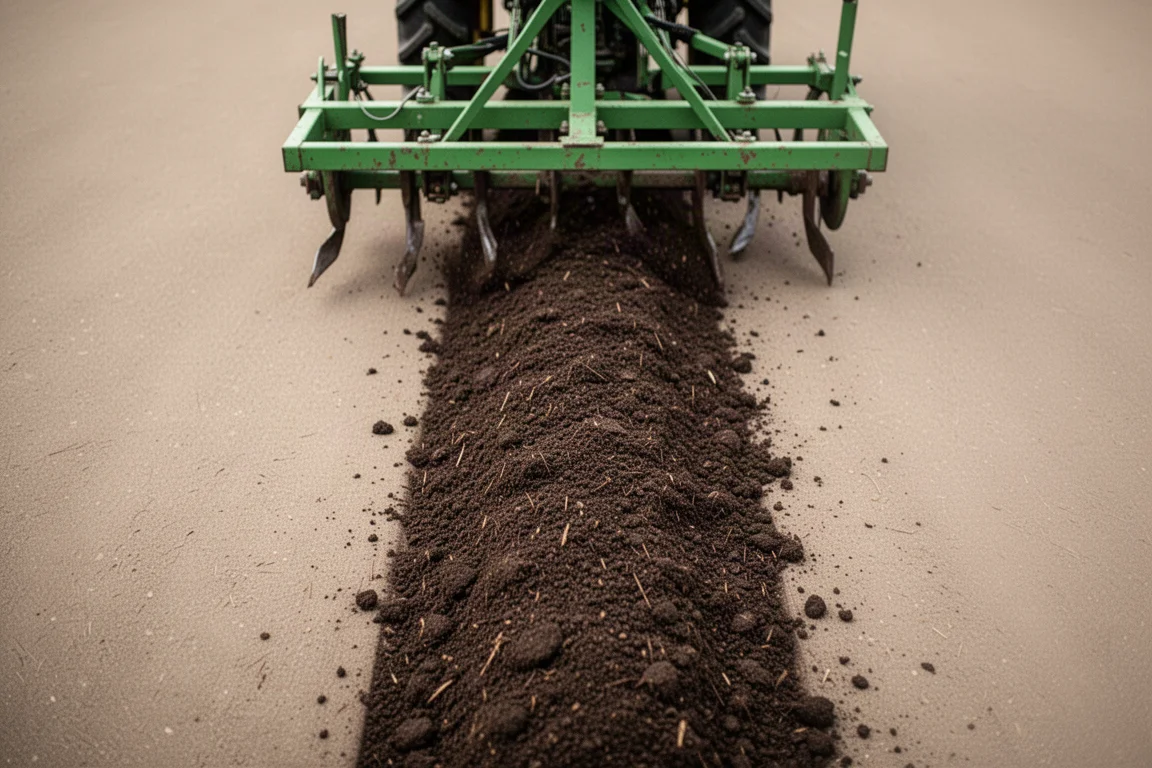
One caveat from heavy use: the 40V head briefly sounded like the motor slipped when being pushed hard into clay. It recovered and nothing failed afterward, but it is worth remembering the tool was being worked harder than normal use would demand.
Things to Consider Before Buying
The performance gap between power heads is the key thing to understand before buying. Unlike attachments such as a blower, which work acceptably across all three systems, this cultivator really wants the most power you can give it. The 18V single-battery head is only viable in soft, pre-worked soil.
Also consider the guard, which is plastic and held on with two bolts underneath. It does its job, but it is a basic piece rather than a premium one. And if your soil is genuinely soft and easy to work, you may not notice much difference between the mid and top-tier heads; the gap only shows up on hard, dry, or clay-heavy ground.
Maintenance and Blade Changes
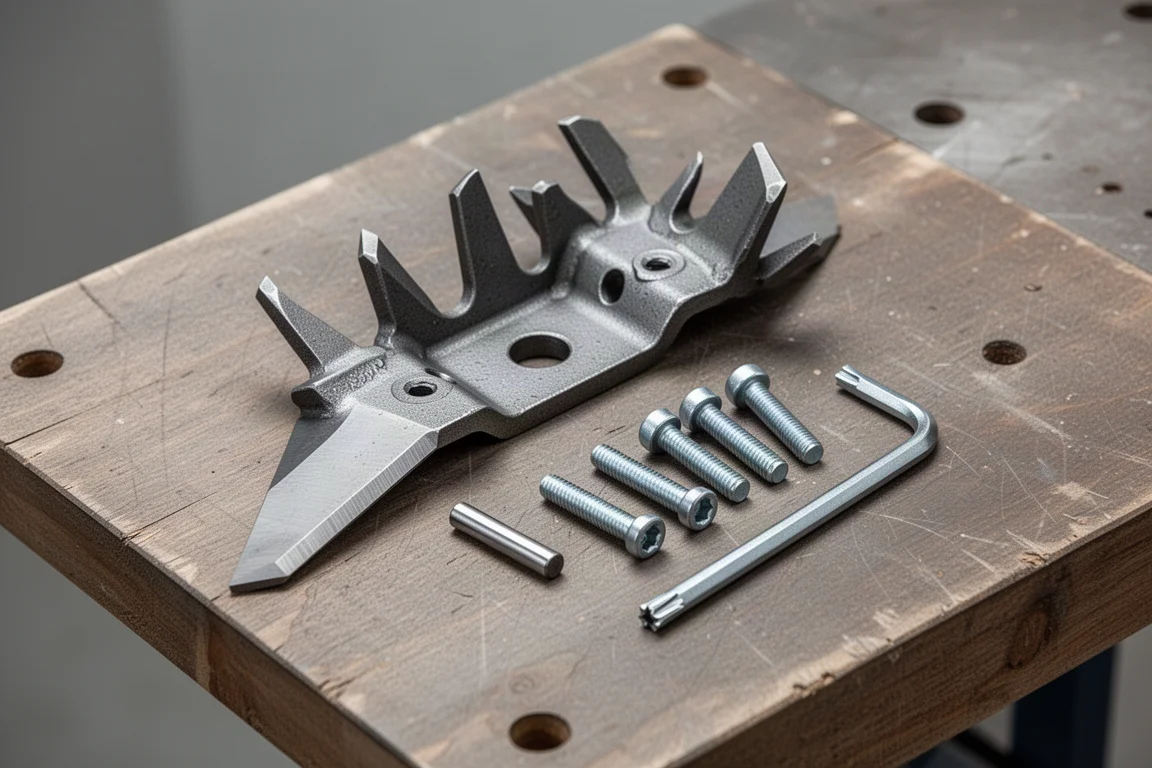
Servicing is refreshingly simple. The supplied tool for blade work appears to be a Torx 30, and once the retaining pin is out, the entire tine assembly slides off the shaft. For sharpening, that is all you need to do; for a full replacement, there are three bolts holding the blades.
The shaft and blade assembly both have flat spots so they line up easily when reassembling, which makes getting the pin back in straightforward. That is a nice touch compared with attachments like augers, which can be fiddly to remove and refit. Do keep on top of cleaning, though; caked-on soil builds up quickly.
Buying Advice
If you already own or plan to buy a Makita power head, this attachment earns its place, particularly for weed clearance in larger areas or for lowering and prepping soil. Use it with the 40V power head if you can. The extra torque not only handles hard ground better but also makes the whole experience smoother, with less bouncing and less vibration than the 18Vx2 setup.

If your budget points you at the 18Vx2 head instead, it will still do the job, just with more effort on your arms and more patience required in tough soil. Only pair it with the single-battery 18V head if your soil is soft and you are doing light turning over.
Conclusion
The Makita KR401MP is a well-constructed, easy-to-maintain cultivator attachment that punches well above expectations in hard ground, provided you feed it enough power. On the 40V system it is genuinely impressive; on anything less, temper your expectations to match your soil.
Product link
View more details for Makita KR401MP Cultivator Attachment
This product is mentioned in the review. Check the specifications, options, and compatibility before buying.
View more details for Makita KR401MP Cultivator AttachmentFurther reading
Related Reviews
Outdoor Power Tools
Ryobi 40V HP Attachment-Capable 17" String Trimmer Review
A close look at the Ryobi 40V HP attachment-capable string trimmer, covering power, balance, run time, and value.
Outdoor Power Tools
Best Battery Powered Chainsaws: Top Picks for Every Kind of User
From professional top-handle saws to budget-friendly home models, these are the battery chainsaws that stand out right now.
Outdoor Power Tools
Best Professional Chainsaws 2026: Seven Gas-Powered Picks for Pros
Seven gas chainsaws covering lightweight climbing saws, mid-range workhorses, and the largest milling monsters, chosen for power and run time.