Power Tools
Makita JR002G vs JR001G vs HiKOKI Godzilla: Which Reciprocating Saw Cuts Fastest?
Makita's second-generation 40V orbital reciprocating saw goes up against its own predecessor and the HiKOKI Godzilla in timber, aerated concrete and rebar testing.
Introduction
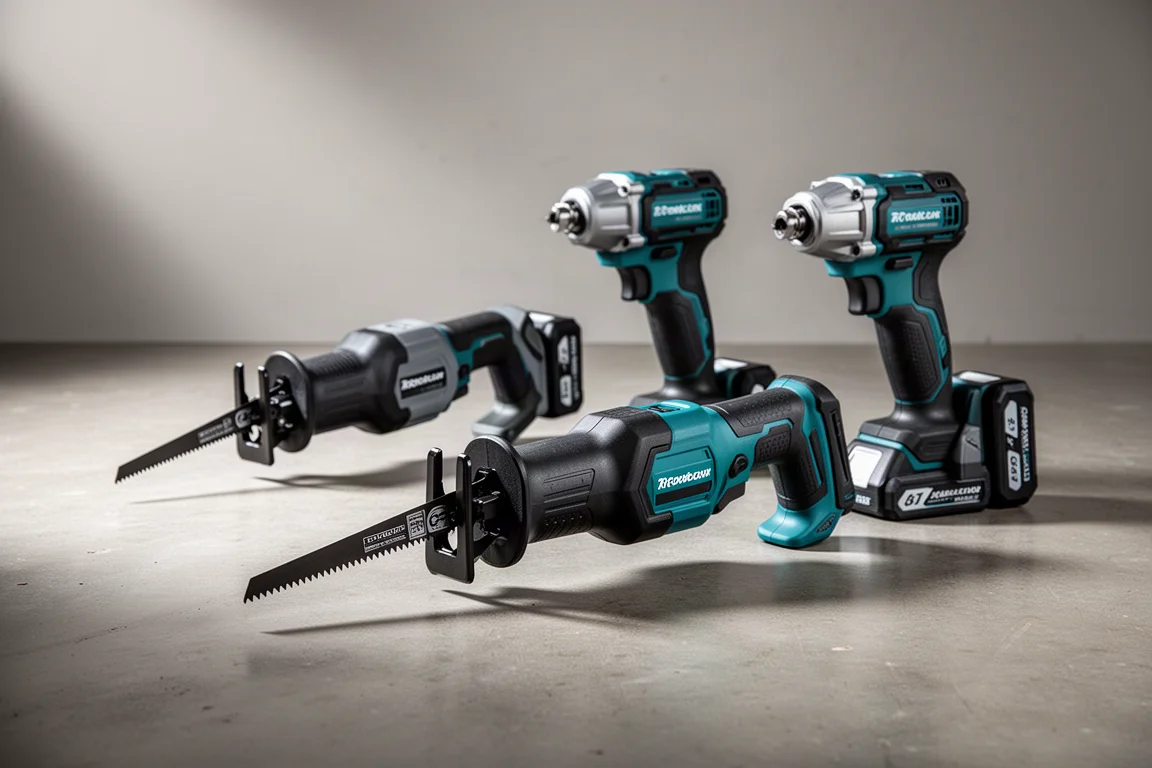
Second generations of cordless tools are arriving faster than ever, and Makita’s 40V XGT reciprocating saw is already on its second iteration in some markets. The new JR002G, sold as the GRJ02 in the United States, brings orbital cutting and anti-vibration technology to a platform that previously offered neither. The obvious questions: is it meaningfully better than the first-generation JR001G, and can it challenge the HiKOKI Godzilla, widely regarded as one of the fastest reciprocating saws of recent years?
We put all three saws through timber, aerated concrete, rebar and hollow tube tests on the same 36V (two 18V-style) 4.0Ah batteries to find out.
What’s New on the Makita JR002G
The JR002G is noticeably bulkier at the front than the JR001G, and that extra girth exists for a reason: it houses the new orbital mechanism and an anti-vibration counterbalance. The trade-off is weight. The JR001G comes in at 3.57 kg without a battery, while the JR002G weighs 3.96 kg, roughly 400 grams more.
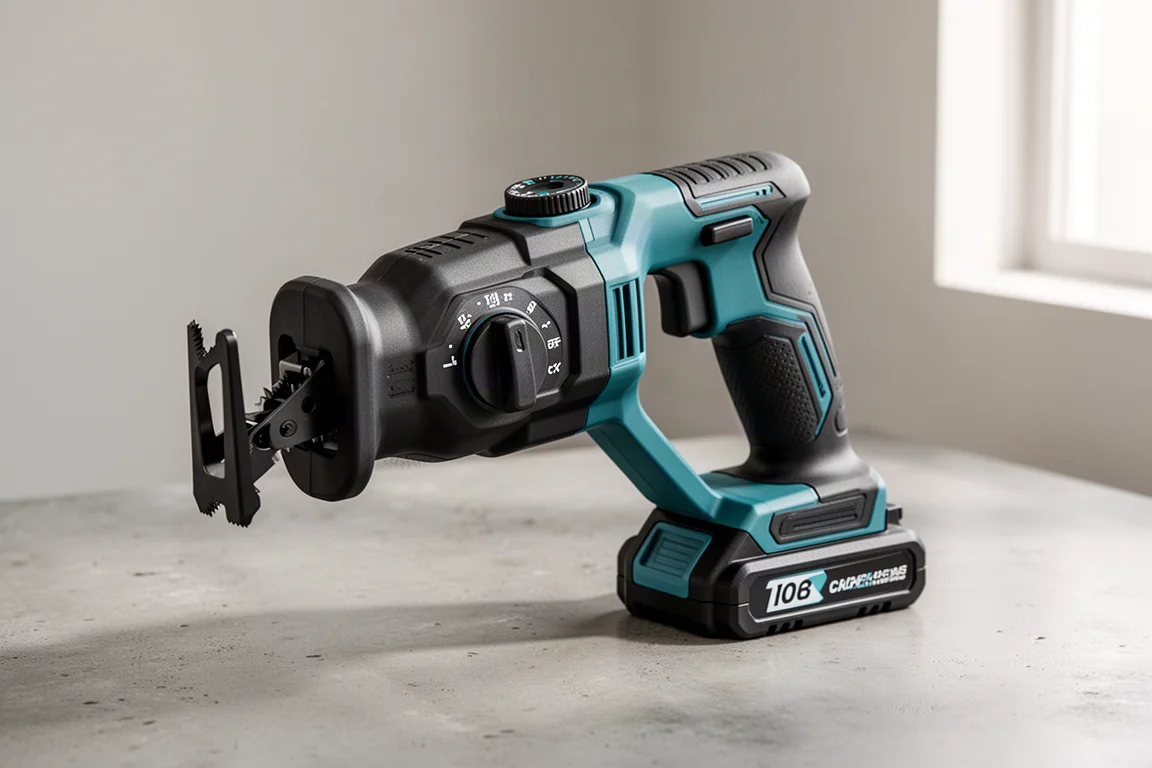
The headline feature is the orbital lever on the side. Flick it and the saw switches from straight cutting to orbital cutting, bringing Makita into line with the HiKOKI Godzilla and similar orbital models. The JR002G also adds a variable speed dial on top, something the JR001G never had:
- Setting 1: 1,000 strokes per minute (plastics, stainless steel)
- Setting 2: 1,500 strokes per minute
- Setting 3: 2,000 strokes per minute
- Setting 4: 2,500 strokes per minute
- Setting 5: 3,000 strokes per minute (wood, branches, demolition)
The maximum stroke rate is 3,000 strokes per minute, exactly the same as the JR001G and the HiKOKI. All three saws also share the same 32 mm (1.25 inch) stroke length.
Other practical touches include a one-handed blade clamp that locks the blade when pushed in, a rafter hook, a front-mounted LED light, and a hidden button in the rubber moulding near the shoe that lets you remove the shoe completely. On the JR001G the shoe slides all the way out freely; on the JR002G it stops partway unless you press that concealed button.
One handling quirk worth knowing: after lifting the blade-release lever, you must let it click back into place before inserting a new blade. Release it too early and the blade will not seat properly until the mechanism is reset.
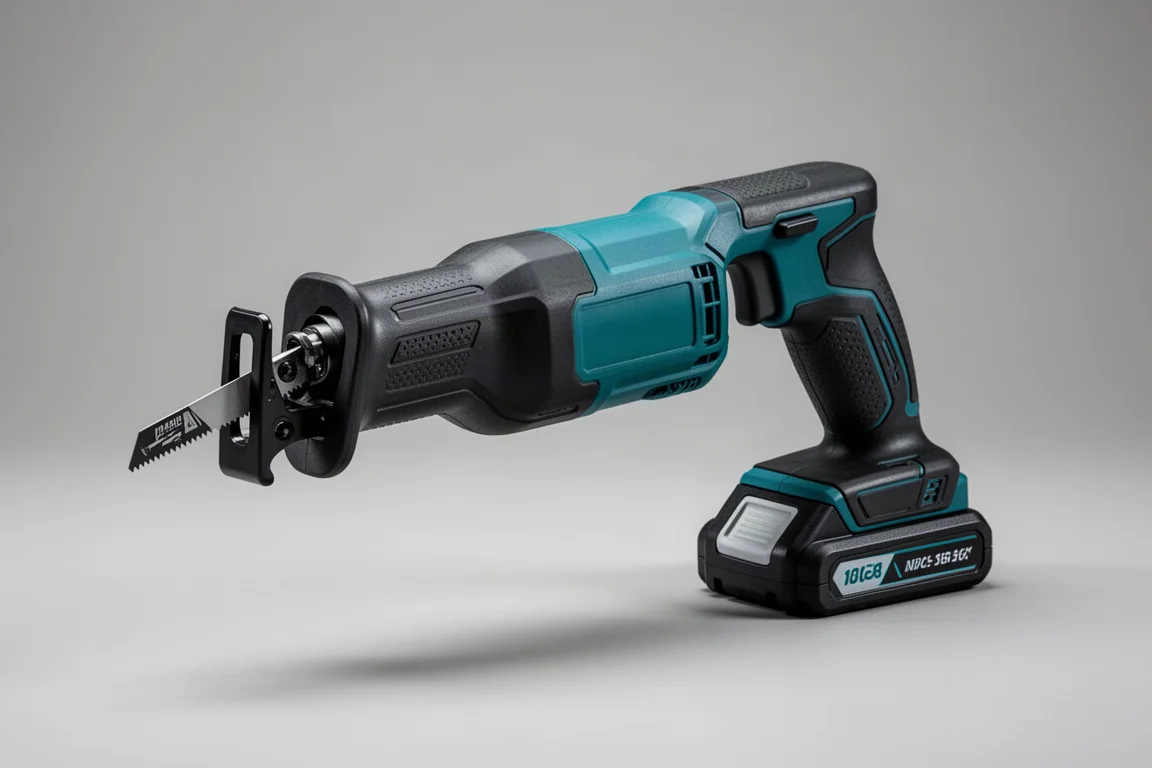
The First-Generation JR001G
The JR001G was one of the first XGT tools released, and opinions were mixed from the start. It is lighter than the new model and hits the same 3,000 spm top speed, but it has no orbital mode, no speed dial, and no anti-vibration system. In testing, the way it cut through hollow tube was the deciding factor for one long-term owner who sold it and kept an older 18V-class saw instead.
That said, it remains a straightforward, lighter option for straight cutting work where orbital action is not needed.
The HiKOKI Godzilla
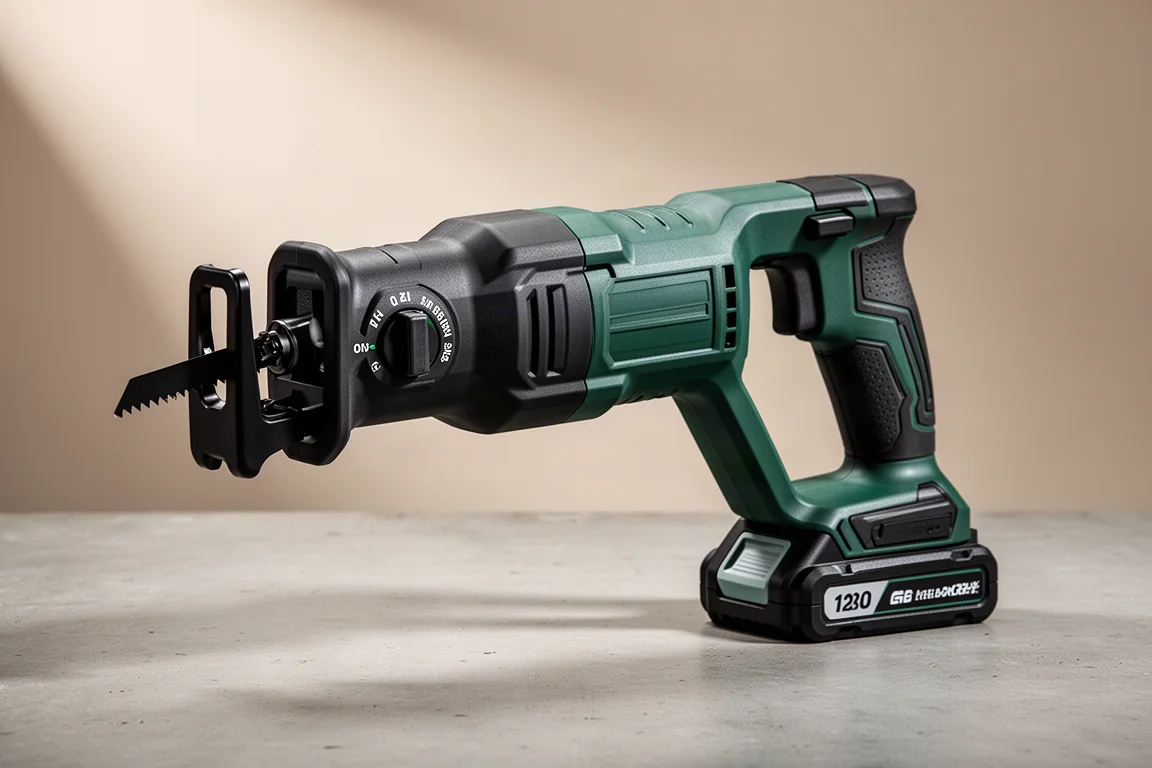
The HiKOKI Godzilla (sold as a Metabo HPT model in some regions) has been considered by many to be the best reciprocating saw for the past couple of years, and it is genuinely quick in demolition work. It offers four speed settings, all topping out at the same 3,000 strokes per minute, plus an orbital mode like the new Makita.
Its main ergonomic weakness is blade insertion. The clamp mechanism can swallow the blade inside the housing, and retrieving it means pulling the trigger repeatedly, which is uncomfortable on the fingers. There is also more scope for the mechanism jamming with sawdust.
Timber Cutting Performance
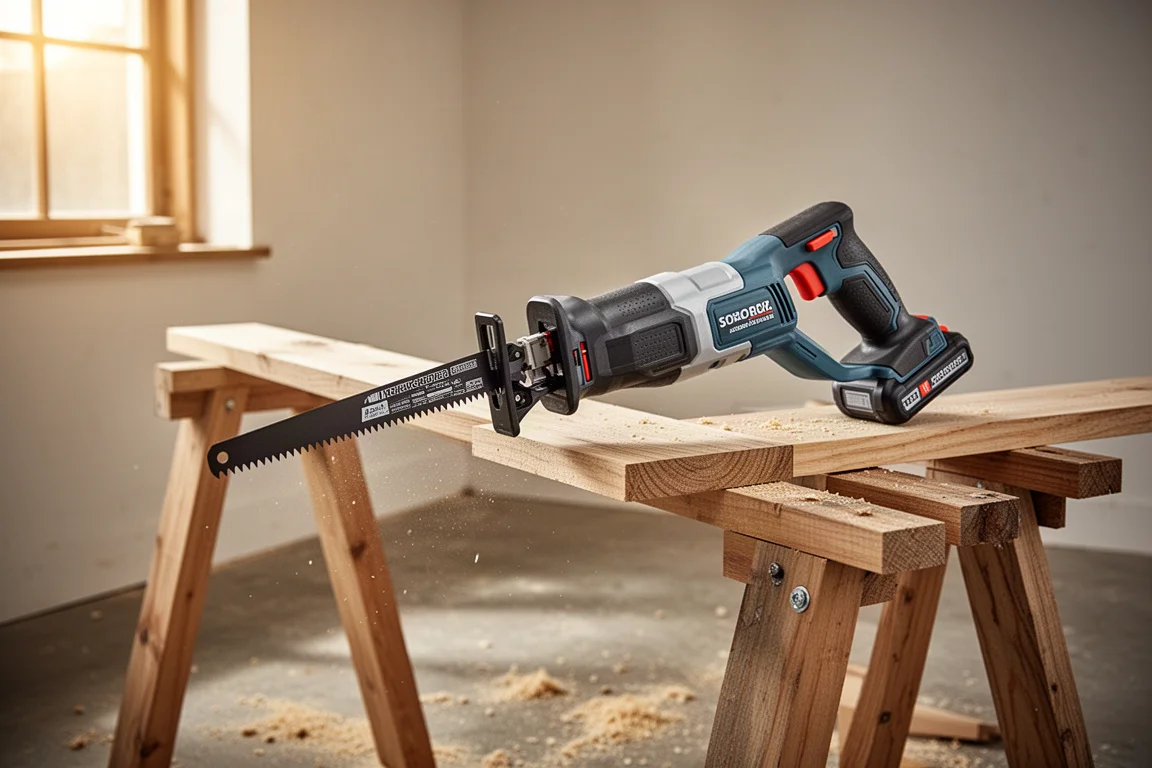
In repeated timber tests, run both by the primary tester and three other people, every tester agreed the JR002G was slightly faster and slightly smoother than the HiKOKI Godzilla. It also felt less vibratory in the hand. For pure wood demolition speed, the new Makita edges ahead.
Metal Cutting: Rebar and Tube
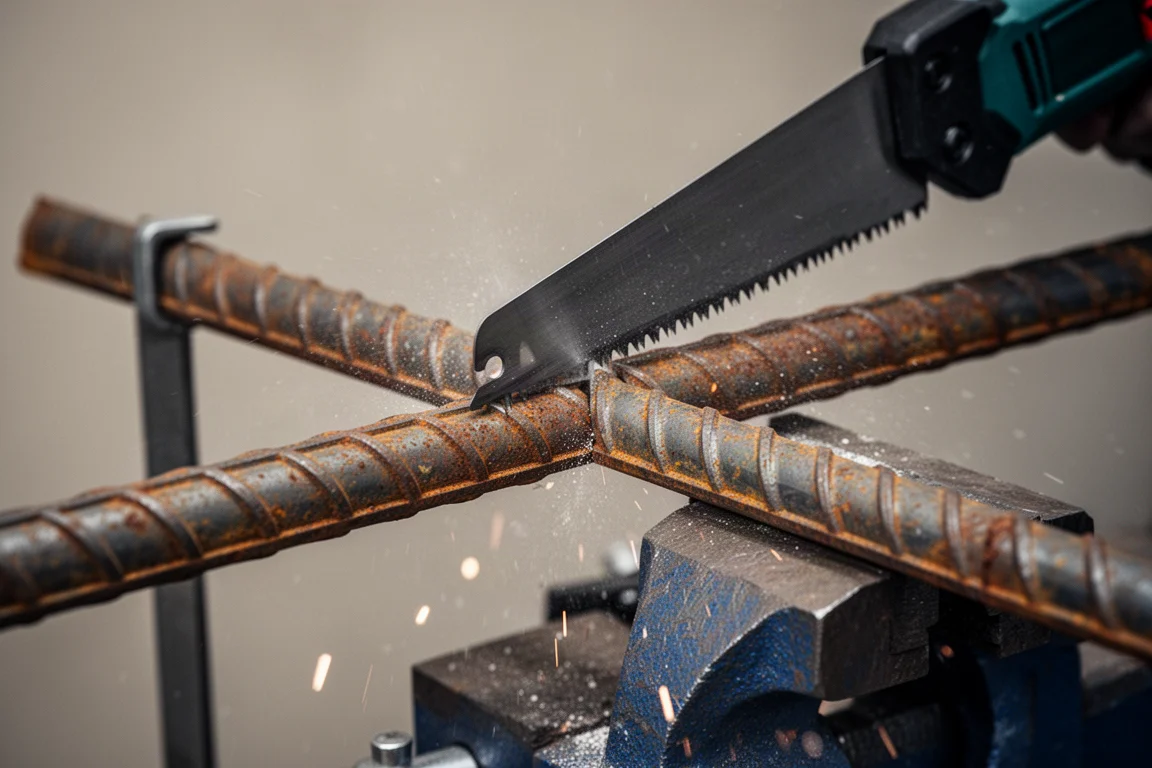
Metal told a different story. On 16 mm rebar at top non-orbital speed, both new Makita models wore the teeth straight off their blades, and the HiKOKI destroyed its blade on the same test too. Two older-technology 18V-class saws cut through the same rebar without trouble, even though the modern saws were not in orbital mode, proof that orbital saws do not behave like straight-cut saws simply because orbital is switched off.
On hollow tube, the older saws and the HiKOKI performed better, and the JR001G’s tube cutting remained a weak point. The key takeaway: blade, speed setting, and tool all interact. The JR002G cut rebar best around speed setting 2, and the variable speed trigger lets you ease into a cut to find the sweet spot for your blade and material.
Aerated Concrete Testing
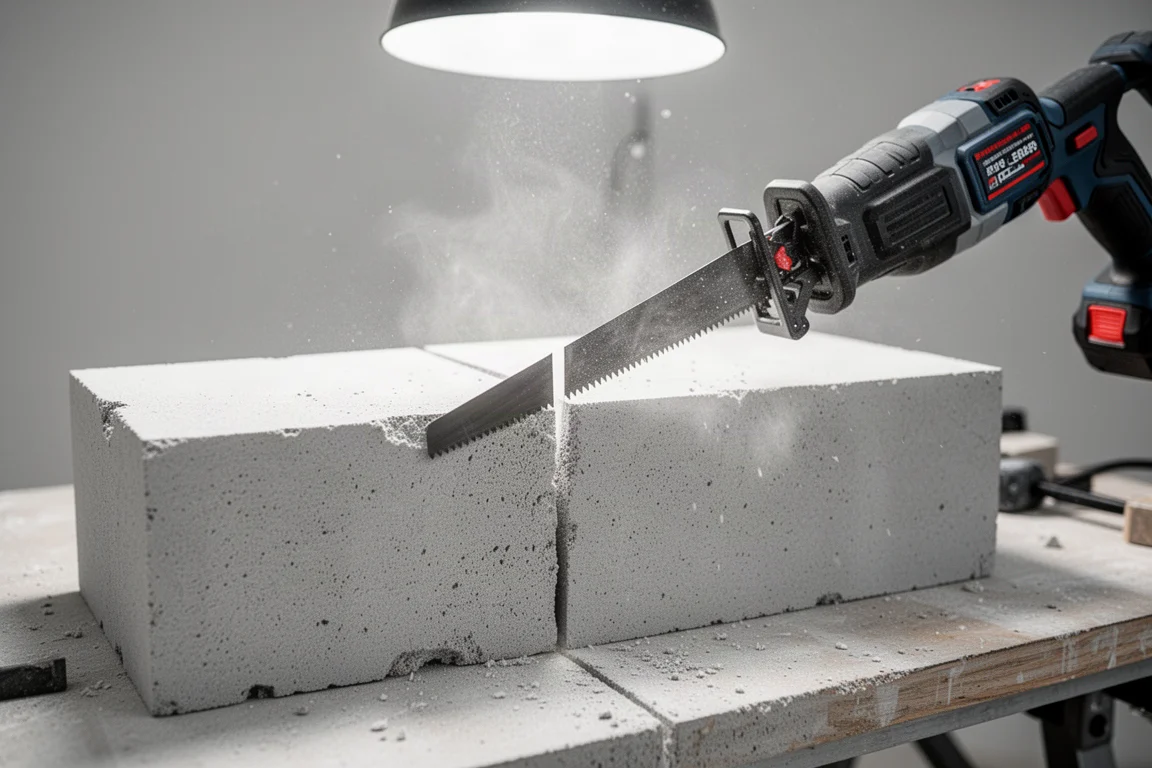
On 200 x 150 mm Hebel blocks, a super-aerated concrete product, the two orbital saws were tested first straight and then in orbital mode. The JR002G handled the material confidently, and vibration was noticeably better controlled than on the HiKOKI, which can feel brutal on bigger cuts.
Is It an Improvement?
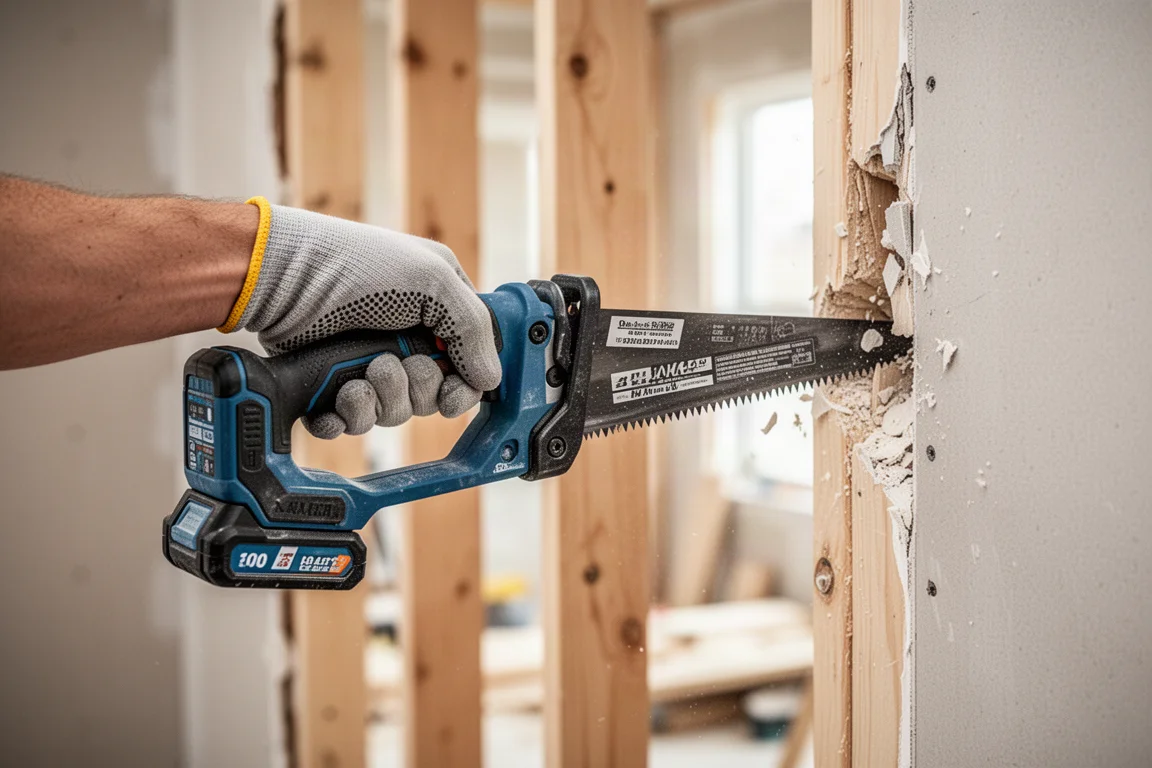
Yes. The JR002G is a clear improvement over the JR001G and arguably the best reciprocating saw Makita has made. It matches the Godzilla on paper, beats it slightly in timber speed and vibration comfort, and fixes ergonomics the HiKOKI still gets wrong, like blade insertion. The extra 400 grams is the main compromise.
Buying Advice
- Choose the Makita JR002G if you want the most versatile option: orbital mode, speed dial, anti-vibration and strong timber performance. Availability is still rolling out slowly in some markets; it is in stock in New Zealand.
- Choose the Makita JR001G if you want a lighter 40V saw for straight cutting and can live without orbital action.
- Choose the HiKOKI Godzilla if demolition speed on varied materials is your priority and you can tolerate the fiddly blade clamp.
Conclusion
The Makita JR002G finally gives the XGT platform the orbital, anti-vibration reciprocating saw it was missing. It is heavier than its predecessor, but in timber it is slightly faster and smoother than the HiKOKI Godzilla, and it is more forgiving to use. For metal, no saw wins universally; matching the blade and speed setting to the job matters more than the badge on the housing.
Further reading
Related Reviews
Power Tools
Best 1-Inch Pistol Impact Wrenches: Three Heavy-Duty Options Compared
We compare three 1-inch pistol impact wrenches, from a budget-friendly Harbor Freight model to a premium Caterpillar unit, to help you choose the right one.
Power Tools
Best 3/4-Inch Impact Wrenches 2026: Five Contenders Compared
We compare five 3/4-inch impact wrenches across price and performance, from a budget Amazon option to Snap-on's most powerful model yet.
Power Tools
Best Budget Cordless Tools 2026: Walmart Finds That Punch Above Their Price
We tested five cordless tools from Walmart, including a high-torque impact wrench that trades blows with Milwaukee and a $35 duster that outperforms its price class.