Power Tools
Makita Impact Drivers Compared: XDT20, TD173, XDT19, XDT16 and GDT01
A practical look at five Makita impact drivers, what separates them, and which one actually makes sense for your setup.
Introduction
Makita’s impact driver lineup can be confusing. New model numbers appear, old ones stay on shelves, and it is rarely obvious what actually changed. The new XDT20 has just landed stateside as part of a holiday kit deal, and it raises the familiar question: is it worth replacing the XDT19, XDT16, or even the Japanese-market TD173?
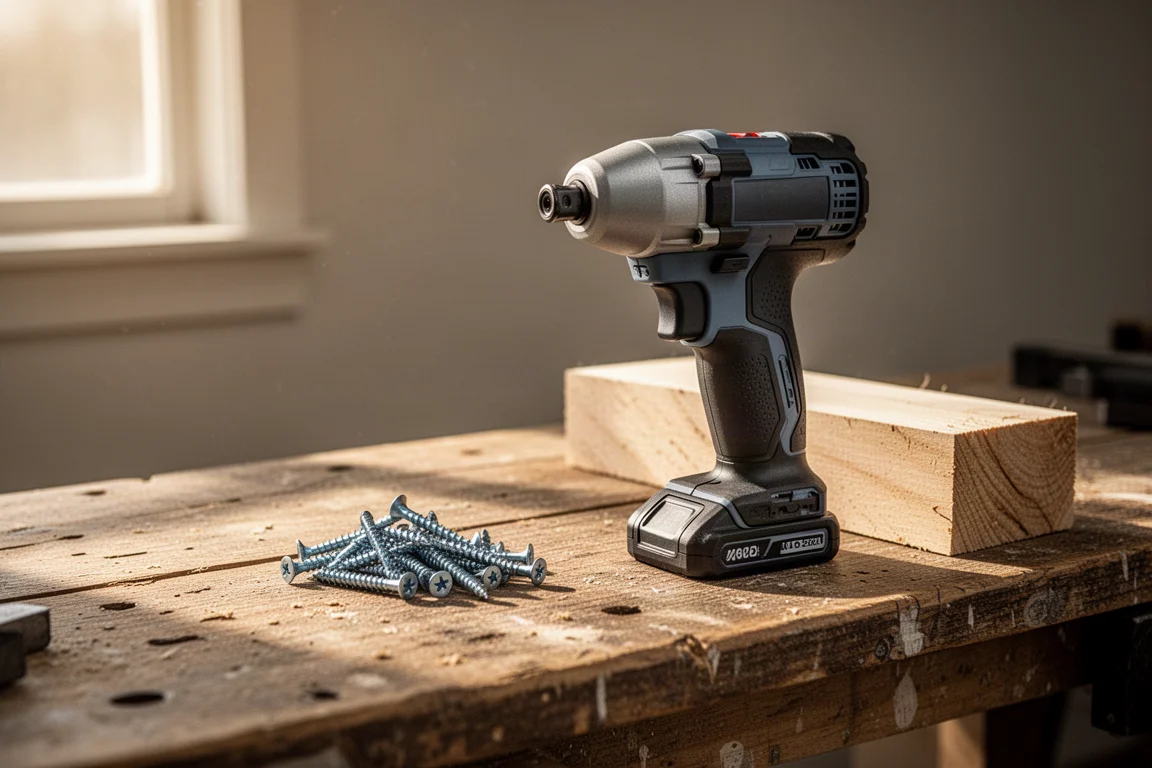
The short answer from hands-on use: most of these tools are side upgrades of each other rather than genuine leaps forward. Makita focuses on ergonomics, durability and longevity, and that shows across the whole range. Here is how the five models break down and where each one fits.
How These Drivers Compare
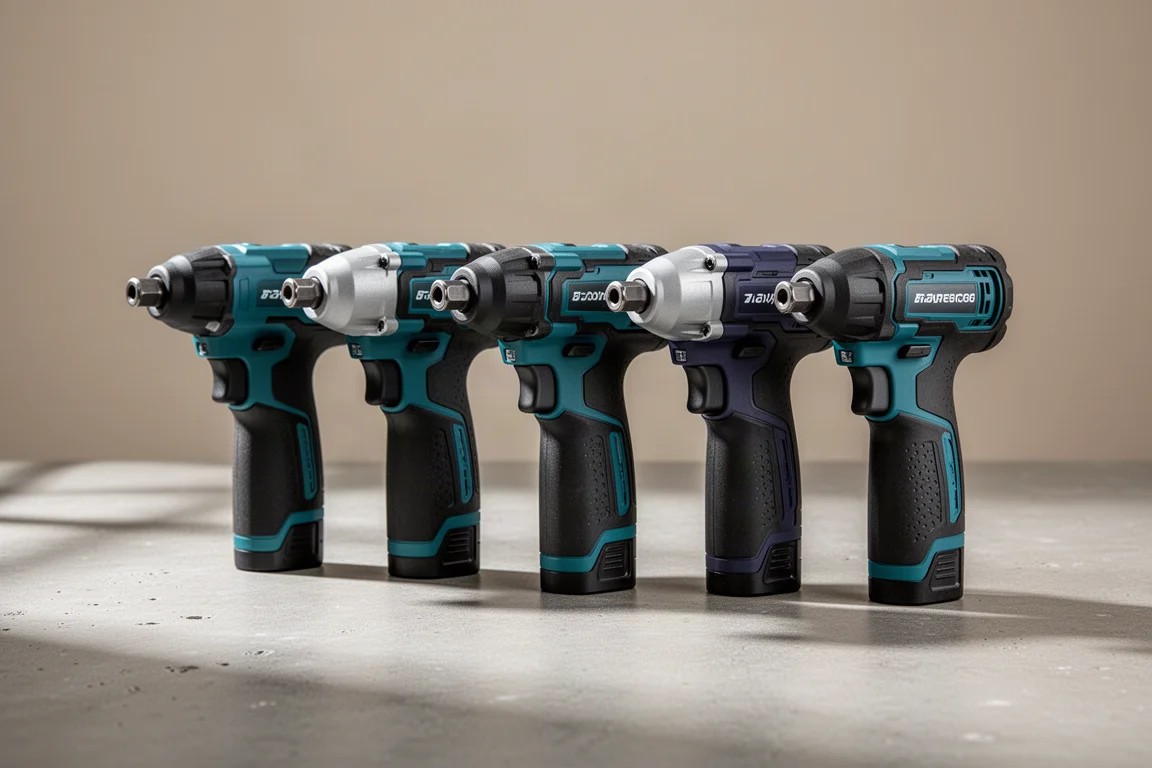
On paper, the XDT20 and TD173 are near-identical: the same weight, the same internals, and identical power and torque ratings. The XDT19 shares the XDT20’s control panel and top speed settings, while the XDT16 sits a hair behind the 19 in speed but remains a very solid all-round driver. The GDT01 plays in a different class entirely as the XGT version of that formula, trading weight for more power.
One important caveat before choosing any XGT driver: the smallest XGT battery is the same size as a 5Ah LXT pack. If you like swapping to a compact 1.5Ah or 2Ah LXT battery for overhead or tight-space work, that option simply does not exist on the XGT platform. For many users, that alone shapes the decision.
Makita XDT20: The New US-Version Flagship
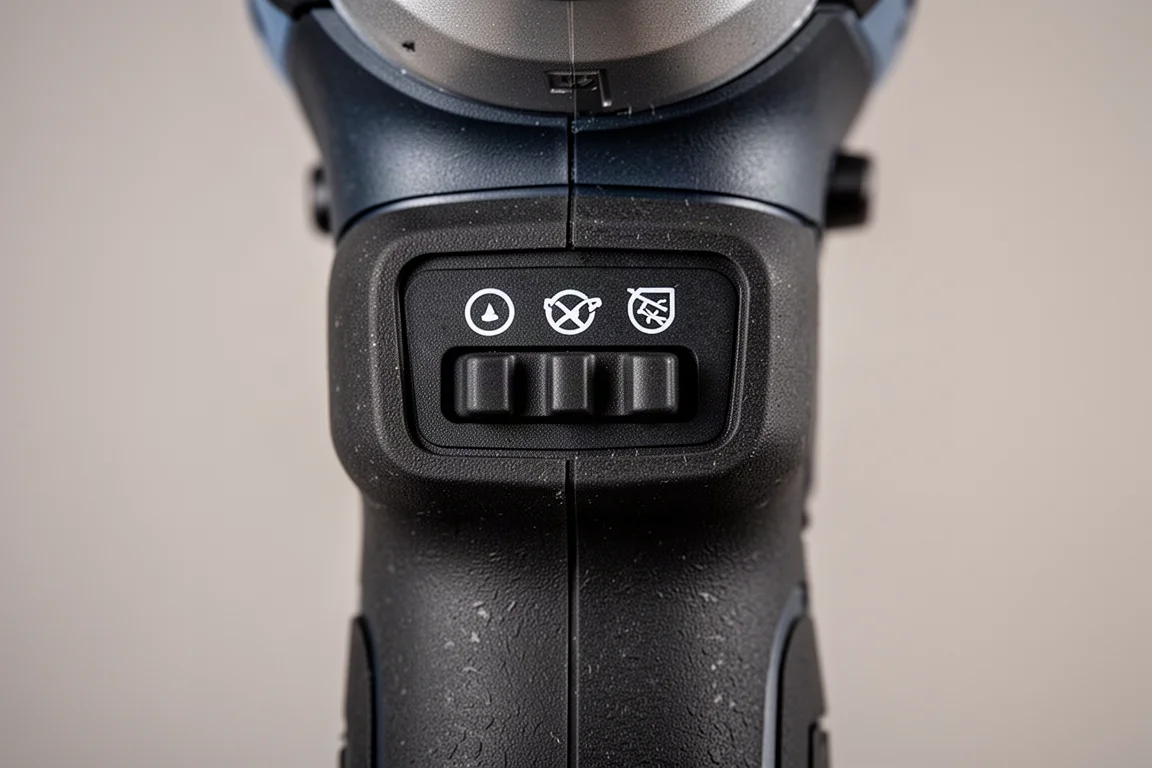
The XDT20 is the stateside version of the TD173, and functionally there is essentially no difference between them beyond the shell. It offers four speed modes, topping out at 3,800 impacts per minute on speed four and 3,600 on speed three, with 3,200 RPM available. The rear control panel is the standout feature, with clearly labeled modes for bolt removal, self-tapping screws, and standard screw driving, plus the four speed settings.
The balance is also worth highlighting. The design pushes the tool forward with the battery sitting slightly back, producing what is arguably the best front-to-back balance of any impact driver tried to date. The US version uses universal symbols on the control panel rather than Japanese markings, which makes it a little easier to pick up and use immediately.
Makita TD173: The Japanese Twin
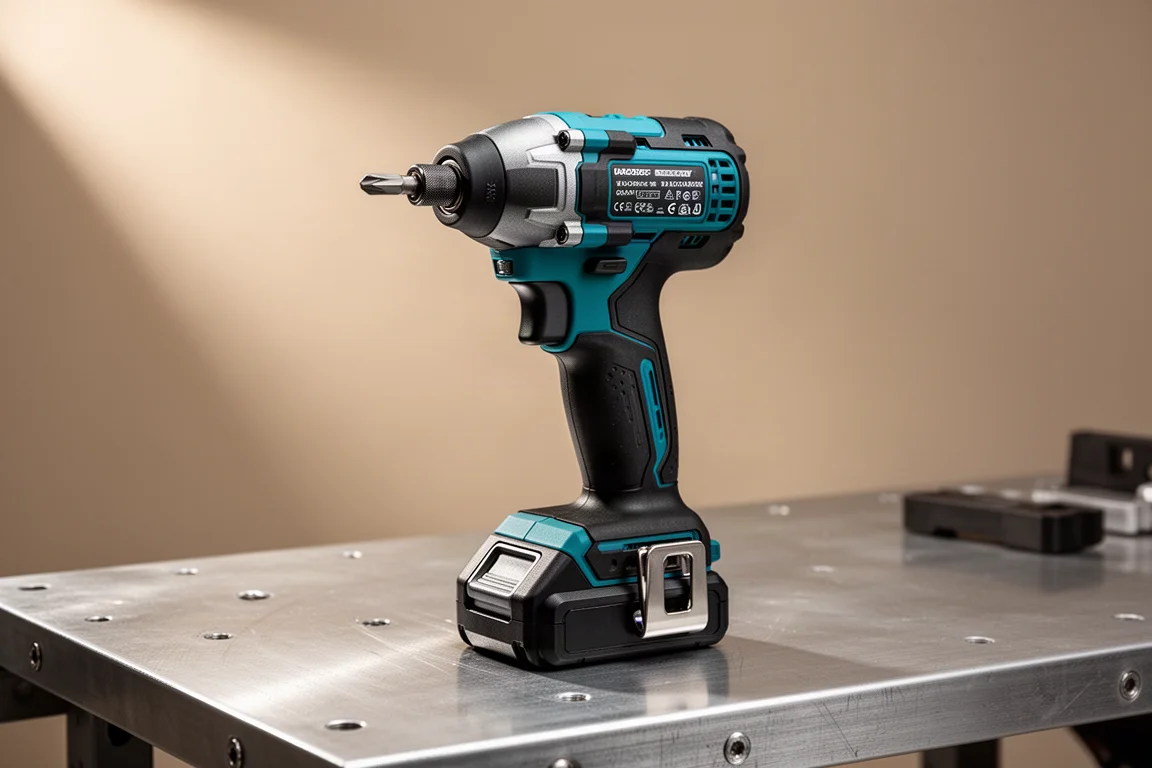
The TD173 has been out for roughly two years and is, in every meaningful sense, the same tool as the XDT20 with a different color shell. Weighs the same, same internals, same power and torque ratings, same logos. If you already own a TD173, there is no reason to switch, and if you are shopping fresh, either one is fine.
The main practical difference is the control panel markings. The Japanese symbols are perfectly usable once you learn them, but the US version’s universal symbols are simply easier out of the box. If you are price comparing, it is worth checking which version lands cheaper, keeping import costs and tariffs in mind when sourcing from overseas.
Makita XDT19: The Underrated Middle Ground
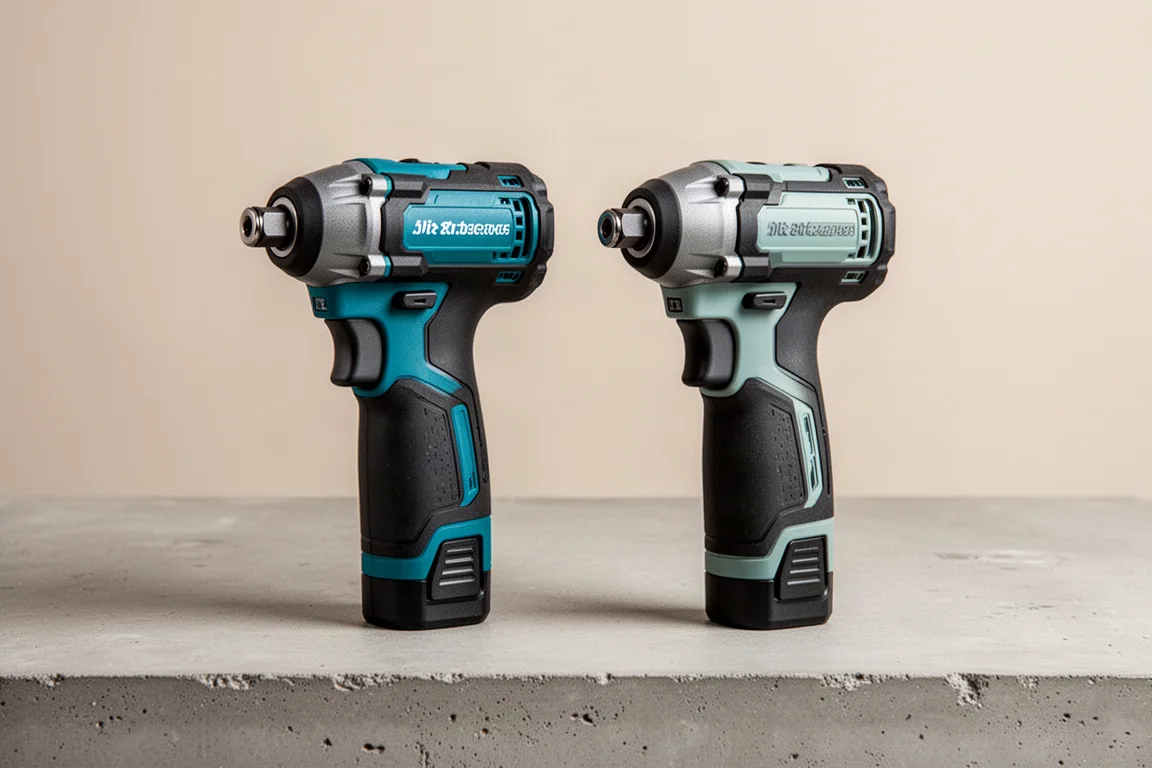
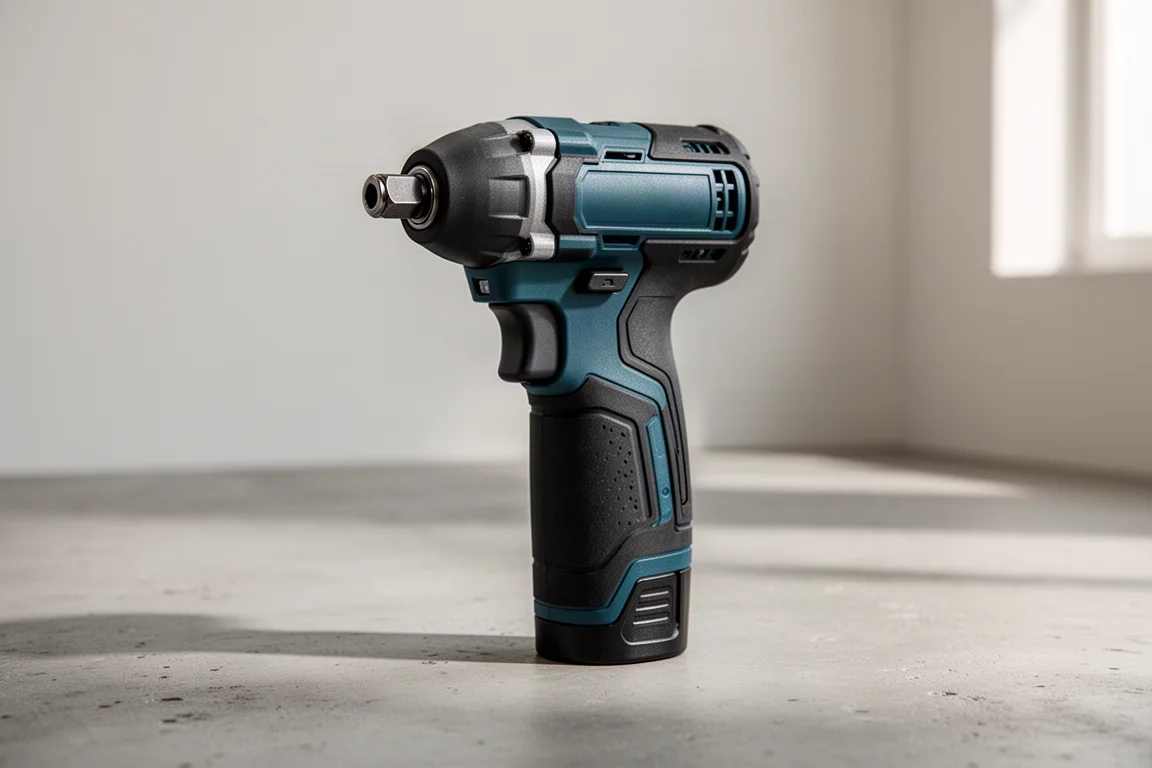
When the XDT19 launched, it was thinner than the XDT16 while delivering a bit more power and a bit more impacts. It uses essentially the same rear control panel as the XDT20, with the same symbols and layout, differing only in that the XDT20’s panel has slightly rounded sides. If you learn one, you know the other.
The motor note is different too: the 19 has a slightly higher-pitched motor sound, which has always been a quirk of this model. For anyone not ready to jump to the newest release, the XDT19 remains an excellent driver in its own right.
Makita XDT16: The Solid All-Rounder
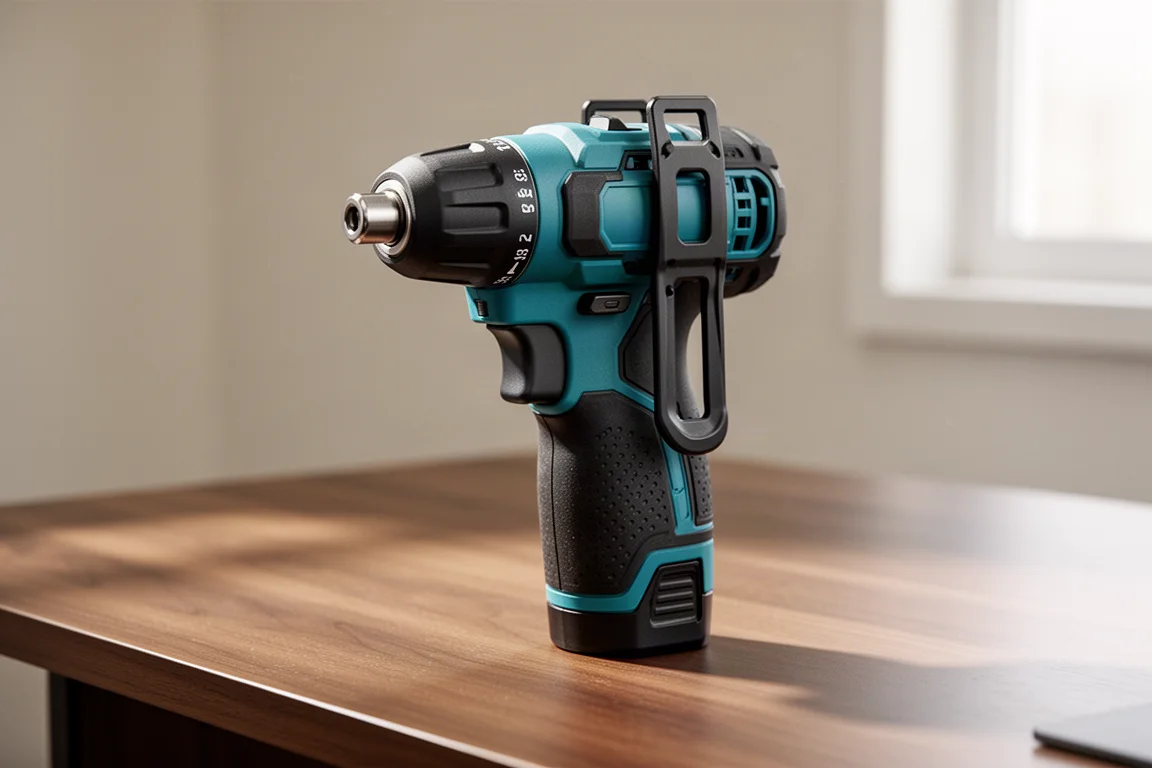
The XDT16 is a really solid impact driver, just a hair slower than the XDT19 in testing. It was long a favorite for its compact form factor, and it remains a dependable choice if you find it at a good price. From the XDT16 onward, Makita’s releases have been side upgrades rather than massive leaps, so nothing in this class will disappoint.
Makita GDT01: The XGT Power Play
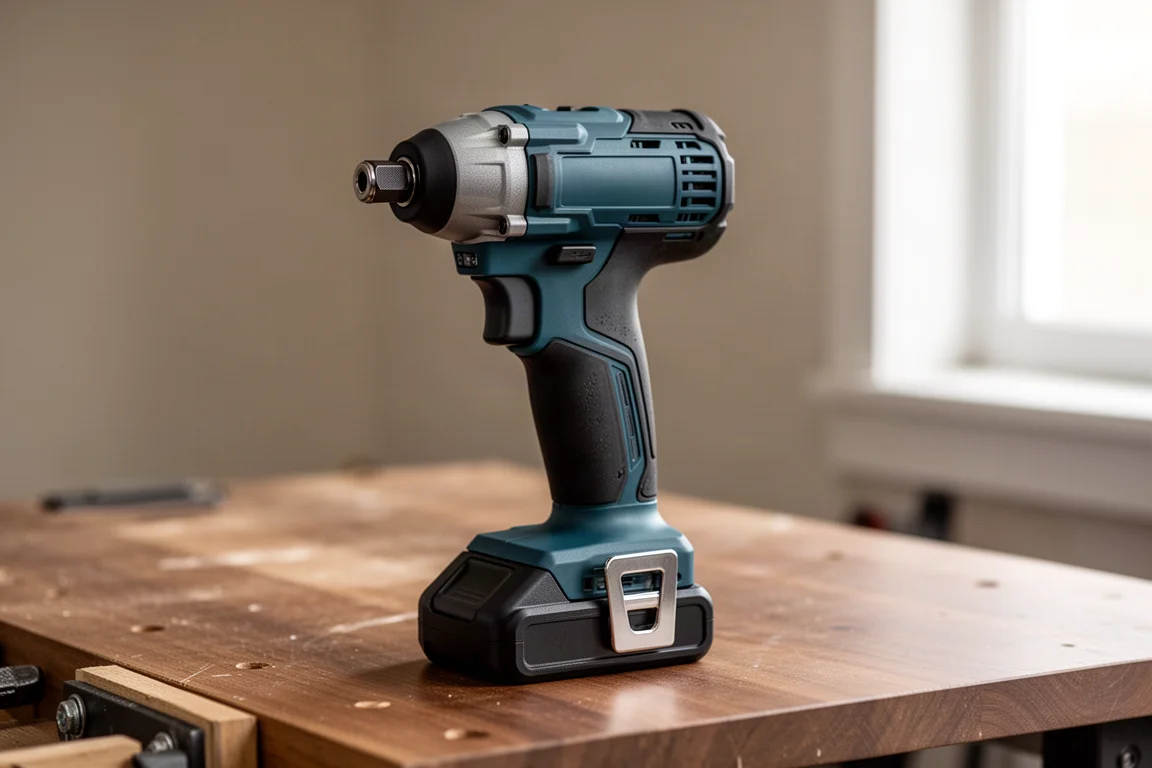
The GDT01 is Makita’s XGT take on the XDT16 formula, essentially a bigger brother that amped everything up for the XGT platform. It was Makita’s first XGT impact driver, and it replaces the XDT16 in every category in testing, doing everything the smaller tool did but better. The one real downside is added weight, plus the platform’s battery constraint: the smallest XGT pack matches a 5Ah LXT in size, so compact-battery flexibility is off the table.

Buying Advice
If you already own an XDT19 or anything from the XDT16 onward, upgrading to the XDT20 is hard to justify. Makita does not market these releases with big percentage claims the way some competitors do, and in some cases newer models have even tested as slightly less powerful than the ones they replaced. These drivers are genuinely very similar to each other.
If you are buying fresh, the holiday kit deal is the smart entry point. The current Home Depot bundle pairs the XDT20 with a hammer drill, two 5Ah batteries, a charger, and a free tool of your choice for around $400. Tool-only pricing on the XDT20 runs well over $200, so kits are where the value lives. Makita’s reliability and durability record is excellent across a large tool collection, which makes the platform a safe long-term investment.
Conclusion
Any of these five impact drivers will do a fantastic job. Choose the XDT20 for the best US-market availability and readable controls, the TD173 if the import price is right, the XDT19 or XDT16 for proven value, and the GDT01 if you are invested in XGT and want the most power, accepting the weight and battery size trade-off. With Makita, you really cannot go wrong with anything in this current generation.
Further reading
Related Reviews

Power Tools
Best 1-Inch Pistol Impact Wrenches: Three Heavy-Duty Options Compared
We compare three 1-inch pistol impact wrenches, from a budget-friendly Harbor Freight model to a premium Caterpillar unit, to help you choose the right one.

Power Tools
Best 3/4-Inch Impact Wrenches 2026: Five Contenders Compared
We compare five 3/4-inch impact wrenches across price and performance, from a budget Amazon option to Snap-on's most powerful model yet.

Power Tools
Best Budget Cordless Tools 2026: Walmart Finds That Punch Above Their Price
We tested five cordless tools from Walmart, including a high-torque impact wrench that trades blows with Milwaukee and a $35 duster that outperforms its price class.