Power Tools
Makita HS009G vs HS001G: 40V Circular Saws Compared
A close look at Makita's 235mm and 270mm 40V circular saws, covering cut depth, power, track compatibility, and which one actually makes sense to buy.
Introduction
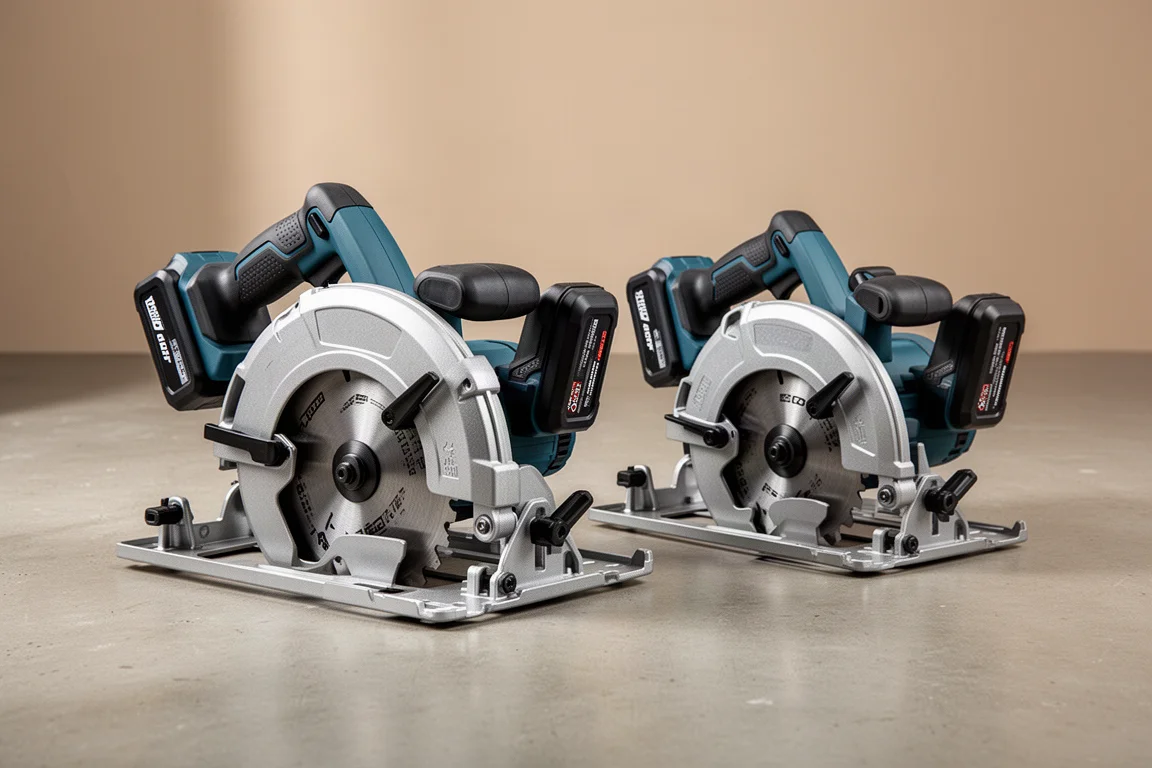
Makita’s 40V circular saw lineup now covers a wide range of blade sizes, and the two largest members of the family are the 235mm HS009G and the 270mm HS001G. The 235mm model rounds out the set alongside the 125mm, 165mm, and 185mm saws, and on paper it looks like a superb all-rounder: a 9 1/4-inch blade, bevels to 60 degrees, track-compatible base, and AWS dust extraction support. But the 270mm model was released at essentially the same time, and that complicates the decision. Here is how they stack up.
Makita HS009G: The 235mm Option
The HS009G runs a 235mm blade (9 1/4 inches in markets that use inches) and comes with a surprisingly thorough feature set. It has a built-in angular dust port with detents at every 90 degrees, and a removable front piece that doubles as a base extension when oriented one way and as a rip fence when flipped up. Bevels go to 60 degrees with detents at 22.5, 45, and 60 degrees, and pushing two controls in together gets you a reverse bevel to -1 degree.
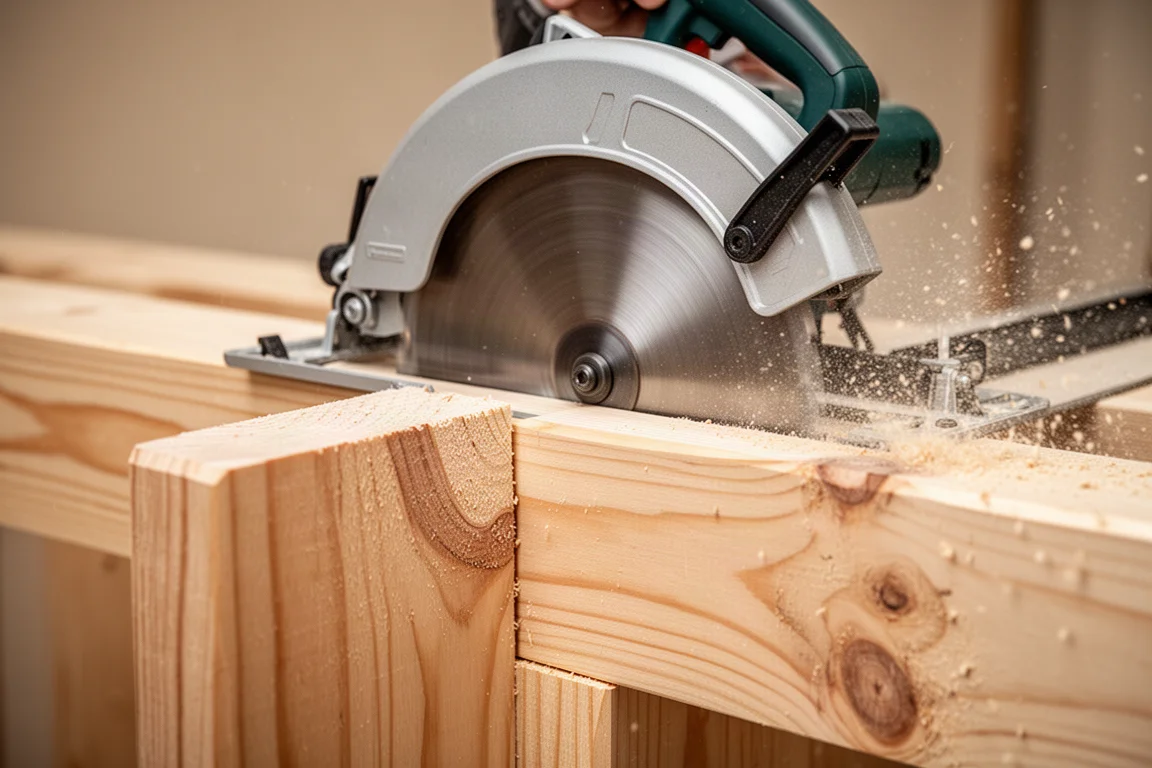
There is onboard tool storage, AWS support for automatic dust extraction, and perhaps the best trick of all: a lever at the front that lifts the guard without catching on the edge of your timber. The base is also track compatible, sliding onto a rail just like a plunge saw, with two dials and washer-on-slide fittings for the rail attachments.
Depth of cut is solid: 86mm at 0 degrees, 80mm at 22.5 degrees, 64mm at 45 degrees, and 46mm at 60 degrees. Even at 60 degrees it can cut through framing timber in a single pass. Ripping 45mm thick pine at full depth, a freshly charged 4Ah battery dropped one bar after 12 metres of cutting.
Makita HS001G: The 270mm Alternative
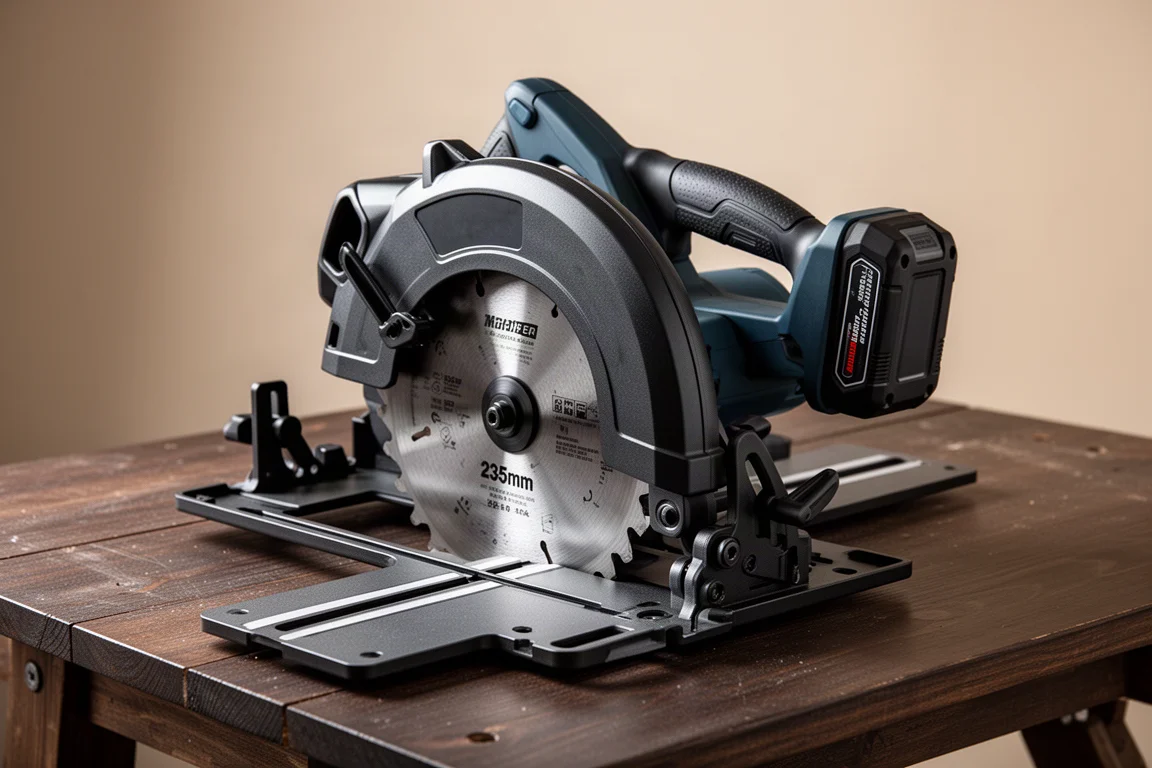
The HS001G shares nearly all the same features as the 235mm model but scales everything up. It runs at 3,500 RPM versus the 235mm’s 4,000 RPM, yet in back-to-back ripping tests with 8Ah batteries on each saw, the larger saw consistently beat the smaller one. The fastest cut with the 235mm was still slower than the slowest cut with the 270mm, and the larger saw simply feels more powerful in use.
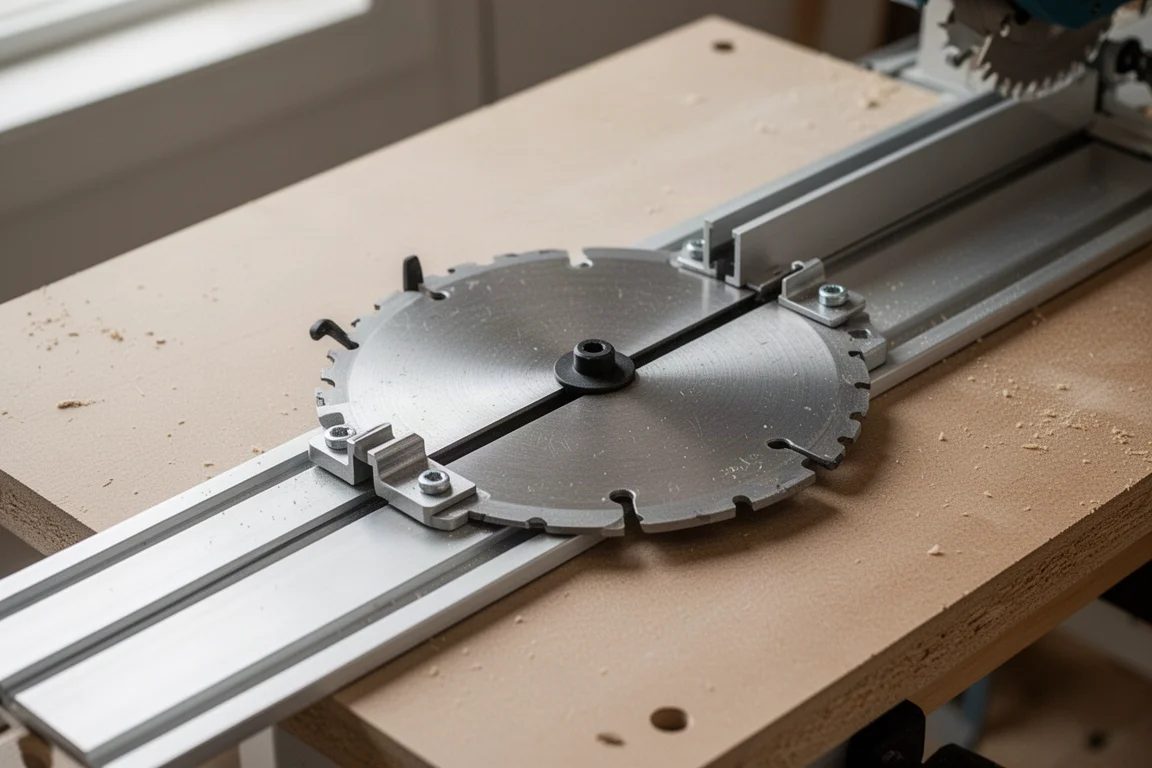
The base plates are the same width and both have a groove for the rail, but the 270mm’s plate is about 50mm longer. The rail attachment sliders are also spaced further apart on the 270mm, which gives better stability, though the blade cuts a bit further out from the track edge compared to other Makita 40V saws.
Cut Depth and Battery Life
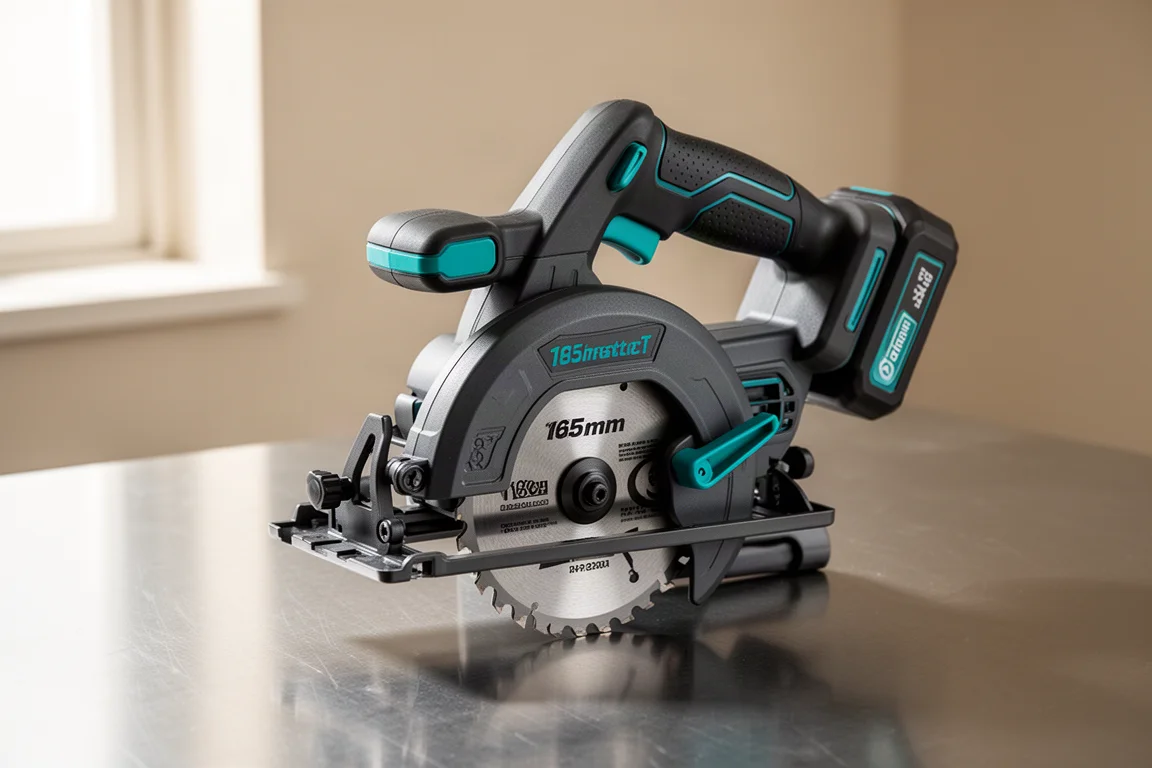
This is where the two saws genuinely diverge. The 270mm model cuts to 104mm, enough to go through a rough sawn 100 x 100 post in one pass, something the 235mm cannot do. The 235mm’s 86mm maximum sits in an awkward middle ground: most framing timber sits at or below 75mm, where a 165mm or 185mm saw cutting 65-68mm is often enough.
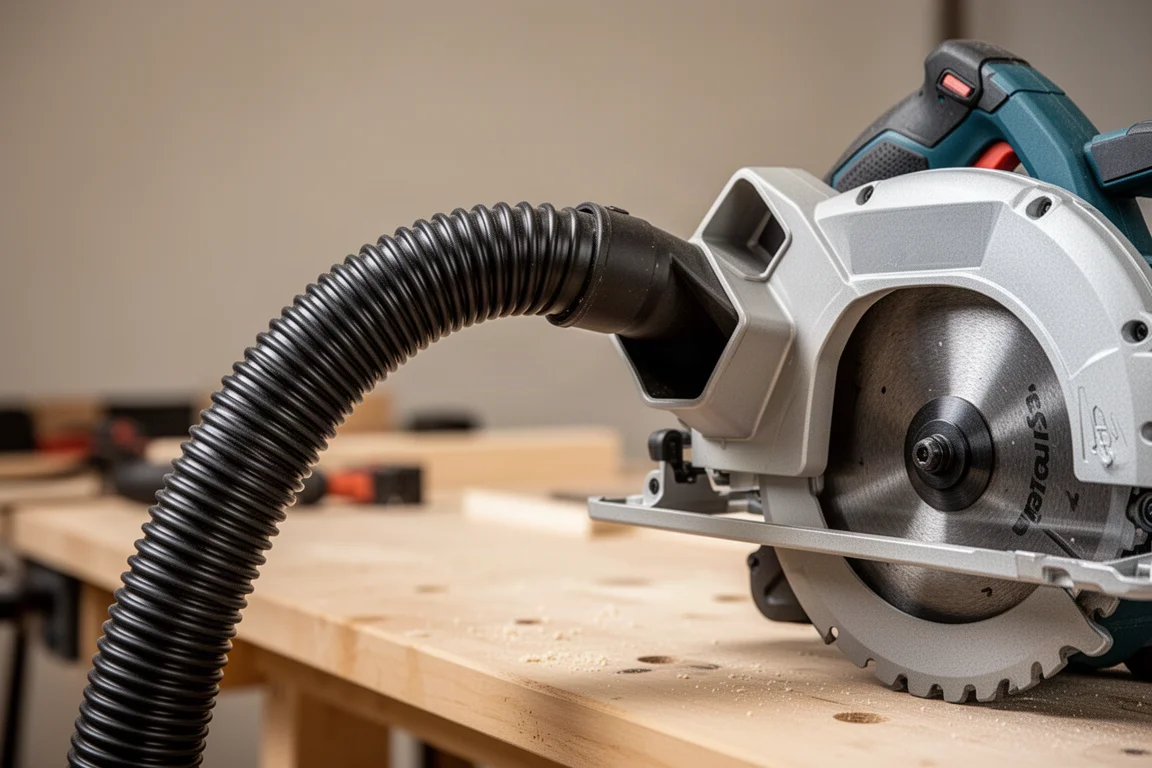
Both saws support AWS (Auto Start Wireless System). With an AWS chip inserted in the tool and a compatible Makita vacuum set to Auto, the vac turns on automatically when you pull the trigger and shuts off when you stop. It works seamlessly and is a genuinely useful feature for dust management on either saw.
One practical bonus for the 235mm: because it takes a 9 1/4-inch blade, standard 9-inch grinder discs, including metal-cutting and diamond concrete-cutting wheels, fit perfectly on this saw. That adds a level of versatility the larger saw does not offer.
Buying Advice
The HS009G is a capable saw but hard to recommend as a first choice. It is heavy and awkward to hold one-handed while making other cuts, the guard lever is stiff enough to need two hands, and the material needs to be securely clamped. As a pick-up-and-go all-rounder, a smaller 165mm or 185mm saw is easier to live with, and both cover typical framing depths.
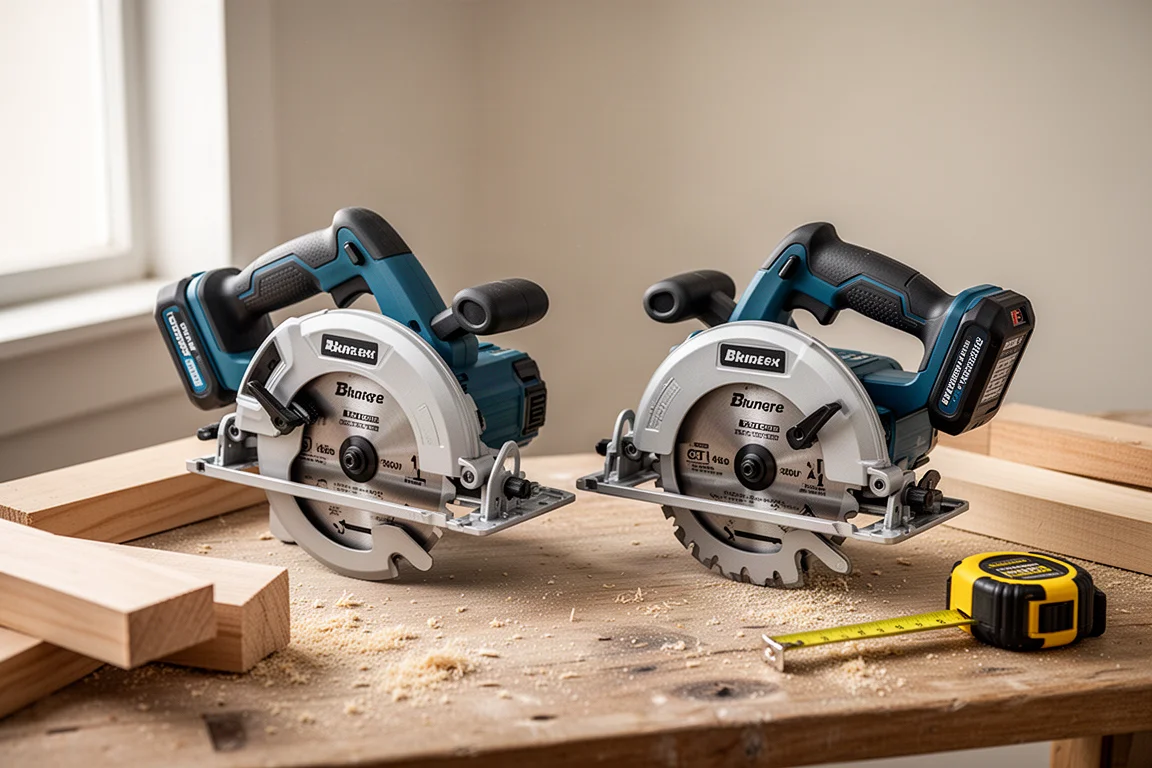
The honest case for the 235mm only exists if you regularly cut timber around 75mm (3 inches) thick, such as 150 x 75 sleepers. Even then, the 270mm is the better buy for most people: if you are lugging around a saw this size anyway, the extra depth of cut to 104mm makes it far more useful. The 235mm would have been a standout cordless saw had the 270mm not launched alongside it.
Conclusion
Both saws are well built and share an impressive feature set: track compatibility, guard lift lever, AWS dust extraction, deep bevel range, and onboard tool storage. But the choice is fairly clear. Unless you specifically need the 9 1/4-inch blade size for specialty discs or sleepers, the HS001G’s extra power and 104mm cut depth make it the stronger pick. If you are cutting standard framing timber most of the time, a smaller saw in the 40V range will serve you better and be far easier to handle.
Further reading
Related Reviews

Power Tools
Best 1-Inch Pistol Impact Wrenches: Three Heavy-Duty Options Compared
We compare three 1-inch pistol impact wrenches, from a budget-friendly Harbor Freight model to a premium Caterpillar unit, to help you choose the right one.

Power Tools
Best 3/4-Inch Impact Wrenches 2026: Five Contenders Compared
We compare five 3/4-inch impact wrenches across price and performance, from a budget Amazon option to Snap-on's most powerful model yet.

Power Tools
Best Budget Cordless Tools 2026: Walmart Finds That Punch Above Their Price
We tested five cordless tools from Walmart, including a high-torque impact wrench that trades blows with Milwaukee and a $35 duster that outperforms its price class.