Power Tools
Makita HS005G vs HiKOKI C3605DB: Two 125mm 36V Circular Saws Compared
Two Japan-market 125mm 36V circular saws go head to head for flush cutting, speed, and everyday usability.
Introduction
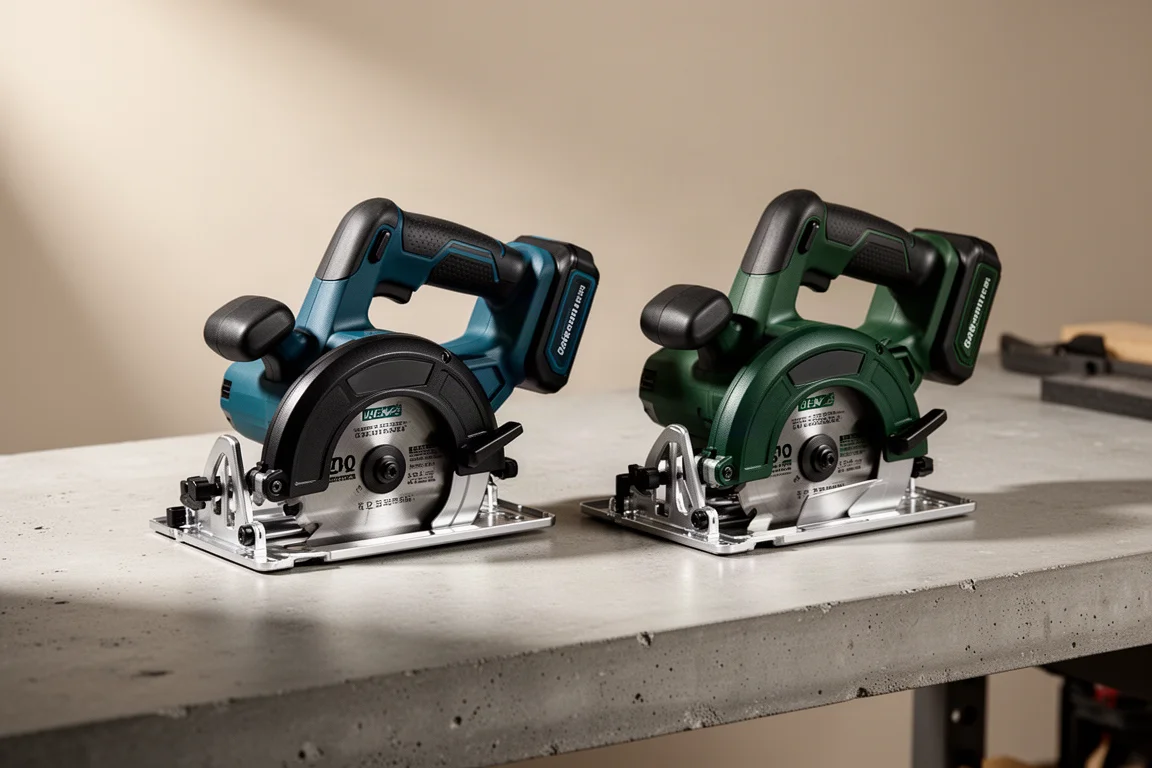
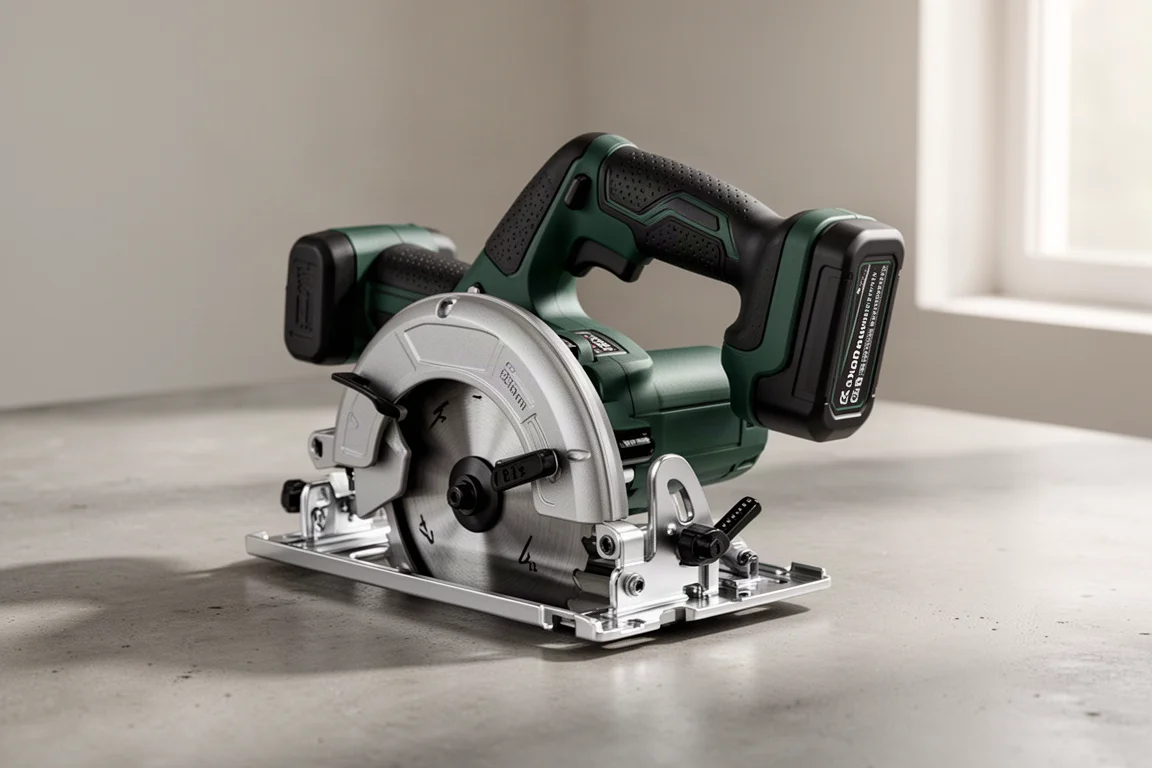
These two saws are unusual outside their home market. Both are 125mm (5-inch) circular saws built around 36V battery platforms, both were made for Japan, and both are designed first and foremost for one very specific job: cutting flush against a wall, skirting board, or floor edge. On test here are the Makita HS005G and the HiKOKI C3605DB, both running 2.5Ah 36V batteries.
If you have been cutting floorboards or sheet material with a reciprocating saw, multi-tool, or jigsaw and fighting the result, this category of saw is worth a serious look. The question is which of these two deserves your money, and the honest answer is that it comes down to what you value most.
Shared Features: Where the Two Saws Match
The two tools are remarkably similar on paper. Both take 125mm blades, both have polished base plates that sit flat and glide nicely, and both include onboard blade-changing tool storage. Each offers two speed settings, a dust blower, and a replaceable, adjustable sight-line guide.
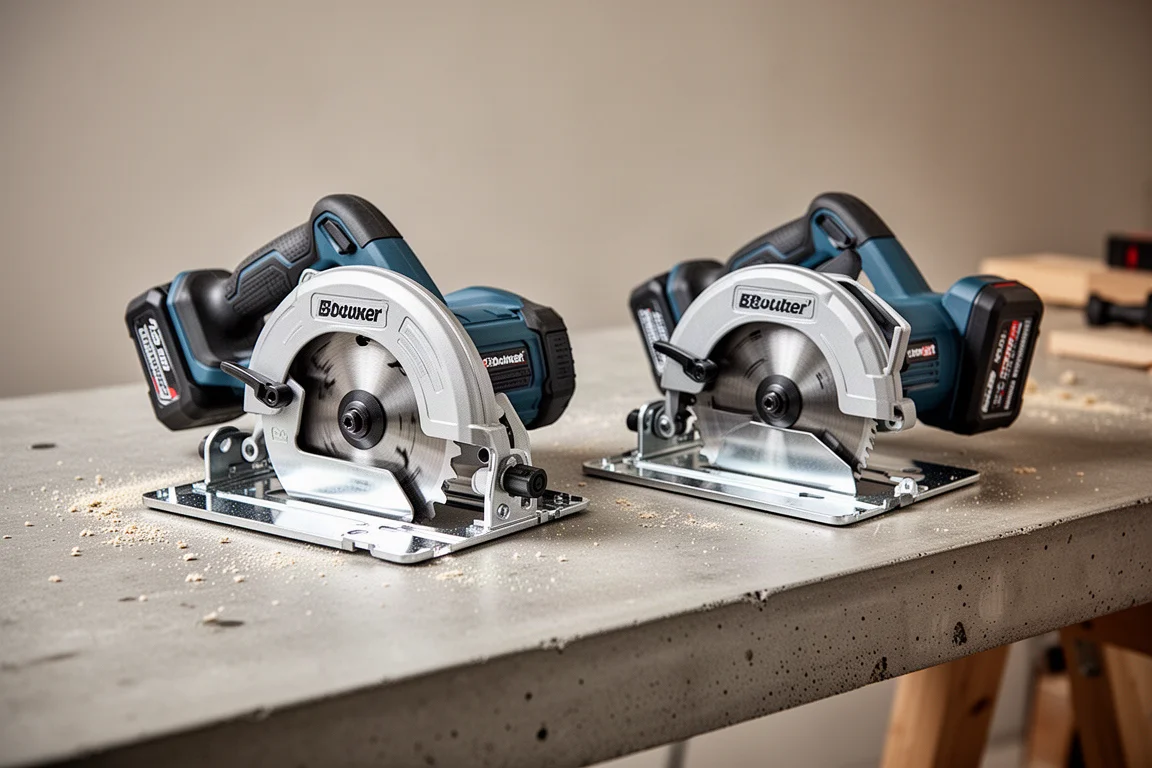
Both saws also reverse bevel, which sounds odd until you understand the point: the front of the tool detaches so the base can bevel in the opposite direction and the blade can run hard up against a wall or baseboard for flush cuts. The HiKOKI’s front section slips off quicker and easier, while the Makita’s feels a touch tougher and more elegant in how it comes apart.
One shared quirk: when bevelled in the reverse direction, both saws need the base lowered slightly so it clears the battery and motor housing, and each has a deflector stop that swings aside to lock the base down to 15 degrees in the reverse direction.
Depth, Bevels, and Visibility
Depth of cut is identical at 47mm on both. The depth markings on the back of the Makita are slightly easier to read than the HiKOKI’s, and the Makita also uses two knobs for releasing the base (one at the front, one for beveling) where the HiKOKI manages with a single knob.
The reverse-bevel angle markers are a weak point on both. On the HiKOKI, the angle indicator is a faint silver-on-silver indent that becomes very hard to read, and it disappears behind the stop partway through the range. The Makita’s marker also sits behind the stop, which is a design flaw on an otherwise nicely executed saw. If you buy either, expect to squint or add your own reference mark.
Flush Cutting: The Reason These Saws Exist
This is the headline feature for both, and in testing the Makita came out slightly ahead. It felt smoother to run, was a little easier to plunge cut, and repeatedly got a fraction closer to the timber edge than the HiKOKI. The HiKOKI had one clash issue at the front on one pass that the Makita did not.
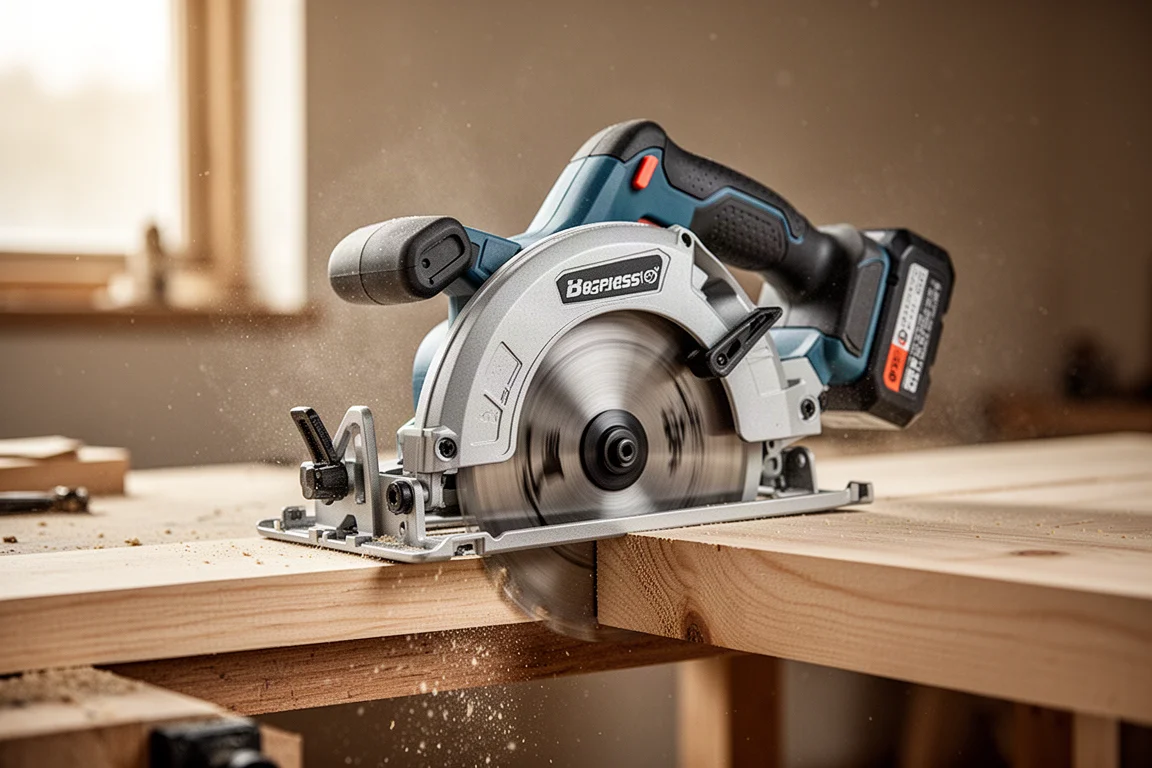
That said, the margin is small. Both saws will get you close to a wall or floor edge with no real problem, and any tiny gap left over can be shaved off afterwards with a sander. For cutting out floors or trimming the bottom plate of a wall, either saw does the job that reciprocating saws and multi-tools simply cannot do as cleanly.
Power and Cutting Speed
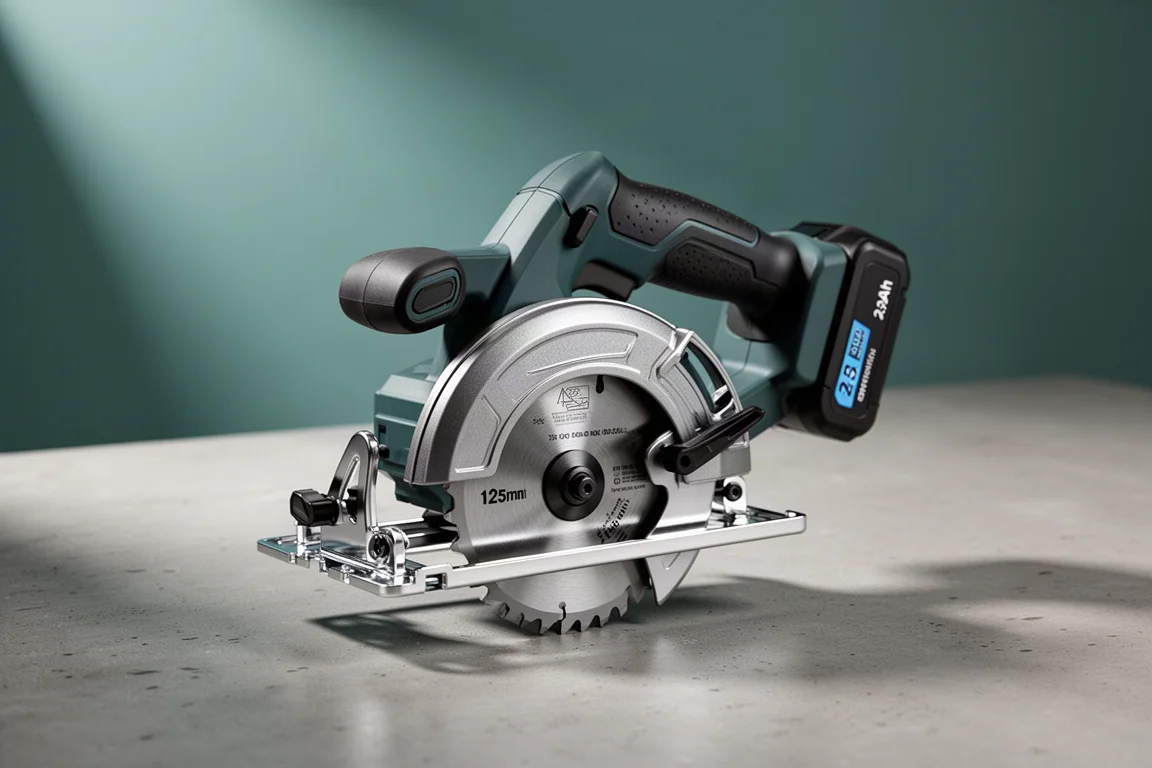
Here the tables turn. The Makita tops out at 6,000 rpm with a low speed of 4,500, a 1,500 rpm gap between the two settings. The HiKOKI’s top speed is 7,000 rpm, the highest in this size class, while its low “silent mode” sits at 3,500 rpm, a full half-speed difference between modes.
In a three-metre rip test through treated timber, the HiKOKI was significantly faster, feeling roughly a third quicker than the Makita. It is a small 125mm saw with genuine grunt, thanks largely to its 36V platform.
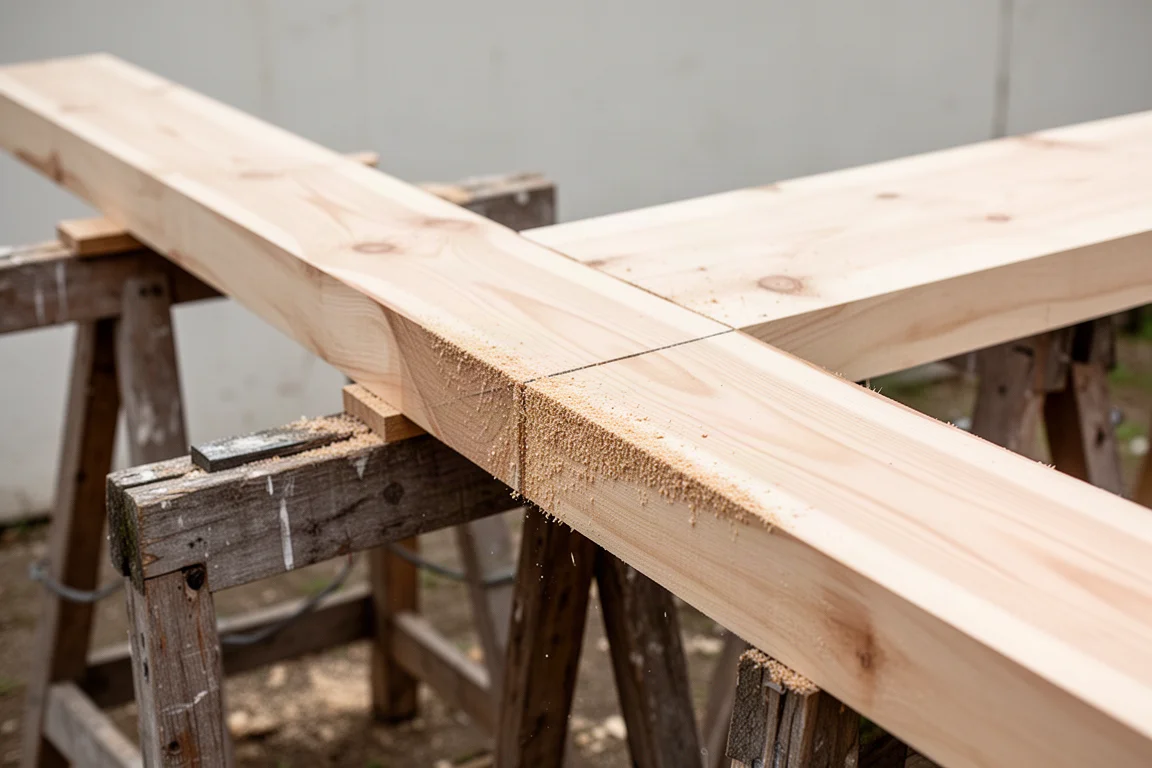
Two caveats worth noting. The HiKOKI’s cut line showed a ridge and some clogging where the Makita’s cut stayed smoother, partly a blade issue since the rip was done with a high-tooth-count blade not ideal for ripping. And the HiKOKI’s silent mode is interesting: it starts very quietly, quiet enough to talk over, then automatically ramps up once it feels the resistance of the timber. That automatic speed shift is a behaviour you may either like or find odd.
Lights, Handling, and Small Differences
Both saws have a work light. The HiKOKI offers three light modes: always on, trigger-activated with a 10-second delay-off, and off. The Makita keeps things simpler.
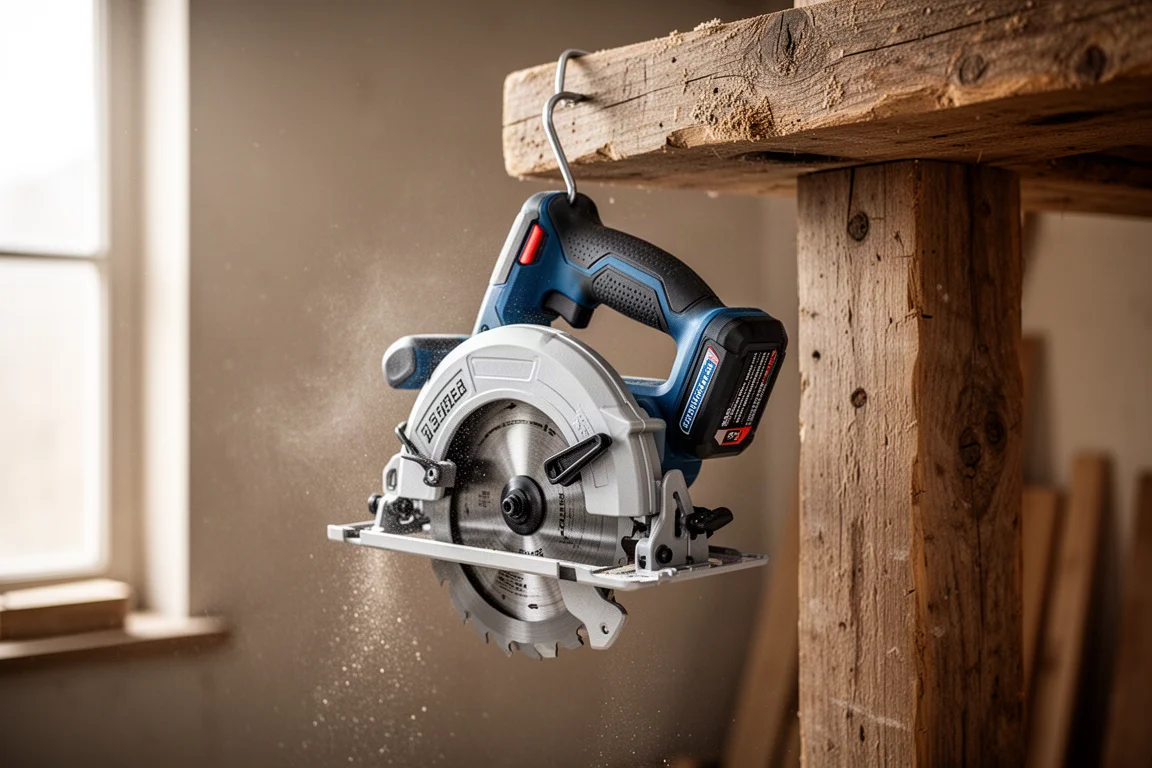
The Makita has a space for a rafter hook and mounting areas to attach it to a rail as a track saw, neither of which the HiKOKI offers. The HiKOKI counters with a hanging hole at the back and an optional front handle mounting point under a plastic cover, useful because neither saw comes with a front handle. Neither saw includes a dust port, and despite looking metallic, the guards on both are actually plastic.
Weight is close: the Makita sits just under 3kg with battery and blade fitted, with the HiKOKI about 100 grams lighter.
Which One Should You Buy?
The most practical answer: buy the one that matches your existing battery platform. Both are great tools, both are 36V, and both do the flush-cutting job that defines this category. If you are cross-shopping purely on features and feel, the Makita has the edge in fit, finish, visibility, and flush-cut quality. If raw cutting speed matters most, the HiKOKI wins.
If you are still cutting with an 18V saw, either of these is a genuine step up. The extra voltage simply powers through cuts where an 18V tool can start to struggle, and both feel smoother and more capable for it.
One thing to plan for: both saws appear to be available only in Japan, so sourcing one elsewhere means importing. Replacement blades can also be hard to find outside Japan, so it is worth ordering spares, including fluorine-coated blades which resist gumming and tend to last longer.
Conclusion
The Makita HS005G is the more refined tool with slightly better features, cleaner flush cuts, and track-saw compatibility. The HiKOKI C3605DB brings more top-end speed, noticeably faster ripping, a smarter light system, and a lower weight. Cross the two and you would have the perfect compact flush-cut saw; settle for one and you genuinely cannot go far wrong with either.
Further reading
Related Reviews
Power Tools
Best 1-Inch Pistol Impact Wrenches: Three Heavy-Duty Options Compared
We compare three 1-inch pistol impact wrenches, from a budget-friendly Harbor Freight model to a premium Caterpillar unit, to help you choose the right one.
Power Tools
Best 3/4-Inch Impact Wrenches 2026: Five Contenders Compared
We compare five 3/4-inch impact wrenches across price and performance, from a budget Amazon option to Snap-on's most powerful model yet.
Power Tools
Best Budget Cordless Tools 2026: Walmart Finds That Punch Above Their Price
We tested five cordless tools from Walmart, including a high-torque impact wrench that trades blows with Milwaukee and a $35 duster that outperforms its price class.