Power Tools
Makita GPH03 XGT Review: A 40V Hammer Drill Built for Control
Makita's new 40V flagship hammer drill pairs serious torque with 92 torque settings and a three-speed transmission. Here's how it performed in real testing.
Introduction
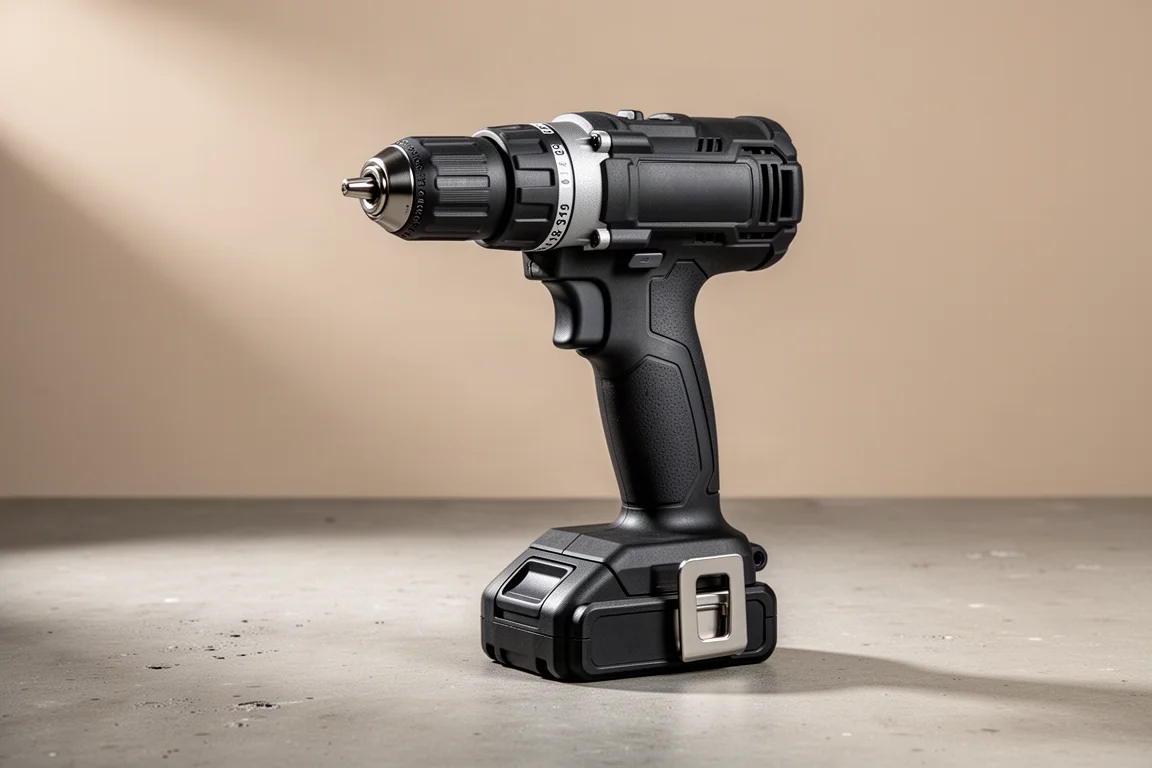
Makita is not new to the high-performance drill market, and the GPH03 XGT represents a clear evolution of the line. As part of the 40-Volt XGT platform, it is designed to compete at the top tier of cordless tools, and it is aimed squarely at tradespeople: electricians, plumbers, and anyone who relies on their drill to earn a living.
After putting it through a structured set of drilling and fastening tests, the picture that emerges is of a drill focused on control as much as raw power. Here is what you need to know before buying.
Power and Performance
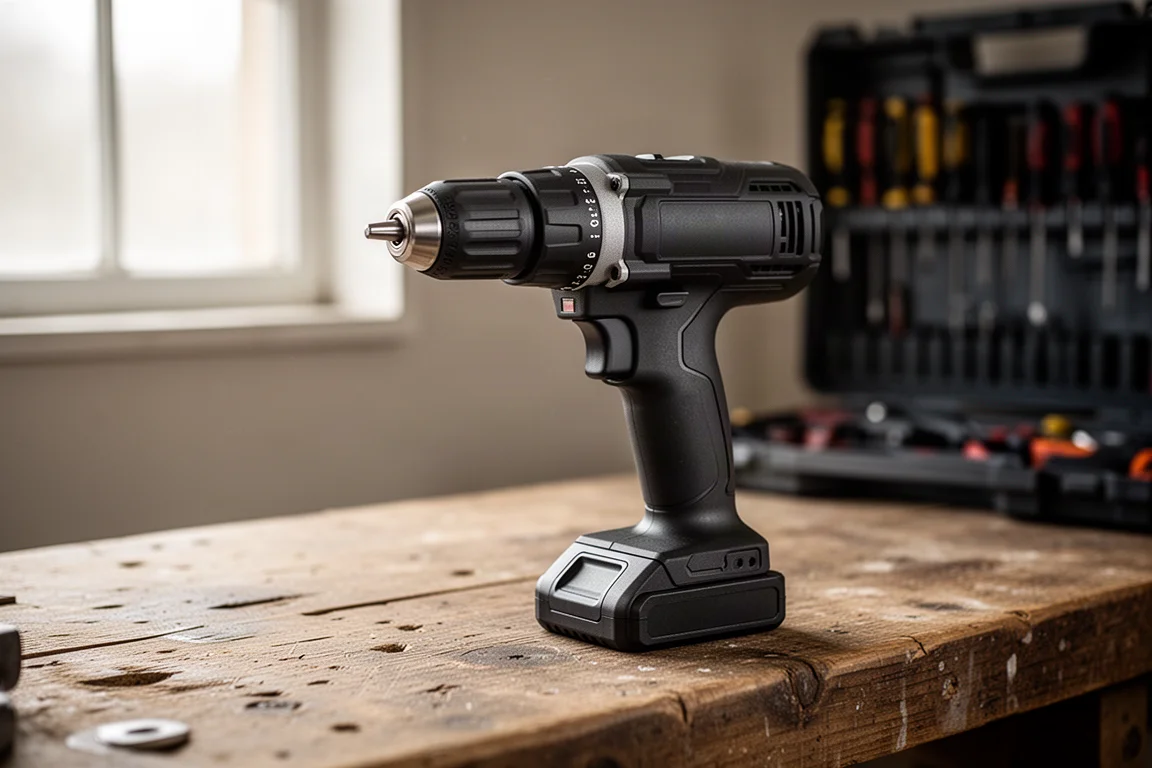
The 40-V platform gives this drill serious torque, rated at 1,590 in-lbs, with three speed levels topping out at 2,600 RPM. In testing, that translated into sustained power when drilling larger holes or running spade bits and self-feed bits.
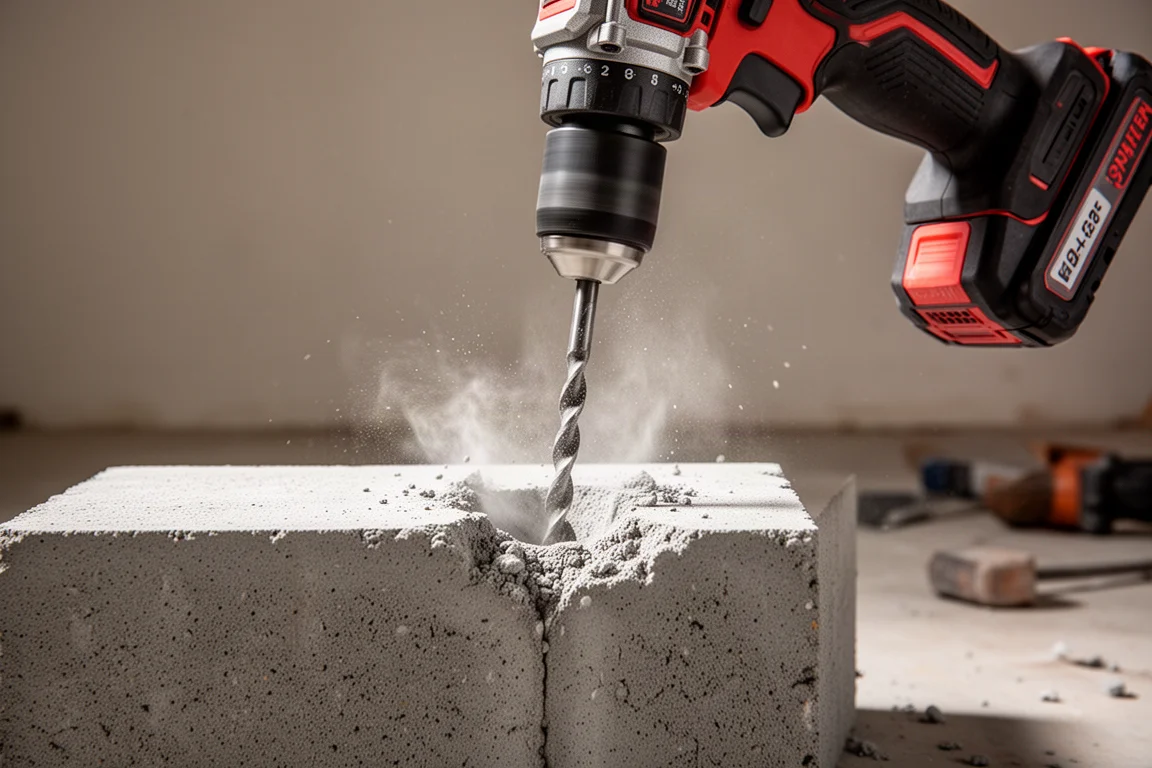
In hammer mode, drilling anchor holes and installing Tapcons in concrete went quickly. At 36,000 impacts per minute, the hammer action at times entered hardened concrete almost like drilling into well-packed sand. This is where the 40-V platform pays off most visibly.
Build Quality and Design
The GPH03 XGT feels dense, but in a good way. You get an all-metal chuck for durability, and Makita has addressed a long-standing frustration: the chuck now tightens down without feeling like it is slipping.
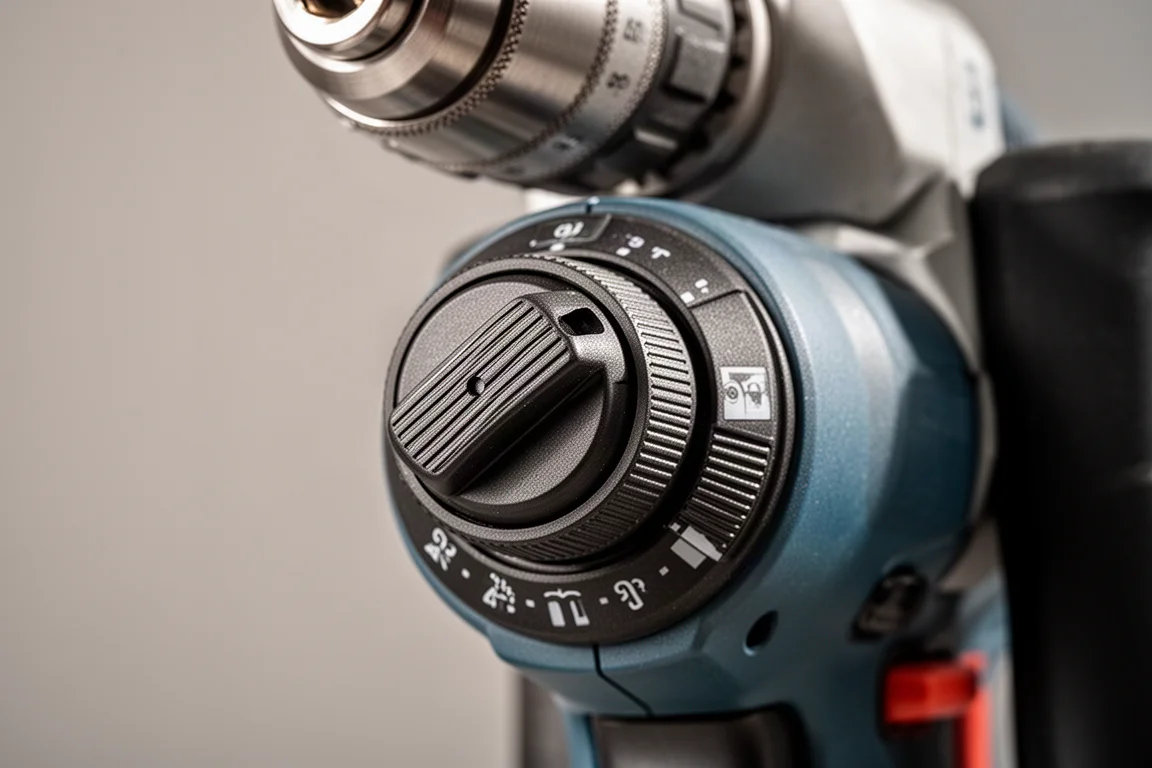
Right behind the chuck, a three-position dial selects between drill, fastener, and hammer modes. The metal gear housing houses three selectable speed levels, a first for Makita, giving you far more options for balancing speed versus torque across jobs ranging from installing hinges to running hole saws for rough-in plumbing.
Clutch Control and Mode Dial
This is where the drill separates itself. In fastener mode, a unique electronic scroll wheel gives you digital clutch control, with 41 settings in low gear, 30 in medium, and 21 in high, for a total of 92 different torque settings.
Better still, once you choose a setting in one speed, the drill saves it until you change it, even if you switch modes, speeds, or remove the battery. Once you dial in the sweet spot for your application, there is no fumbling to get back to it.
Ergonomics
The ergonomics are classic Makita: clean grip geometry, well-placed controls, and a footprint that does not feel oversized despite the 40-V platform. The variable speed trigger lets you turn the work light on without starting the drill.
The trigger engagement also feels like a soft start motor. Rather than jumping instantly to full speed, it builds up quickly. That should help keep bits from slipping out of fasteners as easily.
How It Performed in Testing
The headline numbers from structured testing:
- 8-inch by 3/8-inch structural screw driven flush into stacked, glued OSB: 2.43 seconds
- 1-inch self-feed spade bit through 4 inches of stacked OSB: 2.62 seconds average
- 2-9/16-inch self-feed bit through 2x4 studs: 1.89 seconds average
- 3/8-inch bit, 3-inch deep holes in cured 4,000 PSI concrete: 8.65 seconds average
These are not bad times, but they are not the fastest, notably trailing the previous Makita flagship, the GPH01, in top-speed tests. Digging into the specs explains why: the GPH03 runs roughly 200 to 300 RPM slower at the top end and 3,000 BPM less in hammer mode. Since testing was done at top speed, where higher speed means lower torque, those runs did not showcase what this drill can really do.
Torque Test: Where It Pulls Ahead
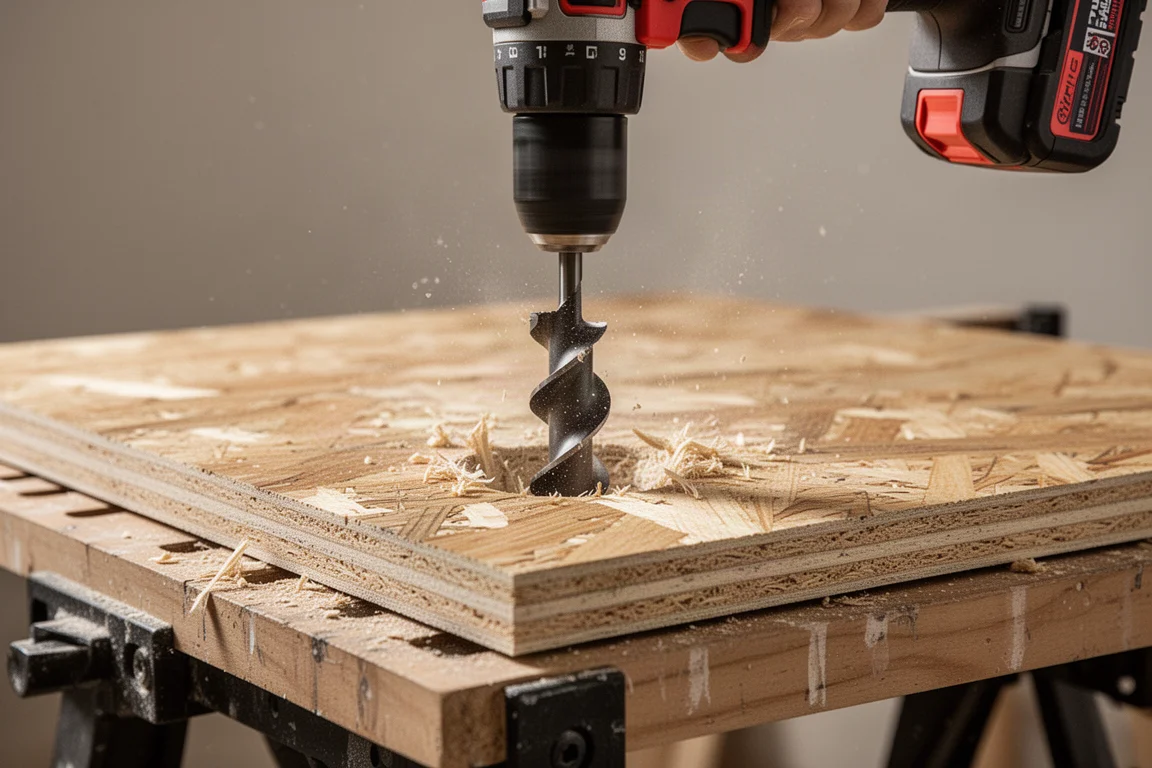
A low-speed lag bolt test was run to max out the torque, using stacked OSB blocks and 1/2-inch by 10-inch lag bolts. The test is simple: drive the lags until they bottom out or time out, and see which drill goes further and faster.
The GPH03 drove the lag 8 inches into the stacked OSB at 1.04 inches per second. The GPH01 managed a total of 6-3/4 inches at 1.2 inches per second. In this application, the GPH03 clearly came out ahead, confirming that it genuinely has more torque than its predecessor. The trade-off is deliberate: Makita traded some top-end speed for driving force.
Who This Drill Is For
This is a drill designed for someone who needs to dial in exact torque settings for fastening. The conversation here is not about speed, it is about driving force: over 90 torque settings, plus a three-speed transmission for matching the tool to specific applications.
If your work revolves around repeatable fastener installation and heavy-duty drilling, this drill fits. If top-end drilling speed is your single priority, the previous generation remains worth a look.
Buying Advice
The GPH03 XGT is available at Acme Tools and Home Depot. As a bare tool it runs $259. As a kit, it goes for $399, which includes one 4-Ah battery and a charger.
Conclusion
The Makita GPH03 XGT is an evolution rather than a revolution: slightly slower at the top end than its predecessor, but with measurably more torque, a three-speed transmission, and a class-leading 92-setting electronic clutch. For tradespeople who live in fastener mode, it is an easy recommendation.
Product link
View more details for Makita GPH03 XGT
This product is mentioned in the review. Check the specifications, options, and compatibility before buying.
View more details for Makita GPH03 XGTFurther reading
Related Reviews

Power Tools
Best 1-Inch Pistol Impact Wrenches: Three Heavy-Duty Options Compared
We compare three 1-inch pistol impact wrenches, from a budget-friendly Harbor Freight model to a premium Caterpillar unit, to help you choose the right one.

Power Tools
Best 3/4-Inch Impact Wrenches 2026: Five Contenders Compared
We compare five 3/4-inch impact wrenches across price and performance, from a budget Amazon option to Snap-on's most powerful model yet.

Power Tools
Best Budget Cordless Tools 2026: Walmart Finds That Punch Above Their Price
We tested five cordless tools from Walmart, including a high-torque impact wrench that trades blows with Milwaukee and a $35 duster that outperforms its price class.