Power Tools
Makita GPH01 vs XPH14: Comparing the XGT and LXT Hammer Drills
Makita's 40V XGT GPH01 and 18V LXT XPH14 hammer drills share the same torque rating, but differ in sustained power under load, clutch design, and kit pricing.
Introduction
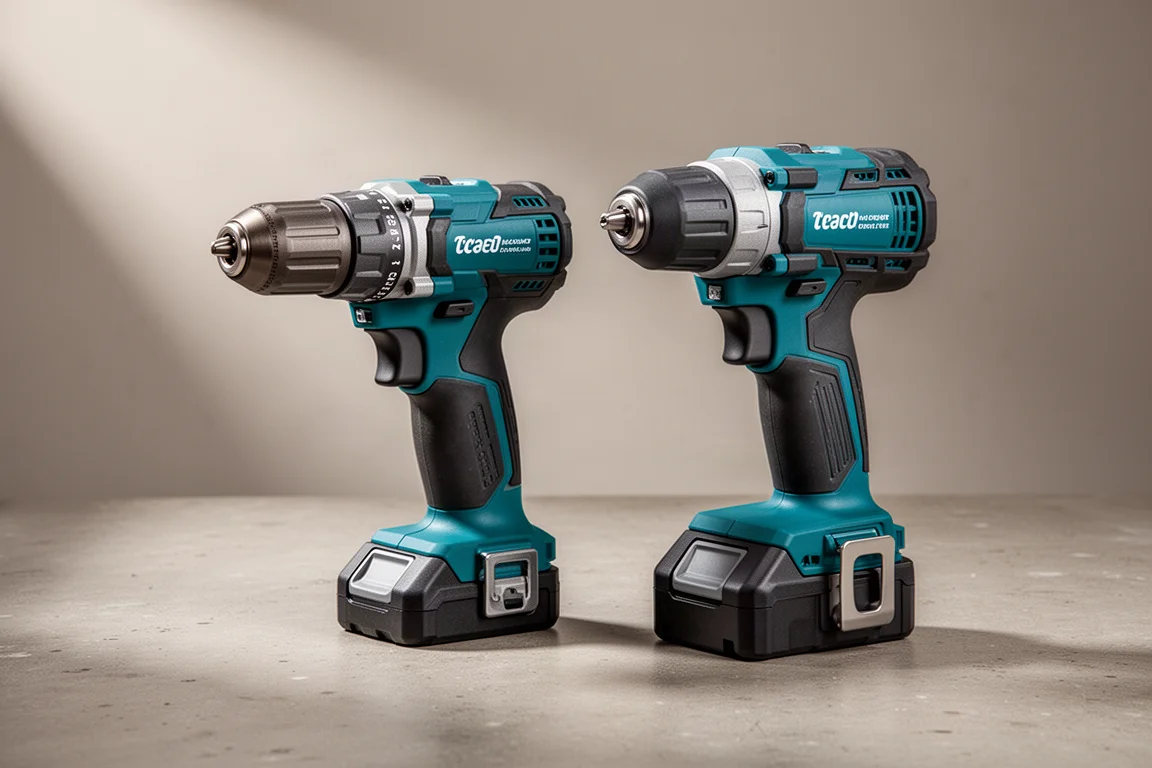
Makita currently sells two flagship hammer drill/driver kits: the GPH01 from the 40V max XGT line and the XPH14, the current generation from the 18V LXT line. Both have been on the market for roughly a year or longer, and both are rated for the exact same torque specs, which raises an obvious question: is the XGT worth the jump?
The interesting part is that even with identical torque ratings, the XGT drill consistently shows more muscle when the work gets heavy. Higher voltage simply moves power more efficiently, keeping the tool and battery running cooler and sustaining output under load better than the 18V platform. The XGT kit, which includes the hammer drill, an impact driver, two batteries, and a charger, has typically listed around $450, though it has been seen on sale for $222 with a battery return promotion at Home Depot.
Size and Weight: Closer Than Expected
The first concern with any 40V tool is bulk, and the GPH01 defies expectations here. In hand it does not feel meaningfully bigger than the LXT drill, and the head is actually slightly more compact. The XGT measures just under 11 inches tall, roughly 10 and 5/8 inches, while the LXT comes in around 10 and a quarter inches.
At its widest point, the bumpers on the XGT head measure 2.58 inches, with the LXT just a touch wider at 2.60 inches. In person, the LXT looks slightly chunkier at the sides, while the XGT has more of a taper toward the top. Length is nearly identical, with both sitting just under seven and a quarter inches, close enough that it is hard to call a winner.
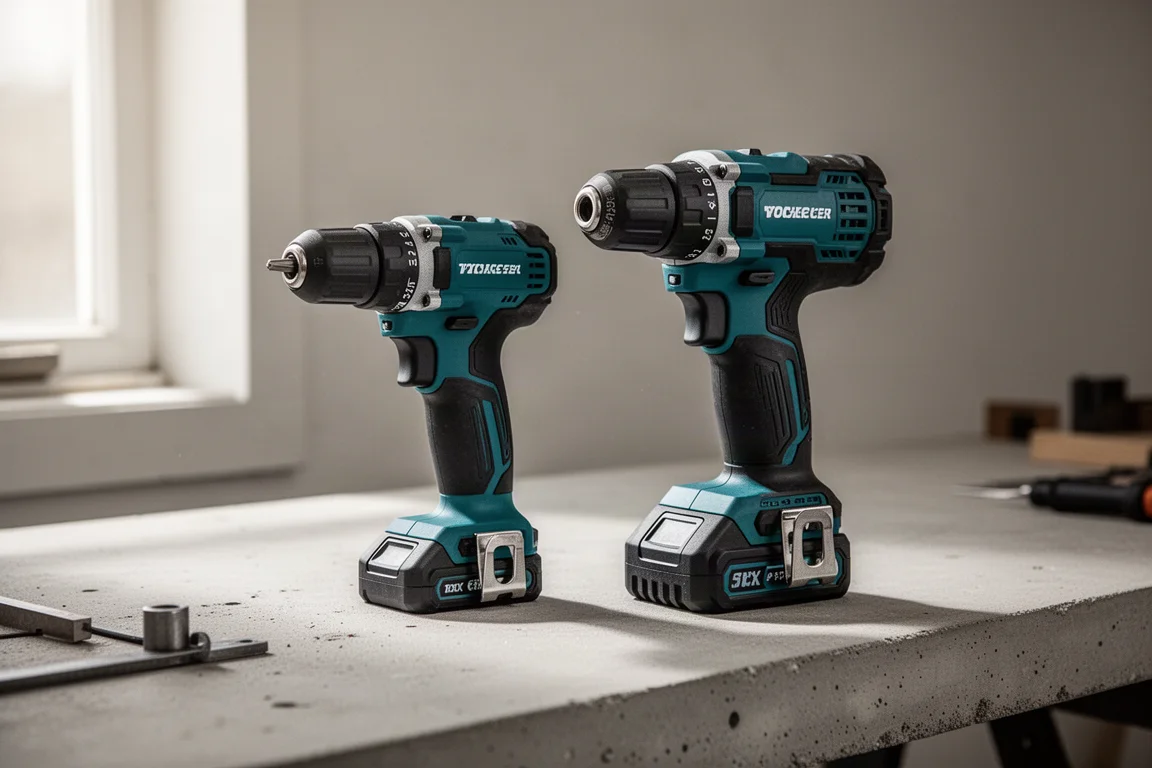
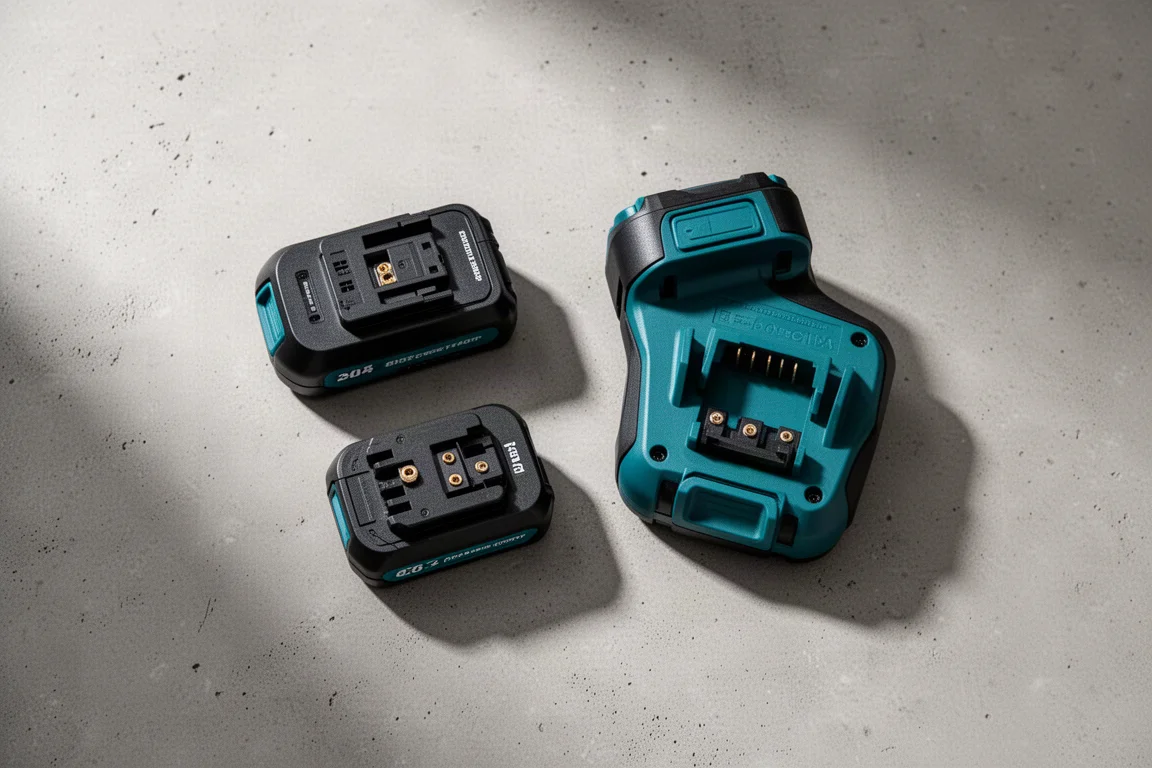
Weight follows the same story. With battery installed, the XGT weighs 5 pounds 4.2 ounces and the LXT 5 pounds 0.6 ounces. The comparison is fair because the batteries deliver identical energy: the 40V 2.5Ah pack and the 18V 5Ah pack are both 90 watt hours. The XGT also picks up a darker gray metal accent that gives it a distinctly premium look compared to the LXT styling.
Clutch Design: The Biggest Functional Difference
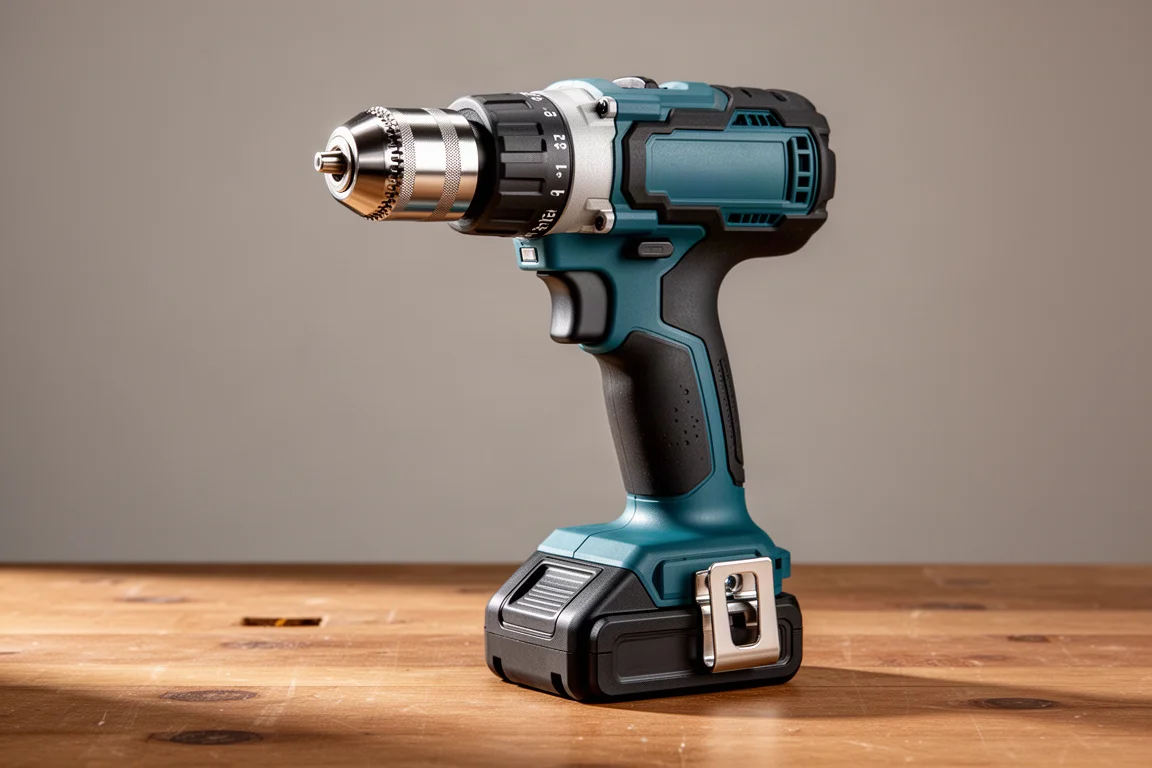
The XPH14 uses a traditional adjustable mechanical clutch that you set manually by rotating the collar. It works exactly as you would expect: at low settings the clutch stops the chuck from rotating once the set torque is reached.
The GPH01 takes a different route with an electronic clutch, believed to be the first on any drill of this type. The clutch stays hidden until you switch the drill into screw mode, at which point a display lights up and lets you adjust clutch settings, with a lock and unlock control to prevent accidental changes. In practice, when the electronic clutch engages, the drill stops entirely. You can pull the trigger again and nothing happens until you release and reset.
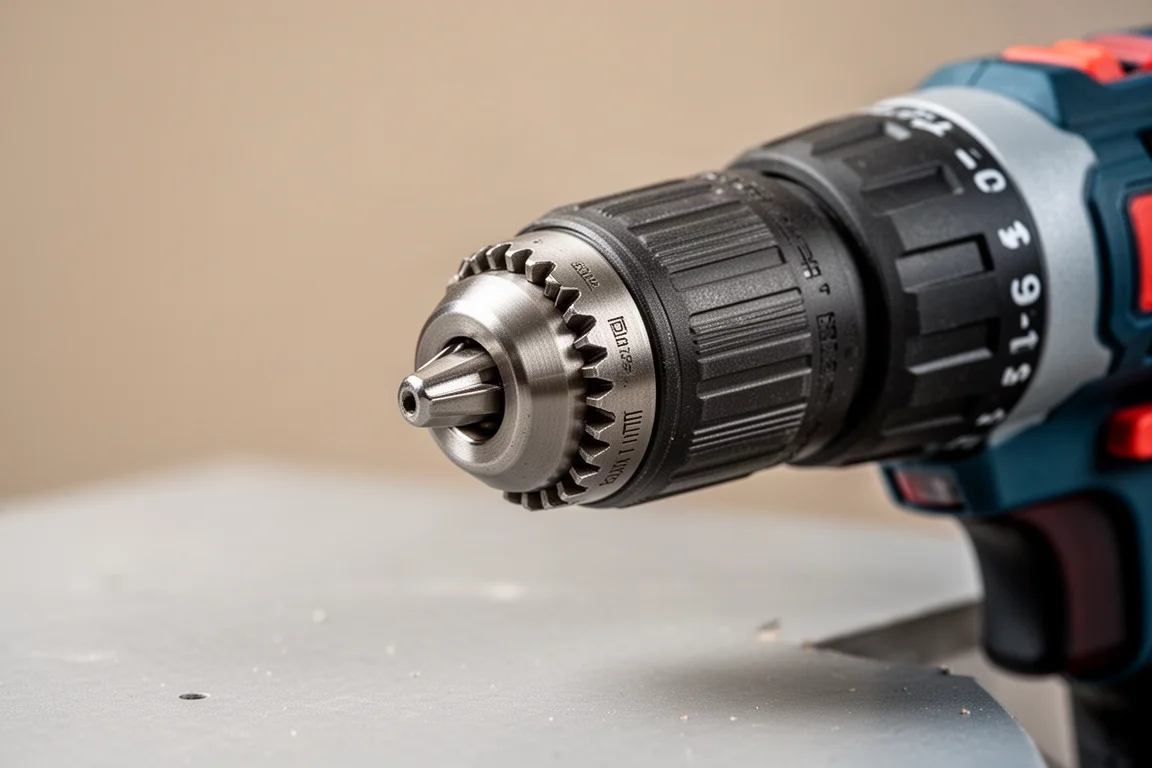
It is a genuinely novel feature, though it deserves time on a real job site before drawing firm conclusions about how it holds up in daily use.
Performance Under Load: Spade Bit Testing
Using a 1-1/4 inch spade bit in drill mode at speed 2, each drill cut three holes with a fully charged battery. Both performed well, but the character difference showed up as the holes got deeper.
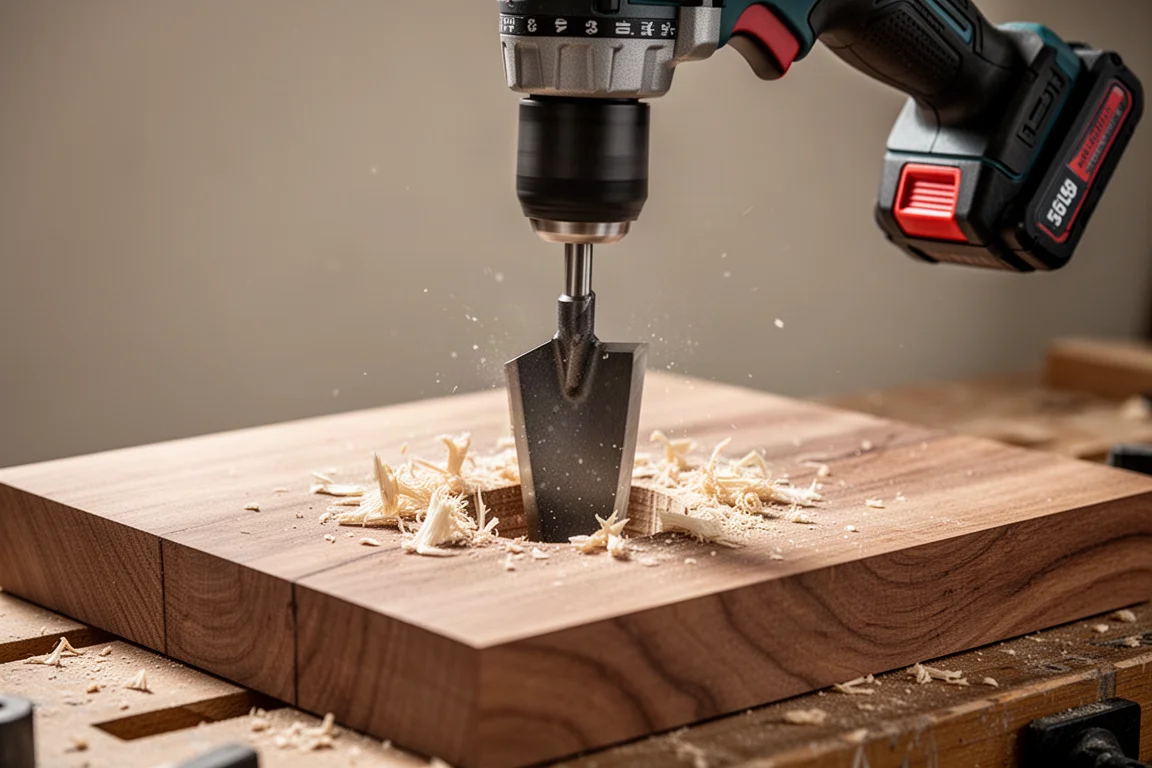
The XGT felt slightly faster overall and, more importantly, did not struggle under load. It feels like it has plenty of power in reserve even when driving a large spade bit through dense material. The LXT, by contrast, showed slight signs of strain when the bit sat deeper in the hole.
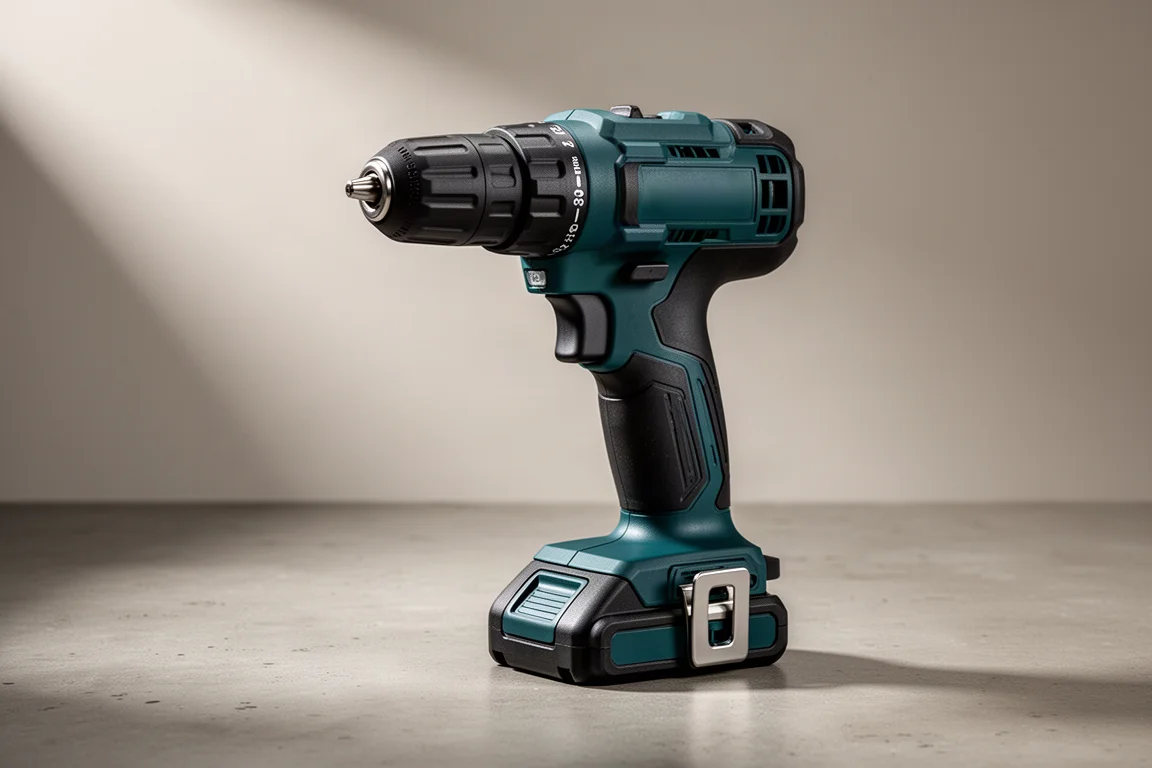
Is it a night-and-day difference? No. But it is a real upgrade, and the gap should widen as second and third generation XGT drills make better use of the enormous power reserve those 40V batteries carry.
Is the Upgrade Worth It?
At the regular kit price of around $450, the GPH01 kit is hard to justify purely as an upgrade. But at the promotional price of $222 with a battery return, including an impact driver, two batteries, and a charger, it becomes an easy call, especially when comparable top-end kits often sell for $400 or more.
If you already own the latest LXT hammer drill and it serves you well, the upgrade is more of a maybe. You will not see a massive difference between the two tools in everyday use. If you simply want the best-performing platform with the most available power, the XGT is a worthwhile step up.
Conclusion
Makita’s XGT line represents the next generation of its cordless tools, with pricing to match, but the GPH01 delivers real advantages in sustained power under load, a more compact tapered head, and an innovative electronic clutch. The XPH14 remains an excellent drill that matches it on paper and costs less. If the XGT kit is available at a promotional price, it is a strong purchase; otherwise, the LXT still holds its own.
Further reading
Related Reviews
Power Tools
Best 1-Inch Pistol Impact Wrenches: Three Heavy-Duty Options Compared
We compare three 1-inch pistol impact wrenches, from a budget-friendly Harbor Freight model to a premium Caterpillar unit, to help you choose the right one.
Power Tools
Best 3/4-Inch Impact Wrenches 2026: Five Contenders Compared
We compare five 3/4-inch impact wrenches across price and performance, from a budget Amazon option to Snap-on's most powerful model yet.
Power Tools
Best Budget Cordless Tools 2026: Walmart Finds That Punch Above Their Price
We tested five cordless tools from Walmart, including a high-torque impact wrench that trades blows with Milwaukee and a $35 duster that outperforms its price class.