Power Tools
Makita Four-Mode Impact Drivers: BTP140 vs DTP141 Reviewed
Makita's four-mode impact drivers promise to replace a drill, driver, and hammer drill in one tool. We look at how the older BTP140 and newer DTP141 handle all four jobs.
Introduction
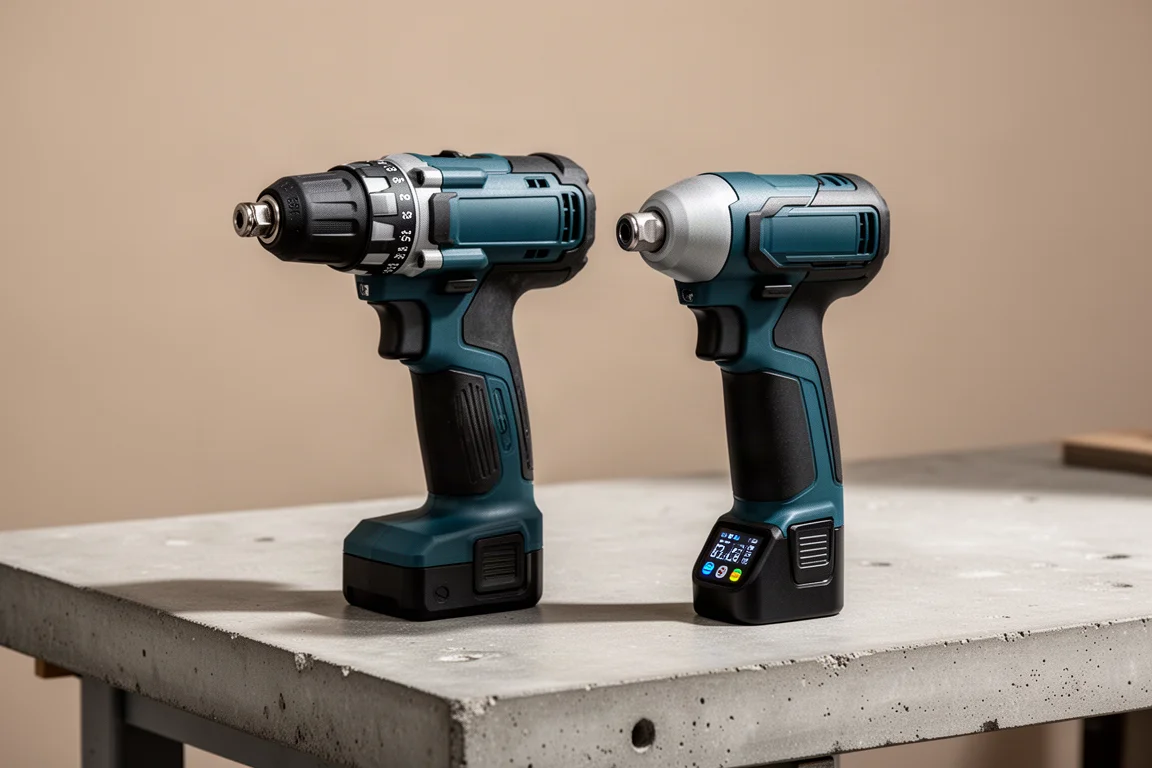
Most cordless tools do one job. Makita’s four-mode impact drivers try to do four: impact driving, screwdriving with an adjustable clutch, plain drilling, and hammer drilling into masonry. It is an unusual concept, and very few manufacturers have attempted anything like it. In this article we compare the older BTP140, which predates Makita’s battery protection era, with its newer brushless counterpart, the DTP141, to see whether one tool really can replace three.
What Is a Four-Mode Impact Driver?
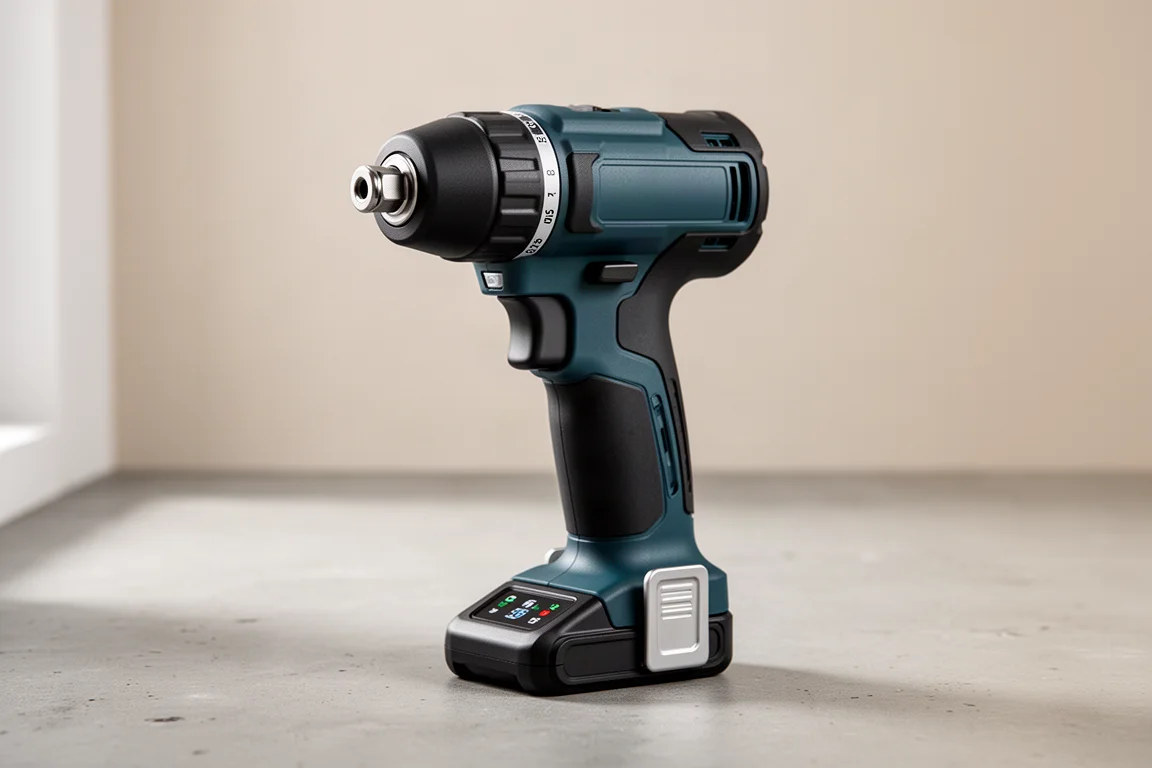
The pitch is simple: instead of owning a drill driver, an impact driver, and a hammer drill, you own one tool that switches between all four modes. For people short on space, on a budget, or up a ladder who do not want to carry multiple tools, that is an appealing idea. Both models share the same core concept: a collet-style chuck with quarter-inch hex drive, a mode selector, a two-speed drill gearbox, and an adjustable clutch for screwdriving.
Both are made in Japan, which Makita tends to reserve for smaller-run, niche tools like these. One quirk worth knowing before buying: both use chucks that require pulling the collet back to insert a bit, unlike most modern Makita impact drivers where bits simply push in. The BTP140 has a worldwide chuck that accepts both standard and Japanese-pattern bits, while some versions use a Japanese-pattern chuck that runs best with longer Japanese bits; standard shorter bits fit but wobble more, and Japanese-pattern bits will not lock in a standard chuck at all.
Makita BTP140: The Original Four-Mode Driver
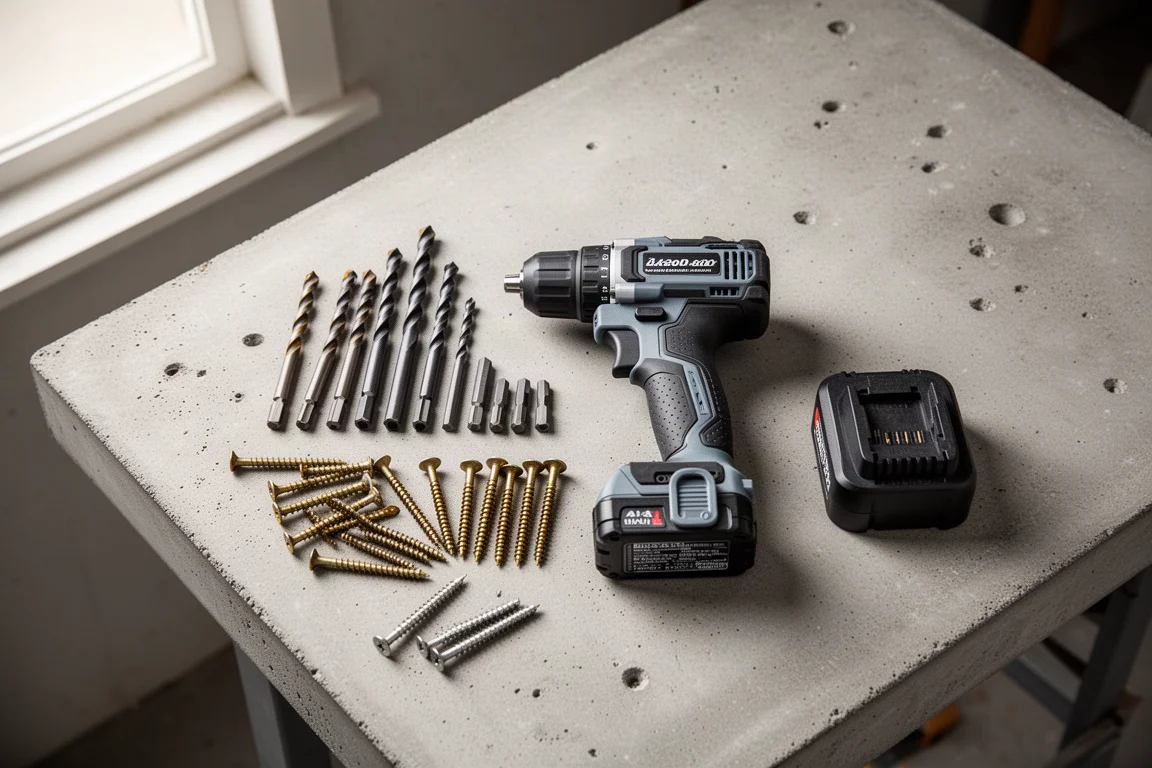
The BTP140 is the older of the two, part of Makita’s original B-range before battery protection and the later D-prefix models arrived. It uses a brushed motor and a manual slip clutch with click settings for screw depth control. Specs list 2,300 RPM and up to 3,200 impacts per minute, with a 140 Nm torque rating.
In practice it is a mixed experience. As an impact driver it feels slow and noisy compared with a dedicated driver, and the clutch is remarkably loud when it engages. The mode selector is very tight and can take several trigger pumps before it will turn, which is the single biggest frustration with this design. It has a single impact speed, a single hammer speed, and a two-speed drill mode. It also gets noticeably hot during hard work, and it released smoke quickly when pushed with a large drill bit on high gear.
Makita DTP141: The Brushless Successor
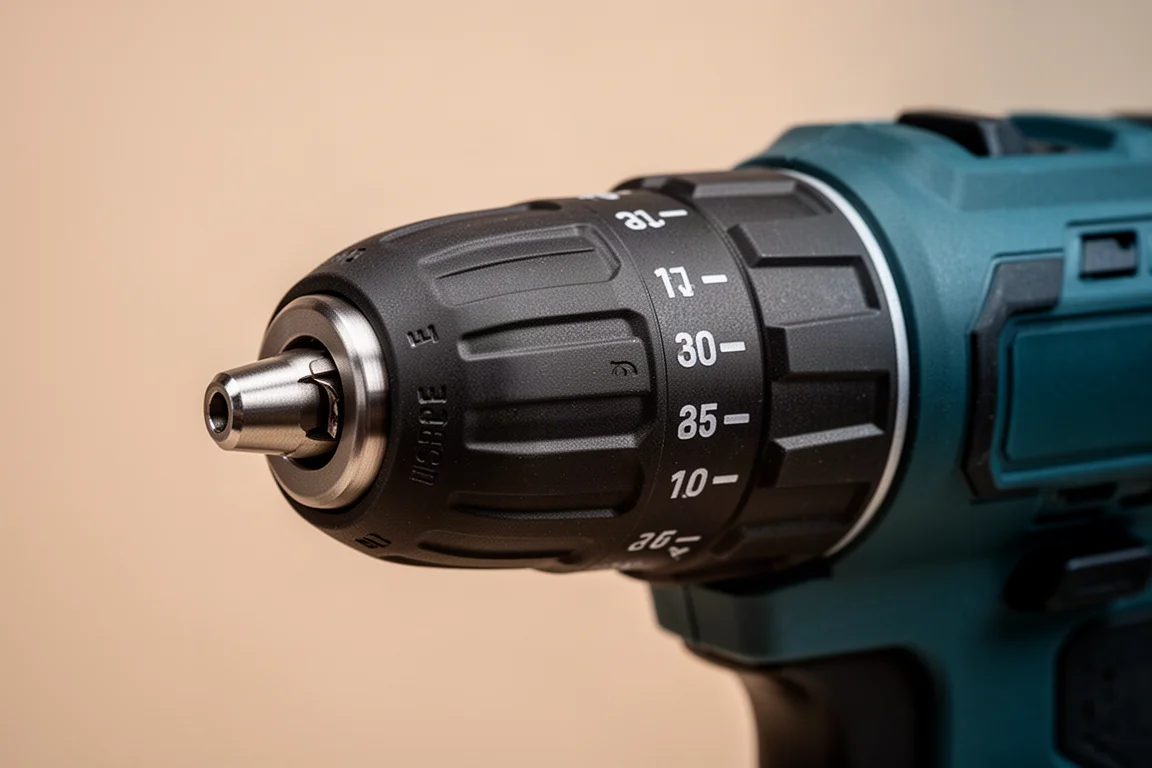
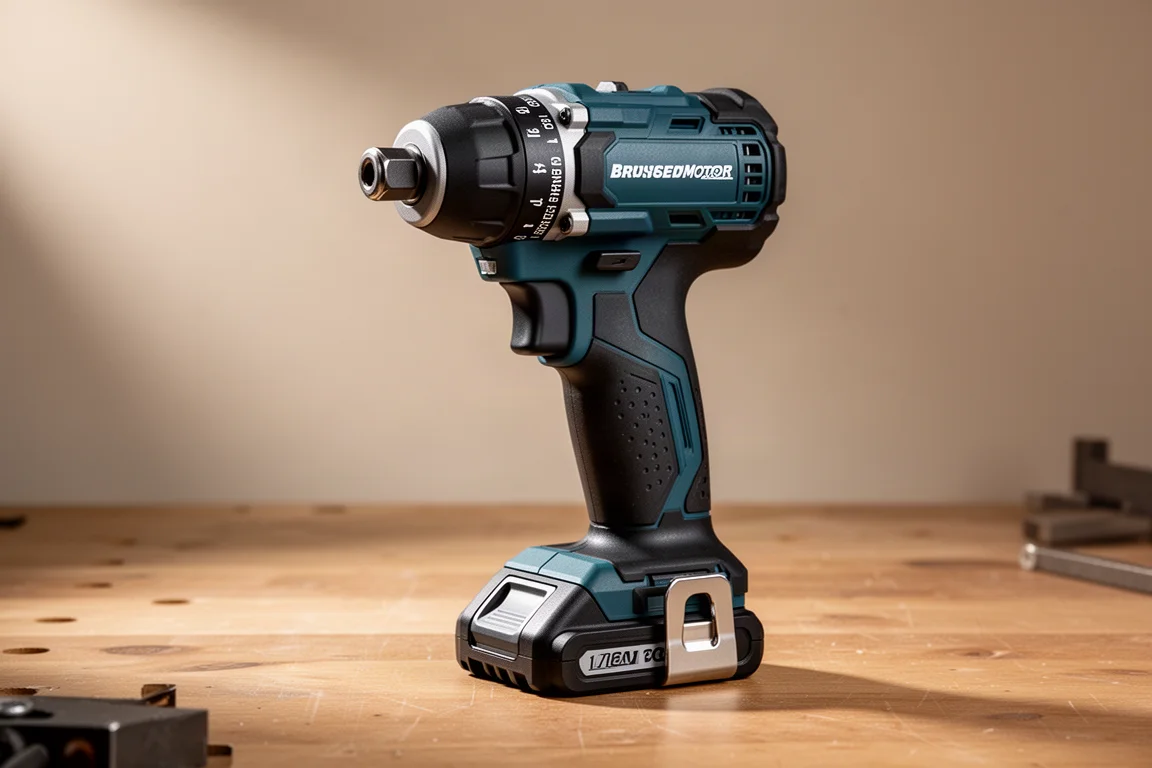
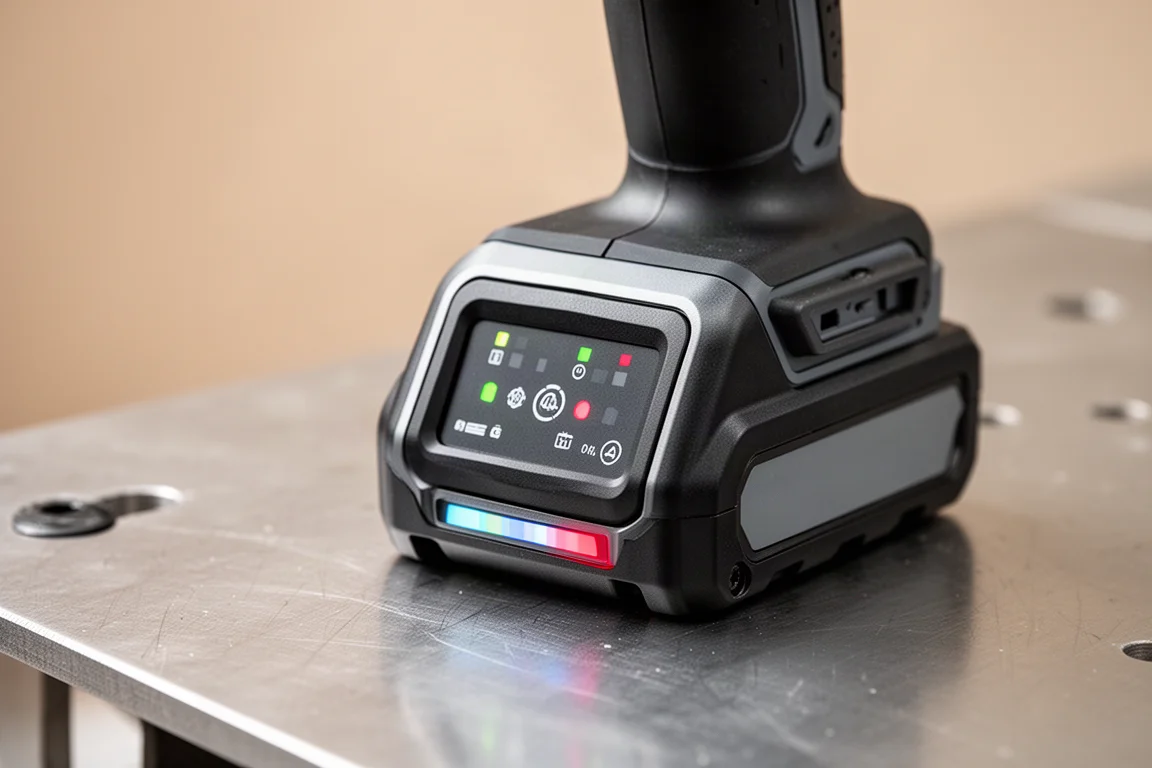
The DTP141 modernises the concept with a brushless motor and an electronic clutch, which allows a shorter, slimmer body with the clutch settings moved from the nose collar down to a digital control panel. It offers nine clutch settings plus a P mode, which per the Japanese labelling is a plus mode for tightening screws: it detects load and automatically stops. In testing, P mode stopped beautifully at the right depth, though how well it works across different screw and material types is likely to be hit and miss.
The control panel also offers three impact speeds, slow, medium, and fast, plus a battery gauge on the tool itself. Specs list 0-700 and 0-2,700 RPM across the two drill gears, 3,200 impacts per minute, and a 150 Nm torque rating for impact mode. Mode switching is still tight and clunky, and the gear change between speed one and two in drill mode occasionally requires pulsing the trigger, but overall it is noticeably more refined than the older brushed model.
Concrete and Drilling Performance
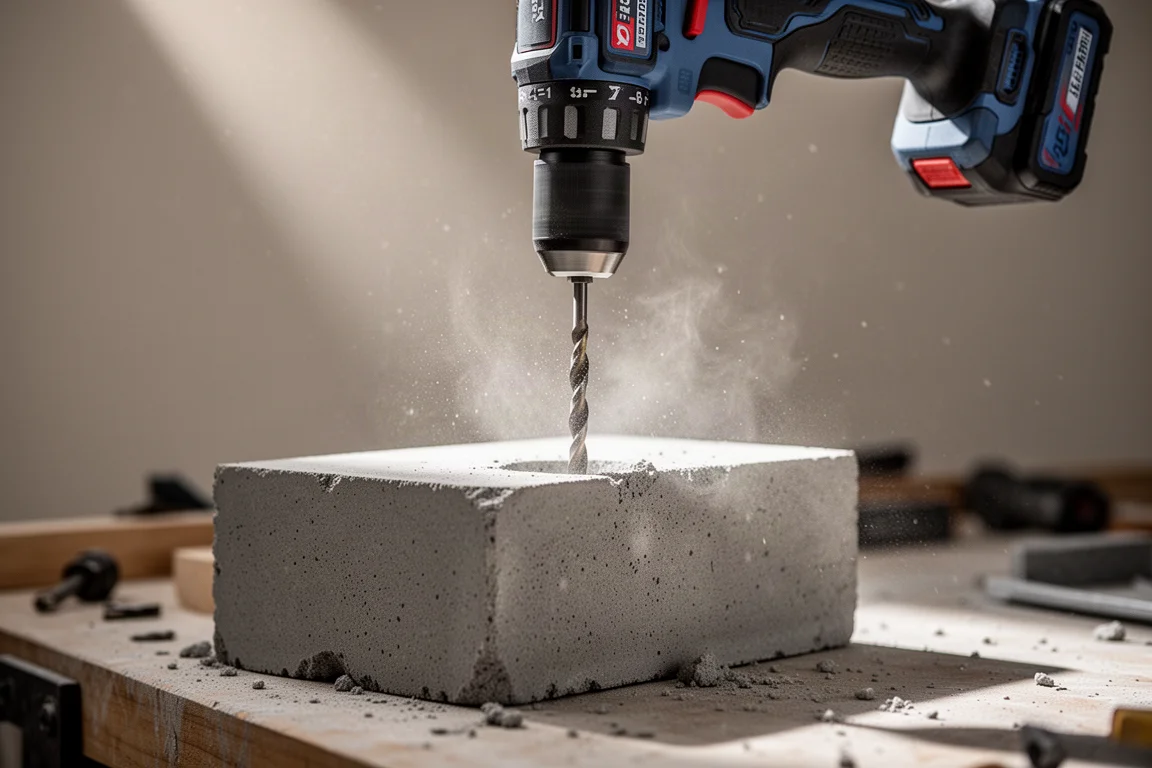
The biggest surprise of testing came from the hammer drill mode. Both tools drilled 10 mm holes into real concrete far better than expected, and quickly. The BTP140 got very hot doing it, staying hot even minutes after stopping, while the DTP141 stayed essentially cold. The DTP141 also offers two hammer speeds versus one, though it does not always like shifting between them.
Plain drilling is the weaker suit for both. Rated capacities are 21 mm in wood on low gear and 9 mm on high for the older model, with 10 mm in steel on low and 6.5 mm on high. In real testing, neither tool coped comfortably with a 10 mm multi-material bit on high gear, cutting out and heating up. Both are best treated as small-hole drills: pilot holes and screw holes up to around 6 mm. A good multi-material bit helped enormously, even for testers who are normally sceptical of them.
Should You Buy a Four-Mode Impact Driver?
In a head-to-head driving test with 300 mm landscape screws, the DTP141 beat the BTP140, though both managed the task. But the honest conclusion is that these tools do four things without doing any of them brilliantly. As a pure impact driver they are larger and heavier than a dedicated Makita flagship, and as a drill they are limited by rated capacities and heat. For everyday trade use, three separate tools each done properly will serve you better.
Where the concept does make sense is for DIY users, occasional users, or anyone who genuinely needs one tool to cover drilling, driving, and light masonry work. If Makita ever produced a version with a drill-only mode, impact-off switching, and anti-kickback protection, that would be a genuinely compelling tool. Until then, treat the four-mode driver as a space-saving generalist rather than a replacement for dedicated tools.
Conclusion
The Makita DTP141 is the clear pick of the two if you do end up in this niche: brushless, more refined, with the clever auto-stop P mode and three impact speeds. The BTP140 remains an interesting curiosity for collectors of older Makita gear, but it is slow, noisy, and runs hot. Both surprised us with their concrete drilling, and both are best suited to light-duty, mixed-task DIY work rather than heavy daily use.
Further reading
Related Reviews
Power Tools
Best 1-Inch Pistol Impact Wrenches: Three Heavy-Duty Options Compared
We compare three 1-inch pistol impact wrenches, from a budget-friendly Harbor Freight model to a premium Caterpillar unit, to help you choose the right one.
Power Tools
Best 3/4-Inch Impact Wrenches 2026: Five Contenders Compared
We compare five 3/4-inch impact wrenches across price and performance, from a budget Amazon option to Snap-on's most powerful model yet.
Power Tools
Best Budget Cordless Tools 2026: Walmart Finds That Punch Above Their Price
We tested five cordless tools from Walmart, including a high-torque impact wrench that trades blows with Milwaukee and a $35 duster that outperforms its price class.