Power Tools
Makita DTM52 Multi-Tool: Two Adapter Options for Non-Starlock Blades
The latest Makita 18V multi-tool is a big step up in power, but it only accepts Starlock Plus and Starlock Max blades. Here are two adapter designs that bring your old blade collection back into play.
Introduction
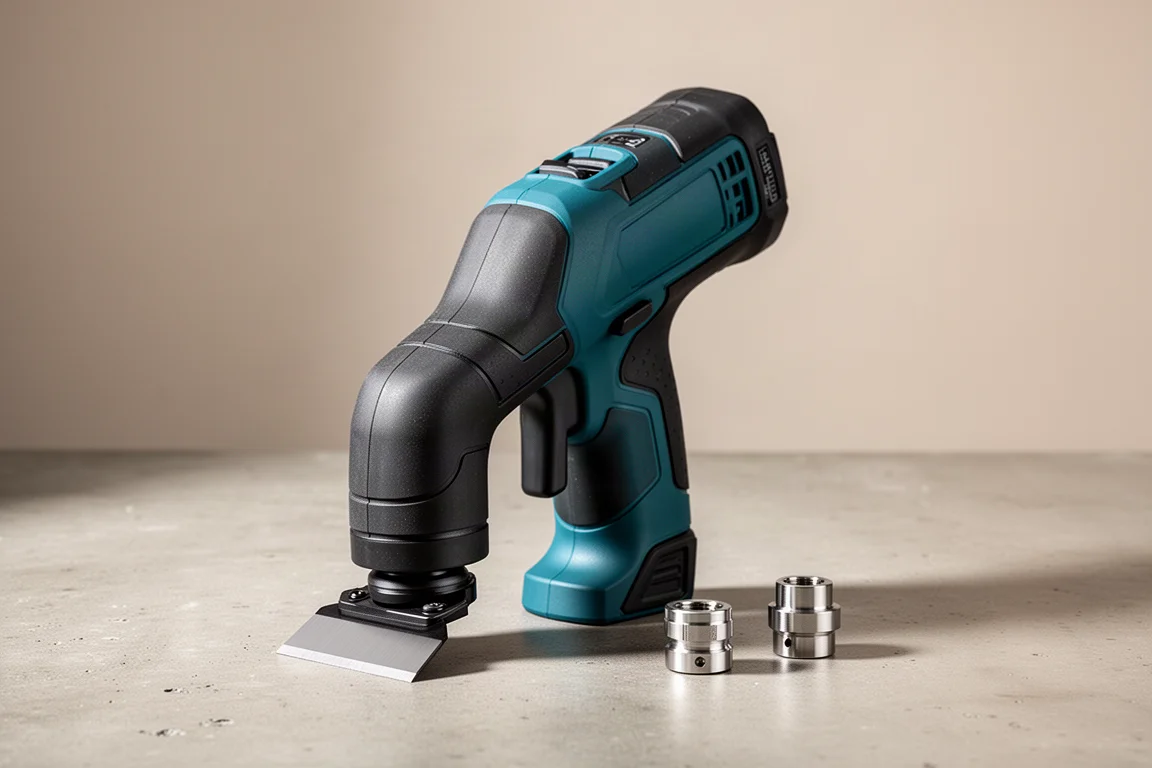
The Makita DTM52 is the newest 18V oscillating multi-tool from Makita, and it is a genuinely impressive piece of kit: noticeably more powerful than the model it replaces. There was one catch when it launched, though. Makita changed the blade mounting system, and that change frustrated a lot of existing owners.
The Blade Change Problem
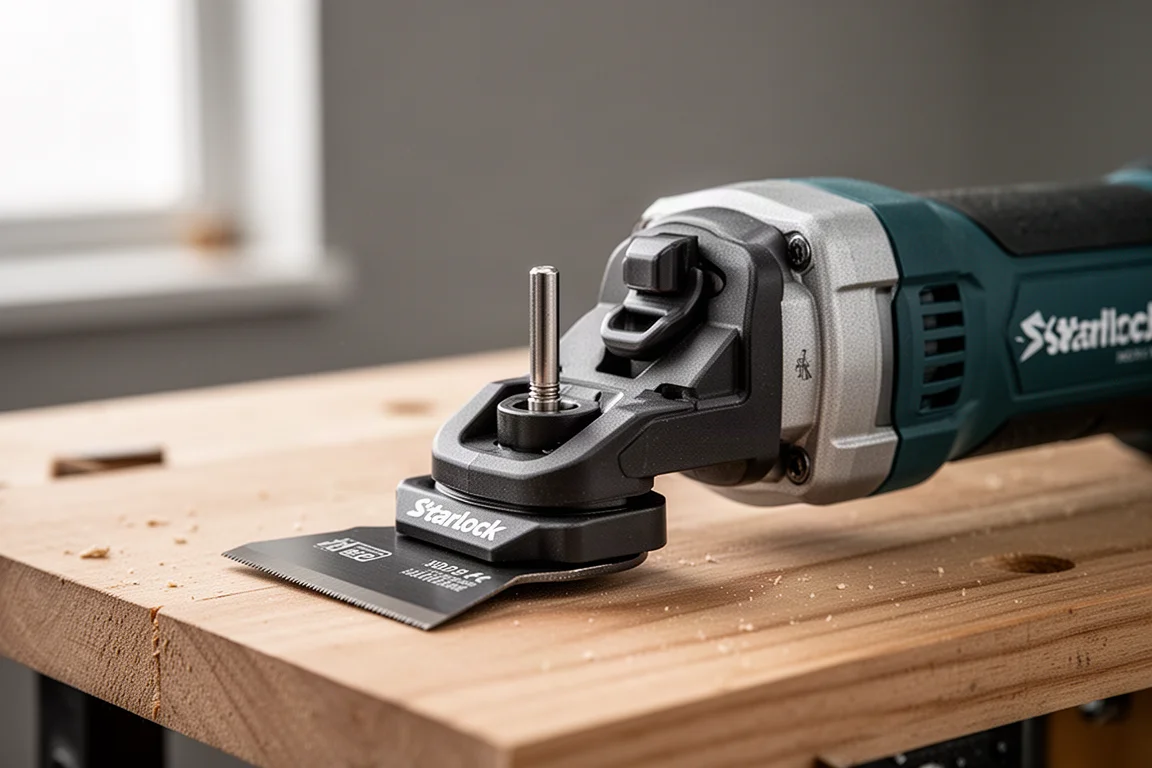
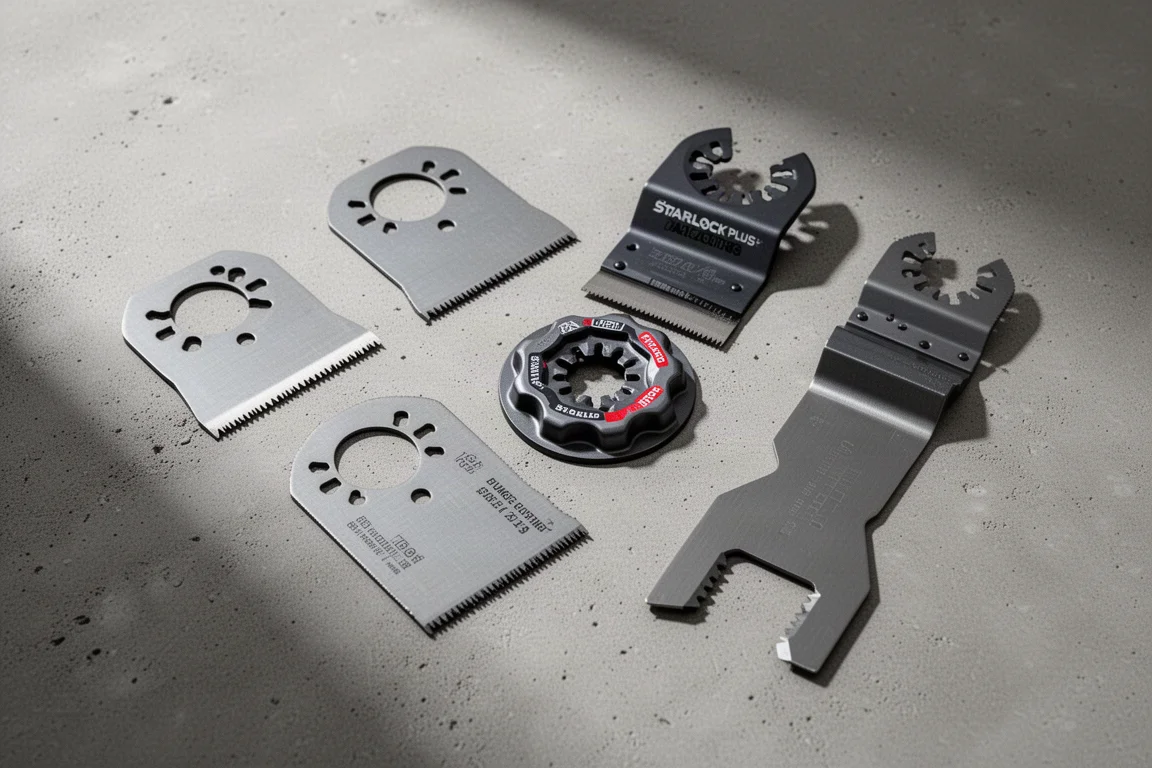
Previous Makita multi-tools accepted two types of blades: flat blades with mounting holes, secured with a screw, and Starlock blades that click in with the tool’s lever. The DTM52 drops support for the flat style entirely. It only takes Starlock Plus and Starlock Max blades, which locate onto a pin and lock in place.
That would be fine if Starlock blades were cheap, but they generally cost more than the older flat style, and plenty of buyers had built up a stock of flat blades, in some cases bought in bulk. Imagine picking up fifty of your usual blades, buying the new multi-tool, and then discovering none of them fit. Understandably, that annoyed people.
The practical question then became simple: can you adapt the DTM52 to run both blade types? Two different adapter designs aim to do exactly that, and they take noticeably different approaches.
Oslo Tool Company Adapter
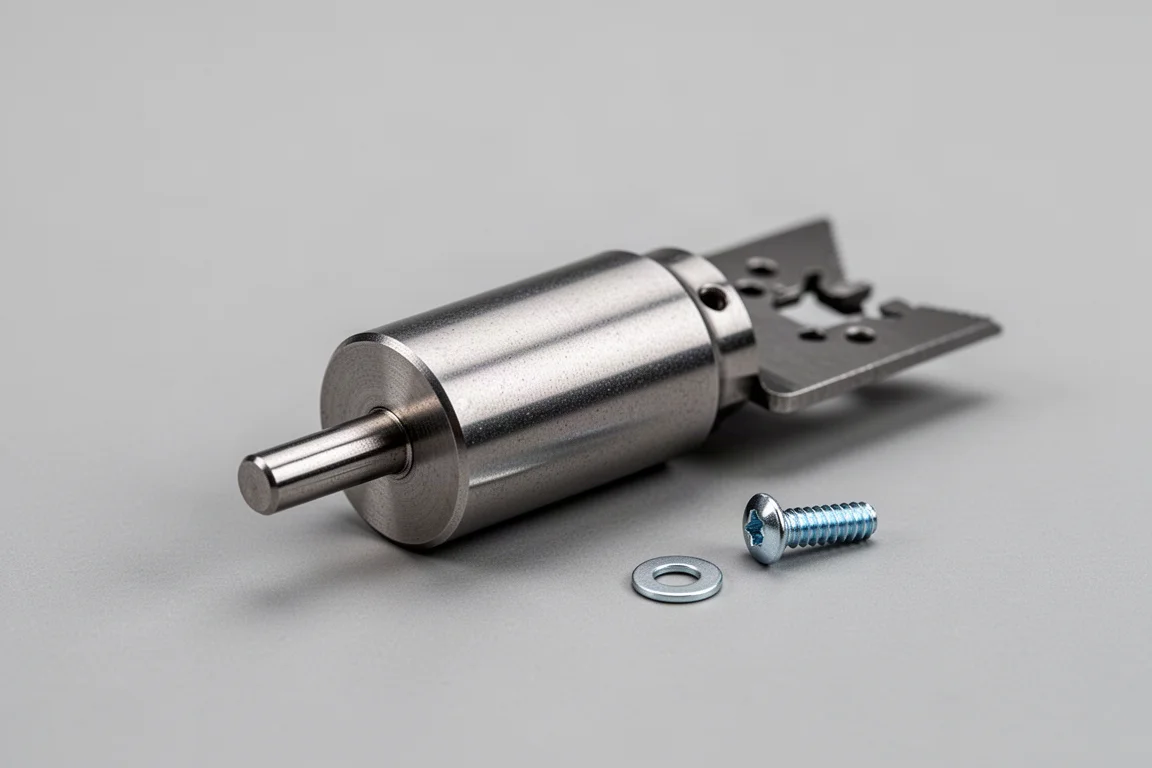
The Oslo Tool Company adapter is a single machined unit. It has the pin you would find on the DTM52’s own blade mount, plus the flat end fitting you would normally see on non-Starlock multi-tools like the DTM50 and DTM51. That means you can slot in any Oslo-style blade, or any other blade with the standard mounting holes, then poke the whole assembly into the multi-tool and lock it as usual.
There is one extra step, though. To keep those blades secure, you have to add a washer and a screw through the end of the adapter and tighten it with an Allen key. It works fine once it is done up. In testing, the fit was snug and solid: wiggling the blade showed only the machine’s normal oscillation, with no twisting or movement from the adapter itself.
The frustration comes from the Allen key itself. If you are on a job and switching between blades, you need to have that key on you or go find it, and Allen keys have a talent for disappearing. There is no storage anywhere on the tool to keep one. On the plus side, once the adapter is installed you can leave it in place, loosen the screw, swap flat blades old-school style, and never touch the lever.
JRR Adapter
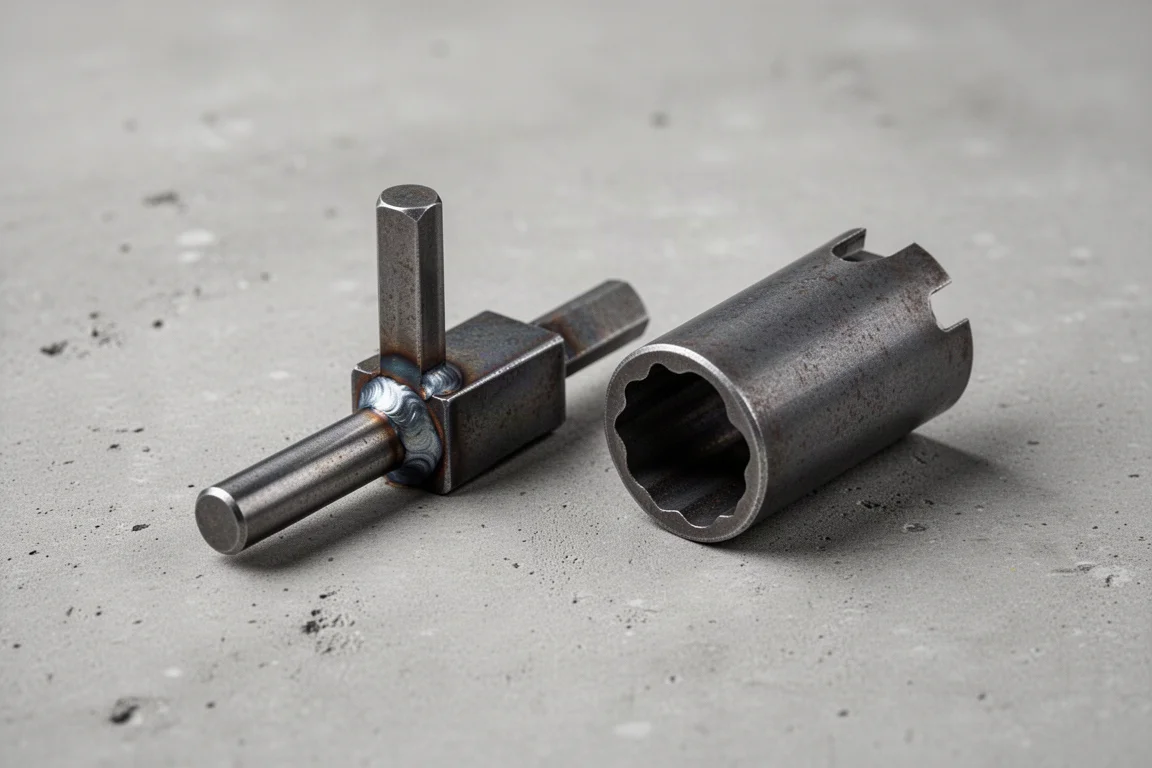
The second design takes a different route entirely. It is a two-part system: a lengthened mounting pin, made by welding an extra section onto a standard pin with a small bevel so it sits snugly, and a sleeve cut from a Starlock blade with its end removed. That sleeve end was hacked off a multi-tool and welded on so the two pieces slide together as one assembly.
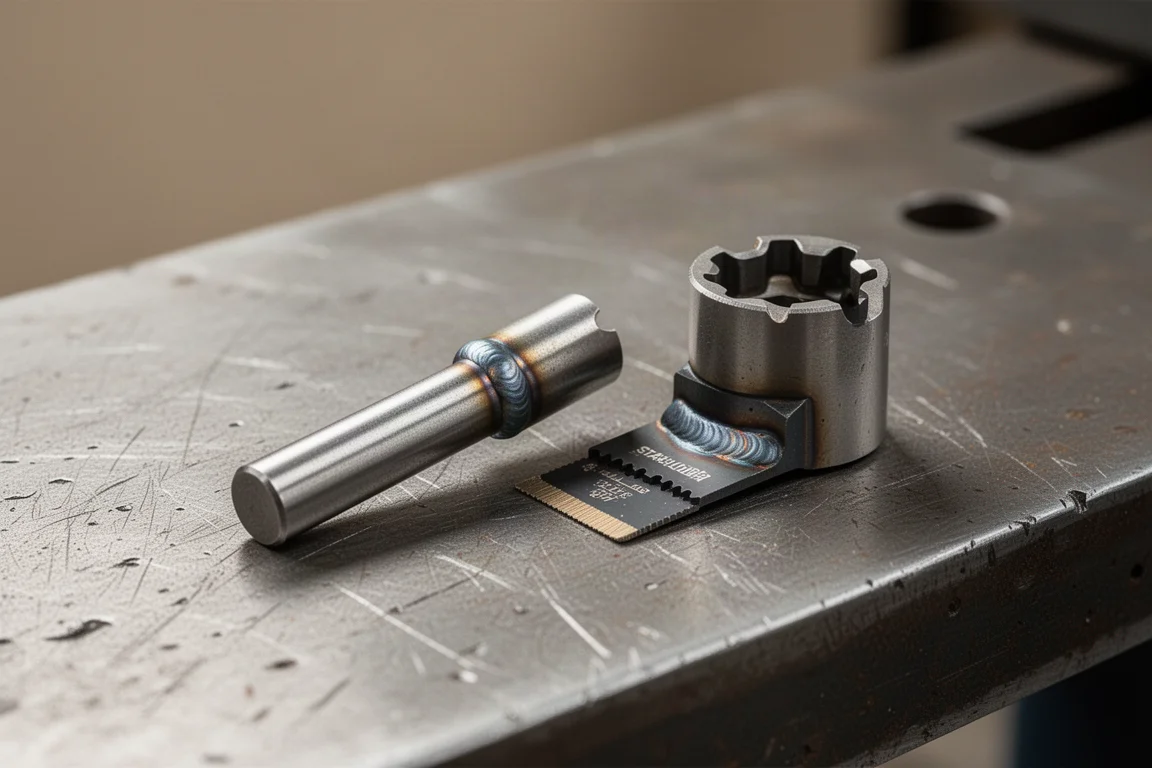
The workflow is quick. You pop the tool’s lever open, drop the adapter sleeve in, put your flat blade on, drop the extended pin through, and shut the lever like any Starlock blade. No screws, no washer, no Allen key. Once tightened, it locks solid. Again, any wiggle you feel is just the machine oscillating, not the adapter moving.
This design comes from a UK-based maker who built these himself by cutting the Starlock section off broken multi-tools and having the pieces welded. They are not sold commercially, and sourcing and welding the parts makes them expensive to produce, reportedly in the ballpark of NZ$50 to NZ$100 each to make. It is also a fiddly build at home because of the scalloped profile at the blade interface, though the extended pin itself would be straightforward to turn on a lathe.
Which Adapter Wins?
After using both designs side by side for several weeks, swapping between them during real work, the difference became obvious quickly: the two-part adapter was simply easier to keep using. With the screw-based design, finding the Allen key was a constant nuisance, and the washer is a small, fiddly part to handle during a swap.
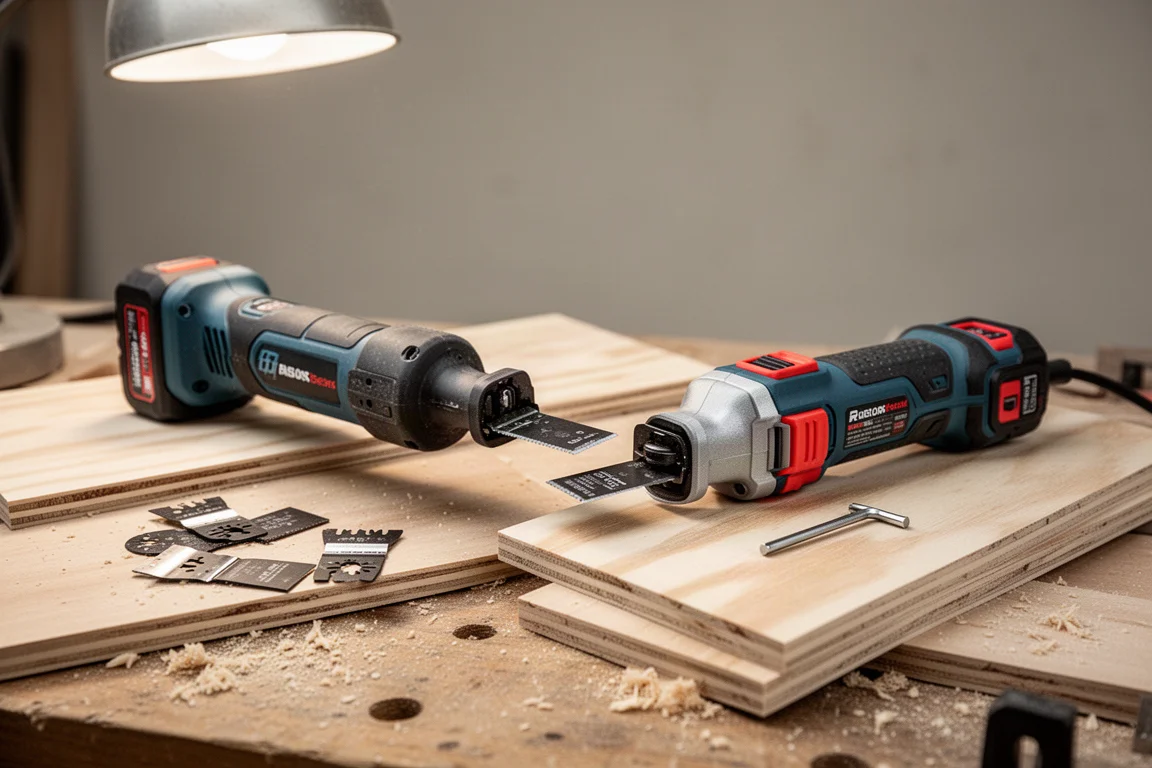
The two-part design also has less to go wrong. A screw-driven adapter risks a stripped Allen key socket or a damaged thread over time, meaning replacement parts down the line. The two-part unit is basically a cut-down blade section welded to a pin, so the likely wear point is the sleeve interface, which may loosen slightly over long use. Even so, it currently fits with very little play, arguably tighter than some standard Starlock mounts, though genuine Starlock blades themselves do show a little movement by design.
There is a trade-off in parts management too. The two-part system has two pieces to keep track of when using Starlock blades, while the single-unit adapter only needs its screw and washer stored somewhere. Neither situation is much worse than the other, but for flat-blade work, the two-part design wins clearly: it stays with the tool, needs no extra tools, and makes blade swaps fast.
Conclusion
The Makita DTM52 is a strong multi-tool held back slightly by its blade compatibility change. If you already own a pile of flat blades, the Oslo Tool Company adapter restores compatibility at the cost of an Allen key and a screw. The two-part JRR-style adapter is the more convenient long-term solution, with no loose hardware and a faster workflow, but it is a homemade design that is not commercially available and costs significantly more to produce than it looks. If you rarely swap blades mid-job, the simpler single-unit adapter is perfectly serviceable. If you change blades constantly, the tool-free approach is worth the hunt.
Further reading
Related Reviews
Power Tools
Best 1-Inch Pistol Impact Wrenches: Three Heavy-Duty Options Compared
We compare three 1-inch pistol impact wrenches, from a budget-friendly Harbor Freight model to a premium Caterpillar unit, to help you choose the right one.
Power Tools
Best 3/4-Inch Impact Wrenches 2026: Five Contenders Compared
We compare five 3/4-inch impact wrenches across price and performance, from a budget Amazon option to Snap-on's most powerful model yet.
Power Tools
Best Budget Cordless Tools 2026: Walmart Finds That Punch Above Their Price
We tested five cordless tools from Walmart, including a high-torque impact wrench that trades blows with Milwaukee and a $35 duster that outperforms its price class.