Power Tools
Makita DTD 173 vs TD 173D: Is a Japan-Built Impact Driver Really Better?
We compare the flagship Makita 18V impact drivers made in Japan and China to find out whether the assembly country makes any real difference.
Introduction
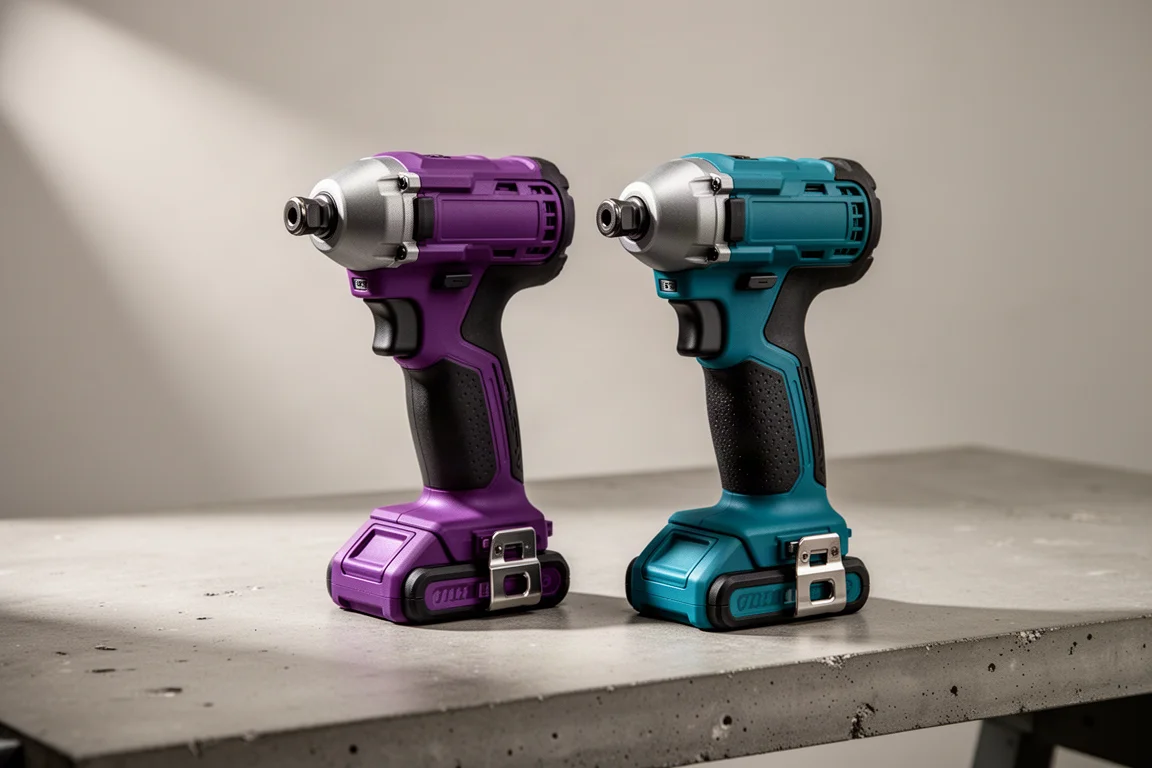
Makita’s flagship 18V impact drivers raise an interesting question for buyers outside Japan: is the version made in Japan actually better than the one assembled in China? The Japanese market gets the TD 173D, while the DTD 173 (sold in the US as the XDT20) covers everywhere else. We put both side by side, drove screws with them, and opened them up to see whether the assembly country makes any difference at all.
First Impressions and Differences You Can See
Out of the box, the two tools look nearly identical. The Japanese TD 173D ships with a wrist strap, which Japanese-market Makita tools always include but other regions rarely get. The more obvious difference is colour: the Japanese version is available in purple, and Japan also offers yellow, olive green and black alongside the classic Makita teal. Japan regularly releases flagship models in four or five colours each year, including limited editions, while other regions only occasionally get special colour promotions.
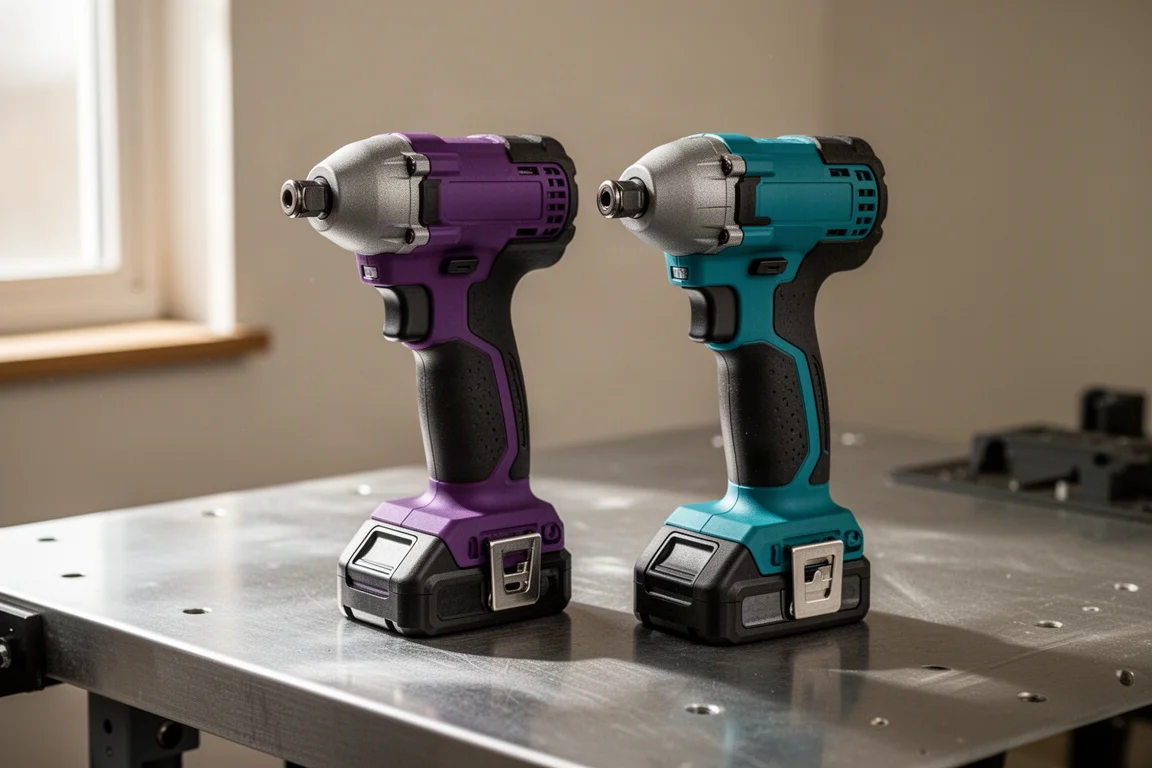
Beyond those details, the housings look the same, with only minor wear-related differences on the controls.
The Chuck and Bit Length Difference
One genuinely functional difference sits at the collet. Japanese driver bits are considerably longer than the bits sold in the rest of the world, so the Japanese tool’s chuck is designed to accommodate that extra length. Drop a standard international bit into the Japanese tool and it will not seat far enough to catch the detent ball properly, so it moves around more than intended.
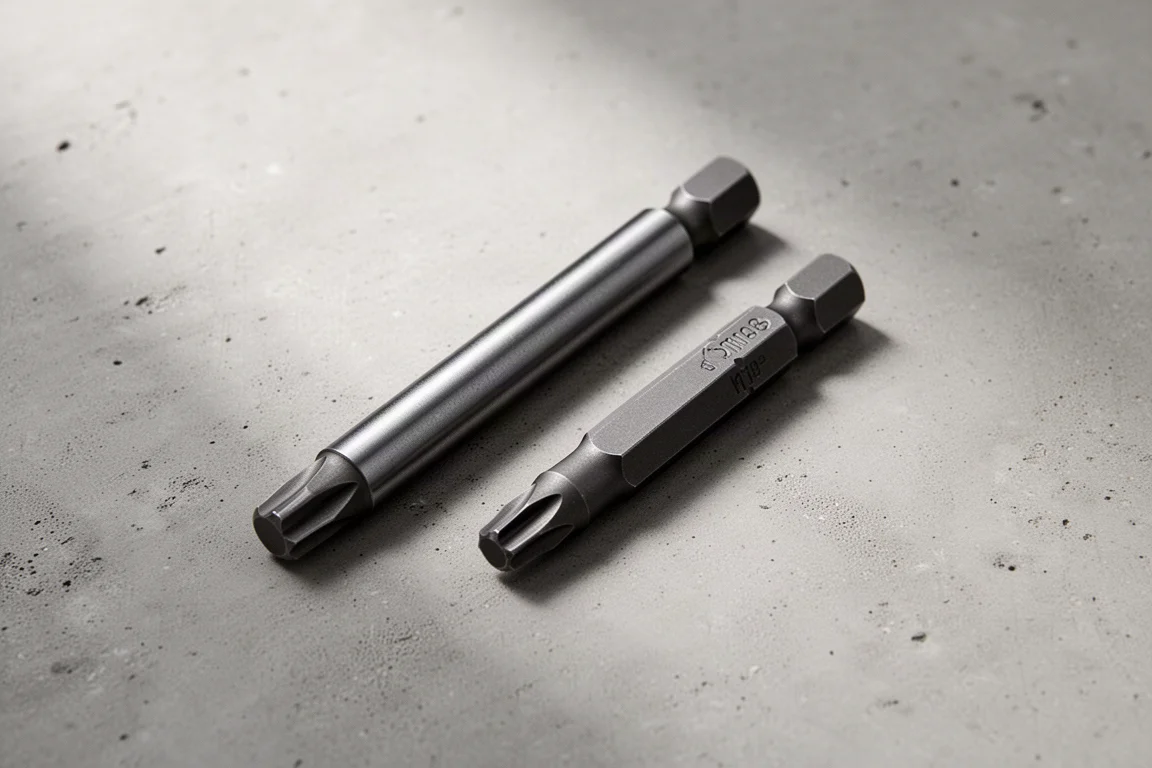
It is worth remembering that a little forward-and-backward movement on any impact driver bit is normal. Impact drivers hammer rotationally, not axially, so the bit does not need to be held rigid like in a drill. Use the correct bit for your region and both tools behave the same.
Driving Test: Do They Perform Differently?
With both tools on freshly charged batteries and identical mode settings, we drove long 5-inch structural timber screws. We started in Jet Assist mode, the wood-screw setting where impacts ramp up once the tool senses resistance, but switched to standard top-speed mode for a fair comparison. The two drivers drove the screws with no meaningful difference in performance.
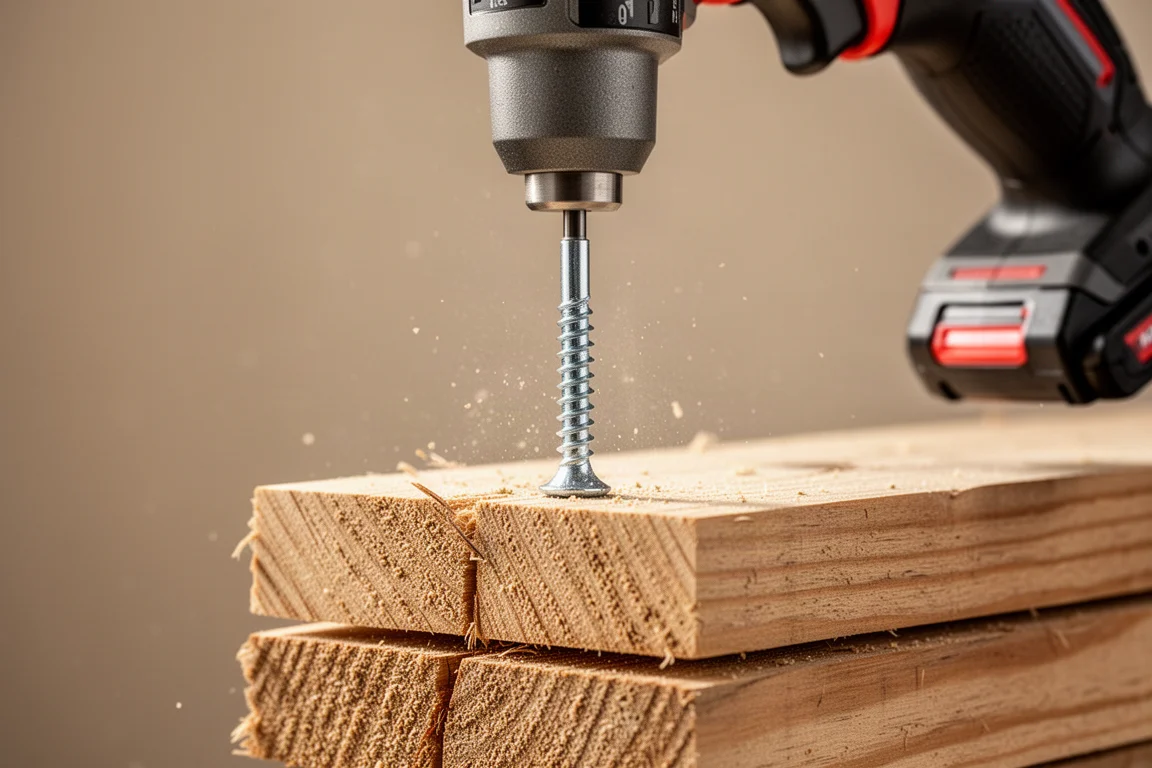
If you were hoping the Japan-built version would be stronger or faster, there is nothing here to suggest it.
What Is Actually Different Inside
Opening both tools reveals the answer most buyers will want to hear: internally, they are the same. The motor laminations carry matching stamped numbers, both use the identical switch with the same model number (differing only in what appears to be a batch code), the wiring runs to the same places in the same colours, and every casting and connection matches.
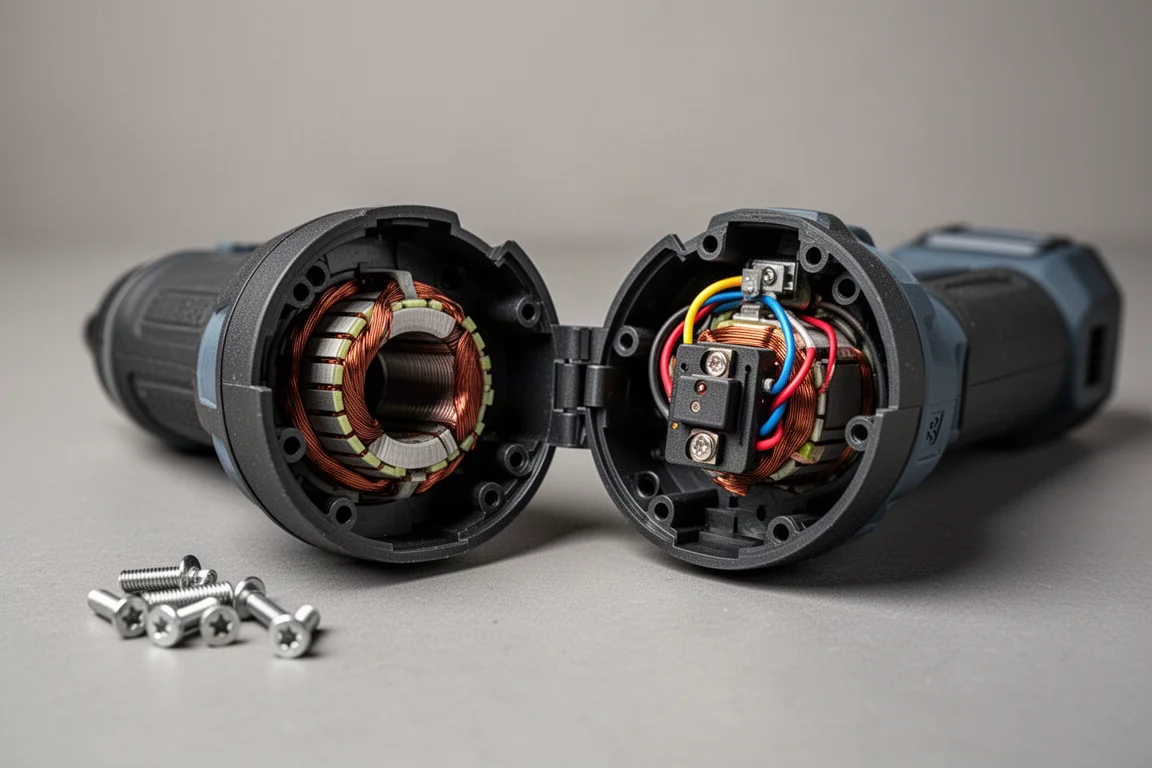
Even the internal 40-amp blade fuse is the same, soldered rather than clipped in, which is worth knowing as a first checkpoint if a tool ever fails.
Claims that Chinese-built units are inferior appear to stem from comparisons of completely different models, not the same model sold in different countries. The realistic picture is that both tools use the same components, with the Japanese version simply assembled in Japan.
One Warning About Counterfeits
A separate but important point: cheap knockoff “Makita” impact drivers sold through some Chinese marketplaces are not genuine. One we examined was roughly half as powerful as either of these tools. Beyond the poor performance, buying fakes undermines the companies that fund the R&D behind new tools. If a deal looks too good, it usually is.
Buying Advice
If you are choosing between these two, buy the model available in your region. The only practical differences are the included wrist strap, the colour options, and the chuck depth matching your region’s bits. There is no evidence that the Japan-assembled version is more powerful or better built. For buyers weighing up either genuine model, both deliver the same flagship 18V performance.
Conclusion
The Made in Japan label on Makita’s flagship impact driver does not signal better components or more power. Internally the TD 173D and DTD 173 are effectively identical, and both drive screws with equal authority. Choose based on availability and colour preference, and steer well clear of counterfeit knockoffs regardless of price.
Product link
View more details for Makita DTD 173
This product is mentioned in the review. Check the specifications, options, and compatibility before buying.
View more details for Makita DTD 173Further reading
Related Reviews
Power Tools
Best 1-Inch Pistol Impact Wrenches: Three Heavy-Duty Options Compared
We compare three 1-inch pistol impact wrenches, from a budget-friendly Harbor Freight model to a premium Caterpillar unit, to help you choose the right one.
Power Tools
Best 3/4-Inch Impact Wrenches 2026: Five Contenders Compared
We compare five 3/4-inch impact wrenches across price and performance, from a budget Amazon option to Snap-on's most powerful model yet.
Power Tools
Best Budget Cordless Tools 2026: Walmart Finds That Punch Above Their Price
We tested five cordless tools from Walmart, including a high-torque impact wrench that trades blows with Milwaukee and a $35 duster that outperforms its price class.