Power Tools
Makita DST630 Review: A First-Ever Narrow Crown Stapler From Makita
Makita's first narrow crown stapler brings 18 gauge stapling, easy jam clearing, and adjustable depth, with a few trade-offs to know before buying.
Introduction
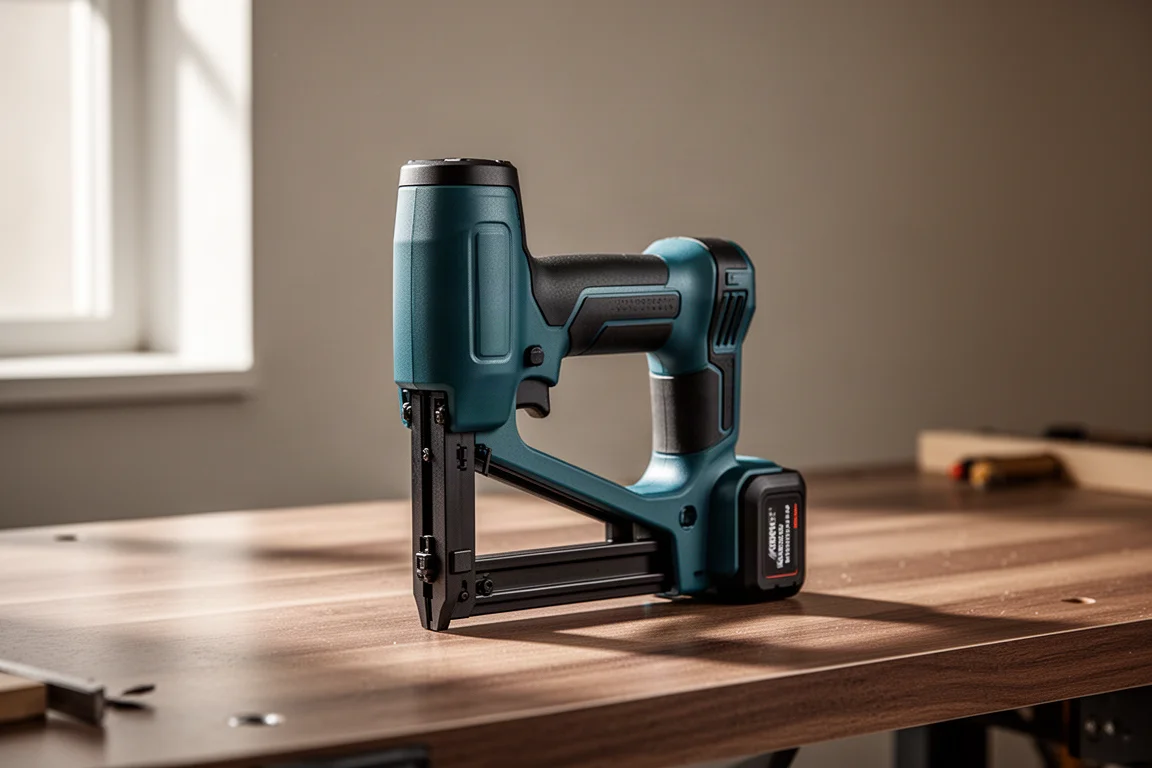
Makita has never made a narrow crown stapler before, and the DST630 is its first. It joins the brand’s newest lineup of 18V LXT fastening tools, alongside the new 16 gauge and framing nailers, with an 18 gauge nailer not far behind. After spending time firing staples into softwood and hardwood, it looks like one of the stronger entries in this new generation of Makita cordless fasteners.
Why Staples Instead of Brad Nails
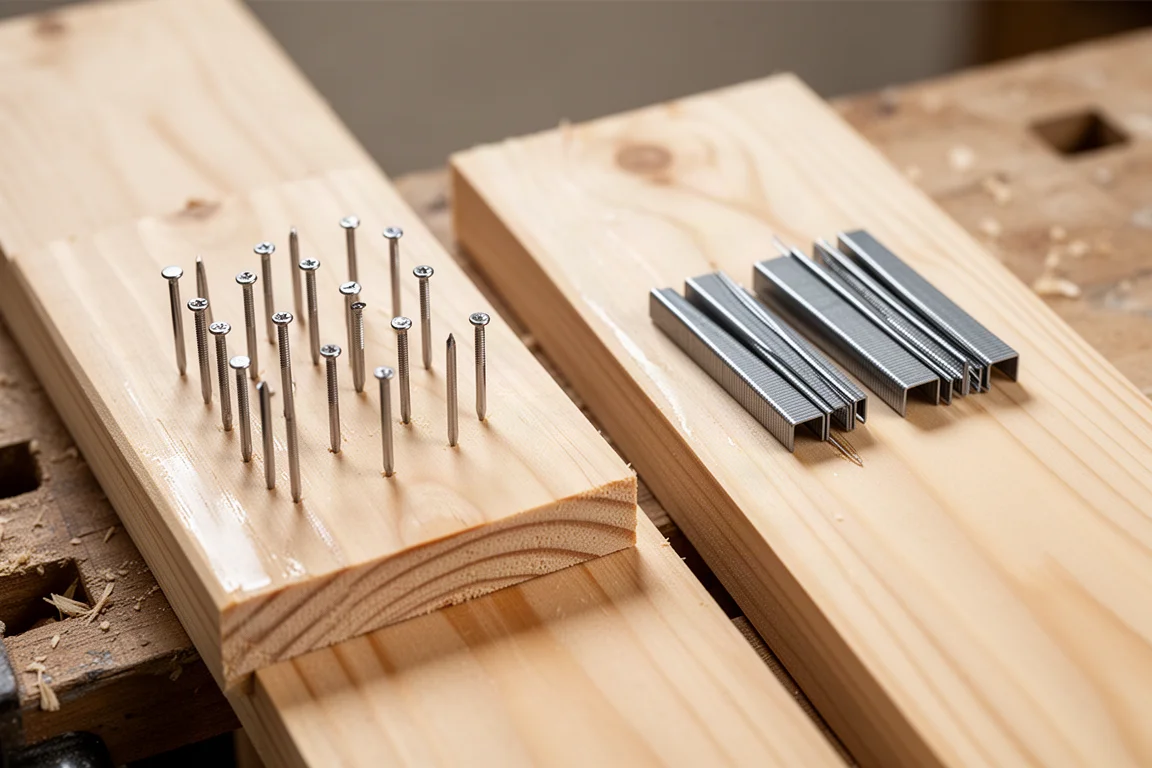
The DST630 fires 18 gauge narrow crown staples, roughly 1/4 inch (6 mm) wide, in lengths from 3/8 inch (9.5 mm) up to 1-1/2 inch (38 mm). Think of each staple as two 18 gauge brad nails joined by a small loop at the top. That loop is what makes the difference: a brad nail can be pulled back out through the timber, but the staple’s crown anchors the wood far more firmly.
A simple comparison proved the point. Four brad nails fired into one board came loose more easily than two staples fired into another, even with fewer fasteners in play. Two staples held better than four nails. If your work involves anything that will be stressed or pulled, that holding power is a genuine advantage over a standard brad nailer.
Loading and Depth Adjustment
Loading is simple. Push down on the back of the magazine, open it, slide the staple strip in, and you are ready to go. The tool also has a lockout feature: when only a handful of staples remain, it stops firing so you do not end up fastening air. In testing, the lockout engaged with six staples left, and those partial strips can stay in the magazine while you add the next one behind them.
Depth adjustment works differently from most nailers. The firing tip stays in place while the actuator moves closer or further from the material. Winding it down holds the staple higher for shallower placement; winding it in drives deeper. The tool also ships with a non-marring tip fitted, plus two spares stored on the body, each adding a millimetre or two of standoff you can use to fine-tune depth.
Firing Performance in Softwood and Hardwood
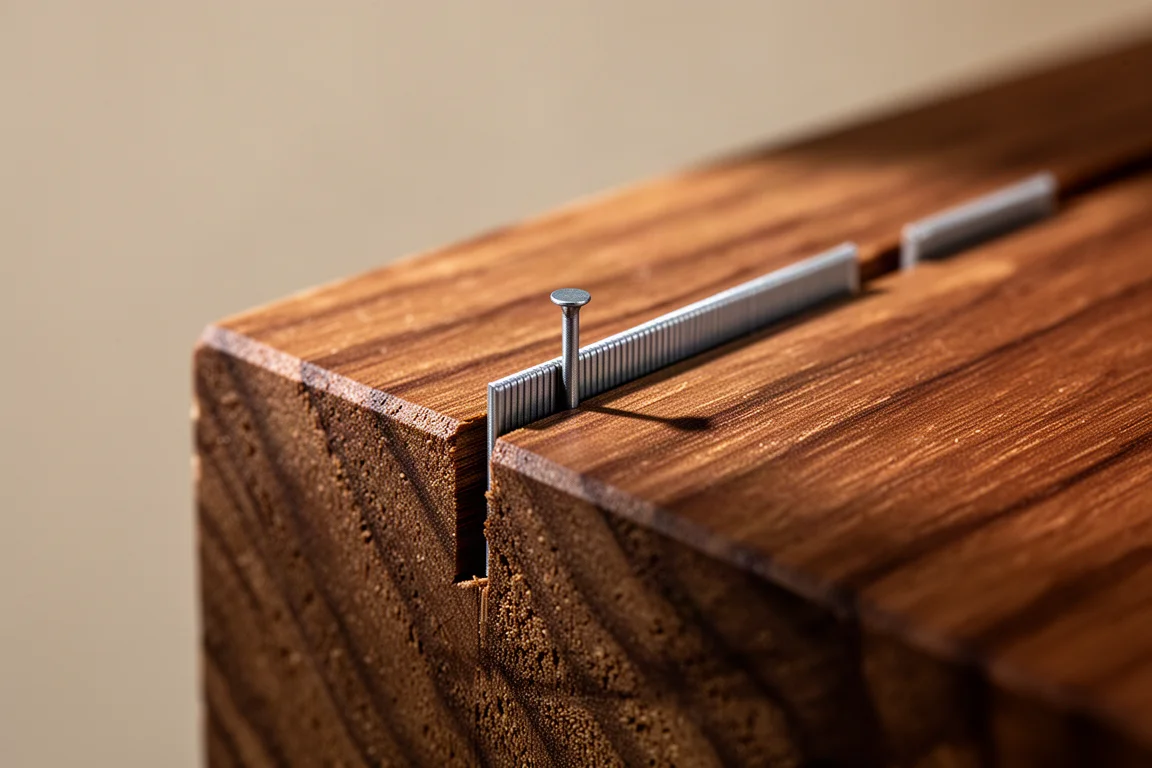
With the depth wound fully in, staples sank well below the surface in pine, more than a millimetre down, with a satisfying, positive drive. Backed off to a middle setting, they sat neatly at the surface. In dense hardwood with 32 mm staples wound fully in, results were nearly flush, sitting just at or slightly above the surface, with a little recoil and needing a steadying hand on top of the tool. For timber that hard, that is a respectable result.
The tool has two firing modes depending on market: single fire (one shot per trigger pull) and bump fire. Note that in some regions, including the version sold in the UK, only one mode is fitted. A small work light near the power button illuminates when the tip is depressed, though honestly it does not illuminate the firing point at all, so treat it as a minor extra rather than a selling point.
A Clever Use Case: Stapling Mesh
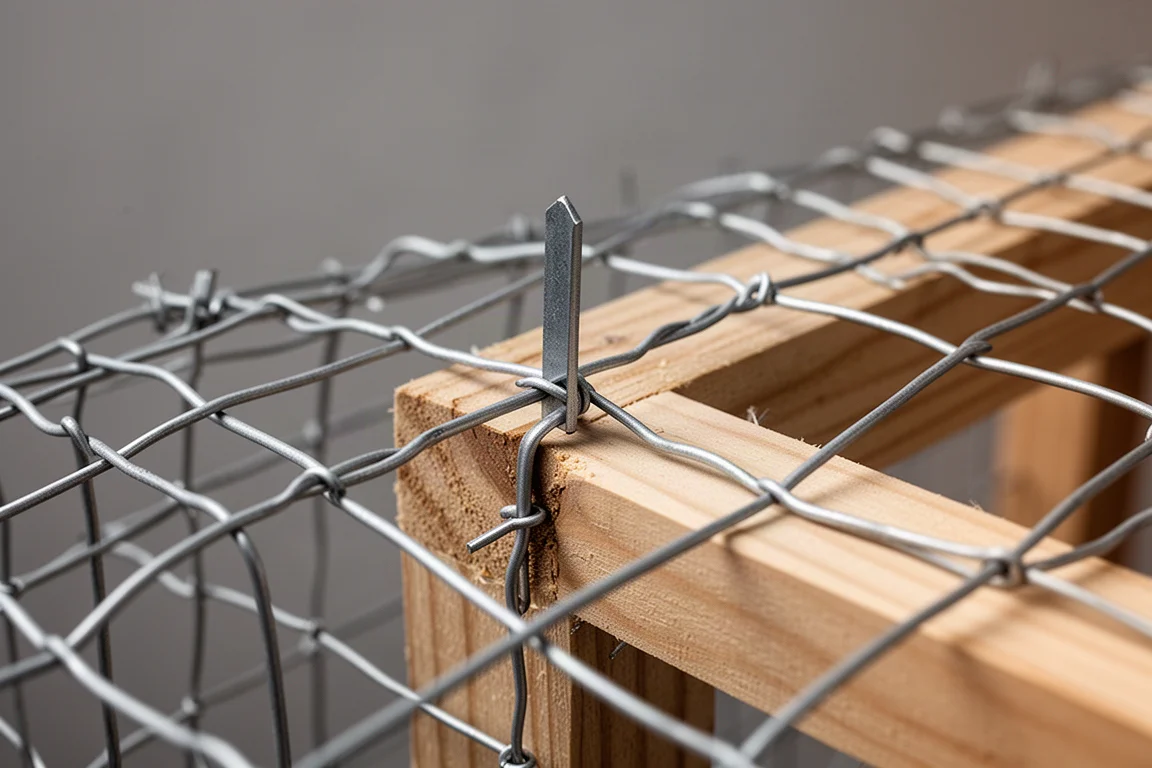
One of the best uses for a narrow crown stapler is fixing mesh. Because depth is adjustable, you can back the drive off so the staple just grips the mesh without punching through or cracking the galvanizing, which would compromise its integrity. A small groove cut into the tip helps locate the tool over the mesh so staples do not slide off, a trick worth copying if you do this kind of work regularly.
Can It Fire Brad Nails?
In a pinch, yes, but Makita has clearly designed against it. After some fiddling, 18 gauge brad nails could be made to fire by placing them at the front edge of the magazine and sliding them in flat. It worked better than on some competitor staplers, but results were inconsistent: nails can bend or fire at odd angles because they are not properly supported, and one test shot fired several at once.
A dedicated brad nailer also handles longer fasteners, up to 50 mm versus this tool’s 38 mm limit, and its actuation tip sits behind the firing point, letting you get closer to edges and corners. If you mostly drive 18 gauge brads, buy the dedicated nailer. This workaround is best treated as an occasional emergency option.
Things to Consider Before Buying
Jam clearing is different from a brad nailer because the actuation tip sits in front of the firing point rather than behind it. When a staple jams, you open the magazine and clear it from the back side rather than opening the nose, which is quick and straightforward. Also worth noting: the battery fuel gauge is awkward to reach, tucked under a small cutout that only fits a slim finger or a screwdriver.
Availability is another consideration. This is a very new tool. It was launching in some markets right away, some European countries may have it early, and a US release date remains unclear, so check with your local retailer.
Buying Advice
Buy the DST630 if you want stronger holding power than a brad nailer can offer, especially for mesh, trim, and light structural work where the staple’s crown keeps material from pulling free. Its adjustable depth and rear-access jam clearing make it pleasant to live with day to day. Skip it if you primarily drive brad nails or need longer fasteners; a dedicated 18 gauge nailer will serve you better there. The whole new Makita fastener lineup runs on 18V LXT batteries, with 40V options expected later.
Conclusion
The Makita DST630 is a promising first narrow crown stapler with strong drive power, sensible depth control, and smart touches like staple lockout. It is not a brad nailer substitute, and the work light is close to pointless, but as a stapler it does its core job very well. If stapling is part of your trade or hobby, this is an easy one to shortlist.
Product link
View more details for Makita DST630
This product is mentioned in the review. Check the specifications, options, and compatibility before buying.
View more details for Makita DST630Further reading
Related Reviews
Power Tools
Best 1-Inch Pistol Impact Wrenches: Three Heavy-Duty Options Compared
We compare three 1-inch pistol impact wrenches, from a budget-friendly Harbor Freight model to a premium Caterpillar unit, to help you choose the right one.
Power Tools
Best 3/4-Inch Impact Wrenches 2026: Five Contenders Compared
We compare five 3/4-inch impact wrenches across price and performance, from a budget Amazon option to Snap-on's most powerful model yet.
Power Tools
Best Budget Cordless Tools 2026: Walmart Finds That Punch Above Their Price
We tested five cordless tools from Walmart, including a high-torque impact wrench that trades blows with Milwaukee and a $35 duster that outperforms its price class.