Power Tools
Makita DSP601 Review: Is a Premium 36V Cordless Plunge Saw Worth the Upgrade?
After weeks of testing the Makita DSP601 against a budget plunge saw, here is what the extra money actually buys you, and when it is worth spending.
Introduction
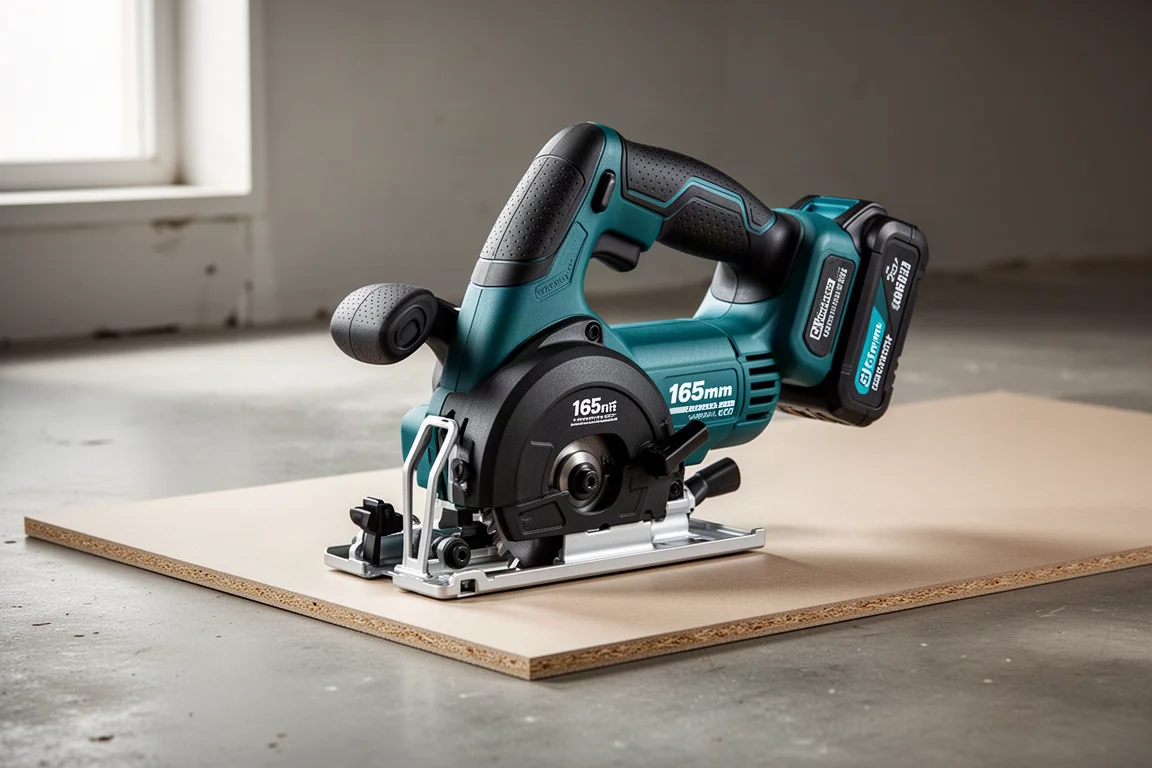
A couple of years ago a budget plunge saw opened up entirely new ways of cutting sheet material, and it has worked reliably ever since. But the question kept coming back: what do you actually get when you pay four times as much for a professional machine? To find out, the Makita DSP601, the current 36V cordless plunge saw, spent several weeks on real workshop jobs, from jigs for repeat cuts to 12mm plywood boxes. The verdict came quickly: after trying it, there was no desire to give it back.
Who This Product Is For
The DSP601 is aimed at people who use a plunge saw regularly, particularly kitchen fitters and anyone cutting laminated board, wardrobes, or sheet goods on a frequent basis. If a plunge saw only comes out a few times a year, a basic model around £100 does the job without fuss. But for regular use, the difference in feel, finish quality, and convenience is significant.
Main Strengths
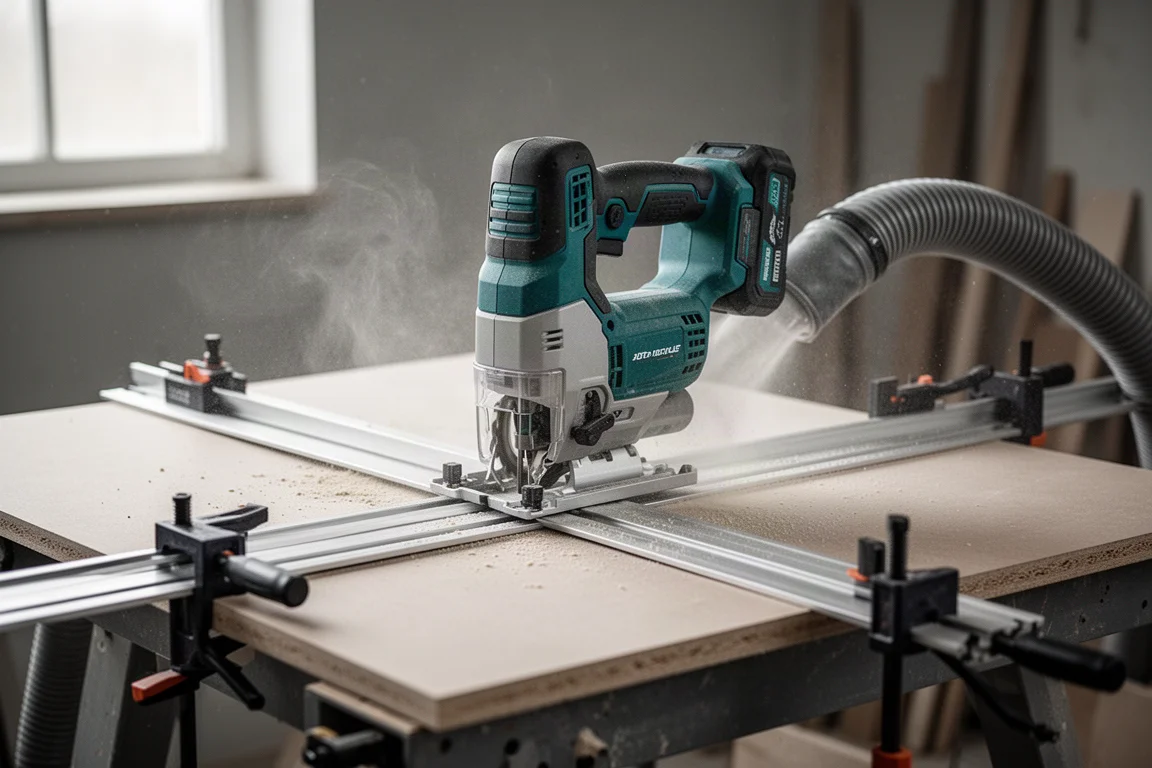
As a 36V tool, the DSP601 runs on two 18V batteries, and both are required; it will not run on a single battery at half the runtime. For a saw like this, larger 4.0 or 5.0Ah batteries make the most sense. The cordless format is the headline advantage. There is no cable to drag around the workpiece, which is a genuine quality-of-life upgrade, similar to moving from a corded to a cordless drill. Notably, there is no power penalty either. With a fresh blade and reasonably charged batteries, it cuts through material as if it were plugged into a 240V outlet.
Other core specs: bevel cuts up to 48 degrees, an adjustable-speed brushless motor running from 2,500 to 6,300 rpm with Makita’s automatic torque drive technology, a 165mm blade delivering a 56mm maximum depth of cut, and Makita’s auto-start wireless system, which connects over Bluetooth to a compatible AWS dust extractor so the vacuum starts whenever the saw does. The supplied blade cut cleanly and very well across every test. The bare tool, without batteries, costs just under £400, and it is also sold in packages that include guide rails and clamps. It does not come with a guide rail otherwise, though it worked perfectly on an existing track after swapping the splinter guard.
Standout Features: Variable Speed, Soft Start and Electric Brake
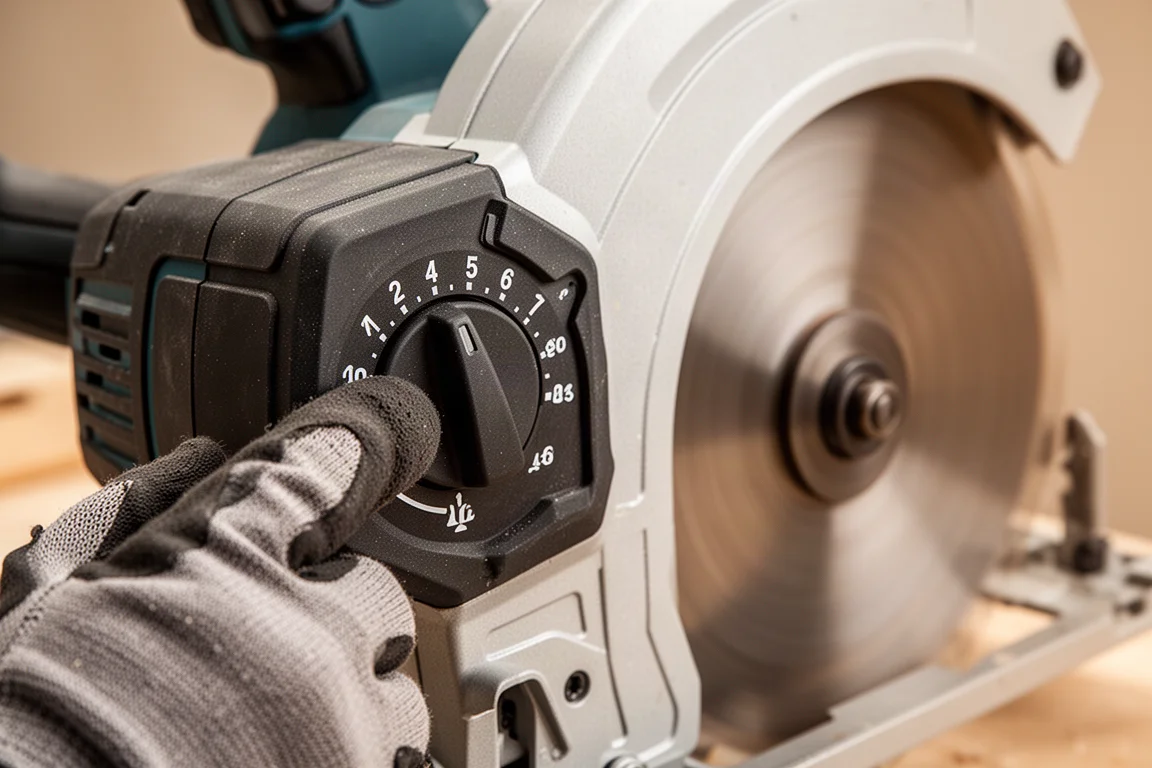
Three details make daily use noticeably nicer. The soft start function smooths the initial spin-up, the electronic brake stops the blade very quickly the moment the trigger is released, and the variable speed dial, numbered like a router, can be adjusted even while the saw is running. Setting around number four, roughly 5,000 rpm, proved suitable for every cutting task tested.
The Scribe Function: Chip-Free Melamine Cuts
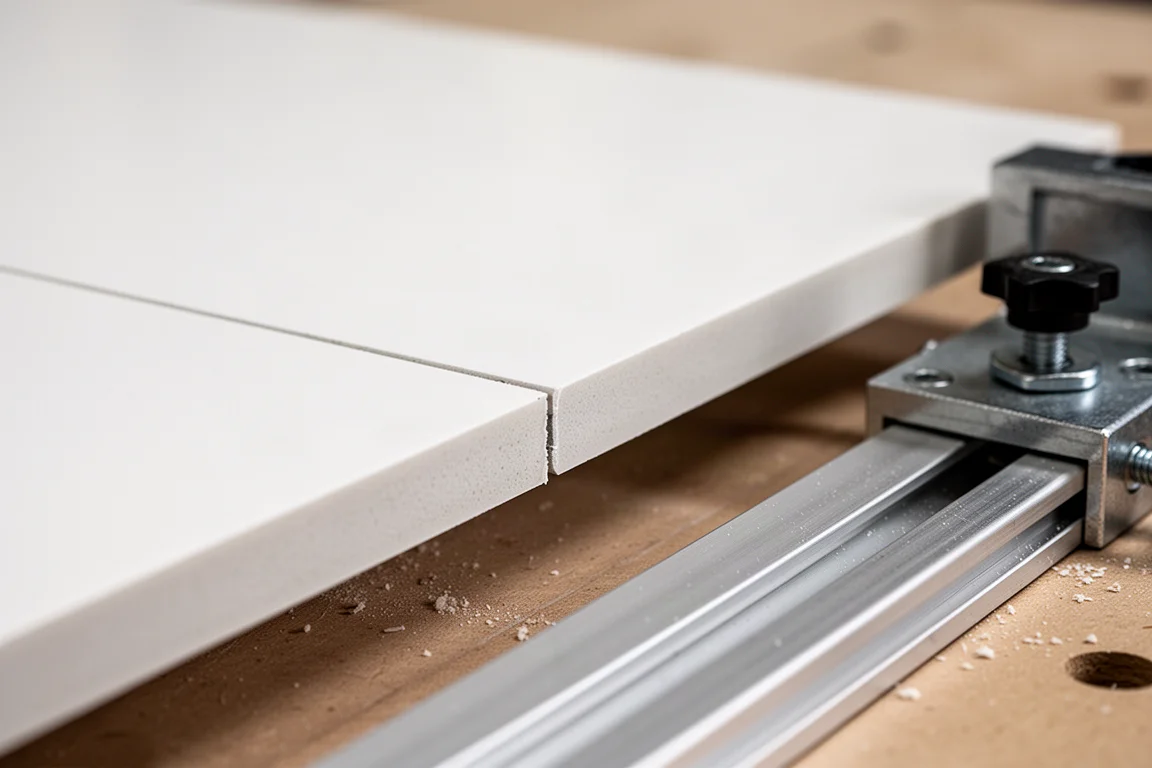
The feature that steals the show is the scribe function. A small button at the rear limits how deep the blade can plunge, leaving the teeth protruding just a few millimetres past the guide rail. The first pass scores the surface of melamine with barely two or three millimetres of depth, producing a perfect, splinter-free line. A second full-depth pass, with the guide rail held in place and ideally clamped, then cuts cleanly through. The resulting edge was the crispest cut seen on melamine from any tool. For kitchen installations or wardrobe work, this function alone is a compelling reason to step up.
Things to Consider Before Buying
One genuinely surprising omission: the depth stopper only shows cutting depth relative to the base plate, not the guide rail. Since the rail adds five millimetres, cutting through a 20mm board with a rail means setting the dial to 25 and doing that mental arithmetic every time. Cheaper budget saws, including the Parkside, print both numbers, with and without the rail. Once you know the trick it becomes second nature, but for an expensive machine it is an odd shortcut.
It is also worth remembering that a cordless saw still has the dust extraction hose to manage, so going cordless removes one cable, not every trailing item.
Buying Advice
The best way to frame the choice: a budget plunge saw is the one-litre family hatchback of saws. Reliable, unglamorous, and it gets you there. The 36V Makita is the big smooth automatic saloon. It is a pleasure to hold, with nicely rubberized grips, it sounds great, and the scoring cut is flawless.
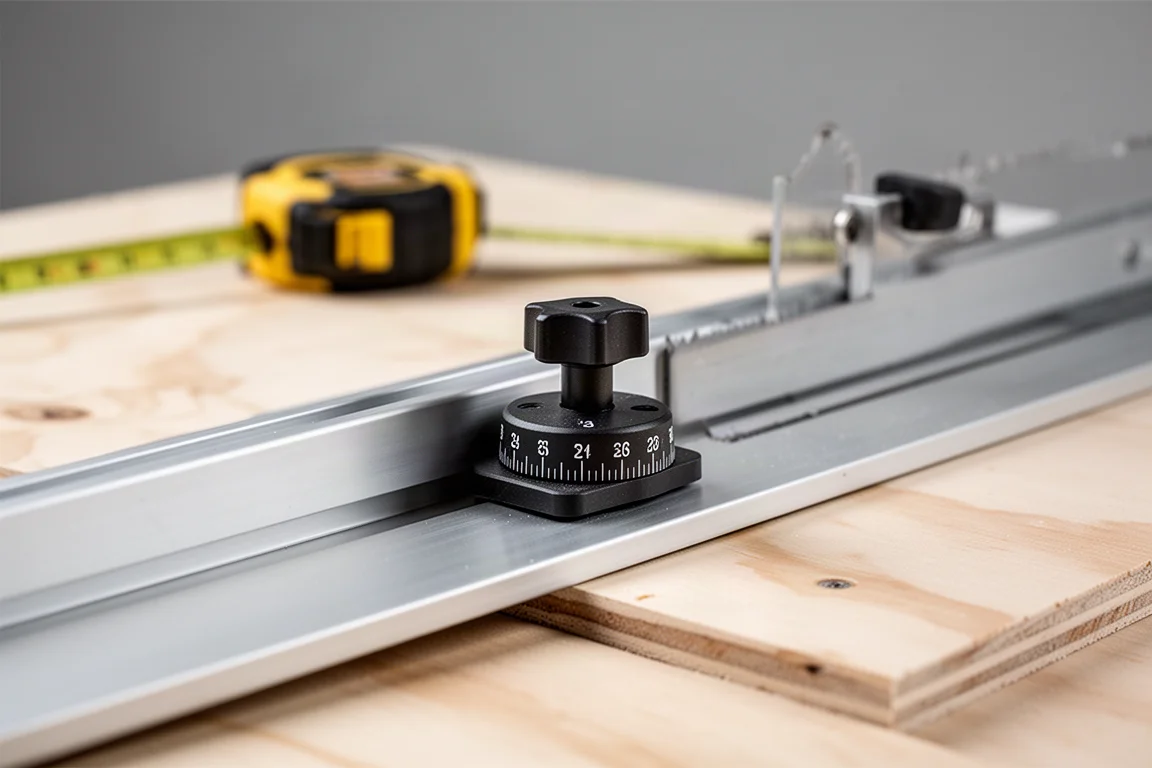
If this machine will see regular use, especially for kitchen or fitted furniture work, the DSP601 justifies its price through the cordless convenience, the scribe function, and the overall feel. If it will sit idle most of the year, the £400 bare-tool outlay is hard to justify over a £100 basic model, though it is worth accepting that the budget option will not extract the best from every cut.
Conclusion
After several weeks of use, the Makita DSP601 earned a permanent place in the workshop, with the budget saw relegated to the shelf. For regular users, the premium experience is genuinely transformative: cordless freedom, chip-free scribed cuts, and refined handling throughout. For occasional users, a basic plunge saw remains the sensible spend. Buy the DSP601 if you cut often; skip it if you do not.
Product link
View more details for Makita DSP601
This product is mentioned in the review. Check the specifications, options, and compatibility before buying.
View more details for Makita DSP601Further reading
Related Reviews
Power Tools
Best 1-Inch Pistol Impact Wrenches: Three Heavy-Duty Options Compared
We compare three 1-inch pistol impact wrenches, from a budget-friendly Harbor Freight model to a premium Caterpillar unit, to help you choose the right one.
Power Tools
Best 3/4-Inch Impact Wrenches 2026: Five Contenders Compared
We compare five 3/4-inch impact wrenches across price and performance, from a budget Amazon option to Snap-on's most powerful model yet.
Power Tools
Best Budget Cordless Tools 2026: Walmart Finds That Punch Above Their Price
We tested five cordless tools from Walmart, including a high-torque impact wrench that trades blows with Milwaukee and a $35 duster that outperforms its price class.