Power Tools
Makita Die Grinder Comparison: New 40V XGT Models vs the Trusted 18V Line
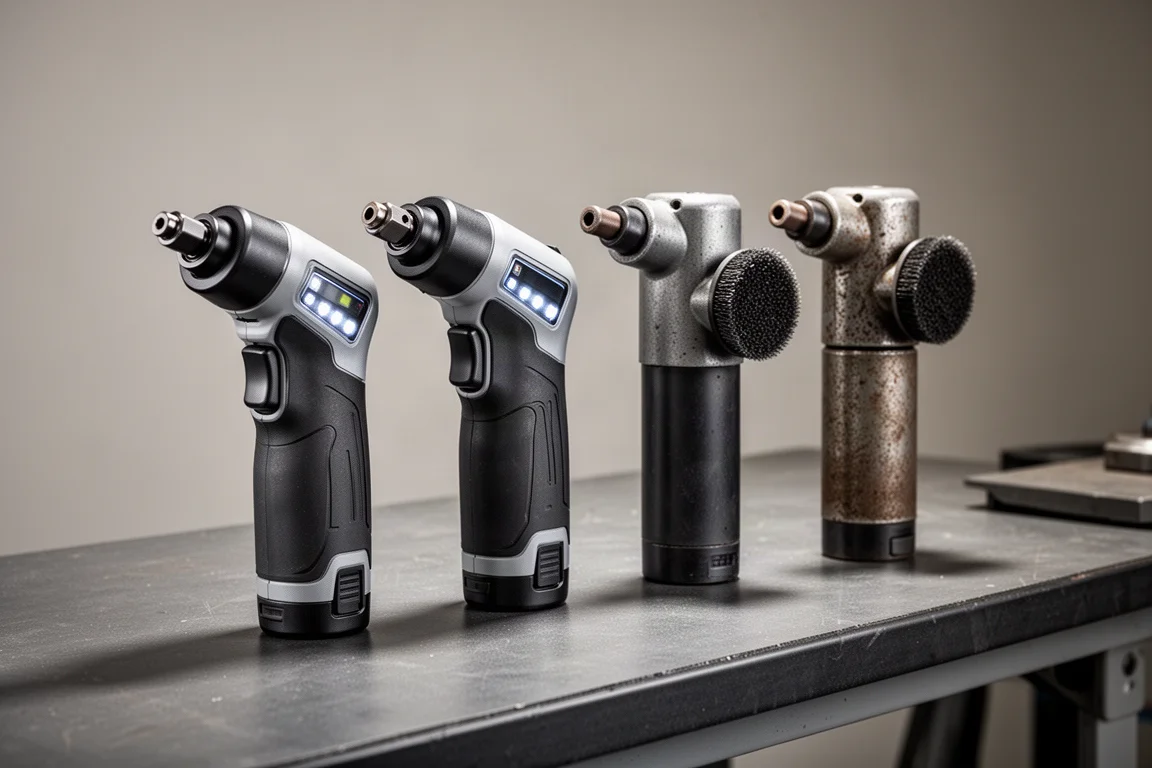
Four Makita die grinders on the bench: two new brushless 40V XGT models with variable speed, and two long-serving 18V versions. Here is how they differ and which one fits your work.
Introduction
Die grinders are the kind of tool most people reach for only occasionally, which makes choosing the right one easy to put off. With Makita now offering both new 40V XGT die grinders and the older 18V models still on sale, it is worth understanding what actually separates them before you spend money.
This comparison covers four models: the new XGT GD0001G and GD0002G, which differ only in their switching mechanism, and the long-established 18V DGD800 and DGD801. The short version: the XGT models bring brushless motors, variable speed, better ergonomics and a built-in light, while the 18V pair remains a simpler, fixed-speed option that has quietly done its job for years.
What Sets the 40V XGT Models Apart
The two new XGT die grinders are really one tool with two switch styles. The GD0001G uses a traditional slide switch, while the GD0002G uses a paddle, or dead-man style, switch. Many job sites now only permit paddle switch tools, so the choice is often dictated by site rules rather than personal preference. Those who have the option may prefer the slide switch for continuous grinding work.
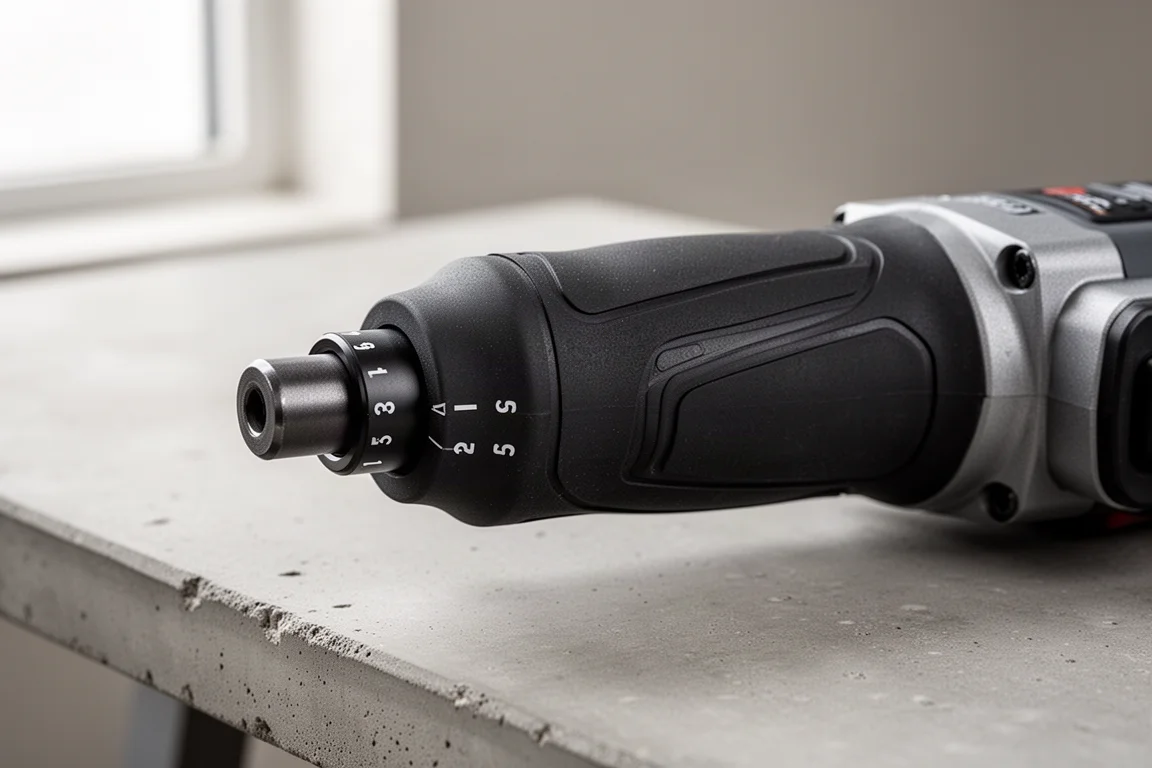
Both XGT models are brushless, run at up to 26,000 RPM, and feature a five-step speed dial covering 7,000 to 29,000 RPM. They also add a useful working light with three LEDs that disperses light across the work area, something the older 18V models lack entirely. The grip is another clear step forward, with over-molding placed where your hand actually sits, making these grinders feel lighter and more comfortable in use despite being the larger tools here.
Makita GD0001G: The Slide Switch XGT Model
The GD0001G is the slide switch version of the new XGT die grinder. It shares the same 26,000 RPM motor, variable speed dial, LED work light and single-wrench spindle lock as its paddle sibling, so the only real decision is switch style.
In use, it feels noticeably better balanced than the older 18V grinders. The weight distribution makes it feel lighter than it is, and the brushless motor maintains strong power under load. Notably, the tool also ramps RPM up slightly under pressure and drops back when the load eases, adjusting to how hard you are working. For anyone doing extended grinding sessions who is allowed a slide switch, this is the more natural pick of the two XGT variants.
Makita GD0002G: The Paddle Switch XGT Model
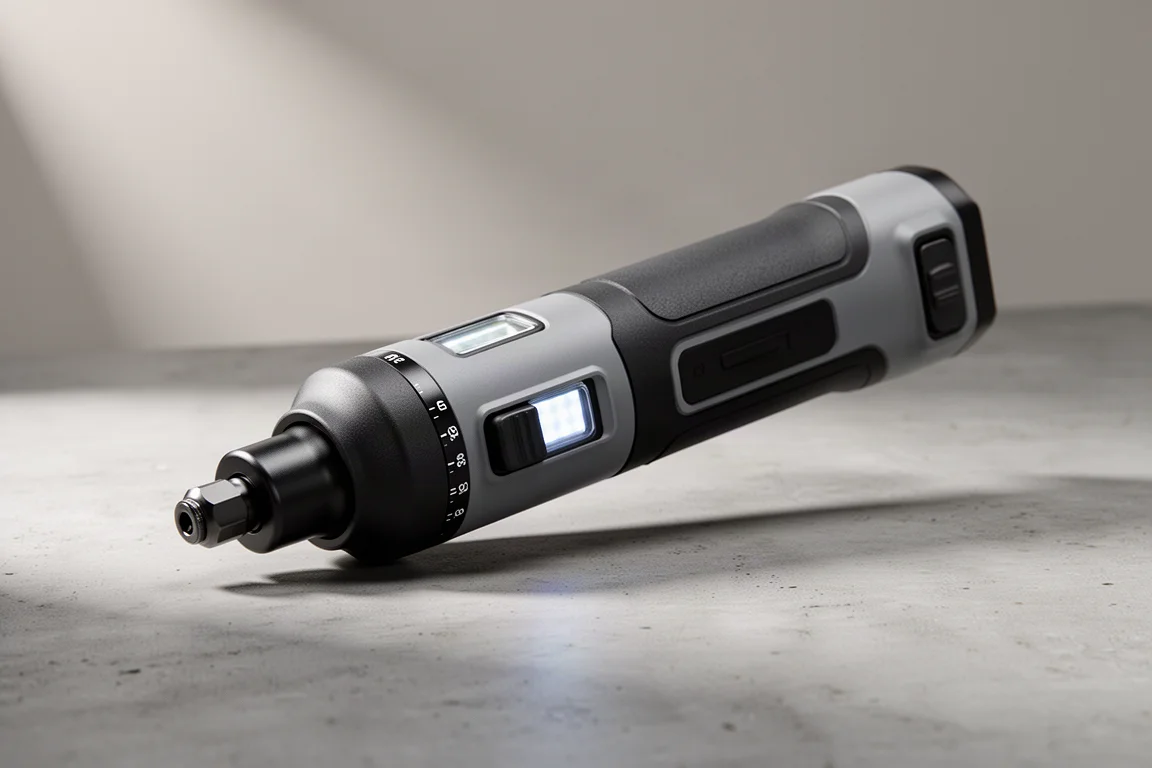
The GD0002G is functionally identical to the GD0001G, swapping the slide switch for a paddle. If your workplace requires dead-man style switches, this is the XGT model built for you.
Because the internals are the same, everything else carries over: brushless motor, variable speed from 7,000 to 29,000 RPM, the three-LED work light, spindle lock for one-wrench bit changes, and overload protection that cuts the tool out if it jams or slows too sharply. It also handled a stall test with ease, refusing to bog down where the older brushed grinders strained. The paddle is the safer compliance choice on shared sites, and you give up almost nothing in performance to get it.
Makita DGD800: The Standard 18V Workhorse
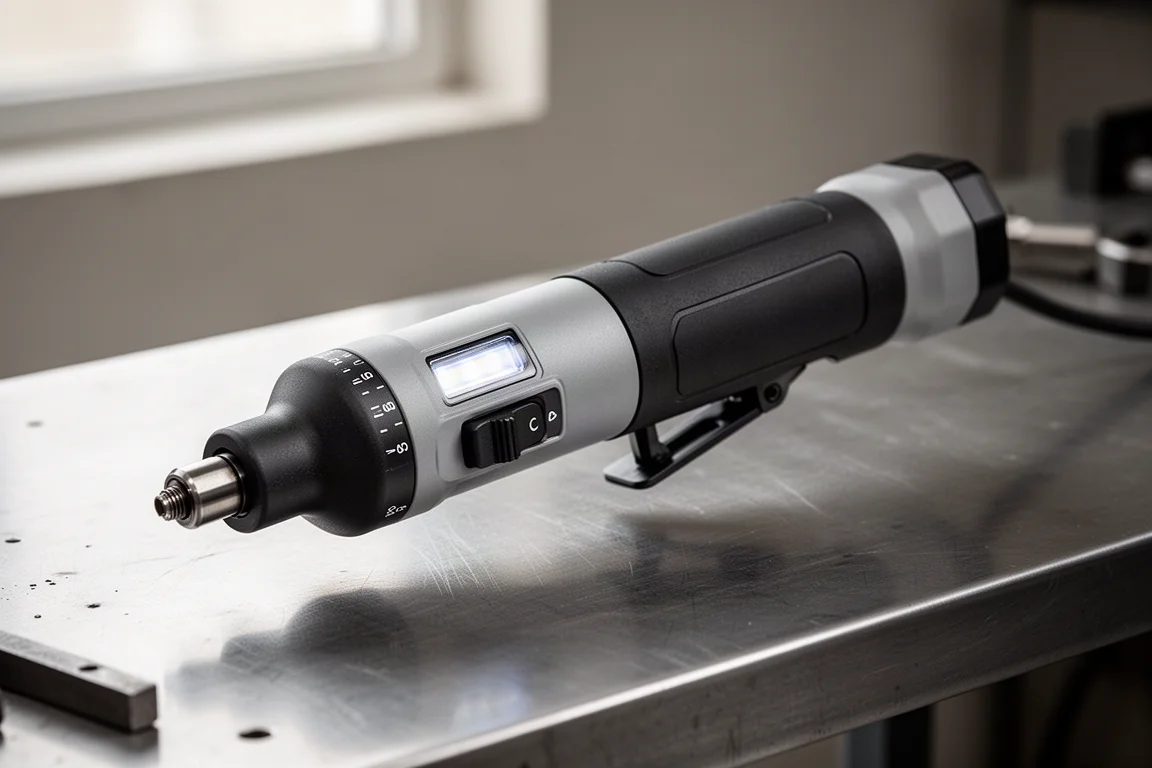
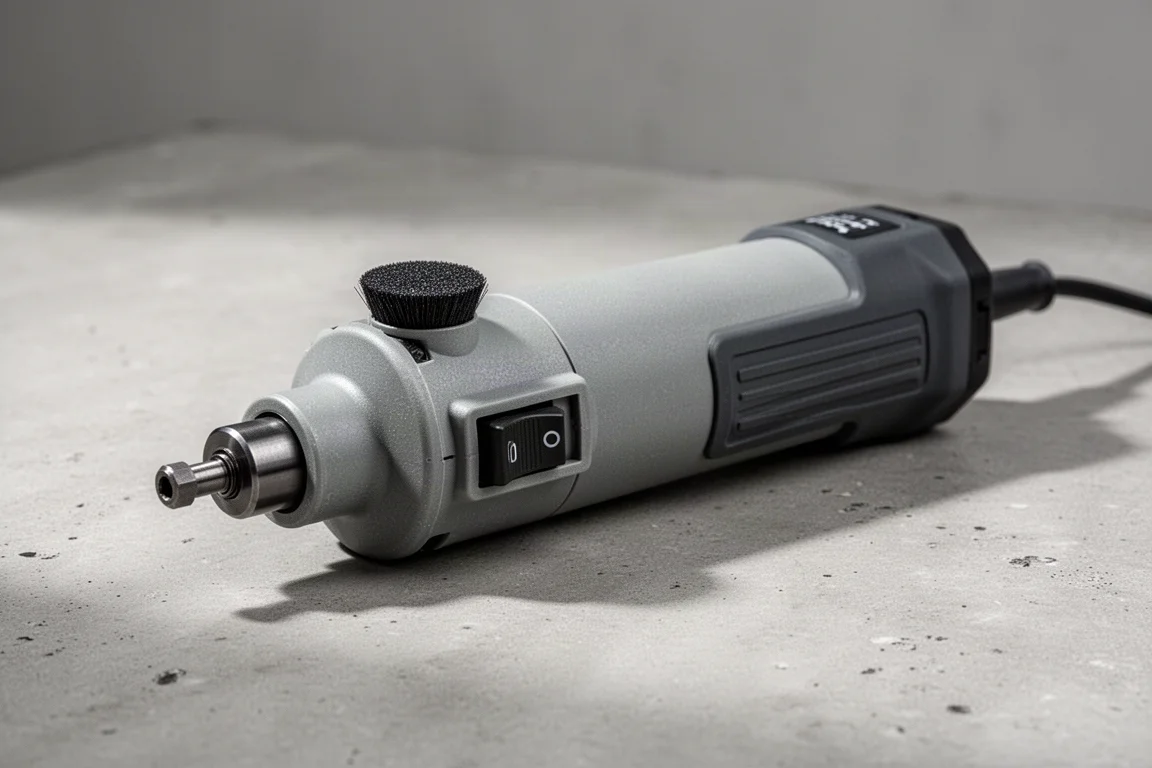
The DGD800 is the original of the two 18V die grinders, a longer-bodied model that has been on the market for a very long time. It runs at a fixed 26,000 RPM with no speed dial, uses a brushed motor with removable carbon brush caps on the side, and offers a straightforward slide switch.
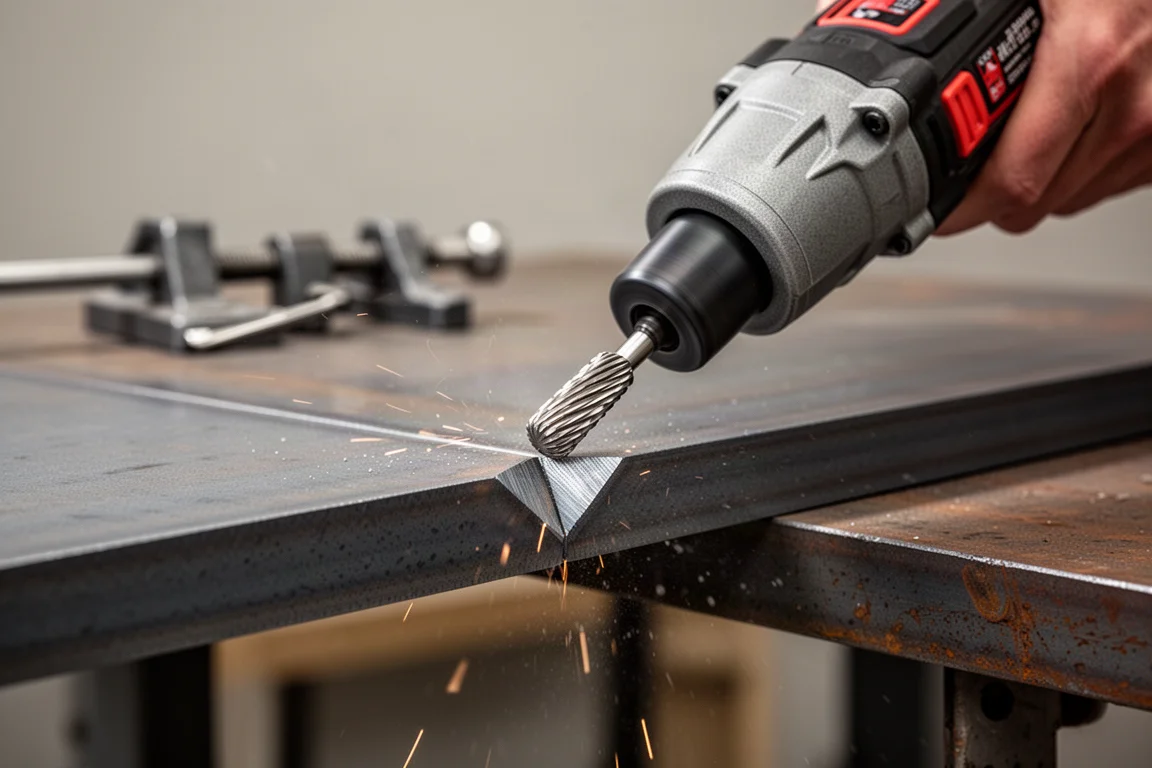
It shows its age in comfort and features. The grip is utilitarian, there is no work light beyond the battery and overload indicators, and bit changes require two spanners since there is no spindle lock. That said, it grinds with real authority. In testing with a carbide burr on steel plate, it removed material quickly and resisted stalling surprisingly well for a brushed tool. As a budget-conscious occasional-use grinder, it still has plenty of life in it.
Makita DGD801: The Compact 18V Option
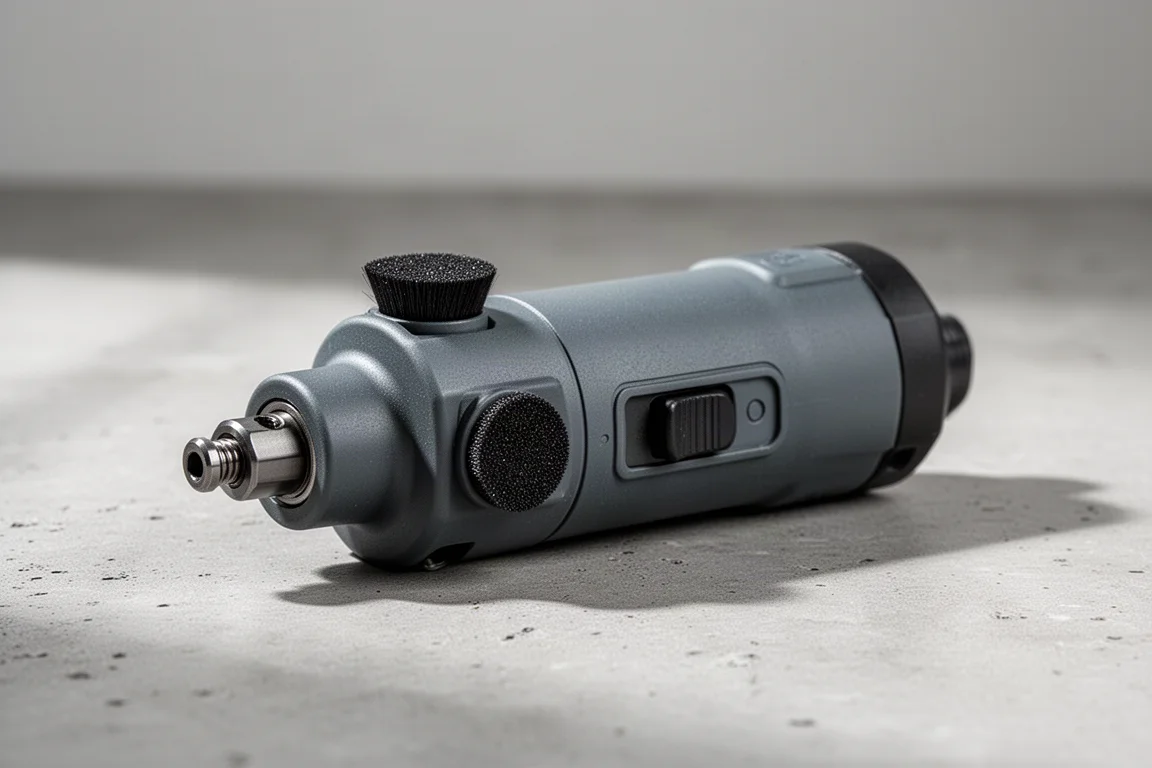
The DGD801 was released after the DGD800 and is the short, snub-nosed version of the 18V pair. It uses the same fixed 26,000 RPM brushed motor and slide switch, just packaged in a smaller body for tighter access.
Its compact length is the main appeal, and it shares the same limitations as the DGD800: no variable speed, no work light, a two-spanner bit change, and a grip that prioritizes packing a motor in over hand comfort. If you already own Makita 18V batteries and only need a die grinder for the odd job, it remains a reasonable entry point. But there is no indication the 18V line will be updated to brushless, so buyers wanting a long-term tool should look at the XGT models first.
Bits, Collets and Accessories to Know About
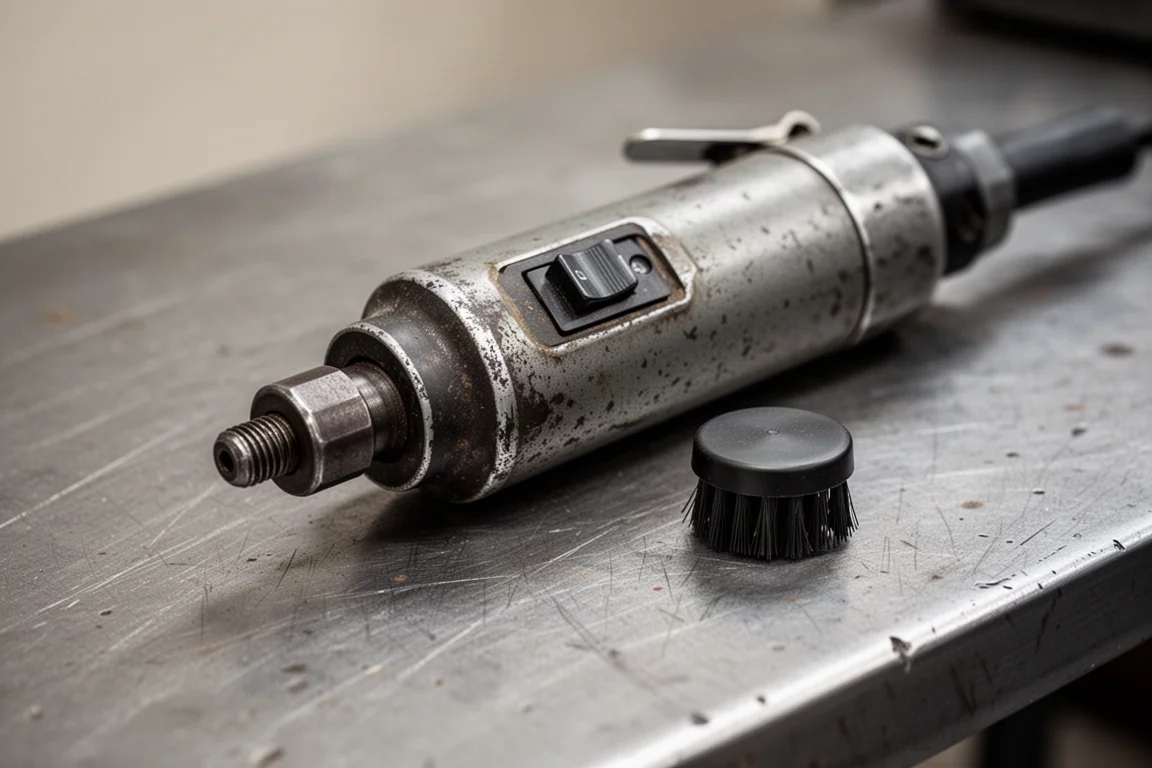
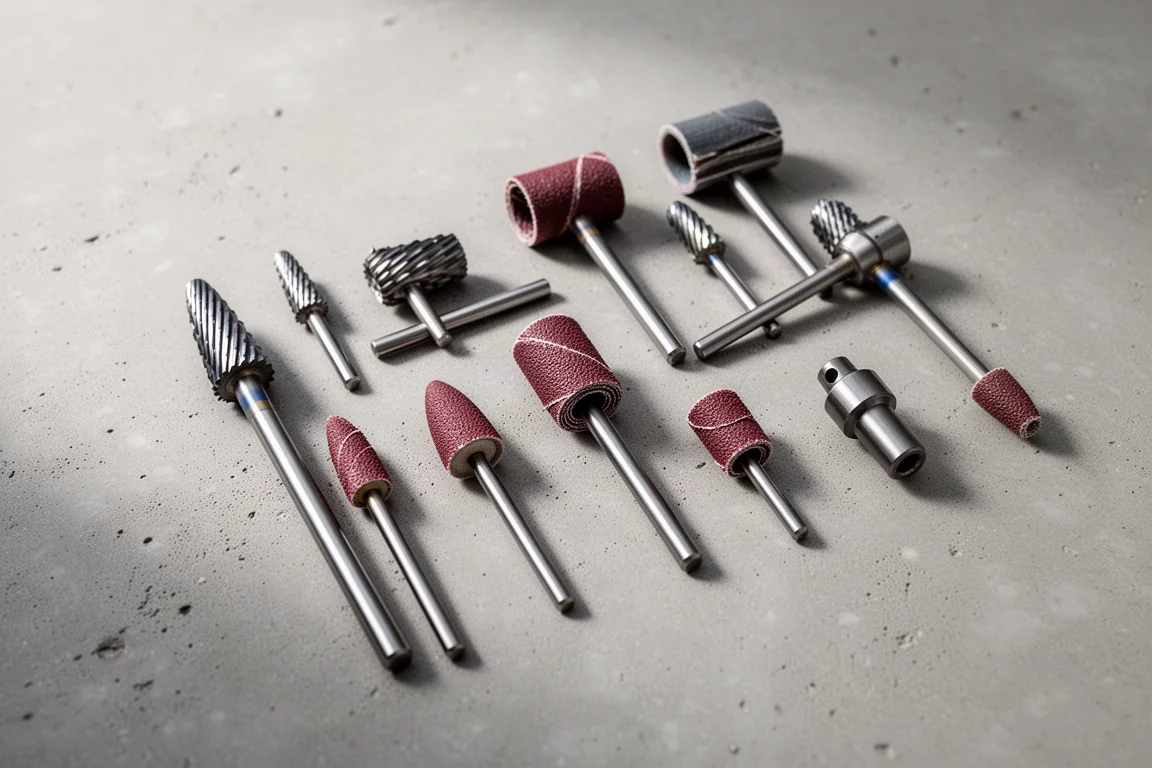
Both XGT and 18V models accept a range of accessories, including carbide burrs for edge work and hole enlarging, mounted stones, cut-off wheels rated for the tool’s speed, and sanding cartridge rolls on mandrels for smoothing and finishing tasks. Always check a wheel’s rated RPM before fitting it; flimsy unrated wire wheels are not safe at these speeds.
The grinders ship with a quarter-inch (6.35 mm) collet, though Makita offers 8 mm, 6 mm, 3 mm and eighth-inch collets separately. Be aware that router collets are a different system entirely and will not fit, though some 6 mm mandrels may clamp up acceptably depending on tolerances. On the XGT models the added LED means there is less room for a second spanner around the shaft, so plan on using the spindle lock for bit changes.
Which One Should You Buy?
If you are building on the XGT 40V platform or want the best tool, choose between the GD0001G and GD0002G based purely on switch preference and site rules. The performance, comfort, variable speed and light are identical. If you are on a tighter budget, already invested in 18V batteries, and only need a die grinder occasionally, the DGD800 for a standard length or DGD801 for a compact body still deliver dependable fixed-speed grinding.
Conclusion
The new 40V XGT die grinders are a clear generational step up: brushless power, variable speed, better balance and a work light, available in whichever switch style your site allows. The 18V DGD800 and DGD801 remain honest, no-frills alternatives for occasional users, but for anyone choosing today with longevity in mind, the XGT pair is where the smart money sits.
Further reading
Related Reviews
Power Tools
Best 1-Inch Pistol Impact Wrenches: Three Heavy-Duty Options Compared
We compare three 1-inch pistol impact wrenches, from a budget-friendly Harbor Freight model to a premium Caterpillar unit, to help you choose the right one.
Power Tools
Best 3/4-Inch Impact Wrenches 2026: Five Contenders Compared
We compare five 3/4-inch impact wrenches across price and performance, from a budget Amazon option to Snap-on's most powerful model yet.
Power Tools
Best Budget Cordless Tools 2026: Walmart Finds That Punch Above Their Price
We tested five cordless tools from Walmart, including a high-torque impact wrench that trades blows with Milwaukee and a $35 duster that outperforms its price class.