Power Tools
12V Cordless Tool Lines Compared: Makita CXT, XDT14, and DeWalt Xtreme Brushless
A practical look at three 12V cordless options, where each one makes sense, and why pricing has made some of them harder to justify than others.
Introduction
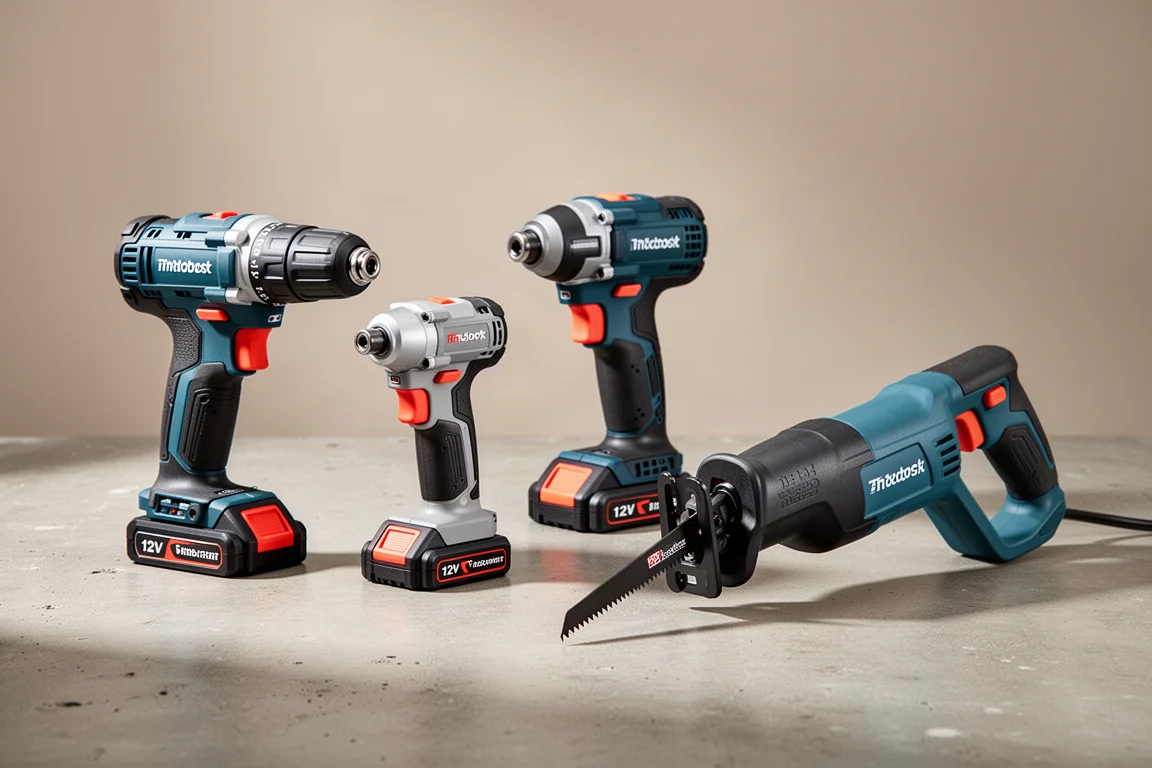
The 12V cordless market has quietly become one of the most confusing corners of the tool world. Some brands are discounting their brushless 12V tools aggressively, while others price their newest compact lineup so high that larger, more powerful 18V tools start to look like the smarter buy. This guide breaks down three options worth knowing about: the Makita CXT 12V line, the Makita XDT14 impact driver, and the DeWalt 12V Xtreme brushless lineup. Each has a clear audience, but only if you buy it at the right price.
The Makita CXT Line: Great Value in Brushed, Puzzling in Brushless
The Makita CXT line is effectively split into two tiers right now, and the price gap between them is hard to ignore. The brushed 12V tools are genuinely affordable and have proven reliable for light-duty work, while the newer brushless 12V tools have shown almost no deals or sales since launching, sitting at roughly 180 dollars for a two-battery kit with a single tool.
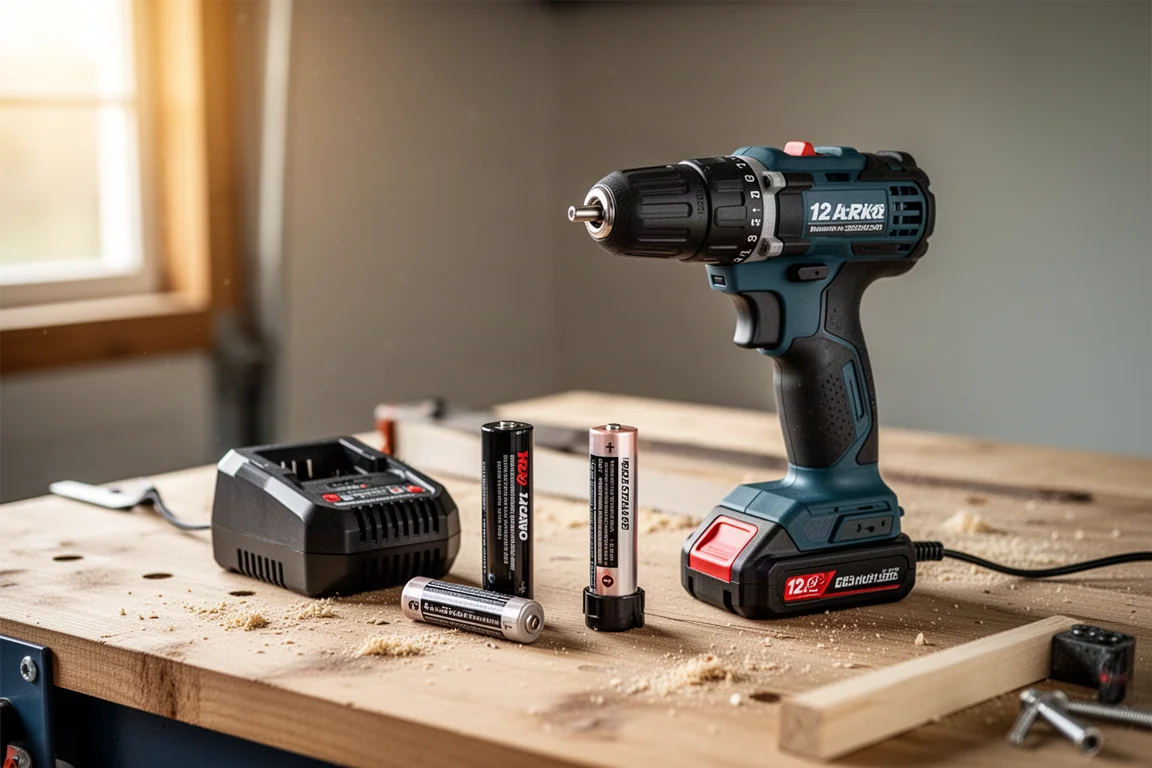
For homeowners, DIY users, and light handyman work, the brushed CXT tools remain a strong value. A compact jigsaw purchased on sale has performed well over years of occasional use, and that is really the core appeal of this tier: cheap, small, light tools for jobs that do not come up often. The frustration is that the brushless CXT tools are priced at or above comparable 18V kits, which offer more power and a much broader tool selection.
Makita XDT14 Impact Driver: The One Generation Older Bargain
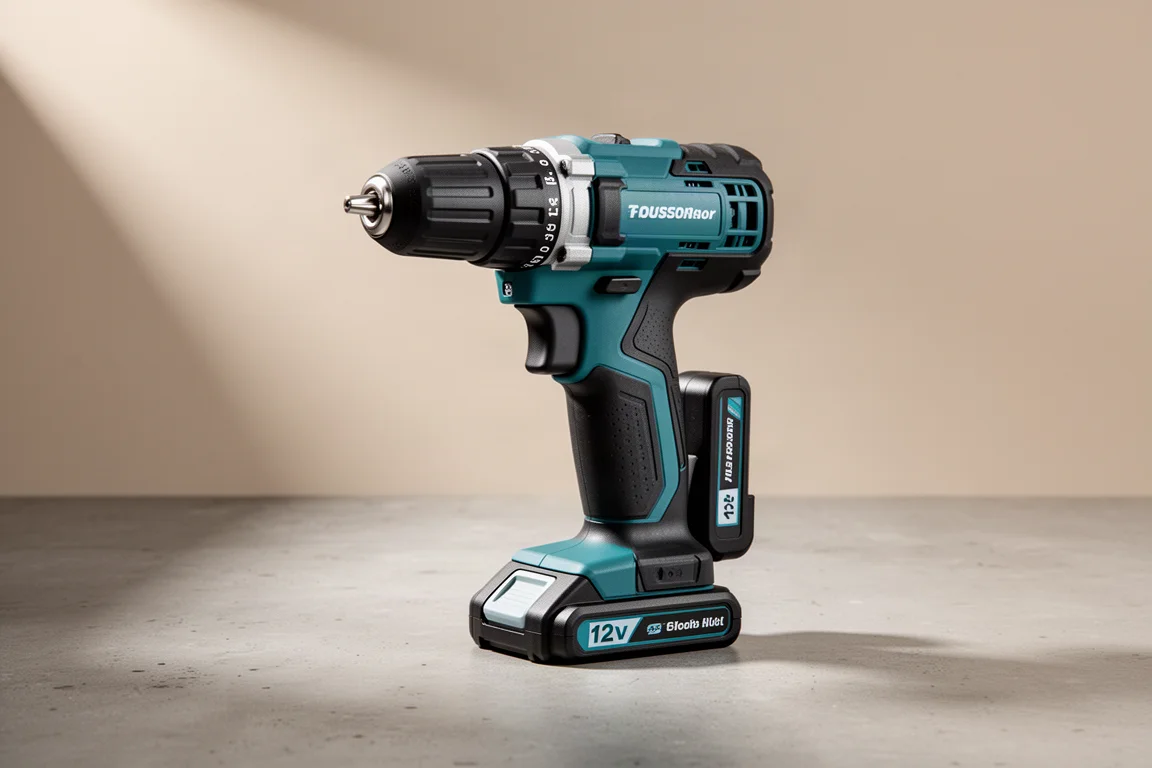
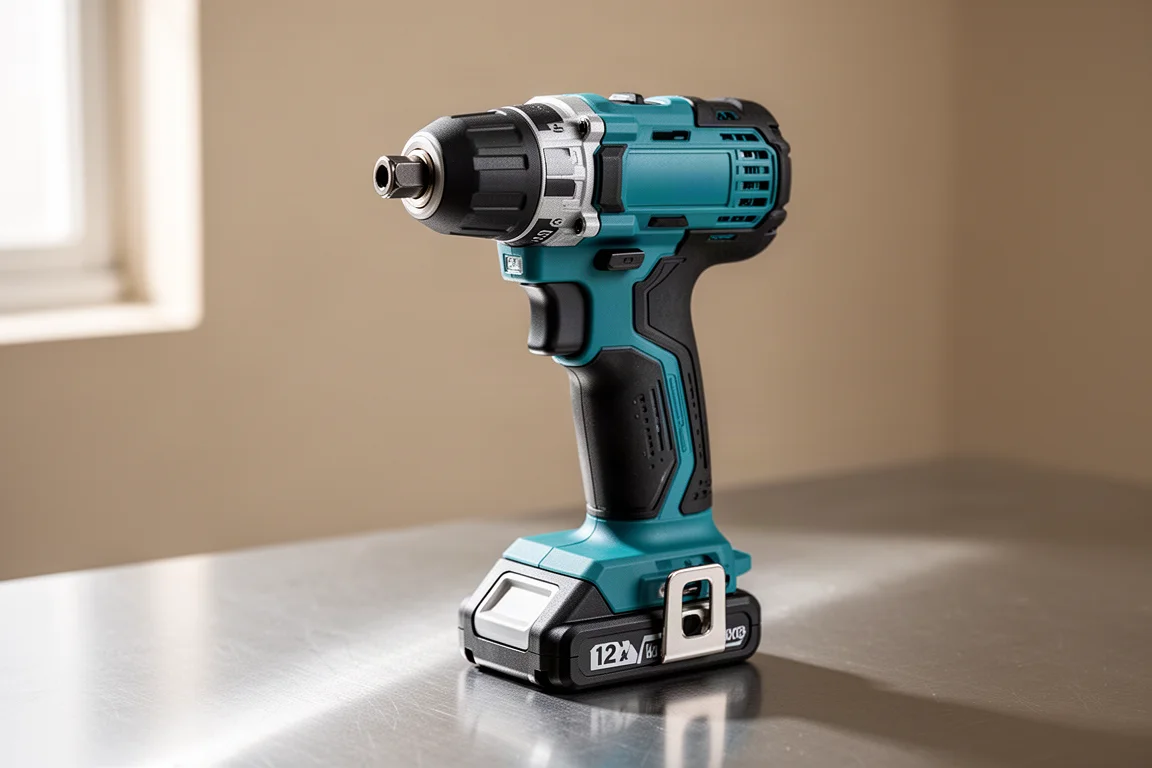
The XDT14 is the previous-generation brushed 12V impact driver from Makita, and it is typically easy to find for under 100 dollars. One clearanced kit bundled the XDT14 with a hammer drill and batteries for around 180 dollars, which illustrates the kind of deals that do appear on the brushed side.
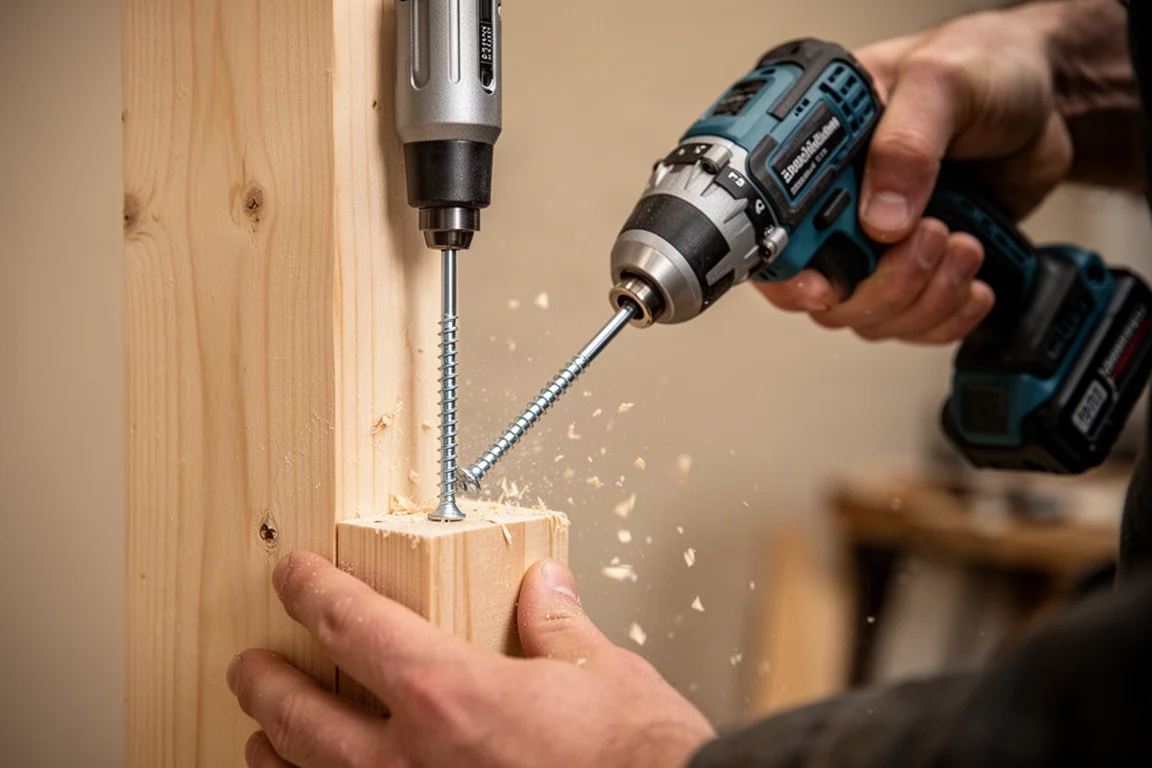
It is a sensible pick if you want a light, compact impact driver for occasional fastening and driving tasks and do not want to spend brushless money. The main caution is that an 18V impact driver on clearance can cost only slightly more while delivering nearly double the power, more settings, and more features, so it pays to compare before committing.
DeWalt 12V Xtreme Brushless: Where the Deals Are
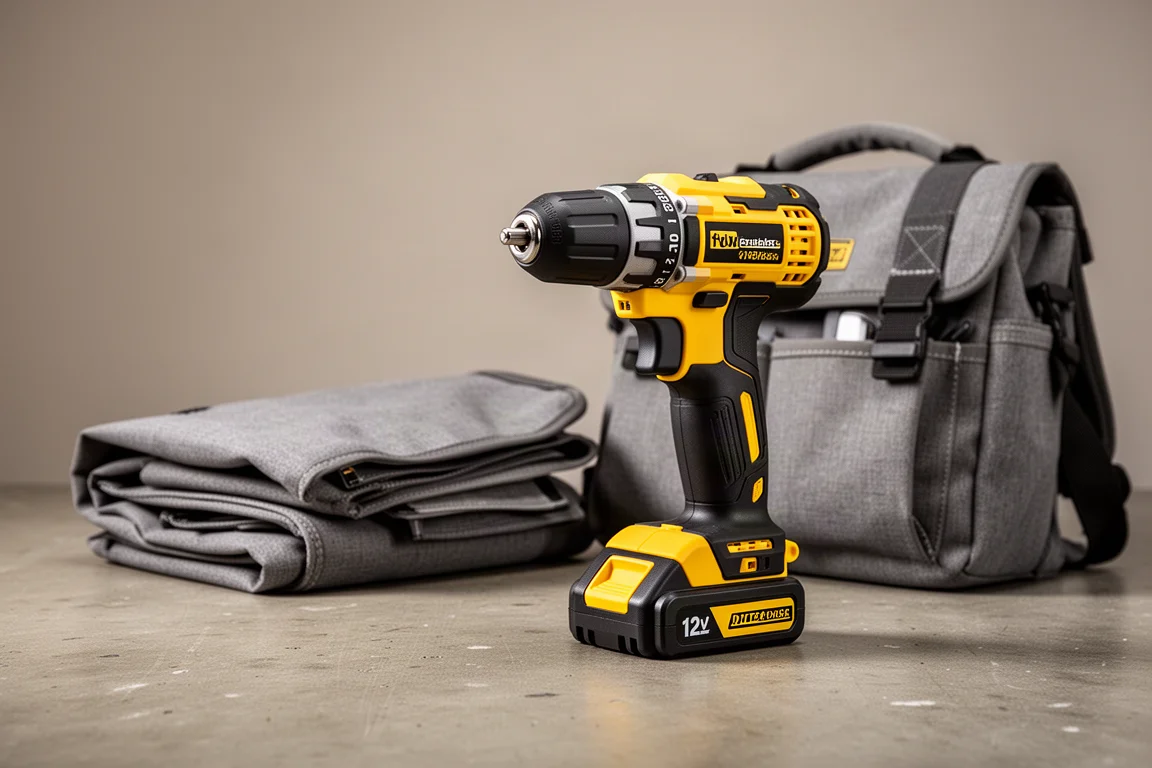
DeWalt’s 12V Xtreme line is the counterexample to Makita’s brushless pricing. This brushless lineup combines compact size with strong performance, and the discounts have been exceptional. One example bundle included a brushless drill with a backpack, a brushless reciprocating saw, and two batteries for about 150 dollars.
That kind of pricing makes the DeWalt 12V Xtreme line one of the most compelling compact tool platforms available right now. If you want genuinely compact brushless tools without paying a compact-tool premium, this is the line to watch for sales.
Battery Size and the Real Cost of Compact
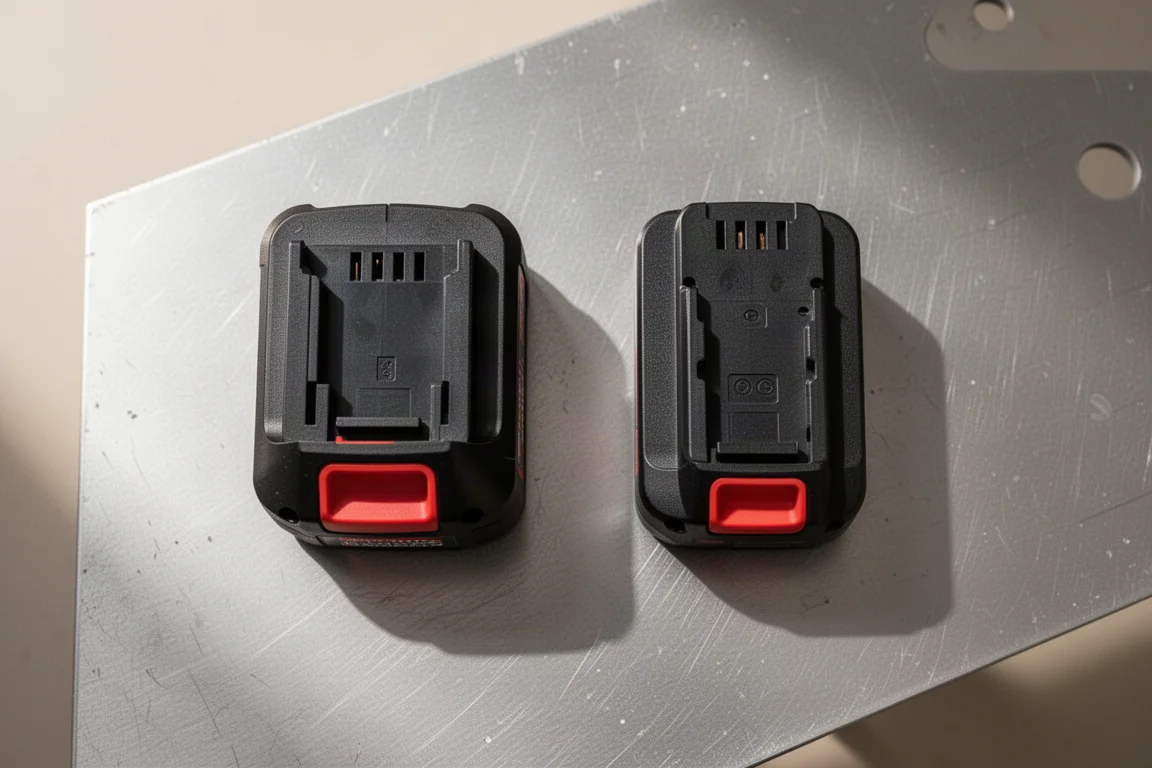
The obvious argument for 12V tools is size and weight. A 2Ah CXT battery is visibly smaller than a compact 18V pack, and that difference matters for overhead work, tight spaces, and long sessions. The counterargument is Makita’s own Sub-Compact 18V line, which gets close to the newer brushless CXT tools in performance while costing significantly less in kit form, sometimes around 100 dollars cheaper than buying two separate 12V kits.
The Sub-Compact line is a bit hit and miss across its catalog. The circular saw has a good reputation, the reciprocating saw draws complaints about power, and the impact driver is fine but arguably unnecessary if you already own standard 18V impacts. Still, it undercuts the core reason to buy 12V in the first place, which is usually price rather than size.
Who Should Still Buy 12V Tools
The strongest case for 12V remains the occasional-use tool. A jigsaw or multi-tool used less than a dozen times a year does not justify premium pricing, and a discounted 12V version does the job just fine while staying light and compact on the shelf.

If you use a tool rarely and want a good deal on a small, light version, discounted 12V is still the right call. If you use a tool regularly, an 18V equivalent on sale will almost always be more powerful for similar money. Shop around carefully, because pricing swings between these tiers are wider than in any other corner of the cordless market.
Conclusion
The 12V market rewards patience and price awareness. Makita’s brushed CXT tools and the XDT14 are solid buys at their discounted prices for light-duty users, while the brushless CXT pricing is difficult to justify next to Makita’s own Sub-Compact 18V kits. DeWalt’s 12V Xtreme brushless line, with its genuinely strong discounts, is currently the easiest recommendation for anyone who wants compact brushless performance. Match the tool to how often you will actually use it, and the right choice usually becomes obvious.
Further reading
Related Reviews

Power Tools
Best 1-Inch Pistol Impact Wrenches: Three Heavy-Duty Options Compared
We compare three 1-inch pistol impact wrenches, from a budget-friendly Harbor Freight model to a premium Caterpillar unit, to help you choose the right one.

Power Tools
Best 3/4-Inch Impact Wrenches 2026: Five Contenders Compared
We compare five 3/4-inch impact wrenches across price and performance, from a budget Amazon option to Snap-on's most powerful model yet.

Power Tools
Best Budget Cordless Tools 2026: Walmart Finds That Punch Above Their Price
We tested five cordless tools from Walmart, including a high-torque impact wrench that trades blows with Milwaukee and a $35 duster that outperforms its price class.