Power Tools
Makita Cordless Routers Compared: DRT50, RT001G and RP001G
Two 40V XGT routers and one 18V LXT trim router go head to head on runtime, torque under load, and platform compatibility.
Introduction
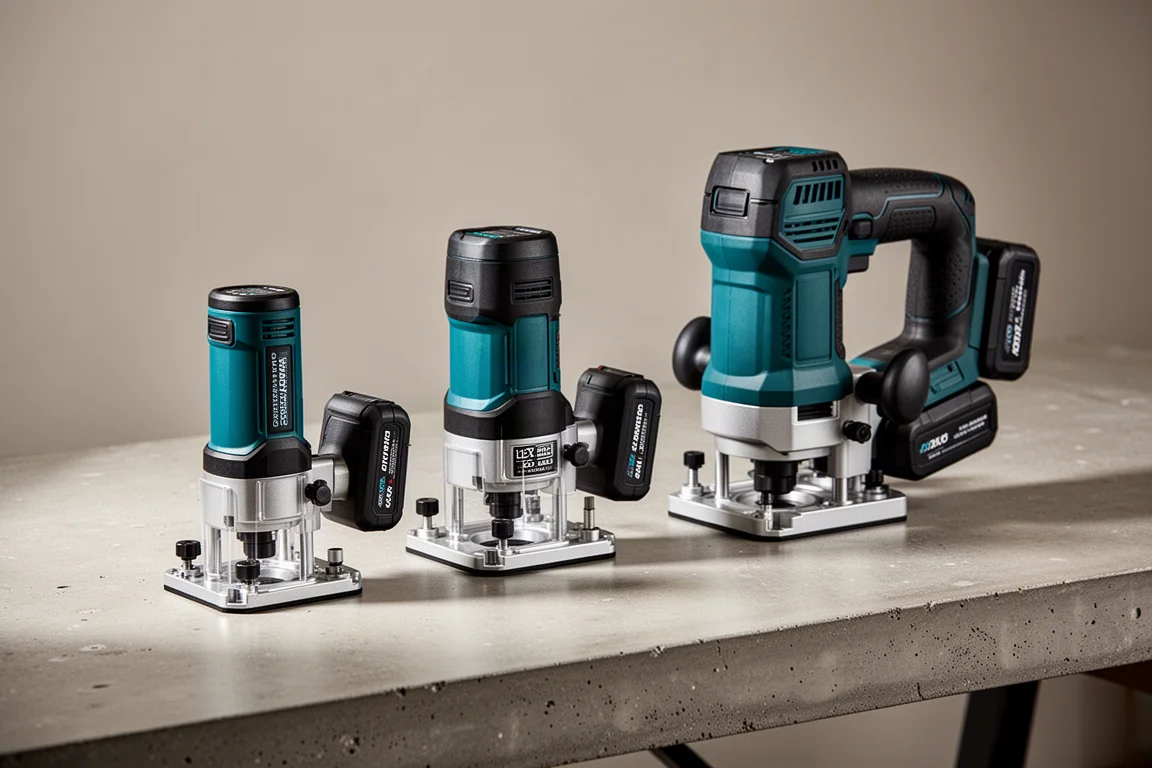
Makita currently fields three high-end cordless routers that cover most woodworking needs: an 18V LXT trim router, a compact 40V XGT router, and a new 40V XGT half-inch router. We put all three on the bench to compare runtime, torque under load, and how well their accessories play together. If you are upgrading from an 18V or corded Makita router, or trying to decide which voltage class suits your work, this comparison should help.
The Three Routers on the Bench
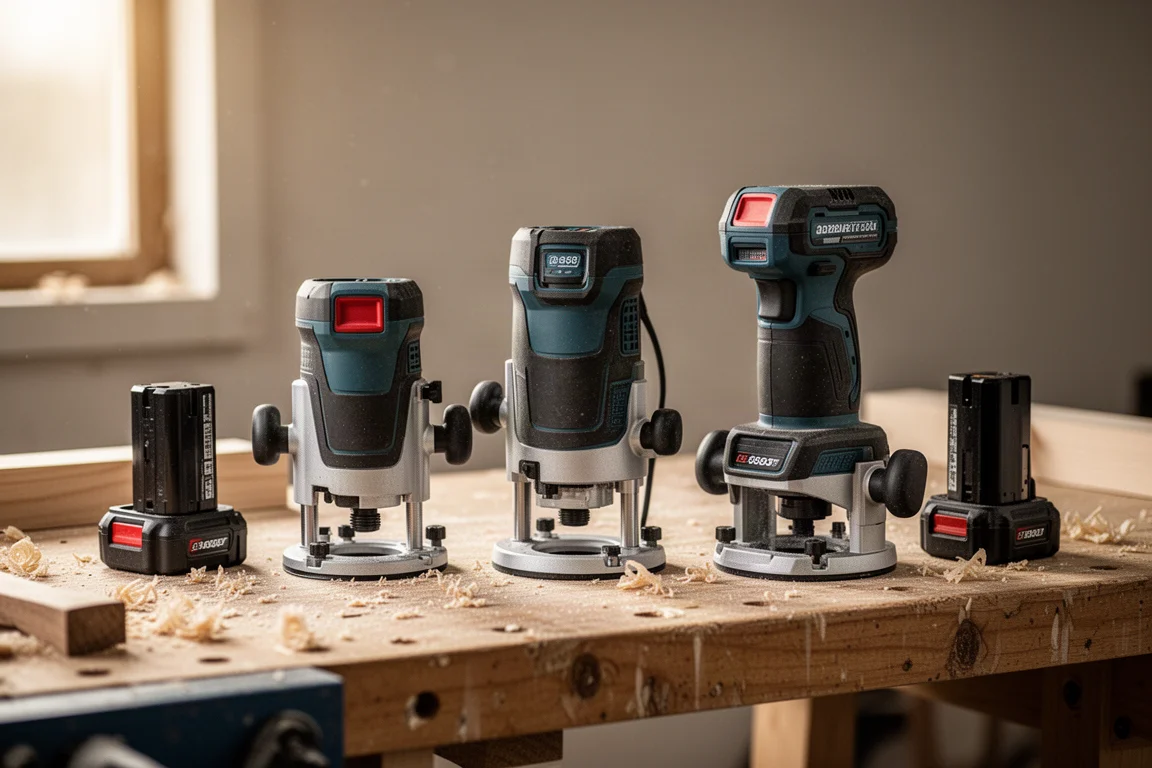
The line-up covers Makita’s trim router and full router formats. The 18V model runs at up to 30,000 RPM on its top speed, while the compact 40V model reaches 31,000 RPM. The 40V half-inch model is the largest of the three, with a bigger motor designed to hold its speed under heavier cuts. All three use brushless motors and take slide-style lithium battery packs.
Note that Makita has also released a budget-oriented 18V version with a plastic body rather than the aluminium construction of the models covered here, but that one sits below this line-up and is not part of this comparison.
Makita DRT50: The 18V LXT Trim Router
The DRT50, sold as the XTR01 in the United States, is the compact 18V option. It is a genuinely good little tool, and it is the natural choice for light trim work, small profiles and edge detailing where weight and one-handed control matter more than raw power.
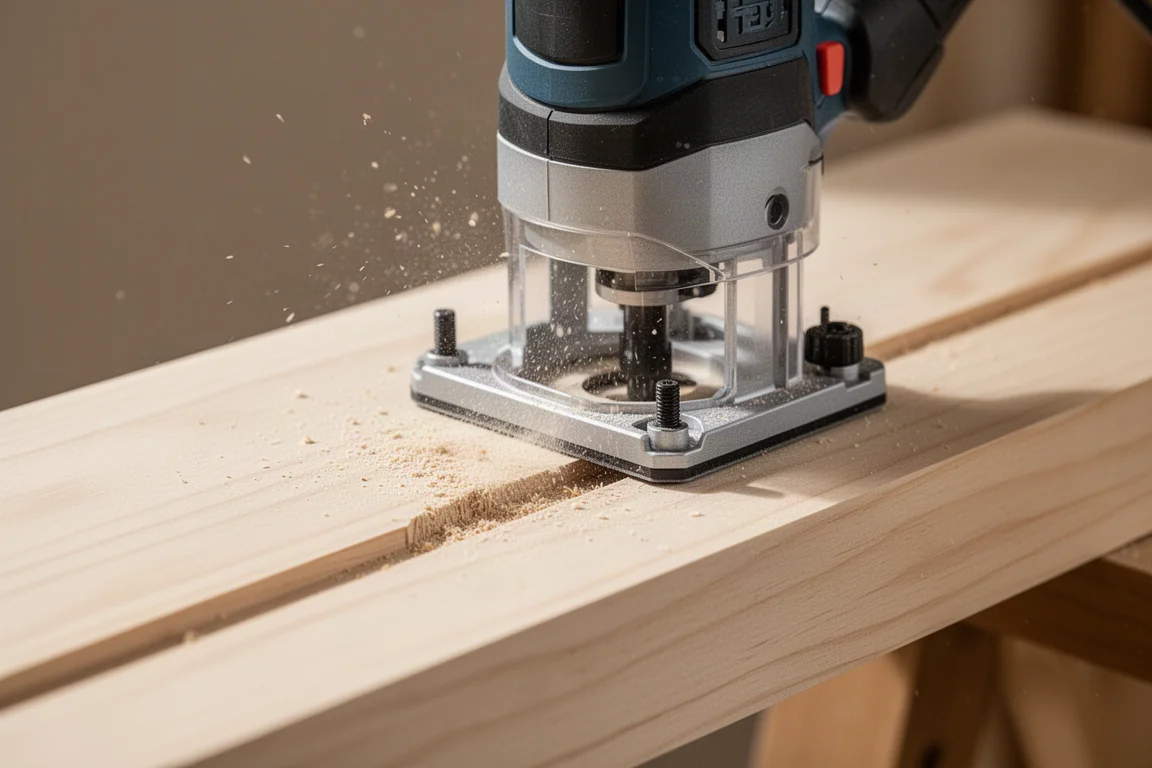
On a straight runtime test at top speed with the same bit fitted, the 18V router lasted noticeably less time than its 40V sibling, finishing roughly eight minutes behind. The bigger gap appeared under load: when pushed hard into material, the 18V router stalled, while the 40V routers kept spinning. For light work the DRT50 remains an excellent tool, but for sustained cuts it clearly sits a class below.
Makita RT001G: The 40V XGT Compact Router
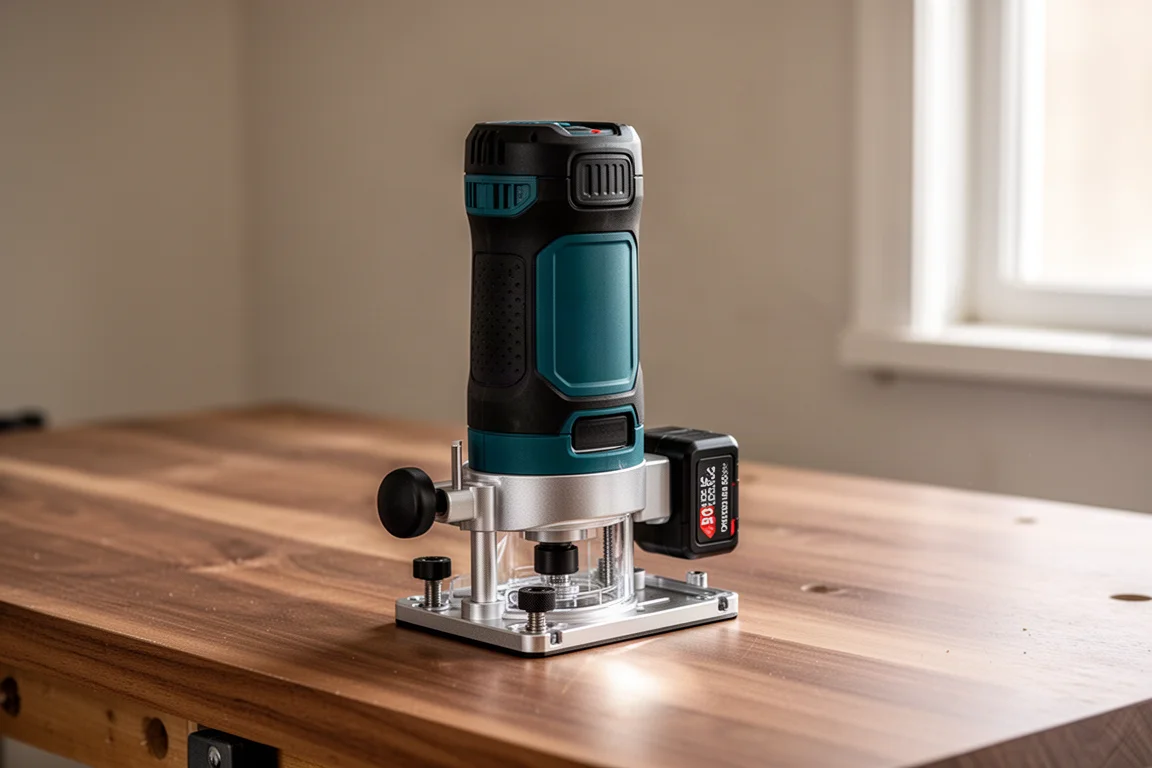
The RT001G, sold as the GT01 in the United States, is the 40V equivalent of the trim router format. It runs slightly faster at the top end and, more importantly, has far more torque available. In the stall test it simply would not quit, even when pushed as hard as the 18V tool had been at the start.
On a no-load bench test with matched batteries, the 40V router ran about thirteen minutes longer than the Hioki equivalent, though the Makita cuts noticeably quicker, so the trade-off is not as simple as raw runtime. Under real, sustained load the story changed: the Makita ran through material faster and smoother, and the battery still showed charge at the end of a test that drained a competing 40V pack further. For consistent cuts under load, the Makita’s battery life held up better than the bench numbers suggest.
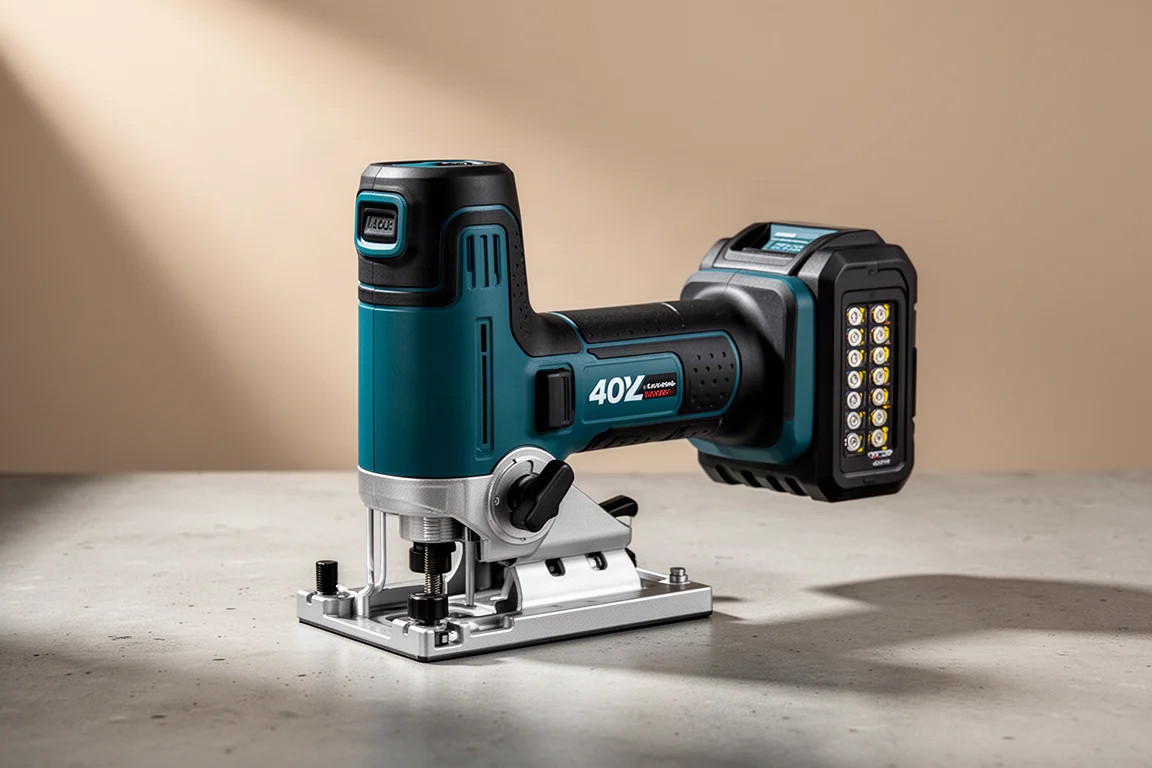
Makita RP001G: The 40V XGT Half-Inch Router
The RP001G, sold as the GPR1 in the United States, is the big-bodied half-inch option for heavier routing work. It accepts larger bits and comes with a proper guide setup in the box, positioning it as the choice for structural work, big grooves and long cuts.
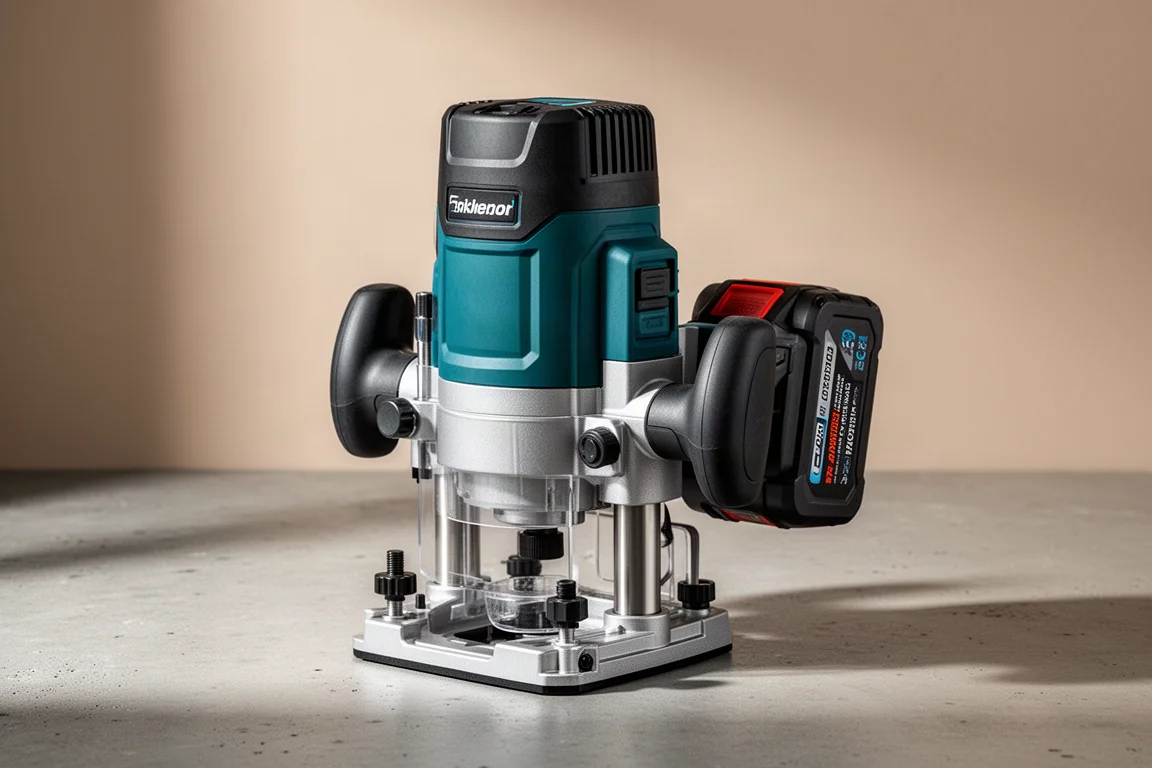
In the bench runtime test against a Hioki 40V equivalent it was slightly disappointing, running a similar distance behind the competition as the compact 40V model. Under load, however, the two behaved much more alike, and the Makita’s cutting speed means it can finish a job sooner even if a no-load test says otherwise. Against the smaller 40V router, the difference is much smaller than the jump from 18V to 40V: it runs about 6,000 RPM faster at the top and its larger motor sustains a 25,000 RPM limit more comfortably over long, hard pushes, so it wins over distance while the compact 40V model may drain batteries faster on small jobs.

Accessories and Platform Compatibility
One of the strongest reasons to stay in the Makita router ecosystem is accessory compatibility. Bases, guides and attachments from the 18V router or the older corded routers fit the 40V models directly, so upgrading the motor does not mean rebuying your accessory set.
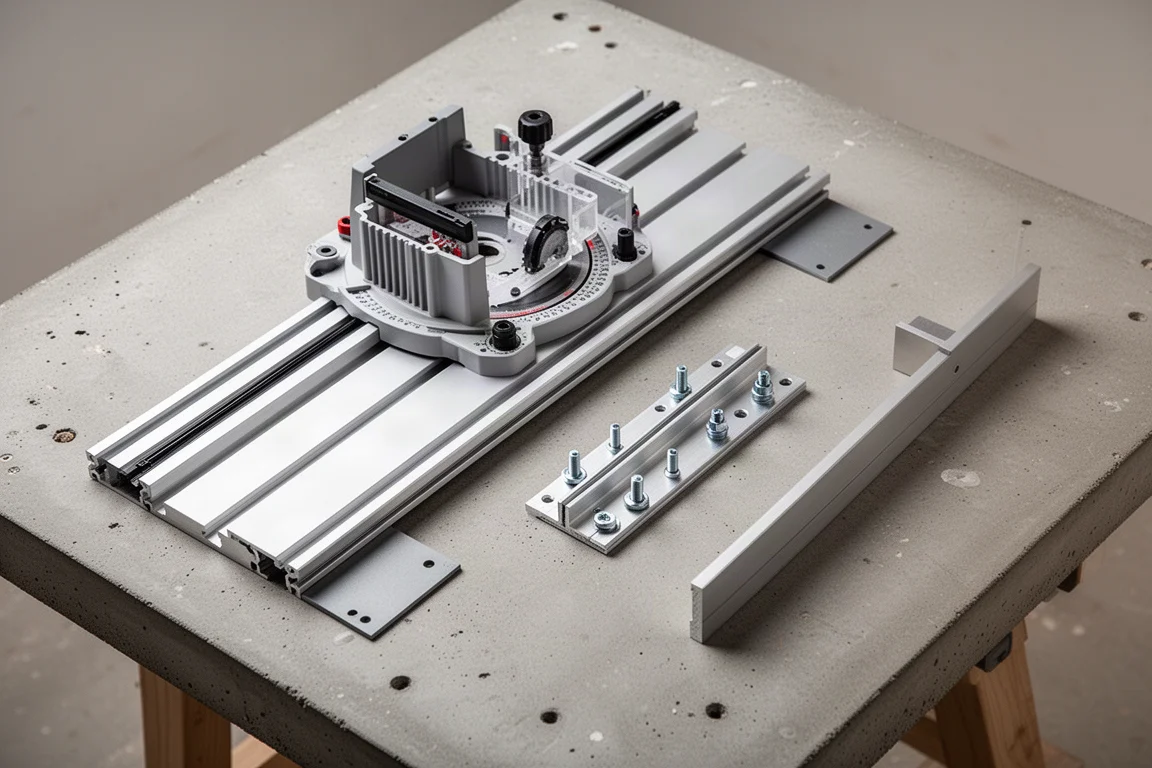
The large plunge base guide is a particularly capable accessory. It has micro adjustment, sliding components that move back and forward, and comes with two sets of rails, 8mm and 10mm, so it can mount on older large routers as well. Its long rails give plenty of support for cuts set well into a board, and it fits both the quarter-inch plunge base and the new RP001G.
A newer guide rail adapter, made in Japan, also fits across the range. You can slide it along the rail for repetitive grooves, tighten it at each position, and adjust screws at the end to clamp it snugly on the rail. It comes with risers of different heights to keep the base level when crossing steps, rebates or grooves, and it fits the quarter-inch plunge base used by the 18V and 40V routers.
Finally, if your router did not ship with an edge guide, it is worth picking one up. It lets you follow the edge of the work or run a router bit in line with the fence for flush cuts. Availability varies by region and model: the 40V half-inch router comes with an edge guide in the box, and all three routers here include at least a basic guide, though smaller trim routers sold separately sometimes do not.
Which One Should You Buy?
If your work is mostly small trim, hinge work and edge detailing, the 18V DRT50 is still the most convenient and lightest option, and it remains a good tool in that role. If you want the same format but with real torque in reserve and the ability to keep cutting when pushed hard, the 40V RT001G is the clear upgrade, and its under-load efficiency means the bench runtime numbers undersell it. For structural routing, larger bits and long production runs, the RP001G is the heavyweight pick, sustaining high speeds where smaller motors fade.
Whichever you choose, check what is included in the box in your region, because guide accessories vary, and factor in battery costs if you are moving to the 40V XGT platform for the first time.
Conclusion
The 40V XGT routers are the standout performers here, particularly under load, where the 18V trim router is the one that stalls. The DRT50 still earns its place for light work, but the RT001G and RP001G show where Makita’s cordless router line is heading: more torque, better speed hold, and an accessory ecosystem that carries over almost everything you already own.
Further reading
Related Reviews

Power Tools
Best 1-Inch Pistol Impact Wrenches: Three Heavy-Duty Options Compared
We compare three 1-inch pistol impact wrenches, from a budget-friendly Harbor Freight model to a premium Caterpillar unit, to help you choose the right one.

Power Tools
Best 3/4-Inch Impact Wrenches 2026: Five Contenders Compared
We compare five 3/4-inch impact wrenches across price and performance, from a budget Amazon option to Snap-on's most powerful model yet.

Power Tools
Best Budget Cordless Tools 2026: Walmart Finds That Punch Above Their Price
We tested five cordless tools from Walmart, including a high-torque impact wrench that trades blows with Milwaukee and a $35 duster that outperforms its price class.