Power Tools
Makita 18V vs 36V Cordless Chainsaws: What Heavy Storm Cleanup Actually Requires
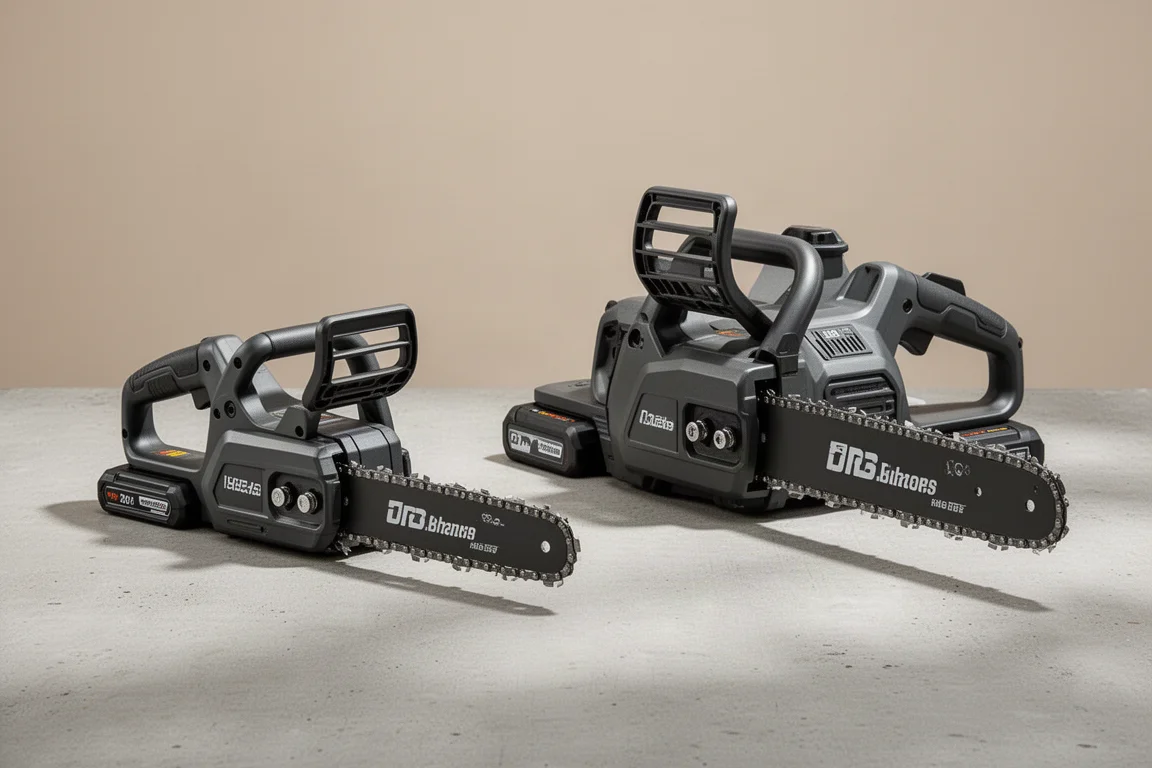
Two Makita cordless chainsaws, two very different jobs. Here is how the 18V top handle and the 36V rear handle compare for all-day storm cleanup and property work.
Introduction
Cordless chainsaws used to be a compromise. After running Makita’s 18V top handle and 36V rear handle saws through serious storm cleanup work, it is clear that they now cover most of the work a homeowner or even a busy landscaping crew will realistically face. But going cordless changes how you plan: batteries, chargers, and heat management matter just as much as the saw itself.
This guide breaks down both saws, what they are genuinely good at, and how many batteries it actually takes to run them for an afternoon.
Why Cordless Chainsaws Earn Their Place After a Storm
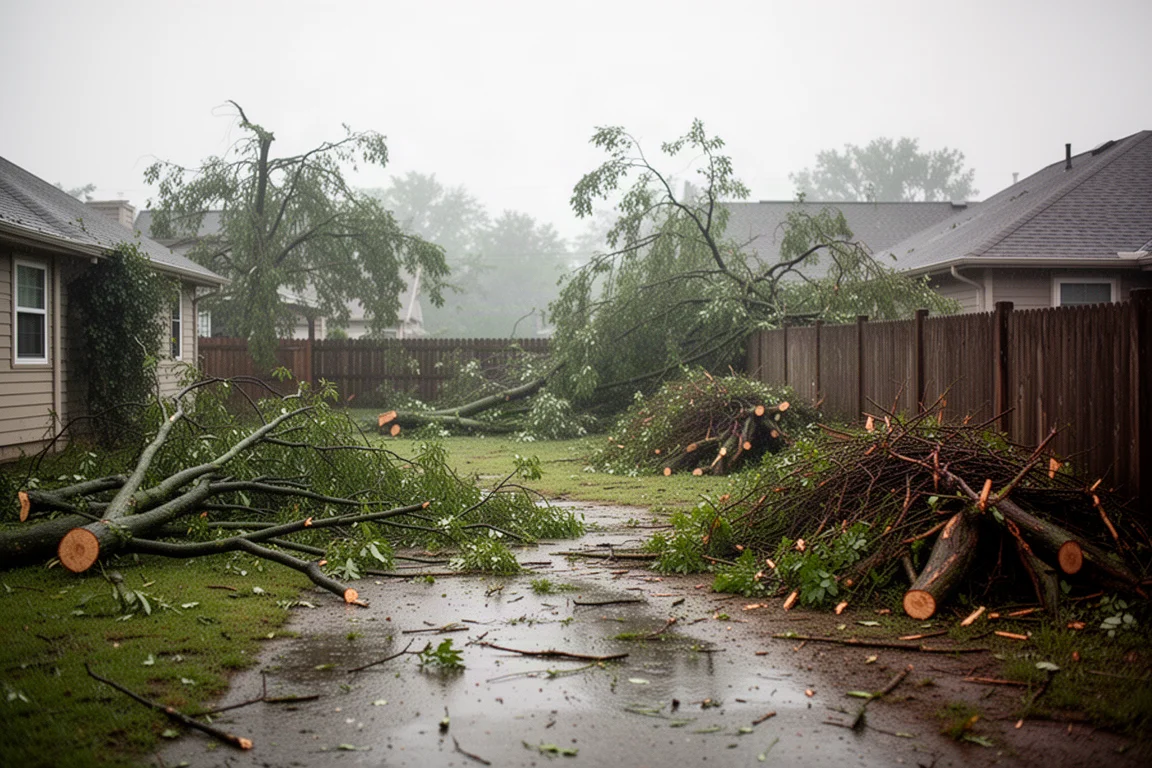
After a major storm, cleanup work arrives fast, and most property owners do not own a chainsaw. For anyone doing yard work or landscaping professionally, a cordless saw that starts instantly, needs no fuel mixing, and just works is a serious advantage over pulling a gas saw’s starter cord fifty times a day.
The honest caveat: gas still wins for the very biggest wood. There is no substitute for a gas saw when cutting truly thick trunks. But a good 36V cordless saw will handle the vast majority of typical cleanup cuts, and the small top handle saw handles light trimming beautifully.
Makita 18V Top Handle Chainsaw
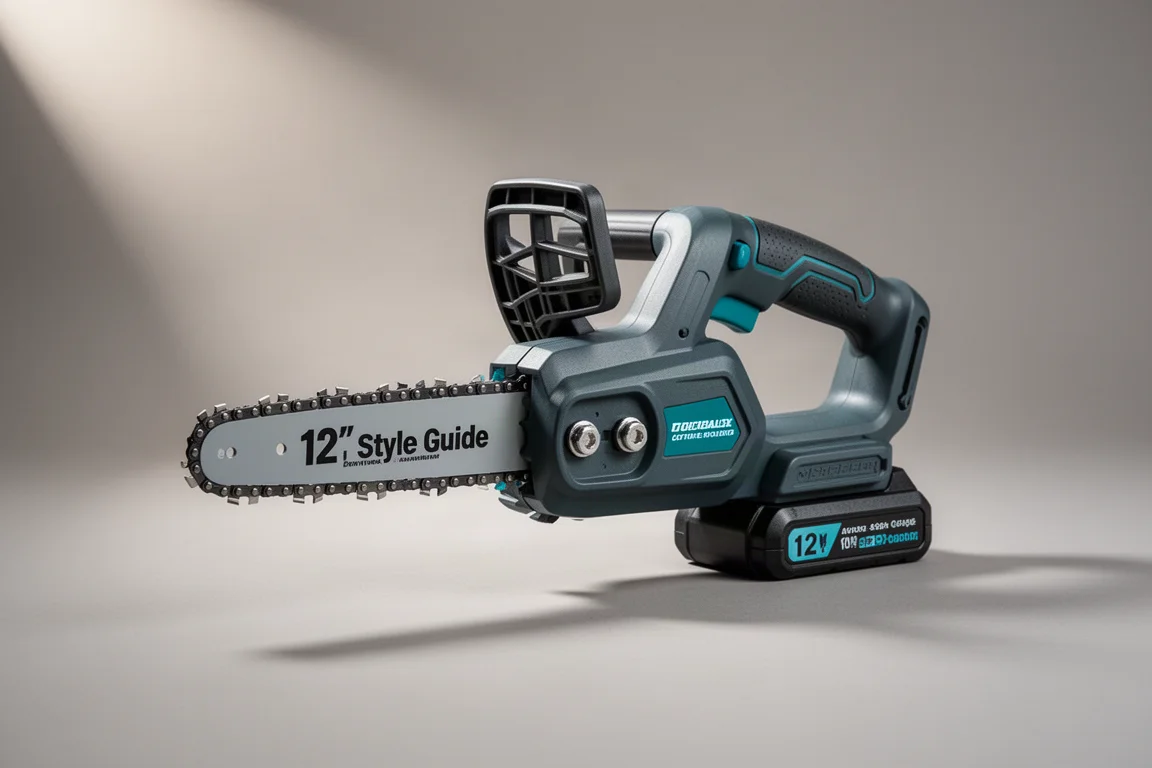
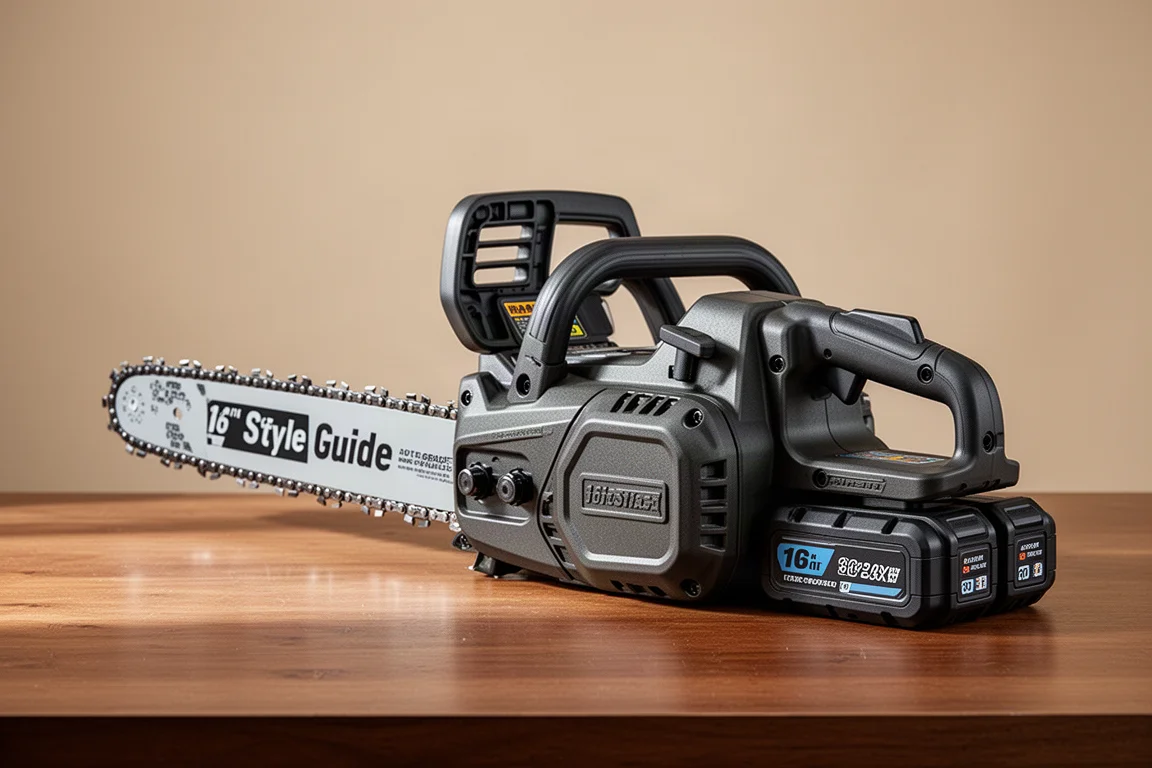
The Makita 18V top handle is a compact, lightweight saw designed for cleaning up smaller brush, limbing, and getting into tight, hard-to-reach areas. It is not built for pushing through thick material, and trying to make it do that job is where it disappoints. Used for what it is designed for, it is a genuinely well-made tool with a lot of professional features.
With a 5.0Ah battery, expect roughly 5 to 15 minutes of steady trimming on smaller branches, and around 100 cuts under typical use. It runs one 18V battery, which means it does not overheat badly in normal light work because you rarely push it hard enough.
It suits two bar configurations well: a 12-inch bar for maximum compactness or a 16-inch bar for a bit more reach. These top handles retail for around $200, with Amazon pricing near $180, and occasional eBay finds go lower. That seems pricey for a small saw, but for light limbing and brush work it is a fantastic, often misunderstood tool.
Makita 36V Rear Handle Chainsaw
The 36V rear handle saw is the workhorse. It can be pushed hard through serious material, and the largest wood it has been run through is roughly 20 to 22 inches in diameter, which takes a while but gets done. Anything bigger than that, and a gas saw is the better tool.
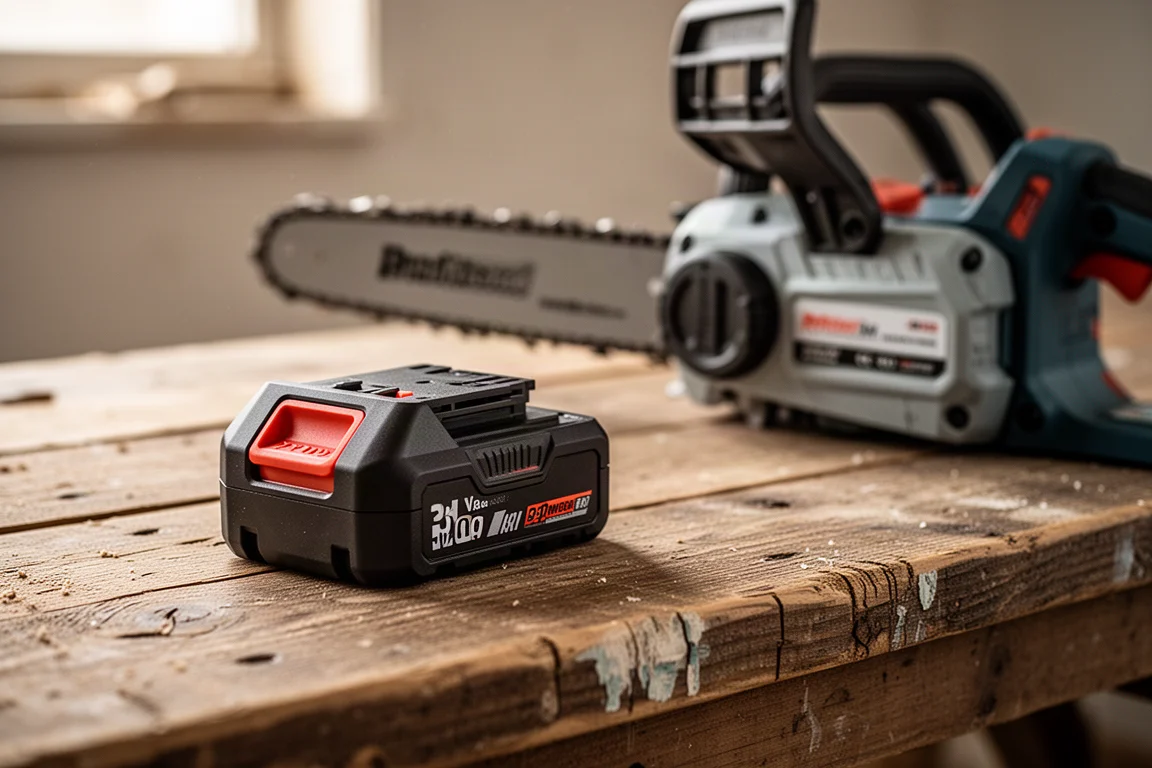
The key design difference is the dual-battery platform. Running two batteries shares the thermal load between them, so the batteries overheat slower than a single large pack would in a competitive single-battery saw. That is a major reason to choose this platform for sustained commercial work.
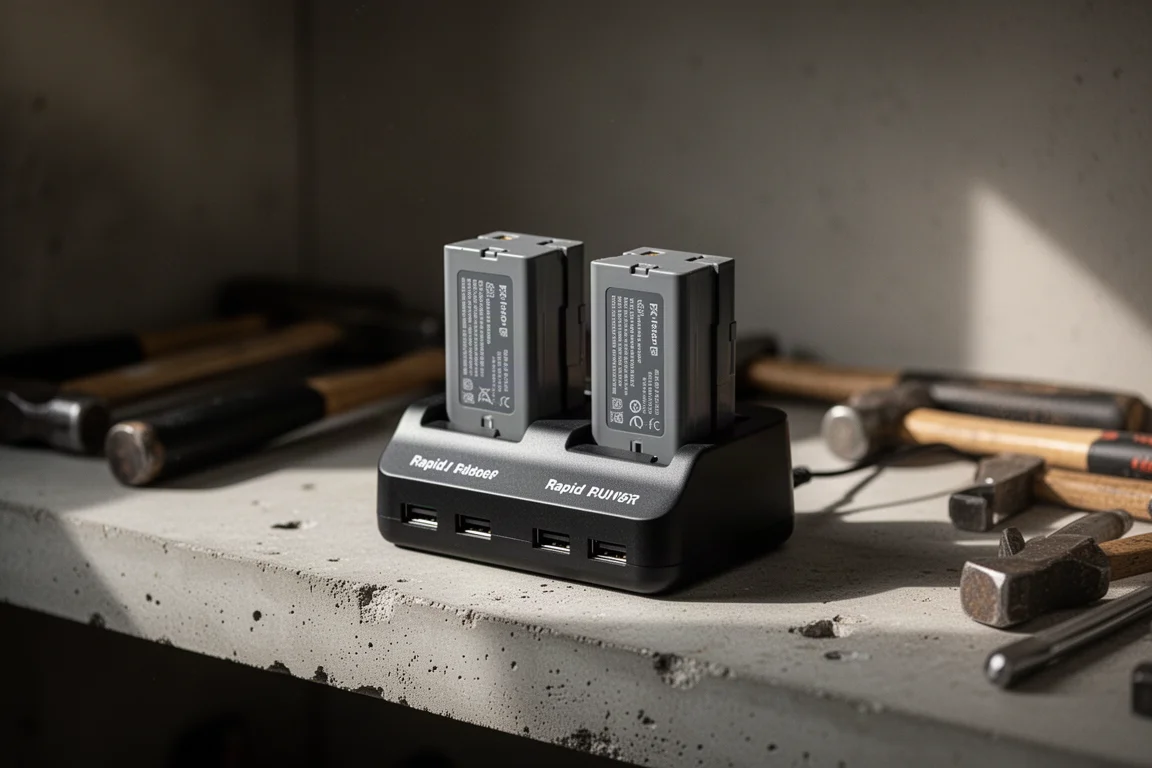
With two 5.0Ah packs, expect to swap batteries at around two bars remaining under heavy load, letting them cool, and rotating spares all day. For a large property job, at least eight batteries and two dual rapid chargers will let one saw run nearly non-stop, though even then the saw motor itself may need a few minutes to cool after two to three full battery sets.
Battery Life: The Real Cost of Going Cordless
With a gas saw, you buy more fuel. With a cordless saw, batteries are the fuel, and you can never have too many. The 18V saw is gentle on packs because the workload is light. The 36V saw under heavy load is a different story: a full day of big cleanup can burn through ten or more batteries per person.
Deals matter here. Kit promotions frequently bundle extra batteries with a saw purchase, and buying saws and batteries on sale rather than at full retail makes a large battery collection far more affordable. At full retail, building a serious battery fleet adds up quickly, so patience pays off.
Heat Management: The Biggest Enemy of Battery Saws
Heat, more than anything else, limits how long you can work. Batteries run hot under heavy load, and even with two packs sharing the load, the saw motor itself can overheat after sustained hard cutting, signaled by flashing battery indicator lights. Letting the saw rest for a few minutes brings it back.
That is exactly why some professionals buy two of the same 36V saw: while one saw cools down, the other one is ready to go. For a homeowner cutting on their own property, this matters far less, but it is worth knowing before committing to all-day cordless work.
Which Makita Chainsaw Should You Buy?
If your work is light trimming, limbing, and brush cleanup, the 18V top handle is the right tool: compact, light, and pleasant to use for short sessions. If you are clearing trees after a storm, cutting firewood-sized rounds, or doing commercial yard work, the 36V rear handle is the saw that earns its keep, as long as you budget for batteries and chargers.
And if you regularly cut wood thicker than about two feet in diameter, a gas saw from Stihl or Husqvarna is still the right call. But for the vast majority of cutting jobs, these two Makita saws will get it done without a drop of gasoline.
Conclusion
The Makita 18V top handle and 36V rear handle chainsaws cover complementary ends of the cordless saw spectrum. The small saw excels at precise, light work; the big saw handles most serious cleanup a homeowner or pro will encounter. Plan for batteries, respect the heat, buy on deals where you can, and going cordless becomes a practical choice rather than a compromise.
Further reading
Related Reviews
Power Tools
Best 1-Inch Pistol Impact Wrenches: Three Heavy-Duty Options Compared
We compare three 1-inch pistol impact wrenches, from a budget-friendly Harbor Freight model to a premium Caterpillar unit, to help you choose the right one.
Power Tools
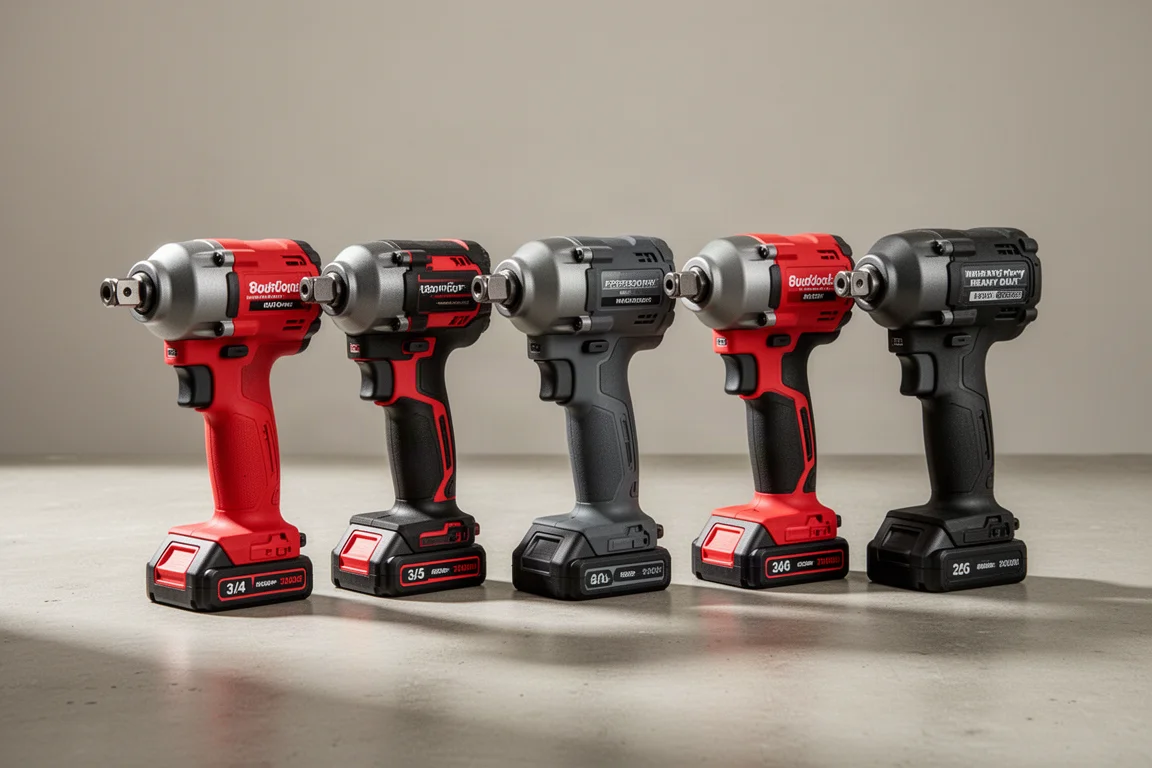
Best 3/4-Inch Impact Wrenches 2026: Five Contenders Compared
We compare five 3/4-inch impact wrenches across price and performance, from a budget Amazon option to Snap-on's most powerful model yet.
Power Tools
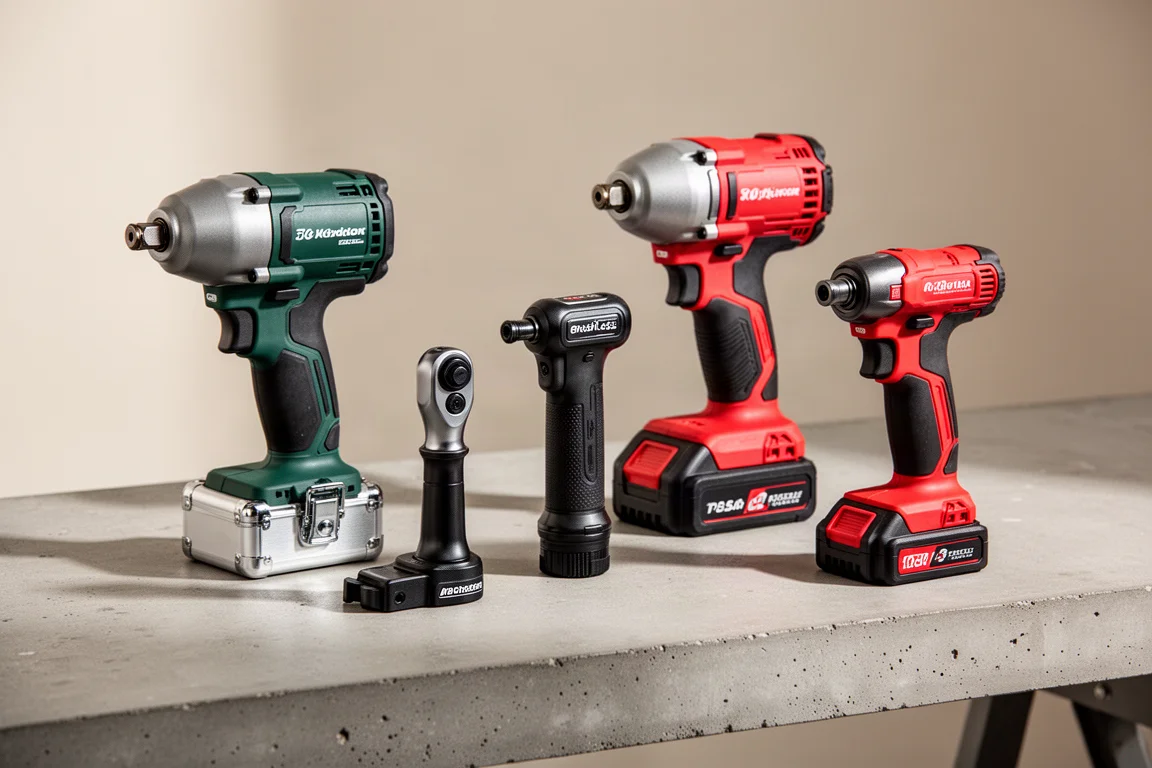
Best Budget Cordless Tools 2026: Walmart Finds That Punch Above Their Price
We tested five cordless tools from Walmart, including a high-torque impact wrench that trades blows with Milwaukee and a $35 duster that outperforms its price class.