Power Tools
Makita ConnectX Direct Connect vs PDC01G6: Which Backpack Battery Setup Makes Sense?
Makita's new ConnectX Direct Connect system promises all-day runtime, but the older PDC01G6 backpack with swappable LXT batteries may be the smarter buy. Here is the full breakdown.
Introduction
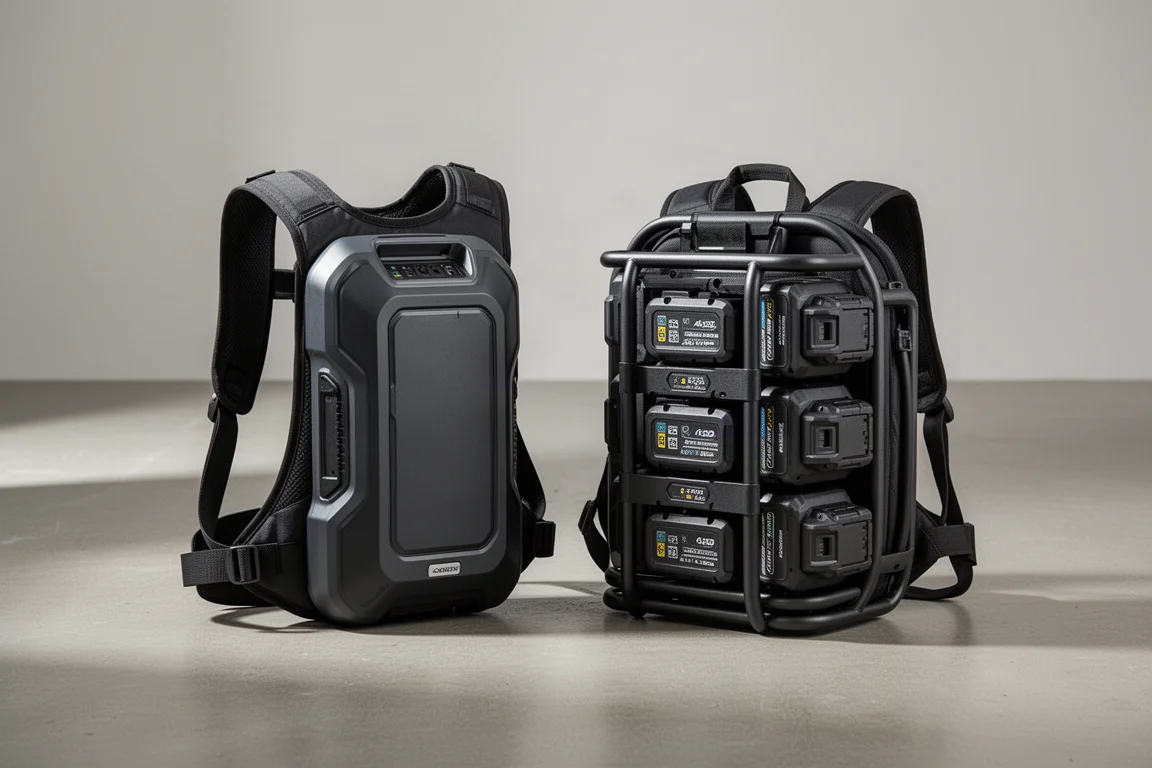
Makita’s new ConnectX Direct Connect system is built around a simple idea: one integrated battery backpack that claims to run commercial tools all day on a single charge. On paper, it sounds like the future of cordless outdoor power equipment. But once you look at how the system actually works, what it costs, and what Makita already offers, some practical questions come up fast.
This breakdown compares the new ConnectX Direct Connect system against Makita’s older PDC01G6 backpack battery, which takes swappable LXT batteries instead of a sealed pack. The differences matter more than you might expect, especially if you run tools for a living.
What Is the Makita ConnectX Direct Connect System?
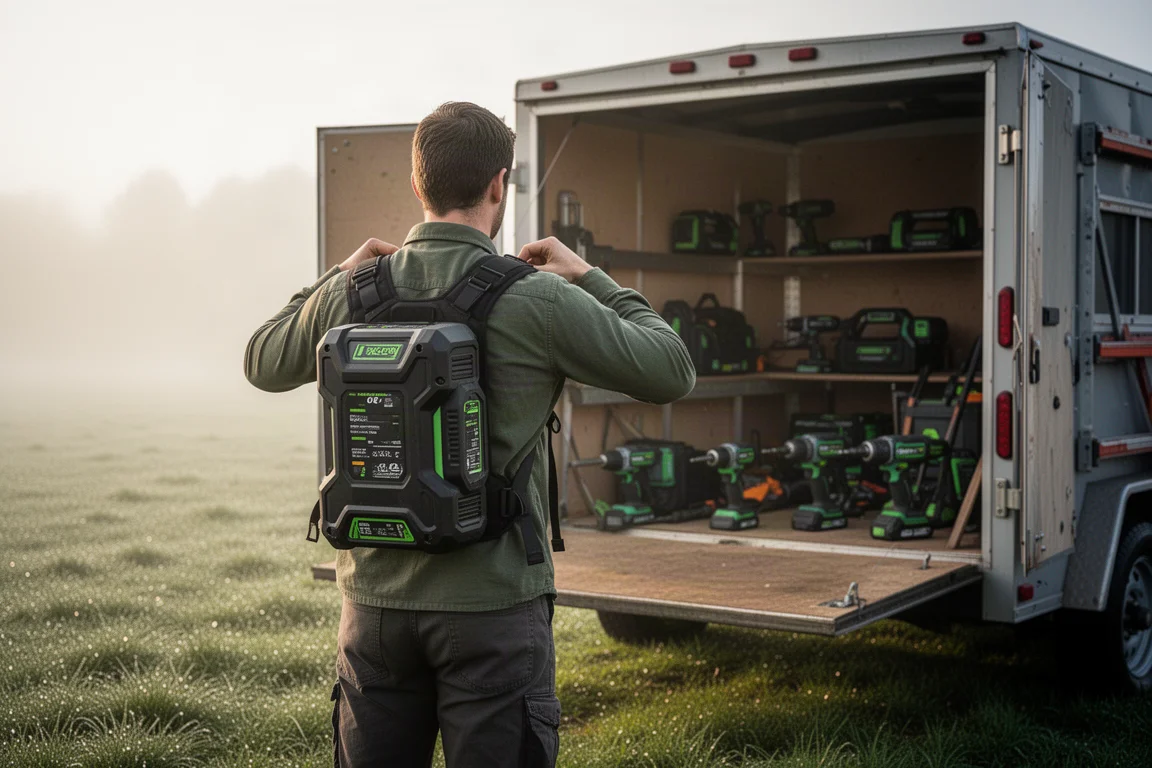
The ConnectX Direct Connect line pairs an integrated battery backpack with a small set of commercial outdoor power tools. The backpack has a built-in battery you charge directly, and Makita claims you can run for essentially a full day on one charge. Adapters are available so the backpack can also power XGT 40V max tools or LXT 36V tools, which adds some flexibility beyond the dedicated Direct Connect tools themselves.
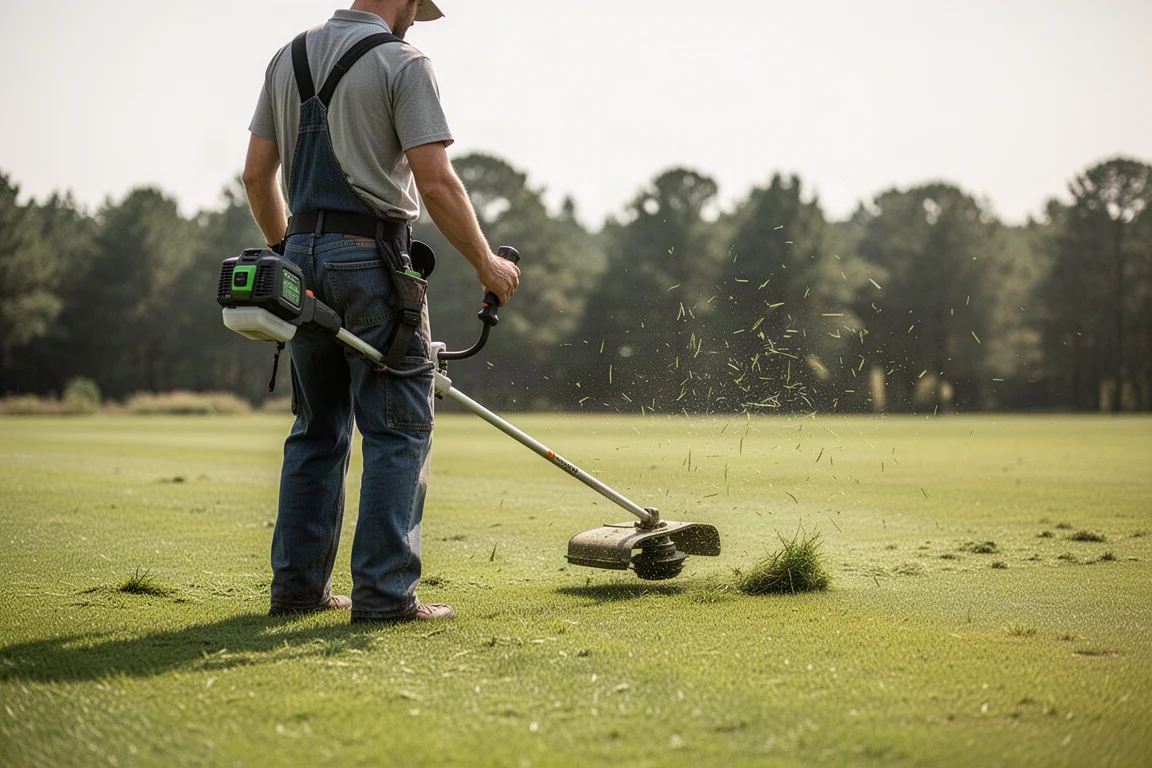
Here is where things get complicated. The dedicated Direct Connect tools currently number just three: a mower, a blower, and a string trimmer. Those tools only work with the Direct Connect backpack. There is no separate battery line for the Direct Connect system the way there is for XGT 40V max or LXT 36V. If something goes wrong inside the backpack, the whole backpack goes down, and you cannot swap anything out in the field.
That lack of modularity is the core tension with this system. Commercial users tend to want flexibility and the ability to keep working when a battery has a problem. A sealed pack does not offer that.
The Case for the PDC01G6
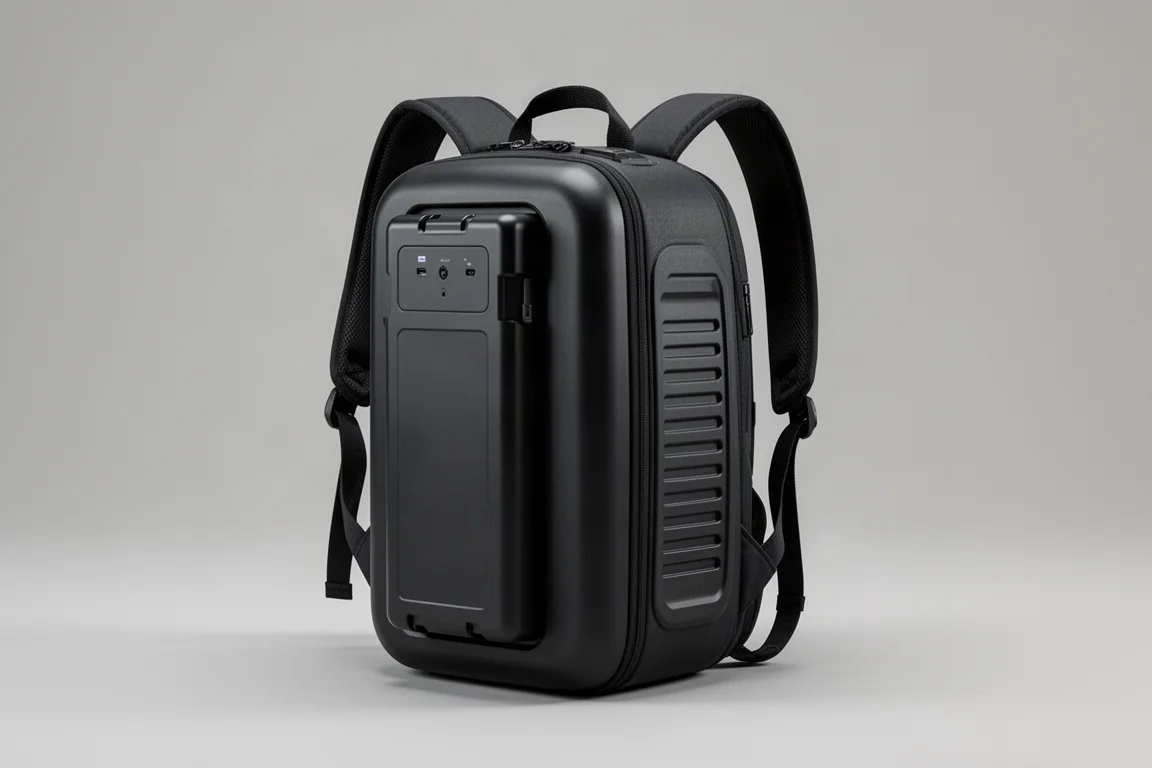
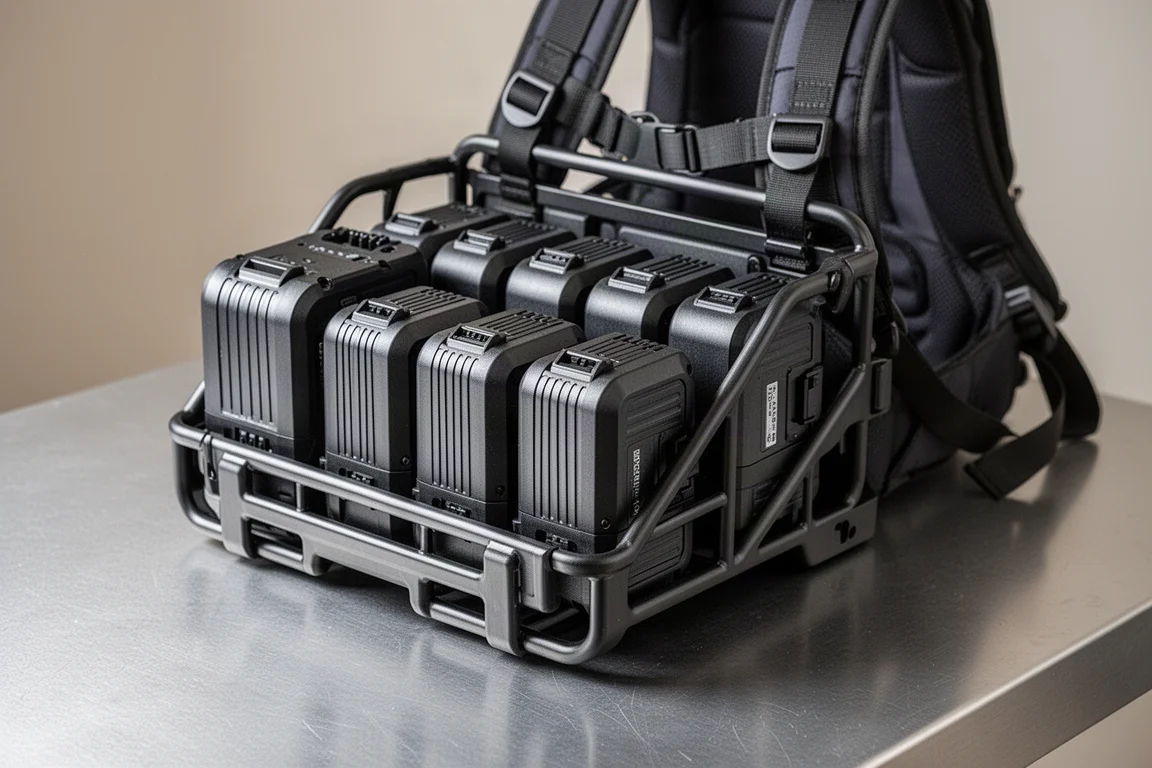
The older PDC01G6 backpack takes a different approach. Instead of one sealed battery, you snap in up to five LXT batteries and you are ready to go. An adapter is also available for running single 18V LXT tools or 36V tools, which covers a huge range of Makita’s existing outdoor lineup.
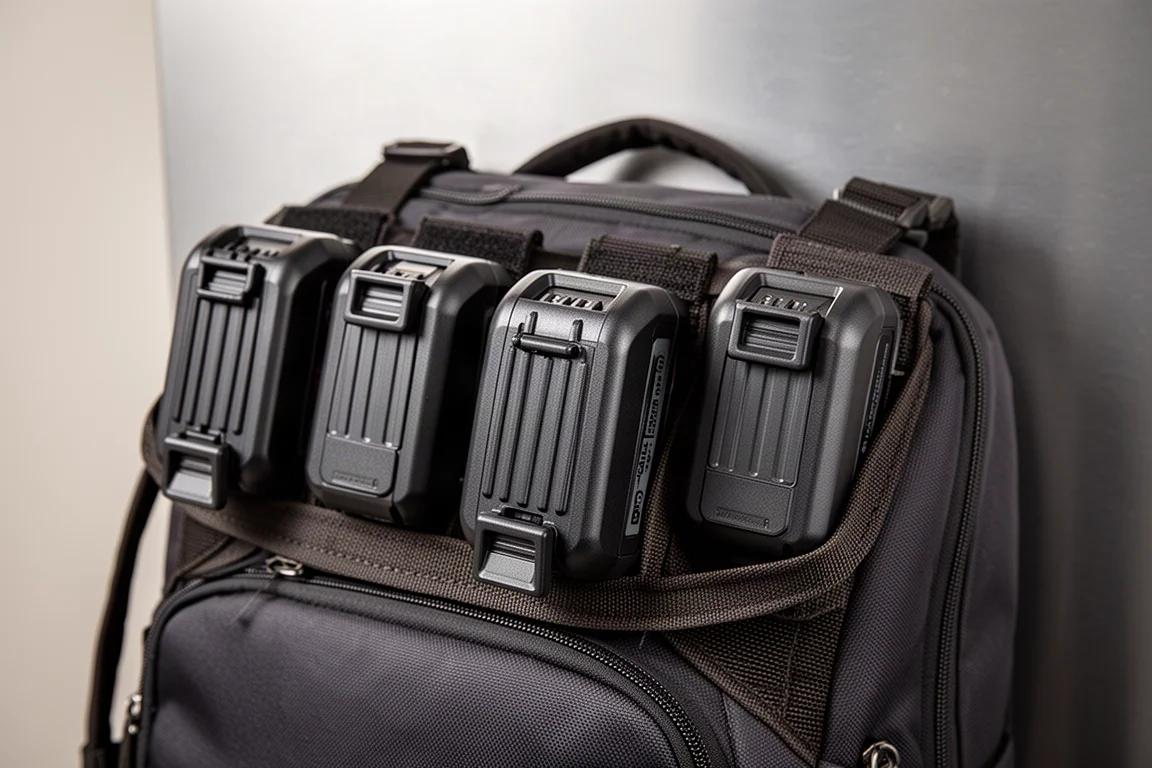
The practical advantage is significant. If one battery develops a bad cell or fails entirely, you swap it out and keep working. You can also rotate spare batteries through the pack in the field rather than being tethered to a single 1,200 watt-hour unit. If you already own LXT batteries, you may not need to buy the batteries at all.
The adapter setup means one backpack can serve both 18V and 36V tools, which suits users who run both lines, whether that is mowing the yard or handling a full day of commercial work.
Cost Comparison: What Your Money Actually Buys
The ConnectX backpack runs about $1,500 at Acme Tools before you buy a single tool. Add the three Direct Connect tools and you are looking at close to $3,000 all in. That is serious money, and it buys you into a line with only three tools and no swappable battery ecosystem.
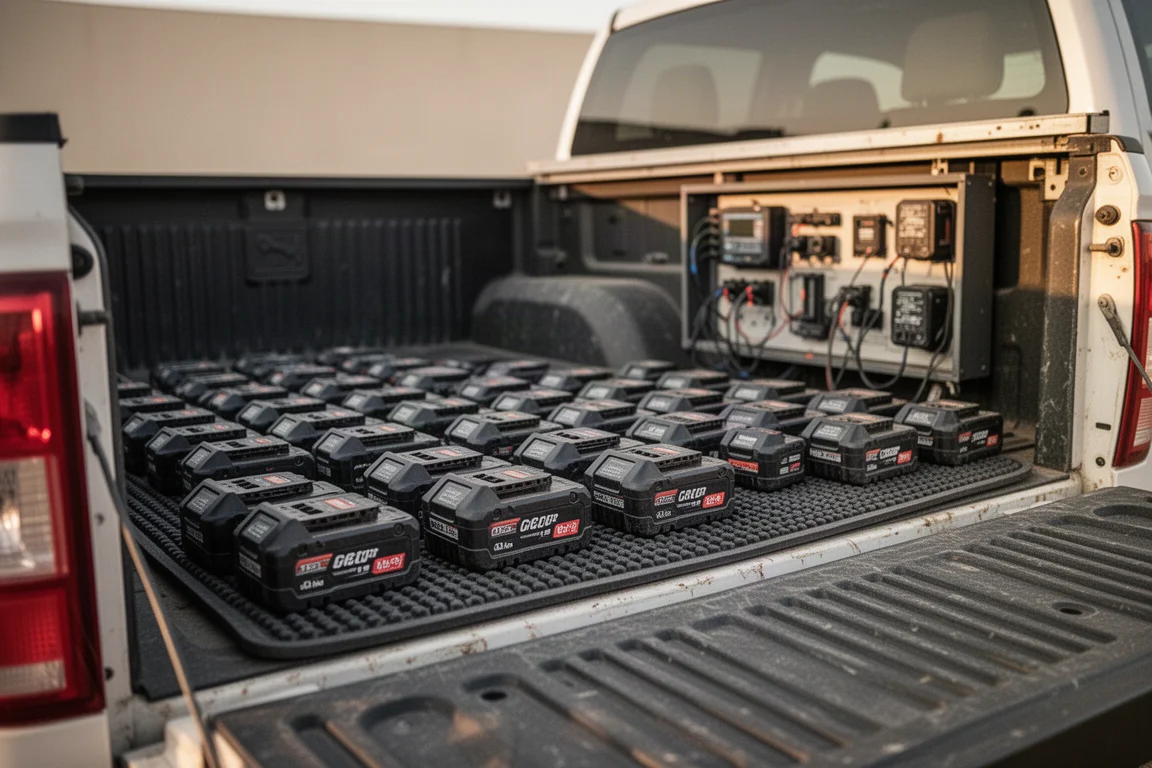
The PDC01G6 route works out very differently. You can buy the backpack plus five additional batteries for well under $800 beyond the backpack itself, and if you already have LXT batteries on hand, the math gets even better. On a watt-hour basis, roughly 13.3 LXT 5.0Ah batteries match the 1,200 watt-hour capacity of the ConnectX pack, and Makita has historically run generous LXT battery promotions, including tool kits that bundled multiple 5.0Ah batteries at prices comparable to the ConnectX backpack alone.
There is also a comparison worth making with the competition. At the $3,000 mark for a full Direct Connect setup, you can approach the price of a complete EGO commercial system, and EGO already runs riding mowers off the same batteries that power its string trimmers and blowers. Makita has not shown anything comparable for ConnectX yet.
The Platform Risk Nobody Talks About
There is a historical lesson here. DEWALT launched a 40V outdoor power tool system a few years back that was dedicated to one job, and buyers were hesitant precisely because committing to a specialized platform means betting it will be supported long term. The same hesitancy applies to ConnectX.
Buyers who already run Makita are likely already invested in XGT or LXT outdoor tools, or both. Those lines have expansive tool catalogs, cheap and readily available batteries, and every reason to stick around. A third platform that only works with a $1,500 backpack and three tools asks buyers to accept real discontinuation risk. If Makita ever stops selling Direct Connect, owners are left without a supported path forward. That uncertainty alone is enough to keep many buyers on XGT and LXT.
Buying Advice
For most buyers, the smarter play is to stay flexible. If you already own LXT batteries, the PDC01G6 with its adapter gives you a backpack solution without locking you into a sealed system, and a single failed battery becomes a minor inconvenience instead of a dead backpack. If you are starting a lawn care operation, building on LXT and gradually adding XGT as deals appear remains the more resilient strategy.
View more details for Makita ConnectX Direct Connect System
View more details for Makita PDC01G6 Backpack Battery
Conclusion
The ConnectX Direct Connect system is genuinely interesting technology: an integrated backpack with all-day claimed runtime and adapters for XGT and LXT compatibility. But with only three dedicated tools, a sealed battery you cannot service or swap, and a full setup approaching $3,000, it is a tough sell against the PDC01G6 and the vast, proven LXT and XGT ecosystems. Swappable batteries, field-serviceable power, and affordable expansion still win for most commercial users. Until ConnectX offers more tools, better flexibility, or clearer long-term commitment, the older modular approach looks like the better investment.
Further reading
Related Reviews
Power Tools
Best 1-Inch Pistol Impact Wrenches: Three Heavy-Duty Options Compared
We compare three 1-inch pistol impact wrenches, from a budget-friendly Harbor Freight model to a premium Caterpillar unit, to help you choose the right one.
Power Tools
Best 3/4-Inch Impact Wrenches 2026: Five Contenders Compared
We compare five 3/4-inch impact wrenches across price and performance, from a budget Amazon option to Snap-on's most powerful model yet.
Power Tools
Best Budget Cordless Tools 2026: Walmart Finds That Punch Above Their Price
We tested five cordless tools from Walmart, including a high-torque impact wrench that trades blows with Milwaukee and a $35 duster that outperforms its price class.