Power Tools
Makita HR010G vs DHR183 vs HR001G: Compact Rotary Hammers Compared
Makita's new small rotary hammers pack surprisingly capable performance, and a clever clip-on dust extractor ties the package together.
Introduction
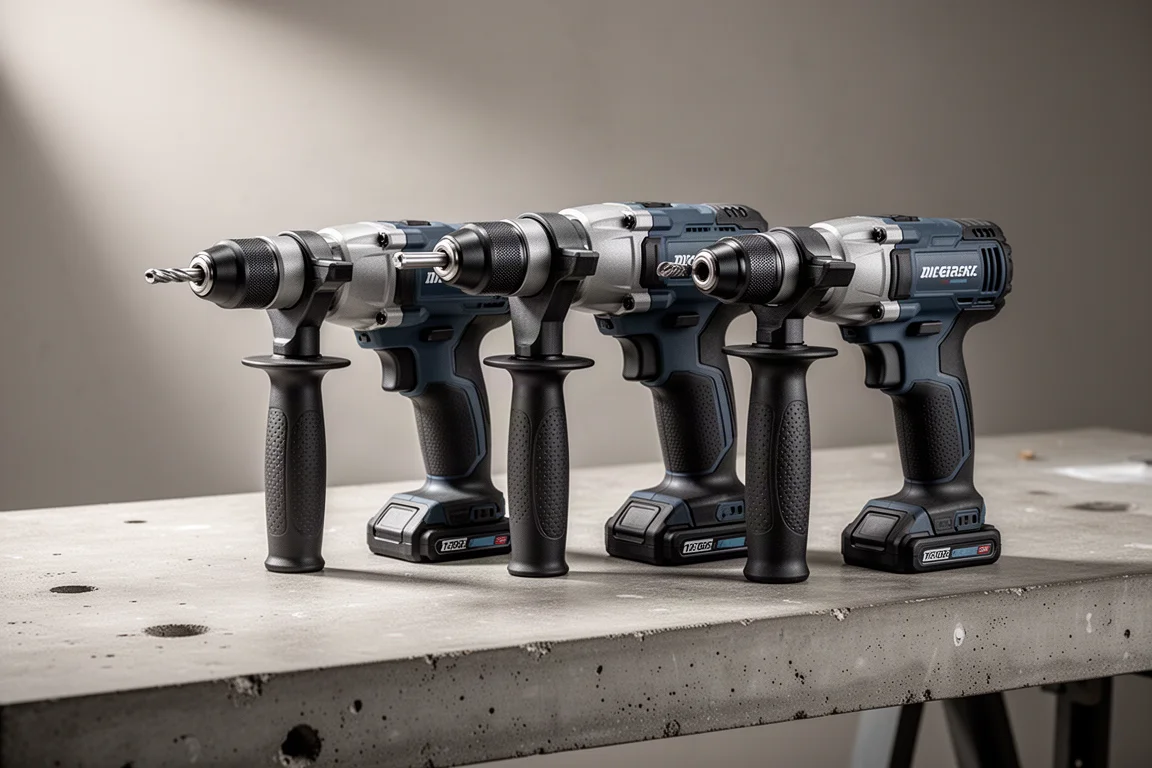
Makita has quietly refreshed the compact end of its rotary hammer lineup, and the new tools are genuinely small. The headline pair is the 40V XGT HR010G and the 18V LXT DHR183, released close together, with the larger 40V HR001G still holding down the heavy end of the range. All three share an SDS Plus chuck, and all three can take Makita’s DX16 clip-on dust extractor, which turns an already tidy tool into a genuinely clean-drilling setup.
This comparison looks at what each tool is rated for, how they differ, and which one makes sense depending on the kind of holes you actually drill.
Makita HR010G: The New Compact 40V XGT Option
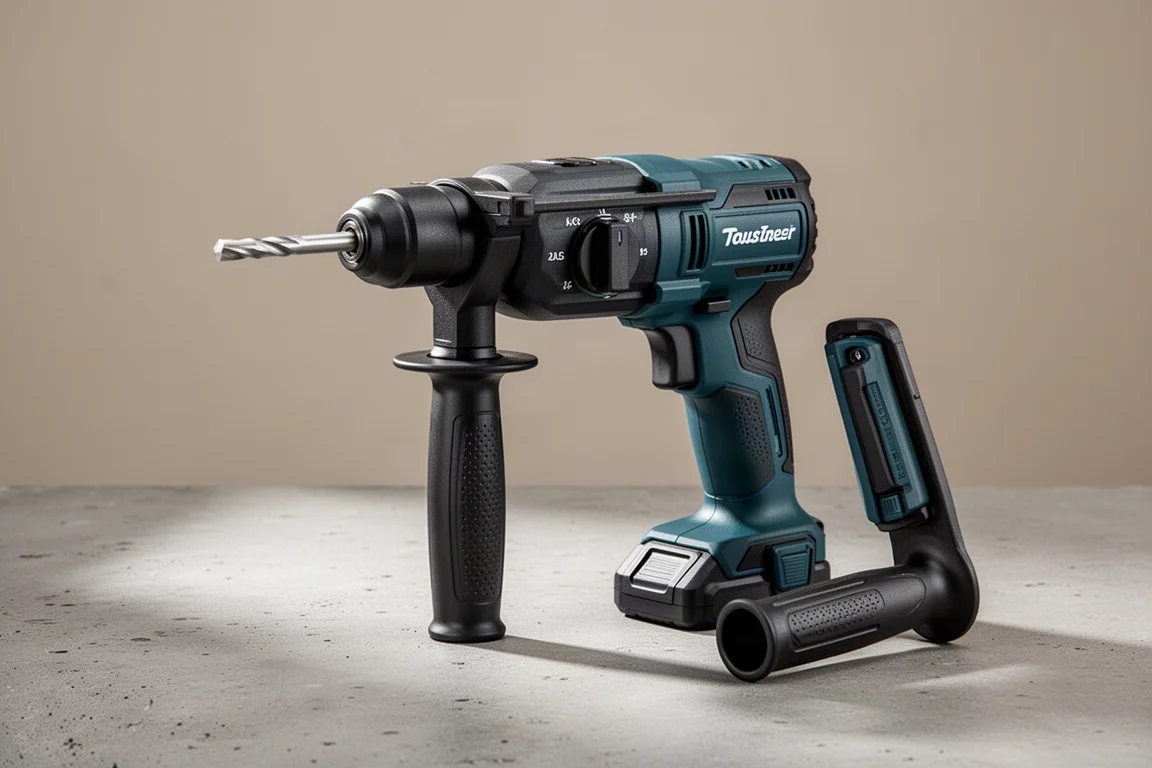
The HR010G is a right little cutie of a rotary hammer, but it is rated for holes up to 20 millimeters in diameter, which covers most everyday anchoring work. It puts out 2 joules of impact energy, spins at up to 1,350 RPM, and delivers 5,000 impacts per minute. Makita lists it with a 1,000-watt motor, though published specs should be treated with some caution since several listed figures appear inaccurate.
Despite its size, it keeps features you might expect to lose: it has AWS for dust extraction connectivity, a work light on the front, and even a hammer-only mode for light chiselling. What it lacks is a variable speed dial and the bigger hooks of its sibling, and its side handle is fiddly to fit and remove.
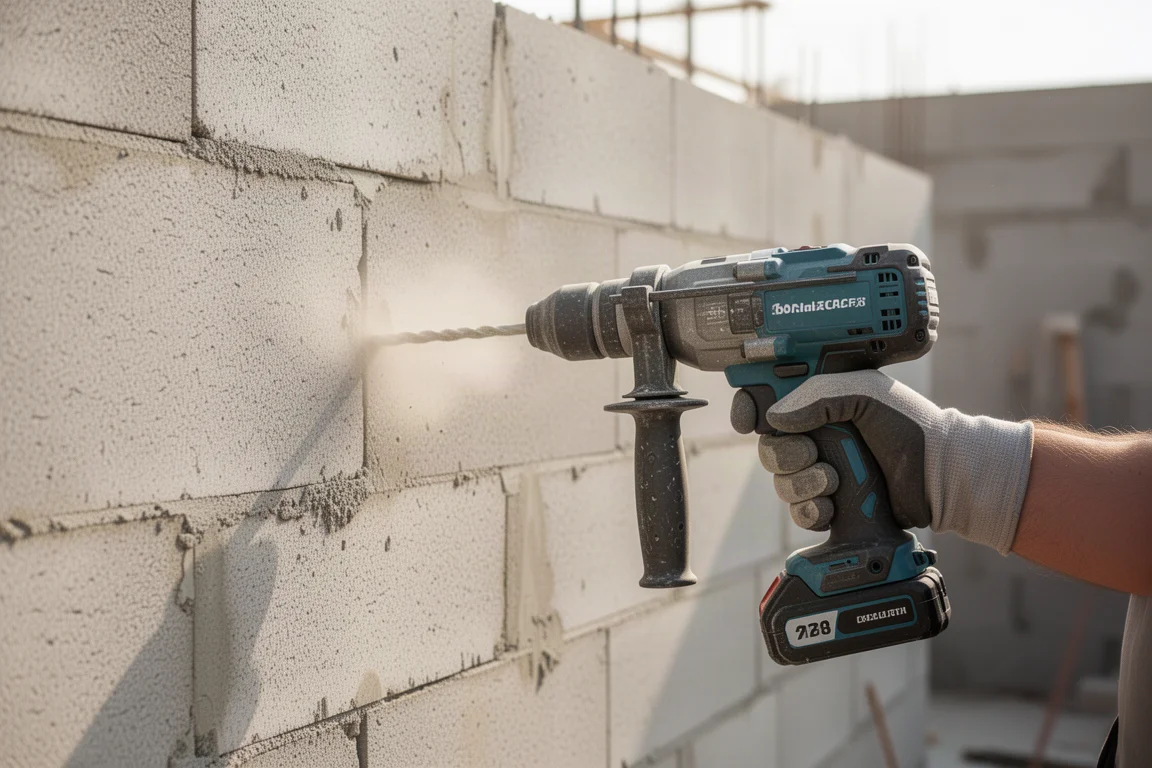
For most people who rarely drill past 16 to 20 millimeters, this could genuinely be the only rotary hammer they need.
Makita DX16 Dust Extractor: The Attachment That Changes Everything
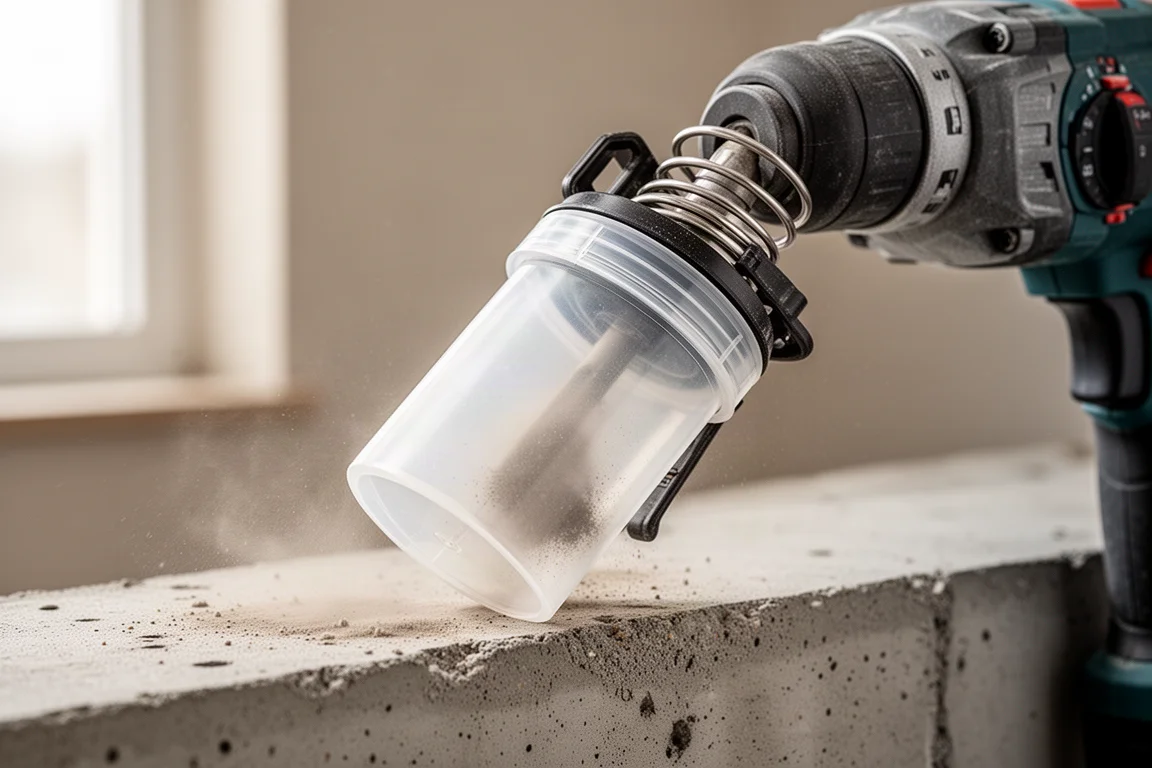
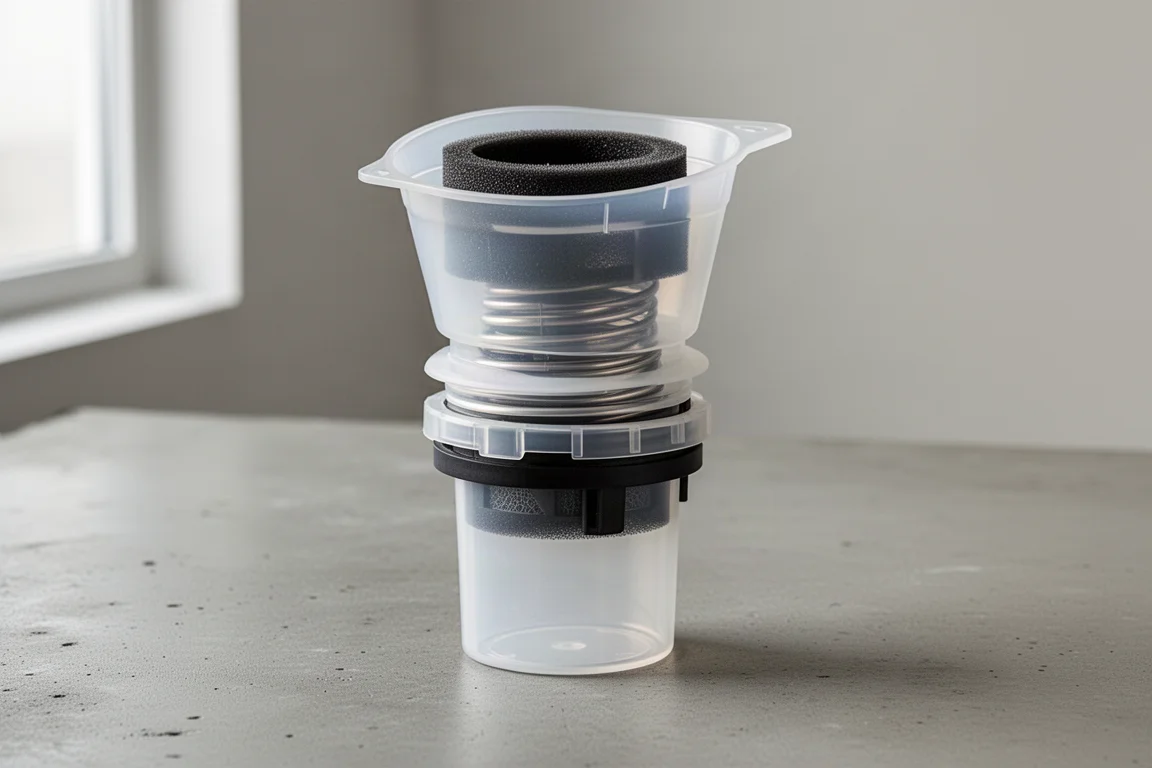
The DX16 is a small dust extractor cup that hooks onto the front of all three tools. On the 18V and new 40V models it is powered by the fan airflow within the tool itself, so there is no external vacuum and no big annoying hose. A spring-loaded collar keeps the seal pressed against the wall so it catches dust right where the bit enters the surface.
In testing, once the extractor was in contact with the wall, dust stopped pouring down entirely, and a single hole filled a noticeable amount of the canister. It has a manual thumper for cleaning the filter, two depth stop settings, and it pulls apart easily for emptying. It weighs roughly 900 grams with half a load of dust, so on the 18V tool you are looking at around two and a half kilos total, and closer to three kilos on the new 40V. Note that long bits limit its plunge depth, only about 100 millimeters, so deeper holes reduce its effectiveness.
Makita DHR183: The Lightweight 18V LXT Alternative
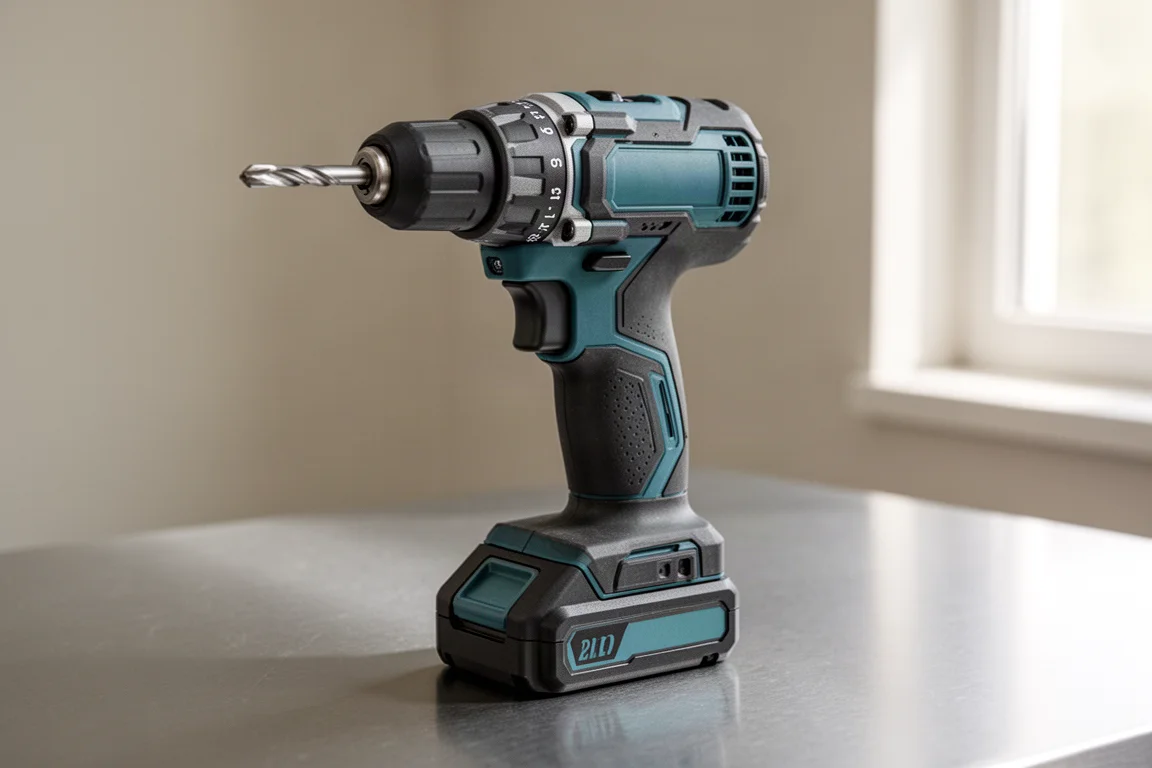
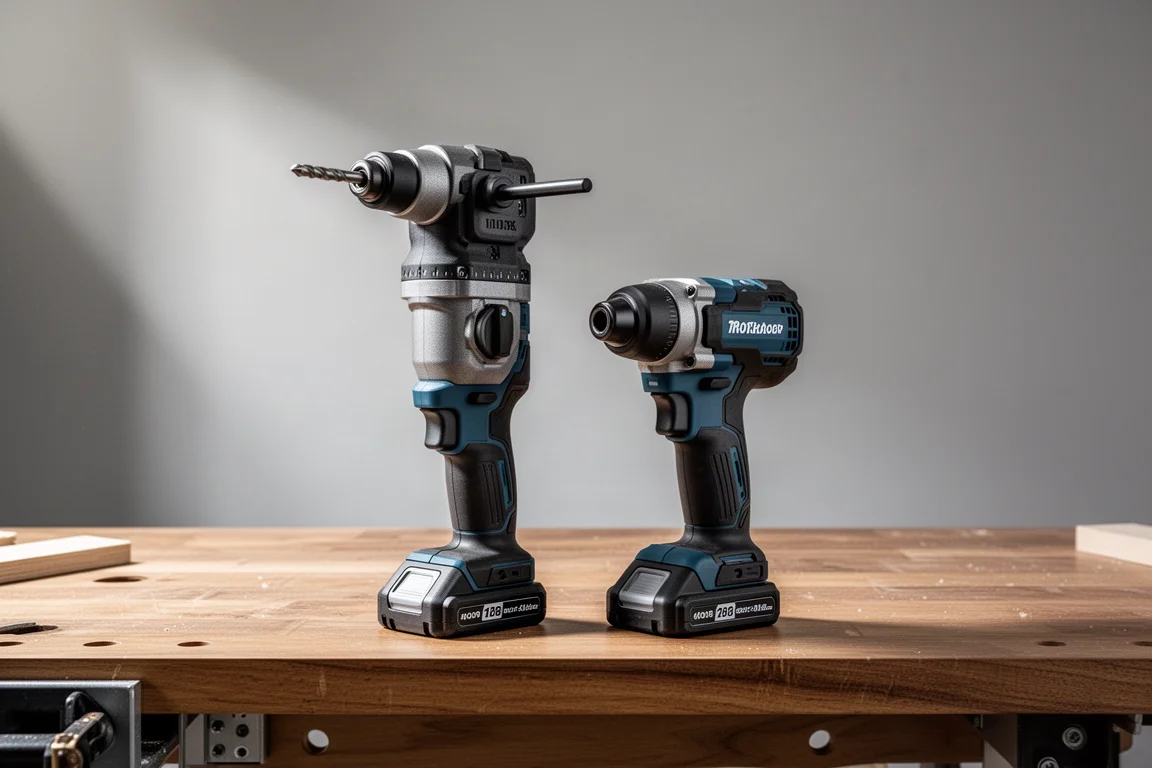
The DHR183 is the 18V LXT version, and it is the lightest of the three at about 1.6 kilograms bare, or around 1.75 with the handle. It is rated to 18 millimeters, produces 1.7 joules of impact energy, and runs at up to 1,350 RPM with 5,000 impacts per minute.
Unlike its 40V sibling, it has no hammer-only mode, so it is limited to drilling and hammer drilling. It also lacks AWS, so the DX16 on this tool runs purely from internal fan airflow. It does share the variable speed trigger, and its weight is a genuine pleasure to hold: it is so light and balanced that you will want to pick it up even without the extractor attached.
If you are an electrician drilling small 5 or 6 millimeter anchor holes all day, this thing will just keep punching away with no effort, and it keeps the job clean.
Makita HR001G: The Original Bigger 40V Benchmarks
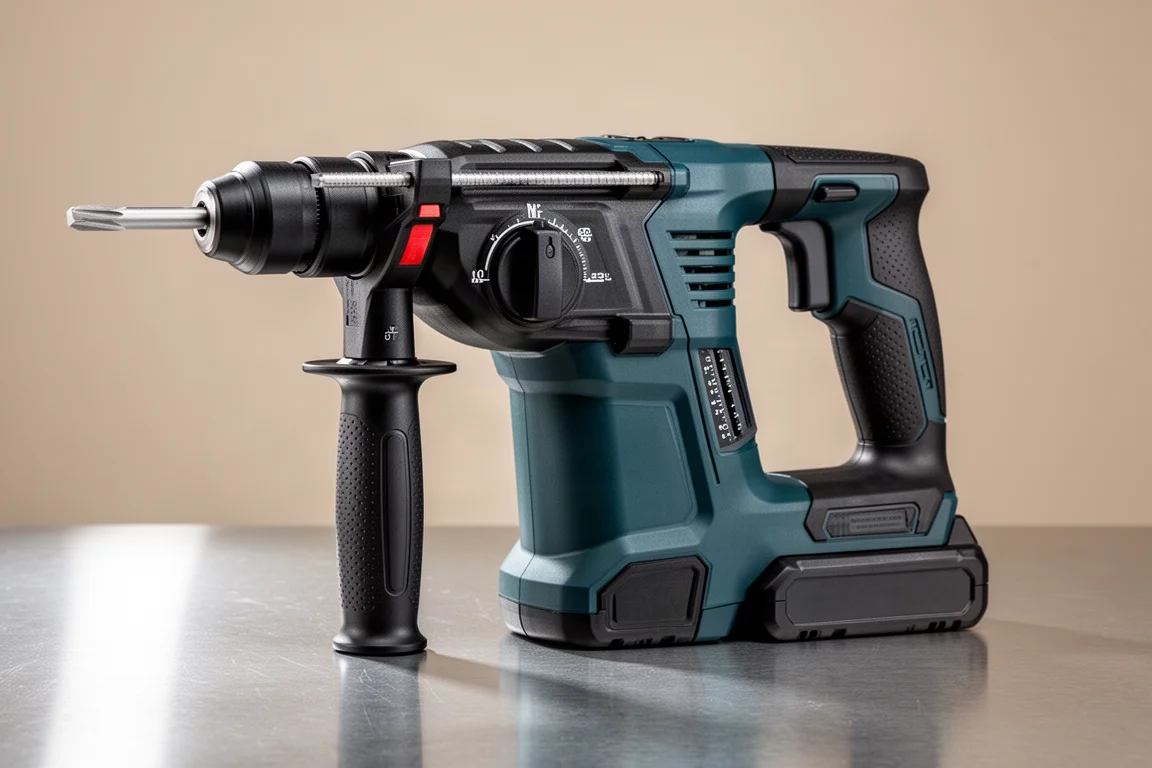
The HR001G remains the big original 40V filler tool: 28 millimeter capacity, 2.8 joules of impact force, 3.2 kilograms bare, up to 980 RPM, and the lowest vibration figure of the three at 7 meters per second thanks to its extra mass. It has AWS, a variable speed dial for setting a constant speed, a hammer-only mode, and a beefy hook.
It is, however, the slowest of the three in rotation speed, and its DX16 variant has actual battery power feeding the vacuum attachment, making it a much chunkier unit overall. It remains the tool to pick when you genuinely need holes larger than 20 millimeters or serious chiselling.
How They Performed in Real Drilling
Both new tools handled the test task, driving long half-inch bits deep into concrete-filled block walls, but the 40V had noticeably more oomph and was far harder to slow or stall. The 18V got the job done but you can hear it struggling, and its smaller battery depleted to at least halfway after eight holes, suggesting roughly 14 to 16 holes per 2.5Ah charge.
In a 16 millimeter head-to-head, the higher RPM of the new 40V helped it keep pace despite the bigger tool’s lower speed rating. The HR010G’s hammer-only mode did manage light chipping of grout and quick-set material with an 8Ah battery, though it doubled the tool’s weight and it is clearly not for smashing up slabs. Vibration is lowest on the HR001G, followed by the 18V, with the new compact 40V the worst of the three at 8.5 meters per second.
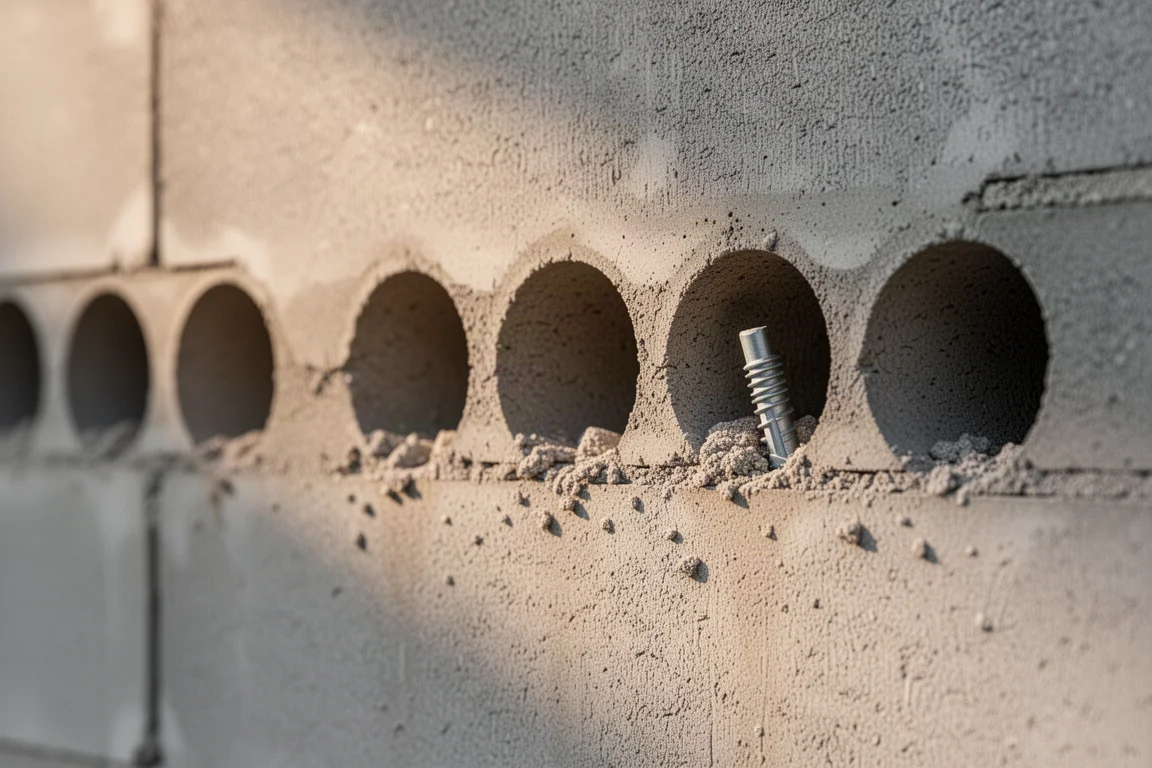
One recurring criticism across all three: the side handles are poorly designed. They are clunky to attach and remove, catch on the chuck’s pull piece, and click into odd angles. It is the one feature that lets these otherwise excellent tools down.
Which One Should You Buy?
If you rarely drill beyond 20 millimeters and want the best balance of power, compact size, chiselling ability and AWS support, the HR010G is the most capable all-rounder here. If you are already invested in LXT, want the absolute lightest option, and only drill with hammer, the DHR183 is superb for small anchor work. The HR001G remains the choice for larger holes and lower vibration. Whatever you pick, the DX16 is a genuinely well-designed add-on that keeps the dust off your lungs and out of the air.
Conclusion
Makita’s new compact rotary hammers prove that small no longer means compromised. The 40V HR010G brings chipping, AWS and sustained power in a palm-sized body, the 18V DHR183 delivers unmatched lightness for repetitive small-hole work, and the HR001G still owns the heavy-duty end. Pair any of them with the DX16 and you get a drilling setup that is clean, fast and pleasant to use.
Further reading
Related Reviews
Power Tools
Best 1-Inch Pistol Impact Wrenches: Three Heavy-Duty Options Compared
We compare three 1-inch pistol impact wrenches, from a budget-friendly Harbor Freight model to a premium Caterpillar unit, to help you choose the right one.
Power Tools
Best 3/4-Inch Impact Wrenches 2026: Five Contenders Compared
We compare five 3/4-inch impact wrenches across price and performance, from a budget Amazon option to Snap-on's most powerful model yet.
Power Tools
Best Budget Cordless Tools 2026: Walmart Finds That Punch Above Their Price
We tested five cordless tools from Walmart, including a high-torque impact wrench that trades blows with Milwaukee and a $35 duster that outperforms its price class.