Power Tools
Makita Compact Job Site Blower Review: A Small Tool That Earns Its Spot
A close look at Makita's compact job site blower: three speed settings, one-handed control, and slow battery drain for quick workshop cleanups.
Introduction
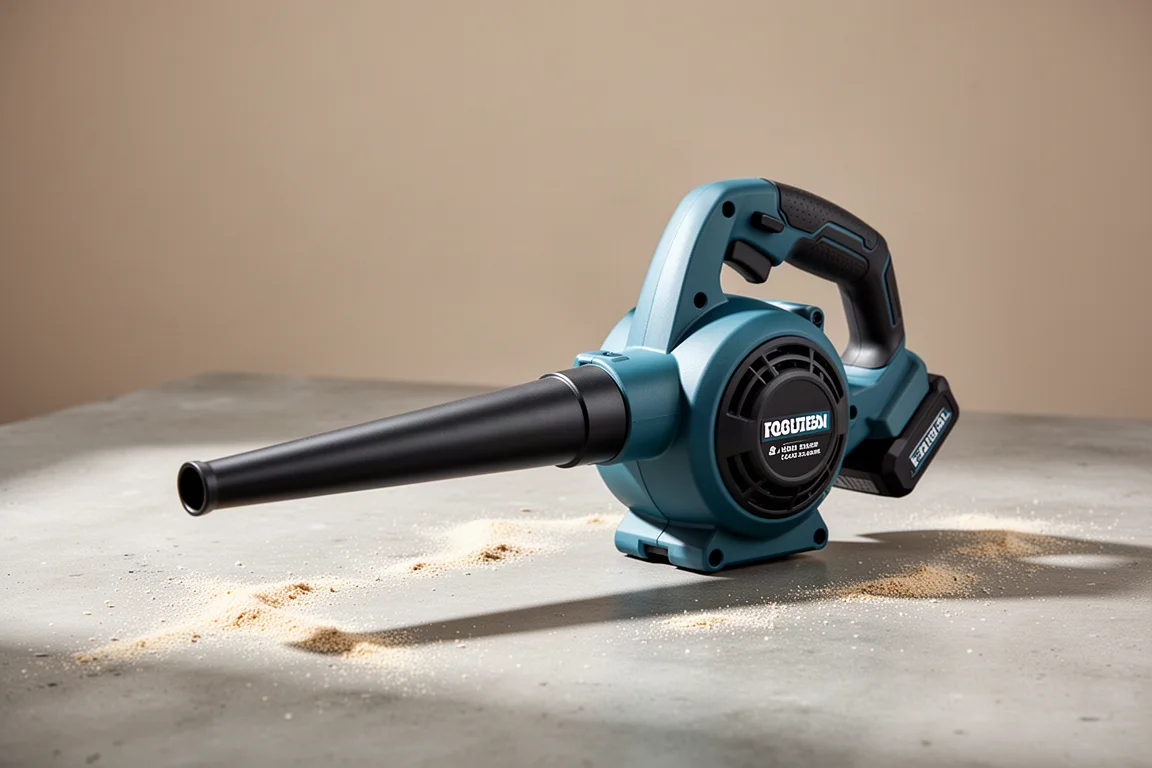
Compact job site blowers have become a staple in nearly every major tool brand’s lineup, and most of them look strikingly similar. Some differences show up in the trigger design, but for the most part these “mini” blowers differ mainly in color, and it would not be surprising if they perform at a similar level across brands. Makita’s version stands out mostly because of how it fits into an existing battery ecosystem, and because it can often be found at a much better price than buying it standalone.
Out of the Box and First Impressions
Assembly is about as simple as it gets: the nozzle comes detached, and attaching it is the only setup required. Once that is done, the tool is ready to go.
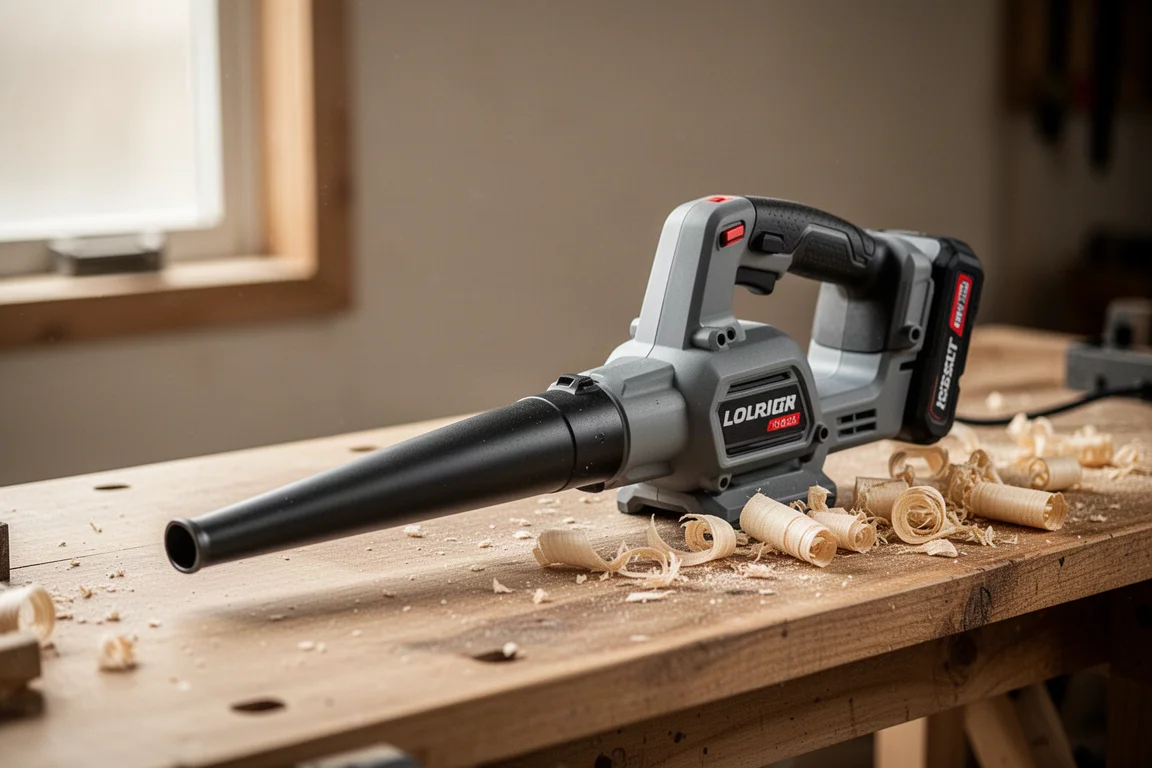
The overall size and weight are genuinely tiny. The widest point is the motor housing, and the whole unit is comfortable to hold in one hand all day long. It is easy to maneuver and never feels cumbersome, which is exactly what you want from a tool designed for quick spot cleaning.
Three Speed Settings With a Twist
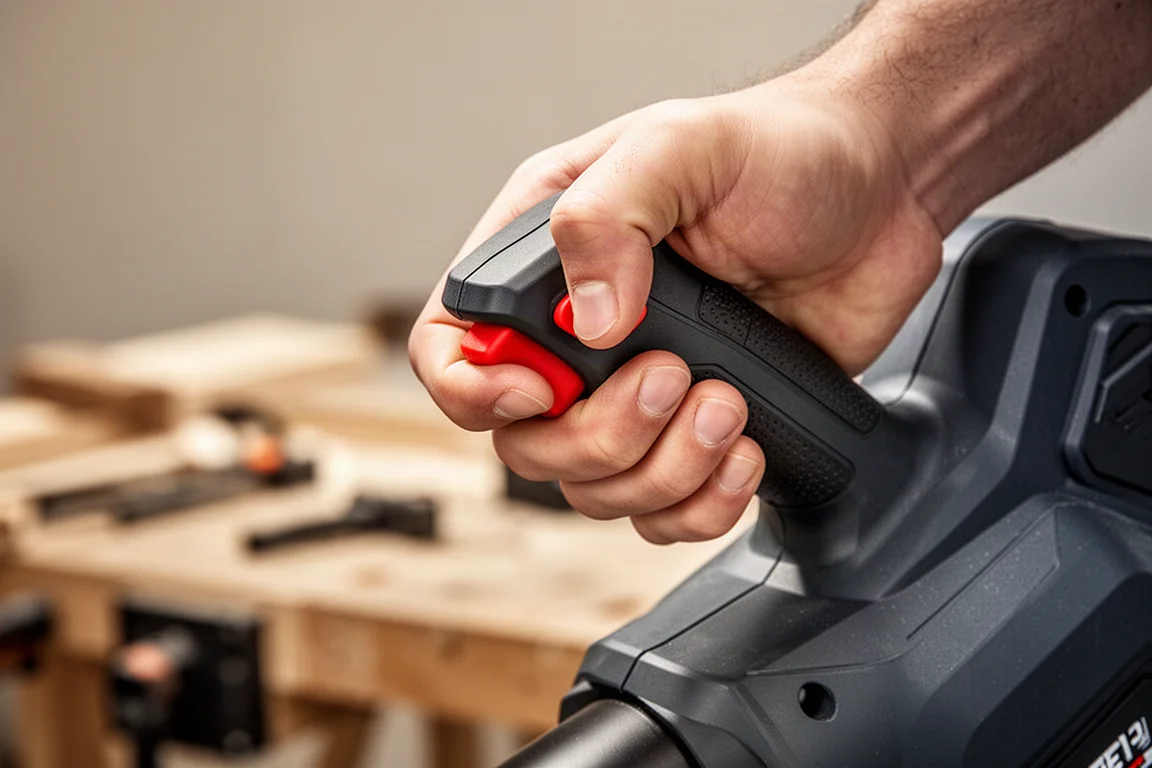
Makita’s compact blower has three speed settings, and the way they work is slightly unusual. The trigger travel is limited by the selected speed: on speed one, the trigger only pulls partway in; on speed two, it pulls farther; and on speed three, it pulls all the way in. It is a small design detail, but a genuinely useful one for controlling airflow.
Why a Small Blower Beats the Big One
It is easy to dismiss these mini blowers when you already own a full-size model for driveway cleanup. The value only becomes obvious once you start using one. Clearing off a workbench with a large blower means standing several feet back and scattering debris everywhere. With the compact version, you can blow a precise area clean quickly and without creating a big cloud of dust.
For smaller to mid-size woodworking projects, this controlled airflow is a real advantage: chips and debris can be swept into one area rather than blown across the entire shop. For quick little cleanups in smaller spaces, these compact blowers are genuinely handy.
Battery Life and Durability
Battery drain is impressively slow. With a 5.0Ah battery installed, roughly two dozen or more uses over nearly two months only dropped the charge to about two bars. The small motor simply does not draw much power, so batteries seem to last almost forever on a tool like this.
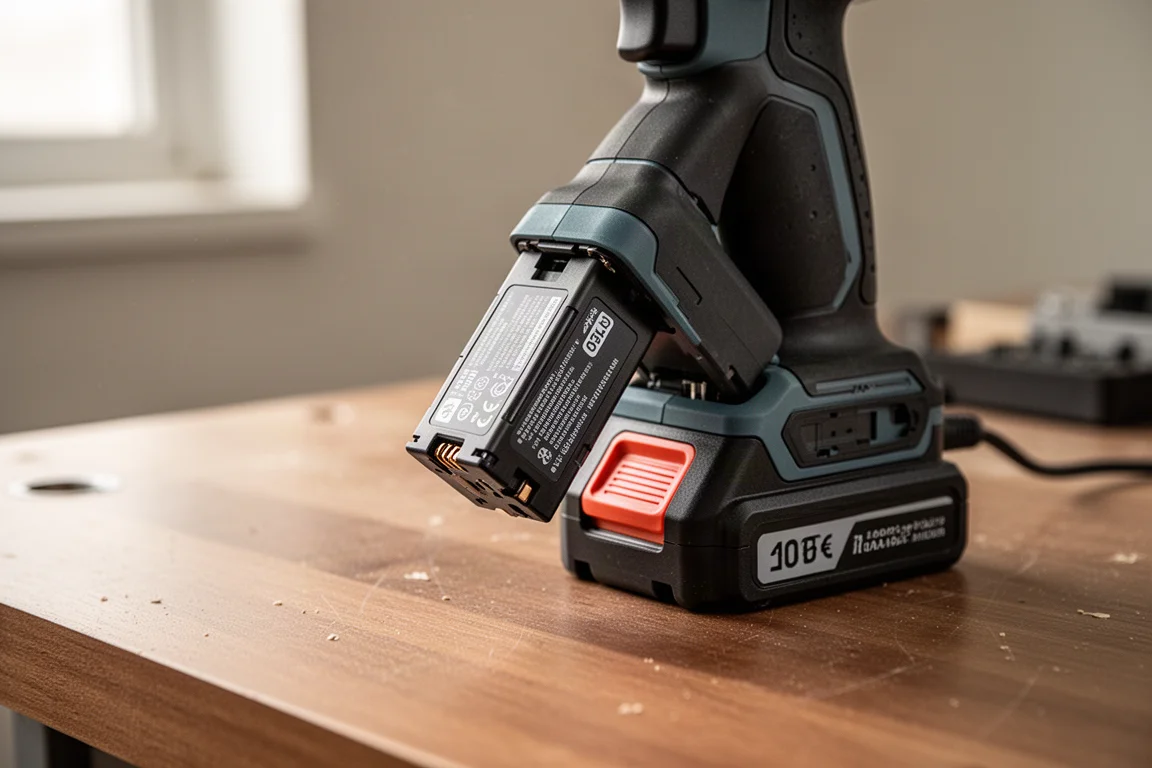
Durability has also held up well. The blower has survived a number of drops with no real issues, which adds confidence for a tool that lives on a busy workbench.
Buying Advice: What Price Makes Sense
Standalone pricing on these compact blowers can reach around $100, which is hard to justify. This one was acquired through a larger Makita kit deal that brought the effective cost down to roughly $40. At that kind of price, it is easy to recommend; at $100, it is not.
The practical advice: if your preferred brand makes one of these and you can find it in a kit deal or on sale, it is absolutely worth it for quick cleanups in small areas. If you are paying full standalone price, think twice.
Conclusion
The Makita compact job site blower does one job and does it well: precise, low-dust cleanup of workbenches and small project areas. Three useful speed settings, one-handed size, slow battery drain, and solid drop resistance make it a genuinely useful shop companion, as long as you buy it at a sensible price rather than the full standalone sticker.
Product link
View more details for Makita Compact Job Site Blower
This product is mentioned in the review. Check the specifications, options, and compatibility before buying.
View more details for Makita Compact Job Site BlowerFurther reading
Related Reviews
Power Tools
Best 1-Inch Pistol Impact Wrenches: Three Heavy-Duty Options Compared
We compare three 1-inch pistol impact wrenches, from a budget-friendly Harbor Freight model to a premium Caterpillar unit, to help you choose the right one.
Power Tools
Best 3/4-Inch Impact Wrenches 2026: Five Contenders Compared
We compare five 3/4-inch impact wrenches across price and performance, from a budget Amazon option to Snap-on's most powerful model yet.
Power Tools
Best Budget Cordless Tools 2026: Walmart Finds That Punch Above Their Price
We tested five cordless tools from Walmart, including a high-torque impact wrench that trades blows with Milwaukee and a $35 duster that outperforms its price class.