Power Tool Accessories
Makita Circular Saw Blades Explained: Which Blade for Which Job
From metal-cutting and fiber cement blades to Efficut, fluorine-coated, and the HS011G saw, here is how Makita's circular saw blade range breaks down and which one suits your cutting work.
Introduction
Circular saw blades are not interchangeable bits of steel. Tooth count, tooth geometry, rake angle, kerf thickness, and coating all change what a blade is good at, and using the wrong one costs you finish quality, blade life, and sometimes the material itself. This guide walks through Makita’s circular saw blade range and explains which blade makes sense for timber, metal, fiber cement, composite decking, and the oddball stuff in between.
Blade Sizes: What Fits Where
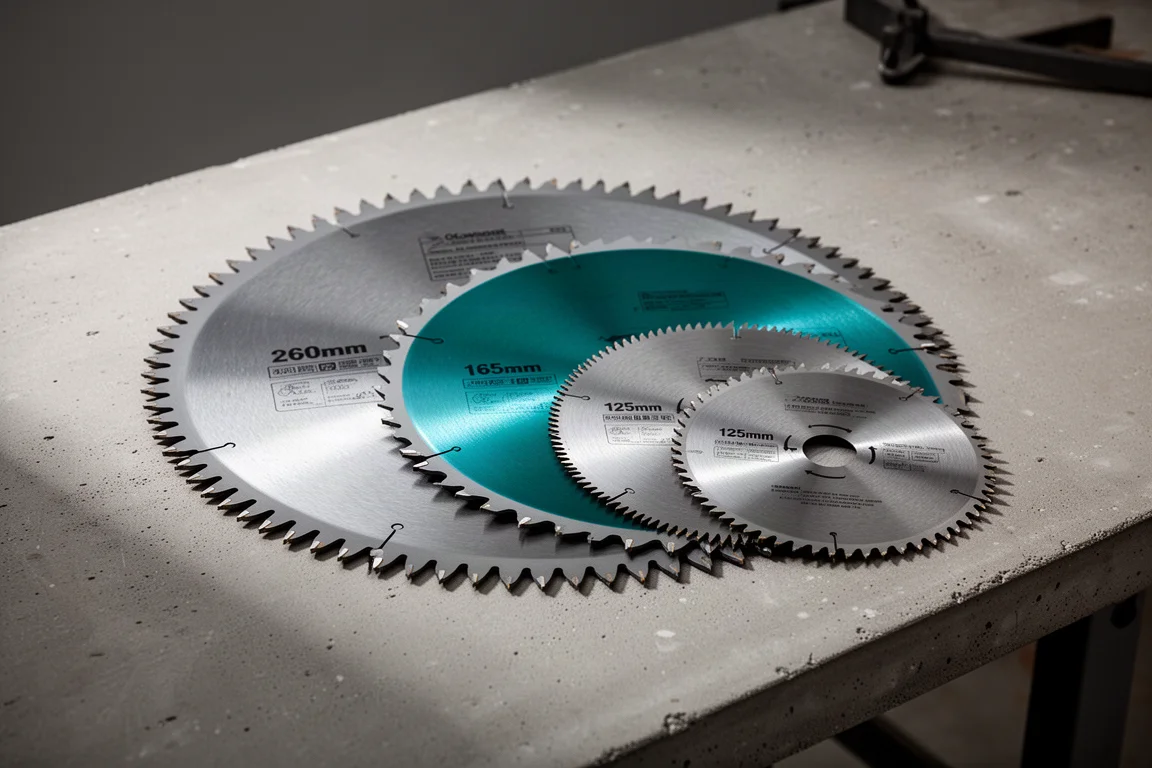
Blade sizes vary by region more than most people expect. 125 mm (5-inch) blades are common on saws in Japan but rare elsewhere. 165 mm (6-1/2 inch) became widespread with the arrival of cordless saws because they can cut nearly as deep as the old 185 mm (7-1/4 inch) standard without the extra bulk. Beyond that you step up to 215 mm, 235 mm, then the mitre saw sizes around 255-260 mm and 305 mm (12 inch), and finally the very large 415 mm blades with a depth of cut around 158 mm.
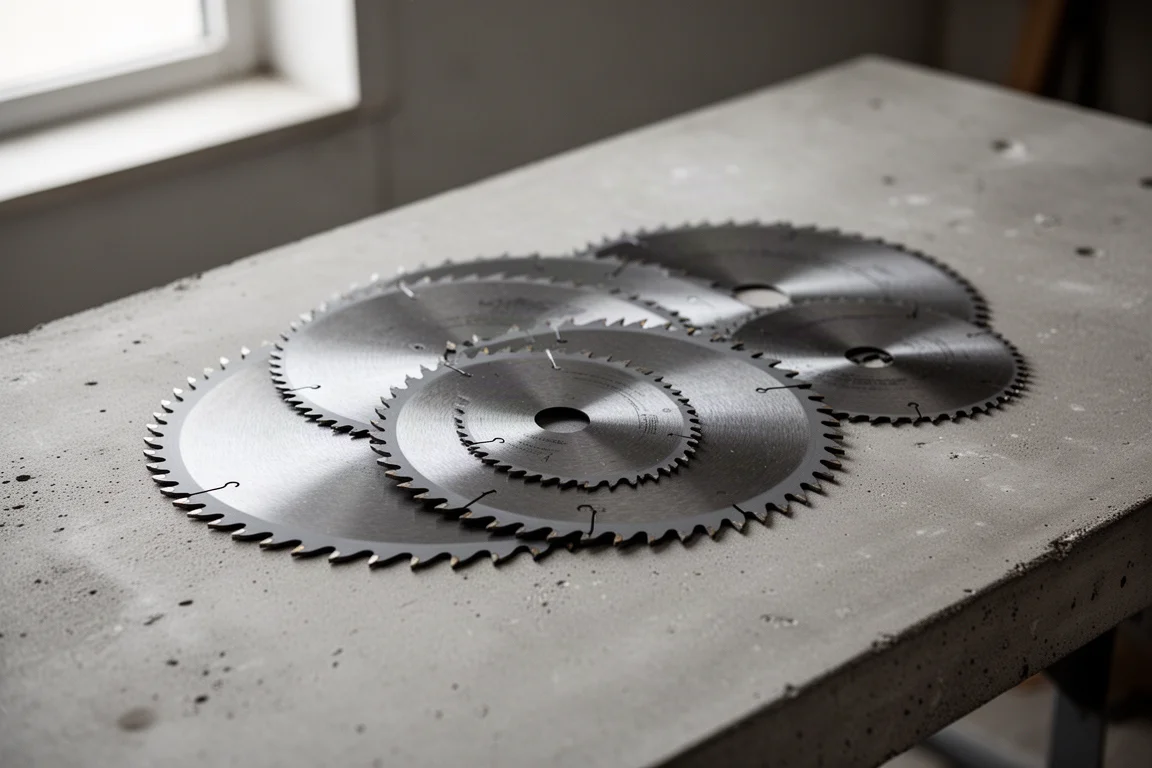
One practical note: bore size matters. Larger bores can be reduced with bushings or reducing rings, and Makita blades now generally ship with them, but you cannot safely fit a blade whose bore is bigger than what your saw’s flange can support. Check both the blade bore and your saw before buying.
Metal-Cutting Blades
Makita’s metal-cutting blades (the Efficut metal line, in sizes like 185 mm) cut fast with a very thin kerf, rated for material roughly 1.2 to 6 mm thick. The teeth are low-profile and curved to clear swarf quickly. They will even push through 12 mm steel, though you risk damaging the blade doing it.
The trade-off is durability. Cold-cut blades chip far more easily than timber blades; a timber blade’s teeth mostly just go blunt, while metal-cutting teeth snap off under abuse. Thinner sheet than about 1.2 mm tends to catch on the tips, so a grinder is often the better call there. Laser-etched vibration-dampening marks claim a quieter cut, though cutting metal with metal is never quiet.
The PCD Fiber Cement Blade
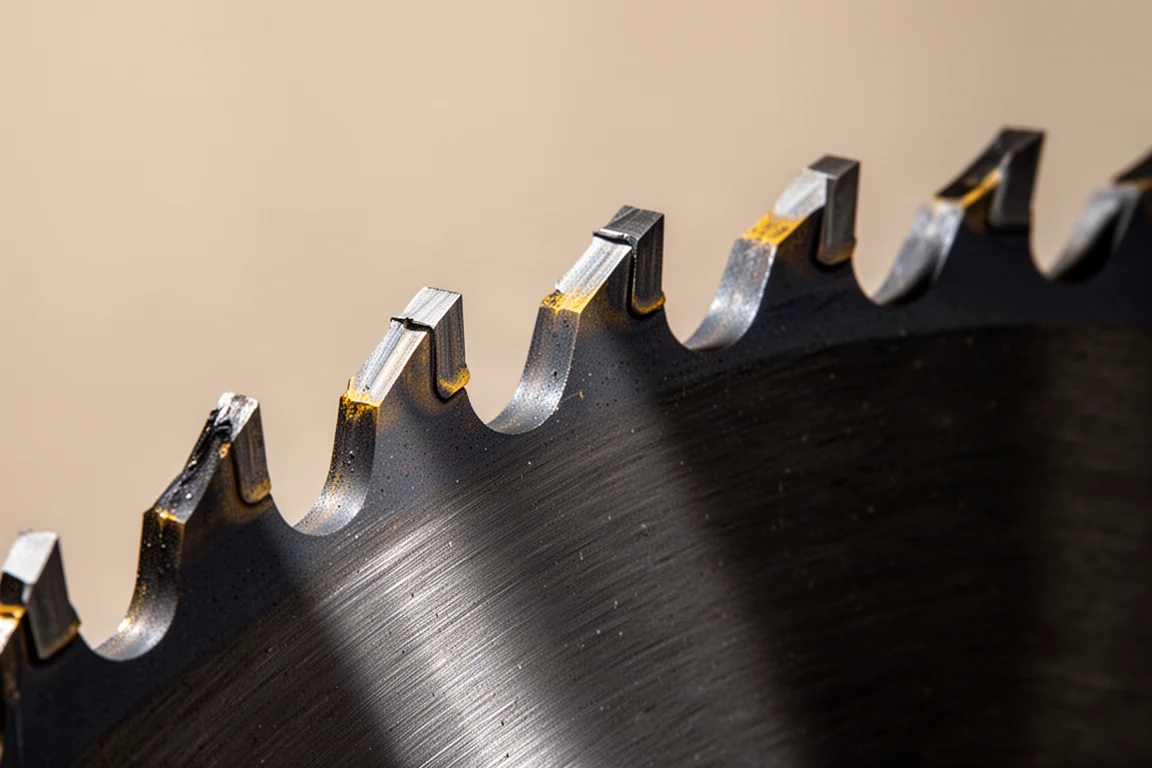
For fiber cement board, tile underlay, and similar sheet goods, a polycrystalline diamond (PCD) blade is the right tool. These blades have only four teeth, with diamond-containing tips rather than the tungsten carbide used on most blades. You can get away with a regular wood blade on fiber cement for a while, but it will not last; the PCD blade delivers many more cuts of better quality.
The Efficut: Makita’s Standard Wood Blade
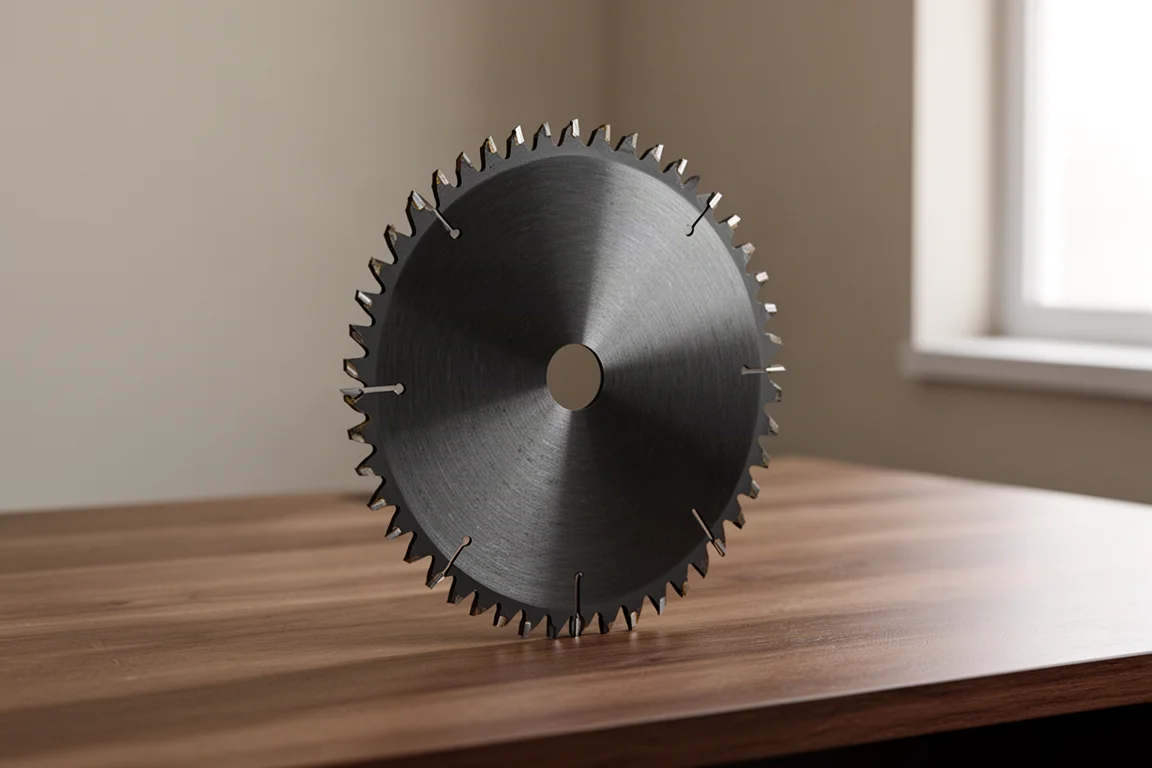
The Efficut is now the standard Makita wood blade in many regions, and it is a genuine step up from basic options. It runs up to about 1,000 RPM faster than the Blue Mak and uses a thinner kerf, 1.4 mm versus 1.8 mm. That thin kerf cuts faster, produces less sawdust, runs quieter, and puts less strain on the motor and battery in cordless saws.
The teeth are the real story: a concave, multifaceted design that resists material buildup and cuts quicker. The downside of the thin plate is some flex, so the blade needs to stay sharp and be paired with a saw with enough power. Modern Makita saws are optimized around Efficut blades; thicker-kerf, bigger-toothed blades can struggle on them.
The Blue Mak: The Workhorse Option
The Blue Mak has been around a long time and sits at the lower end of Makita’s blade range. It comes in a wide spread of diameters and tooth counts, which makes it an easy work-site choice. The teeth are flat-faced and the kerf is thicker at 1.8 mm, so it cuts slower than the Efficut but is a straightforward, affordable general-purpose blade.
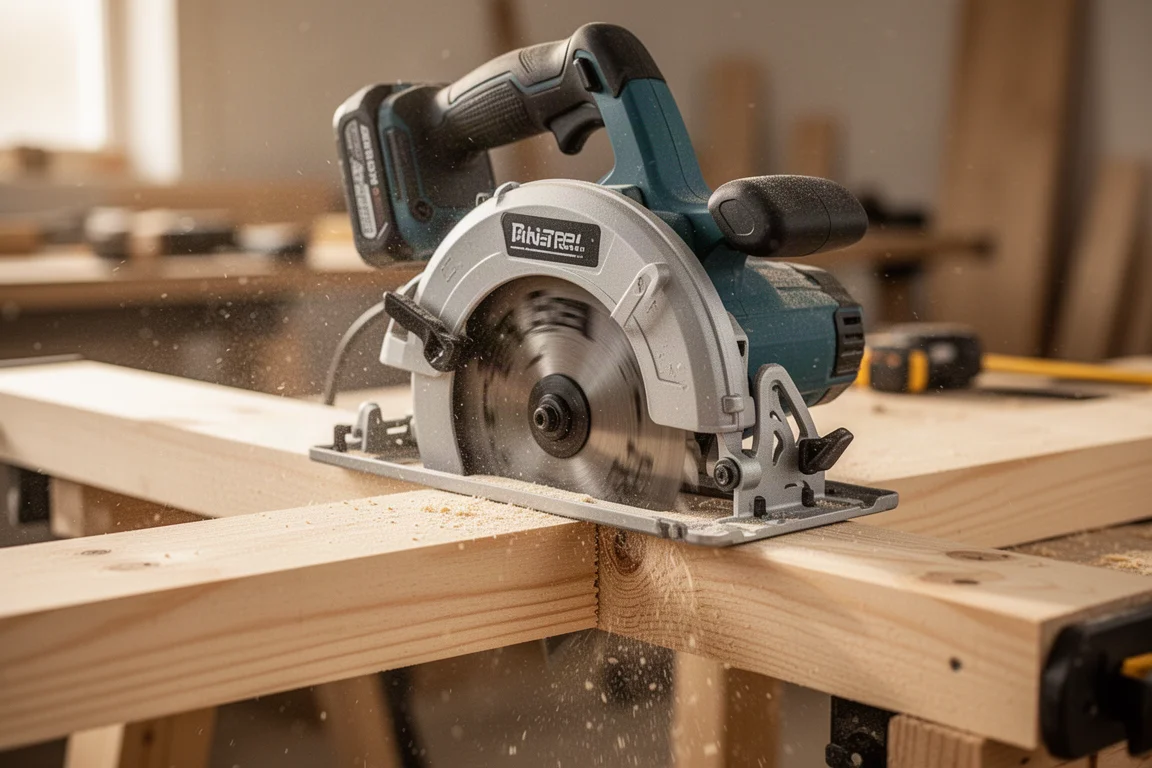
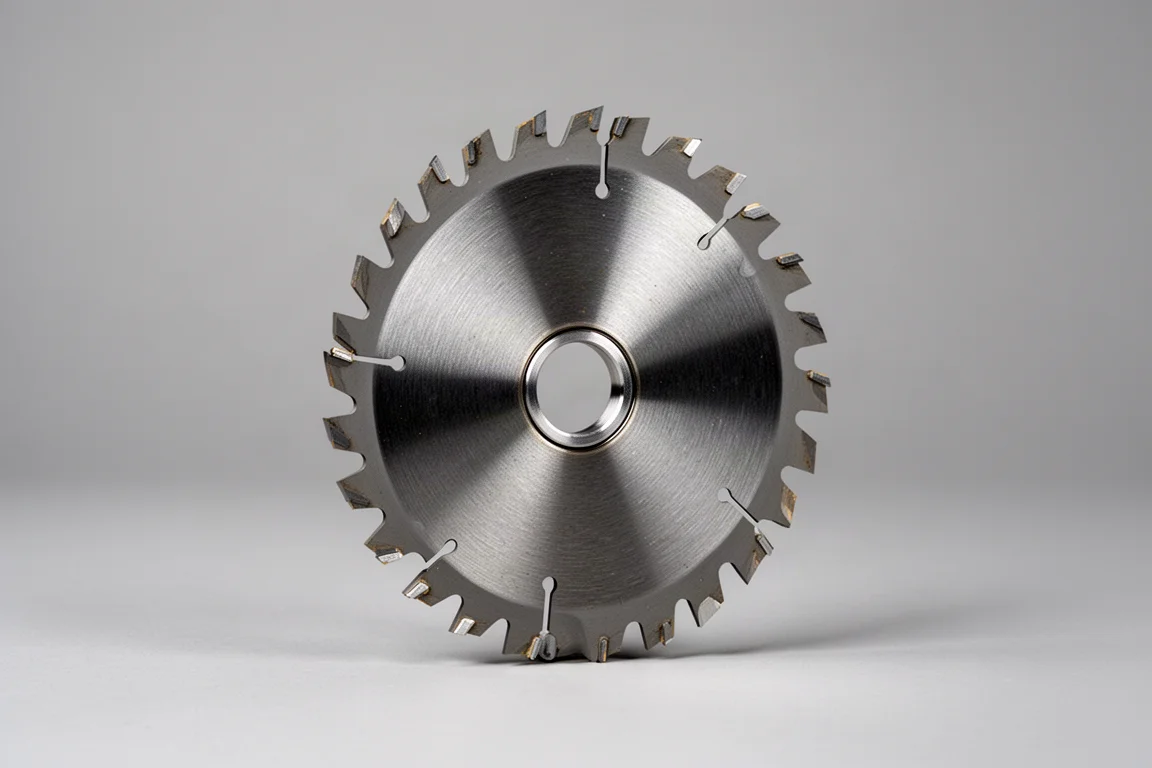
The Fluorine-Coated Efficut
This is the blade worth knowing about. The fluorine-coated Efficut resists buildup almost completely: nothing seems to stick to it, and it stays sharp for a very long time. Unlike the standard Efficut’s teal coating, which wears off quickly and ends up on your timber, the fluorine coating barely wears at all. One long-term user reported a blade around eight years old that still cuts well.
The Composite Decking and Multi-Material Blades
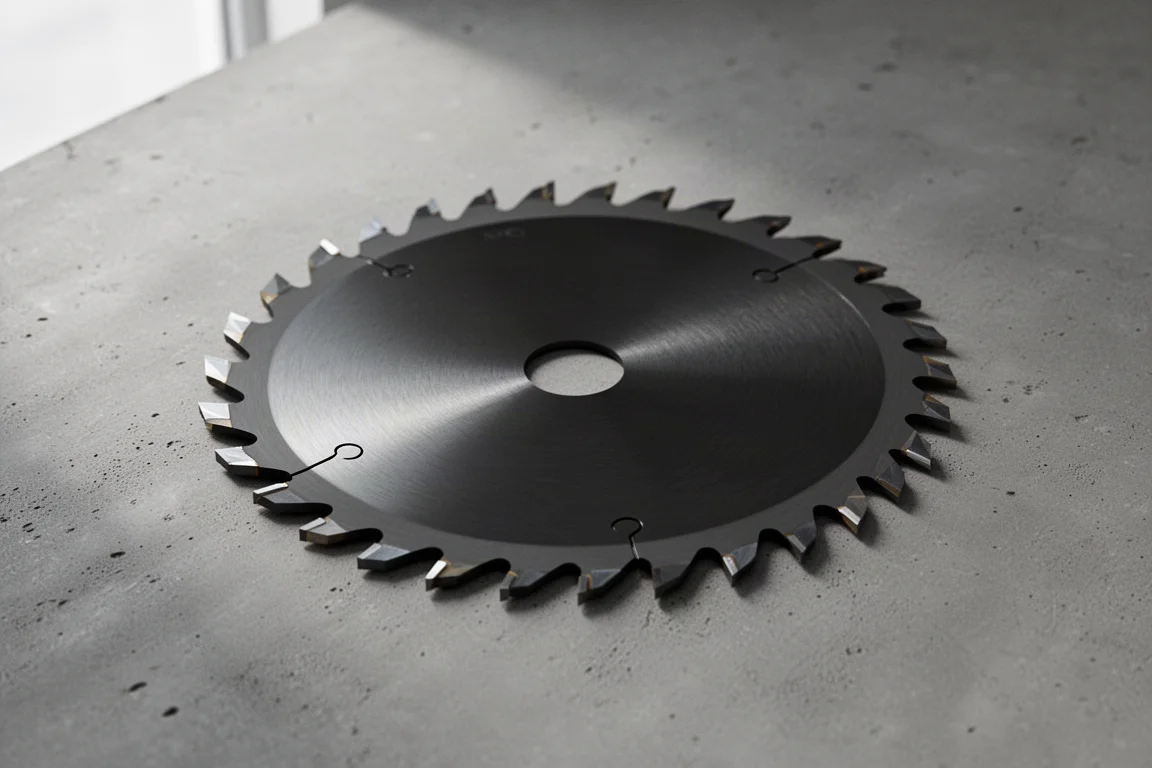
Composite decking and bamboo flooring destroy ordinary blades in a handful of cuts. Makita’s dedicated composite decking Efficut blades, with a 15-degree tooth angle versus the standard wood blade’s 23 degrees and a different grind, keep cutting long after a standard blade would be ruined. They come in a range of sizes, including large ones for mitre saws.
Makita also makes high-tooth-count multi-purpose Efficut blades (81 and 96 teeth in the larger sizes) with a negative 3-degree rake and a thin 2 mm kerf, aimed at materials you do not want to chip: MDF, aluminium, PVC, chipboard. These are not for composite decking, which ruins them quickly. The negative rake stops tear-out, and the flatter tooth face grips less aggressively than the timber-focused Efficut teeth.
The HS011G: A Big Saw That Needs the Right Blade
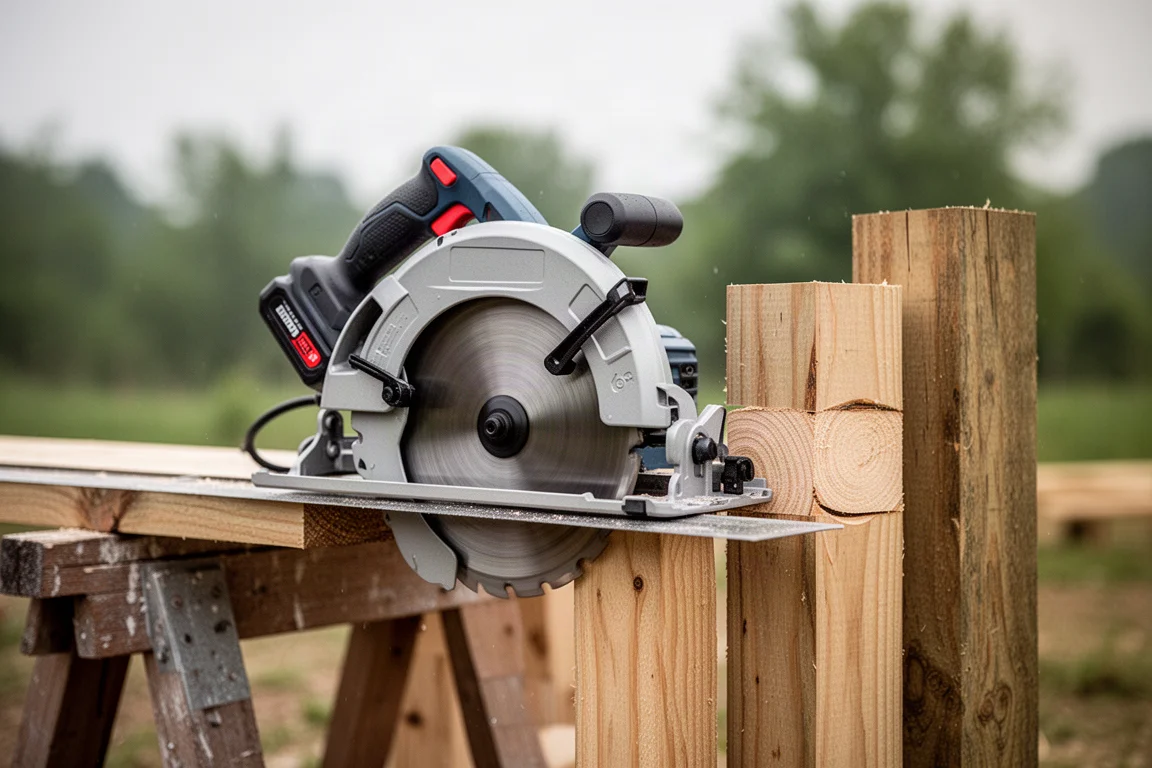
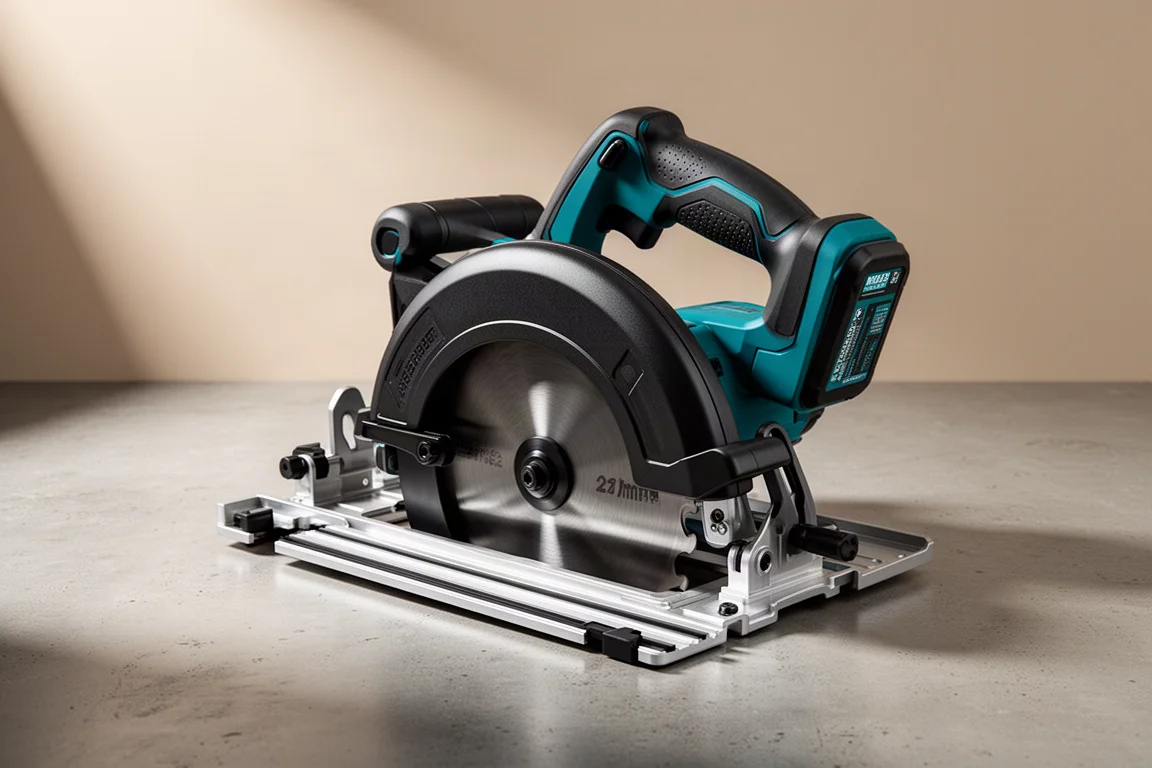
Makita’s large brushless circular saw, the HS011G, is rated for 255 to 270 mm blades depending on region. In most markets it ships with a 255 or 260 mm blade, which will not quite reach a 100 mm depth of cut in one pass. Where a 270 mm blade is available, the saw can cut 100 x 100 rough sawn posts like fence posts in a single pass, which is exactly what the bigger blade is for.
Buying Advice: Teeth, Rake, and Kerf
A few rules of thumb tie all of this together:
- Tooth count. More teeth means a finer finish but slower feed. 24 to 32 teeth suits ripping (even down to 16), while 80 to 100 teeth suits laminates, plywood, and fine work. A 165 mm blade with 55 teeth is a good finish balance for that size; the same count on a 125 mm blade cuts even finer.
- Rake. Positive rake (also called hook) cuts more aggressively and suits wood. Negative rake is less aggressive and better for plastic and aluminium, where it prevents tear-out.
- Tooth tips. Flat-topped teeth suit ripping; alternately beveled teeth, left then right, suit crosscutting, and steeper angles give finer finishes on brittle materials like melamine and laminate.
- Kerf. Thin kerfs cut faster, quieter, and save battery, but flex more if the blade dulls or the saw lacks power.
Conclusion
Match the blade to the material and the rest follows: Efficut for general timber, fluorine-coated Efficut if you want the longest-lasting low-friction option, Blue Mak for budget work-site use, PCD for fiber cement, dedicated composite blades for decking, negative-rake multi-purpose blades for MDF, PVC, and aluminium, and metal-cutting blades only within their rated thickness. Check the bore and diameter against your saw, and the blade will do the rest.
Further reading
Related Reviews

Power Tool Accessories
Best Drill Attachments 2026: Three DeWalt Tools Worth Buying
A practical look at three DeWalt drill attachments that deliver real value, plus the sketchy options you should skip.

Power Tool Accessories
Best Drill Bits 2026: 14 Sets Tested on Mild Steel, Spring Steel, and AR500 Armor
We tested 14 drill bit sets across mild steel, spring steel, and AR500 armor plating to find the best value, speed, and durability.

Power Tool Accessories
Best Right Angle Impact Adapters 2026: Five Options Tested for Speed, Torque, and Durability
We tested five right angle impact adapters from DeWalt, Milwaukee, Warrior, Titan, and Milescraft to see which ones deliver real performance without failing early.