Power Tools
Makita BO380D vs BO180: Two 18V LXT Sanders Compared
Makita's new sheet sander takes on the established random orbital sander in the LXT range. Here's how they stack up for real sanding work.
Introduction
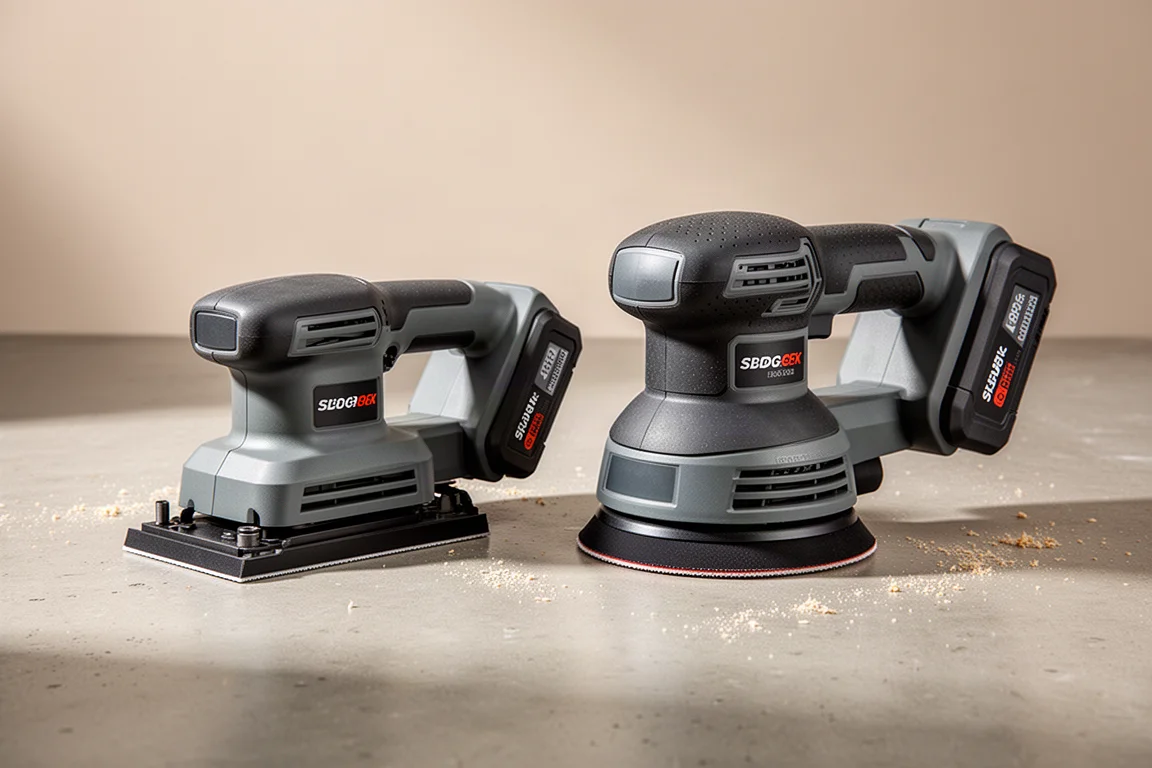
Makita keeps expanding its 18V LXT sanding line, and the newest arrival is the BO380D sheet sander, the third LXT sander in the family after the BO180 random orbital and a power file sander. It arrives with almost no packaging around it in the box, which suggests Makita is confident about how tough the product is. On looks alone it probably will not win any beauty contests, but after spending time with it on real sanding jobs, it turns out to be far more capable than its modest appearance suggests.
The interesting question is how it compares to the established BO180 random orbital sander, especially since the sheet sander is nominally the more basic tool type. We put both to work on the same surfaces with the same batteries and paper grit to find out which one earns its place in the toolkit.
Design and Handling
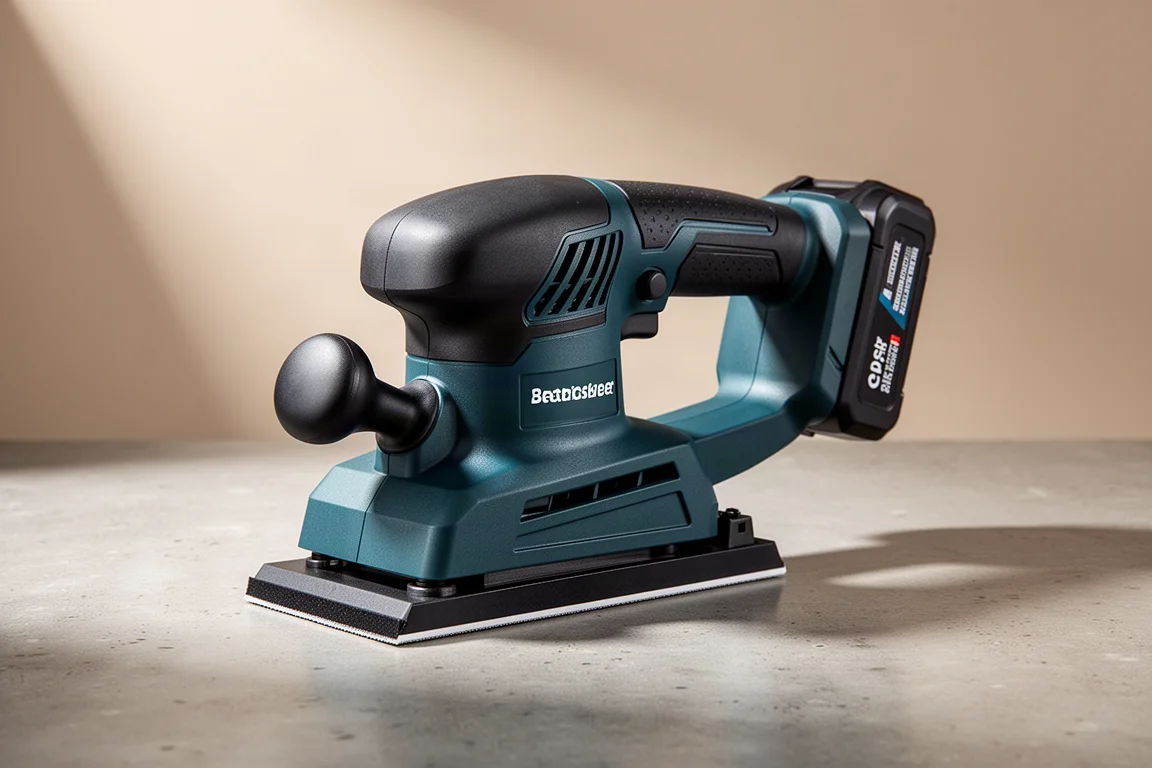
The BO380D is clearly designed as a two-handed sander: one hand at the back and the other on the front knob. Plenty of the official imagery also shows users pressing down on the top of the battery for extra pressure, and once the battery is on you can certainly grip it that way when you need to get close to a wall or into a corner.
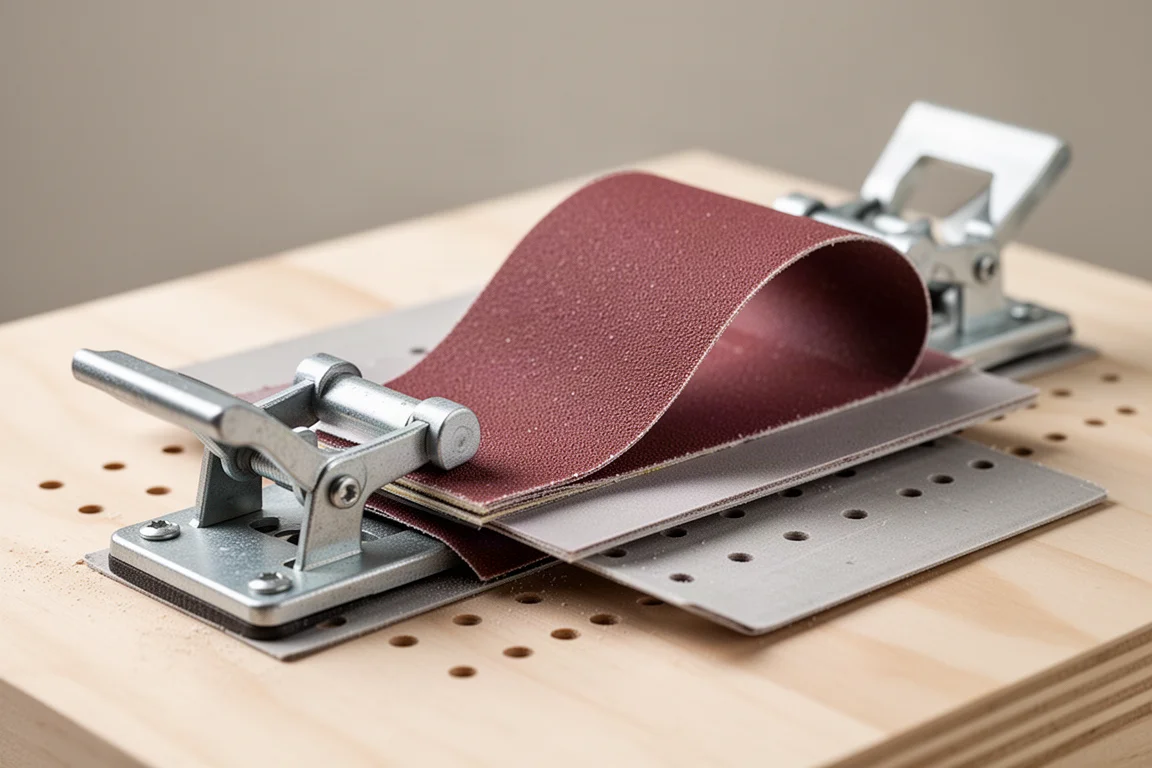
That front knob pops off when you need the extra clearance. The spring mechanism on it is extremely stiff, almost too hard to push down, which is exactly what you want: it is not going to come off accidentally mid-job.
Paper retention is a simple push, wrap and lock system at the front and rear of the pad. Pull the lever forward, wrap the paper around, and it locks tight. These pad areas are the usual failure point on this type of sander, so it will be worth watching how that mechanism holds up over time. The backing pad has matching holes for the sanding sheets, and the pad is open on the sides, so dust on the surface can be drawn in from the edges while you work. The pad is a consumable part that screws on and off and is easy to source.
Controls and Speeds
If you have used the BO180, you already know how the BO380D works. Tap the numbered side to power on and it starts at the highest speed, tap again for middle, again for low, and once more to cycle back up. Tapping the zero on the left shuts it down from any speed.
Speeds top out at 12,000 oscillations per minute, then step down to 8,000 and 4,000. One quirk: it always restarts at the highest speed no matter where you left off. The plate oscillates in a small circular motion like an orbital sander, but the pad itself does not spin.
Head-to-Head Sanding Test
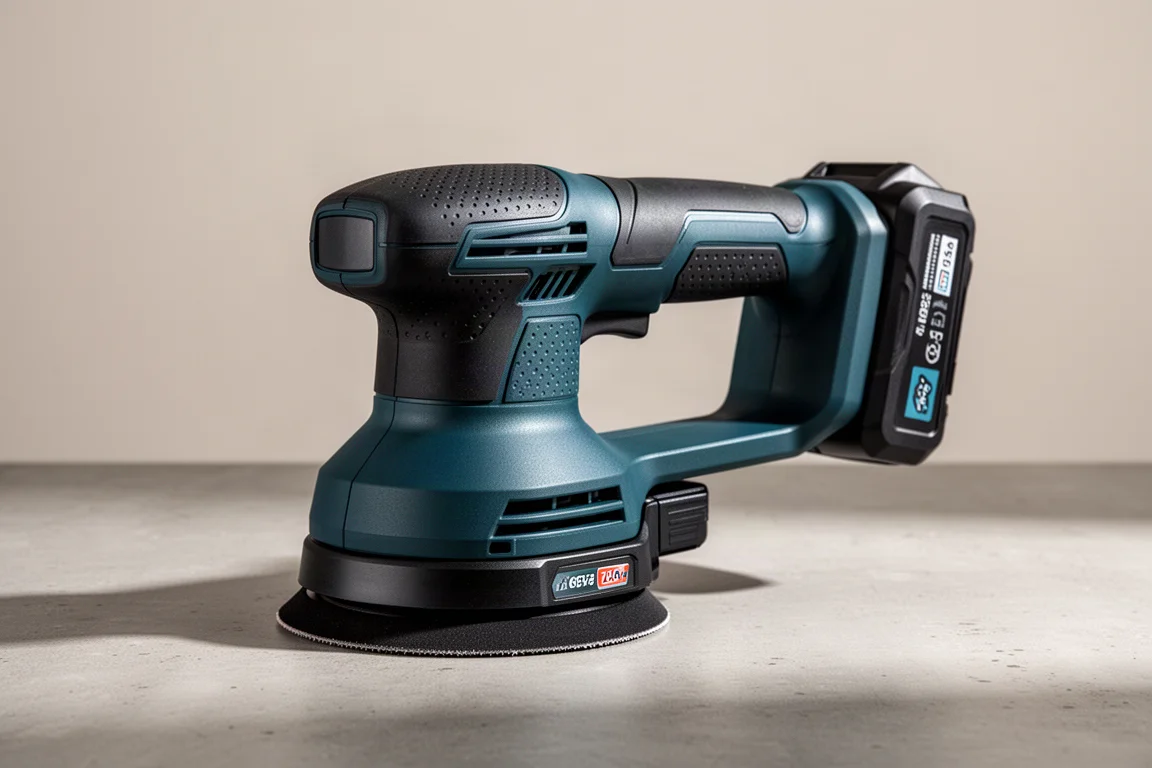
To compare the two properly, both sanders ran with a freshly charged 6.0Ah battery and 60-grit paper, each for 30 seconds on the same painted pine board. The sheet sander is designed to remove more material than a finishing-oriented tool like the orbital, so expectations were that the orbital would come off worse.
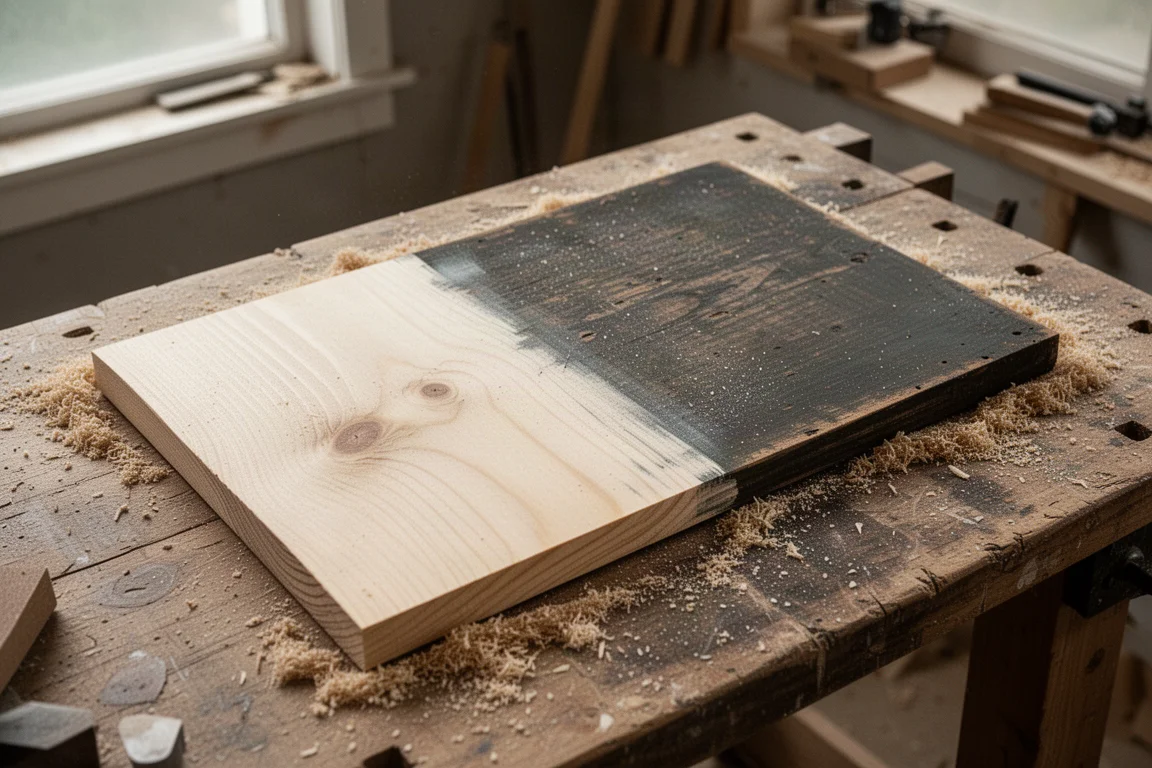
The result was a genuine upset. The BO380D removed more material in its 30 seconds than the BO180 did in the same time, and the paper still had plenty of life left afterwards. Pushing the sheet sander hard does not stall it; the brushless motor gives it a strong kick. The BO180, which is a brushed tool running at 11,000 o.p.m. versus the sheet sander’s 12,000, sometimes slows down when pushed hard and stops sanding effectively.
Worth noting: the older sander has had years of hard use and may not perform as it once did, and it also weighs 2.2kg with battery versus the sheet sander’s 1.7kg. The BO380D feels light in the hand and handles cleanly for extended sessions.
Dust Extraction and Maintenance
Dust extraction on the BO380D works noticeably better than on the BO180, which many users find throws most of its dust around the workshop rather than into the bag. The sheet sander’s bag genuinely collects material, and it also plays nicely with Makita dust extraction fittings, though the fitting does not ride over the retention O-ring on the port. That O-ring is replaceable if anything goes wrong, and you can remove it to slide a hose further onto the port.
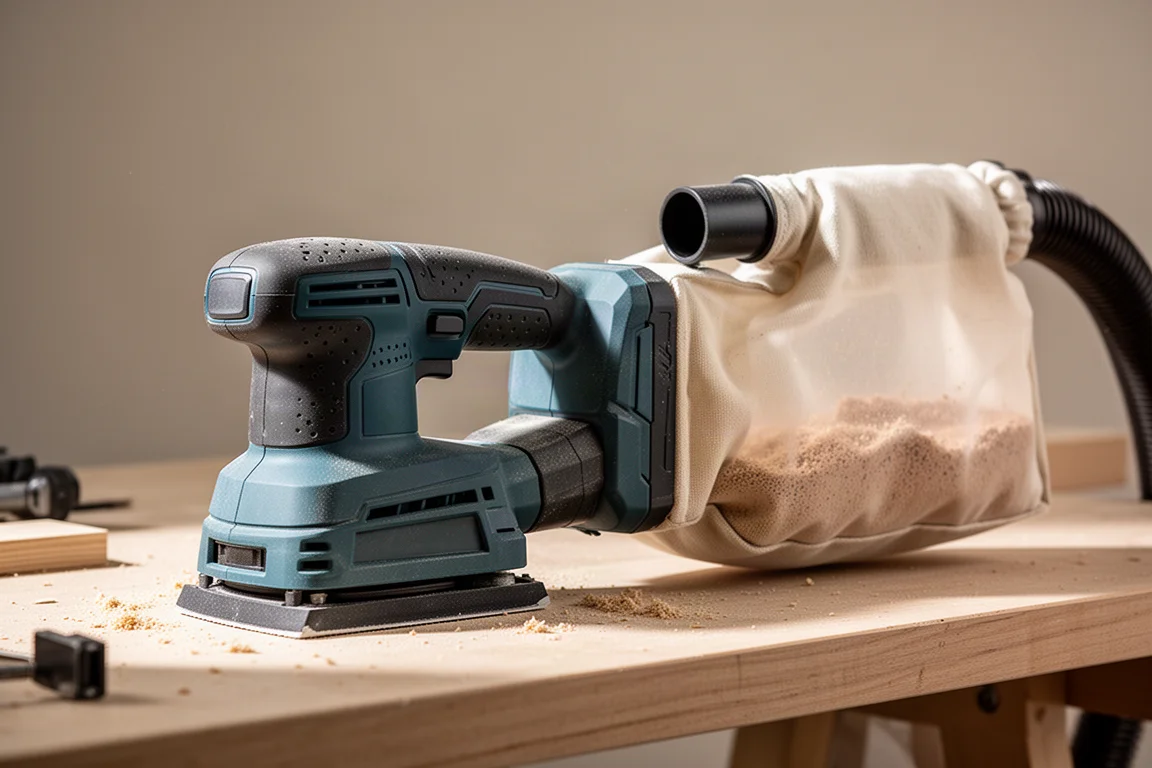
The pad is a wear item depending on how you use the tool, but replacements are easy to source and swap.
Making Your Own Sanding Sheets
The tool takes one third of a standard sheet of sandpaper, which explains the “third sheet sander” name. If the supplied sheets are expensive or hard to find locally, making your own is straightforward. A simple scrap-wood template with a cutting edge turns full sheets into correctly sized pieces, and an old 10mm (3/8-inch) drill bit, sacrificed for the job, punches the eight dust holes through paper clamped between two scrap boards.
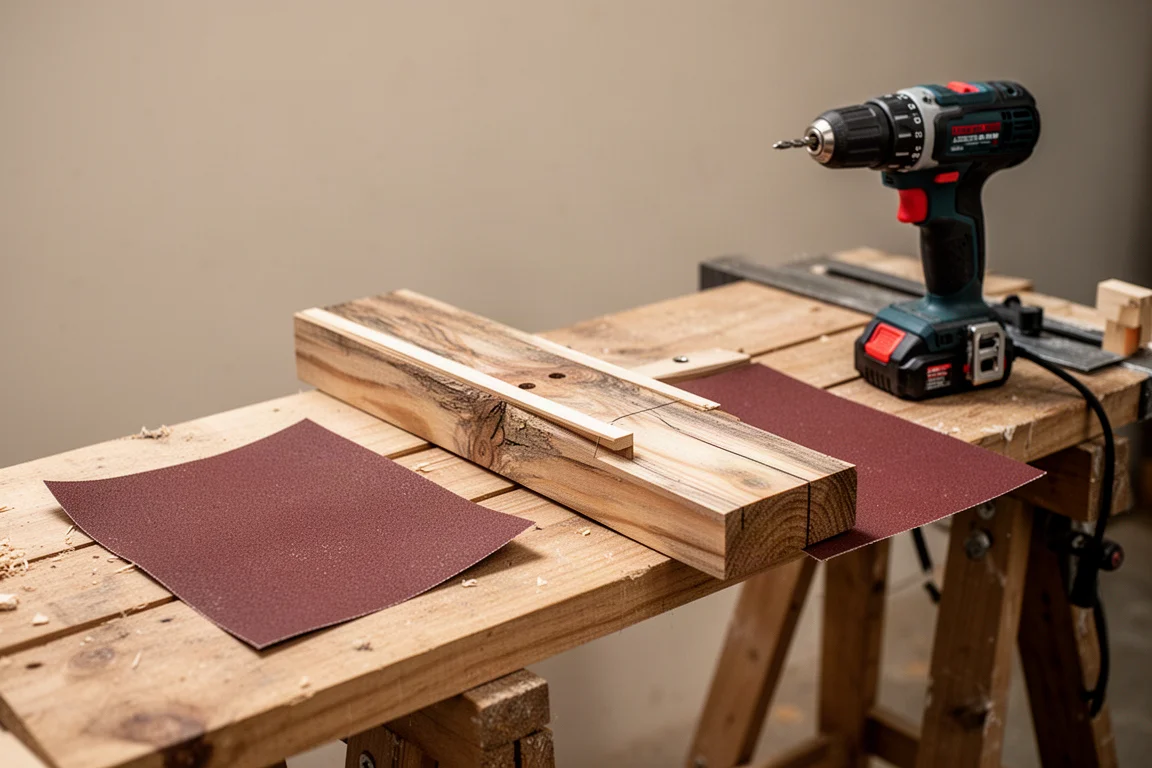
Makita includes six sheets in the box: two 60s, two 120s and two 240s. That is a generous starting amount compared to the single token sheet some tools ship with, and it lets you take a sample to your local store to match the right replacement. Note that the supplied sheets appear geared toward paint; sheets for wood are usually cheaper than those for paint or metal, so it pays to buy the right type for your job.
Buying Advice
If you already own the Makita 18V LXT battery platform, the BO380D is an easy recommendation. It turned out to be better than expected at removing material, comfortable to use, and it makes a traditionally unpleasant task almost enjoyable. It reaches edges and corners that the BO180 cannot get close to, and it is a good middle ground between a random orbital and a small detail sander.
The BO180 remains useful as a finishing tool and can be pushed harder in some situations, but as a first pick for general sanding, the sheet sander now takes that slot. Availability varies by market: the unit reviewed here is the Japanese BO380D model, sold as the DBO380 in New Zealand, Australia, the UK and most other regions, and as the XOB02 in the United States. Importing the Japanese version is an option if it has not launched locally yet.
Conclusion
The Makita BO380D sheet sander is the surprise of the current LXT sanding range: light, quick to load, strong dust extraction, and surprisingly aggressive material removal, all without stalling under pressure. The BO180 random orbital is still a solid finishing tool, but for everyday sanding the new sheet sander is the one worth grabbing first.
Further reading
Related Reviews
Power Tools
Best 1-Inch Pistol Impact Wrenches: Three Heavy-Duty Options Compared
We compare three 1-inch pistol impact wrenches, from a budget-friendly Harbor Freight model to a premium Caterpillar unit, to help you choose the right one.
Power Tools
Best 3/4-Inch Impact Wrenches 2026: Five Contenders Compared
We compare five 3/4-inch impact wrenches across price and performance, from a budget Amazon option to Snap-on's most powerful model yet.
Power Tools
Best Budget Cordless Tools 2026: Walmart Finds That Punch Above Their Price
We tested five cordless tools from Walmart, including a high-torque impact wrench that trades blows with Milwaukee and a $35 duster that outperforms its price class.