Power Tools
Makita BO00007CG 40Vmax XGT Third Sheet Sander Review
A lighter, more comfortable finish sander with mesh pad support and excellent dust extraction, measured against Makita's own 18V LXT equivalent.
Introduction
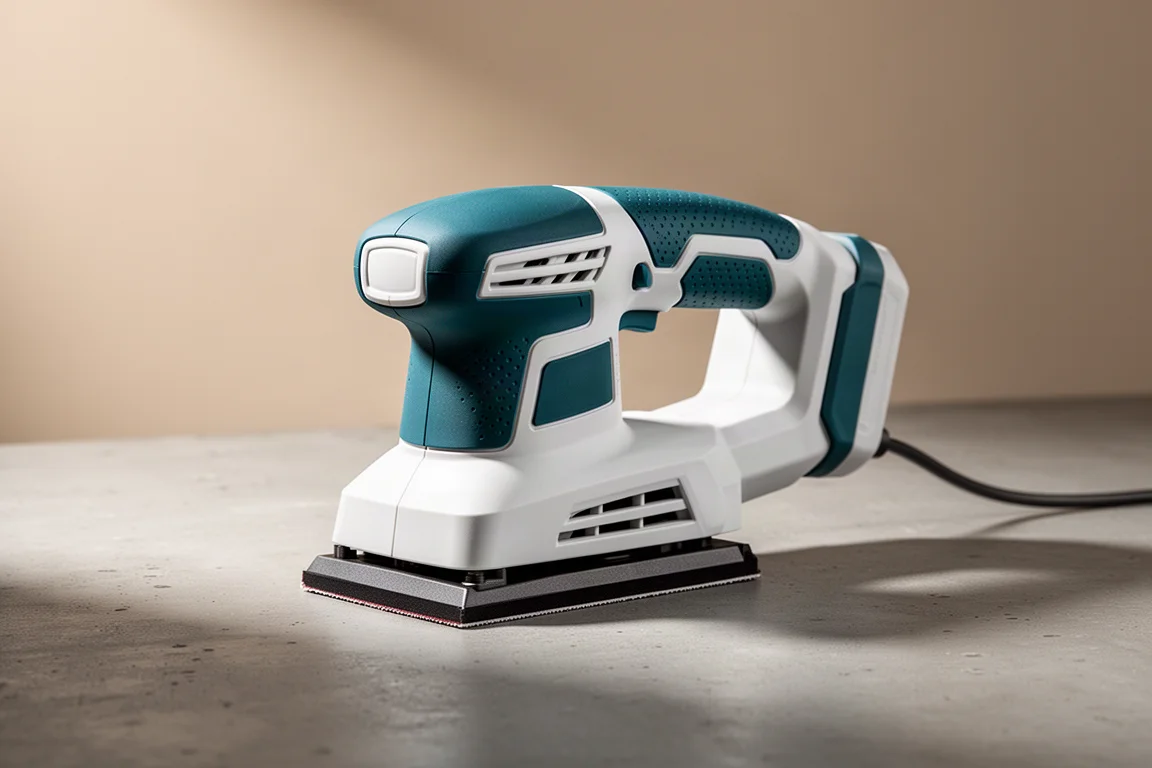
The Makita BO00007CG is the third sheet sander in Makita’s 40Vmax XGT sander series, and it arrives with a fairly clear pitch: a lighter, more comfortable finishing tool that keeps the dust extraction quality the series has become known for. On paper, it sounds like a straightforward upgrade over the brand’s 18V LXT third sheet sander, but spending time with both tools side by side reveals a more nuanced picture. Each has a genuine reason to exist, and which one suits you depends heavily on how you actually sand.
What’s in the Box
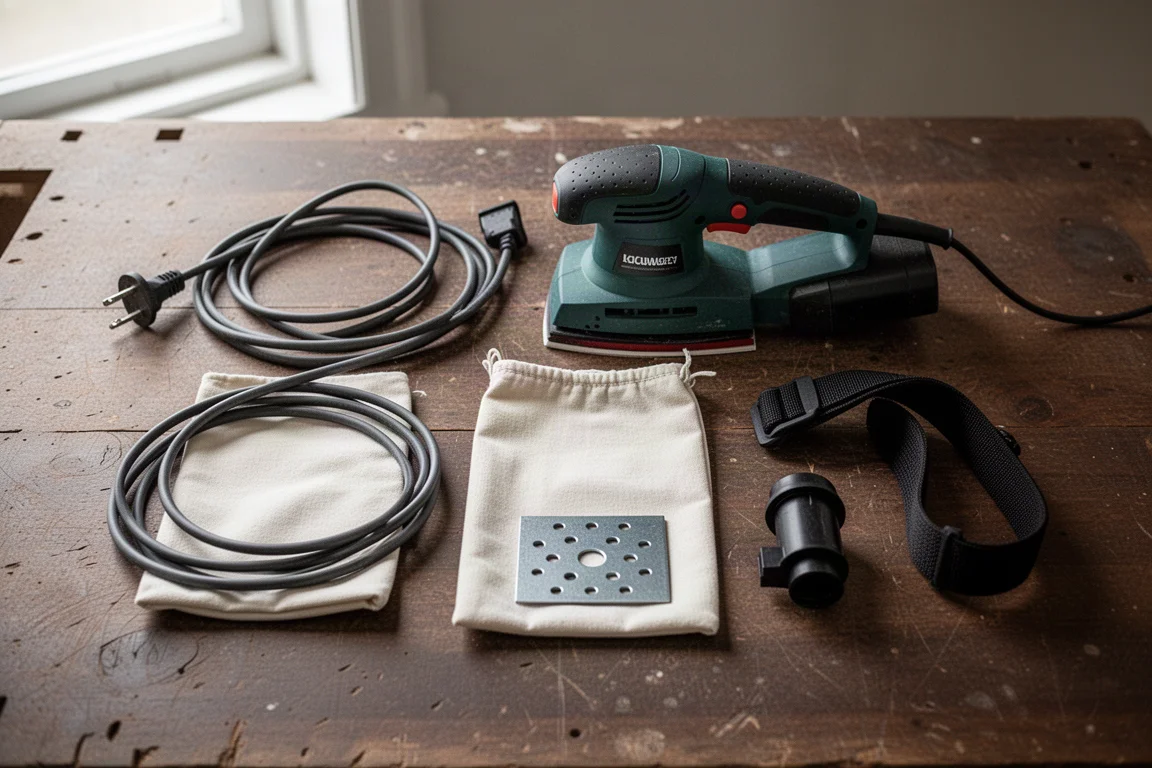
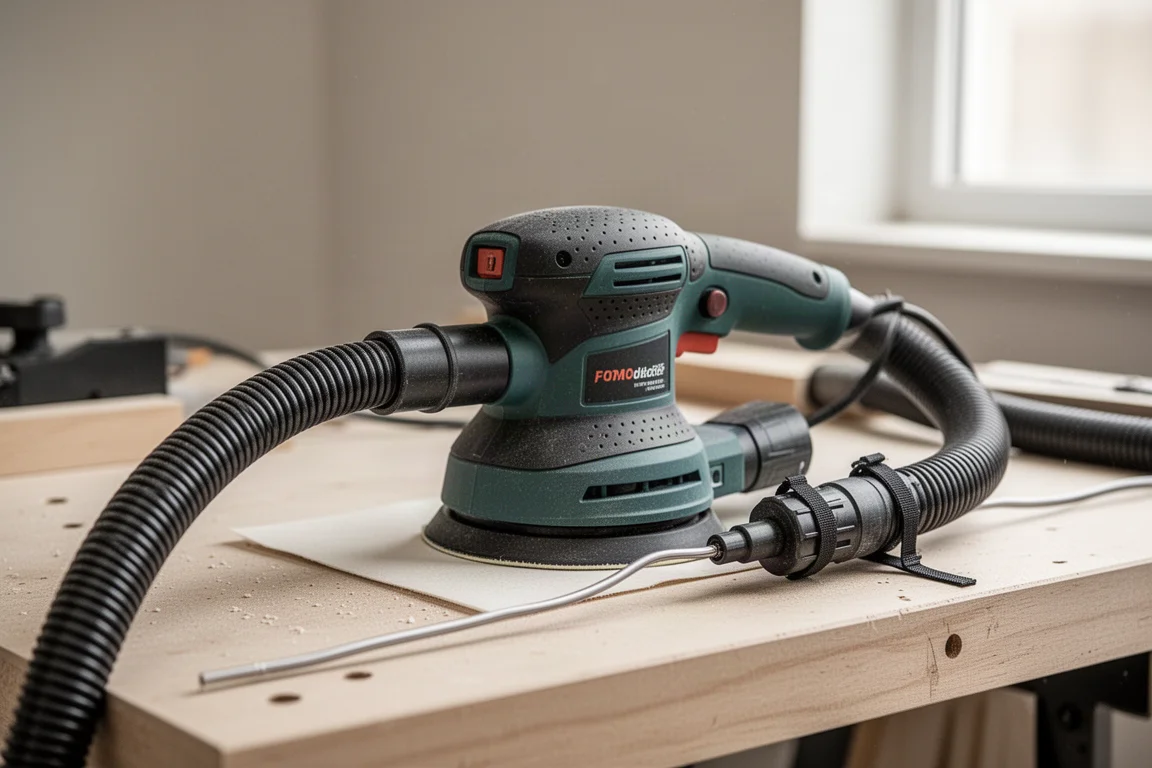
The kit ships with everything needed to get sanding straight away. Alongside the tool itself, fitted with a sheet of 120 grit mesh abrasive, you get a power cord (this is a battery tool, but the battery is connected via a cable rather than mounted directly), an instruction manual, a punch plate for making your own sandpaper sheets, a dust bag, an arm strap, a small hook, and the dust extractor port that screws onto a vacuum hose and clicks into place. It is a generous, practical package with no obvious filler items.
Mesh Pads and Sheet Options
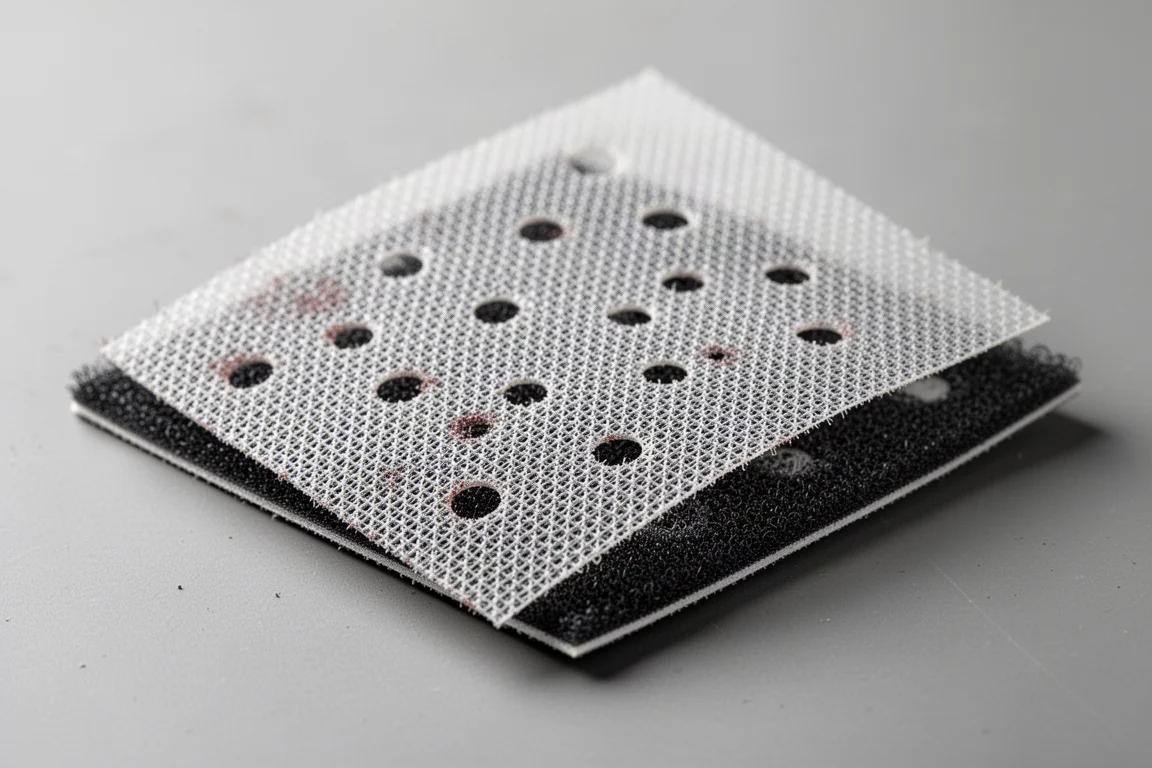
One of the more interesting design decisions is the hook and loop pad, which comes fitted with a sacrificial mesh pad on top. This matters more than it sounds. With heavy use, the hooks on a sander pad can wear through and get damaged, and once that happens, new sheets will not stick. The sacrificial pad takes that punishment instead, protecting the main pad, which is far more expensive to replace.
The tool supports three ways of attaching abrasive. Mesh sheets stick on via the hook and loop system and are genuinely worth trying if you have never used them; they perform noticeably better than standard sandpaper. Pre-punched hook and loop sheets with holes in all the right places also work, and you can punch your own holes using the included plate. Finally, standard sandpaper with no adhesive backing can be clipped on front and back with the built-in clamps, old-school style.
Performance and Handling
The BO00007CG runs at an adjustable speed from 6,000 to 12,000 oscillations, dialed in freely with a dial rather than fixed steps. It uses a fine 2 mm orbit, positioning it firmly as a finishing sander rather than a material-removal workhorse. The power button sits on the front and is easy to reach, and the tool is comfortable, light, and well balanced in the hand.
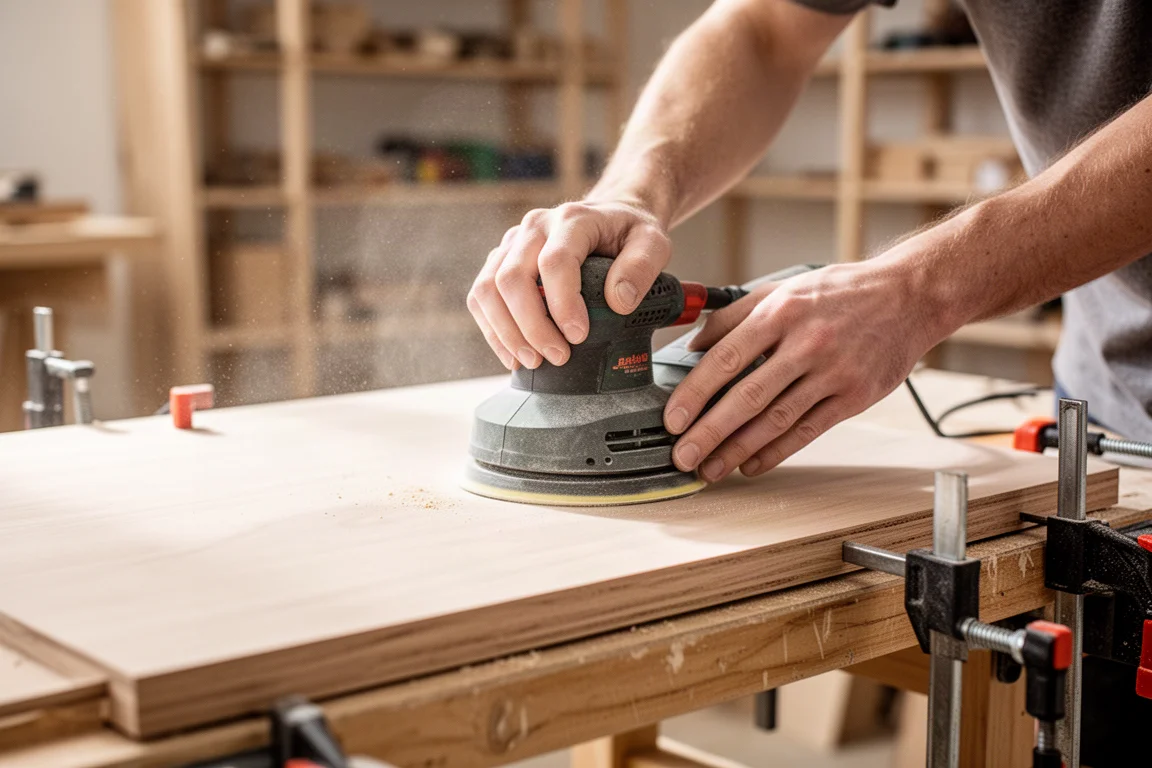
In use, it feels significantly more comfortable than the larger 18V equivalent. The difference is striking in one-handed work, where you can rest your hand on top of the tool rather than gripping handles front and back. Vibrations feel gentler, and the overall impression is that this is a tool built for comfort and extended use. Under pressure, it holds up well too: you can push down quite hard without it losing power, and even stalling it deliberately requires what could fairly be described as maniacal technique.
How It Compares to the 18V LXT Version
Placed next to Makita’s 18V LXT third sheet sander, the size difference is immediately obvious. The 18V tool carries its battery on top, making it nearly twice as tall and nearly twice as heavy: 2.173 kg with a battery fitted versus 1.125 kg for the XGT. The XGT tool takes its power through a 1.6 meter adapter lead (with longer leads up to 5 meters available), so the battery weight can sit on a bench, on a cordless vacuum, or be strapped along your hose. Even without a battery attached, though, the 18V tool is still heavier at around 1.55 kg.
There are trade-offs in both directions. The 18V version, despite being a finishing sander, is the most powerful 18V cordless sander Makita offers and removes material a little quicker in informal testing. The XGT version, with its finer orbit, should leave a nicer finish and is far more comfortable to use. The 18V tool is also variable speed but limited to three fixed settings, while the XGT dial goes anywhere. One point for the older tool: its clamps feel more robust than the new one’s, and its rubber top pouch is more widely available in some countries than in others.
The 18V third sheet sander accepts only clamp-on sheets, since it has a soft pad with no hook and loop. The XGT accepts everything: mesh, velcro pads, and clamp-ons. That flexibility, combined with the mesh pad’s excellent dust flow, is one of the new tool’s biggest advantages.
Dust Extraction and Runtime
Dust extraction is genuinely impressive. The mesh abrasive lets dust pass through almost anywhere across the pad, and the sheet is perforated with holes that feed directly into the vacuum path. Paired with the included extractor port, the result is much better dust management than the older 18V tool offers. The port screws onto your hose and clicks into the tool, and the same port fits all seven sanders in the XGT series so far.
Runtime is another strong point. Because the power comes from an external battery via the adapter lead, you can run this on a large 8.0Ah 36V-class battery, where the 18V tool currently tops out at 6.0Ah. Even larger batteries are on the way, though how well they will fit remains to be seen. In practice, this means you can be anywhere with a cordless vacuum and sand relatively dust-free for long sessions.
Buying Advice
If you already own Makita’s 18V LXT platform and sand occasionally, the existing third sheet sander remains a capable all-rounder and removes material marginally faster. But if you value comfort for one-handed work, want the flexibility of mesh and hook and loop abrasives, care about dust extraction, and need long runtime, the BO00007CG is the more refined tool. It is also simply the better-looking unit; the 18V version was never going to win any design awards. As a finishing sander designed to follow a random orbital sander in the workflow, it is a polished, comfortable choice.
Conclusion
The Makita BO00007CG does not feel like a dramatic leap over its 18V sibling in raw cutting speed, but it wins convincingly on comfort, weight, abrasive flexibility, and dust extraction. For finishing work where you spend real time with the tool in your hand, those are exactly the qualities that matter.
Product link
View more details for Makita BO00007CG
This product is mentioned in the review. Check the specifications, options, and compatibility before buying.
View more details for Makita BO00007CGFurther reading
Related Reviews
Power Tools
Best 1-Inch Pistol Impact Wrenches: Three Heavy-Duty Options Compared
We compare three 1-inch pistol impact wrenches, from a budget-friendly Harbor Freight model to a premium Caterpillar unit, to help you choose the right one.
Power Tools
Best 3/4-Inch Impact Wrenches 2026: Five Contenders Compared
We compare five 3/4-inch impact wrenches across price and performance, from a budget Amazon option to Snap-on's most powerful model yet.
Power Tools
Best Budget Cordless Tools 2026: Walmart Finds That Punch Above Their Price
We tested five cordless tools from Walmart, including a high-torque impact wrench that trades blows with Milwaukee and a $35 duster that outperforms its price class.