Power Tools
Makita Backpack Battery Solutions: PDC01 vs PDC1200 for Longer Runtime
Two genuine Makita backpack battery options that keep 18V, 36V and 40V Max tools running far longer than a single battery ever could.
Introduction
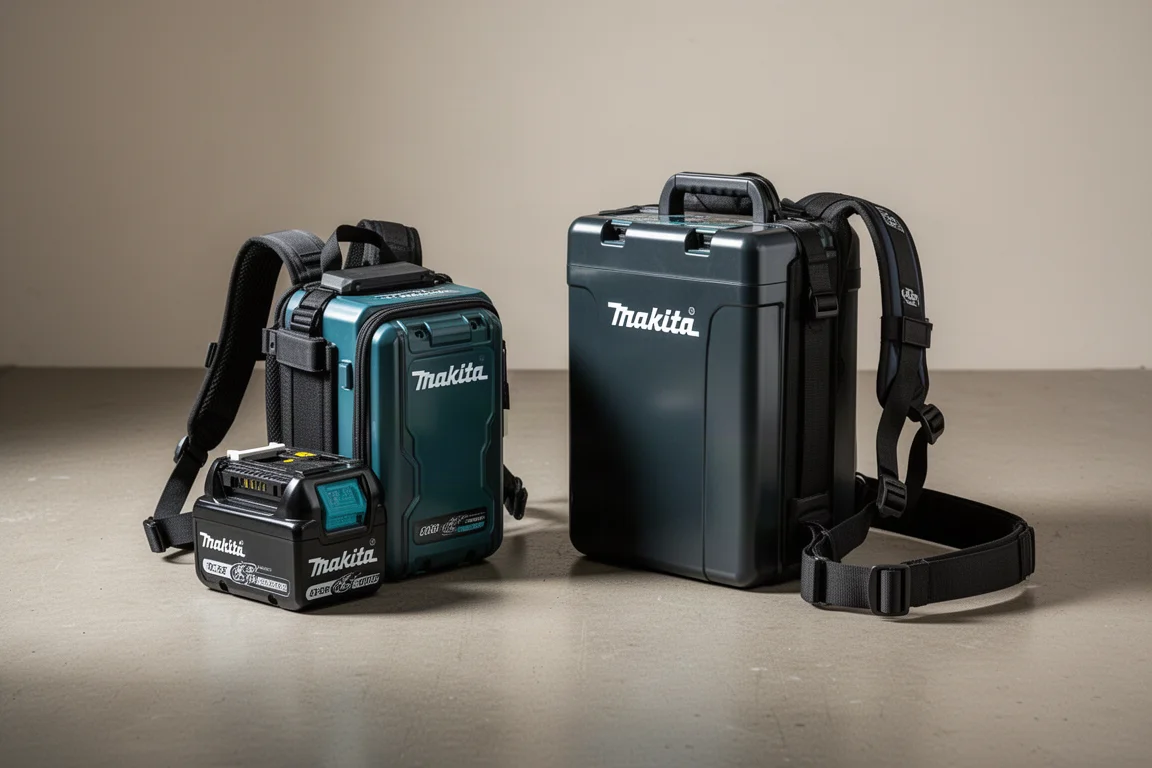
Runtime is the biggest complaint about cordless power tools, and it is a fair one. Put a 40V Max battery on a blower and you can be back at the charger in ten minutes. Makita’s answer is a pair of backpack battery solutions that have been around for a while but still fly under the radar for a lot of people. Both are genuine Makita products, both pair with dedicated adapters to run 18V, 18V x2 (36V) and 40V Max XGT tools, and both let you work dramatically longer between stops. They work very differently, though, and choosing between them comes down to how you work and how much you want to spend.
Makita PDC01: Four Batteries, Four Times the Runtime
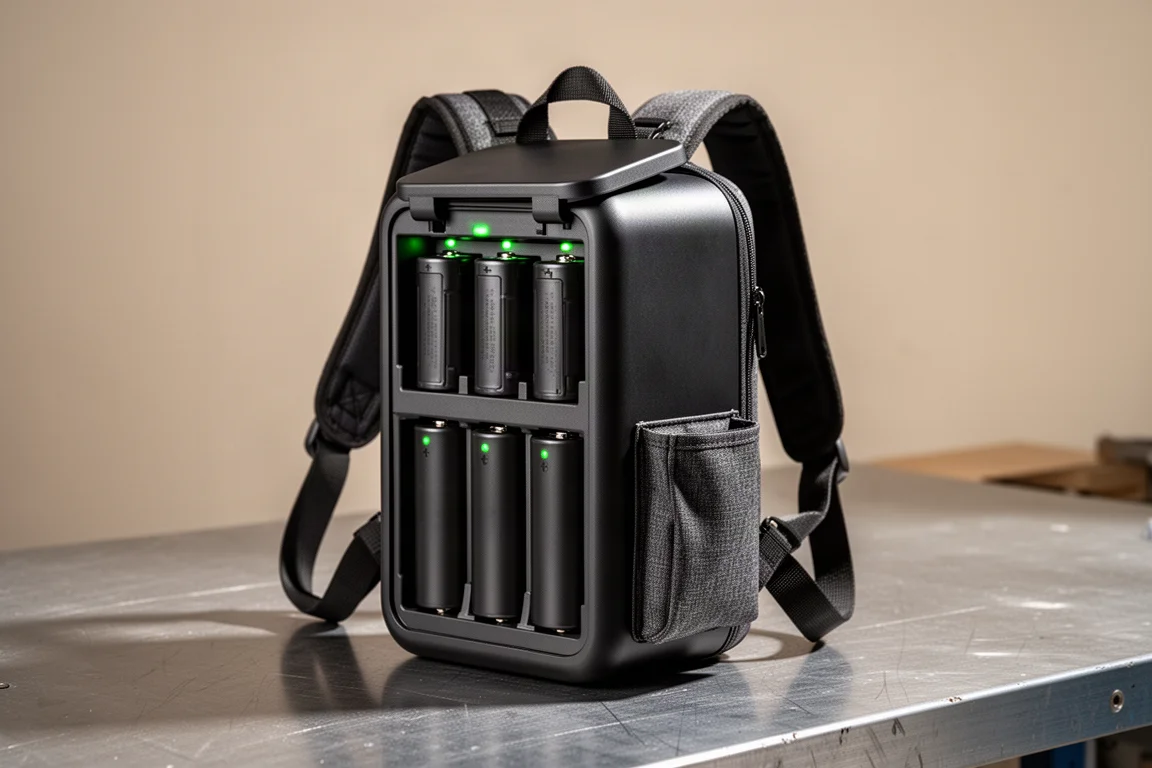
The PDC01 is essentially a battery backpack. You load four of your existing 18V LXT batteries into the case, and it runs 18V and 36V tools through the matching adapters. That means four times the runtime on an 18V tool, or double the runtime on an 18V x2 tool. Load four 6Ah batteries and you get 24Ah of 18V capacity, or 12Ah at 36V. That 36V figure is actually 50% more than the largest Makita 40V Max battery holds.
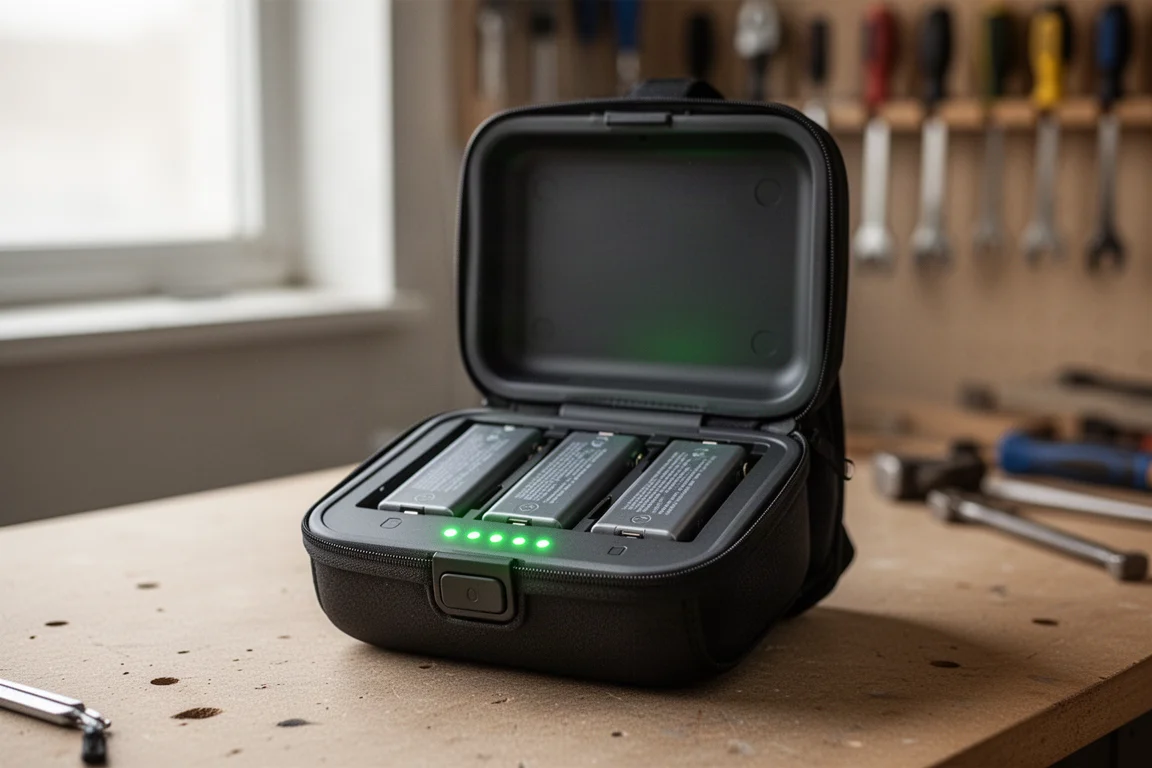
The design is genuinely practical. The lid is spring-loaded and will slam shut if you let go, but a small button on the bottom of the unit holds it open so you can swap every battery out at once. Battery indicators show how the pack is depleting: on an 18V tool it drains the batteries one at a time from one end, and on a 36V tool it burns through two, then the other two. That means you can swap two fresh batteries in halfway through a job without stopping for long. A flashing green light turns solid when an adapter is plugged in, and a small storage pouch keeps the adapter or other bits handy.
The harness adjusts plenty, including a mechanism that slides the whole pack down your back for different heights, and the unit is compact for the amount of battery it carries. At roughly 7kg with batteries loaded, it is light enough that you barely notice it.
Everyday Tricks With the PDC01
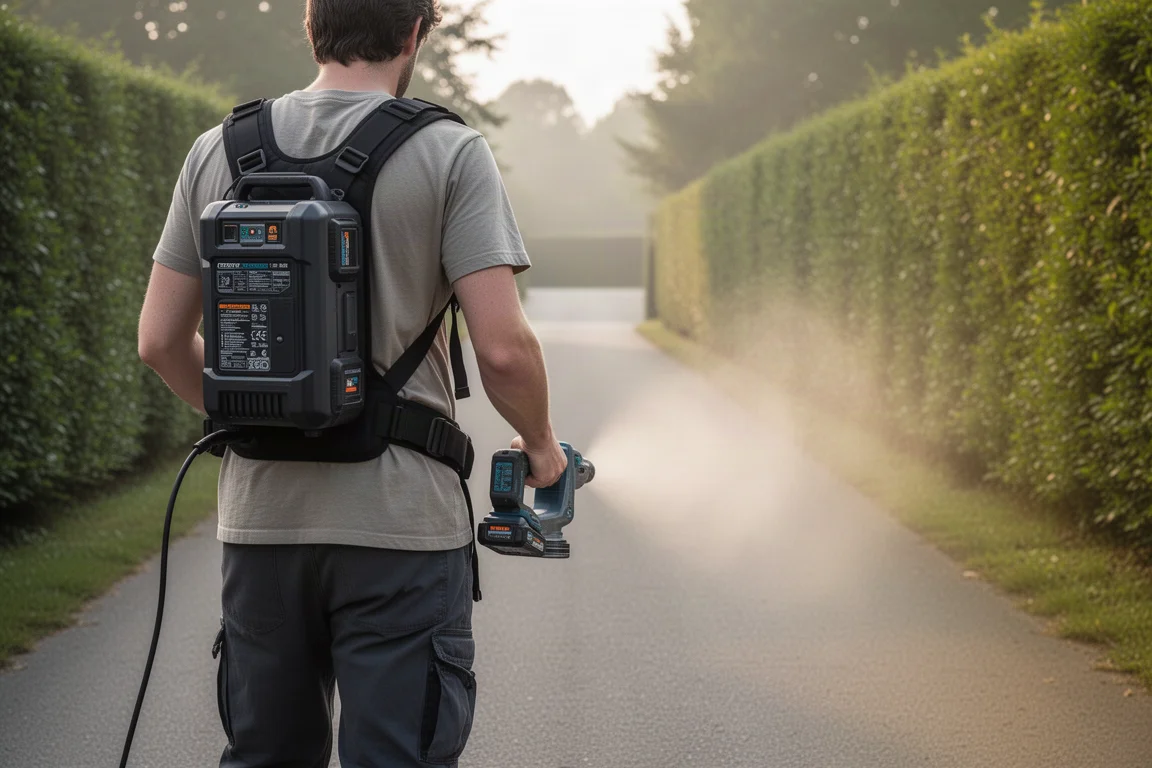
Beyond the obvious outdoor power equipment use, the PDC01 has a few tricks worth knowing. It is primarily designed for tools like split-shaft power heads, where hooking it up means blowing a long driveway for half an hour without a battery swap. But it also works on tools like mitre saws and grinders, extending cutting or grinding sessions considerably.
The bigger surprise: with the right adapter, the PDC01 will even run 40V Max XGT tools off 18V batteries. On a 40V mitre saw it worked fine, and it will happily power 40V tools from an 18V battery pack, including impact drivers, which end up feeling like they are running a light 4Ah battery rather than a heavy 8Ah pack. The cord can route out the front, back or middle depending on the setup.
Makita PDC1200: A Single 33.5Ah Battery
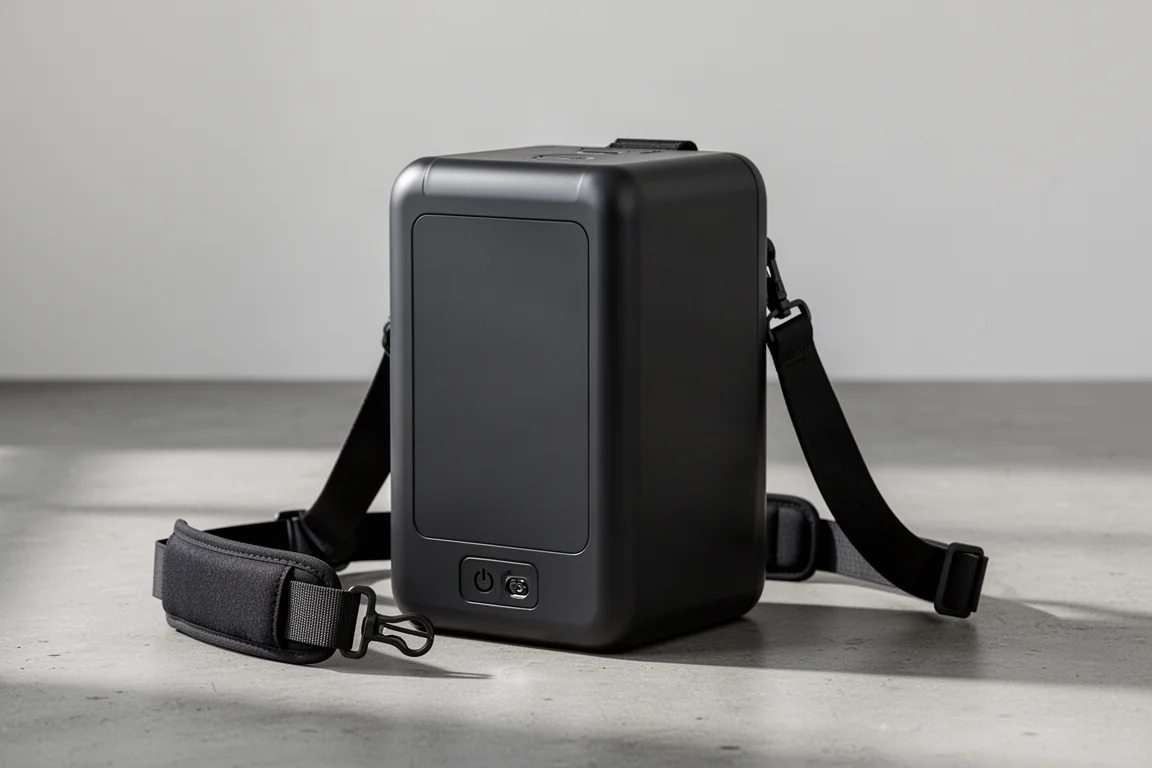
The PDC1200 is a different beast entirely. Its name comes from the 1,200 watt hours printed on the front, which works out to 33.5Ah at 36V, almost three times what the PDC01 can manage with four 6Ah packs. Unlike the PDC01, there are no batteries to load. This is one giant sealed battery, and there is no way to open it up or change anything inside.
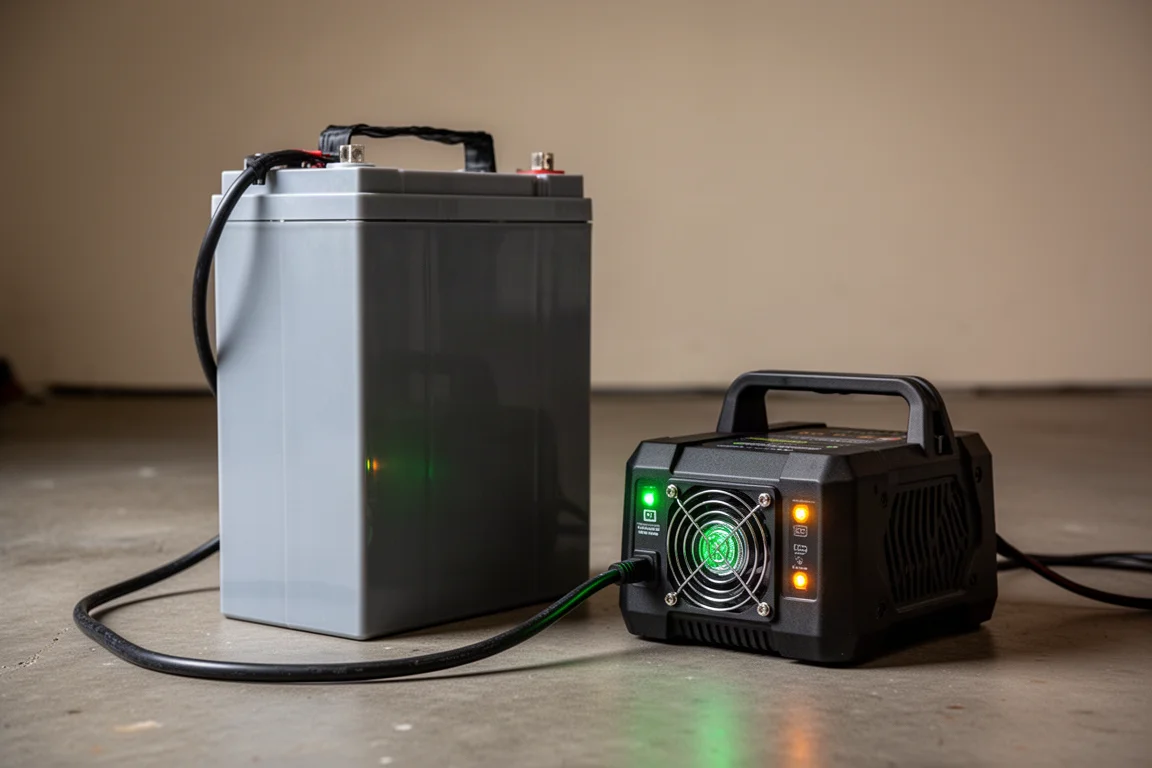
Charging happens through a dedicated port below the power button using the supplied charger, and a full charge takes about five hours. That is a long wait mid-job, so the practical advice is the same as with any battery tool: you really need two of them, charging one while you work off the other. That makes it a hefty financial investment.
The removable harness pops off with the push of a grey button, which makes charging easier, and it adjusts for height like the PDC01’s. It also clips directly onto certain tools, such as a lawn mower, where a single PDC1200 gives you 33.5Ah at 36V, roughly double what two 8Ah 40V Max batteries deliver. It also works with ConnectX plugs, letting compatible blowers and line trimmers connect directly without the clunky battery adapter. The connection slots in without locking or twisting, but it holds well and pulls out easily if you catch it on something or walk away from the tool, which is a thoughtful safety touch.
Weighing around 8.8kg before the harness, over 9kg with it, it is a couple of kilograms heavier than the PDC01, but you get considerably more capacity for that weight.
Real-World Runtime Numbers
The numbers show where the PDC1200 shines. A 40V split-shaft power head with a blower attachment manages around 10 minutes at full power on a 5Ah battery, but roughly 65 minutes on the PDC1200. The standalone 40V blower runs about 16.5 minutes on a 5Ah battery, and around 110 minutes, well over an hour and a half, on the PDC1200. For anyone using outdoor power equipment all day where petrol is not an option, that is a genuine working day on one pack.
PDC01 vs PDC1200: Pros and Cons
Here is how the two stack up side by side:
- Battery swapping: The PDC01 lets you change out batteries and carry on working. The PDC1200 requires charging the whole sealed unit.
- Compatibility: The PDC01 runs 18V and 36V tools. The PDC1200 will not run single 18V tools, only the 36V and 40V Max battery systems.
- Weight: The PDC01 is nice and light at about 7kg with batteries. The PDC1200 is heavy at over 9kg with the harness.
- Runtime: The PDC01 only gives double the runtime on 36V tools, whereas the PDC1200 delivers at least four times the runtime of the largest 8Ah 40V Max battery.
Neither is complicated to connect: line up the arrow on the tool with the arrow on the adapter, plug them together, and you are ready to go. Just remember to switch the backpack unit on before you start.
Buying Advice: Which One Makes Sense for You
Setup is worth thinking about honestly. Neither backpack is as simple as grabbing a tool with a slide-on battery; you have to get the harness on, route the lead and plug in the tool, which can be a bit cumbersome solo at first. Switch the pack on before you pick it up, since reaching the power button while wearing it takes some getting used to.
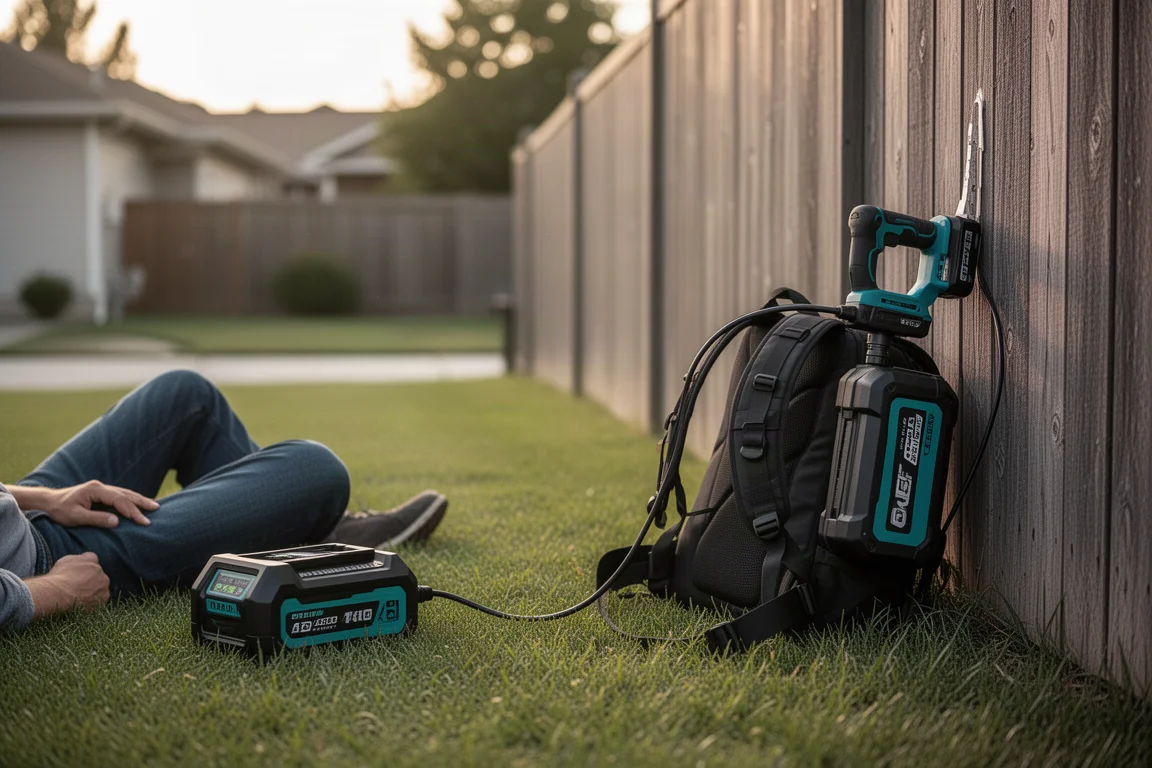
If you mostly run 18V tools and already own a stack of LXT batteries, the PDC01 is the lighter, more flexible buy. If 36V runtime is the goal, its doubling effect is modest. For heavy outdoor power equipment use, especially blowers that chew through batteries, the PDC1200 is the stronger choice, provided you accept the price and the five-hour charge time and buy two units. Note that the PDC01 has been discontinued in some markets, including New Zealand, though it can still be found where stock remains; the PDC1200 is the unit Makita is pushing forward. It would not be surprising to see this large-format battery approach extended to bigger machinery like plate compactors in future.
Conclusion
Both backpack systems solve the same core problem, cordless runtime, in very different ways. The PDC01 turns the batteries you already own into a flexible, lightweight extendable pack, while the PDC1200 trades weight and price for nearly three times the capacity of any four-battery setup. Match the pack to your tools and workload, and either one turns a ten-minute blower session into a proper morning’s work.
Further reading
Related Reviews
Power Tools
Best 1-Inch Pistol Impact Wrenches: Three Heavy-Duty Options Compared
We compare three 1-inch pistol impact wrenches, from a budget-friendly Harbor Freight model to a premium Caterpillar unit, to help you choose the right one.
Power Tools
Best 3/4-Inch Impact Wrenches 2026: Five Contenders Compared
We compare five 3/4-inch impact wrenches across price and performance, from a budget Amazon option to Snap-on's most powerful model yet.
Power Tools
Best Budget Cordless Tools 2026: Walmart Finds That Punch Above Their Price
We tested five cordless tools from Walmart, including a high-torque impact wrench that trades blows with Milwaukee and a $35 duster that outperforms its price class.