Power Tools & Power Stations
Makita BAC01 Inverter and PDC1500 Backpack Battery: Battery Power Becomes AC Power
Makita's first battery inverter turns backpack battery power into pure sine wave AC, plus 12V DC and USB, with up to 1,400W continuous output.
Introduction
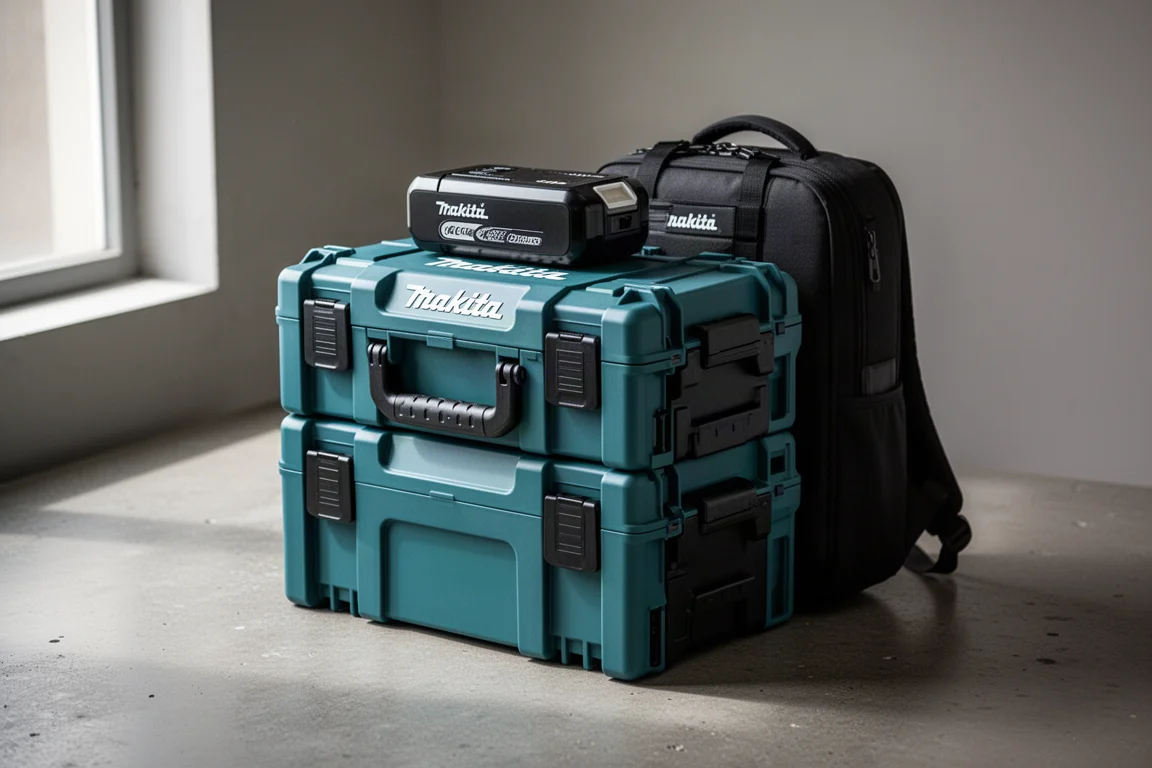
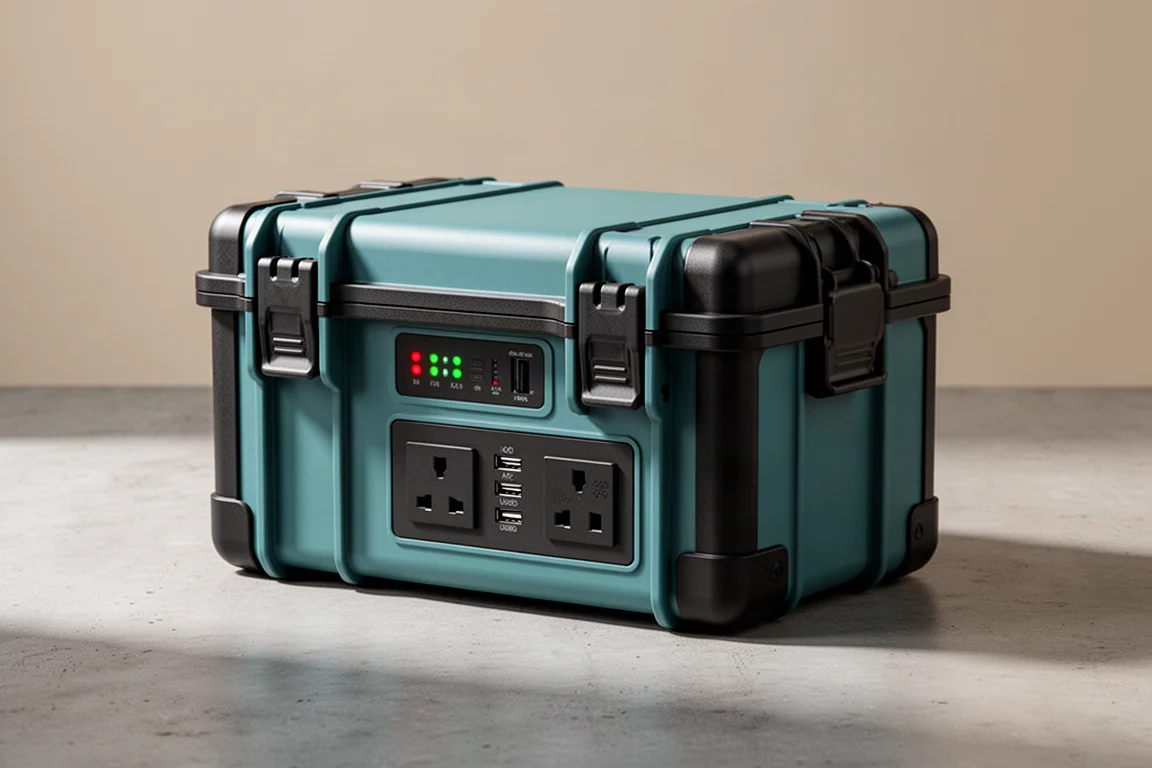
Makita has never made a battery inverter before, and the BAC01 is exactly that: a unit that takes DC battery power and converts it into AC mains power. It also adds 12V DC via a cigarette-lighter style socket and four USB ports, so a single stack can run mains appliances, 12V accessories, and charge phones at the same time.
Paired with the new PDC1500 backpack battery, it becomes a genuine alternative to a small petrol generator for sheds, job sites, and power cuts, with none of the fumes, pull-starting, or noise.
Design: Built Like a MakPac, Powers Like a Power Station
The BAC01 uses Makita’s MakPac stackable case system. It clips to the top or bottom of existing MakPac boxes, and the clips spring down so another case can sit flush on top when it is not in use. While running, it must sit on top of the stack, since the backpack battery connects above it: an arrow on the battery lines up with an arrow on the inverter, you push it in, turn it on, and the system is live.
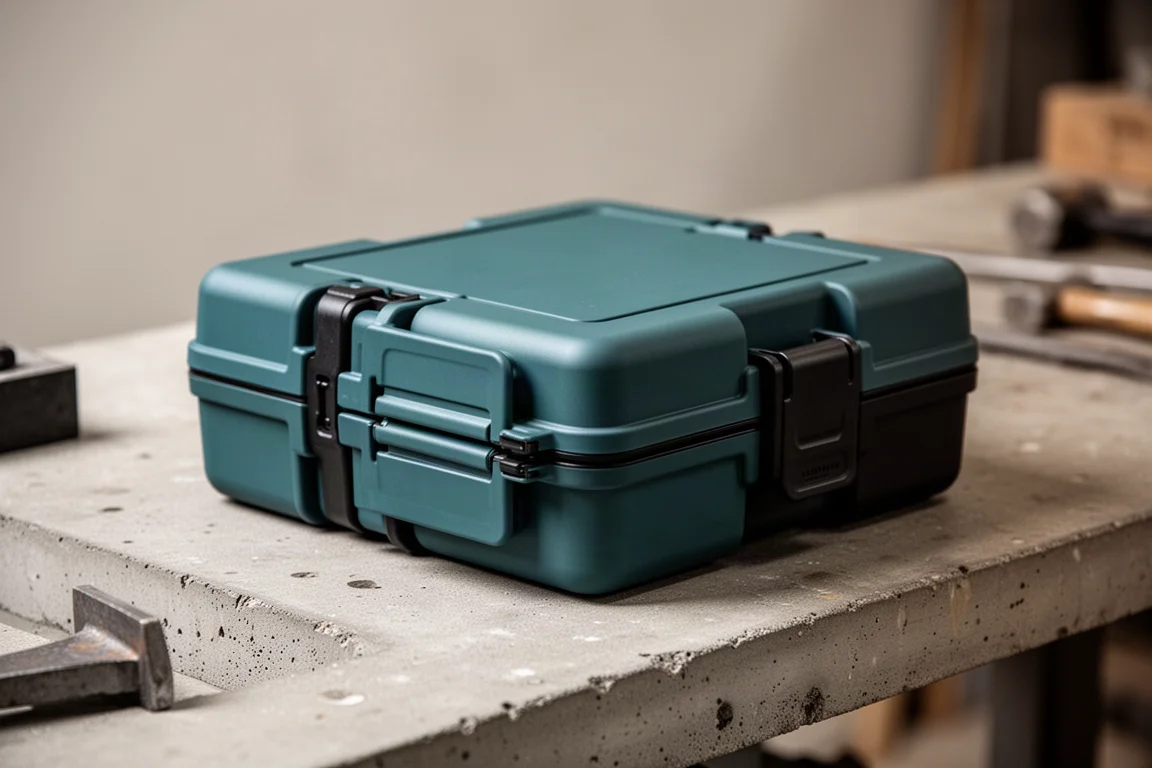
Outputs include two USB-A ports rated 5V at 2.4A and two USB-C ports with Power Delivery up to 30W each (60W total). The AC side uses a 50/60Hz selectable setting, with region-specific socket variants for markets such as New Zealand/Australia, Europe, the UK, Japan, and the US. There is also a 12V DC socket delivering 10A.
Power Output and Safety Cutout
The front panel shows output in wattage steps up to a maximum of 1,400W continuous. If a connected appliance exceeds 1,400W, the unit sounds an alarm (which can be muted, and the setting is remembered), the 1,400 light flashes, and after roughly five seconds it cuts out. Short spikes up to about 2,800W are handled for a few seconds, which helps with motor startup surges.
The built-in cooling fan only kicks in at higher loads, roughly above 400W, and it is fairly noisy when running alongside connected tool fans.
Powering the BAC01: The PDC1500 Backpack Battery
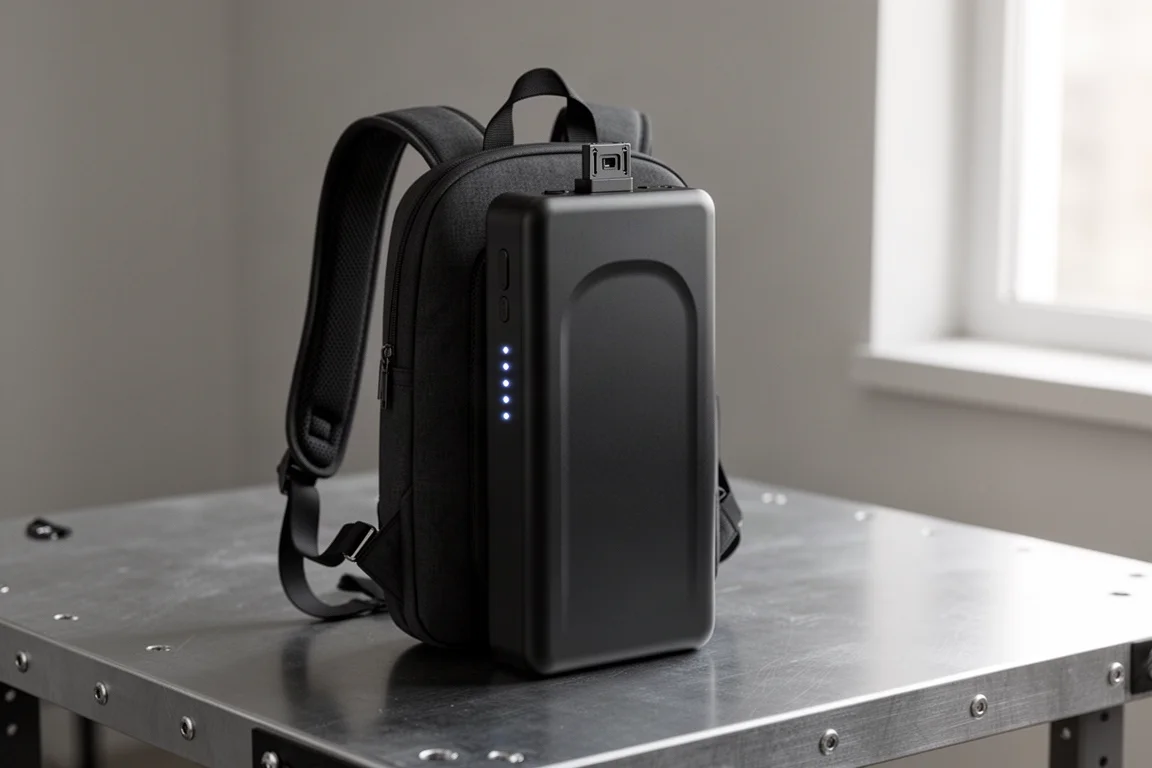
The PDC1500 is Makita’s new backpack battery and the big brother to the PDC1200. It uses the same ConnectX connection and delivers 43.55Ah at 36V, about 1,567.8Wh, which Makita rounds down rather than up. That is roughly equivalent to eleven 4Ah power tool batteries stacked into one wearable pack.
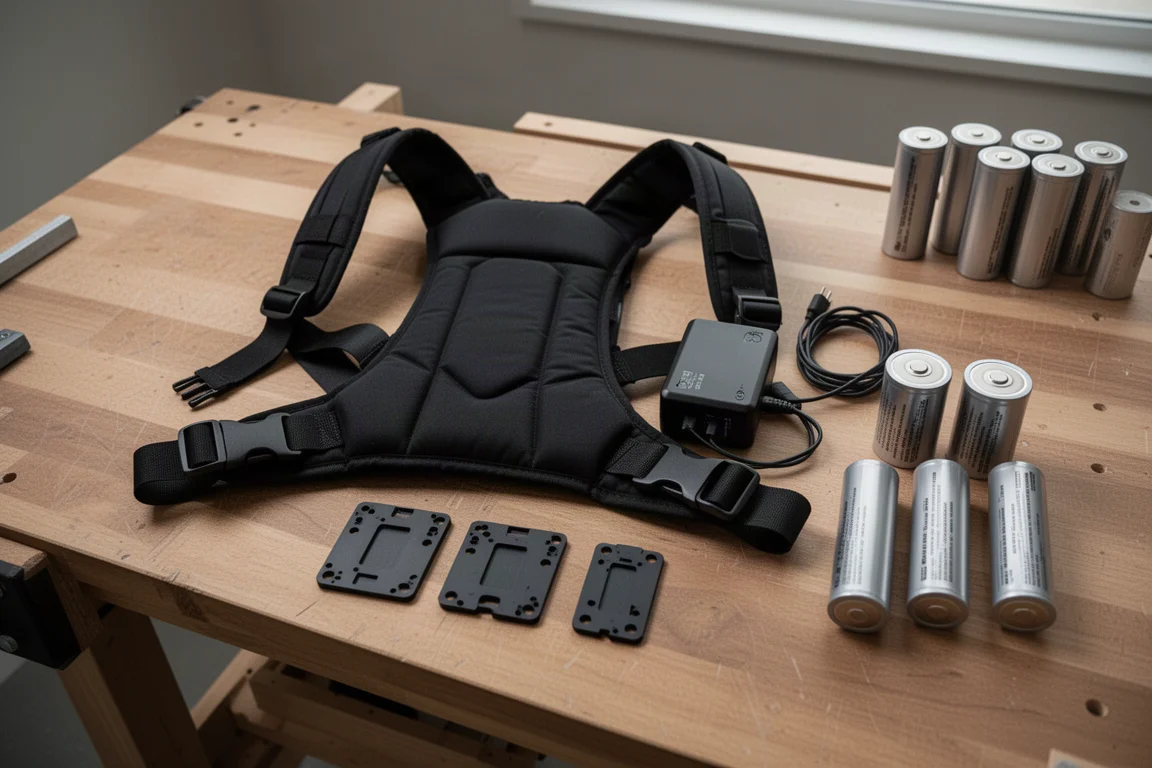
Inside, it is made up of 130 cylindrical lithium cells, the same cell type used in electric vehicles. Charging both the PDC1200 and PDC1500 takes about 6 and 7.5 hours respectively using the DC401 charger, which runs on 100-240V input so it works in any country with the right plug.
One limitation to know: the BAC01 cannot charge its own battery while outputting power. When you plug the charger into the inverter’s AC output while running, the system detects simultaneous input and output and shuts down.
What It Can Run: Hand Tools, Grinders, and Real Run Times
In testing, charging phones via USB barely registered on the wattage meter, while a 350W charger showed around 200-400W, and adding a dual 18V charger pushed it toward 800W. A fan heater on its first heat setting read around 600W before settling to 400W, and a 1,000W load ran steadily without issue.
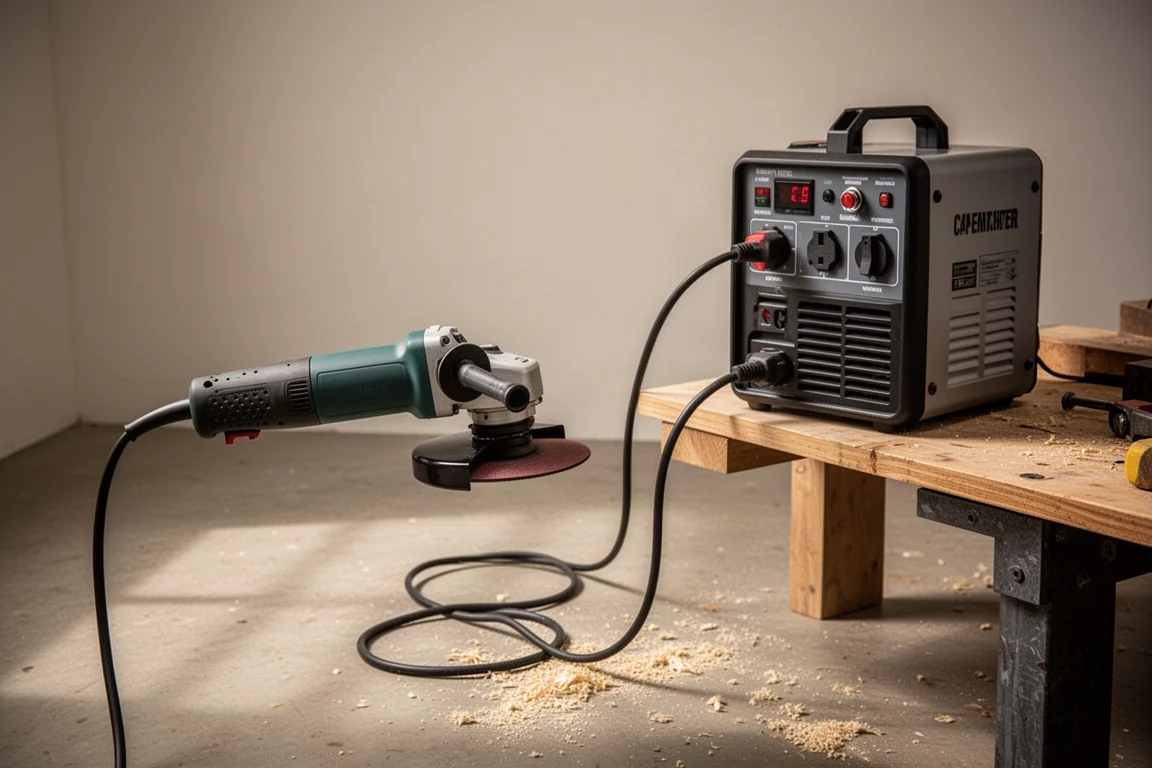
For grinders, the practical gains are significant. A corded 1,200W grinder should run for roughly an hour on the PDC1200, and up to about 1.5 hours on the PDC1500, compared with the 5-10 minutes you might get running a battery grinder directly. A 750W grinder could run around two hours. Large mowers, table saws, concrete cutters, and breakers, however, are generally too powerful for the 1,400W limit.
A note on the wattage display: when first plugging in an appliance, the reading can spike briefly before settling to the real draw, so give it a moment to regulate before worrying.
Emergency and Off-Grid Use
Because the inverter outputs pure sine wave power, it is safe for electronics: TVs, laptops, phones, and fridges, unlike older basic petrol generators that can fry sensitive devices. Modern LED TVs between 32 and 50 inches should run for up to around 10 hours, and most fridges for roughly 6-7 hours on the PDC1500.
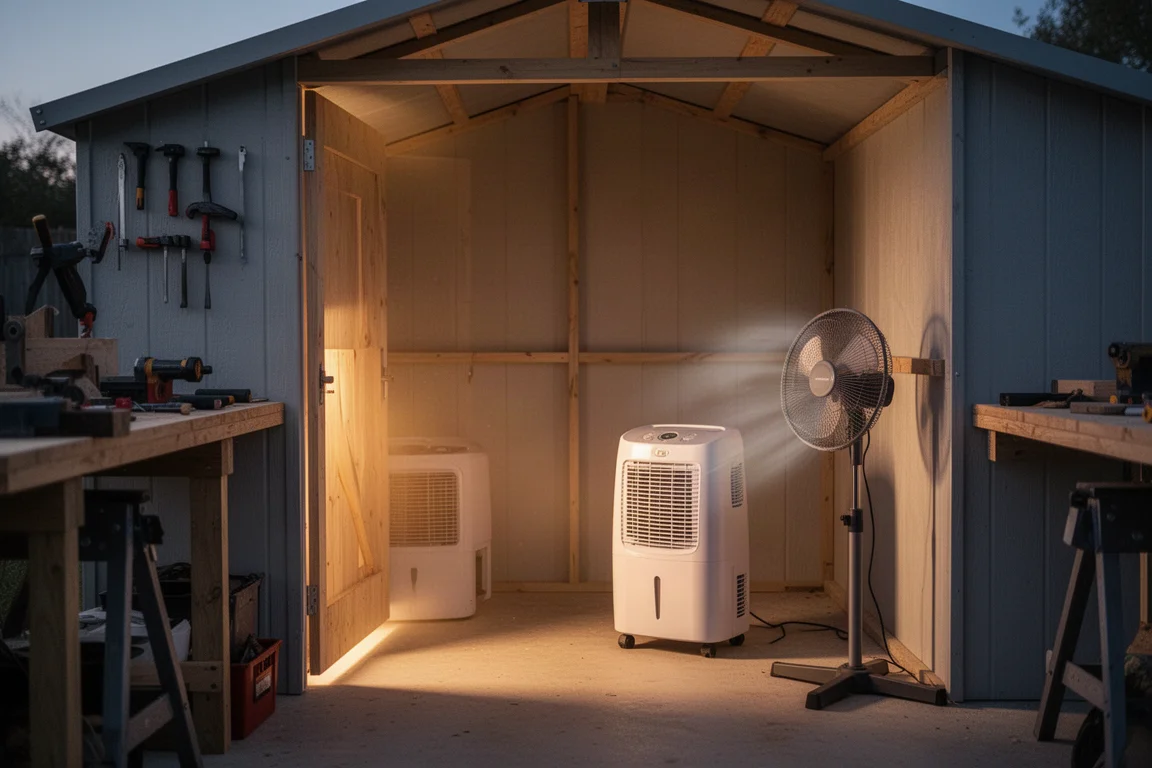
In a practical test, a dehumidifier drawing around 300W plus a 100W fan ran for roughly 5.5 hours off the PDC1500 before the battery died, with one battery bar consumed in the first hour and the AC light flashing as the final bar emptied.
There is also a 40V option: the PDC01 adapter plate lets you run the BAC01 with 40V LXT batteries, up to four 6Ah packs, though run time is short. Many users will be hoping Makita eventually builds a dedicated 40V version.
Buying Advice
If you already own a PDC1200 or other ConnectX battery, the BAC01 is considerably cheaper than buying a standalone power station from another brand, and the pure sine wave output means it is fine for TVs, laptops, and other electronics. If you need to buy the backpack battery as well, the full setup is pricey, so weigh it against a conventional power station before committing.
Conclusion
The BAC01 does exactly what an inverter should: it powers things as if they were plugged into the wall, quietly, without fumes, and without needing petrol. Combined with the PDC1500, it is a tidy, stackable solution for sheds without power, job sites, and emergency backup, and a smart buy for anyone already invested in Makita’s battery platform.
Further reading
Related Reviews

Power Stations
Anker SOLIX F3800 Plus Review: A Powerful 6,000W Power Station With Some Trade-Offs
The Anker SOLIX F3800 Plus delivers a robust 6,000W inverter, fast solar charging, and solid UPS performance, but high idle draw and a hefty weight give buyers real things to consider.

Power Tools
Best Right Angle Impact Wrenches 2026: Three Models Put to the Test
A close look at three right angle impact wrenches, including a record-breaking Makita and two budget options that fall short.

Power Stations
Bluetti Elite 30 v2 Review: A Compact Power Station With Big Upgrades
The Bluetti Elite 30 v2 brings a larger battery, faster charging, and a quieter UPS mode to the budget micro power station segment.