Power Tools
Makita 6-1/2 Inch vs 7-1/4 Inch Circular Saw: Which Size Do You Actually Need?
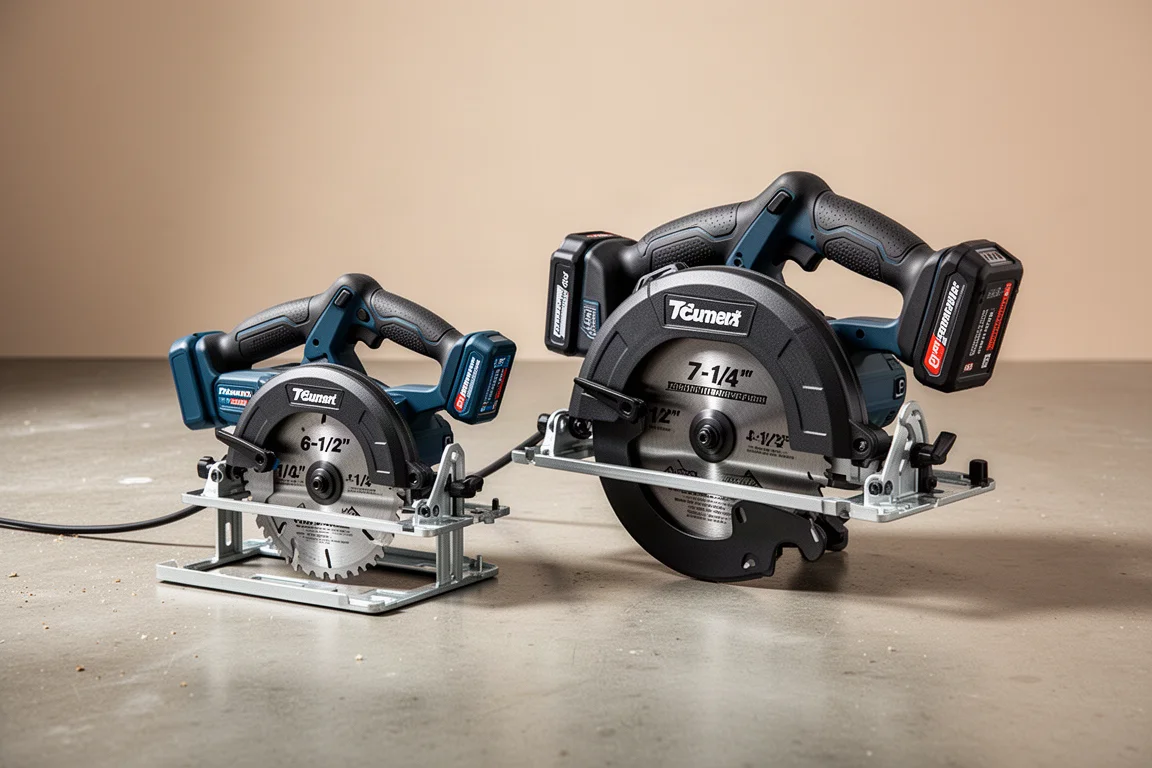
Two Makita circular saws show where a compact 6-1/2 inch saw shines and where the larger 7-1/4 inch earns its extra weight and power.
Introduction
A common question among DIYers and job-site users is whether a larger 7-1/4 inch circular saw is really necessary, or whether a 6-1/2 inch model gets the job done. The two Makita saws below are a useful pair for comparison, but the same logic applies across brands like DeWalt, Milwaukee, Ridgid, Ryobi, and Kobalt, most of which offer both sizes. Each size has genuinely useful applications, and many users find a place for both.
The Case for the 6-1/2 Inch Circular Saw
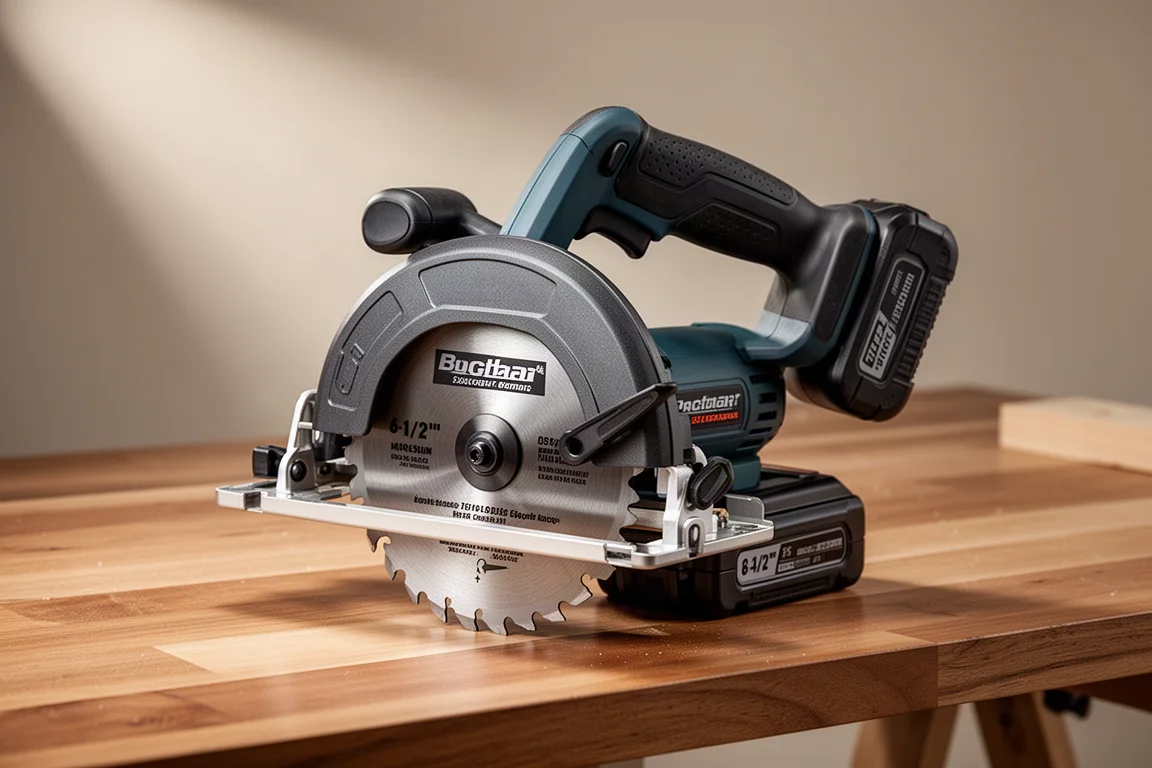
The 6-1/2 inch class is often described as the sweet spot for circular saws. These saws cut most pieces of lumber with relative ease, and they stay light, maneuverable, and compact in the hand. That makes them a strong choice as a general-purpose house saw or for quick job-site use, and they are genuinely easy to run.
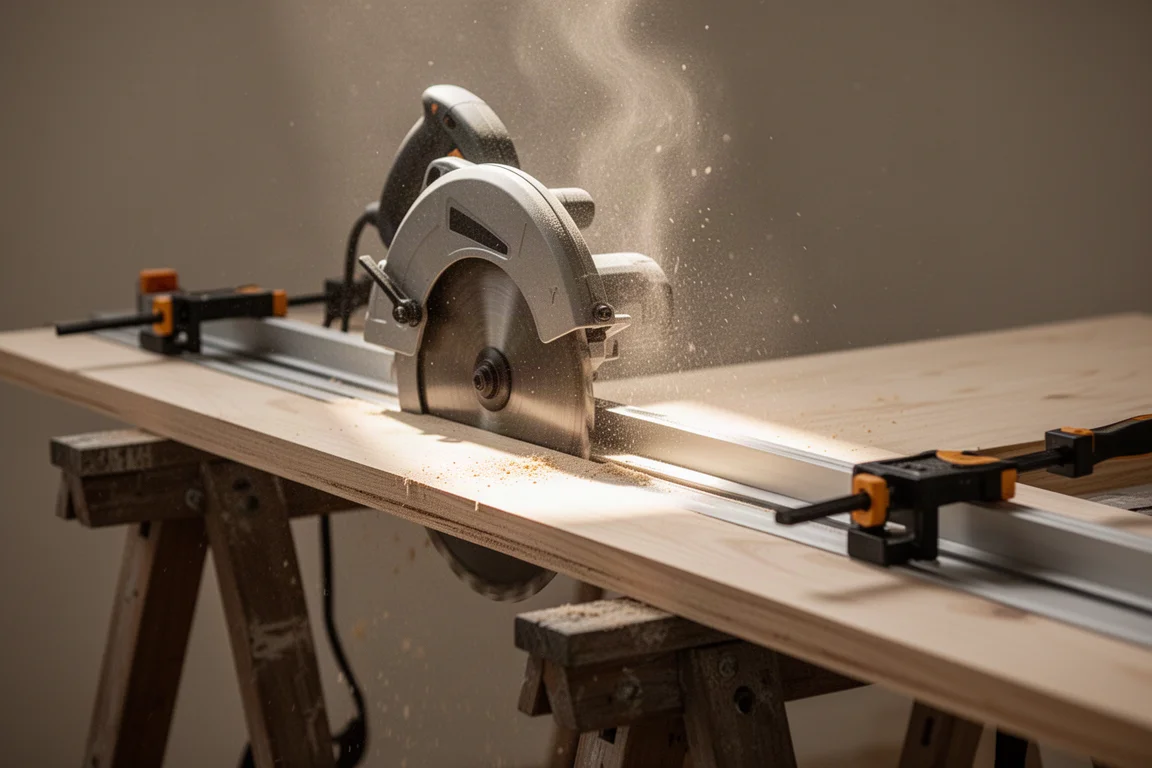
Smaller circular saws go down to around the 3-1/2 inch range, including very compact 12V models, but the 6-1/2 inch size balances capability and portability better than either extreme. If your work rarely pushes beyond standard dimensional lumber, this size is hard to fault.
The Case for the 7-1/4 Inch Circular Saw
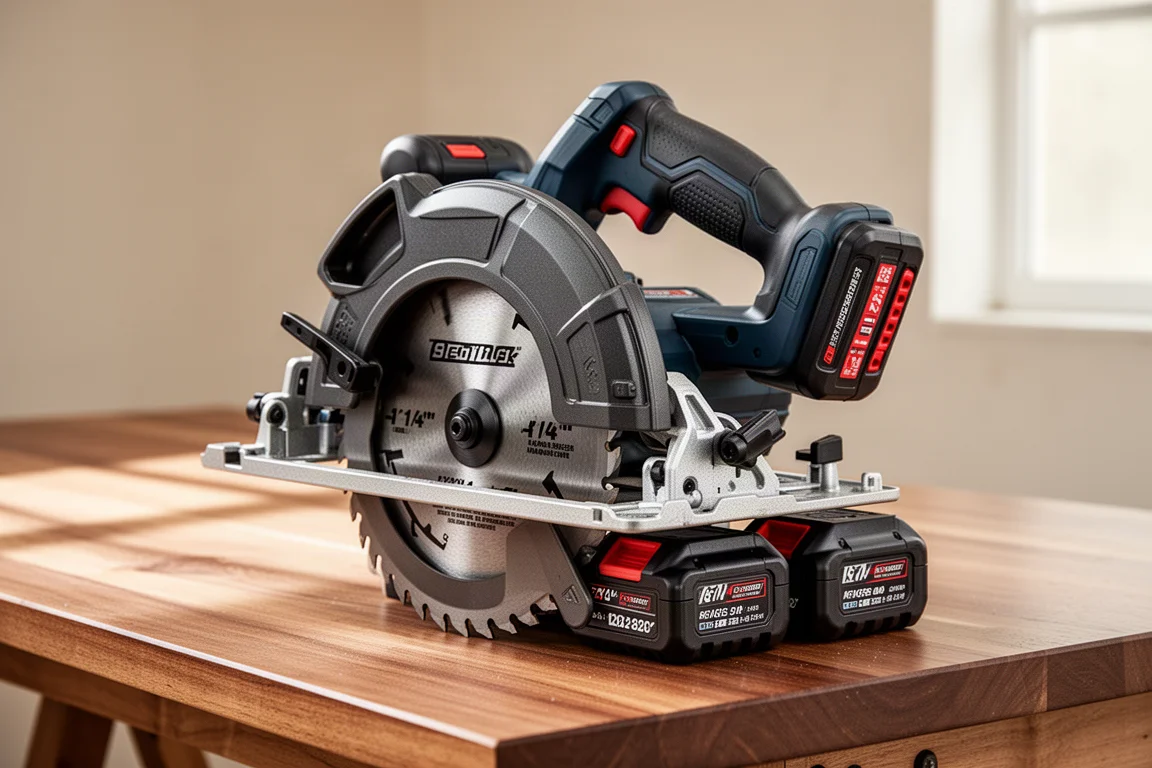
Moving up to a 7-1/4 inch saw brings two clear benefits: more cutting depth and more power, since a larger blade demands a stronger motor. The obvious disadvantage is bulk. Placing the two Makita top-handle saws side by side makes the size difference immediately noticeable, and the larger saw is heavier even without batteries than the smaller saw is with one attached.
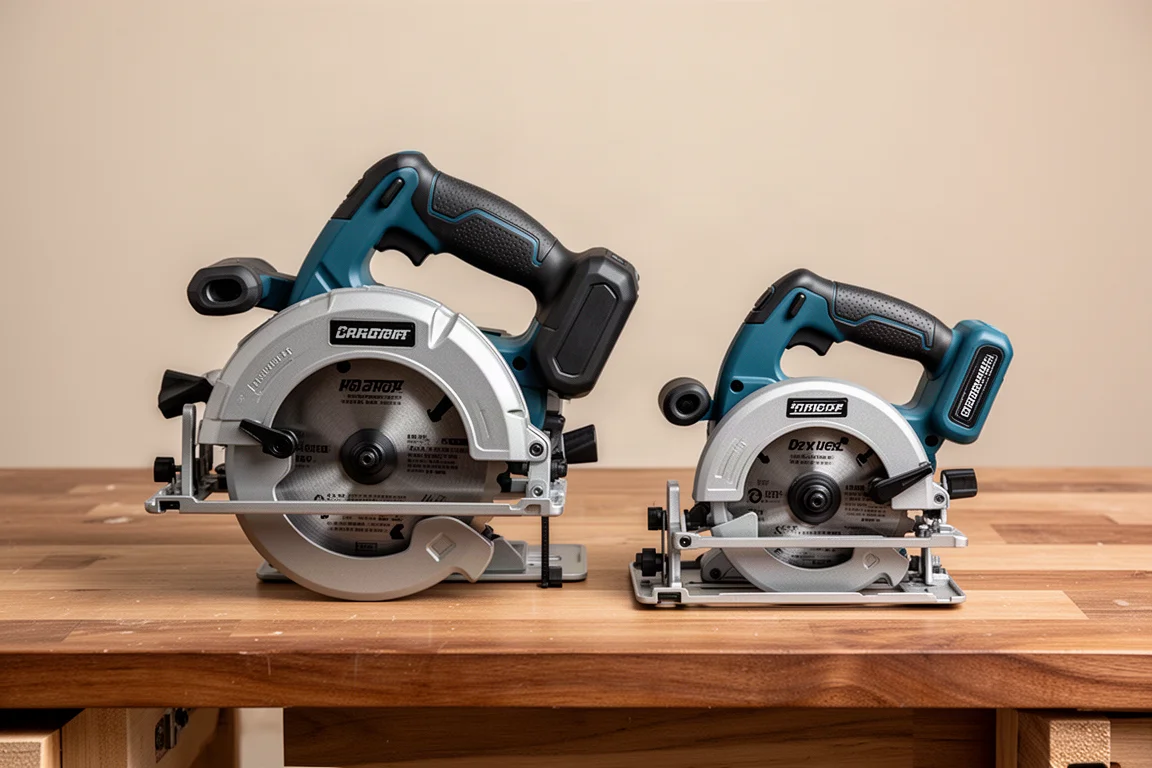
That extra weight matters if you regularly carry the saw up and down ladders or maneuver around tight spaces, so the trade-off should fit how and where you work. In return you get the versatility of deeper cuts and stronger performance on bigger material.
Battery, Weight, and Runtime Trade-offs
On the Makita system specifically, the 7-1/4 inch saw is a 36V tool that runs on two 18V batteries, while the 6-1/2 inch saw is a standard 18V tool. Keeping the larger saw running continuously effectively requires nearly twice the number of batteries, which is a real cost and logistics consideration.
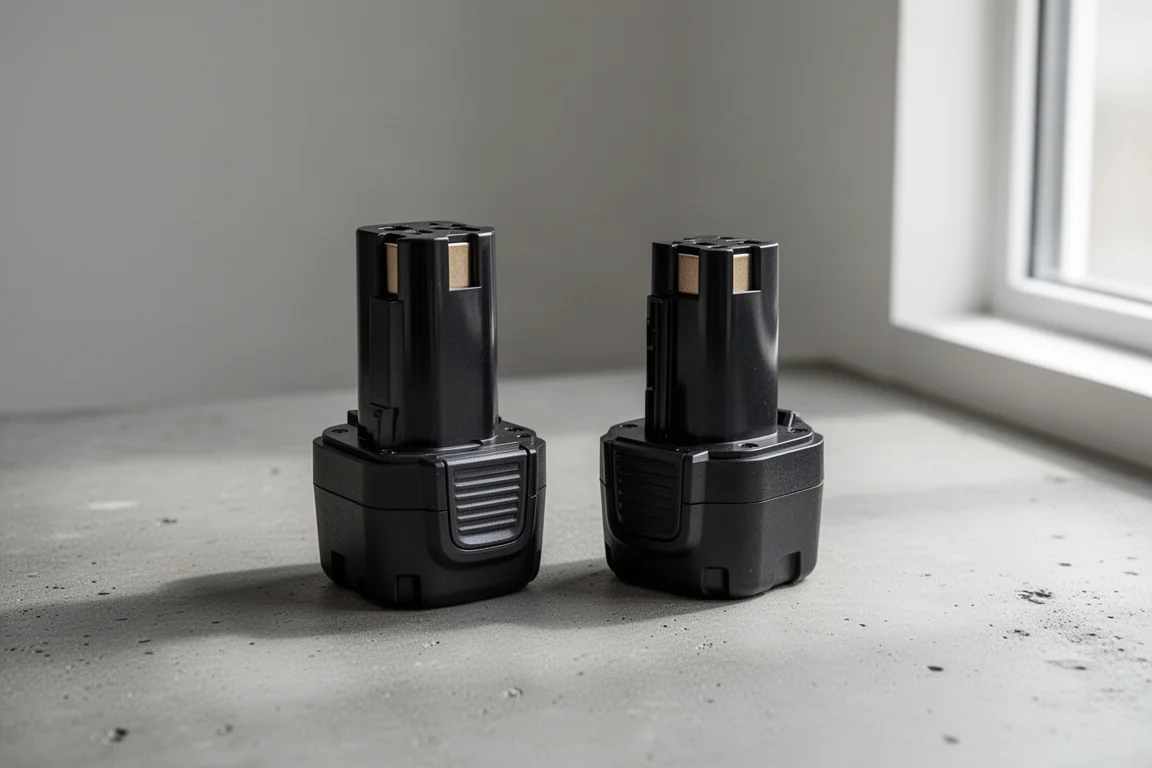
The upside is that running two batteries gives the 36V saw a bigger fuel tank, delivering slightly longer run time even though it does not pull twice the power from the batteries at all times.
Blade Costs and Running Expenses
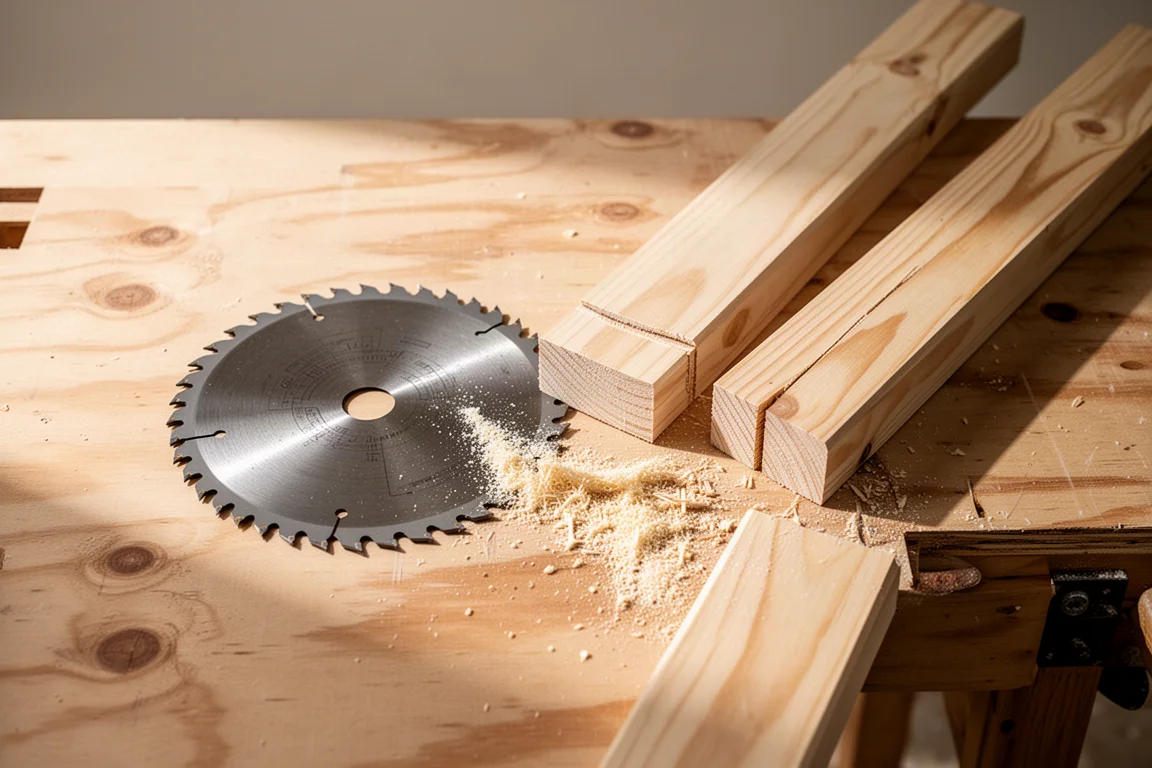
An often-overlooked factor is blade cost over time. In some stores the 7-1/4 inch blade is actually the cheaper of the two, and that size tends to be found more commonly on the shelf than 6-1/2 inch blades, with better deals turning up more regularly on the larger size.
Depending on your local pricing, whether that is a big-box retailer or another supplier in your area, you may find the 7-1/4 inch saw cheaper to run over time even if one saw costs more upfront. It is worth checking blade prices where you actually shop before deciding.
Buying Advice: Which One Should You Pick?
It is never a bad idea to own both, since each size has its own uses. But if you have to pick just one, the larger saw is the more versatile choice: it offers greater cutting depth, more power, and slightly longer battery run time from its two-battery setup.
Yes, it is heavier and harder to use at times, but for anyone who needs the flexibility to cut deeper material, the 7-1/4 inch saw earns its extra bulk. For lighter duty and frequent carry, the 6-1/2 inch remains the more comfortable daily driver.
Conclusion
Choose the 6-1/2 inch saw if you want a light, compact tool that handles most lumber with ease and is easy to run around the house or on quick job-site tasks. Choose the 7-1/4 inch saw if depth of cut, power, and runtime matter more than portability, and you can accept the added weight. If budget allows, both make a well-rounded pair for anyone who uses a circular saw regularly.
Further reading
Related Reviews
Power Tools
Best 1-Inch Pistol Impact Wrenches: Three Heavy-Duty Options Compared
We compare three 1-inch pistol impact wrenches, from a budget-friendly Harbor Freight model to a premium Caterpillar unit, to help you choose the right one.
Power Tools
Best 3/4-Inch Impact Wrenches 2026: Five Contenders Compared
We compare five 3/4-inch impact wrenches across price and performance, from a budget Amazon option to Snap-on's most powerful model yet.
Power Tools
Best Budget Cordless Tools 2026: Walmart Finds That Punch Above Their Price
We tested five cordless tools from Walmart, including a high-torque impact wrench that trades blows with Milwaukee and a $35 duster that outperforms its price class.