Power Tools
Makita 40V Max XGT StarlockMax Oscillating Multi-Tool: A Serious Challenger to the Sawzall
Makita's 40V Max XGT brushless StarlockMax oscillating multi-tool tames the noise, vibration, and imprecision that usually come with the category, and it is changing how pros approach drywall, notches, and flush cuts.
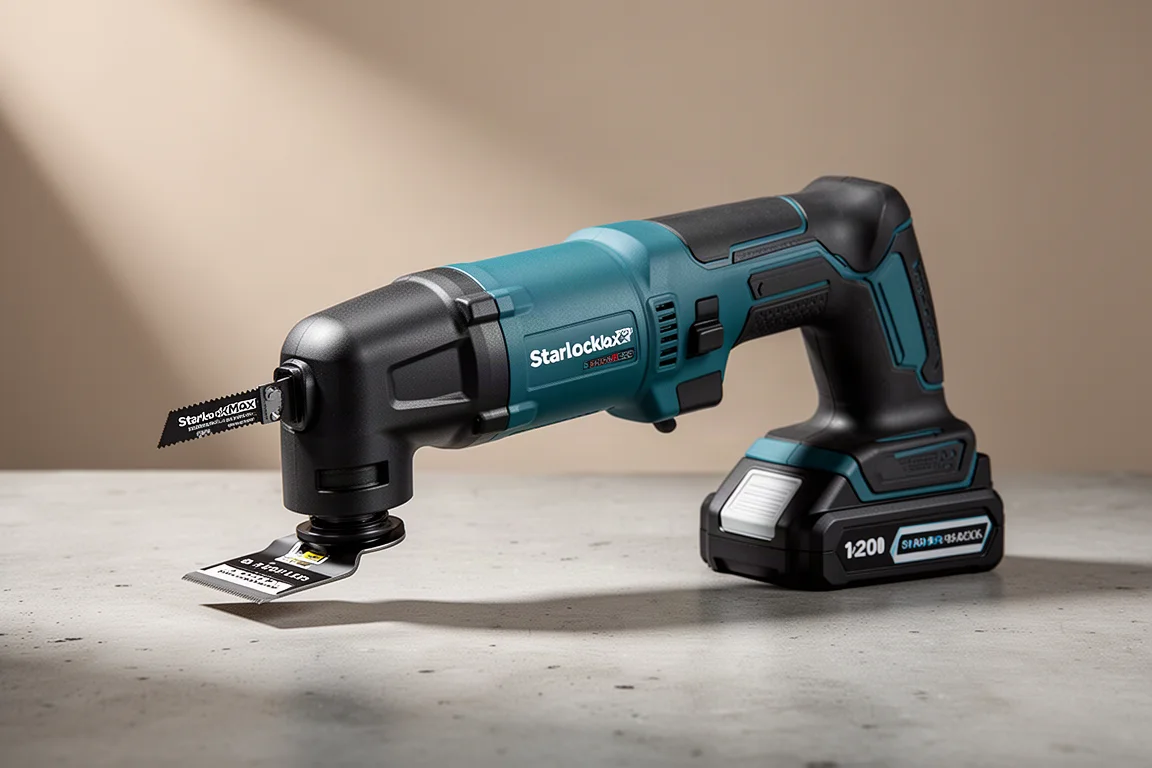
Introduction
The oscillating multi-tool has long been the reliable sidekick of the job site, but could it actually push the legendary reciprocating saw off the job? To settle the argument, the pros, DIYers, and weekend warriors were asked which tool they reach for more often. With nearly 2,600 votes, 63% chose the oscillating multi-tool while 37% still grab the reciprocating saw.
The comments told a more nuanced story. Some users never replaced a broken multi-tool and stick with their reciprocating saw. Others, especially finish carpenters, say the multi-tool is simply more precise and useful. One restorer reported using a flush-cut approach all day, every day. And a common middle ground: “I probably use my multi-tool more, but I can’t imagine not having my reciprocating saw.”
That debate sets the stage for the challenger: the Makita 40V Max XGT Brushless Cordless StarlockMax Oscillating Multi-Tool. Here is what it offers and where it fits.
What the Specs Promise
Makita’s 40V Max XGT battery delivers substantial torque and runtime, and the tool’s oscillation speed is adjustable from 10,000 to 20,000 oscillations per minute. That range covers everything from delicate precision work to aggressive cuts.
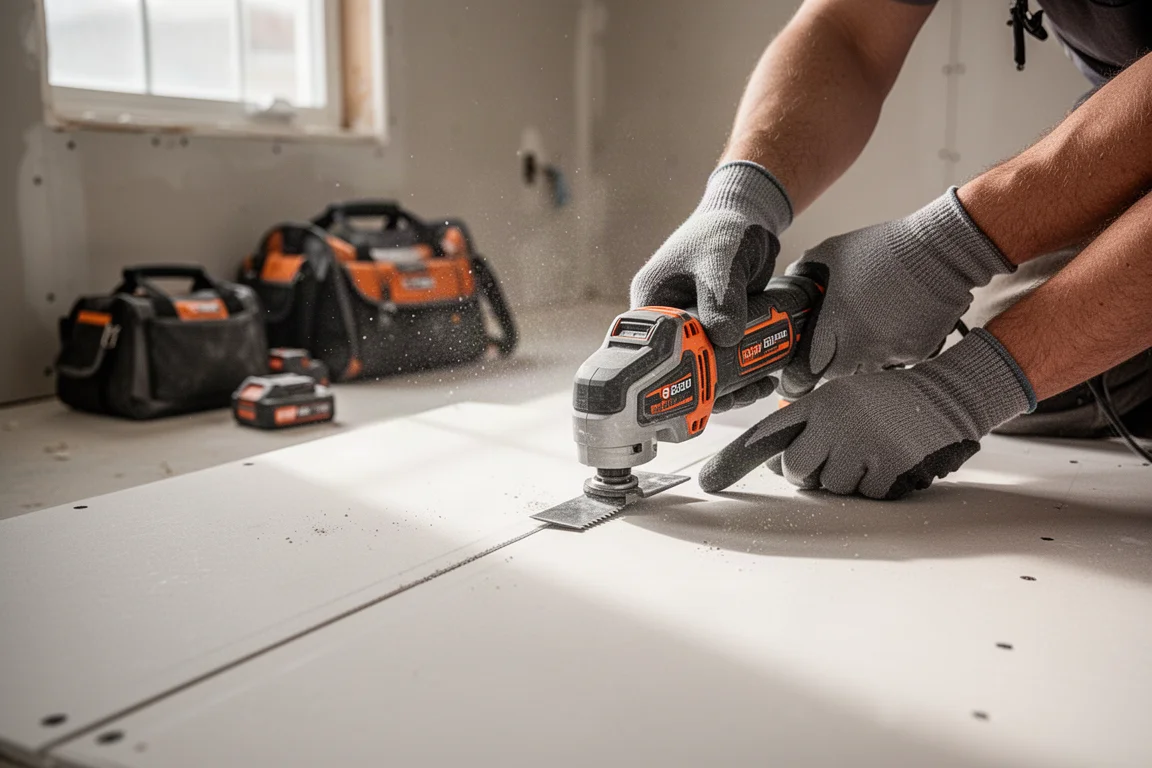
Other standout specifications include:
- StarlockMax system: quick, tool-free blade changes with maximum power transfer
- 3.6-degree oscillation angle: faster, cleaner cuts
- AVT (Anti-Vibration Technology): less fatigue over long tasks
- XPT (Extreme Protection Technology): resistance to dust and moisture for job-site durability
On paper, that is an impressive package for a tool in this category.
Quiet and Smooth: The Two Big Wins
When people think of oscillating multi-tools, two complaints usually come to mind: the noise, often compared to being attacked by a swarm of bees, and the harsh vibration. The Makita addresses both directly.
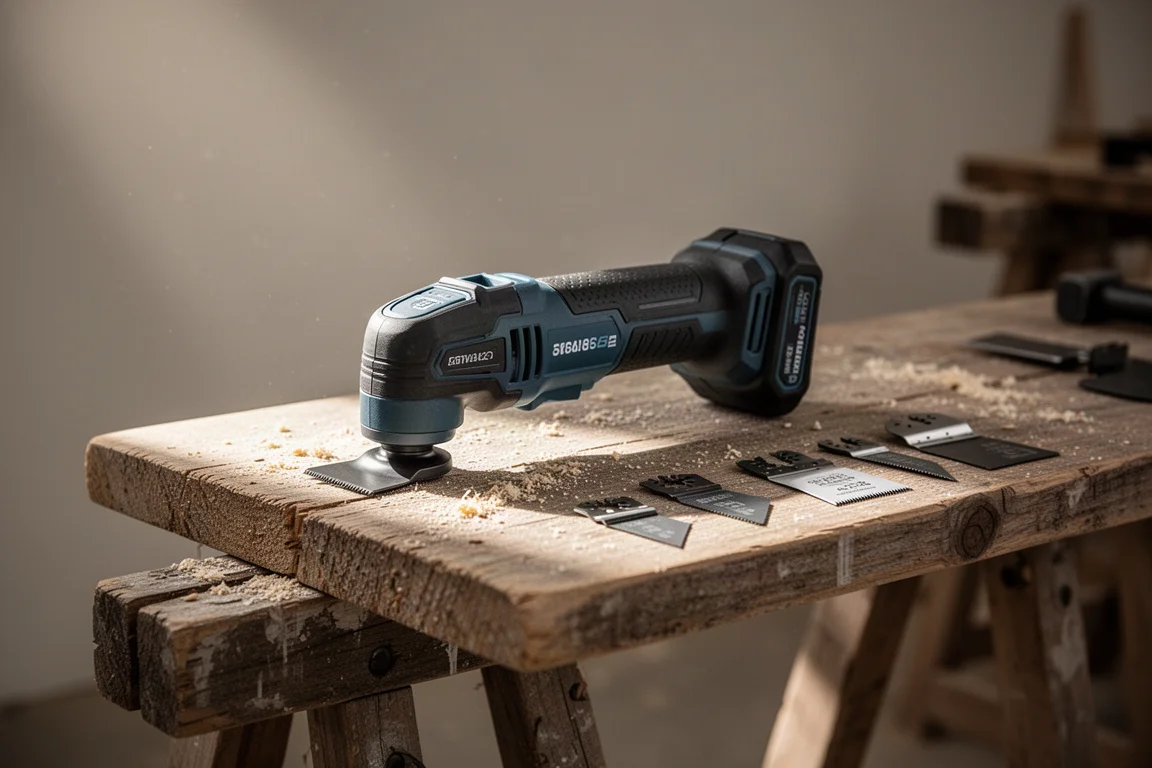
In direct comparison, the Makita runs remarkably quietly, even at higher speed settings. The speed dial also includes an auto mode that reduces oscillations until you need them, helping keep the tool calm during delicate work. On the vibration front, it is strikingly smooth compared with other brands. Those are usually the two biggest negatives of the category, and Makita has largely eliminated both. This tool does not feel like the oscillating multi-tools most people are used to.
Real-World Performance: Drywall and Precision Cuts
The most telling test is drywall work, where the reciprocating saw has traditionally dominated flood cuts and access openings. In practice, up-and-down cuts are much easier than cutting an entire room, and a reciprocating saw can feel wonky getting started. It also wears blades out quickly on a long run of cuts.
The multi-tool approaches the job differently. You can use circular-style blades suited to hitting the drywall at many different angles, or come in with a straight blade. Either way, you stay on your cut line from start to finish, carry a lot less tool to wield, and, because of the oscillating motion, you avoid over-penetrating into the wall cavity.
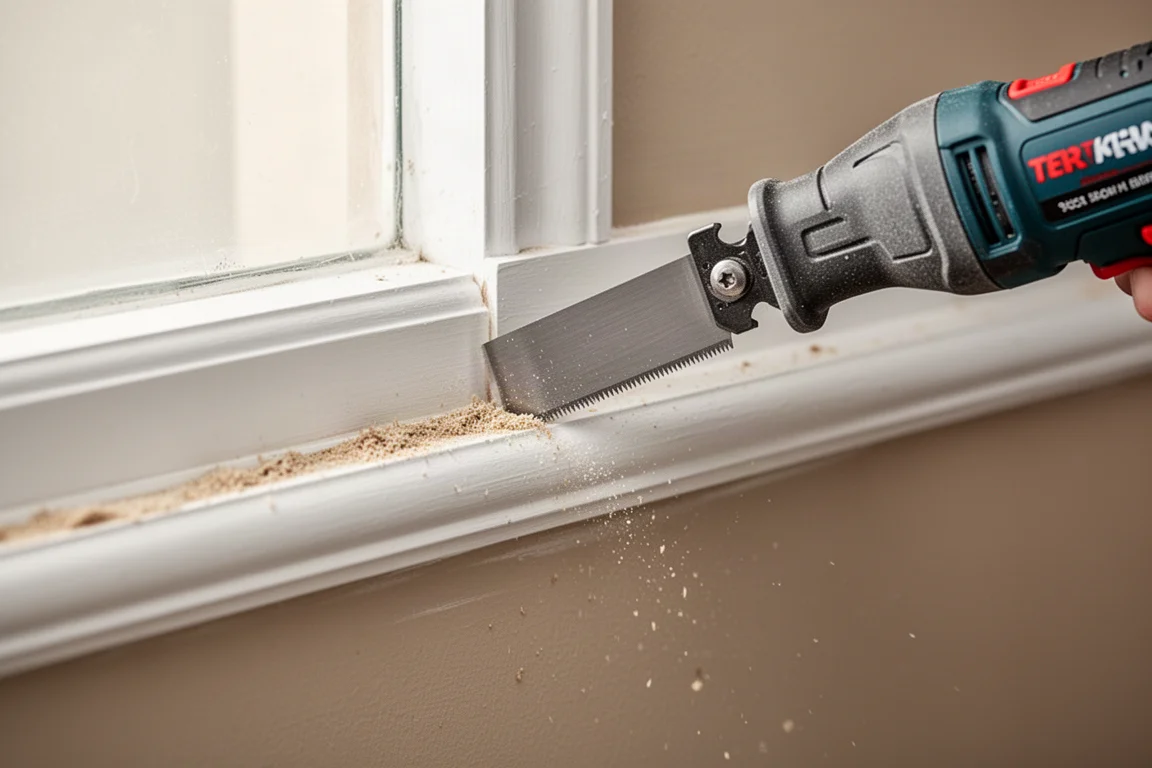
That last point matters more than it sounds. With a reciprocating saw or even a manual jab saw, the back-and-forth stroke can accidentally hit a pipe or puncture one, especially as more PEX plumbing finds its way into walls. The oscillating multi-tool removes much of that fear, and the blade can attack the work from many different angles to get the best cut.
The result is more precise work that does not beat you up nearly as much as a reciprocating saw. For flood cuts, access panels, notches in wood, and cutting base molding in place, the multi-tool eliminates the rework that used to come with making quick reciprocating-saw cuts and fixing them later. Beyond drywall, heavier demolition remains the reciprocating saw’s territory: it slices through easily, is undeniably faster, and is built for rough cuts.
Buying Advice: Replace or Complement?
Realistically, the oscillating multi-tool cannot fully replace a reciprocating saw on the job site. The two tools overlap in some tasks, but each has its specialty. For heavy demolition, the reciprocating saw is still a must-have.
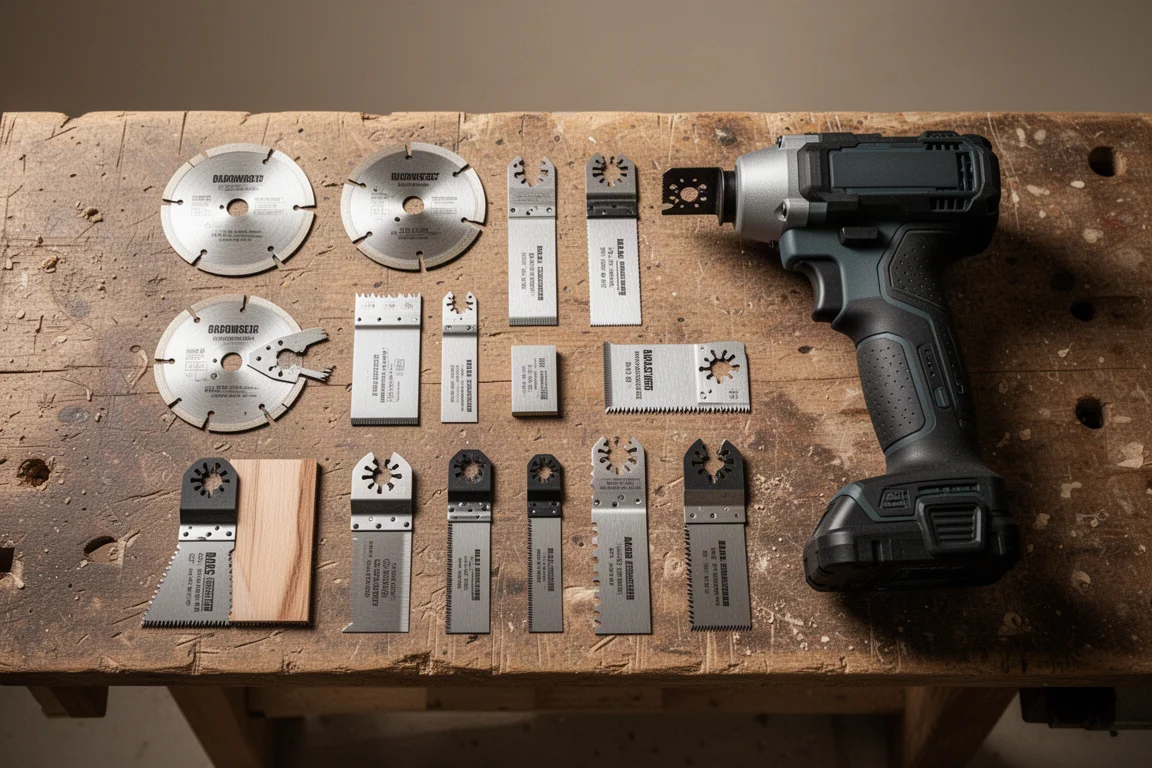
The reason opinion polls increasingly favor the multi-tool is habit shift: for flood-cutting drywall, access panels, notching wood, and cutting base molding in place, many users now pick the multi-tool first. Those are jobs that used to be done with a reciprocating saw, with less precise results and rework afterward. The multi-tool gets the job done faster, more precisely, and with better results when it counts.
If your work involves lots of finish-adjacent cutting, drywall, and in-place modifications, the Makita 40V Max XGT is an easy recommendation. If your days are dominated by rough demolition, treat it as a precision complement to your reciprocating saw rather than a replacement.
Conclusion
Is the oscillating multi-tool truly replacing the Sawzall? Not entirely, but it is certainly carving out a much bigger spot in the toolbox. Makita’s 40V Max XGT StarlockMax stands out by fixing the category’s classic weaknesses, noise and vibration, while delivering the precision and control that make pros reach for it first. For everything else, there really is a better way.
Product link
View more details for Makita 40V Max XGT Brushless StarlockMax Oscillating Multi-Tool
This product is mentioned in the review. Check the specifications, options, and compatibility before buying.
View more details for Makita 40V Max XGT Brushless StarlockMax Oscillating Multi-ToolFurther reading
Related Reviews
Power Tools
Best 1-Inch Pistol Impact Wrenches: Three Heavy-Duty Options Compared
We compare three 1-inch pistol impact wrenches, from a budget-friendly Harbor Freight model to a premium Caterpillar unit, to help you choose the right one.
Power Tools
Best 3/4-Inch Impact Wrenches 2026: Five Contenders Compared
We compare five 3/4-inch impact wrenches across price and performance, from a budget Amazon option to Snap-on's most powerful model yet.
Power Tools
Best Budget Cordless Tools 2026: Walmart Finds That Punch Above Their Price
We tested five cordless tools from Walmart, including a high-torque impact wrench that trades blows with Milwaukee and a $35 duster that outperforms its price class.