Power Tools
Makita 40V XGT Impacts Compared: Two Impact Drivers and Three Impact Wrenches
All five Makita 40V XGT impact tools put head to head in a fastener-driving test to find which one fits your work.
Introduction
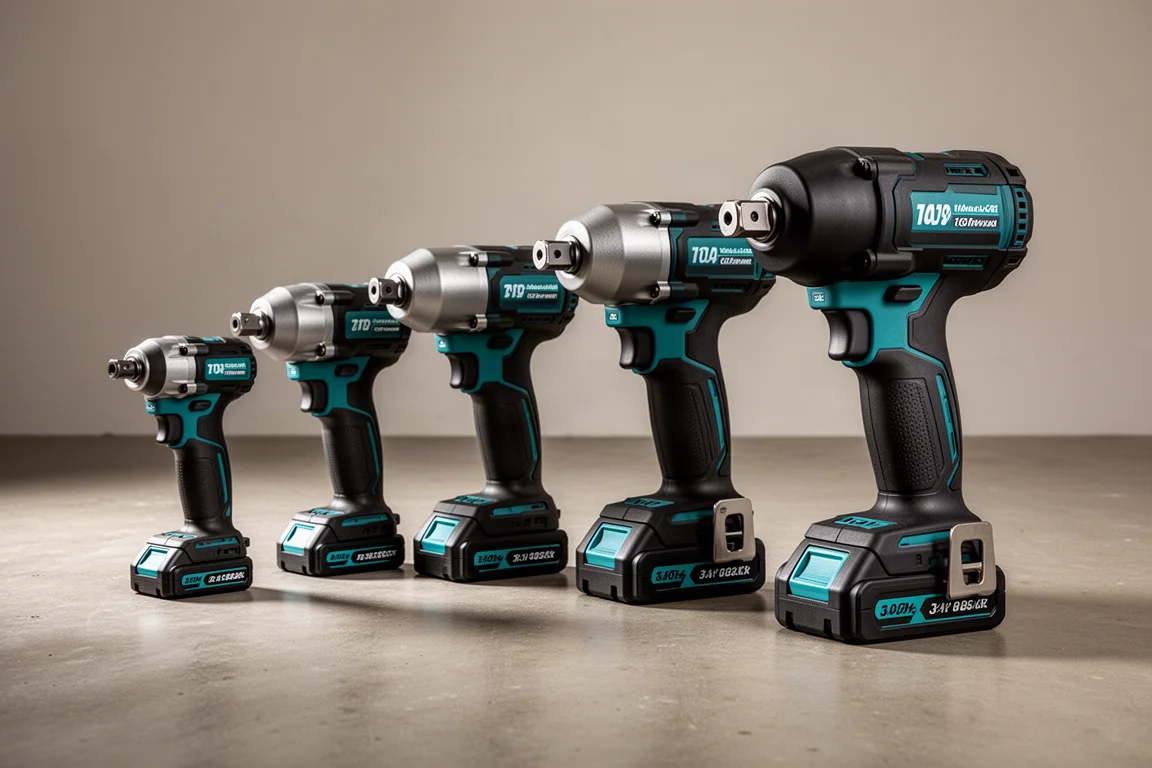
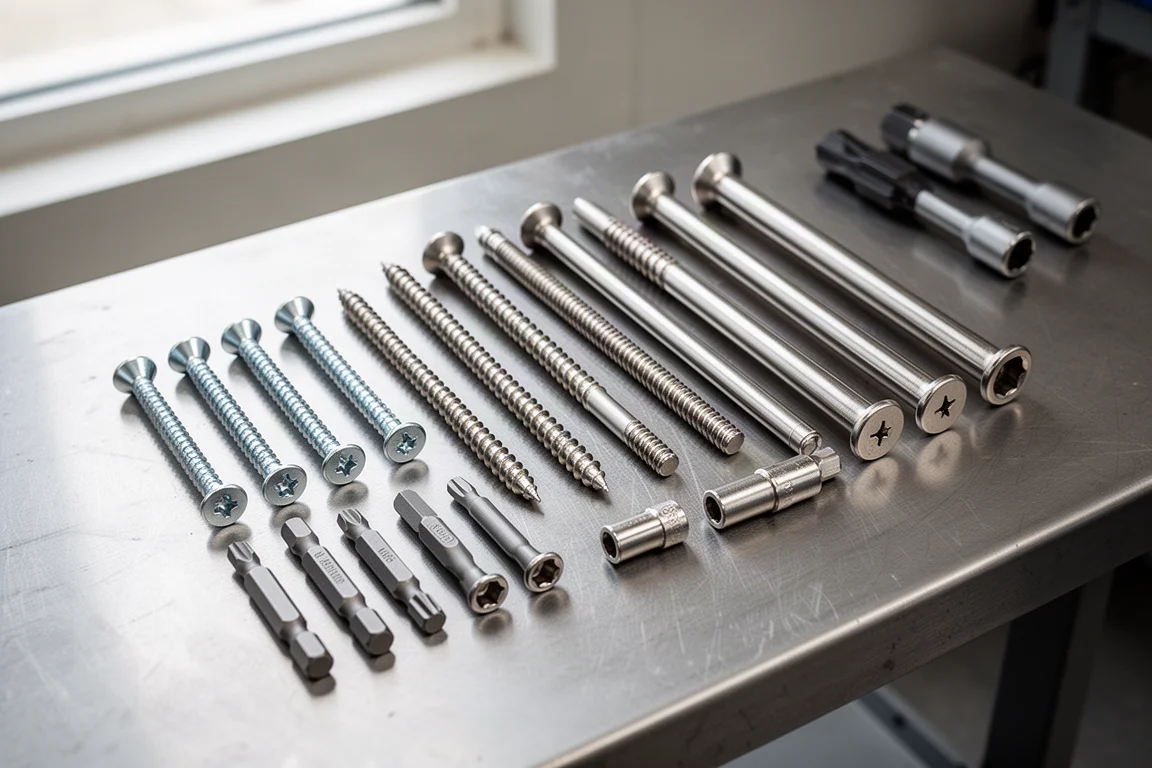
Makita’s 40V XGT line covers the full impact spectrum: two compact impact drivers and three impact wrenches spanning low, mid, and high torque. To find out where each one earns its place, all five went head to head driving increasingly large fasteners into timber without pilot holes, starting with 4-inch structural screws and working up to half-inch, 12-inch coach screws. The results were genuinely surprising, particularly in how the two impact drivers traded places depending on screw size.
How the Five Tools Differ
The spec sheets tell a clear story: as the tools get more powerful, they get slower and hit fewer times per minute. The impact drivers lead on speed and impact rate, while the high-torque wrench trades both for sheer fastening torque.
- TD001G impact driver: up to 3,700 RPM, 4,400 impacts per minute, 220 Nm fastening torque, made in Japan
- TD002G impact driver: up to 3,700 RPM, 4,600 impacts per minute, 220 Nm, made in Japan, with a vibration-reducing feature
- TW004G impact wrench (1/2-inch drive): up to 3,200 RPM, 4,000 impacts per minute, 350 Nm
- TW008G impact wrench (1/2-inch drive): up to 2,300 RPM, 2,900 impacts per minute, 650 Nm
- TW001G impact wrench (3/4-inch drive): up to 1,800 RPM, 2,500 impacts per minute, a massive 1,800 Nm, made in Japan
One note on the 3/4-inch drive: Makita does not offer that high-torque model in a half-inch version, so if you are committed to half-inch sockets, you are choosing between the other two wrenches.
The Impact Drivers: Makita TD001G and TD002G
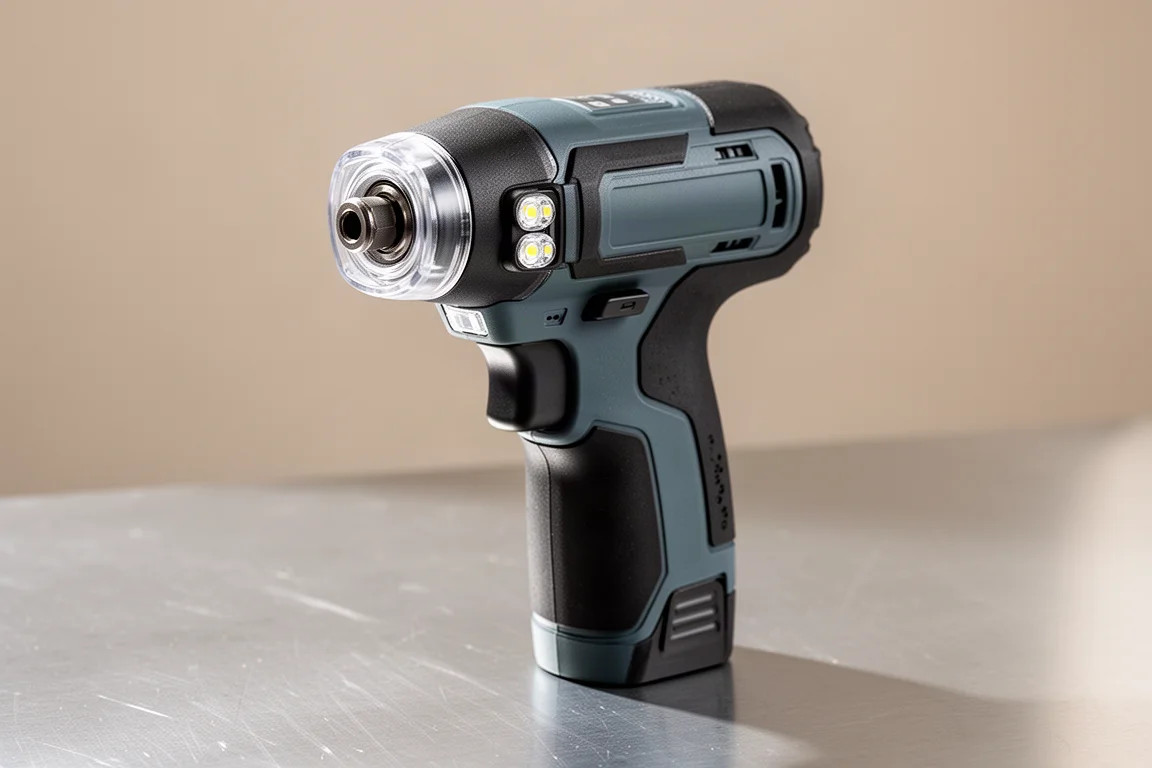
Both drivers share the same headline numbers: 3,700 RPM and 220 Nm of fastening torque. The TD002G adds a vibration-damping feature that makes it noticeably more comfortable to use, with a nicer trigger, less noise, and gentler feedback on the arm. On paper, it looks like the obvious pick.
In practice, the test told a different story on big fasteners. Driving 8- and 10-inch structural screws of larger diameter, the original TD001G proved more capable and more consistent, pulling ahead of the newer model exactly where it mattered. The TD002G struggled near the end of those long screws, shaking noticeably, while the TD001G powered through with less drama.
So the choice is a genuine trade-off: the TD002G is the nicer tool to hold and use for everyday shorter screws, but the TD001G has the muscle edge when the fasteners get long and thick.
The Low Torque: Makita TW004G
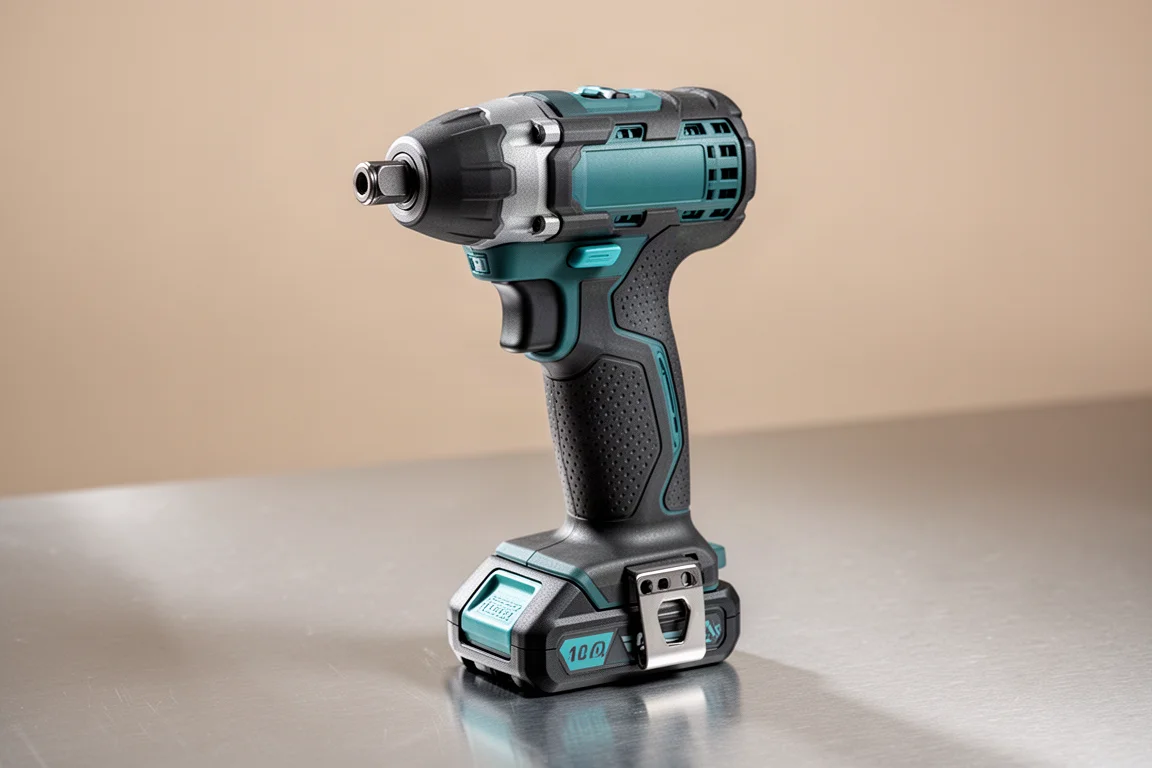
The TW004G is the half-inch impact wrench with 350 Nm of fastening torque, and it turned out to be one of the more interesting performers. On the smaller screws it sat behind the impact drivers, as expected. But on the 8- and 10-inch larger-girth structural screws it came into its own, outperforming both the mid-torque wrench and the impact drivers. The extra mass of its hits appears to knock big fasteners in faster than raw speed.
It is available with either a friction ring or a detent pin anvil, and both versions are easy to adapt: with the friction ring version, the through-hole lets you fit an O-ring and pin so a favourite socket never comes off. If you want one wrench for occasional big fastener work without the weight penalty, this is a strong candidate.
The Mid Torque: Makita TW008G
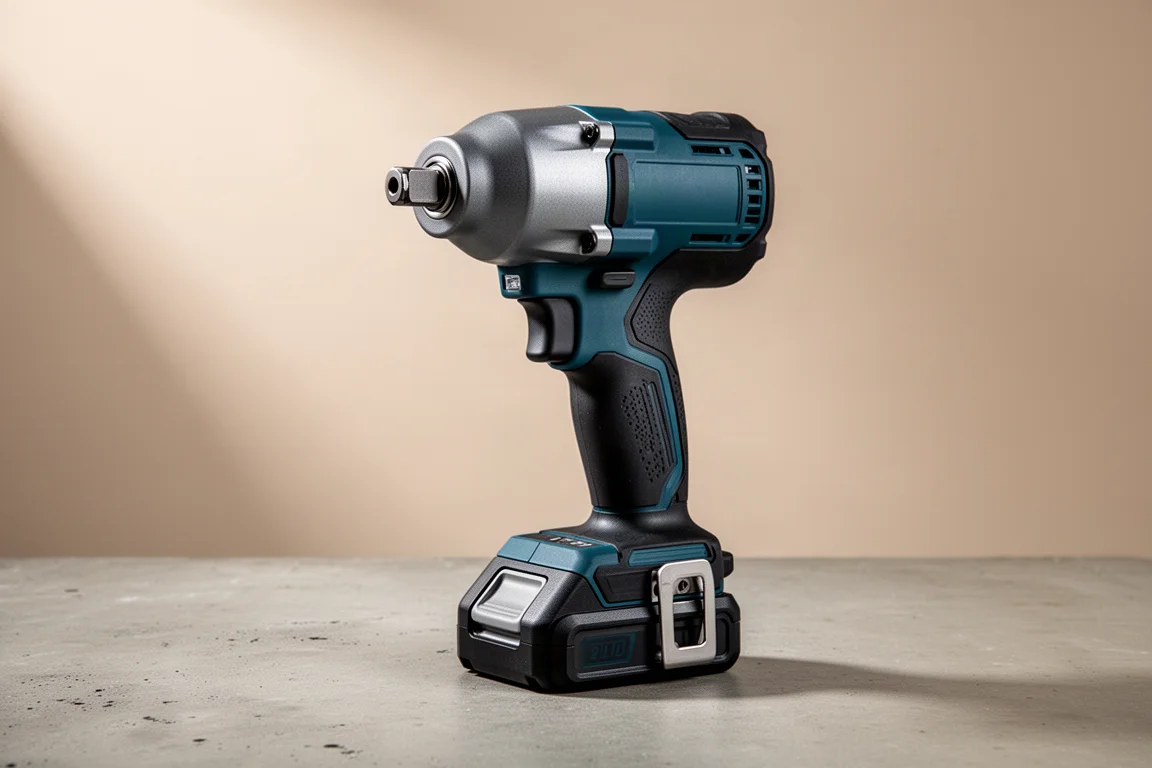
With 650 Nm of fastening torque, the TW008G sits between the low-torque and the flagship. It drove the long structural screws without much trouble, and it was the only tool in the test that did not lose a single battery bar over the whole session.
The surprise was that it was actually slower than the low-torque TW004G on some of the bigger fasteners, an unexpected result worth knowing before you buy. Its pointed detent pin can also be annoying in use: it sometimes sticks on sockets and needs a push to release, though it does hold a socket very securely. If maximum grip on the socket matters more than convenience, that is a point in its favour.
The High Torque: Makita TW001G
The TW001G is the beast of the lineup: 1,800 Nm of fastening torque on a 3/4-inch drive, made in Japan. It smashed through essentially every test, including a 5/8-inch by 8-inch coach screw driven without a pilot hole, which it managed just barely with a whole lot of shaking.
The trade-off is weight. With a 4.0Ah battery it comes in at just over 4.2 kg, and with an 8.0Ah battery you are looking at just over 5 kg hanging off your arm. For screws that a lighter tool can handle, that is roughly 3 kg more than an impact driver for no benefit. It also has a noticeable junction section near the battery, which is not a fault: it helps isolate vibration from the battery connections so the tool does not cut out. If you need a tool that can drive literally anything, this is it; otherwise, it is a lot of tool for regular screwdriving.
Which Ones Are Worth Owning
If you can only own two of the five, the case is strongest for the TD002G driver for smaller, everyday fasteners and the TW004G for bigger ones. That pairing covers both ends comfortably, and the friction ring option on the TW004G makes it easy to live with.
A few practical takeaways from the test:
- For screws up to 10 inches, a good impact driver genuinely gets the job done. You do not need a large impact wrench for most timber screw work.
- When larger-girth fasteners show up, the low-torque wrench outperformed expectations and even beat the mid-torque on some of them.
- Impacting tools develop more torque in high gear, not low, the opposite of a drill, so leave the gear selector at the top when driving fasteners.
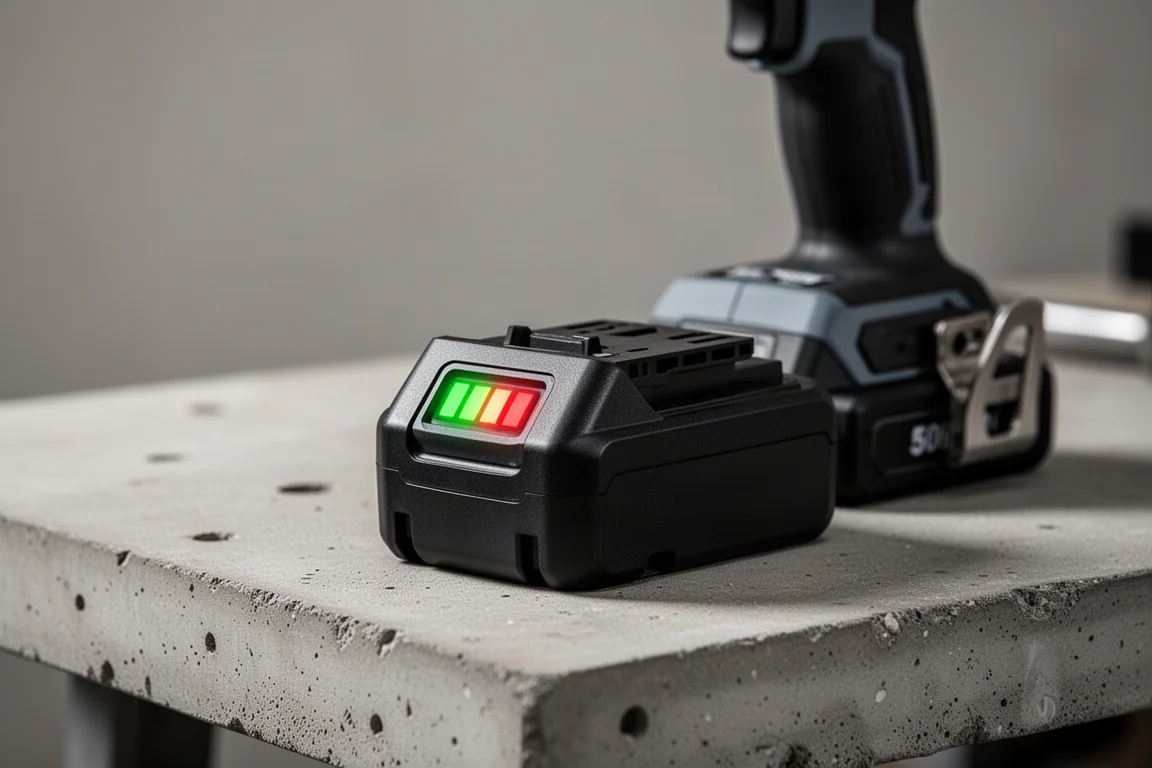
- Battery life across all five tools was impressive: after driving every screw in the test, four of the five were still showing three bars or more.
Conclusion
All five Makita 40V XGT impacts are capable tools; the question is which size of fastener you actually face. The TD002G is the most comfortable driver for daily use, the TD001G is the stronger choice for long, thick screws, the TW004G is the versatile half-inch all-rounder, the TW008G adds torque and the best runtime, and the TW001G is the no-limits heavyweight, provided you can live with the weight. Match the tool to the fasteners you drive most often, and you will not need all five.
Further reading
Related Reviews
Power Tools
Best 1-Inch Pistol Impact Wrenches: Three Heavy-Duty Options Compared
We compare three 1-inch pistol impact wrenches, from a budget-friendly Harbor Freight model to a premium Caterpillar unit, to help you choose the right one.
Power Tools
Best 3/4-Inch Impact Wrenches 2026: Five Contenders Compared
We compare five 3/4-inch impact wrenches across price and performance, from a budget Amazon option to Snap-on's most powerful model yet.
Power Tools
Best Budget Cordless Tools 2026: Walmart Finds That Punch Above Their Price
We tested five cordless tools from Walmart, including a high-torque impact wrench that trades blows with Milwaukee and a $35 duster that outperforms its price class.