Power Tools
Makita 40V XGT Battery Test: Does a Bigger Battery Really Hit Harder?
We compare Makita's full range of 40V XGT batteries on the TW-001G high torque impact wrench, driving large structural timber screws to find out which battery makes the biggest difference.
Introduction
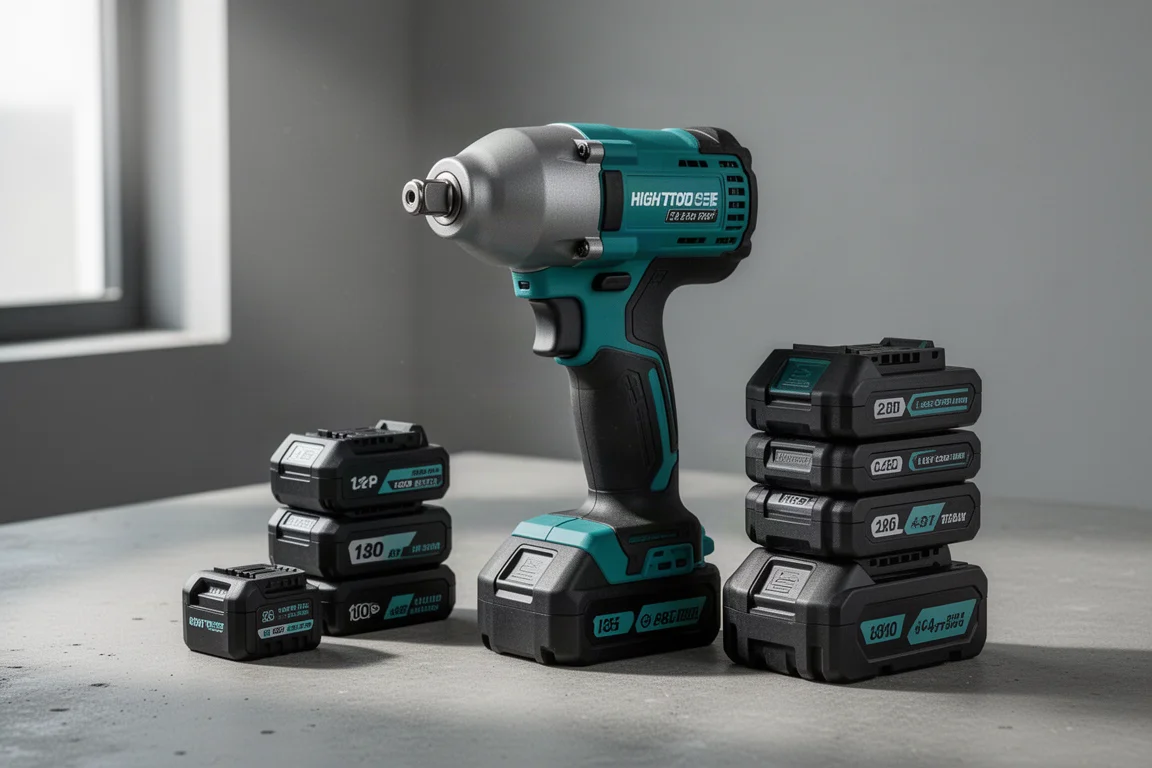
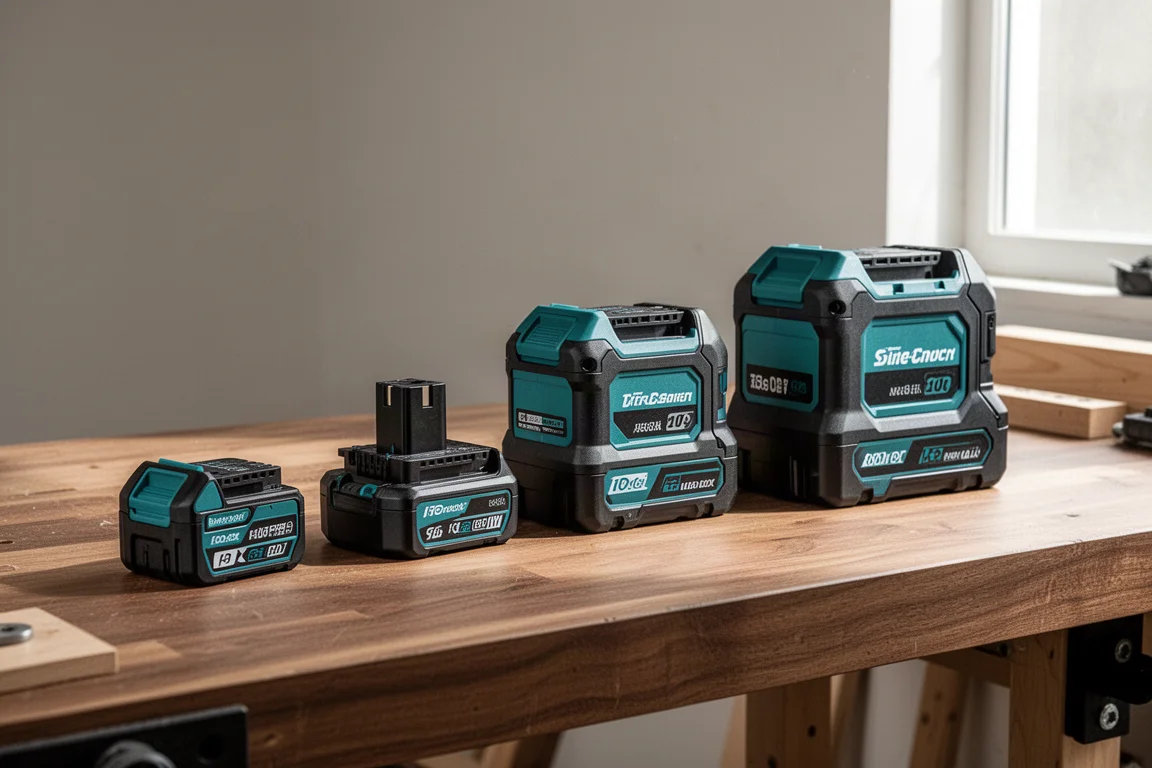
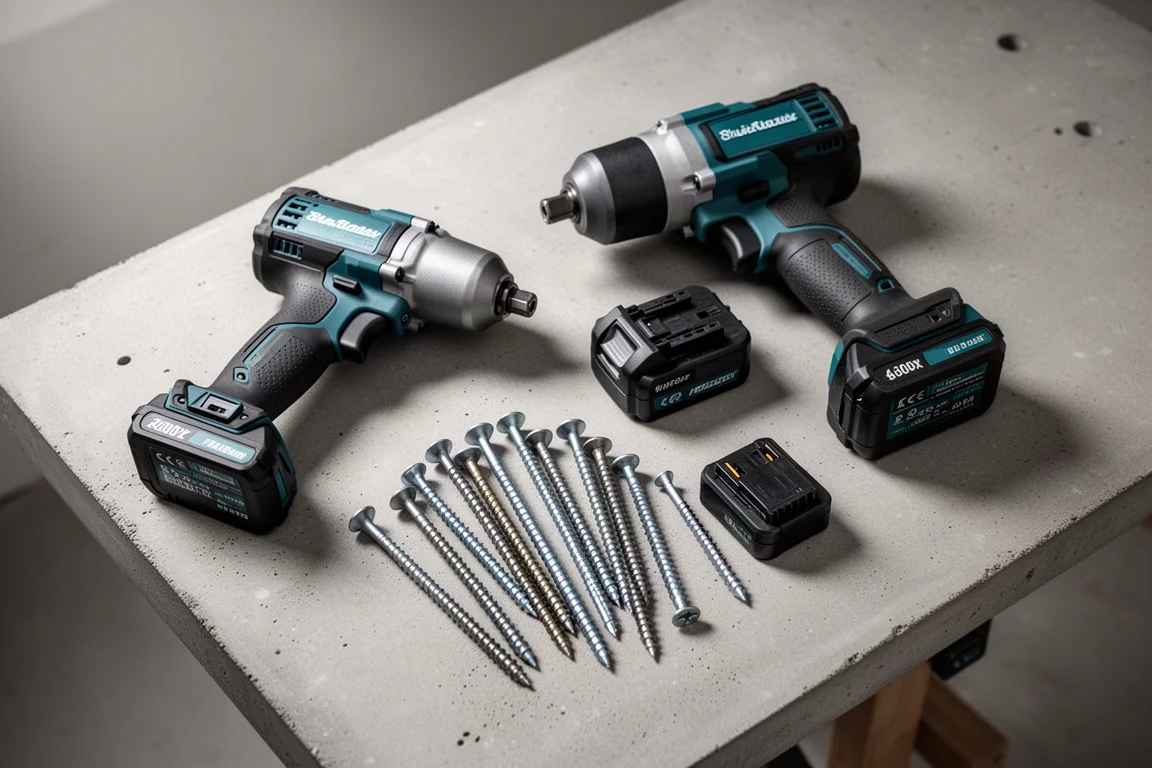
If you use Makita’s 40V XGT platform, you have probably wondered whether the battery on the back of your tool actually changes how hard it works. To find out, we stacked up the full range of XGT batteries, from the compact 2.0Ah up to the 8.0Ah, and put them all on the TW-001G, Makita’s 3/4-inch high torque impact wrench made in Japan. Then we drove big structural timber screws with each one and compared.
How the Test Worked
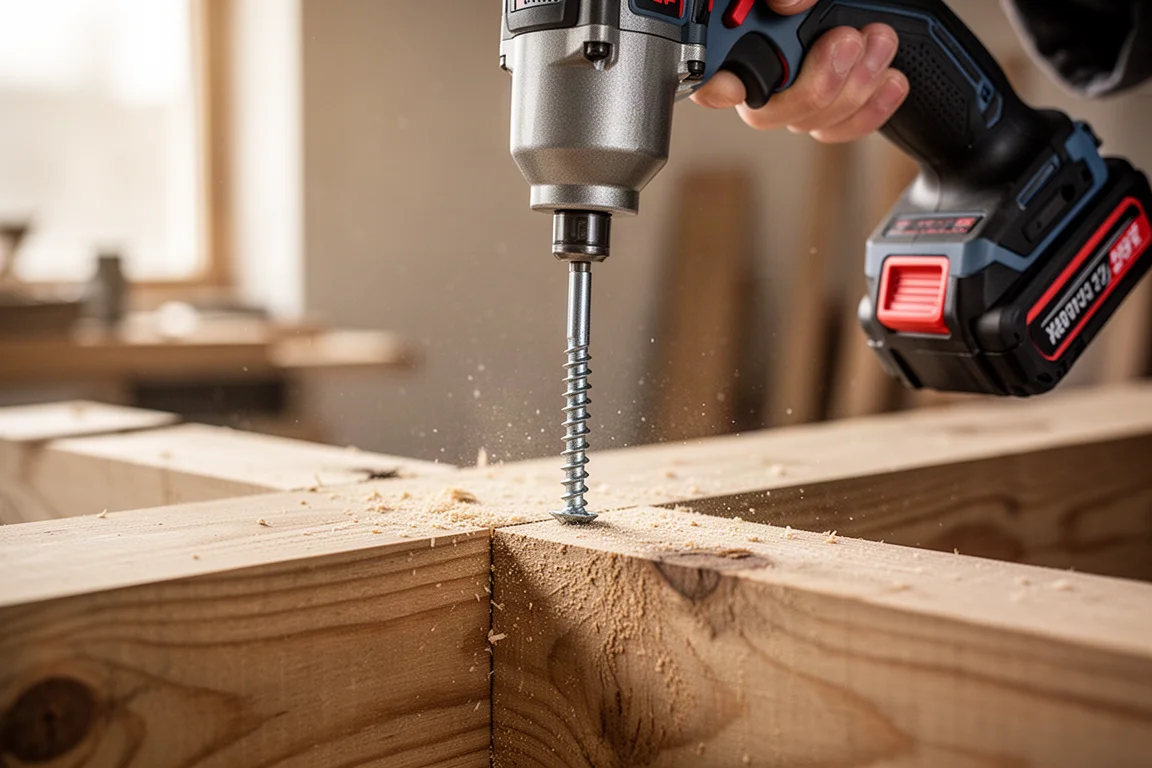
The logic is simple. When an impact wrench or driver starts impacting, it is because it no longer has enough torque to keep turning the fastener. So if a bigger battery delivers more power, it should drive a screw further before that impacting stage begins. We used Simpson Strong-Tie 10-inch Strong-Drive Timber screws for the first round, then moved to stainless versions for a tougher test.
The Makita TW-001G Impact Wrench
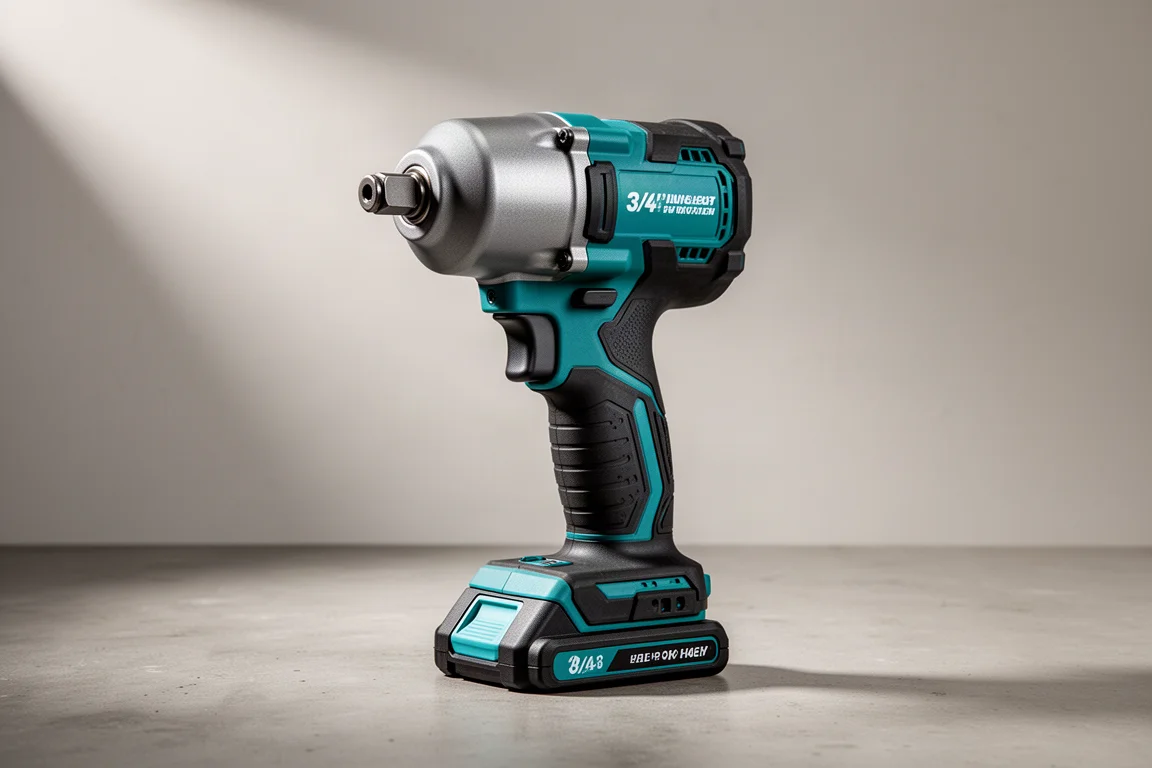
The TW-001G is a serious piece of kit: a 3/4-inch drive, high torque impact wrench built in Japan, and easily powerful enough to make the battery differences visible. With the smaller batteries it drove the standard timber screws deep before impacting, which already says a lot about how much torque the tool itself has in reserve.
This wrench suits anyone who regularly works with large fasteners and wants a tool that will expose exactly what the battery can and cannot do.
Which 40V XGT Battery Performs Best
The results were more interesting than a simple “bigger is better” story. On the standard screws, the 2.5Ah battery performed really well, while the 4.0Ah actually impacted first. On the larger stainless screws, the 8.0Ah was clearly the quickest, the 5.0Ah and 2.5Ah were about the same, and the 2.0Ah and 4.0Ah were similar to each other.
The pattern we saw repeatedly is that the 2.5Ah beat the 4.0Ah in both tests. That said, it is not a universal rule. In genuinely high drain tools, like a large angle grinder, a concrete cutter, or the large chainsaws, the 4.0Ah holds up better because the smaller pack will not handle the heat as well.
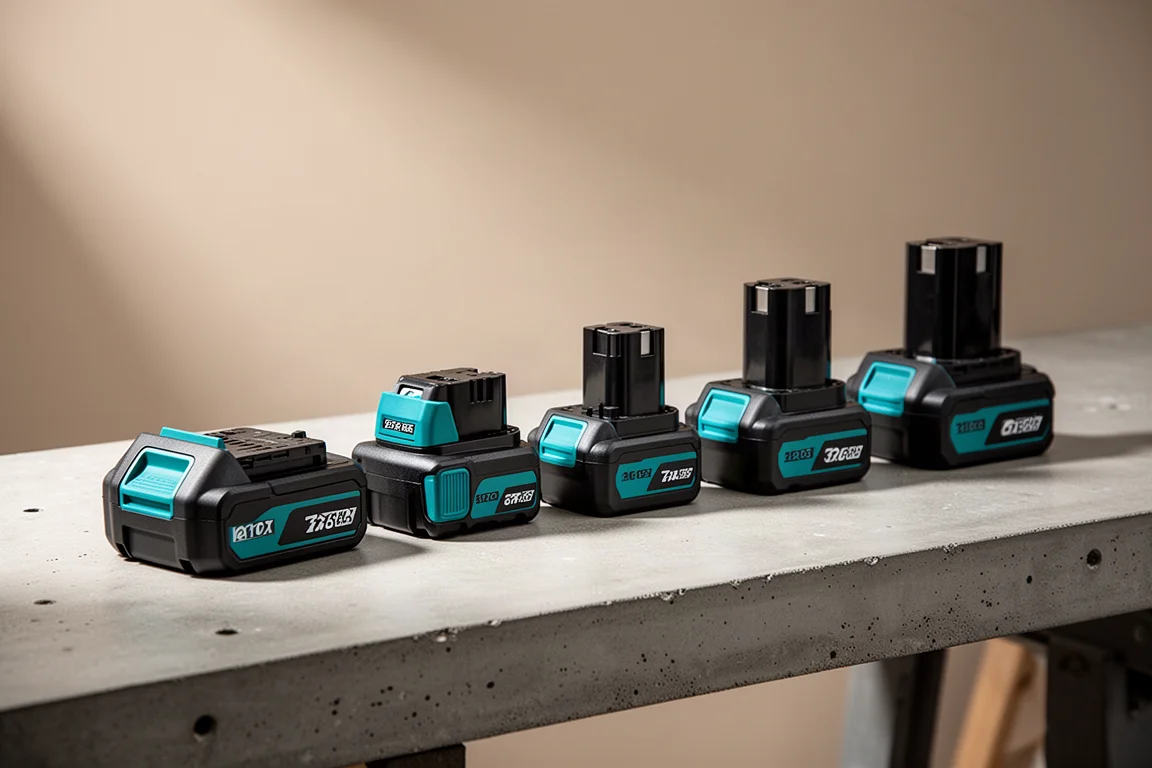
In the end, the right battery is the right battery for the right tool, the right application, and the right job. For this kind of work, a lighter 2.5Ah gets the job done and you simply swap more often, which many people will prefer over carrying extra weight and size.
Simpson Strong-Drive Timber Screws
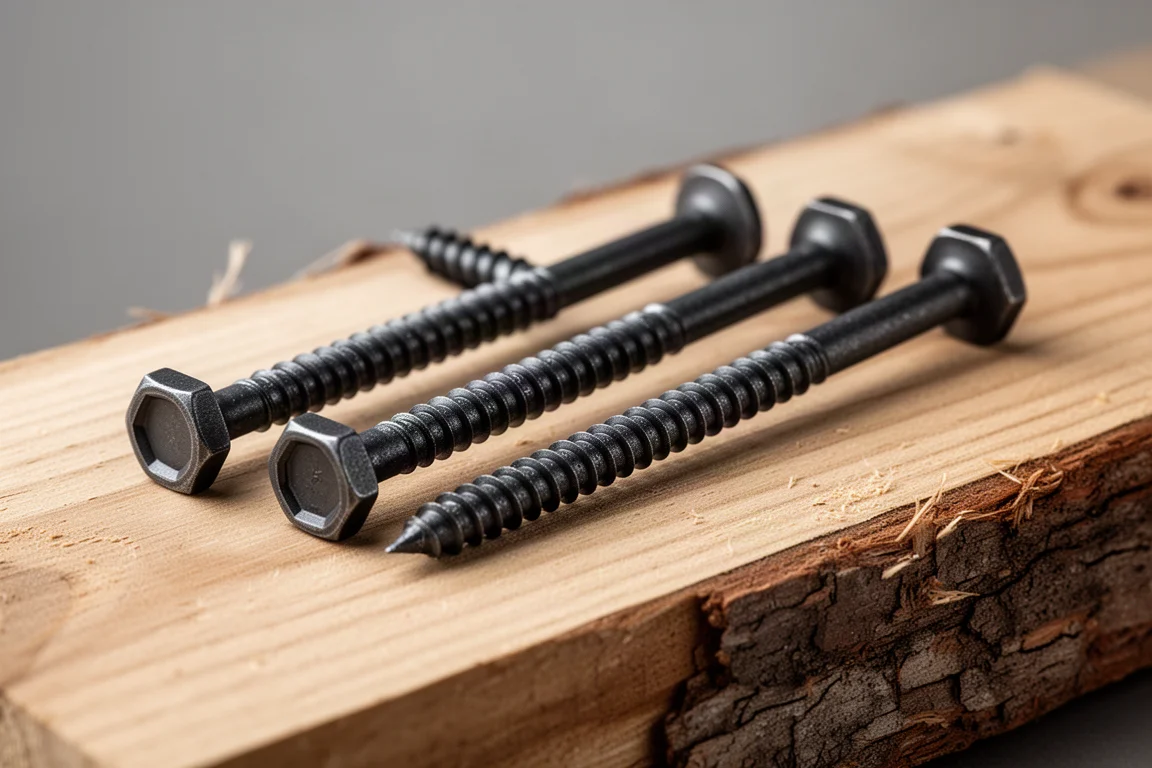
These screws made the test meaningful. The standard 10-inch Strong-Drive Timber screws measure around 5mm in diameter, and the stainless versions are much girthier at 7mm, so much bigger. The stainless ones caused every battery to impact almost right from the start, which is exactly what made the 8.0Ah stand out in that round.
If you plan serious structural timber work with long, thick fasteners, having a high capacity pack on hand for the hardest driving is worth considering.
Buying Advice
The takeaway is not that you need the biggest battery. The 8.0Ah only showed its advantage once the screws got genuinely hard to drive, and for easier jobs it added little beyond weight. If your work is mostly fastener driving with a high torque wrench, a lighter pack will often feel better in hand and still finish the job, just with more battery changes.
At the same time, do not sell the 4.0Ah short across your whole collection. It earns its place in the really high drain tools, where the smaller 2.5Ah will struggle with heat. Match the capacity to the tool and you get the best of both.
Conclusion
Battery size matters, but only in the right context. The 8.0Ah was the quickest with the hardest screws, the 2.5Ah repeatedly outperformed the 4.0Ah on this impact wrench, and every other result sat somewhere in between. Choose the battery that suits the job in front of you, and you will get more done with less weight on the tool.
Further reading
Related Reviews
Power Tools
Best 1-Inch Pistol Impact Wrenches: Three Heavy-Duty Options Compared
We compare three 1-inch pistol impact wrenches, from a budget-friendly Harbor Freight model to a premium Caterpillar unit, to help you choose the right one.
Power Tools
Best 3/4-Inch Impact Wrenches 2026: Five Contenders Compared
We compare five 3/4-inch impact wrenches across price and performance, from a budget Amazon option to Snap-on's most powerful model yet.
Power Tools
Best Budget Cordless Tools 2026: Walmart Finds That Punch Above Their Price
We tested five cordless tools from Walmart, including a high-torque impact wrench that trades blows with Milwaukee and a $35 duster that outperforms its price class.