Power Tools
Makita 40V vs 36V Earth Auger: Two Cordless Diggers Compared
The Makita DG001G 40V and DDA460 36V (18Vx2) earth augers go head to head in low gear with matching battery setups to see which one drills faster, digs cleaner, and deserves your money.
Introduction
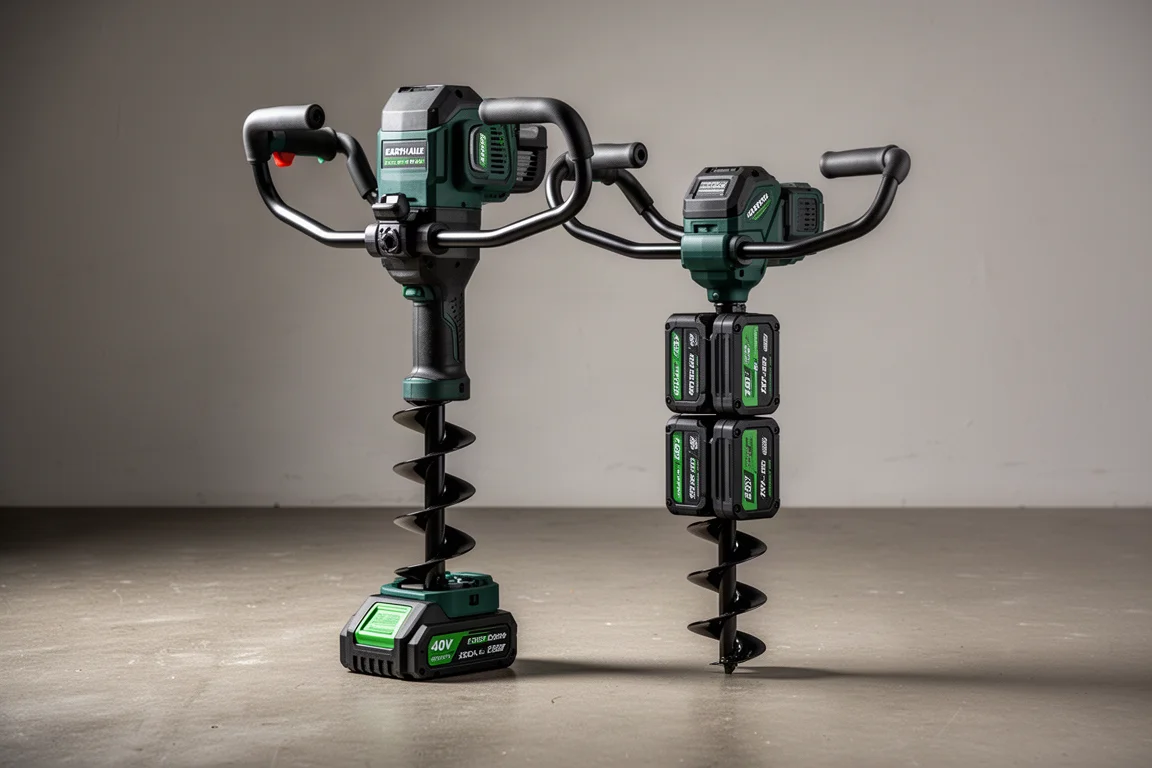
Makita makes two cordless earth augers that look similar on paper but sit in different battery platforms: the 40V DG001G and the 36V DDA460, which runs on two 18V batteries. Both have earned a following among fence builders, landscapers, and gardeners who want post holes without the noise and fumes of a petrol machine.
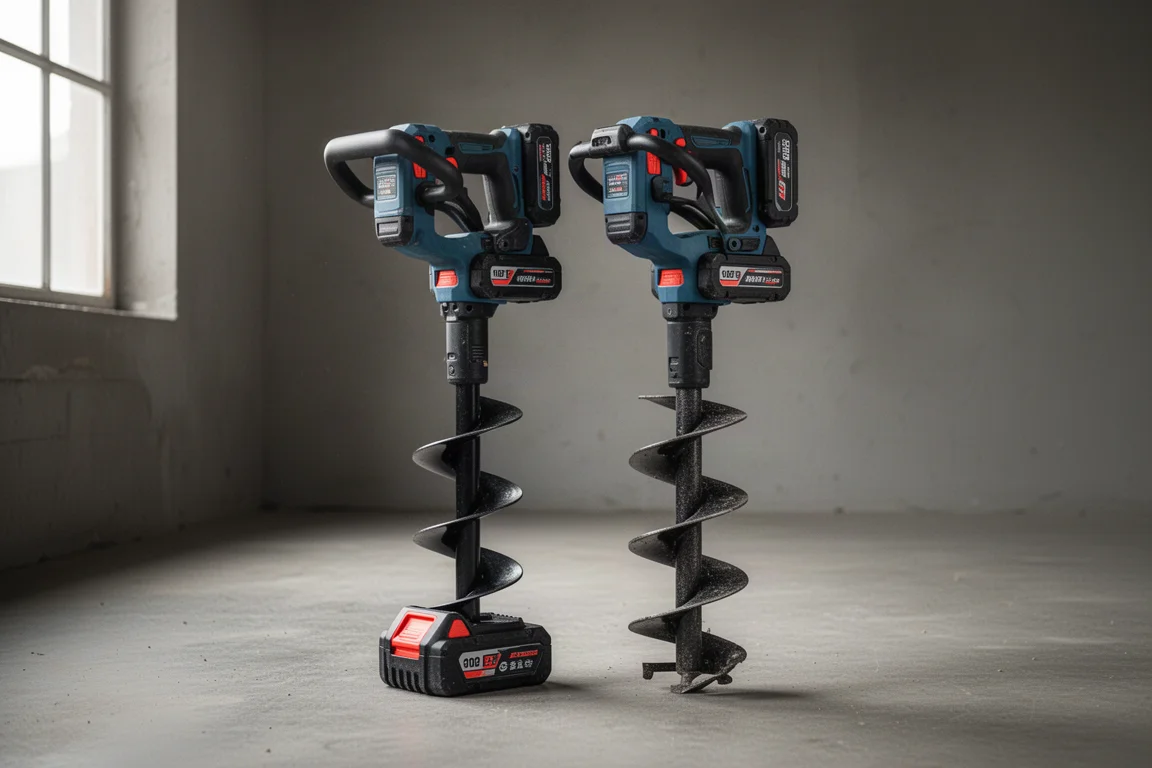
To find out where each one genuinely wins, we ran them against each other in matching conditions: both in low gear, both with 5Ah batteries, both freshly charged. The results were closer than the spec sheets suggest, but one tool did pull ahead when the hole count added up.
The Head-to-Head Setup
The comparison was deliberately fair. The 40V DG001G ran on a single 5Ah 40V battery, while the DDA460 ran on two 5Ah 18V packs, which add up to 36 volts at 5 amp hours. Interestingly, both setups contain the same number of cells: 20 18650 cells in the single 40V pack, and 20 across the two 18V packs.
In other words, on energy alone these tools are closer than you might expect. The real differences show up in speed, weight, and how the power is delivered.
Auger Bits: The Underrated Half of the Equation
Both tools use the same Makita auger bit range, and these bits deserve as much attention as the machines themselves. The blades are removable, so they can be replaced rather than throwing away the whole bit, and they sit on an angle rather than flat, which makes a noticeable difference in how quickly they bite.
The bits also use a double spiral design instead of the single spiral common on cheaper alternatives. That second spiral clears soil out of the hole continuously, so the dirt fires out as you drill. The practical consequence: you do not need to keep lifting the auger up and down to clear the hole, a technique often recommended for lesser augers but largely unnecessary here. Each bit also has a solid corkscrew tip to help it get started, plus a serrated blade on one spiral and a differently set flat blade on the other to help chop through roots and tougher material.
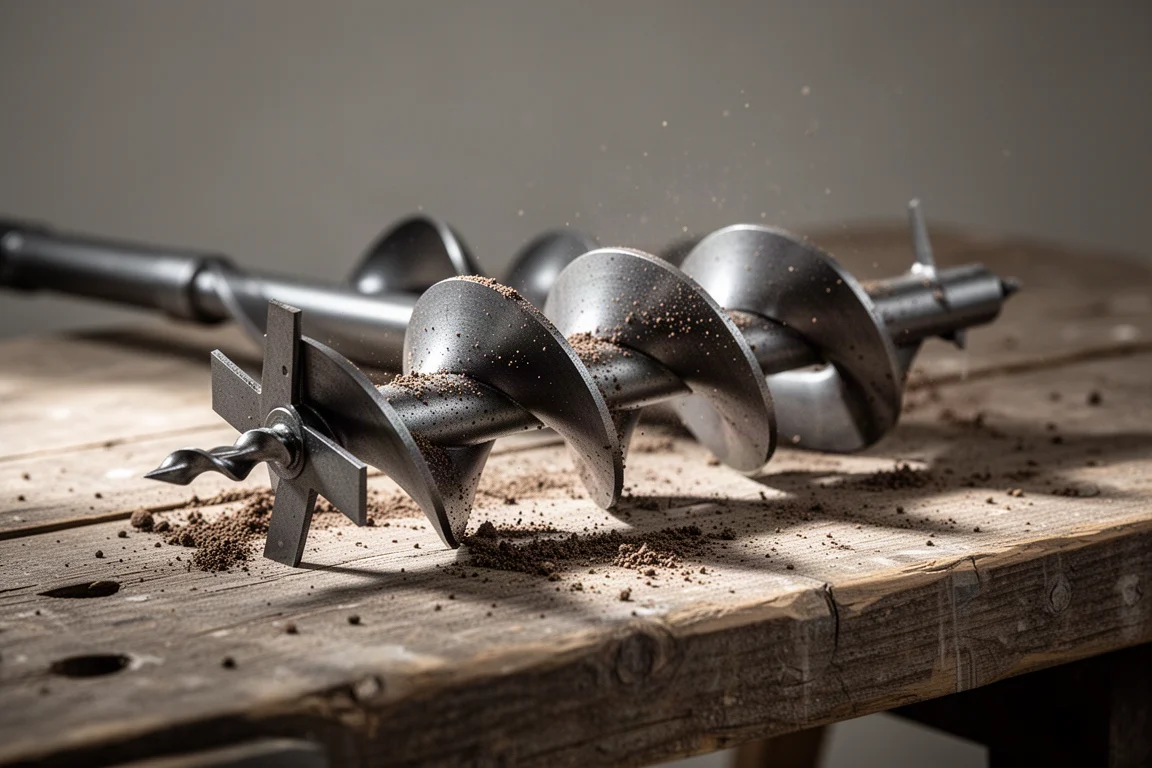
Makita bits attach via a pin connection roughly 19 to 20mm across, and pins are included with the bits. One practical tip: the supplied pin comes completely flat, which makes lining everything up fiddly. A quick touch on a bench grinder or angle grinder to add a slight chamfer to the pin makes inserting it far easier.
Digging Performance
In side-by-side drilling, both machines handled soil, fill, and even soft tree roots without stalling. The 40V went through a soft root with the 200mm auger and later punched straight through another root with the 100mm bit, both without drama.
The clear pattern was speed. The DDA460 runs about 50 RPM slower in low gear and about 100 RPM slower in high gear, and that gap shows up in drilling pace. The 40V finished holes noticeably faster, and in back-to-back testing it became the tool that kept getting picked when there were multiple holes to drill. Both tools vibrate noticeably when pulling the spinning auger out of a finished hole, so expect some kickback on extraction.

Weight and Handling
The weight difference is marginal. The DDA460 with its two 5Ah batteries, handle, and full assembly comes in around 8.2 to 8.3kg. The DG001G with a single 5Ah battery is slightly heavier at roughly 8.5kg. In practice, neither is dramatically easier to carry, so weight should not be the deciding factor.
Which One Should You Buy?
Both are genuinely good tools, and you would be happy with either. The honest breakdown comes down to how you work:
- Choose the 40V DG001G if speed matters. If you are drilling many holes in a day, or getting paid per hole rather than per hour, the faster drilling rate makes it the more productive choice. In multi-hole sessions, it became the default pick.
- Choose the 36V DDA460 if you already run Makita’s 18V LXT platform. It has plenty of torque, gets the job done, and uses batteries many owners already have.

A small word of caution for either machine: stick with the Makita-branded auger bits. The angled, double spiral design is a big part of why these tools dig so cleanly, and generic single-spiral bits with a lone blade on one side are more likely to snap and much slower at clearing soil.
Conclusion
This is one of the closer tool comparisons we have seen. The DDA460 is a capable, torquey auger that fits neatly into an 18Vx2 ecosystem, while the DG001G earns its keep with faster drilling that adds up over a long day of holes. If maximum productivity is the goal, the 40V is the winner; if you want a dependable auger within the 18V battery family, the 36V will not disappoint.
Product link
View more details for Makita DG001G 40V Earth Auger
This product is mentioned in the review. Check the specifications, options, and compatibility before buying.
View more details for Makita DG001G 40V Earth AugerFurther reading
Related Reviews

Power Tools
Best 1-Inch Pistol Impact Wrenches: Three Heavy-Duty Options Compared
We compare three 1-inch pistol impact wrenches, from a budget-friendly Harbor Freight model to a premium Caterpillar unit, to help you choose the right one.

Power Tools
Best 3/4-Inch Impact Wrenches 2026: Five Contenders Compared
We compare five 3/4-inch impact wrenches across price and performance, from a budget Amazon option to Snap-on's most powerful model yet.

Power Tools
Best Budget Cordless Tools 2026: Walmart Finds That Punch Above Their Price
We tested five cordless tools from Walmart, including a high-torque impact wrench that trades blows with Milwaukee and a $35 duster that outperforms its price class.