Power Tools
Makita 40V UB001G Blower Review: A Big Step Up in Airflow
Three months of use with Makita's 40V XGT blower: power, battery runtime, weight, and how it compares with the smaller 18V models.
Introduction
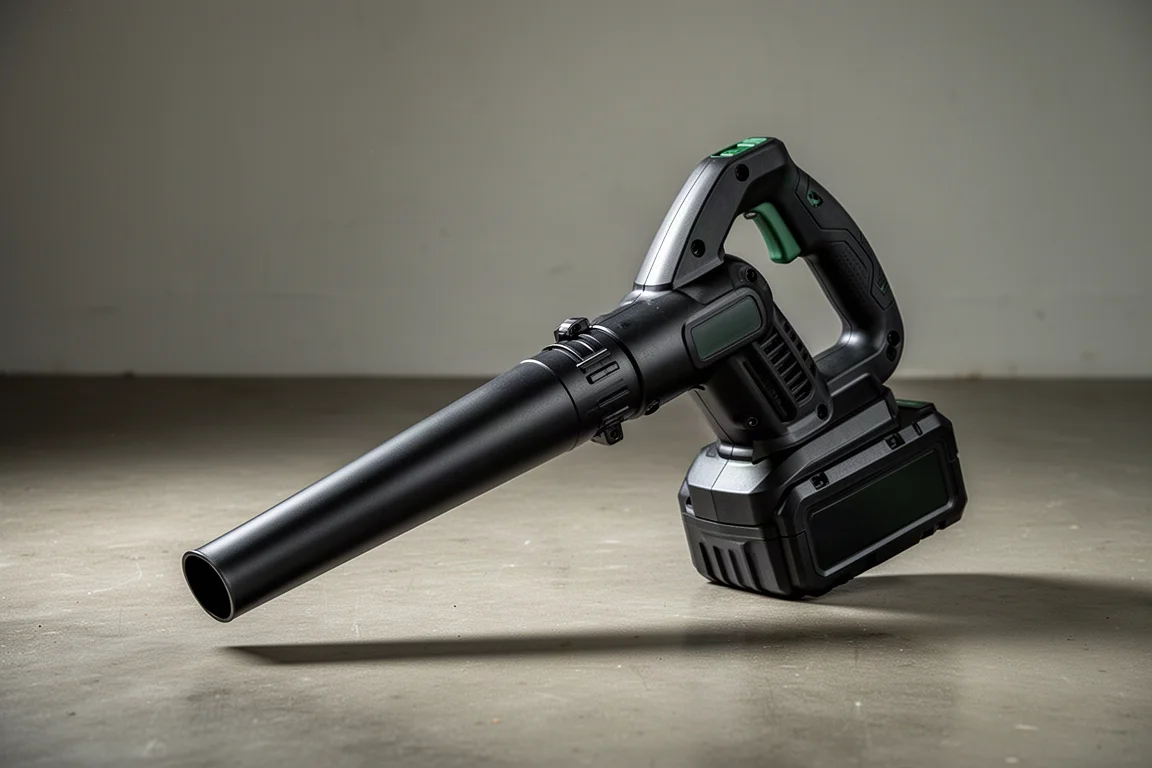
After three months of regular use, the Makita 40V UB001G blower has earned a clear place in the workshop toolkit. It is a large, powerful machine that moves far more air than the compact 18V models most people are used to, and it does so while staying surprisingly light in the hand. This review covers the design, airflow, battery runtime, and day-to-day handling so you can decide whether the step up to 40V is worth it.
What It Is and Who It Is For
The UB001G is aimed at anyone who wants serious airflow without switching to petrol. It works well around the workshop and garage, blowing dust off tools, cleaning out a car, and all the small jobs where a blast of air saves time. A narrow attachment is commonly used for garden leaves, giving extra length and a better angle for getting into corners.
The headline figure is airflow: it moves 16 cubic meters of air per minute. That is roughly 25 percent more than the comparable 18V model at 13 cubic meters, and more than six times the output of the compact 18V unit at 2.6 cubic meters. An adjustable telescoping nozzle lets you change the tube length across several positions depending on the task.

Design and Handling
Despite its size, the UB001G is easy to live with. It weighs 2.26 kg with a 5Ah battery fitted, about 5 pounds, and much of the body is essentially a hollow tube. For comparison, the 18V model of similar size weighs around 1.23 kg, so the larger tool is only about a kilogram heavier despite the big jump in power. Two loop points let you fit a shoulder strap if you are working all day, though short sessions rarely need one.
Because it is battery powered there are no fumes, no fuel top-ups, and none of the heat that petrol tools generate. Noise is moderate too, noticeably easier to live with than a petrol blower. It is IPX4 rated, meaning splashes of water and light drizzle are fine, though you should not leave it standing out in the rain, and the same applies to the battery.
One quirk of the design: air enters through the back rather than the sides, and the intake has noticeable suction. It can pull at loose clothing or trouser legs, so it is worth holding the tool out in front of you while working.
Controls and Usability
The UB001G uses an on button that Makita’s smaller models skip. Once the tool is switched on, the trigger works normally, or you can use the cruise control lever: slide it forward and the speed ramps up and holds wherever you set it. Most jobs run perfectly well on the cruise setting, with a pull of the trigger adding a burst of extra power when you need it, and the full trigger pulls beyond the cruise maximum. Cruise runs at up to 13.5 meters per second, rising to 16 with a full trigger pull, and maximum air speed reaches 230 km/h, around 140 mph.
The power-off timeout is generous. This is not a tool you put down and pick up constantly, and it stayed on after being left for quite a few minutes during testing, so the button is not the annoyance some fear.
Battery Runtime and Power Draw
The blower runs on the full Makita battery range: 2.5Ah, 4Ah, and 5Ah packs. The honest advice is to use the 4Ah or 5Ah batteries, because this tool drains charge quickly at full power.
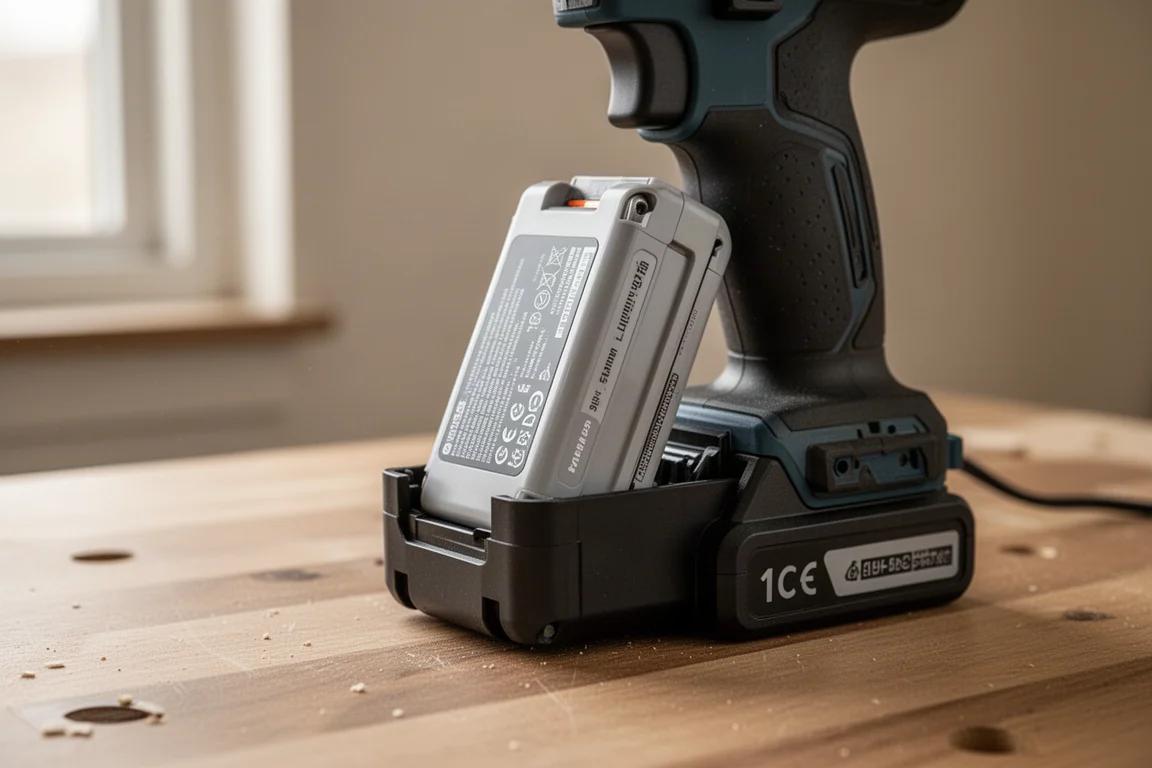
Runtime testing on maximum cruise was fairly linear across battery sizes, roughly doubling from the smallest pack to the 4Ah. Even so, none of the packs last long at full blast. The flip side is that the blower moves material so fast you rarely need to run it long, and the batteries proved long enough for every task tried. Just keep a spare charged, because it blows hard and drains batteries hard. One note from testing: after a six-minute full-power run that flattened a battery, the pack read 75 degrees Celsius, so expect warmth after heavy use.
Everyday Jobs It Handles Well
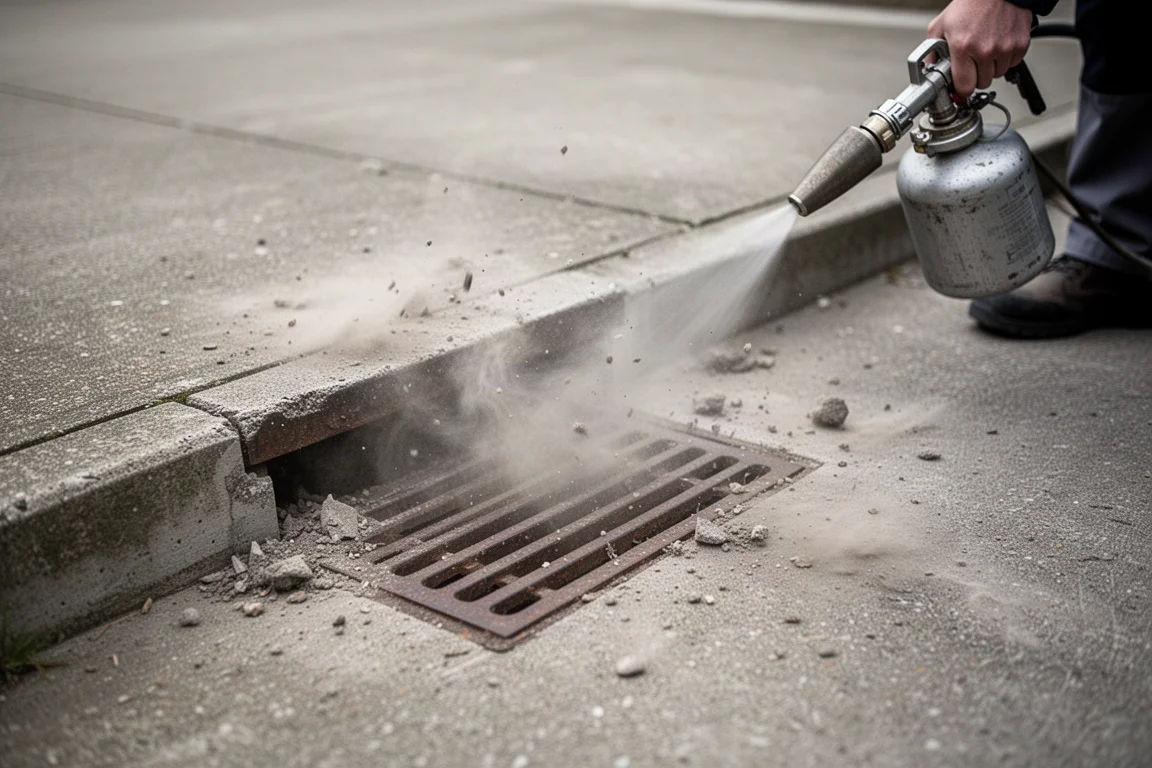
Leaves are the obvious use, but the UB001G proved especially good at cleaning out concrete drains and gutters, which it clears remarkably fast. Garden debris, dusty power tools, and car interiors are all straightforward work. It is the kind of tool that gets picked up for dozens of small jobs that would otherwise take far longer with a smaller blower.
Buying Advice
If you already like what a compact 18V blower does, imagine one with more than six times the airflow and only a kilogram more weight. That is essentially the pitch here, and in use it delivers: quick, easy, and capable of moving a great deal of material in very little time. The trade-offs are faster battery drain and the need for larger packs. Noise, fumes, and heat are all non-issues compared with petrol.
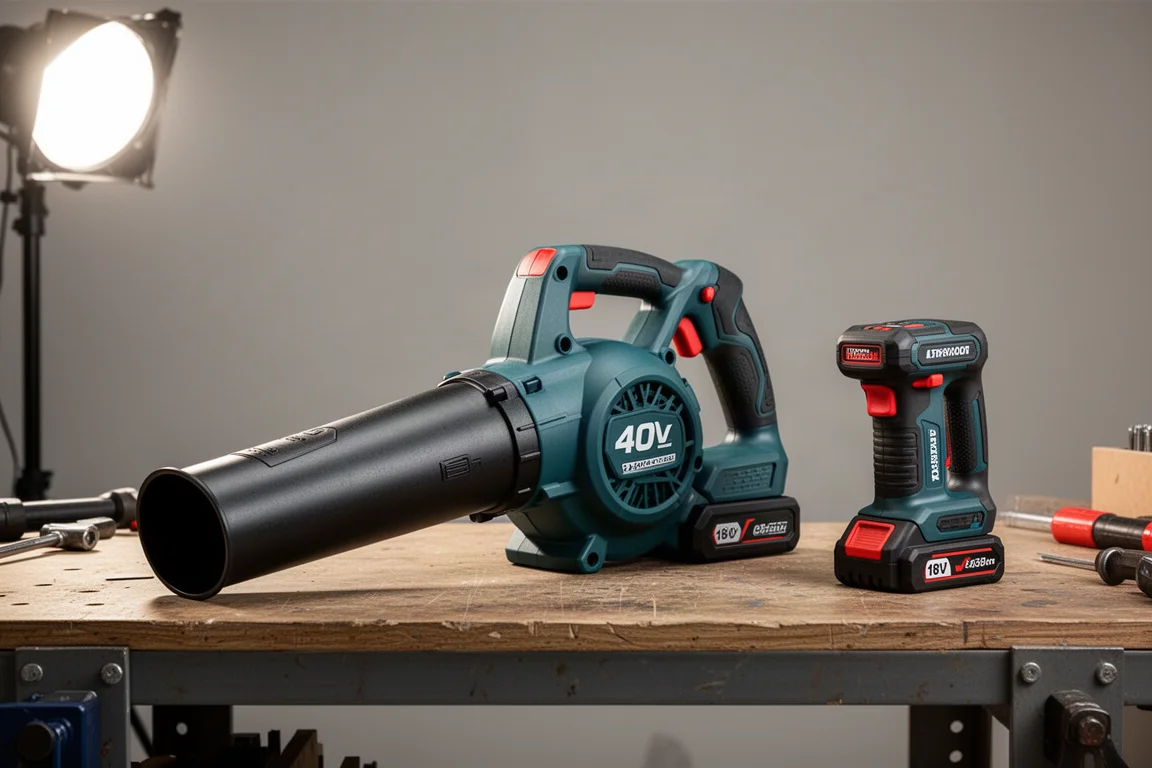
The main decision is whether your workload justifies the 40V platform. For heavy garden cleanups, drains, and workshop duty, it does. For occasional light tidying, a smaller Makita blower may still be the more sensible buy.
Conclusion
The Makita 40V UB001G is a light, powerful, and genuinely useful blower that outperforms the 18V lineup by a wide margin. Its main weakness, fast battery consumption, is manageable with the larger 4Ah and 5Ah packs and a spare on hand. For anyone with real blowing work to do, it is an easy tool to recommend.
Product link
View more details for Makita 40V UB001G Blower
This product is mentioned in the review. Check the specifications, options, and compatibility before buying.
View more details for Makita 40V UB001G BlowerFurther reading
Related Reviews
Power Tools
Best 1-Inch Pistol Impact Wrenches: Three Heavy-Duty Options Compared
We compare three 1-inch pistol impact wrenches, from a budget-friendly Harbor Freight model to a premium Caterpillar unit, to help you choose the right one.
Power Tools
Best 3/4-Inch Impact Wrenches 2026: Five Contenders Compared
We compare five 3/4-inch impact wrenches across price and performance, from a budget Amazon option to Snap-on's most powerful model yet.
Power Tools
Best Budget Cordless Tools 2026: Walmart Finds That Punch Above Their Price
We tested five cordless tools from Walmart, including a high-torque impact wrench that trades blows with Milwaukee and a $35 duster that outperforms its price class.