Power Tools
Makita 40V Circular Saws Compared: HS012G, HS001G and DHS680
Makita's first left-blade 40V circular saw has arrived. We compare the HS012G against the HS001G and the 18V DHS680 to see where each one fits.
Introduction
Ever since Makita started expanding its 40V XGT platform, one request kept coming from users: a 165 millimeter, left-blade circular saw outside of Japan. Until recently, none existed. That changes with the Makita HS012G, the brand’s first blade-left 40V circular saw, which in the US market is sold as the GSH05. In this comparison we look at how it stacks up against the original 40V left-platform saw, the HS001G, and the familiar 18V DHS680.
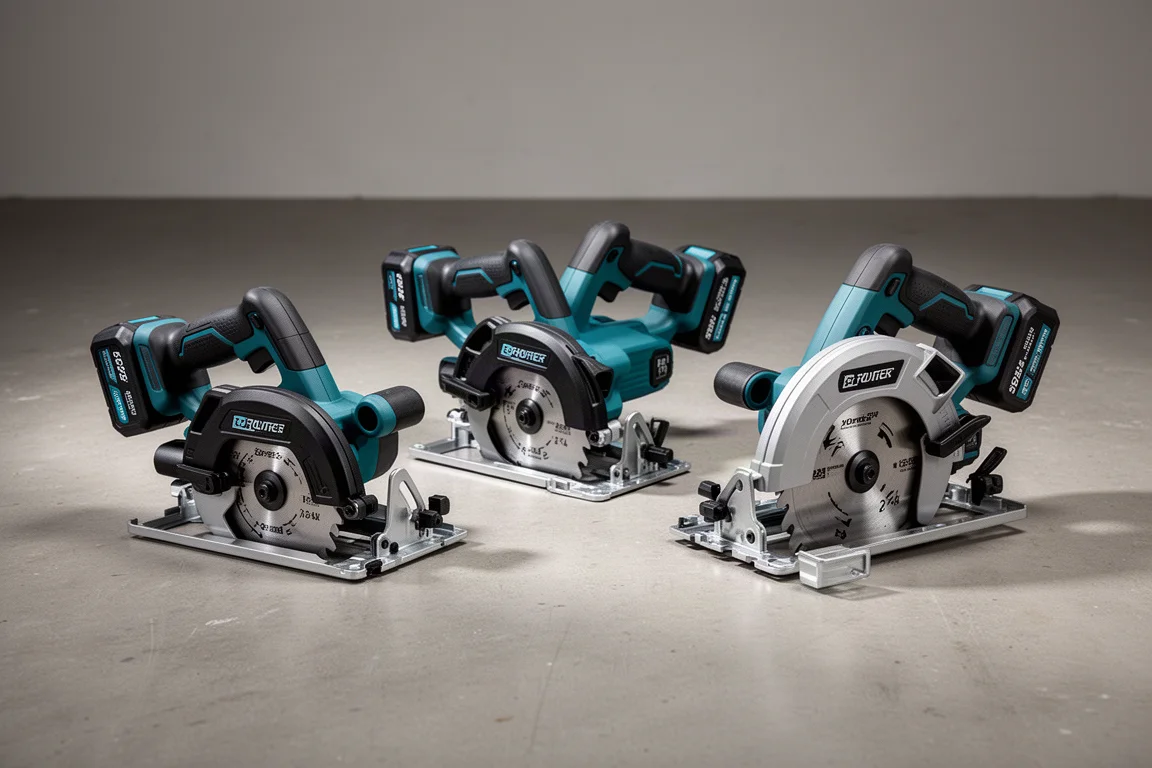
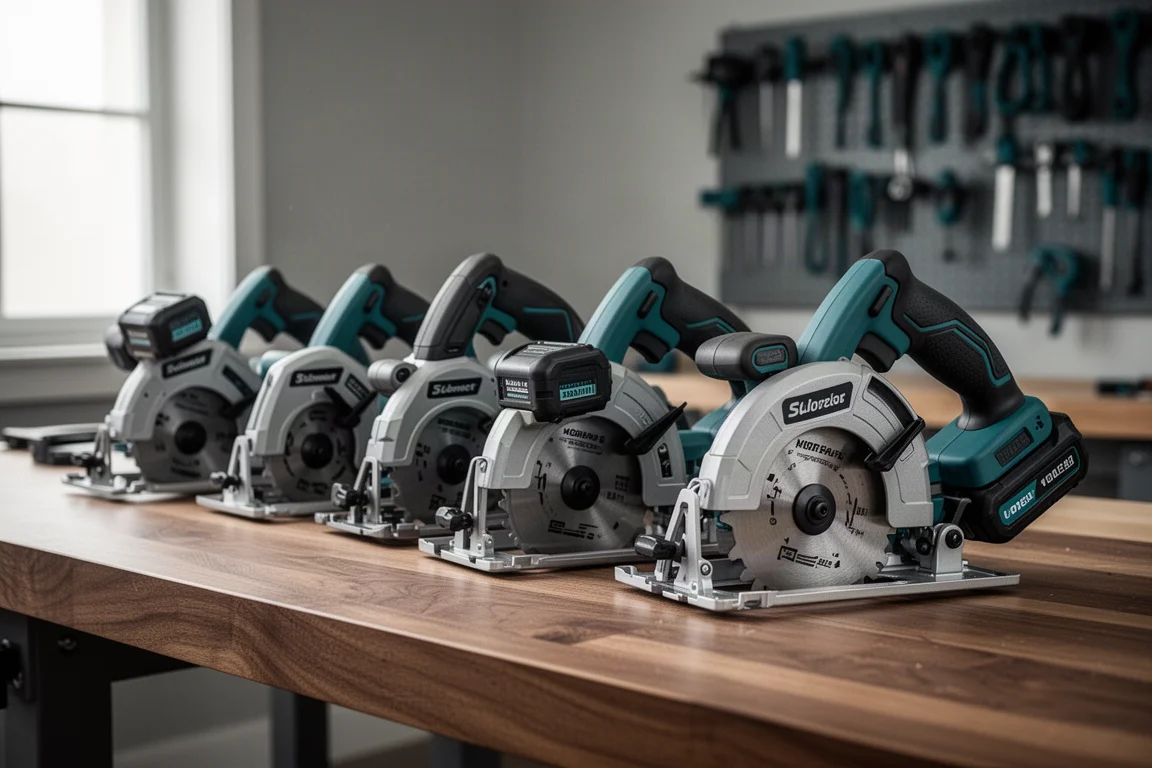
The Makita 40V Circular Saw Lineup at a Glance
The 40V XGT saw family has grown steadily. The HS001G was the first release, a 165 millimeter blade-right saw (the HS002G adds AWS). The HS003G and HS004G are 185 millimeter saws, the latter with a track-compatible base. The HS005G, HS006G, HS007G and HS008G are 125 millimeter options in various configurations. The HS009G and HS010G are 235 millimeter saws, with the HS011G being the 270 millimeter beast capable of cutting down to 104 millimeters. All eleven of those saws are blade-right. The HS012G is the first blade-left model released outside Japan.
Makita HS012G: The First Blade-Left 40V Saw
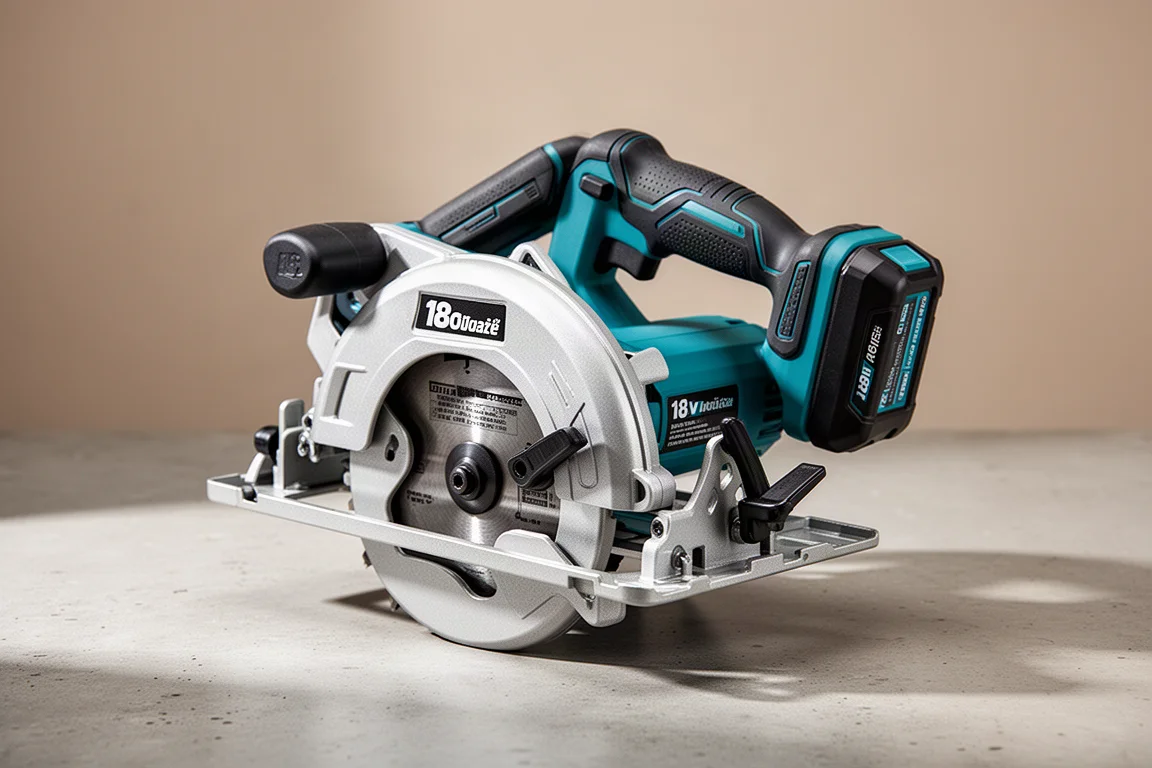
Users essentially asked for a DHS680 with a 40V battery, and that is broadly what the HS012G delivers. It uses the same 165 millimeter blade size with the blade on the left for easy line of sight. The body is noticeably narrower than the 18V version, about 145 millimeters wide versus roughly 165, with the savings coming entirely from a more compact motor housing. Higher voltage allows more output from a smaller motor, which is the opposite approach to simply growing an 18V motor.
It runs a single 5,200 RPM speed (up from the DHS680’s 5,000 RPM) and the base and guard are genuine magnesium rather than painted plastic. You also get a front handle the DHS680 lacks, detent bevel stops at 50, 45 and 22.5 degrees, a metal blade guide, an adjustable base for fine-tuning parallel cuts, a reshaped rafter hook that wraps around the corner so it does not catch, guard grooves that help keep dust from clogging, and a push-button trigger lock. It also adds AWS, Makita’s auto-start wireless system, which lets the saw talk to an AWS-capable vac over Bluetooth so extraction starts and stops with the trigger.
Weight is 2,656 grams without a battery, about 120 grams lighter than the DHS680. The battery mounts on the back, which keeps the saw compact; with a 2.5Ah 40V pack (equivalent in watt-hours to a 5Ah 18V battery) it feels nimble and balanced. Larger 5Ah and 8Ah packs do fit, but they make it noticeably back-heavy and the battery can dig into your arm at certain angles. RPM stays consistent regardless of battery size, so Makita is clearly regulating speed well.
Makita HS001G: The Original 40V 165mm Saw
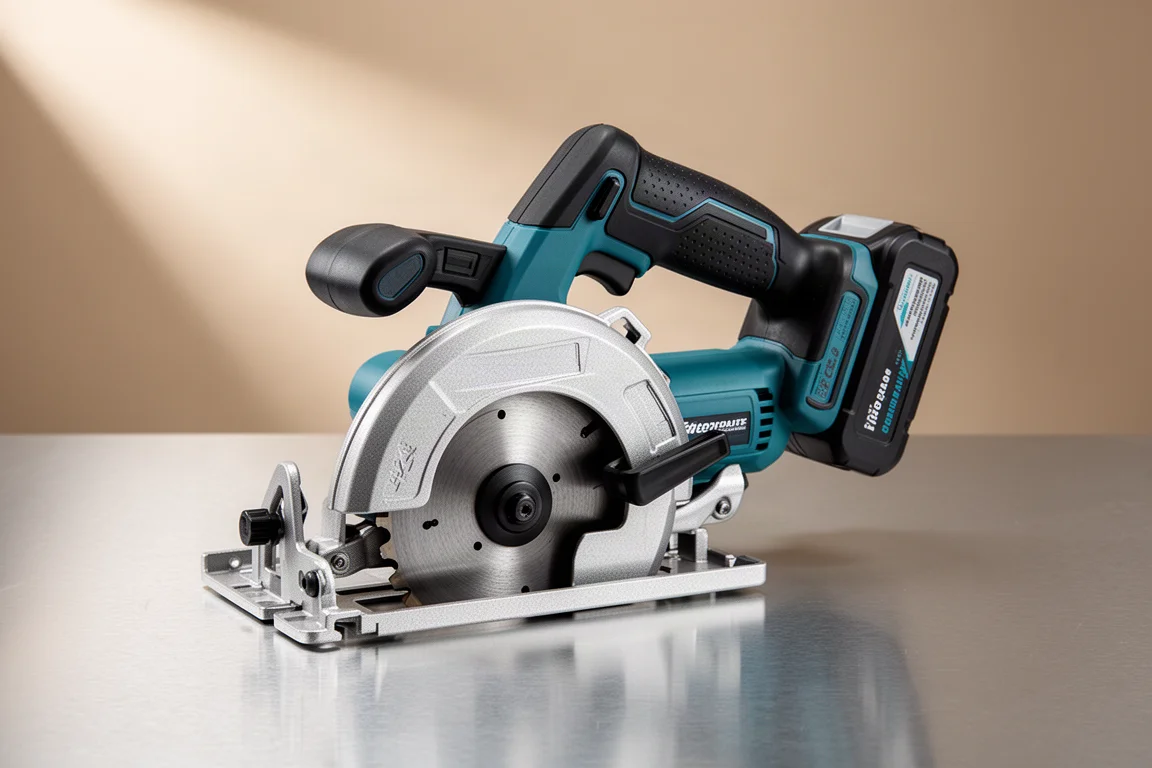
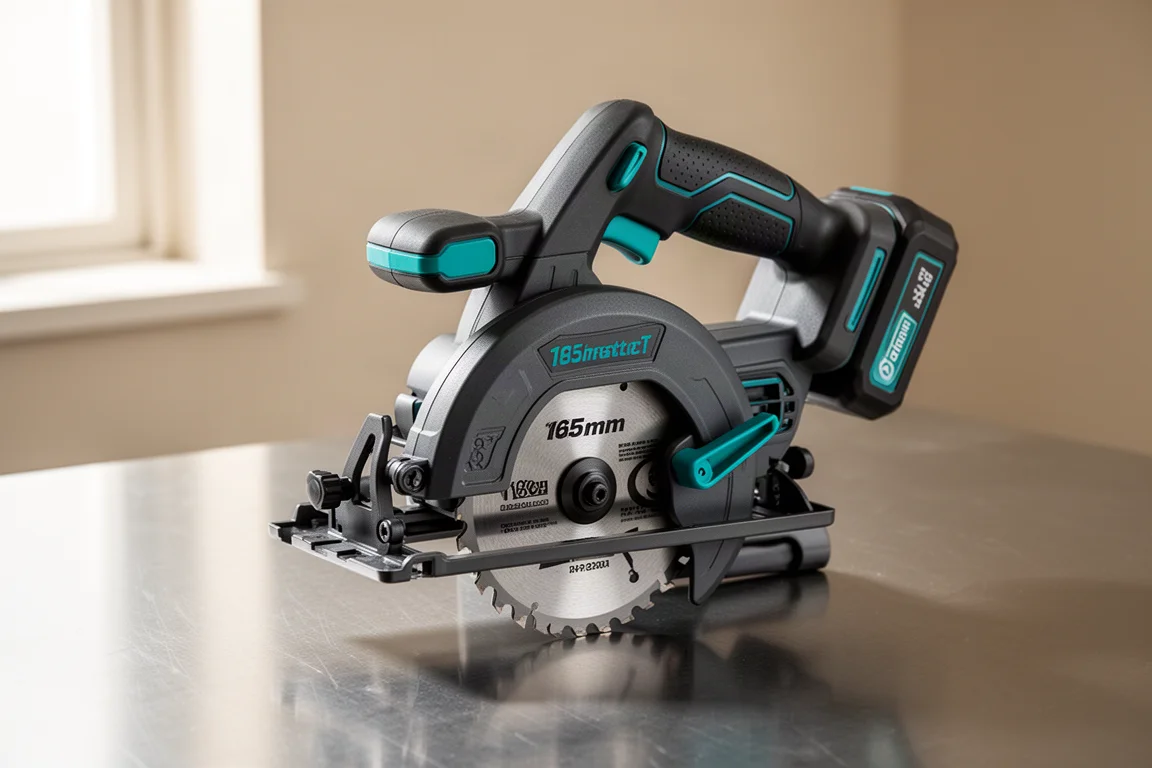
The HS001G was the very first 40V circular saw released, a blade-right 165 millimeter saw that has only been available in Japan and a handful of Asian markets. It comes in teal or black and offers a two-speed trigger setup: a 5,500 RPM top speed and a 4,100 RPM low speed for finer, quieter work.
Its biggest strength is depth of cut. With the same 165 millimeter, 25-tooth blade fitted, it cuts 66 millimeters at 90 degrees, beating both newer rivals. It also has a favorite-style trigger lock, a push-in button angled like a lever so your finger slides down naturally. On the downside, the base and guard are plastic painted to look like metal, there is no front handle, and the body hangs out a long way past the end of the base, which makes it harder to work in tight spaces. The battery mounts on the side rather than the back.
Makita DHS680: The 18V Benchmark
The DHS680 remains the familiar reference point. It offers AWS, a 5,000 RPM motor, and a base with a cutout that lets the blade reach about 58.5 millimeters of depth. At 45 degrees it manages around 43 millimeters. It weighs 2,775 grams bare, so despite being 18V it is actually heavier than the new 40V saw.
Some details feel dated by comparison: plastic guard and blade guide, no bevel detents, and a base-adjustment lever that can drop below the base plate over time and cause wobble. But it still cuts well, and the guide rail adapter setup carries over. For anyone already deep in the 18V LXT platform, it remains a sensible choice.
Depth of Cut and Base Design
Here is the surprising result. With identical 165 millimeter blades fitted, the HS012G cuts only about 56 millimeters at 90 degrees, shallower than both the DHS680 (58.5 millimeters) and the HS001G (66 millimeters). At 45 degrees the HS012G manages around 40 to 41 millimeters, versus 43 for the DHS680 and 45 for the HS001G.
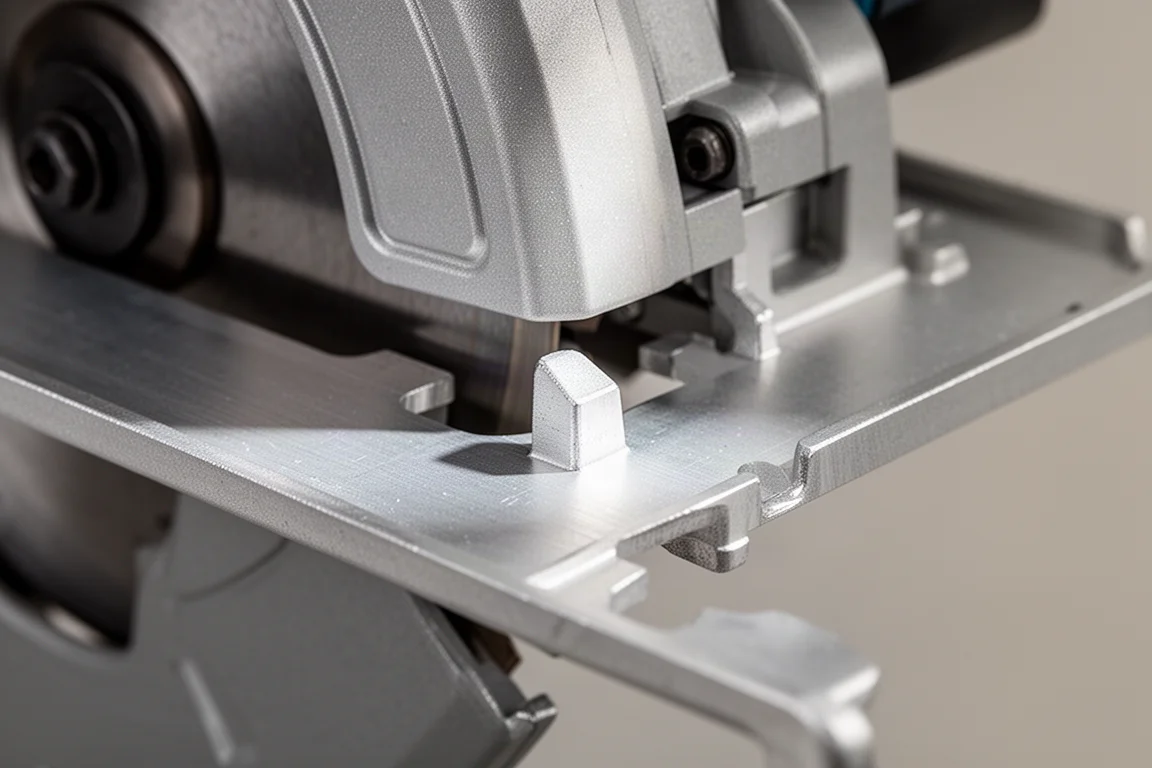
The reason is in the base design. Like the 18V saw, the HS012G has a cutout in the base to accommodate the motor housing, but the motor sits further back and the blade never reaches that cutout even at full depth. An additional small protrusion deliberately stops the base from coming any closer. The purpose is not obvious, but it does mean the depth figures are slightly compromised.

On the plus side, the depth adjustment lever sits much higher than on the DHS680 and locks in place far more securely, so the wobbly-base problem that affected the 18V model appears resolved.
Guide Rail Compatibility
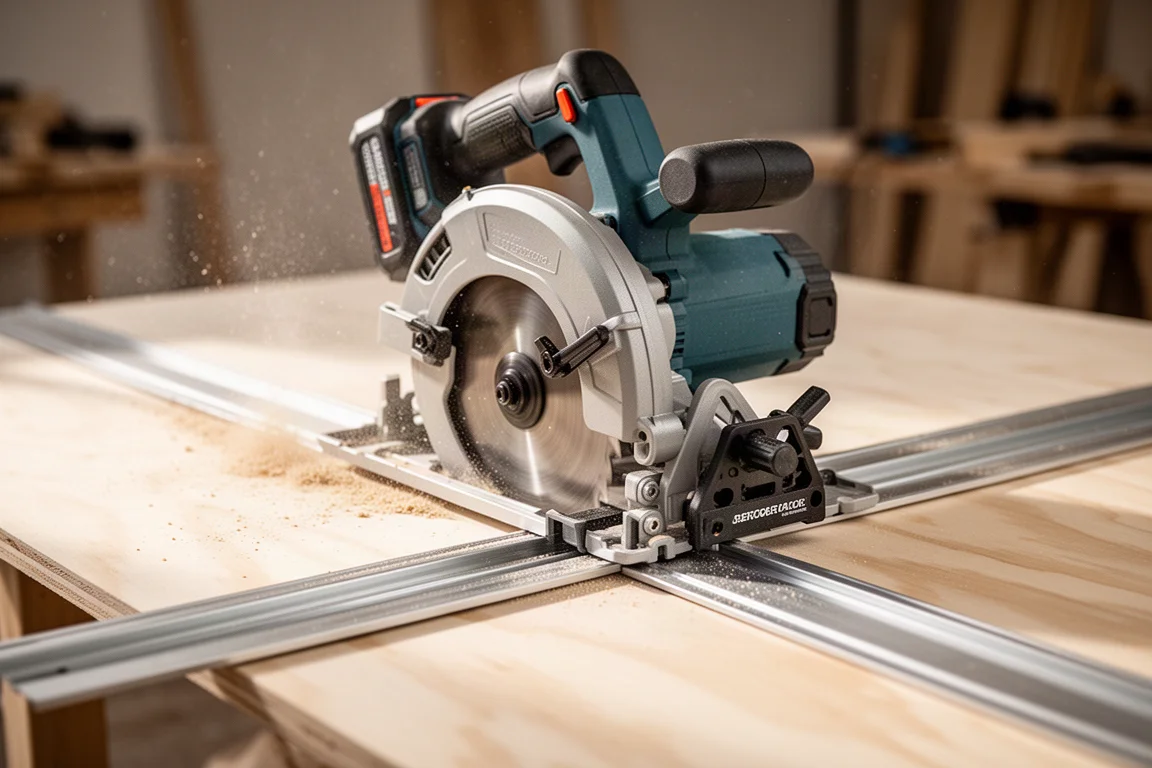
The HS012G’s base does not include a guide rail groove, and that is arguably a feature. The bare base is only 130 millimeters wide, while adding a groove or the official Makita adapter takes it to 195 millimeters, roughly 65 millimeters wider, which defeats the point of a compact saw you can carry up a ladder. The bases share the same width and length, so a guide rail adapter for the DHS680 transfers over.
The adapter is a separate Makita accessory with three bar positions, including settings for bevel cuts so you do not cut into the rail, and it also works with jigsaws and other saws. For the cleanest results in ply, a 56-tooth, 1.45 millimeter kerf blade with a fluorine coating resists resin buildup and holds a good finish.
Buying Advice
If you have been waiting for a left-blade saw on the 40V XGT platform, the HS012G is finally here, and it earns its place: narrow, well balanced, magnesium construction, AWS, and easy straight cuts right out of the gate. Just accept the shallower depth of cut and prefer the 2.5Ah battery for balance, since big packs make it cumbersome. If you cut deep framing stock all day, the HS001G’s 66 millimeter capacity is tempting, though it remains a Japan-market tool with a plastic guard and no front handle. If you are committed to the 18V LXT platform, the DHS680 is still a proven, capable saw and the most economical path. Note also the dust port: when cutting fast, it can block up, and with wet lumber many users would leave it off so chips can clear unless a vac is attached.
Conclusion
The HS012G answers a long-standing request with a genuinely compact, modern 40V saw that is easier to handle than its 18V predecessor and far tidier than the original HS001G. Its only real regression is depth of cut, which is an odd trade-off but not a dealbreaker for most everyday tasks. Choose based on your battery platform, your need for line of sight, and how much cutting depth you actually require.
Further reading
Related Reviews

Power Tools
Best 1-Inch Pistol Impact Wrenches: Three Heavy-Duty Options Compared
We compare three 1-inch pistol impact wrenches, from a budget-friendly Harbor Freight model to a premium Caterpillar unit, to help you choose the right one.

Power Tools
Best 3/4-Inch Impact Wrenches 2026: Five Contenders Compared
We compare five 3/4-inch impact wrenches across price and performance, from a budget Amazon option to Snap-on's most powerful model yet.

Power Tools
Best Budget Cordless Tools 2026: Walmart Finds That Punch Above Their Price
We tested five cordless tools from Walmart, including a high-torque impact wrench that trades blows with Milwaukee and a $35 duster that outperforms its price class.