Power Tools
Makita 40V KS03G and KS04G: Dustless Circular Saws Made for Clean Cuts
Two made-in-Japan XGT dustless circular saws with 5-inch blades, very high RPM, and surprisingly effective dust control for sheet goods and indoor work.
Introduction
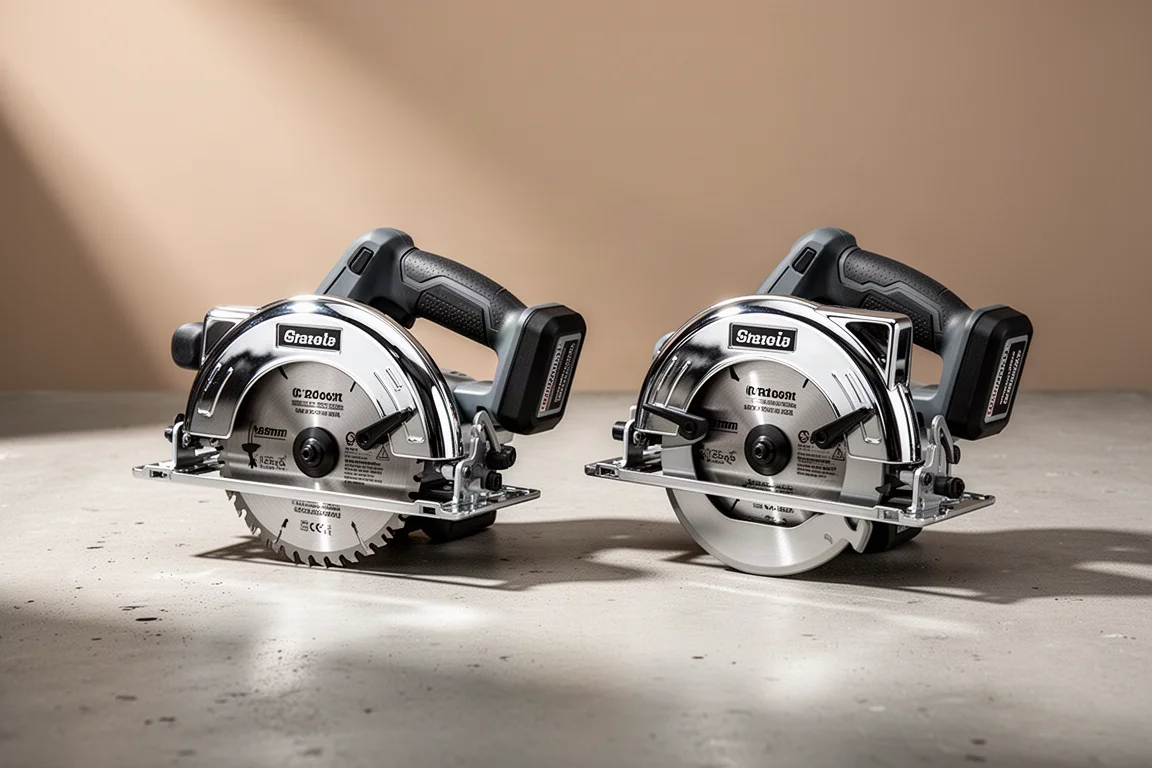
Most cordless circular saws make a promise about dust extraction that they quietly fail to keep. Makita’s 40V max XGT dustless models take a different approach: they are built from the ground up around catching dust as close to the cut as possible. In this comparison we look at the Makita 40V KS03G and the Makita 40V KS04G, a pair of made-in-Japan circular saws with 125 mm (5 inch) blades, unusually high speeds, and dust handling that genuinely works.
What Makes the KS03G and KS04G Different
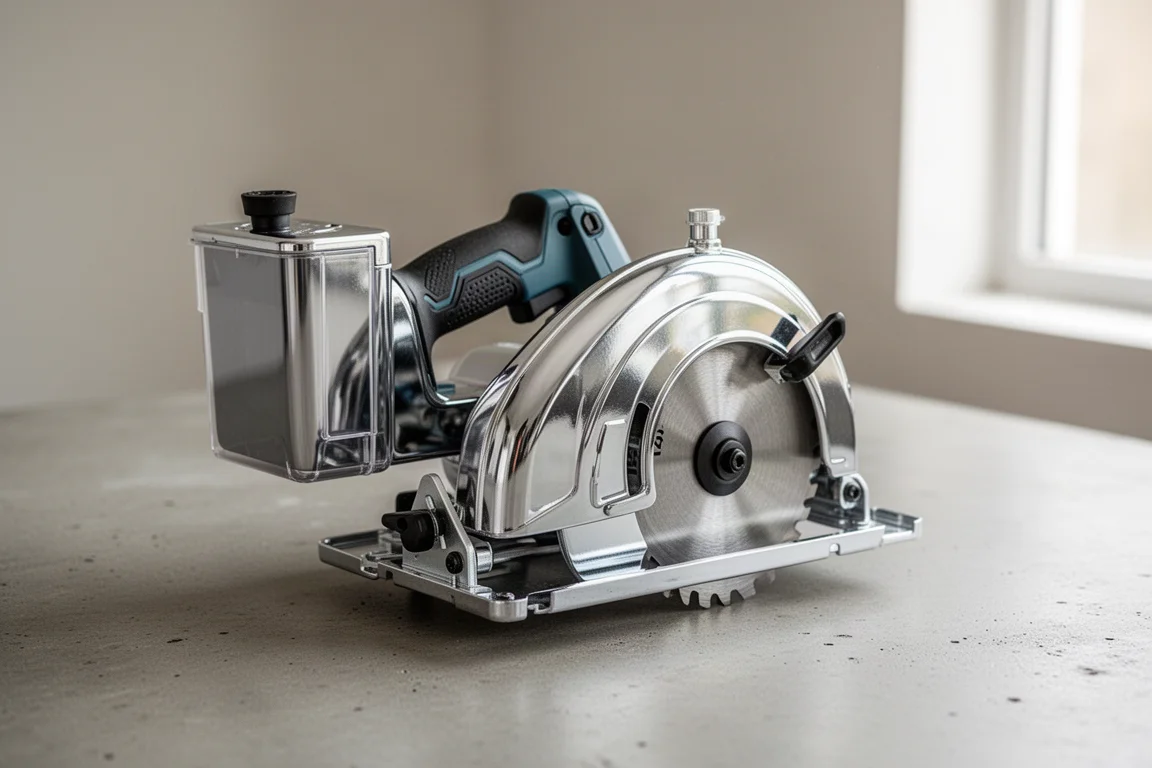
Both saws share the same core formula. They run a 125 mm blade but spin it much faster than a typical circular saw, with two speed settings: a low speed of 5,000 RPM and a high speed of around 7,000 RPM. That makes them among the highest-RPM circular saws around in this blade size. They are also IP56 rated, and both wear a striking mirror-polished finish that is almost a shame to put to work.
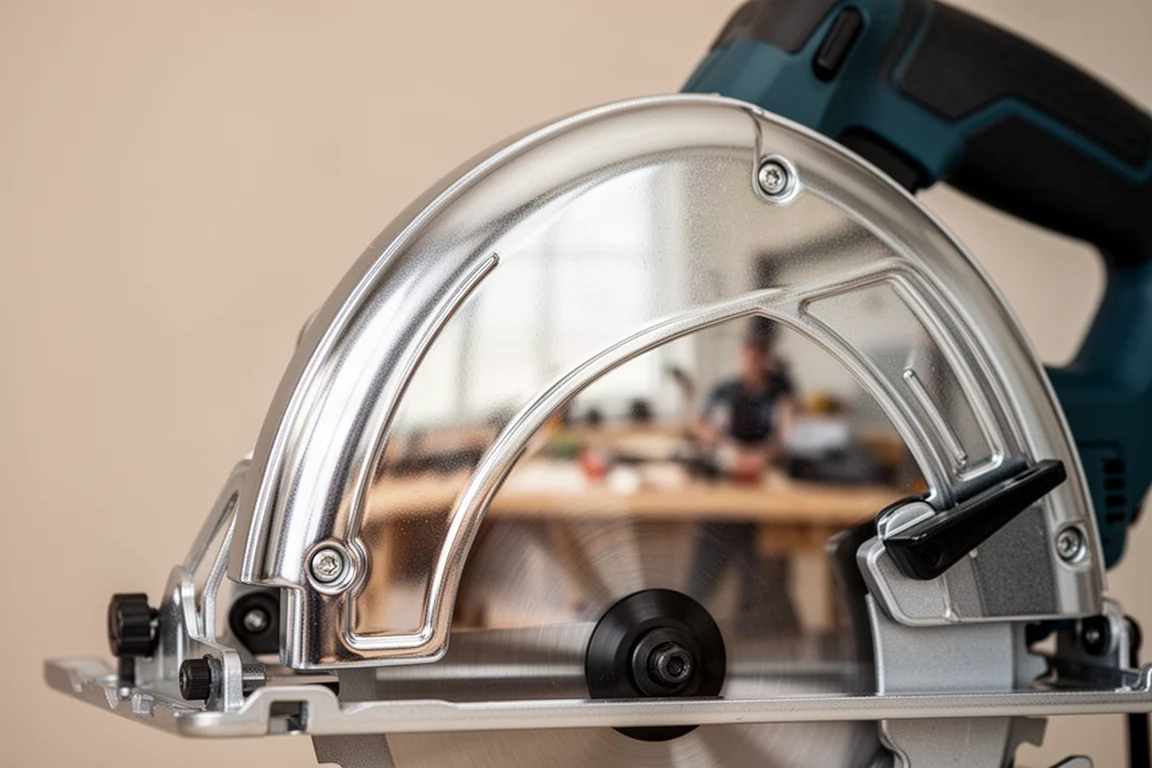
One important distinction between the two is blade orientation. The KS04G is blade right, while the KS03G is blade left. That matters more than it sounds: for a right-handed user, a blade-right saw is the more natural configuration, so the orientation should drive your choice rather than be an afterthought. Both take standard 125 mm blades, which are worth adding to the same order as the saw, since these blades are mainly sold in Japan and the saws themselves are essentially a Japanese-market product.
Cut Depth and Intended Use
Neither saw is aimed at construction framing. The KS03G cuts to a maximum depth of 40 mm, while the KS04G reaches 47 mm, which suits 45 mm framing timber where it is used. In practice, both are designed for sheet goods such as MDF, chipboard, and plywood, plus cabinetry and flooring work, especially in finished spaces where you want to keep dust down.
The KS04G’s deeper cut capacity and blade-right orientation make it the more versatile of the pair for general use, while the KS03G suits left-blade workflows and shallower sheet material cuts.
Dust Collection Design: Two Different Philosophies
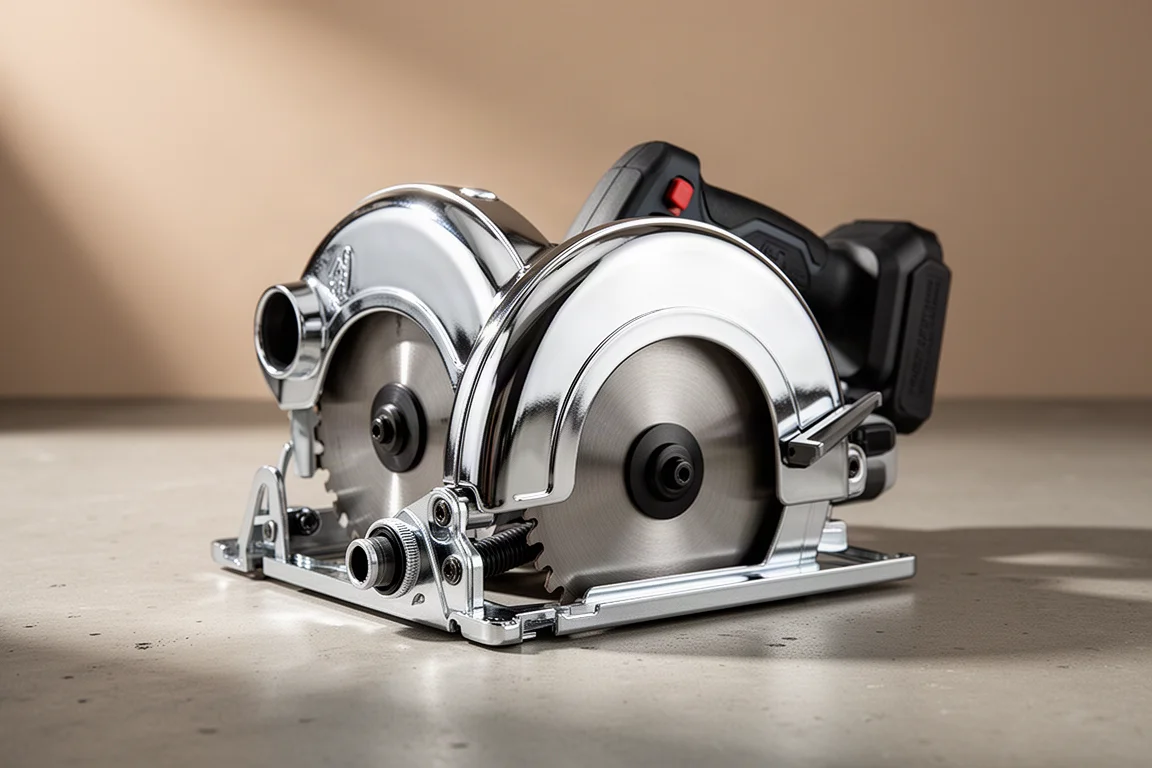
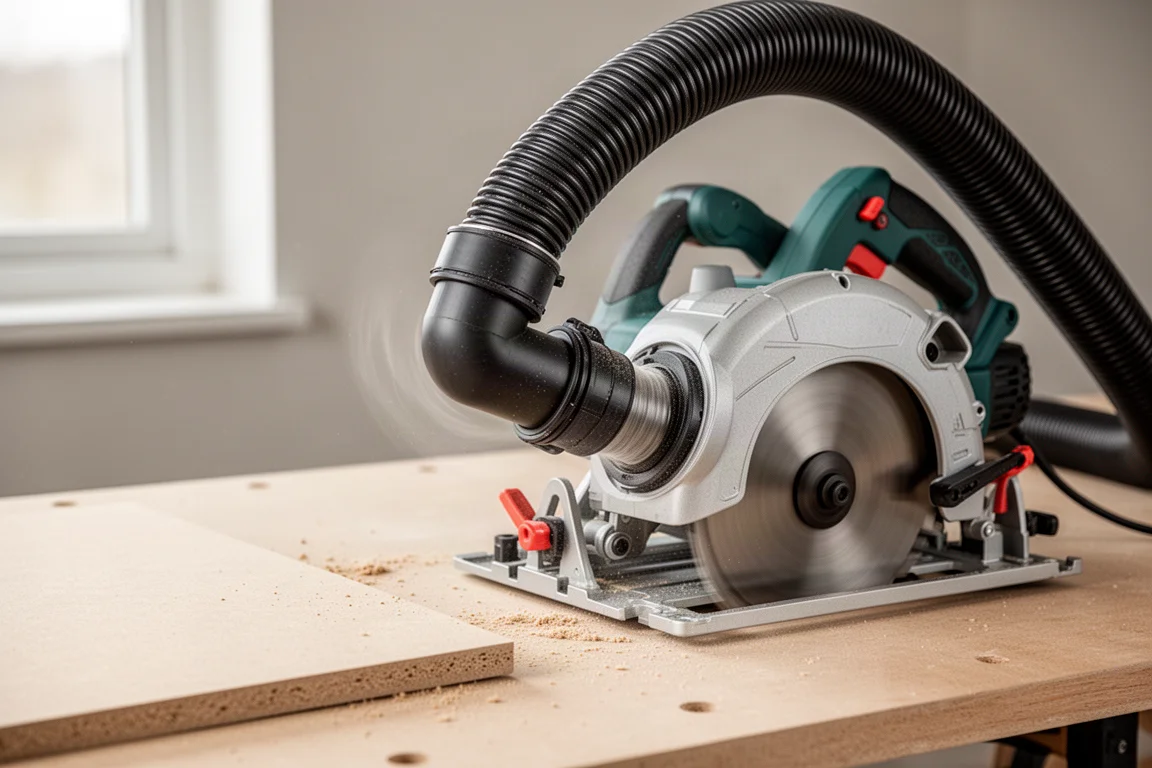
This is where the two models genuinely diverge. The KS03G uses a front dust port at the point where the blade throws chips upward, catching dust immediately and firing it into a vacuum hose. The port swivels to different angles and has a large diameter, and that is its only mode: it must be connected to a vac.
The KS04G instead has an integrated dust collection box. Dust is drawn up into the housing where it fills a removable box you can open at the rear and empty out. There is also a bung on top that stows neatly in a dedicated holder, so you can connect a vacuum hose straight to the tool when you want even better extraction. The KS04G’s port is fixed and exits straight out the back, and its hose connection is narrower than the KS03G’s.
Dust Collection in Practice
In testing with a fresh fine-tooth blade, the KS04G’s collection box captured the majority of the dust from a freehand straightening cut in plywood. A little escaped around the guard at the start of the cut, but once moving the saw ran smoothly with very little dust visible in the air. At full depth in sheet material, more dust found its way into the box and some escaped, but the difference versus a standard saw ejecting chips out the back was significant: far less dust ended up in the air and in your lungs.
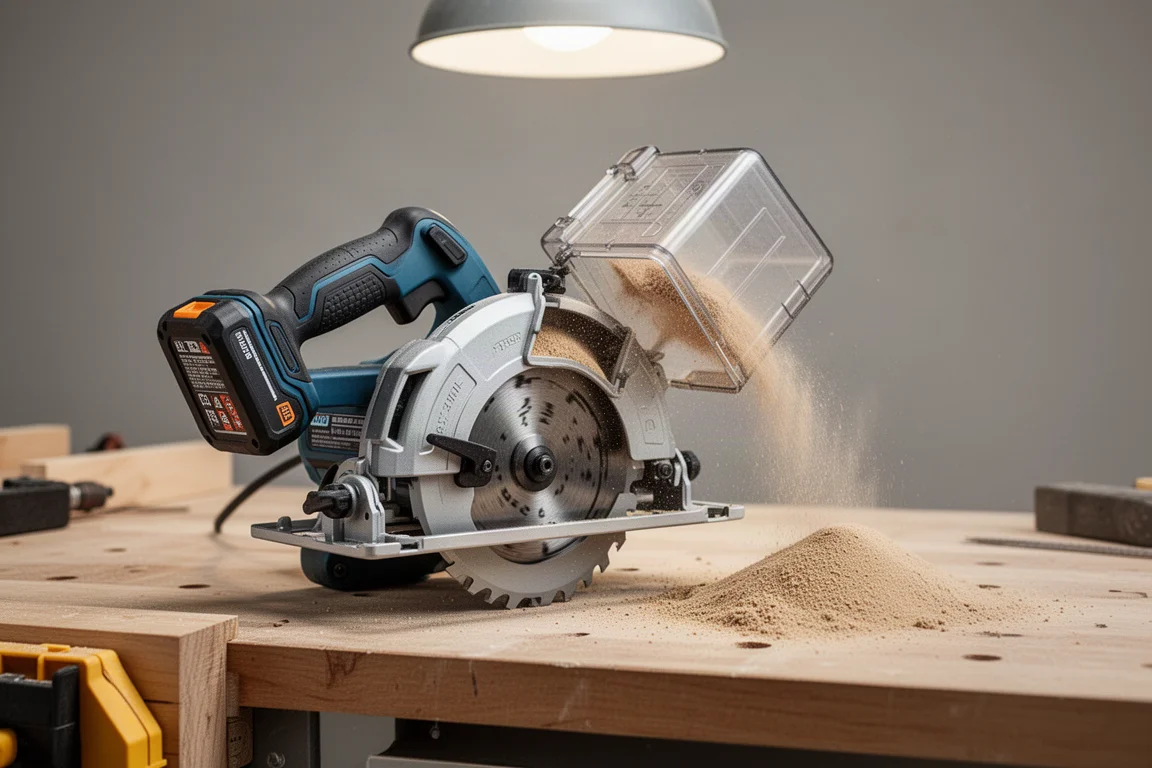
Hooking the KS04G up to a 40V XGT vacuum via AWS auto-start, so the vac runs when the trigger is pulled, produced even cleaner results with almost no visible dust escaping. Running at the 5,000 RPM low speed on thinner sheet material reduced dust escape further. A small tip from use: raising the blade so it does not protrude far below the base helps the collection shroud sit closer to the surface and catch more dust, and a simple DIY extension of the shroud could help further if you never cut bevels.
Cutting Performance
Both saws cut cleanly and smoothly, particularly with a fine-tooth blade at high speed. Freehand work takes a little more care than with a larger blade, because there is less blade in the material to keep the cut tracking straight. The guard also has relatively little purchase for lifting, which makes freehand retraction slightly awkward. The KS04G’s locking lever for the rip guide is a nice touch: it holds the guide securely without a small knob that can vibrate loose or get lost, and a longer front-and-back rip guide is also available.

They are called dustless saws, and to be clear, they are not literally dustless. The tools do get dusty, and a small amount of material escapes every system. But compared with a conventional circular saw that fires dust out the back and into the room, the difference is easy to notice, and for indoor work in a finished space that is exactly the point.
Buying Advice
Choose the KS04G if you want the most flexible dustless setup. The integrated collection box means you can do a handful of quick cuts without hauling a vacuum out at all, then empty or vac it out afterwards, and with a vac connected you get the best extraction of either saw. Its deeper 47 mm cut and blade-right orientation also make it the better all-rounder for right-handed users.
Choose the KS03G if your work is dominated by vac-connected extraction. Its large, rotating front dust port with a big diameter hose connection pulled dust away better than any other configuration, making it ideal for workshop use where the vacuum is always hooked up.
It is also worth knowing that 18V and 14.4V versions of these dustless saws exist, so if you are invested in another battery platform, it is worth checking what is available in your region. For anyone buying either of the 40V models from Japan, order blades at the same time to save on shipping.
Conclusion
The Makita 40V KS03G and KS04G are niche tools done properly: fast, well-built, IP56 rated, and genuinely effective at controlling dust in sheet goods and cabinetry work. If you cut sheet material indoors and dust matters, the KS04G’s built-in collection box makes it the easier recommendation for most users, while the KS03G is the stronger pick when a vacuum is always part of the setup.
Further reading
Related Reviews
Power Tools
Best 1-Inch Pistol Impact Wrenches: Three Heavy-Duty Options Compared
We compare three 1-inch pistol impact wrenches, from a budget-friendly Harbor Freight model to a premium Caterpillar unit, to help you choose the right one.
Power Tools
Best 3/4-Inch Impact Wrenches 2026: Five Contenders Compared
We compare five 3/4-inch impact wrenches across price and performance, from a budget Amazon option to Snap-on's most powerful model yet.
Power Tools
Best Budget Cordless Tools 2026: Walmart Finds That Punch Above Their Price
We tested five cordless tools from Walmart, including a high-torque impact wrench that trades blows with Milwaukee and a $35 duster that outperforms its price class.