Power Tools
Makita 40V Cordless vs Skil Mag 77: Which Framing Circular Saw Deserves Your Money
A jobsite comparison of two worm-drive-style framing saws covering weight, power, balance, safety, cutting depth, and long-term value.
Introduction
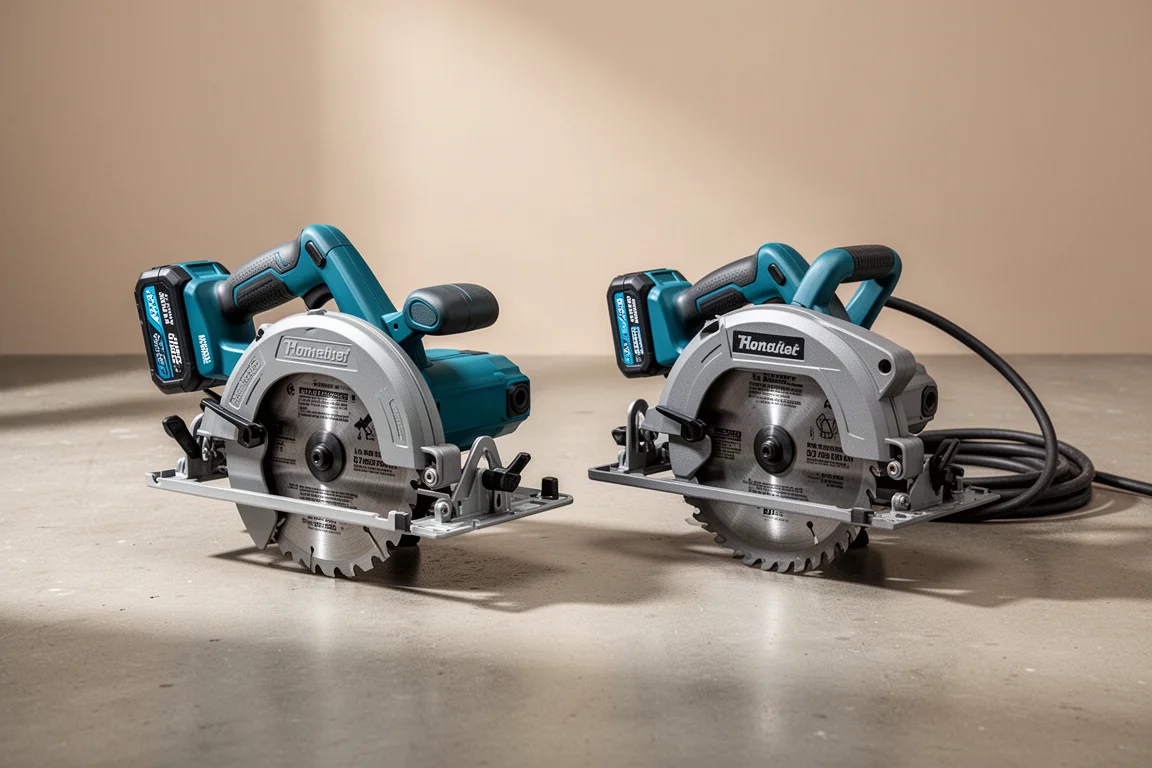
For most of the last three decades, nobody seriously debated whether a cordless circular saw could compete with a corded one. They were simply different animals with completely different capabilities. Cordless technology has come a long way since then, and the comparison is now worth having. This comparison pits the Makita 40V cordless circular saw against the Skil Mag 77 worm drive, a corded saw that has served as a daily driver for years of production framing. After months of using both on the same framing work, a clear verdict emerged: carry both, use the cordless most of the time, but never be caught without the corded saw.
Two Saws Built for the Same Jobs
These two saws are made for the same work. Both are intended for setting forms, rough framing, stacking, sheathing, siding, and exterior trim. There is no cop-out here about one being made for light duty and the other for production work. They compete head to head for the same tasks, which makes a direct comparison fair and useful.
One early observation: the Makita is a little lighter. Not dramatically lighter, and part of the difference may simply be the extra cord the Skil drags around, but the reduction matters. If you barely have the strength you need to run a saw like this all day, a few ounces add up by the end of the day. Balance, meanwhile, is virtually identical. Both hang right down into the working position the way a framing saw should, with no significant preference either way.
Power Where It Counts
Power was always the gap cordless tools had to close, and on straight pulls through green framing lumber or standard softwood members, the Makita seldom leaves you thinking it pooped out. It has all the power you need for normal cuts and never feels gutless.
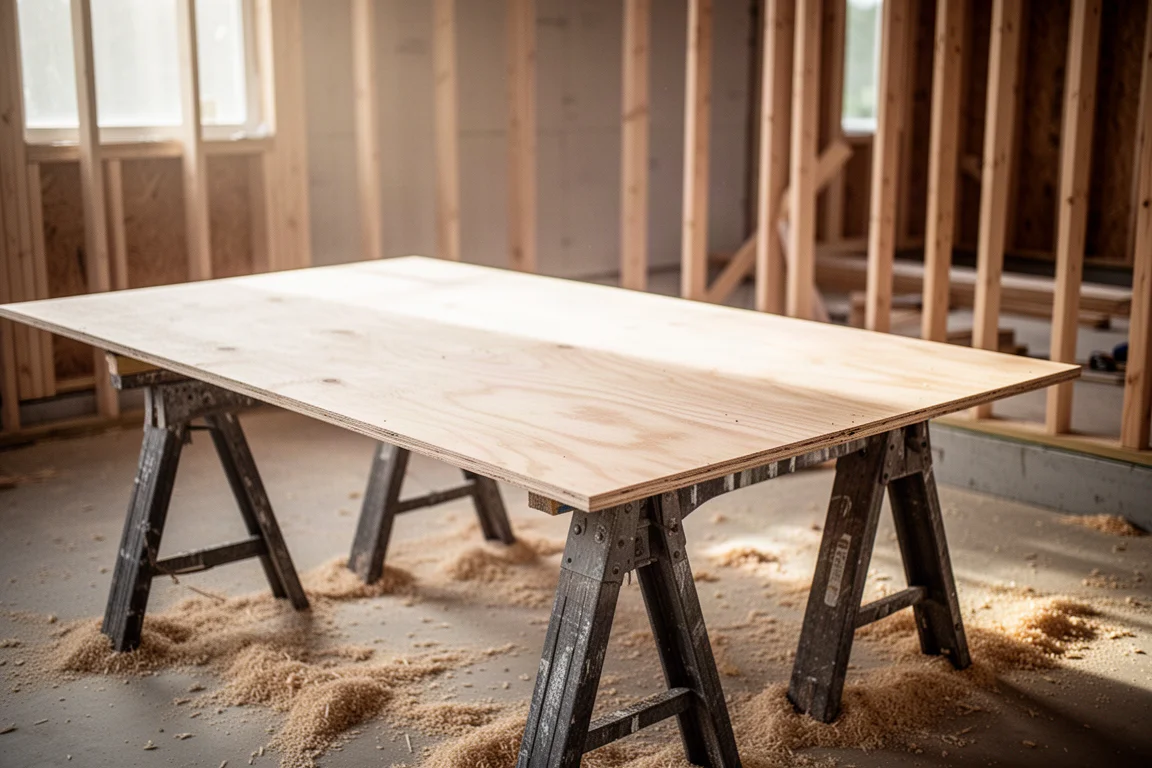
The difference shows up in tough pulls. When ripping several stacked plywood sheets and lateral movement between the sheets adds friction on the side of the blade, or when a board pinches down and binds the cut, the cordless really drags. The corded Mag 77 has enough reserve to power through, right up until the blade gets hot enough to start deflecting. The Makita, under that kind of sustained load, will hit its auto shut-off mode as heat accumulates. In those occasional moments you may find yourself wishing you had grabbed the other saw.
Controls, Table, and the Skyhook
The controls present to your hand so similarly that the differences barely bear mentioning. Both offer wide bevel ranges with presets, and there is not a dime’s worth of difference in how the tables, blades, guards, and accessories function. The saw wrench locations are identical too.
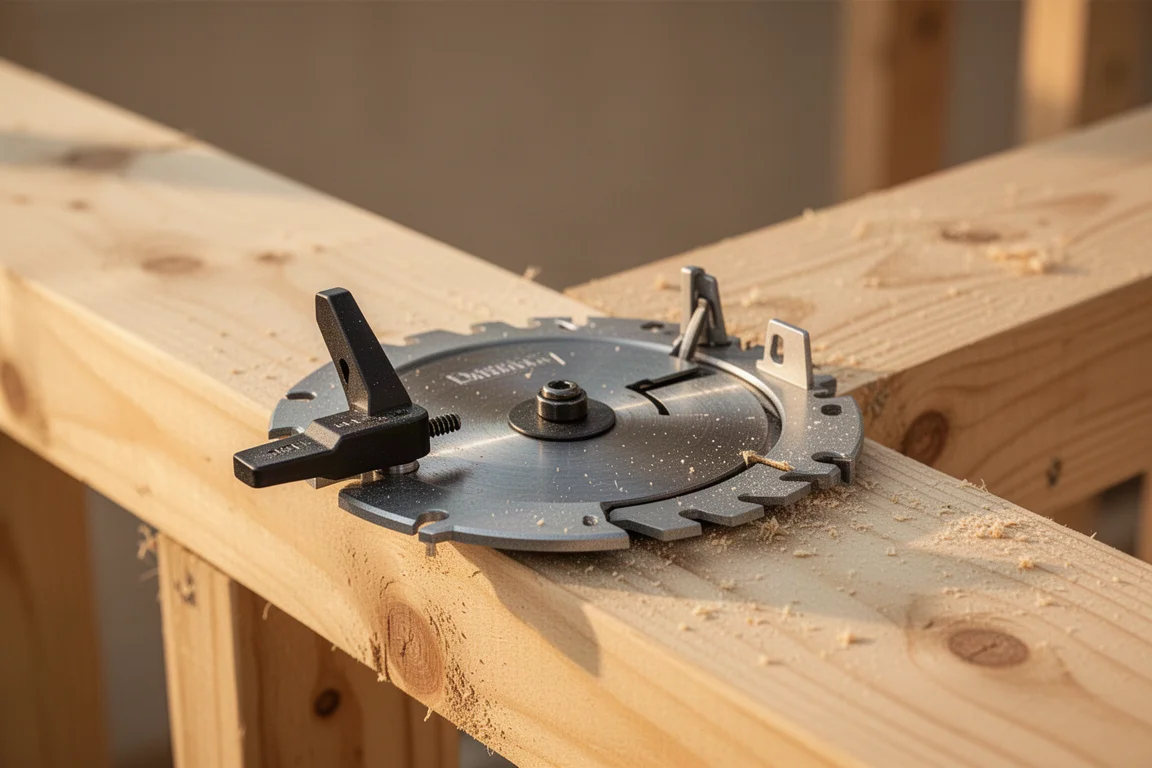
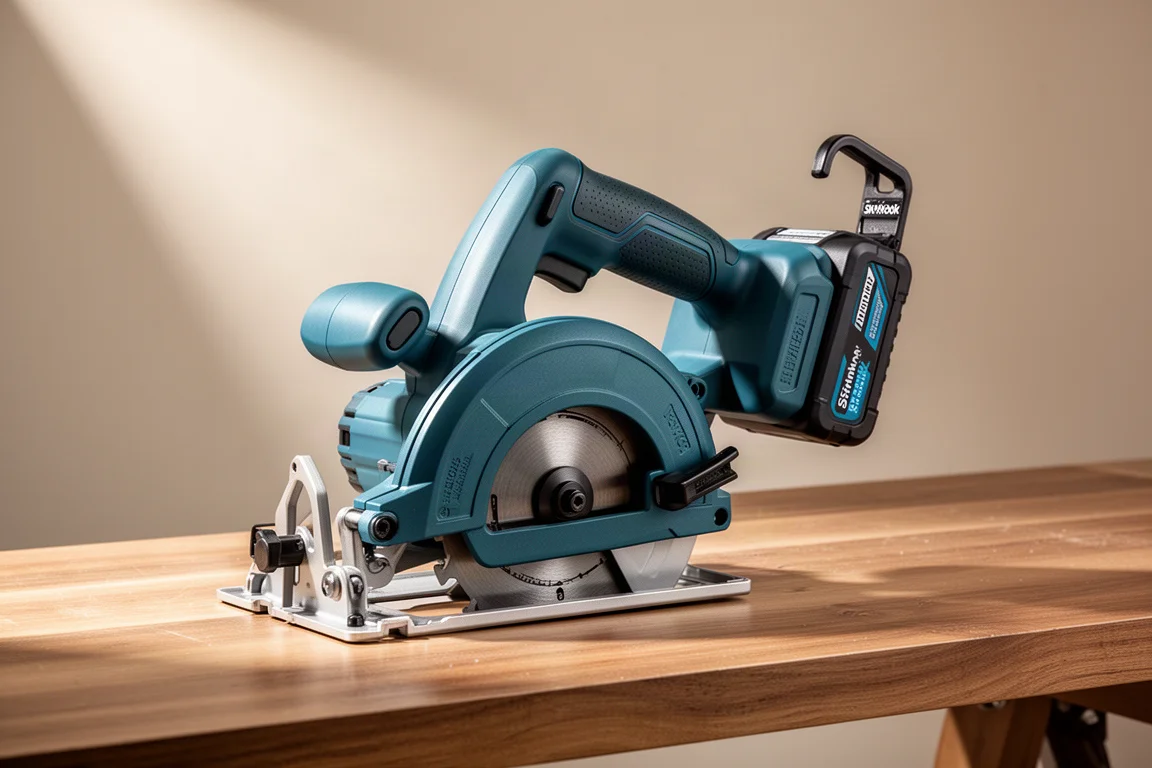
The Skyhook is the one accessory that separates them. On the Makita it is genuinely large, big enough to hook over the top of a joist or a 2x12 rafter and hang the saw securely. It also works as a handle for climbing: you can grab a vertical piece and climb up the wall hanging onto it. It wins this category outright.
Toughness, Safety, and Smoothness
With only months of use on the Makita, durability claims have to be taken with a grain of salt, but the impression is that the corded Skil is the tougher tool. The Makita uses more plastic and feels lighter because it is, and the sense is that the Mag 77 will take a harder life for longer.
On safety, the Makita comes out ahead in several respects. The lighter weight helps, though there is a limit: if a cordless saw got much lighter, the power-to-weight ratio would become genuinely unsafe. The soft start feature probably reduces kickback, though it builds in a brief lag that takes personal adjustment if you are used to an instantaneous start. One caveat: the safety lockout button is not convenient when cutting out of position or working on a ladder, and at times it can actually work against safe handling because of what it obligates your other hand to do. The electric brake is an unquestionable plus, stopping the blade quicker than the corded saw does.
Smoothness also goes to the Makita, at least while the table remains unscarred. It slides easier, is easier on the wrist, and delivers a smoother cutting experience overall.

The Cord Question: Convenience Versus Reliability
Convenience is a clear win for the Makita most of the time. Roll onto the job, open the toolbox, grab the saw, and go. Walk across the yard or the field, forget the extension cord, and get to work.
The minus side is battery life. Running a battery to exhaustion mid-task means climbing down off the scaffold and walking across the job to plug in, either because you forgot to charge the night before or because the battery simply gave out. That frustration easily devours however much satisfaction the smooth cutting earns.
There is also an unexpected, underrated benefit to the cord: it leads you back to your saw. With a corded saw, you can trace the cord to find where you left it, saving minutes of hunting when you have been pulled away by another task. You can also lower a corded saw over an edge by its cord to bring it to you, something you should not try with a plastic-housed cordless saw.
Cutting Depth and Value
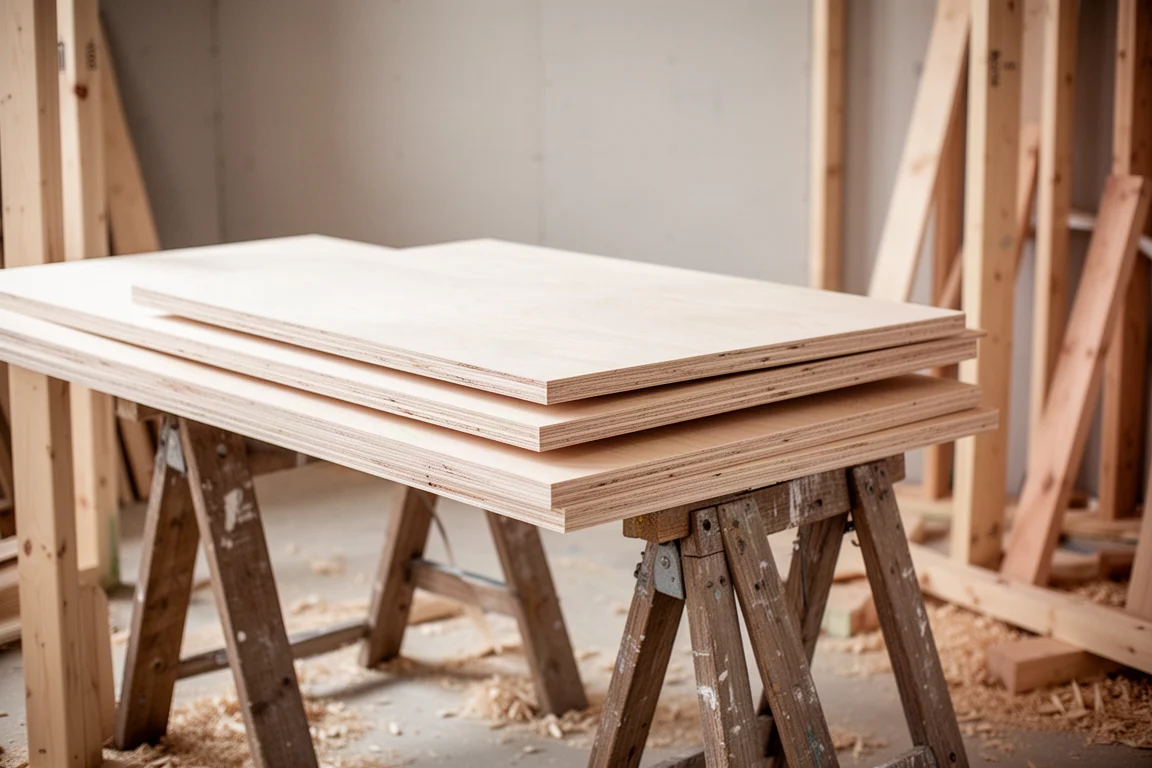
The Makita cuts 2-9/16 inches deep while the Mag 77 manages 2-1/4. That is a significant difference. It means cutting down through a stack of three sheets of 3/4 inch plywood in a single pass, and sometimes that is a money maker. Of everything that separates these saws, this is the biggest distinction in the Makita’s favor.
Value, however, goes the other way. The Makita costs roughly twice as much, even with sales and battery incentives. Then there is the long game: replace it once or twice after a hard fall, rain damage, or theft from the back of a truck, and consider that the battery platform will eventually change as cordless technology keeps advancing, forcing the whole investment cycle to start again. The Skil costs less coming in the gate and keeps working.
Conclusion
The honest verdict is that both saws earn their place on the truck. The Makita will likely see around 80 percent of the hours because it is convenient and does almost everything, including cuts the Mag 77 cannot match in depth. But there are things only a corded worm drive will do to the satisfaction of anyone who has ever run one. If forced to pick just one saw, the choice is the Skil Mag 77, because a worm drive with a 40 or 50 foot cord will put more money in your pocket at the end of the year, and at the end of the decade, than the beautiful, convenient, smooth, shiny cordless wonder.
Further reading
Related Reviews

Power Tools
Best 1-Inch Pistol Impact Wrenches: Three Heavy-Duty Options Compared
We compare three 1-inch pistol impact wrenches, from a budget-friendly Harbor Freight model to a premium Caterpillar unit, to help you choose the right one.

Power Tools
Best 3/4-Inch Impact Wrenches 2026: Five Contenders Compared
We compare five 3/4-inch impact wrenches across price and performance, from a budget Amazon option to Snap-on's most powerful model yet.

Power Tools
Best Budget Cordless Tools 2026: Walmart Finds That Punch Above Their Price
We tested five cordless tools from Walmart, including a high-torque impact wrench that trades blows with Milwaukee and a $35 duster that outperforms its price class.