Power Tools
Makita 40V Circular Saws Explained: Which Blade Size Do You Actually Need?
The Makita 40V XGT platform spans 125mm to 270mm circular saws with track bases, reverse bevels, and removable fronts. Here is how the lineup differs.
Introduction
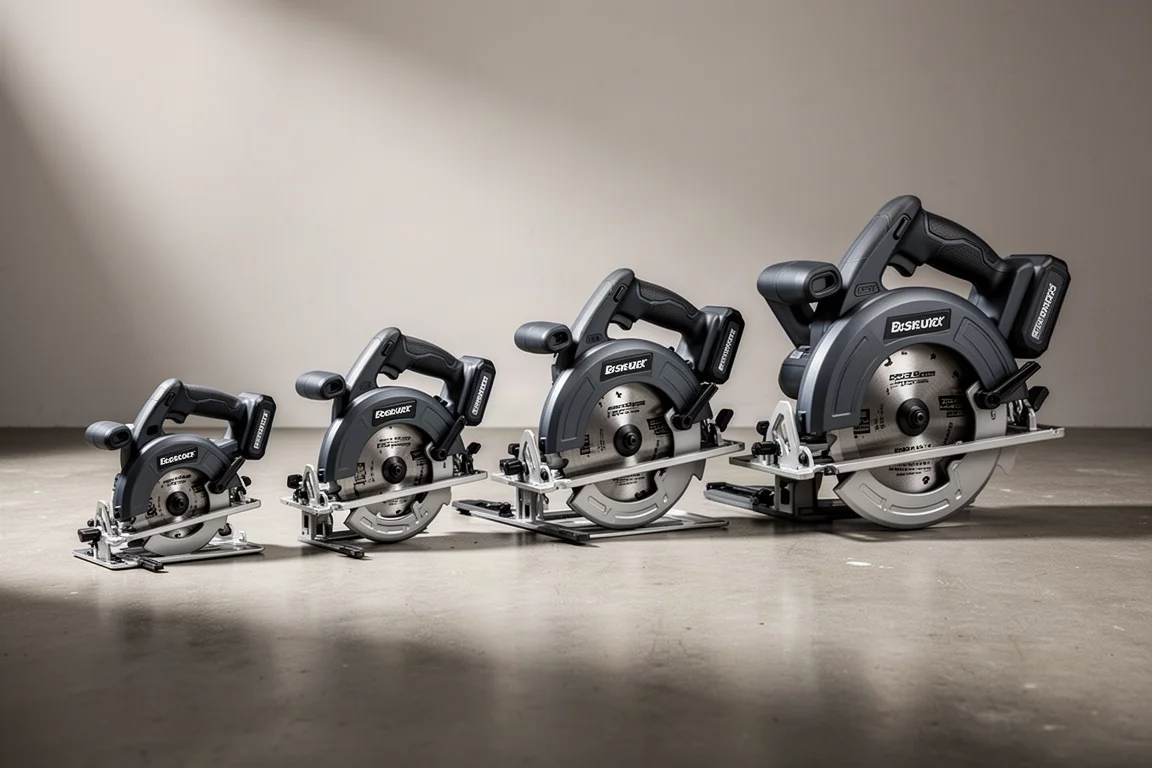
The Makita 40V XGT platform now covers an unusually wide spread of circular saw blade sizes: 125mm, 165mm, 185mm, 235mm, and 270mm (sold as 260mm in some regions). That is five different formats across more than a dozen models, and the differences go well beyond blade size. Track compatibility, reverse bevels, removable front guards, and two-speed motors all appear on some models and not others.
This guide walks through the lineup in the order the saws were released, model by model, so you can match the right size and feature set to the work you actually do.
The 165mm Class: HS001G and HS002G
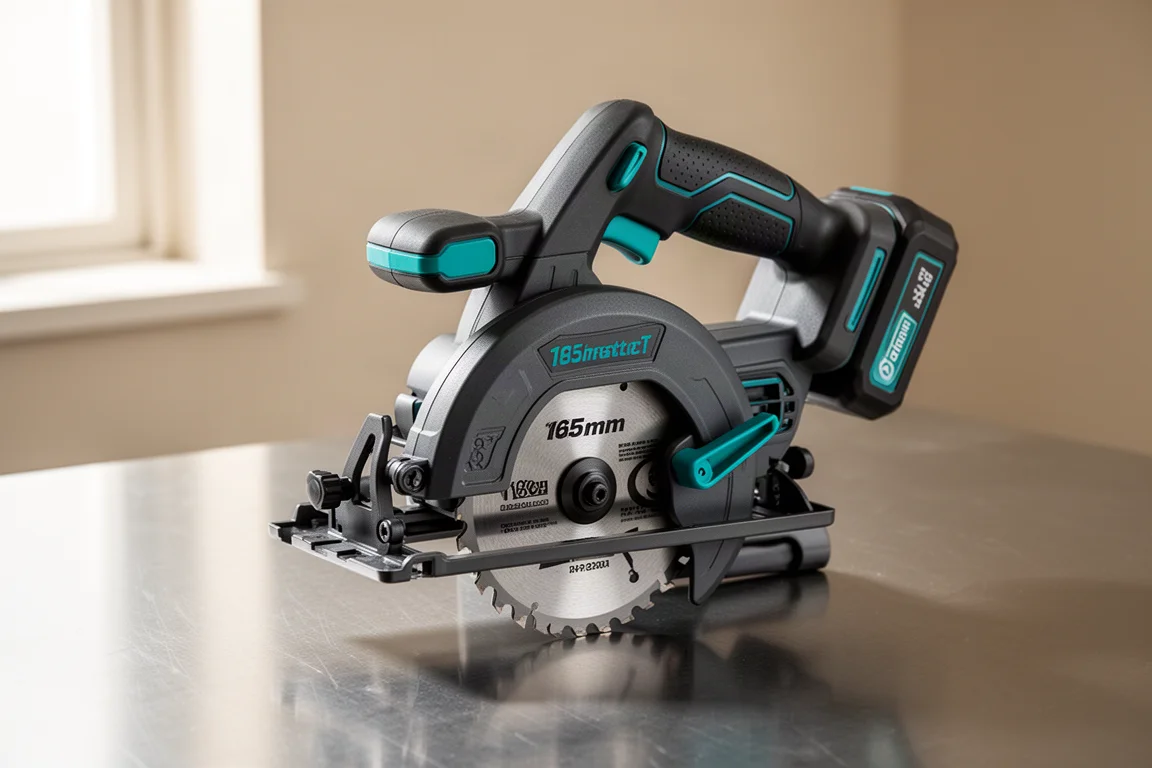
The HS001G was the first circular saw released on the 40V platform, and it remains a Japan-only model, which is still surprising given how capable this size is. At 165mm (six and a half inches), it is a nice, small, light tool with plenty of power. It rips material without complaint and carries noticeably more cutting power than the equivalent 18V Makita saw.
The HS002G is the same saw with the addition of AWS, Makita’s wireless blade-stop system that automatically stops the blade when the trigger is released. Both models have a polished base, improved clamping knobs for holding a fence or guide, and bevel knobs front and rear that keep the base secure at an angle. They also bevel in reverse by up to five degrees for a negative bevel, and the adjustment range includes provisions for re-squaring the base if anything drifts out of alignment.
Unlike every larger saw in the lineup, the 125mm and 165mm models have no front handle, and they are the only two-speed saws, running at roughly 4,500 and 6,000 RPM depending on the cut. Between the two, the HS002G’s AWS support is the practical differentiator.
The 185mm Class: HS003G and HS004G
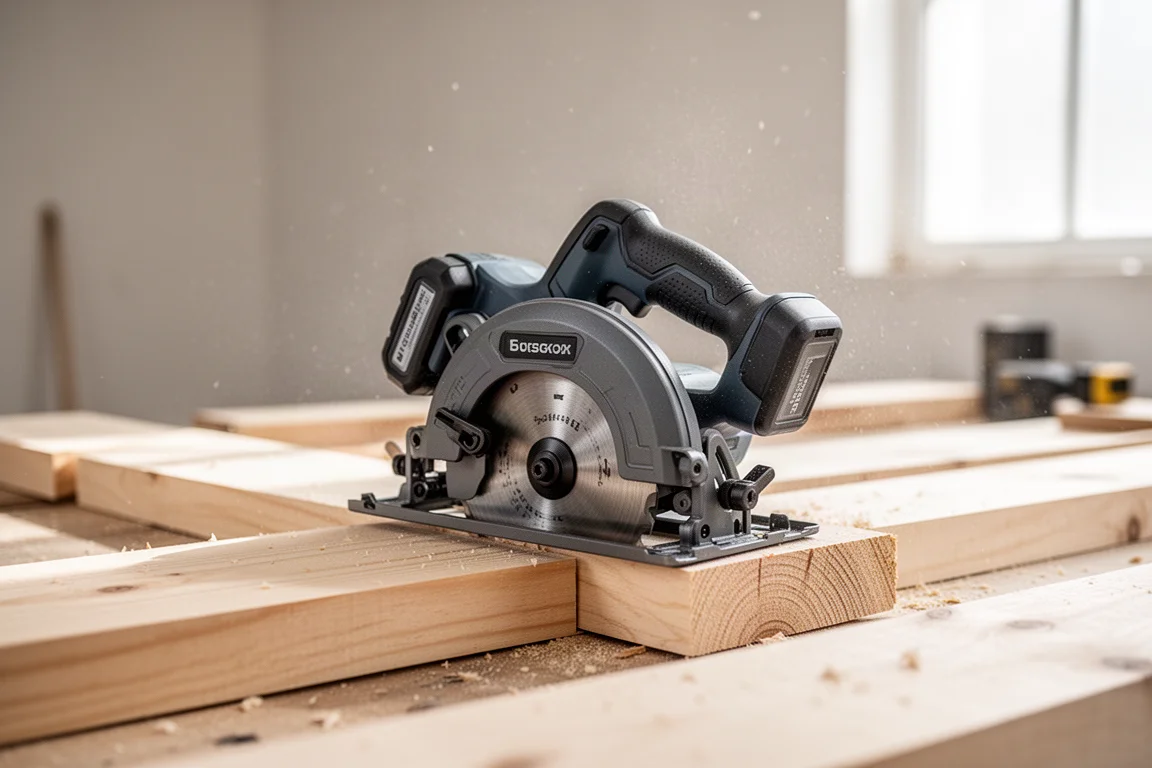
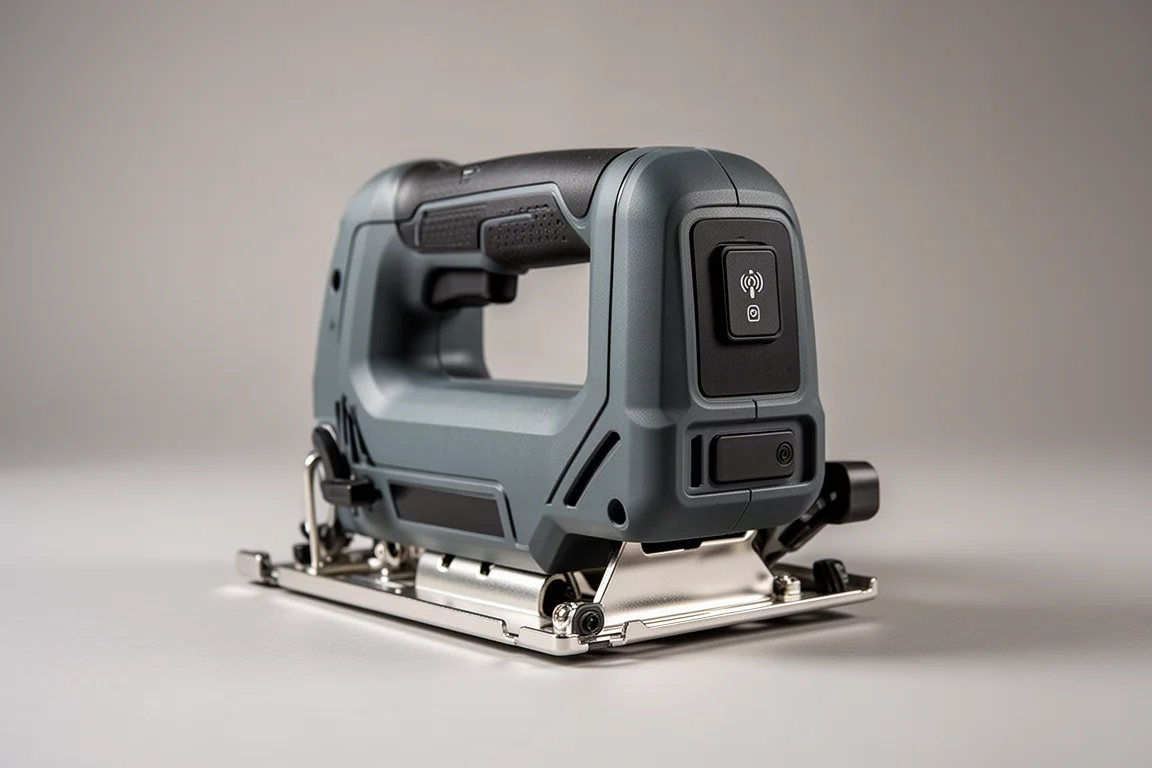
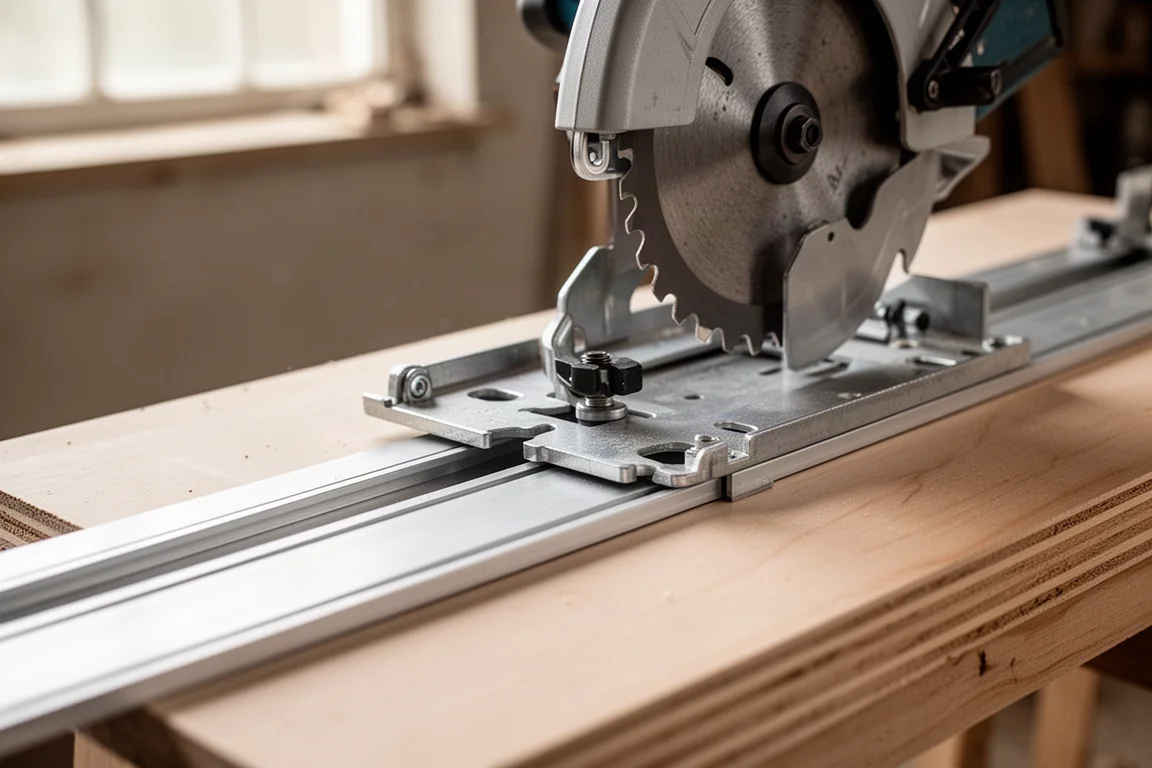
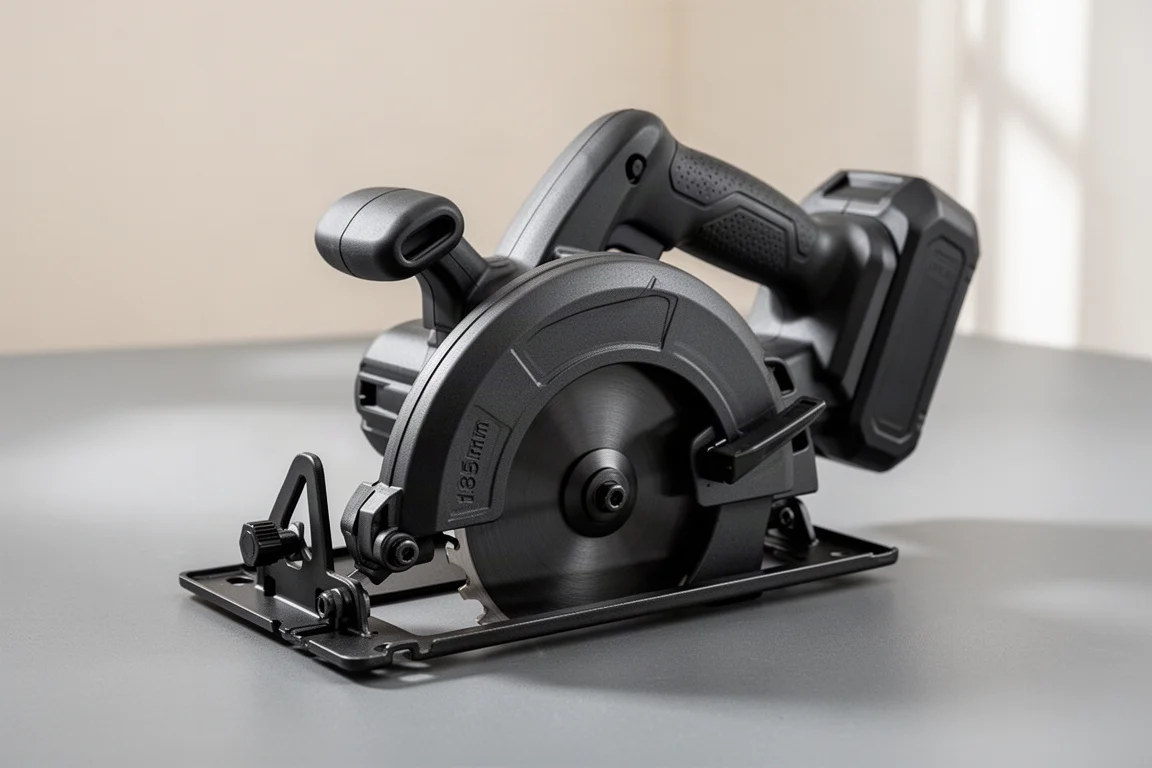
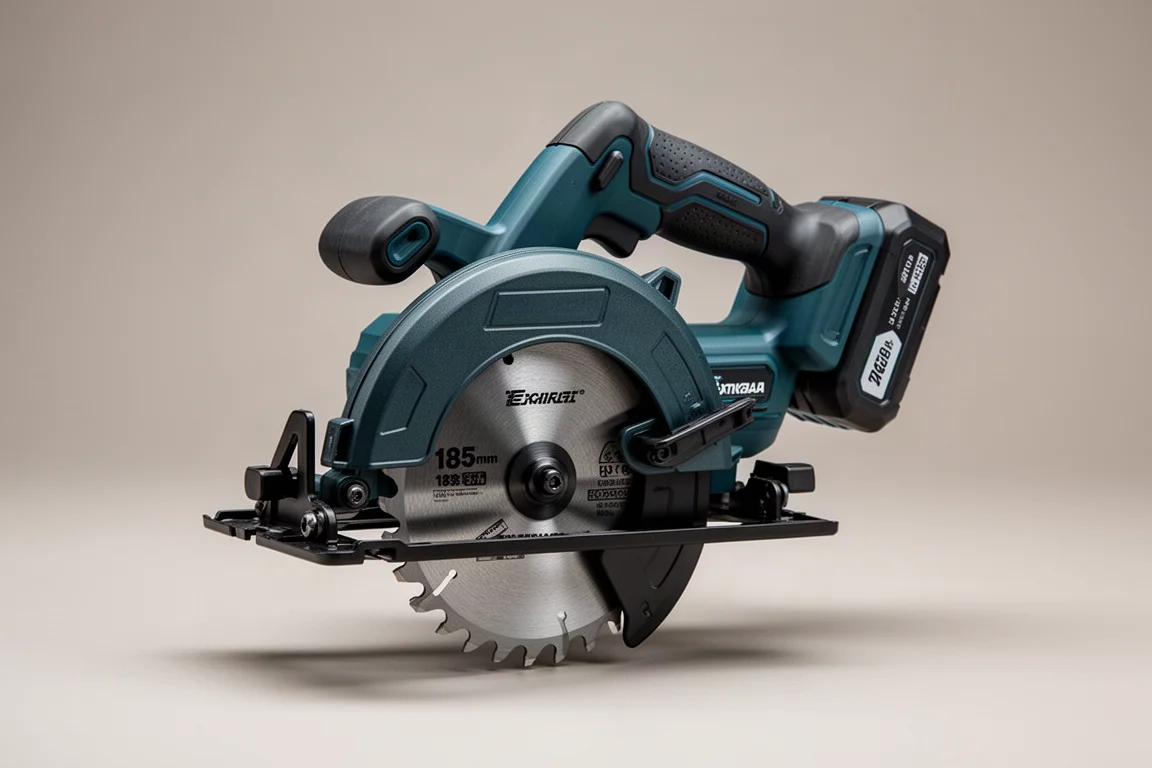
At 185mm (7-1/4 inches), you reach the most common circular saw size in the world, and the HS003G is probably the plainest, simplest saw in the entire XGT range: a good old-fashioned all-rounder in the popular format. The HS004G shares the same blade size but adds a grooved base for running on a track, making it the first 40V Makita saw with track compatibility.
Both the HS003G and HS004G are AWS compatible. If you want one saw in the 40V range to cover general carpentry and sheet work, this size is the safe default, and the choice between them comes down almost entirely to whether a track base matters to you.
The 125mm Class: HS005G to HS008G
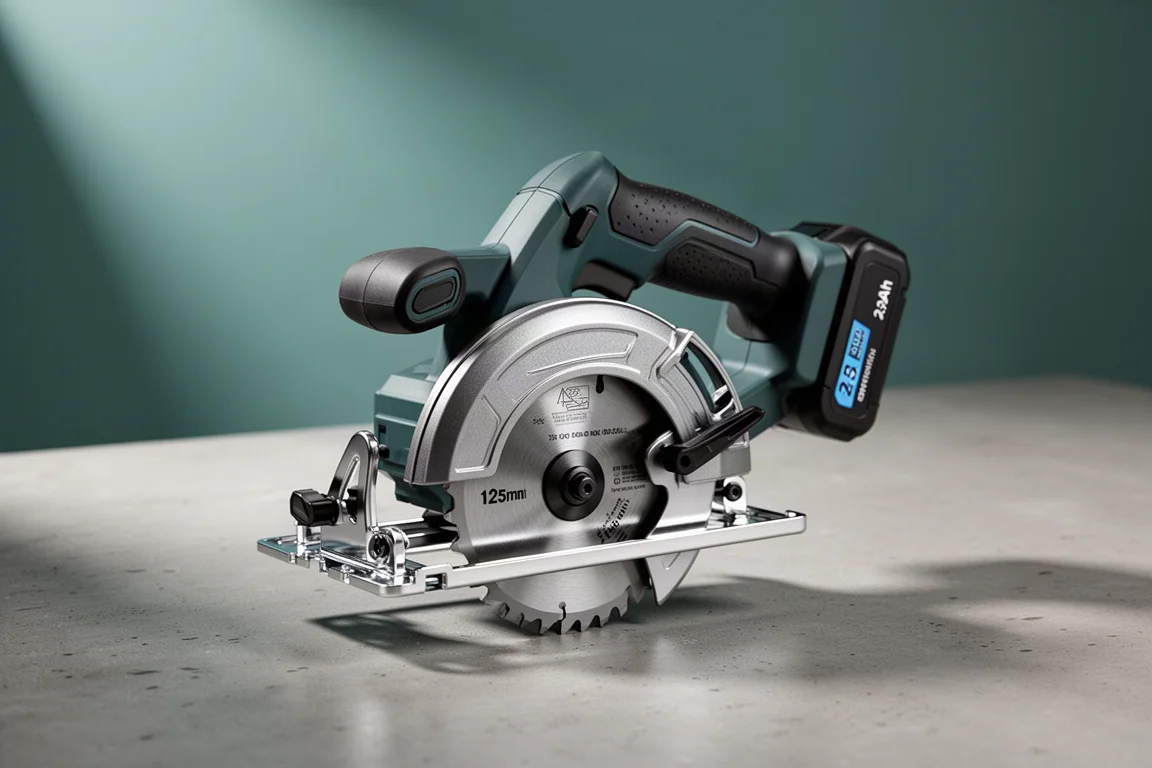
This is where the lineup gets genuinely interesting. Makita released four saws at 125mm (five inches), and like the 165mm pair they remain Japan-only. All four are two-speed. Two of them have a removable front guard, and two do not; two have AWS, and two do not.
The removable front unlocks a killer feature: a 15-degree reverse bevel. With the front guard off, you flick a lever, bring the base down, and lock it off so the blade tilts in the opposite direction from a normal bevel. That means you can undercut a wall and cut floorboards flush against the edge, dropping a new floor straight in without reaching for a reciprocating saw or multi-tool. Bevel locks front and rear make this easier to set up precisely.
Within the four, the HS005G is the basic model with the removable front but no AWS, the HS006G adds AWS, the HS007G drops the removable front and has no AWS, and the HS008G has AWS without the removable front.

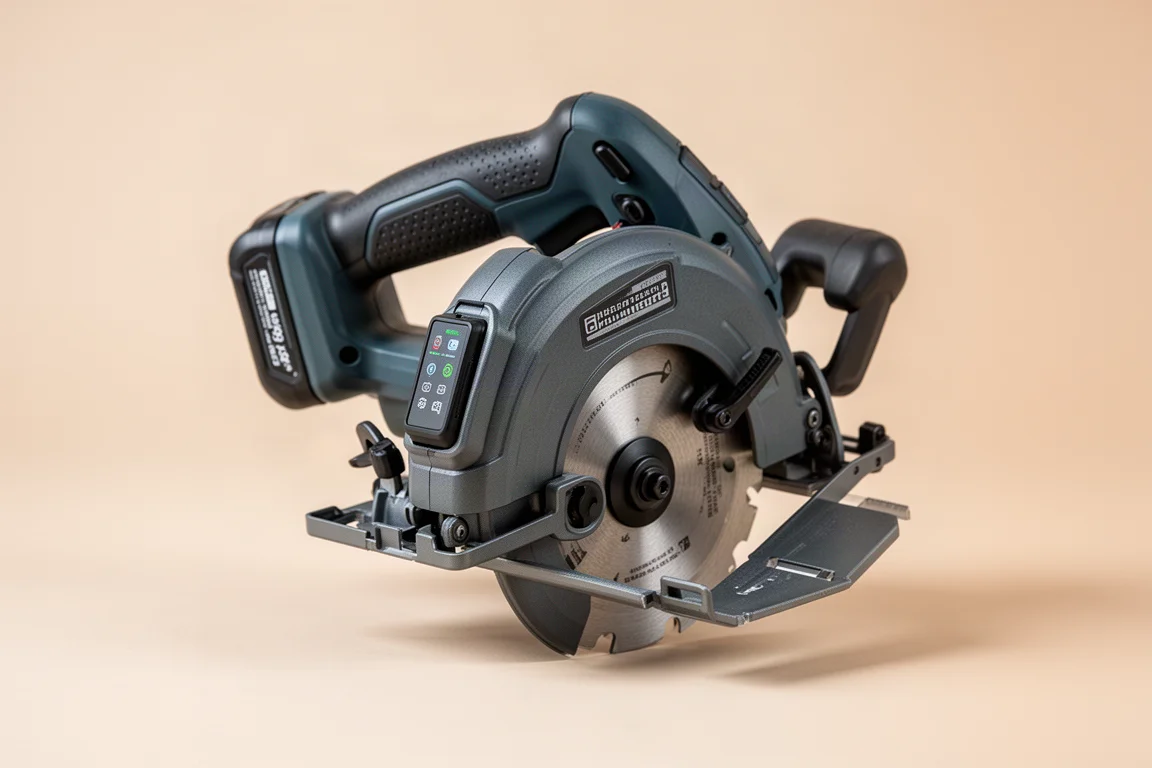
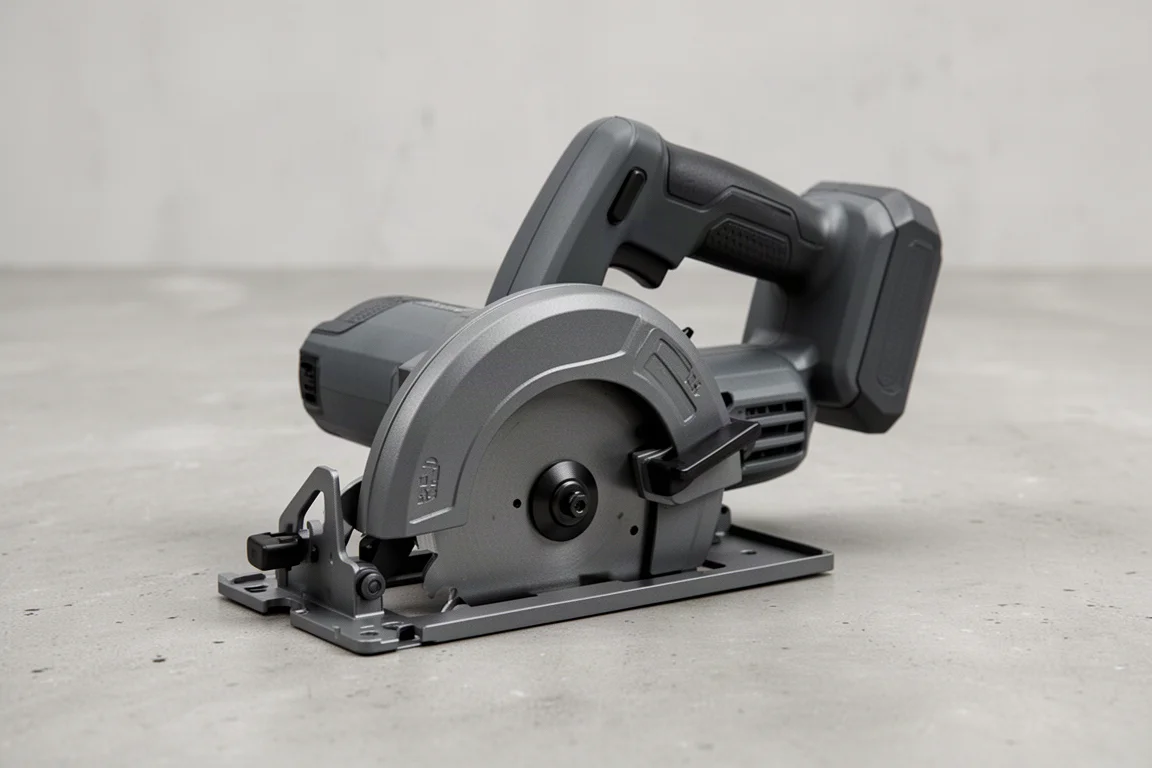
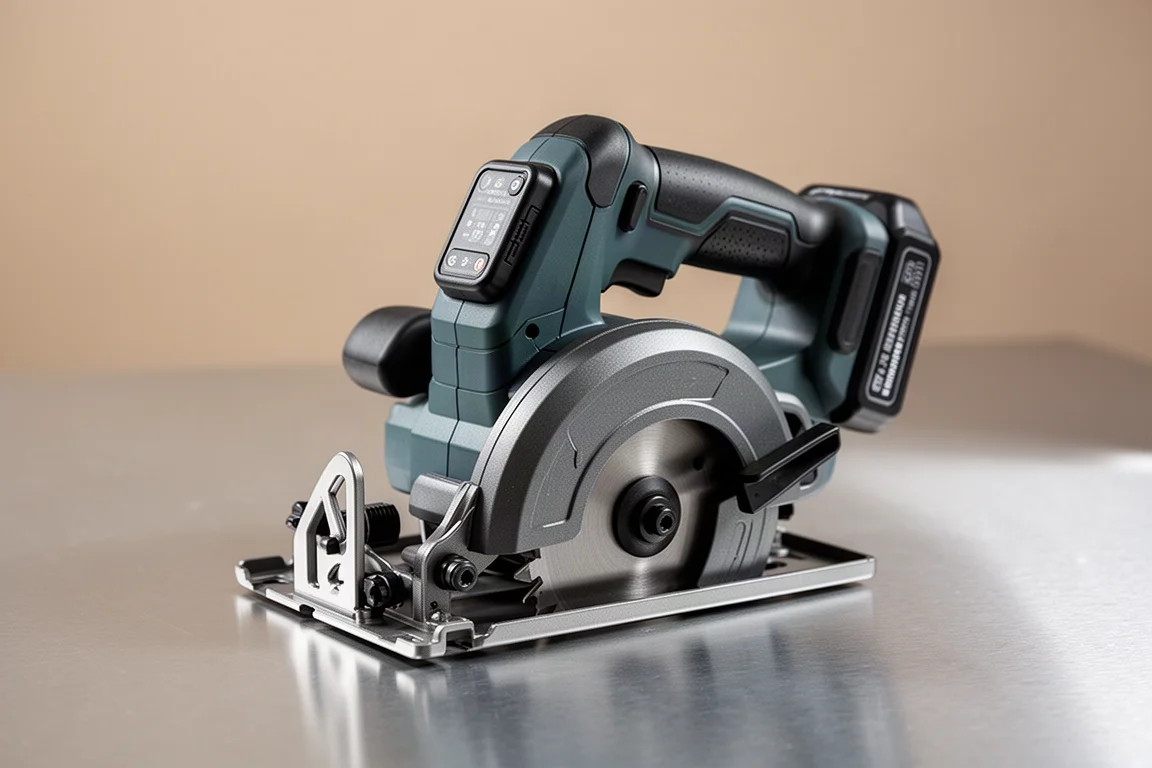
The 235mm Class: HS009G and HS010G
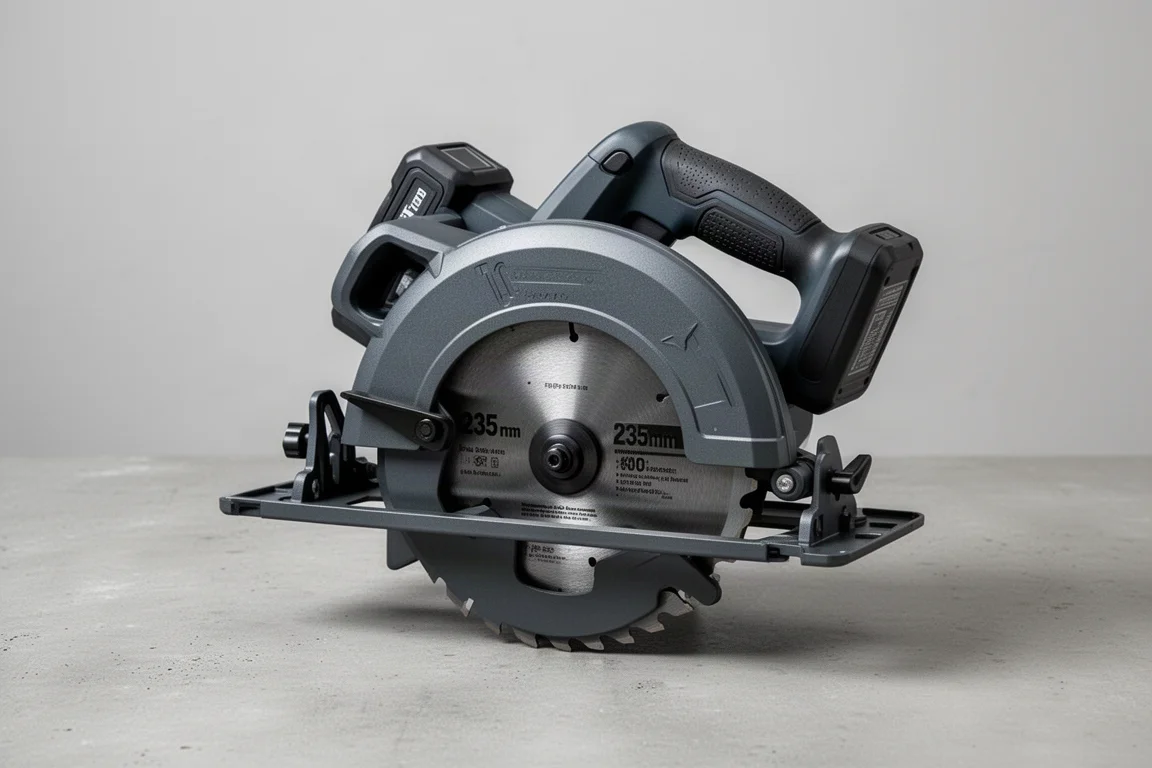
The HS009G is a 235mm (9-1/4 inch) saw with a completely different design from everything before it. Its front guard comes off, but rather than simply getting out of the way, it doubles as a rip guide, and flipped over it works as a base extension. It has AWS, a track-compatible base, bevel detents along the front, front and rear bevel locks, and it bevels all the way to 60 degrees. Like the HS011G, it also has a lever to help the guard open so it does not catch on the edge of the timber when starting a cut.
The HS010G is the other 235mm saw, and it is deliberately simpler: a standard base much like the HS003G’s, no track compatibility, just a bog-standard large-format saw at this blade size. If you want 9-1/4 inch cutting capacity without paying for track-saw features, this is the one.
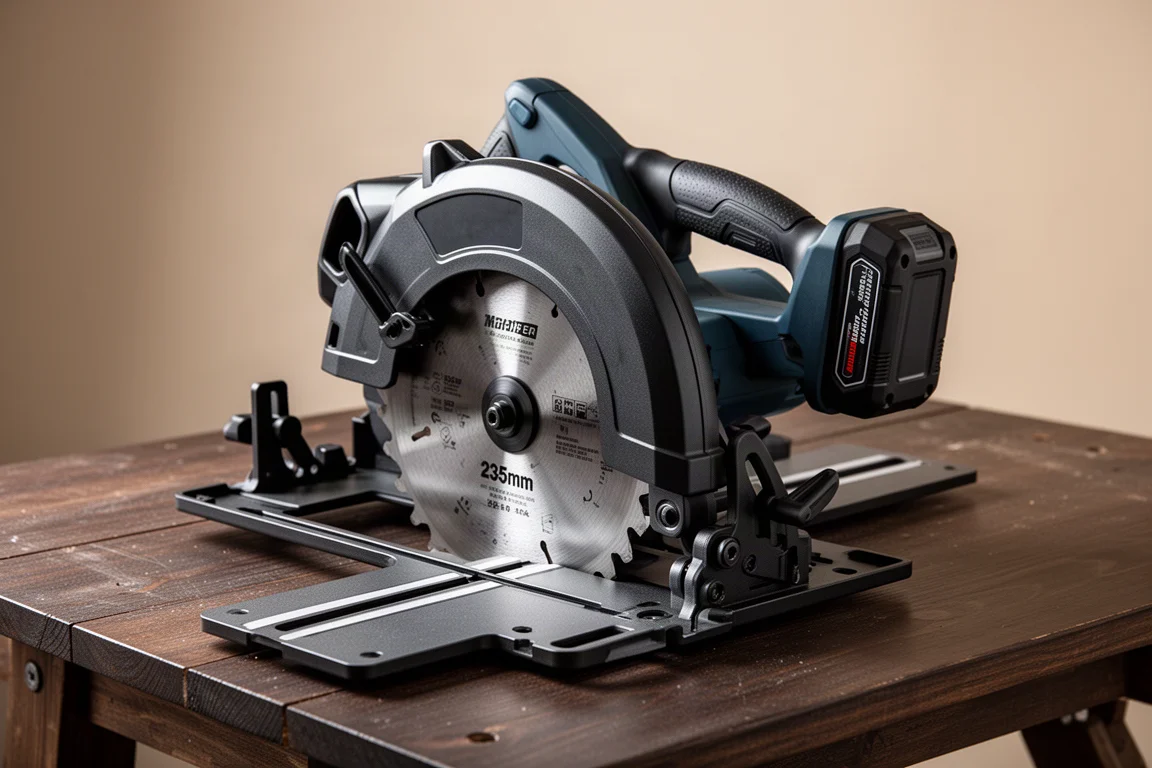
The 270mm Monster: HS011G
The HS011G is the biggest of the lot: 270mm (10-5/8 inches) on batteries, which is genuinely a monster of a saw. In some regions, including North America, it ships with a 260mm blade and different arbor flanges, since 270mm blades are not common everywhere.
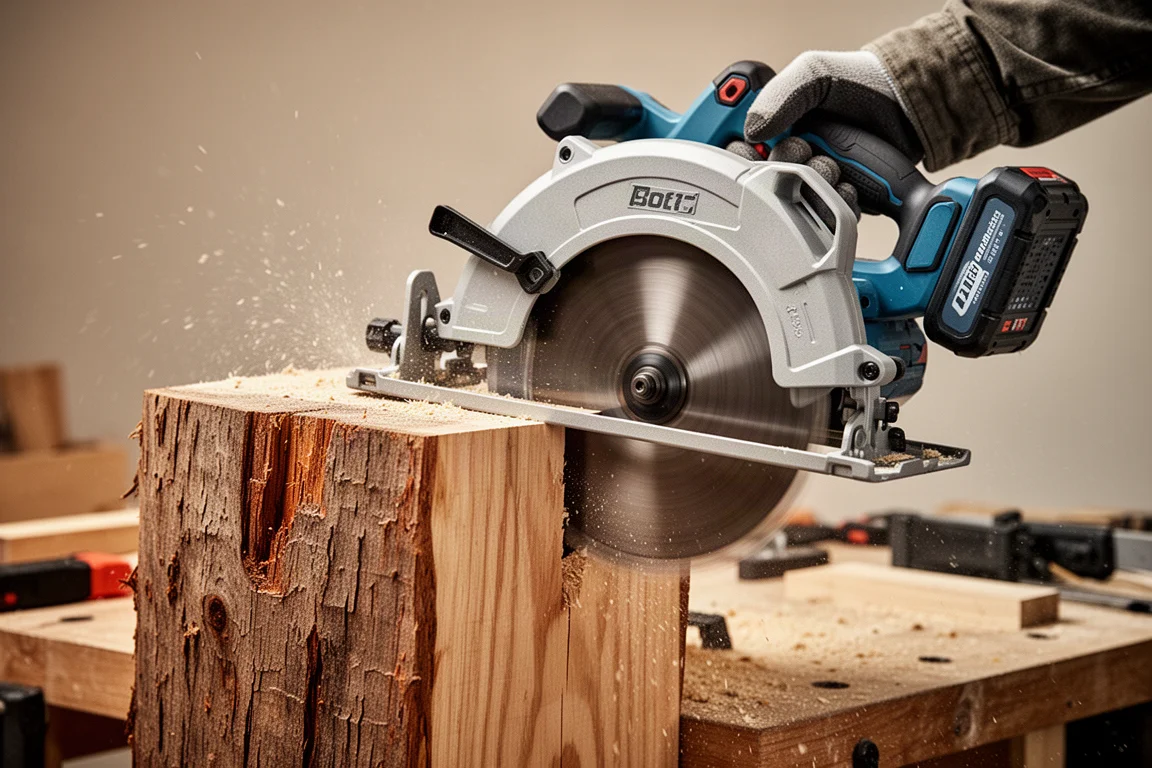
With the right blade fitted, it cuts down to 104mm depth, which means it can get through a rough-sawn 100 x 100 (4x4) post in a single pass. It has AWS, a track-compatible base, and 60-degree bevel capacity, plus the same guard-opening lever as the HS009G to help with catch-free cut starts.
How the Lineup Breaks Down
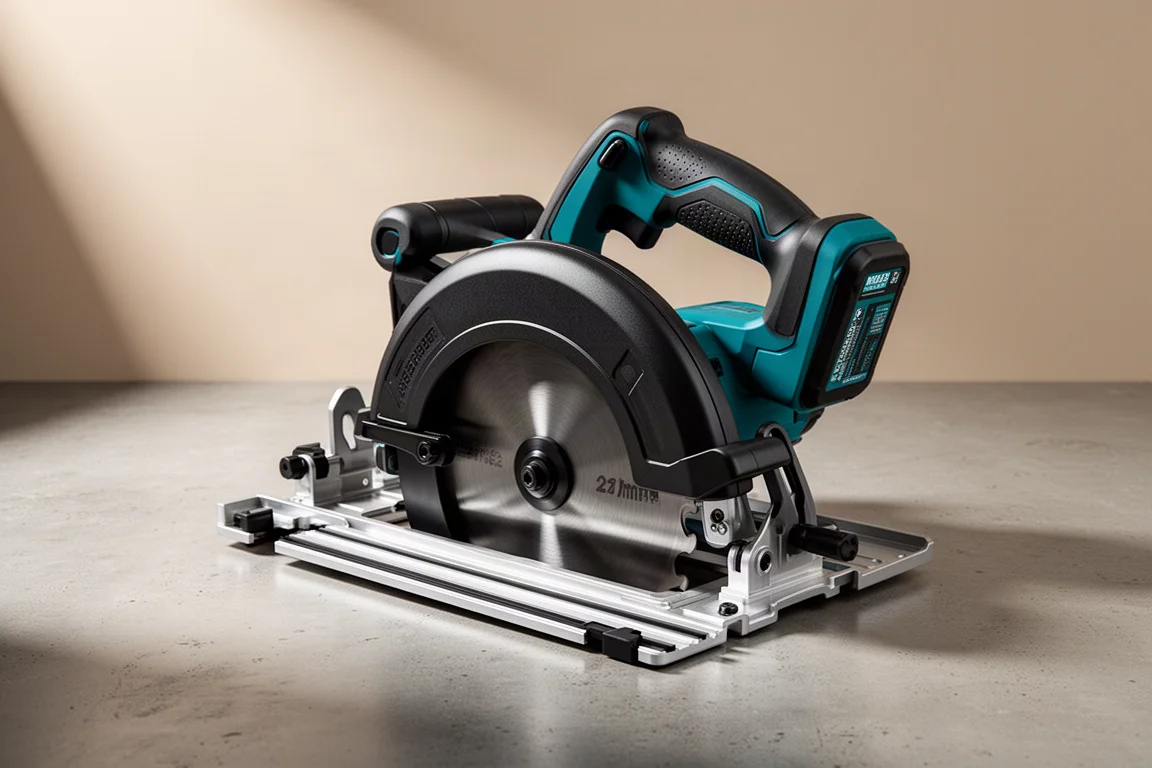
A few patterns are worth remembering when choosing. The 185mm, 235mm, and 270mm sizes all come in track-compatible versions. The 125mm, 235mm, and 270mm sizes all come in versions with removable front guards. The 125mm and 165mm saws are the only two-speed models, both come with or without AWS, and both are available in black if you so desire. The 185mm, 235mm, and 270mm have optional dust ports and rafter hooks, while the two smaller sizes have positionable dust ports. And if AWS matters to you, it is available across every blade size in the range.
Conclusion
There is a strong case for owning more than one size. A 165mm or 125mm saw covers small, light, fast work (and the reverse-bevel 125s do floorboard extraction like nothing else), the 185mm is the everyday all-rounder, and the 235mm and 270mm models handle deep single-pass cuts that smaller saws simply cannot. Match the blade size to your material, then choose between the plain and feature-rich variants of each. Judging by how quickly Makita keeps expanding this range, whichever combination you pick today, you will have company soon.
Further reading
Related Reviews

Power Tools
Best 1-Inch Pistol Impact Wrenches: Three Heavy-Duty Options Compared
We compare three 1-inch pistol impact wrenches, from a budget-friendly Harbor Freight model to a premium Caterpillar unit, to help you choose the right one.

Power Tools
Best 3/4-Inch Impact Wrenches 2026: Five Contenders Compared
We compare five 3/4-inch impact wrenches across price and performance, from a budget Amazon option to Snap-on's most powerful model yet.

Power Tools
Best Budget Cordless Tools 2026: Walmart Finds That Punch Above Their Price
We tested five cordless tools from Walmart, including a high-torque impact wrench that trades blows with Milwaukee and a $35 duster that outperforms its price class.