Outdoor Power Tools
Makita 40V Chainsaws Compared: UC022G, UC013G and DUC353
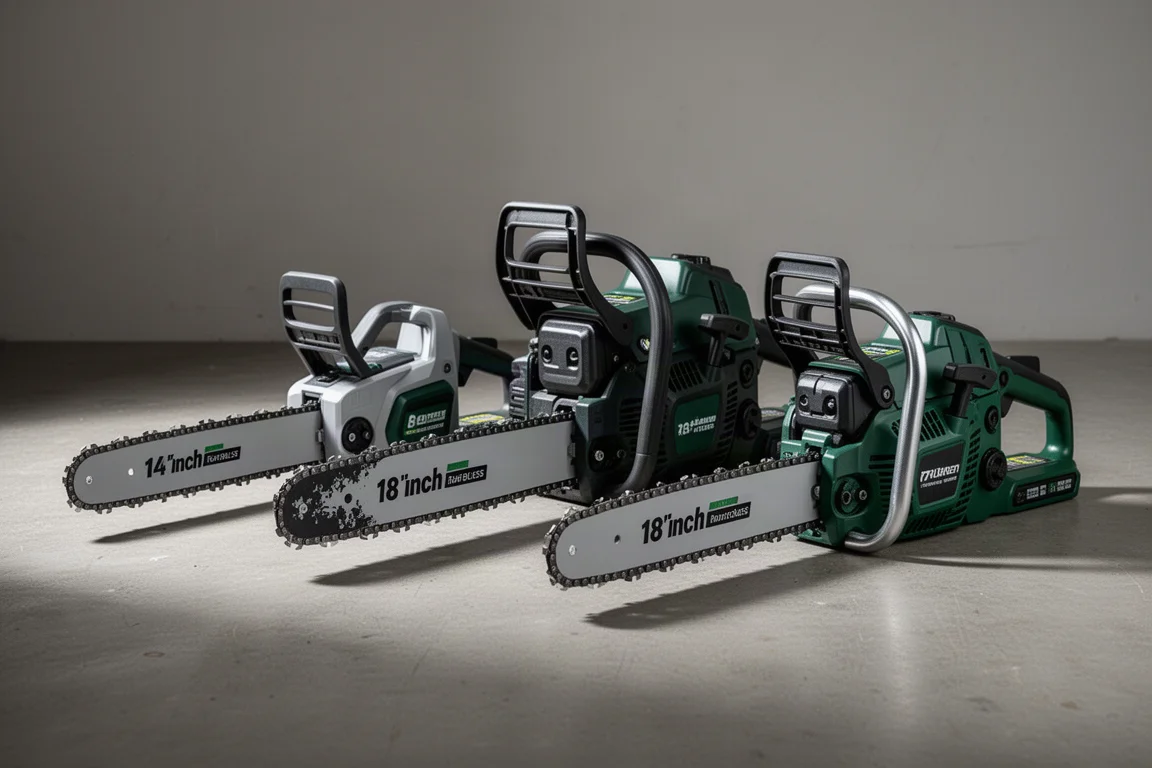
Three Makita battery chainsaws with very different personalities: a light toolless 40V saw, a heavy-duty 18-inch 40V saw, and the 18Vx2 rear-handle equivalent.
Introduction
Makita’s 40V max chainsaw range is a little confusing at first glance, because several of these saws share the exact same body. The motor, housing and internals are identical across six variations: three with a tool-free side cover design and three with traditional captive nuts, each group offered in 300mm (12in), 350mm (14in) and 400mm (16in) bar lengths. On top of that sits the larger UC013G, rated for bars up to 450mm (18in), plus the 18Vx2 (36V) DUC353 that it effectively replaces in the rear-handle lineup.
This comparison looks at three representative picks: the Makita UC022G, the Makita UC013G, and the DUC353.
Makita UC022G: The Light, Toolless 40V Saw
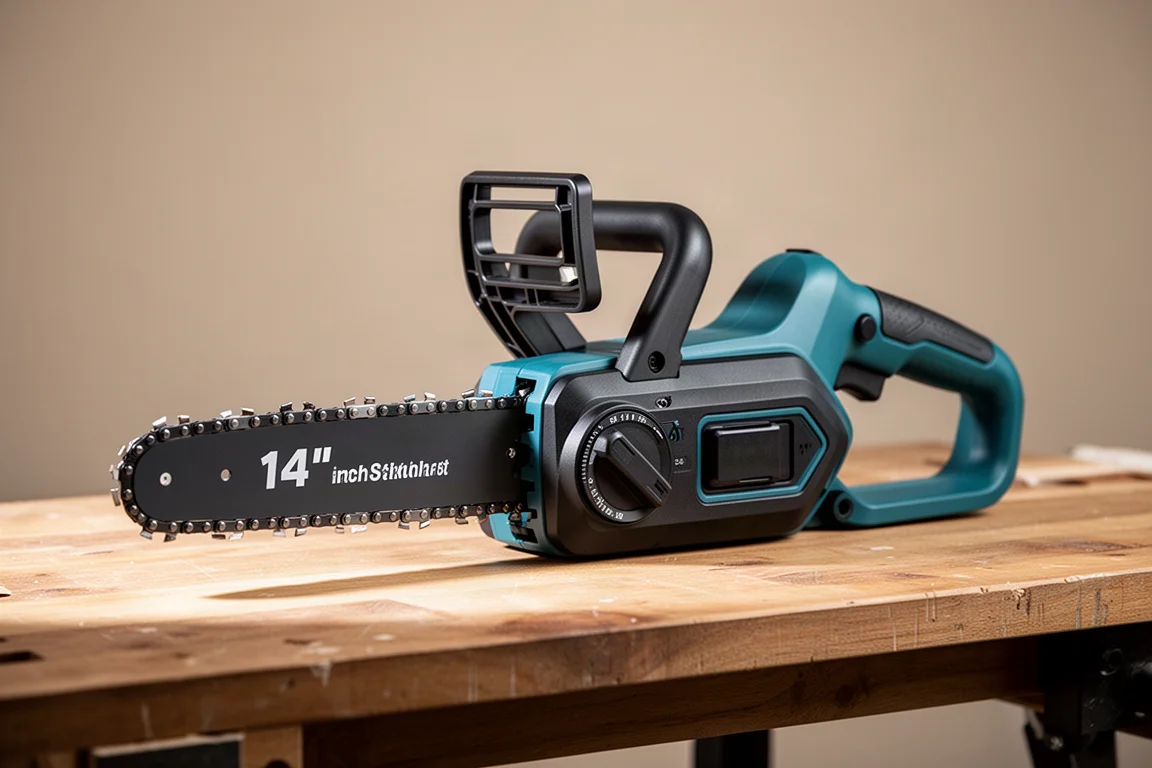
The UC022G belongs to the tool-free group of the range (UC021G through UC023G). You don’t need any tools to remove the side cover or adjust chain tension: loosen the dial, crank the tensioner, tighten it back up and you’re ready to cut. Makita classifies this style as the occasional-use, homeowner-friendly system.
The core specs of the shared 40V body are a 25.5 m/s chain speed and 1,600W output, with a claimed weight of 3.4kg. It runs Oregon 80TXL chains with a .325in pitch. Notable body details include a black felling line (the previous model’s was harder to see), an adjustable oiler, a power button, and a redesigned oil cap that pops up with a small handle and locks back down so branches can’t knock it open.
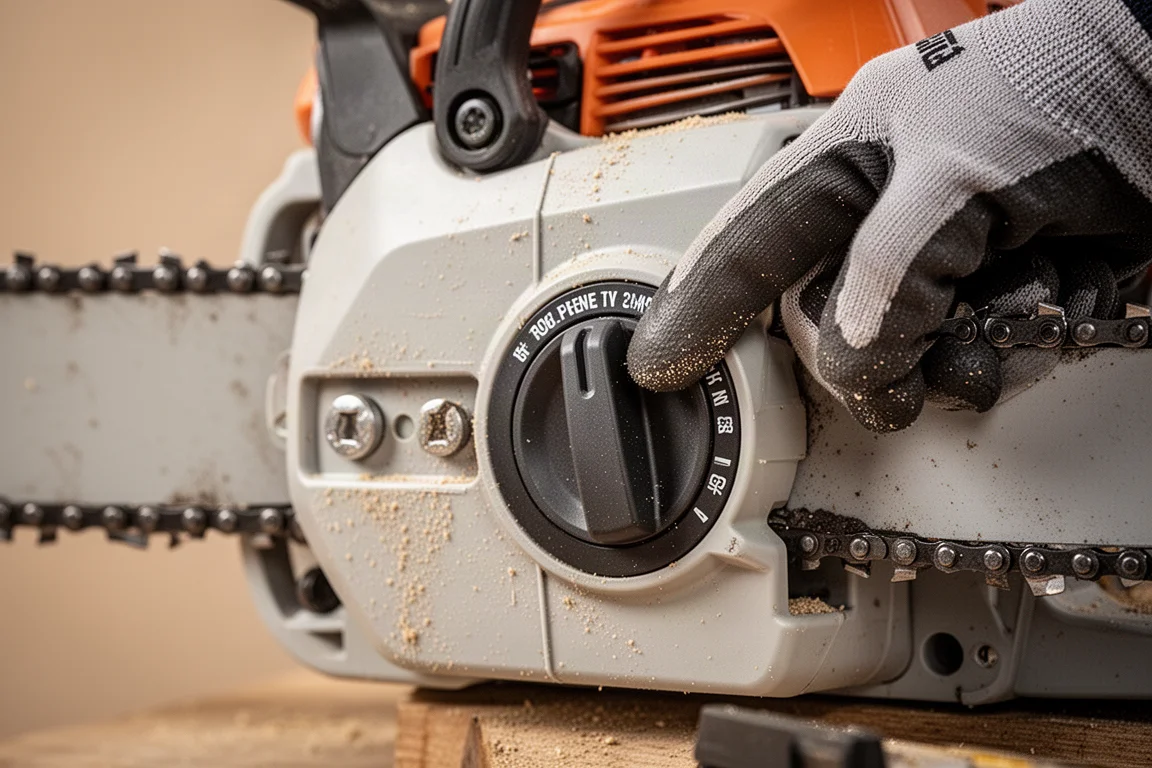
One quirk worth knowing before buying: an 8Ah battery physically does not fit in this saw. It sticks out past the edge and simply cannot be mounted, so plan on 4Ah or 5Ah packs. On the plus side, the auto power-off timeout is around five minutes, far more forgiving than the older saws that shut down within seconds of picking them up, and the extra safety lever folds down smoothly and comfortably under your grip.
This is a light, plasticky saw, and that is largely the point. It feels noticeably lighter one-handed than the bigger 40V model, it is well balanced, and it cuts notches and plunge-style cuts with surprising ease. As an accompaniment to a smaller arborist saw or as a home homeowner’s main saw, it slots in nicely.
Makita UC013G: The Heavy-Duty 18-Inch 40V Saw
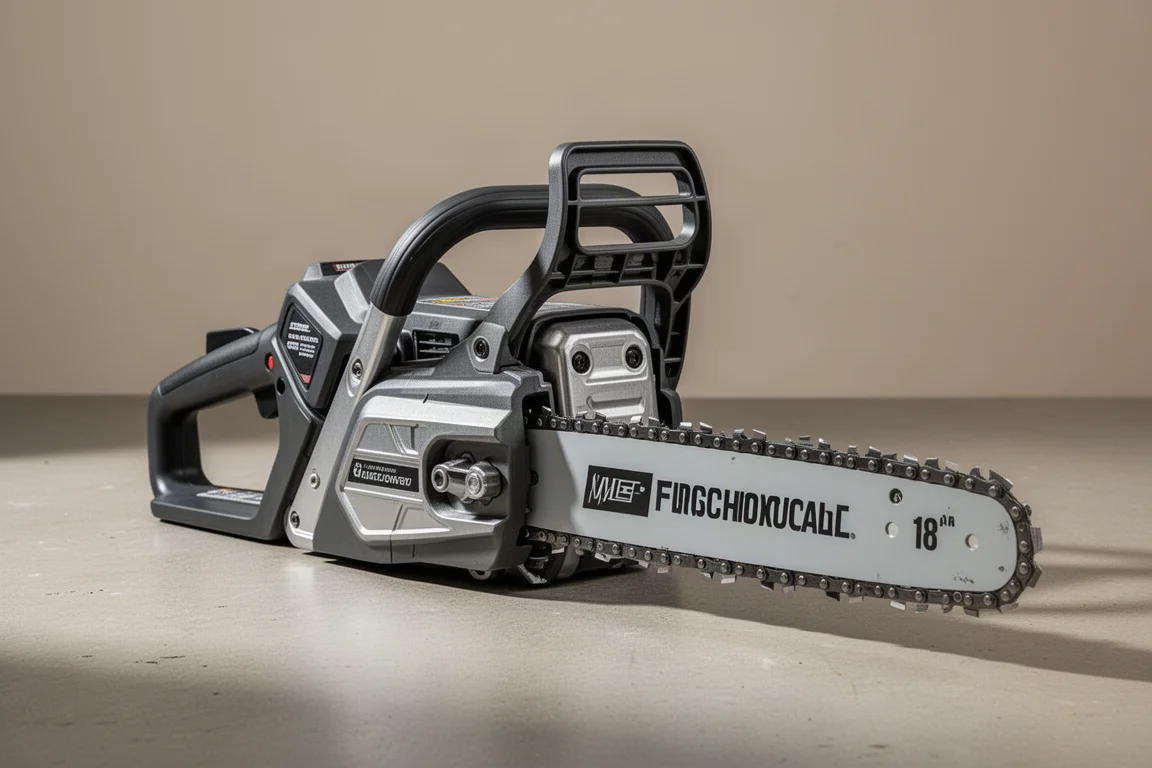
The UC013G is the big boy of the 40V range. It shares the same chain speed (25.5 m/s) and rated 1,600W output as the UC022G, but it is rated for larger bars, 12in to 18in (300mm to 450mm), and it accepts bigger batteries, including the 8Ah pack that the smaller body cannot take.
It is a lot heavier, with a metal handle with rubber over-molding, metal around the front brake area, and big cast aluminum sections. It looks and feels more like a proper commercial chainsaw. If you want a sturdier, more fail-safe design, this is the style to go for: the captive-nut cover system requires a tool, but there is far less to go wrong, and anyone who has used chainsaws regularly already carries the tool anyway.
In stall testing it was much harder to stall than the smaller saws, and it behaved more like a real chainsaw, though when it did stall you had to take your finger off the trigger to restart it. Depending on the country, Makita rates it around a 40 to 42cc gas equivalent, versus 35cc for the UC022G and 32cc for the 18Vx2 rear handle.
The trade-off is weight. Unless you are regularly cutting large timber, the extra heft is not something you need every day, but for big stuff it is the clear pick of the 40V lineup.
Makita DUC353: The 18Vx2 Rear-Handle Benchmark
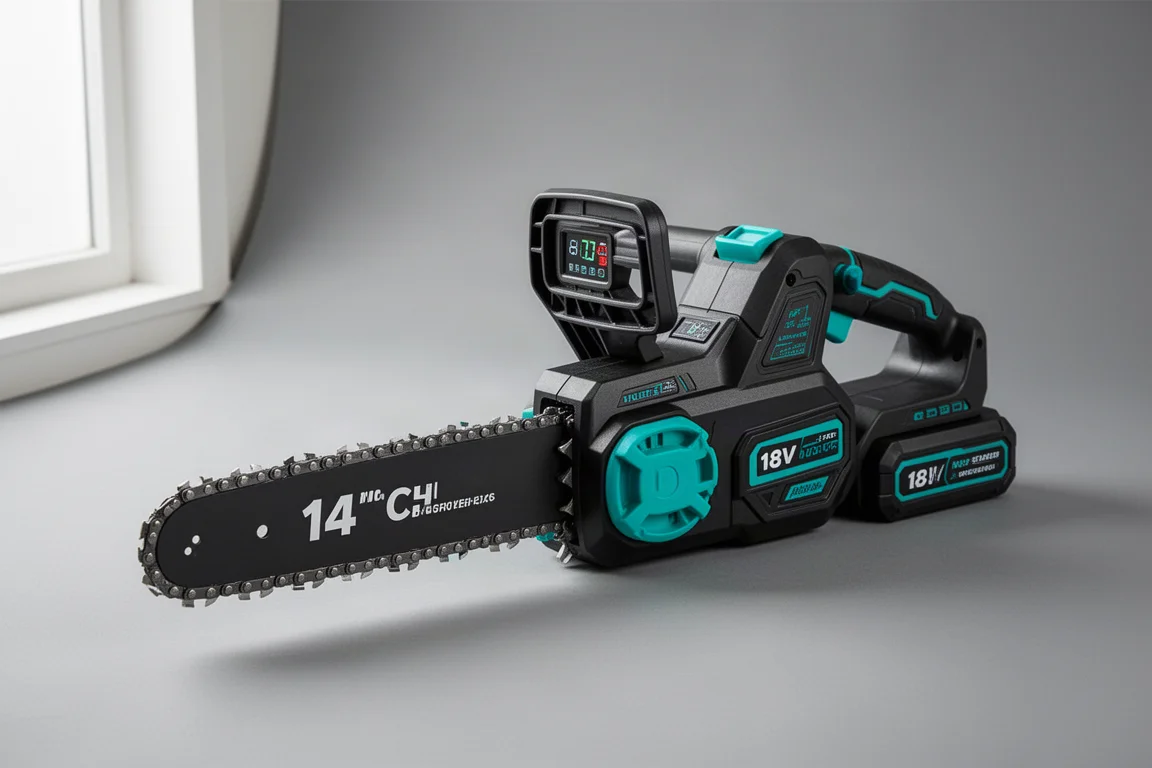
The DUC353 is the 18Vx2 (36V) rear-handle saw that the UC022G effectively replaces. Both compared here with 14in (350mm) bars. Visually, the 40V saw is a little chunkier and taller, with a shape closer to a real gas chainsaw, while the DUC353 looks slimmer and longer with a battery on each side. Its felling line is teal rather than black, and it carries a battery gauge on the top of the body since the batteries themselves can’t be checked while mounted.
It runs a 3/8in pitch chain with 52 links at 20 m/s, slower than the 40V bodies. With two 5Ah batteries it delivers 36V at 5A, which is effectively the same power delivery as the 40V saw at its best (the 40V’s 6Ah option underperforms, so 5Ah packs are the sweet spot there too). Runtime should be broadly similar, though the 40V motor may be more efficient while the DUC353 runs slower, so real-world endurance is close.
The main frustration is the auto power-off: this saw times out in roughly ten seconds, and the UC013G in an even more aggressive five seconds, which means constantly tapping the power button every time you set the saw down. It remains a good little saw, and it handled the test cuts well once backed off slightly to avoid stalling, but the newer 40V saws have clearly better torque and a far less annoying trigger area.
How They Cut: Performance Notes
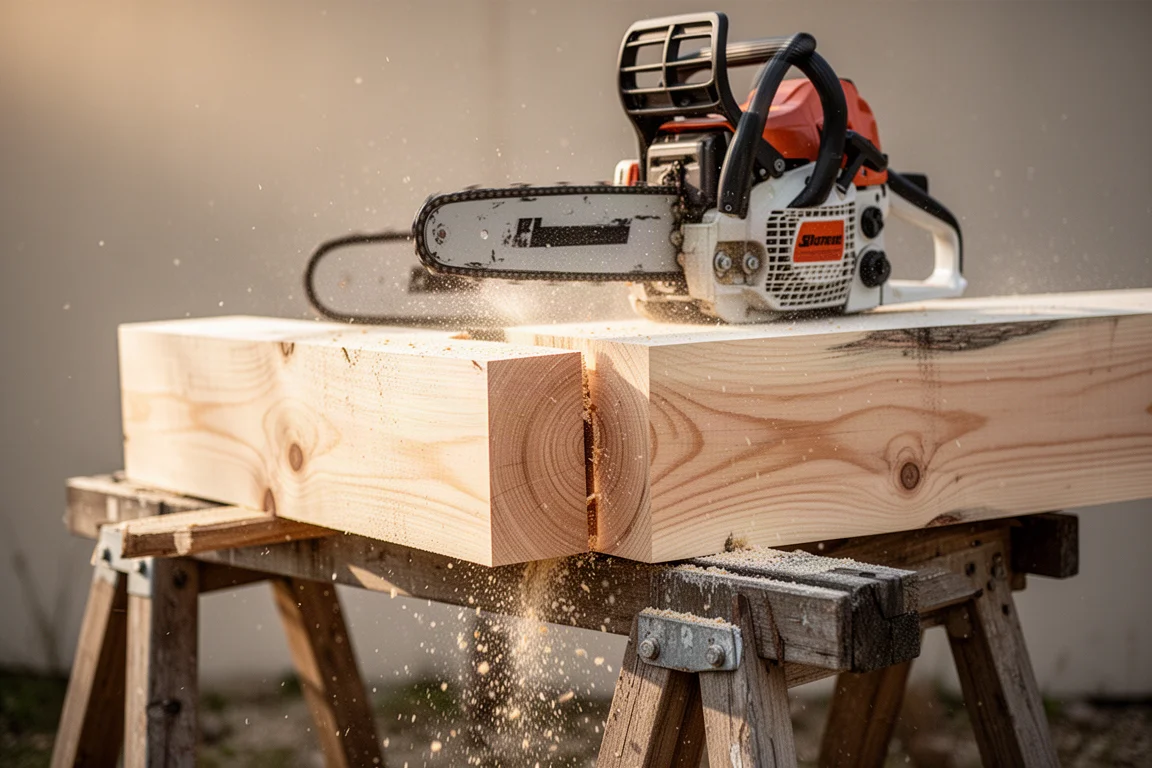
The test material was three pieces of squared 2x6 timber, roughly 140x140mm, marked around knots to keep the comparison fair. The UC022G with a fresh 5Ah battery cut cleanly and quickly, and handled notching work that was genuinely painful with some other saw and chain combinations.
The UC013G felt like a beast in the same timber, powering through with authority, and the cut feel was excellent. The DUC353 held its own as a capable saw but needed slightly more care to avoid stalling in the heavier cuts.
Chains and Bars: What You Need to Know Before Replacing
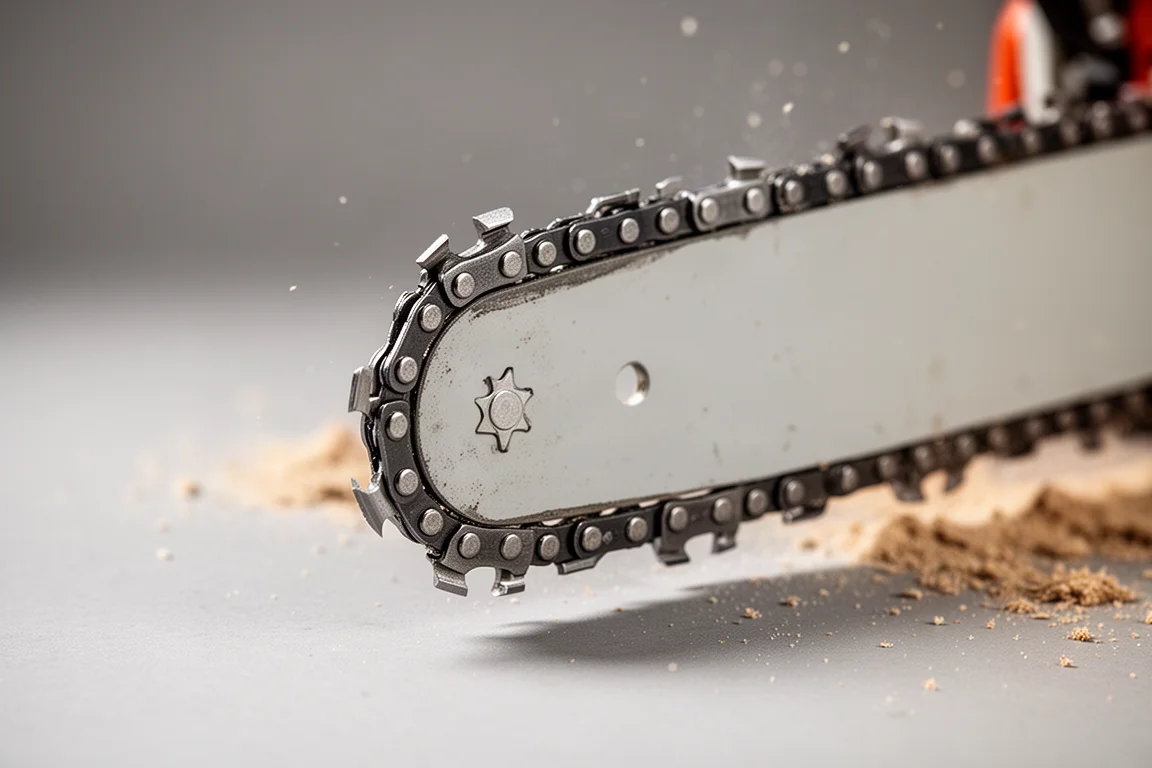
You cannot swap bars and chains freely across this range. The 40V saws in this comparison use a .325in pitch chain (59 links on the 350mm bar, giving more cutting teeth and a smoother run around the sprocket), while the DUC353 and other saws use a 3/8in pitch with 52 links. Gauge matters too: the bar here runs a .043in (1.1mm) gauge. Getting either wrong means a chain that jams, wobbles, or wears the bar unevenly.
The good news is that everything you need is engraved on the bar itself: pitch, gauge, link count and bar length. Match those numbers and you cannot go far wrong.
Buying Advice: Which Makita Chainsaw Fits You
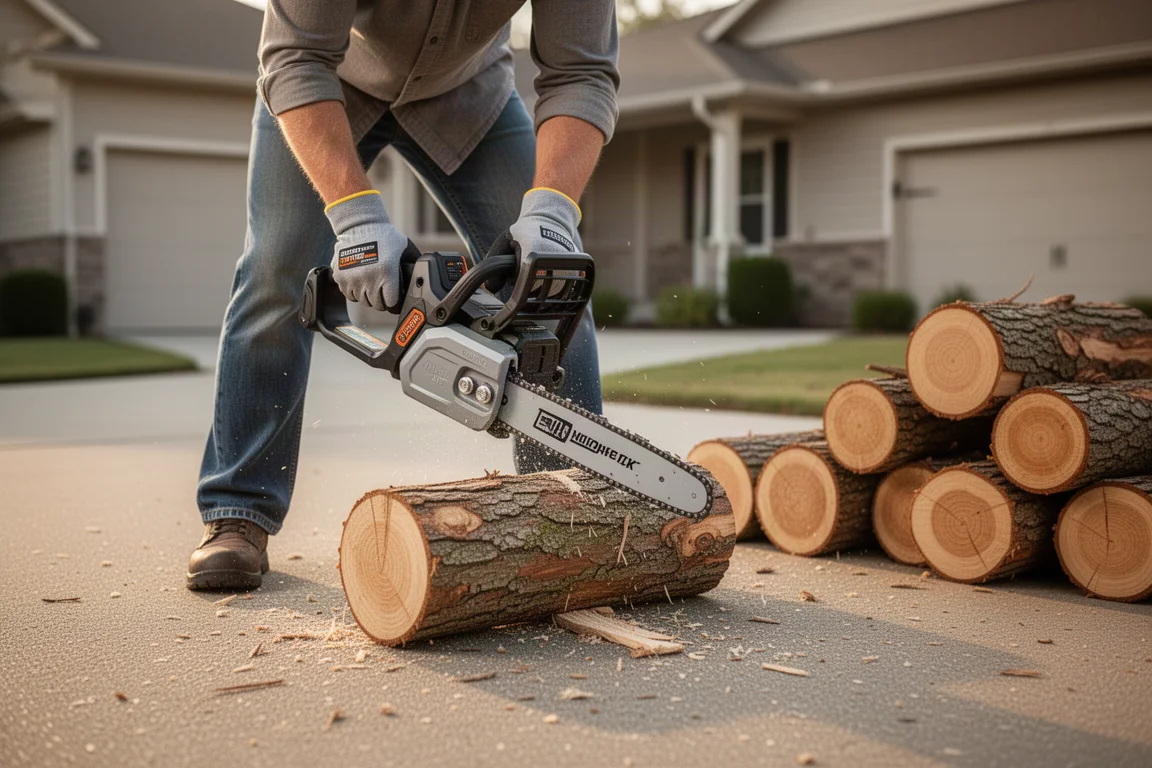
If you are a homeowner who uses a chainsaw every now and again, the toolless UC022G style is the sensible pick: light, easy to use, no tools needed for chain work, and pleasant to handle for extended cuts. Its five-minute timeout means it stays powered on while you reposition, and it takes standard 5Ah batteries happily.
If you are a pro, or you regularly cut big timber, the UC013G’s metal-heavy construction, 8Ah battery support and 18in bar capacity make it the sturdier, more commercial choice. Yes, it is heavy, but that weight buys durability and capability.
The DUC353 still makes sense if you are already invested in Makita’s 18V LXT battery platform and want a rear-handle saw, but between the two 40V rear-handle options, the UC022G offers better torque, a nicer trigger area, and none of the constant shutdown frustration.
Conclusion
Makita’s 40V chainsaw family is really three tools in different clothes. The UC022G is the light, homeowner-friendly pick that finally fixes the annoying auto-shutoff; the UC013G is the heavy-duty saw for big timber and commercial use; and the DUC353 remains a solid 18Vx2 option for existing LXT users. Choose by how often you cut and how big the wood is, and the right saw becomes obvious.
Further reading
Related Reviews
Outdoor Power Tools
Ryobi 40V HP Attachment-Capable 17" String Trimmer Review
A close look at the Ryobi 40V HP attachment-capable string trimmer, covering power, balance, run time, and value.
Outdoor Power Tools
Best Battery Powered Chainsaws: Top Picks for Every Kind of User
From professional top-handle saws to budget-friendly home models, these are the battery chainsaws that stand out right now.
Outdoor Power Tools
Best Professional Chainsaws 2026: Seven Gas-Powered Picks for Pros
Seven gas chainsaws covering lightweight climbing saws, mid-range workhorses, and the largest milling monsters, chosen for power and run time.