Outdoor Power Tools
Makita 36V vs 18V Blower: Which Cordless Blower Makes More Sense?
Two Makita cordless blowers, two very different use cases. We compare power, run time, weight, noise, and control to help you pick the right one.
Introduction
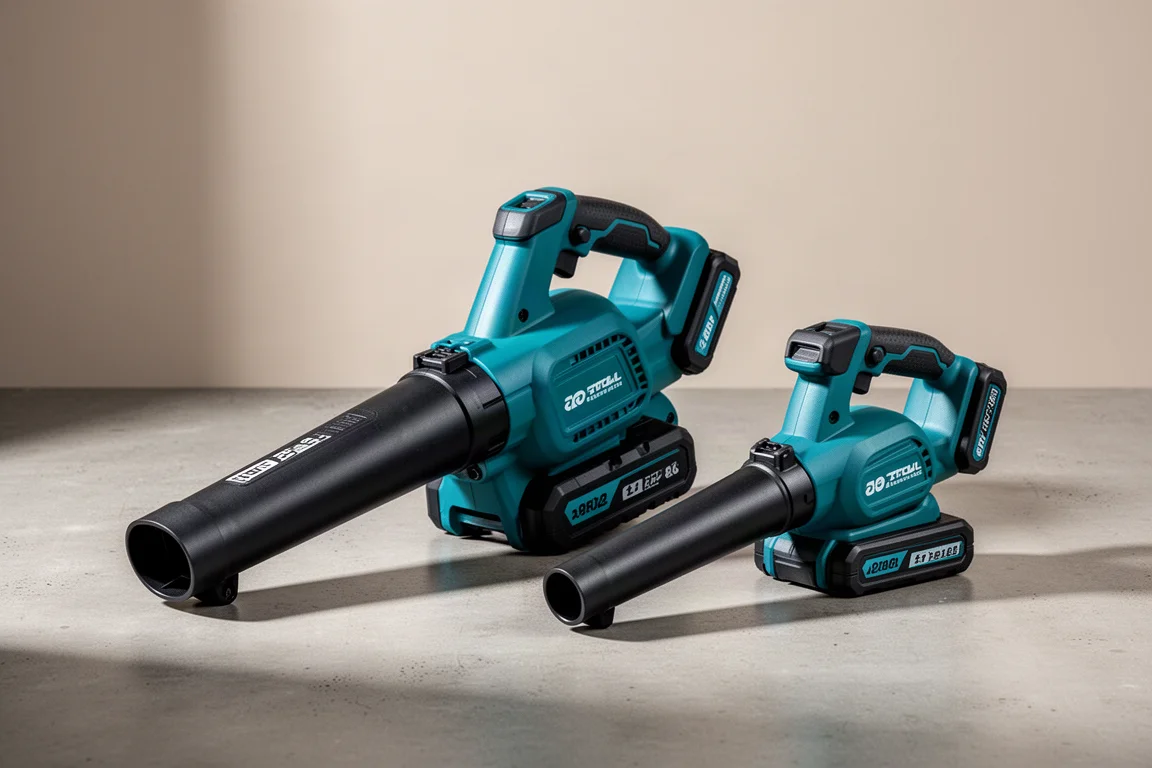
Makita’s 18V and 36V cordless blowers look similar on the shelf, but they are built for noticeably different workloads. The 36V model runs on two 18V batteries at the same time, giving it more power and longer run time, while the 18V version keeps things light, cheap, and simple. After using both regularly, the differences come down to weight, control, and how much driveway you actually need to clear. Here is how they stack up.
Two Blowers, Two Different Jobs
The 18V blower is the everyday workhorse. It is light enough to hold one-handed for long stretches, which matters if you clean gutters or blow off debris daily. The 36V blower, on the other hand, is the step-up tool: a bit more power, noticeably more run time, and enough airflow to clear a wide driveway in a single sweeping pass from the center.
The 36V does not double the power, though. Expect roughly 20 to 25 percent more power and a longer run time by using two batteries instead of one. It is a middle-ground upgrade rather than a dramatic leap.

Weight and Handling
This is the biggest trade-off. With two batteries installed, the 36V blower weighs 8 pounds 14 ounces. The 18V model, with one battery, comes in at 6 pounds 2.4 ounces. That extra two-plus pounds is noticeable right away, especially during longer cleanup sessions or overhead work.
Most of the extra weight comes from the second battery, so you are paying in heft for what you gain in run time. If you mostly do quick daily touch-ups, the 18V is easier to live with. If you clear large areas in one go, the 36V saves time despite the weight.
Control and Trigger Design
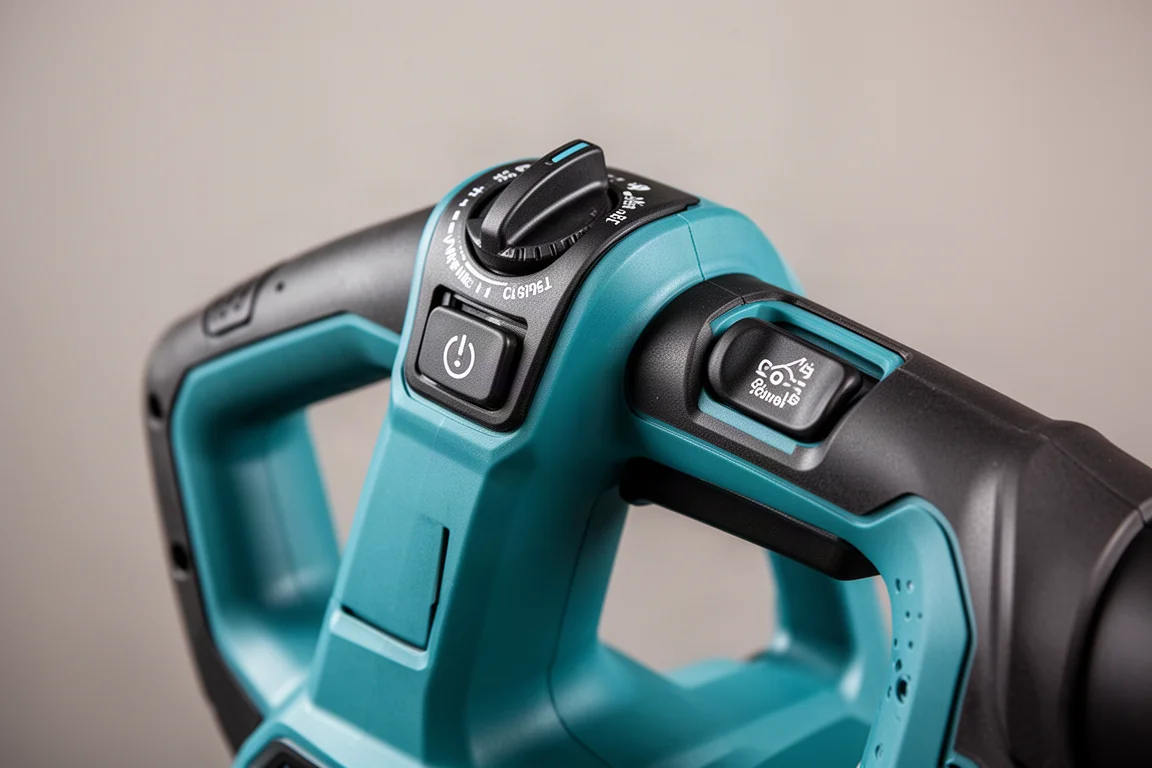
The 36V blower has a variable speed wheel from one to six plus a cruise control button you press in while holding the trigger fully down. It also has a battery checker on the handle, though it is partly recessed and hard to read in bright sun.
The 18V blower uses a simpler sliding tab that locks the trigger down, and honestly it is easier to use on the fly: you can pop the tab up or down mid-task to change speed instantly. The 36V requires turning the wheel, which takes a little longer. For pure convenience, the 18V trigger design has the edge.
Battery System and Run Time
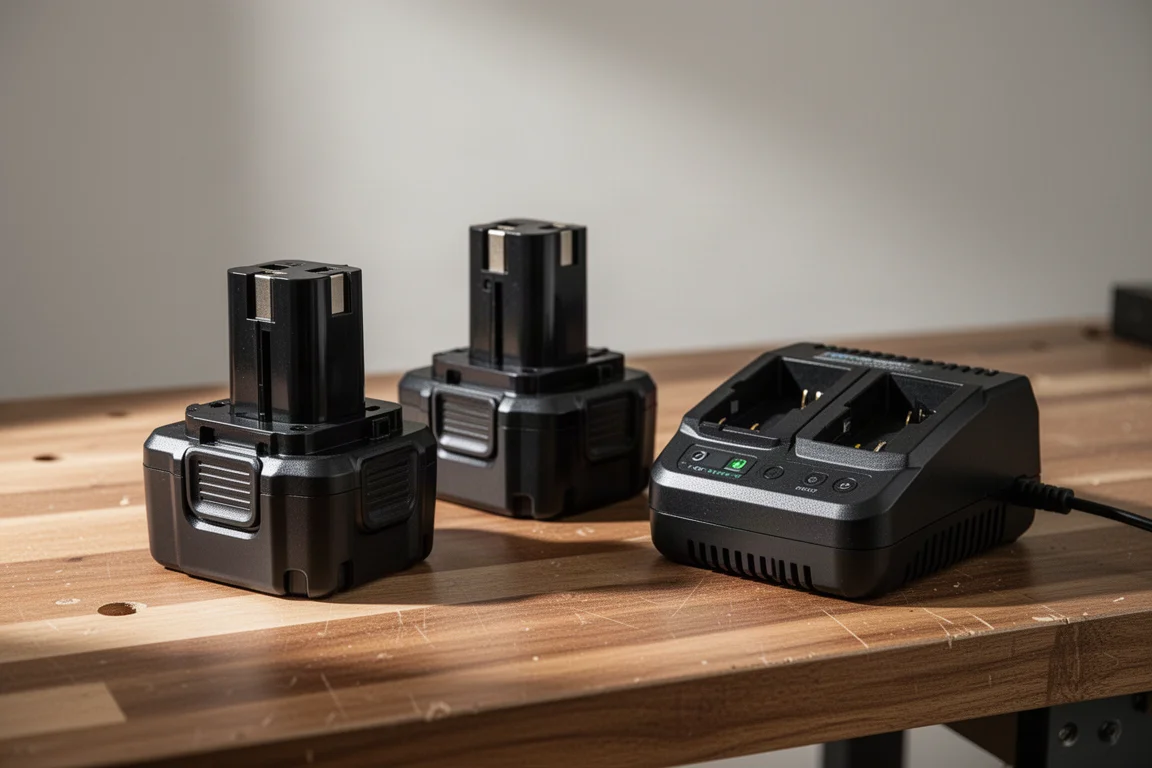
The 36V platform pulls from both batteries simultaneously, so it does not drain one and switch to the other. You can mix capacities, for example a 3Ah with a 5Ah, and the smaller pack will deplete first while the larger keeps supplying power.
The bundled new-package deal for the 36V blower includes two 5Ah batteries and a dual charger, which is a genuinely good starting point if you are entering the platform. The 18V blower runs on a single battery, so run time is shorter and you will want a spare if you have a big property.
Noise
Both blowers are close in noise ratings: the 18V is rated at 60 dB at 50 feet and the 36V at 61 dB. In use, the 36V motor sounds like it spools higher, and it clearly uses a different motor design. One neat detail on the 36V model is internal foam insulation around the fan housing to help quiet it down, something the 18V version lacks.
Nozzles and Small Details
Out of the box, the 36V blower includes a longer tube that can be removed to create a shorter setup, handy for quick jobs like cleaning out a truck bed. The 18V blower only ships with one standard-length tube; you can add extensions but you cannot shorten it. It is a small thing, but it makes the 36V more versatile for mixed tasks.
The Case for the 18V
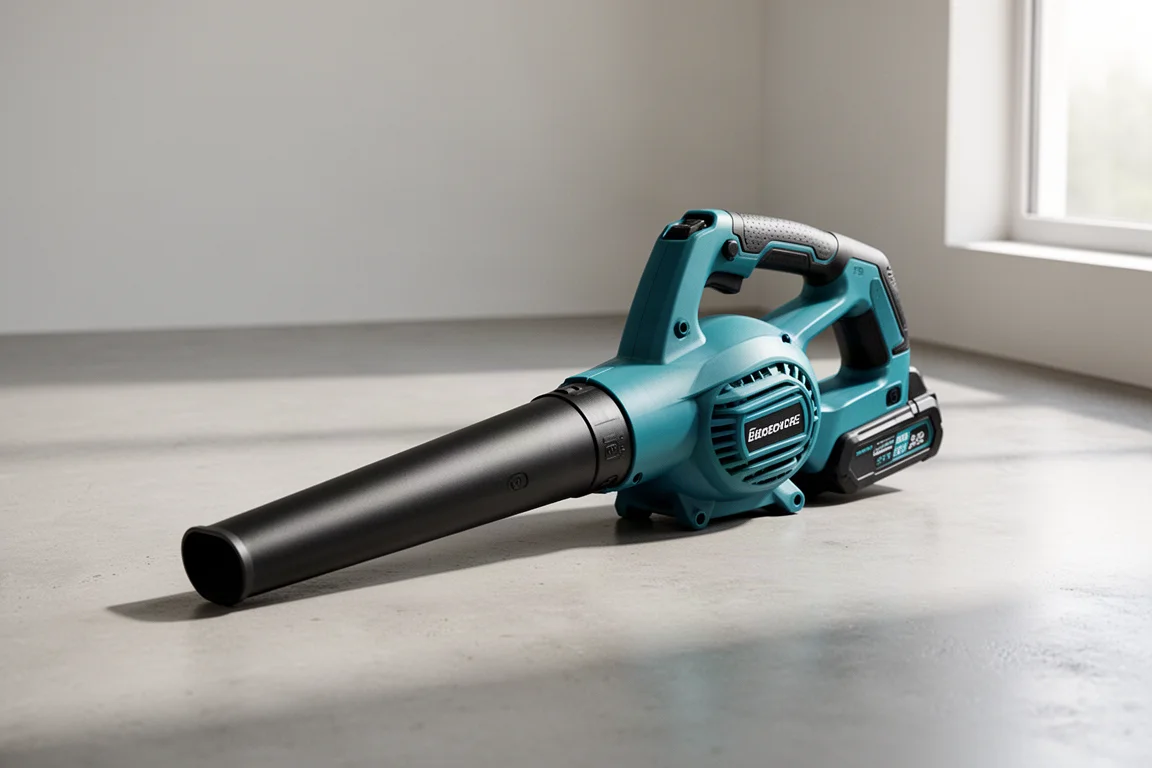
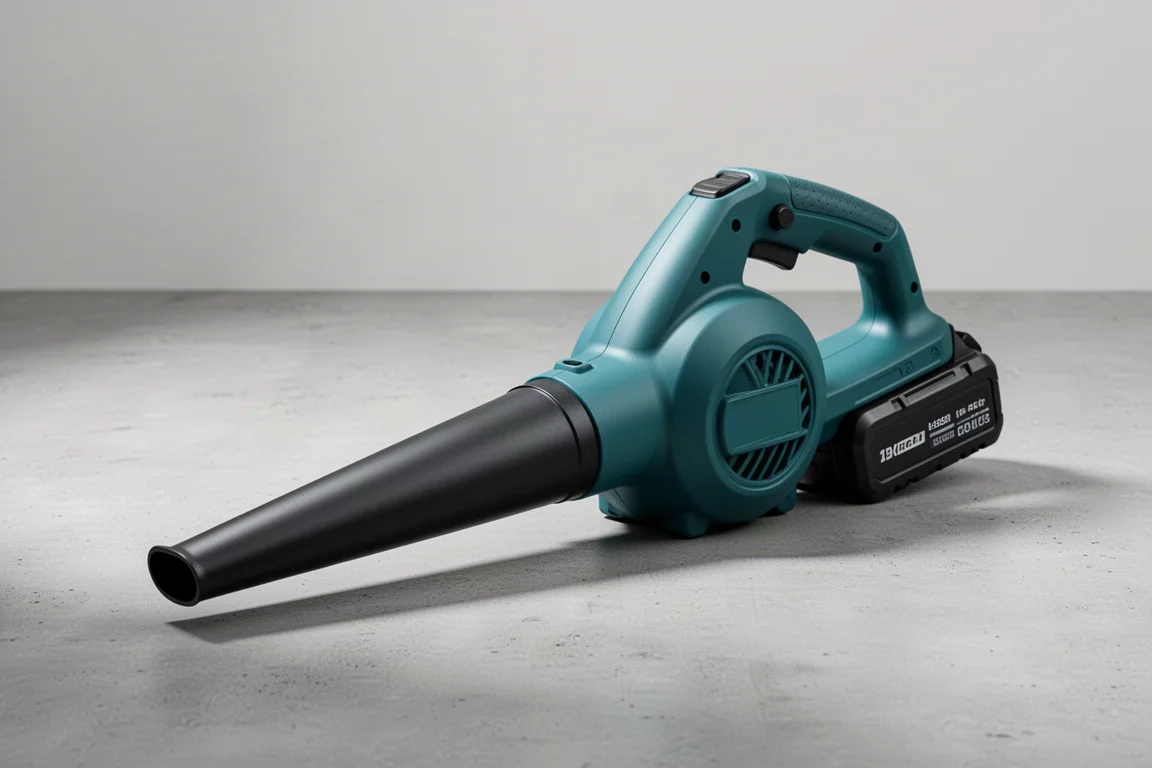
The 18V blower wins on price, weight, and trigger convenience. It was available new in box at deep sale prices around $50, which is remarkable value for a tool many owners use daily. If you already own Makita 18V batteries for drills and impacts, it is an easy, nearly free add-on that shares the same battery line across your whole tool collection.
Where the 36V Model Earns Its Keep
On a long driveway with heavy tree debris, the 36V blower pays for itself in time. The extra airflow lets you stand in the center and sweep the full width in one pass instead of working side to side. Refurbished units have been listed around $140, while the new kit with two 5Ah batteries and a dual charger runs about $250, all covered by a three-year warranty on the tool, batteries, and charger. Compared with competing 36V-class blowers, that bundle is notably cheaper, though rival brands offer models with more raw power if you chase maximum performance.

Buying Advice
If you already own Makita 18V tools and need a light, cheap blower for daily driveway duty and gutter cleaning, get the 18V. If you have a large property, want to finish big cleanups faster, and like the idea of two batteries feeding one tool, the 36V kit with two 5Ah batteries and the dual charger is the smarter long-term buy. Buyers on a tight budget may also consider refurbished units of the 36V model, but check warranty terms before committing.
Conclusion
Makita’s two blowers split cleanly: the 18V is the lightweight daily driver with the friendlier trigger and lower price, while the 36V adds meaningful run time, a bit more power, better nozzle options, and thoughtful details like foam insulation. Match the tool to the size of your property and both are easy to recommend.
Further reading
Related Reviews
Outdoor Power Tools
Ryobi 40V HP Attachment-Capable 17" String Trimmer Review
A close look at the Ryobi 40V HP attachment-capable string trimmer, covering power, balance, run time, and value.
Outdoor Power Tools
Best Battery Powered Chainsaws: Top Picks for Every Kind of User
From professional top-handle saws to budget-friendly home models, these are the battery chainsaws that stand out right now.
Outdoor Power Tools
Best Professional Chainsaws 2026: Seven Gas-Powered Picks for Pros
Seven gas chainsaws covering lightweight climbing saws, mid-range workhorses, and the largest milling monsters, chosen for power and run time.