Lawn Care
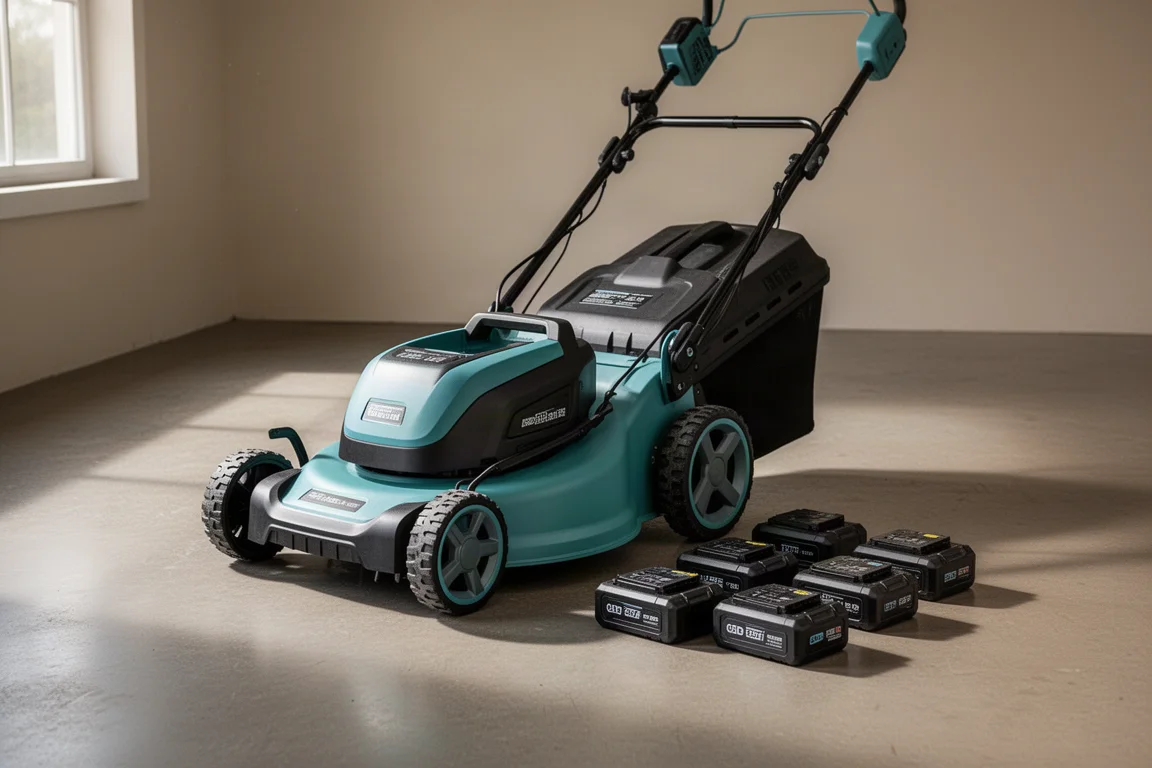
Makita 36V Cordless Mower: A Two-Year Long-Term Review
Two years of real-world use with the Makita 36V mower: what holds up, what wears out, and whether cordless beats gas for your yard.
Introduction
After nearly two years with the Makita 36V cordless mower, bought for around $400 at a price that has stayed the same since, this long-term look covers how a battery-powered mower really compares to a gas mower. The short version: it is genuinely good for small yards and existing battery-platform users, but gas still wins for power and runtime.
Why I Chose Cordless Over Gas
With plenty of gas engine experience, including time working at a mower repair shop, the switch to battery power came down to two things: a small yard and already owning a stack of Makita batteries. Being able to share batteries across the mower, string trimmer, and other tools makes the whole platform feel like a win-win.
The included four batteries and dual charger also carry a three-year warranty, which adds peace of mind for a purchase at this price.
The Battery Math You Should Understand First
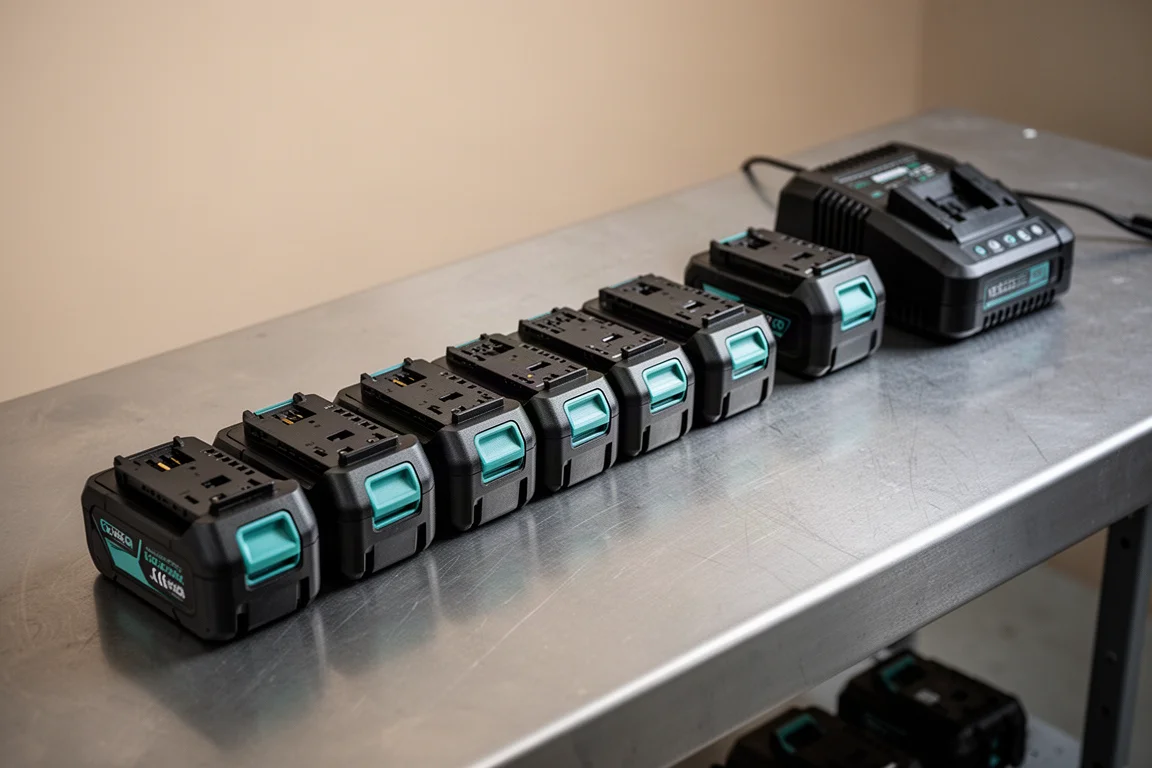
The $400 price tag looks steep until you break it down. With four batteries and a dual charger included, and batteries alone averaging roughly $200 for a set of two plus around $50 for the charger, the mower effectively costs closer to $150 if you were already buying into the battery platform.
The catch is battery consumption. On heavy jobs, a set of batteries can be drained in five to ten minutes. Large client yards have taken as many as 16 batteries over a two-hour job, and even a small personal yard typically uses around eight batteries across the mower, string trimmer, and other tools.
Main Strengths
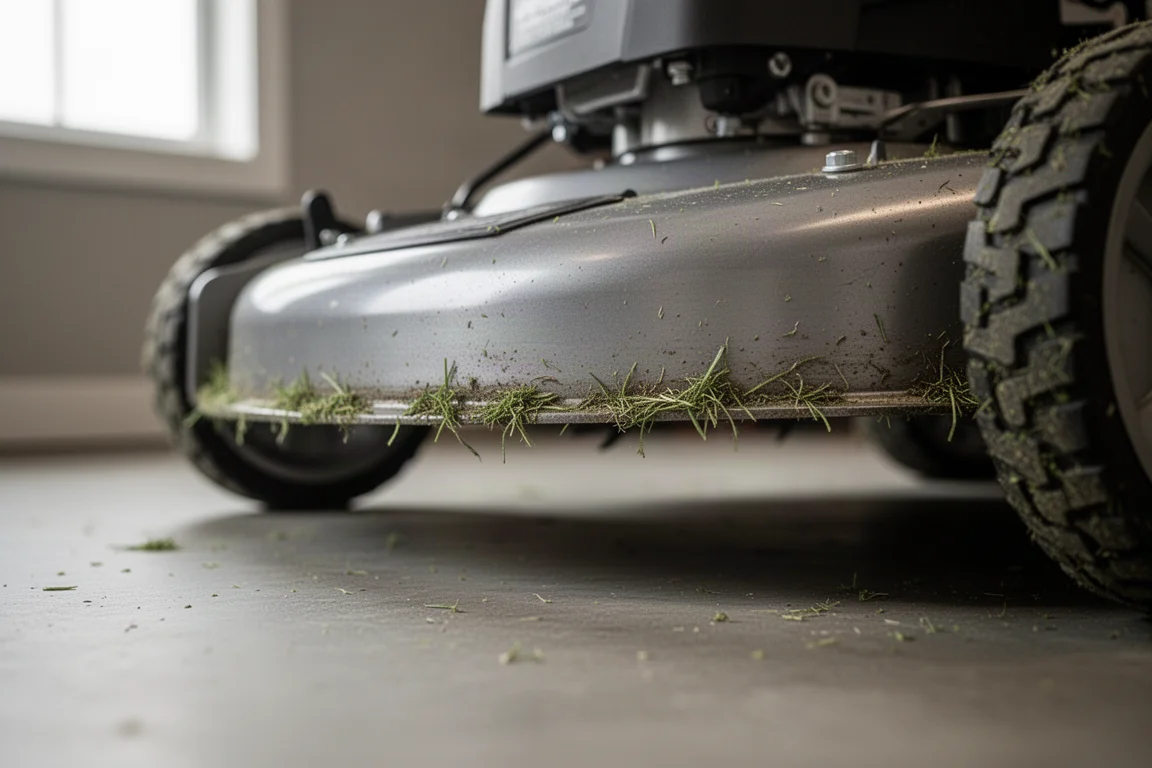
The biggest advantage is maintenance, or the lack of it. In two years, the only work done on this mower has been sharpening the blade once and replacing it once. There is no gas to buy, no oil to change, and no pull cord to fight with.
Gas engines are honestly easy to maintain too, with oil changes taking as little as five minutes and no oil filter to deal with, but for anyone who simply does not want any engine maintenance, cordless is hard to argue with.
Things to Consider Before Buying
Two years in, some wear has shown up. The electric brake has developed a concerning noise every time the motor is stopped. The mower has also started intermittently refusing to start even with the button down and handle depressed, likely due to a stretched cable, which may be an easy fix.
Repairability is the real limitation. There is not much a owner can service on this mower, and a motor swap is not practical the way an engine swap is. With about a year of warranty remaining, a call to Makita is a reasonable option, though the mower still works overall.
Buying Advice: Gas or Cordless?
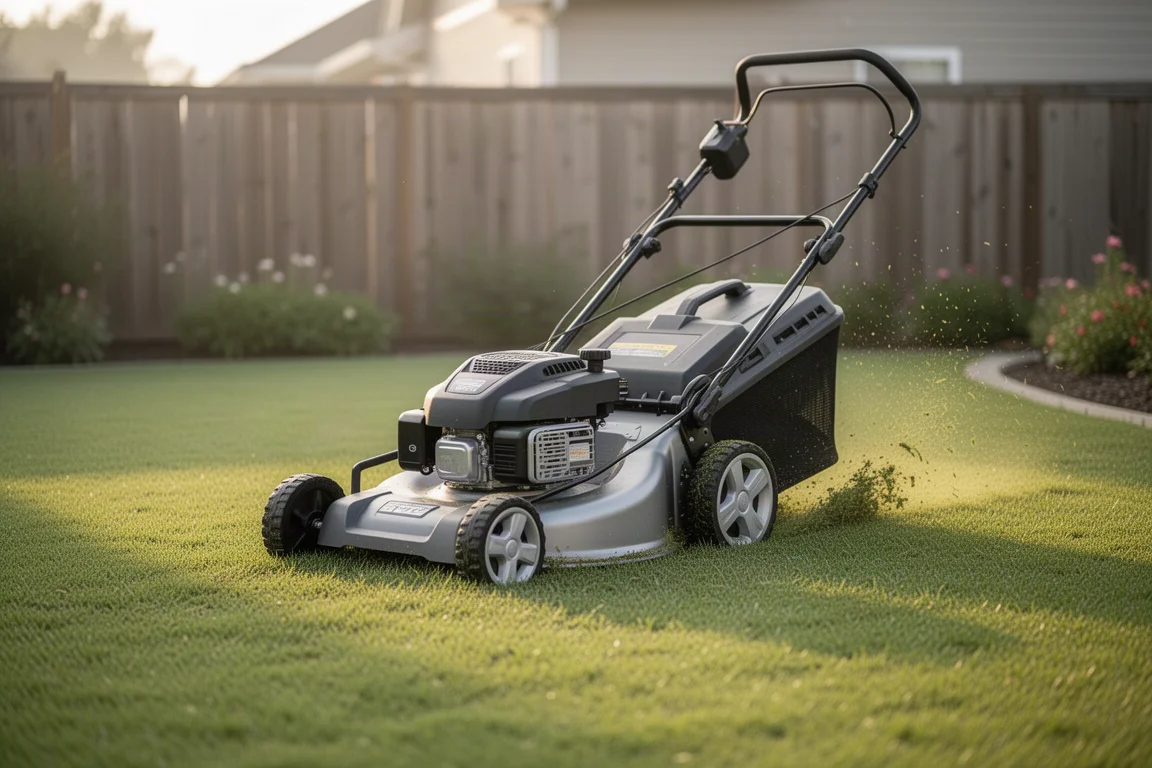
The overall verdict is fairly clear. For larger yards with minimal power tool use, gas is still the way to go. Gas delivers more power and longer runtime, and even a small yard can require one or two battery swaps if there is an overgrown patch to push through.

For users with a small yard who already own plenty of batteries for other tools, though, cordless options like this one are pretty phenomenal. The shared-battery value is what tips the balance, and without that, gas remains the best all-around recommendation.
Conclusion
The Makita 36V mower is a well-priced cordless option that shines when its batteries earn their keep across multiple tools. Two years in, it has needed almost no maintenance, but battery drain on heavy jobs and emerging brake and starting quirks are worth weighing. Small yard plus existing battery platform? Cordless makes sense. Everything else? Gas still leads.
Product link
View more details for Makita 36V Mower
This product is mentioned in the review. Check the specifications, options, and compatibility before buying.
View more details for Makita 36V MowerFurther reading
Related Reviews

Lawn Care
Best Robot Lawn Mowers 2026: 13 Models Tested for Real-World Performance
We tested 13 robot lawn mowers across battery life, cut quality, navigation, object avoidance, and edging to find the best options for different yards and budgets.

Lawn Care
DeWalt 21-Inch 196cc RWD Self-Propelled Lawn Mower Review
A closer look at a gas-powered self-propelled mower with a commercial-grade engine, variable speed drive, and three-in-one cutting flexibility.
Lawn Care
Best Battery-Powered Self-Propelled Lawn Mowers: 10 Flagship Cordless Models Compared
Ten flagship cordless self-propelled mowers from DeWalt, Echo, Ego, Greenworks Commercial, Makita, Milwaukee, Ryobi, Skil, Stihl, and Toro, compared on build, ergonomics, noise, and runtime.