Power Tools
Makita XSH06 vs Makita XSR01: Two 36V Circular Saws Worth a Close Look
A top-handle and a rear-handle Makita 36V circular saw compared on power, handling, battery setup, and everyday jobsite use.
Introduction
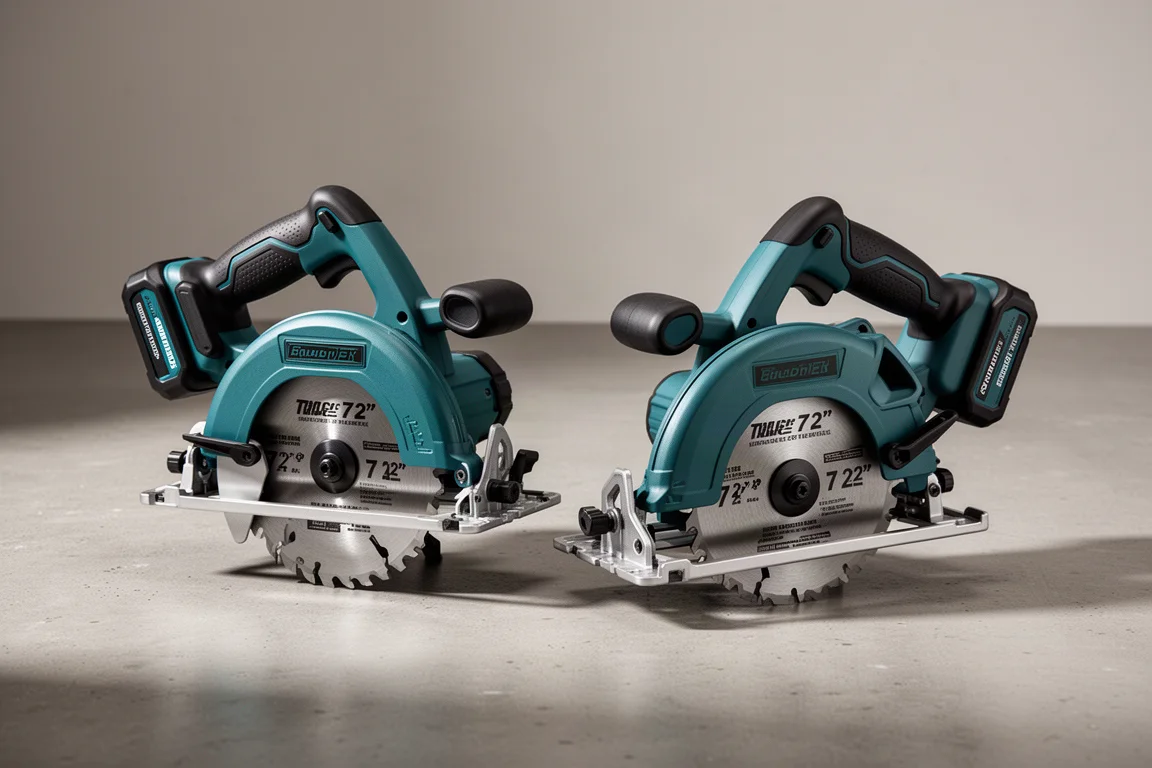
Makita’s 36V cordless circular saw lineup includes two very different takes on the same idea: the XSH06 top-handle saw and the XSR01 rear-handle saw. Both run on two 18V batteries for a combined 36 volts, and both have proven themselves as dependable jobsite cutters that can run for hours without a battery swap.
Choosing between them comes down to how you cut. One favors power and two-handed work, the other favors one-handed control and lighter weight. Here is how they compare.
Makita XSH06: The Top-Handle Saw
The XSH06 is the saw you reach for when cutting power matters most. It spins a 7-1/4 inch blade at around 6,000 RPM, noticeably faster than its rear-handle sibling, and it cuts through heavier, denser material with a smoother feel. It is also the blade-right saw of the pair.
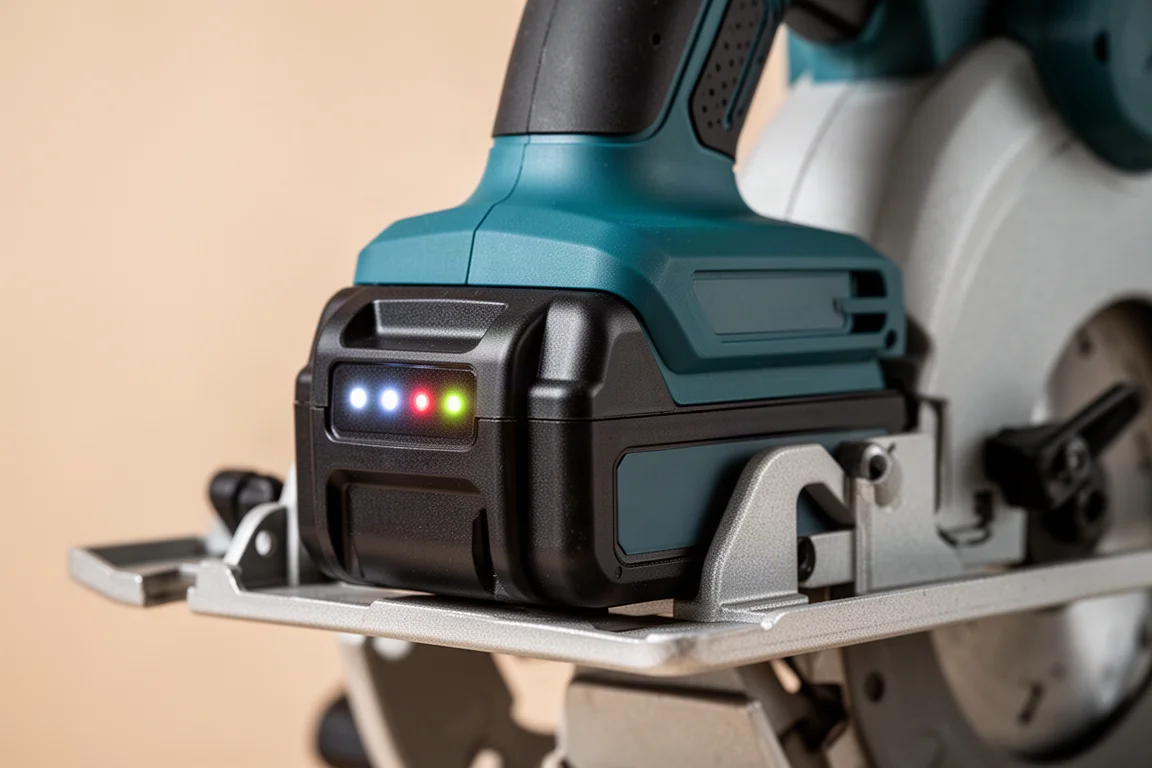
The trade-off is weight distribution. The balance sits forward near the blade, which pulls your hand ahead of you, so it is not a great choice for one-handed cuts. Battery insertion and removal is easy here because there is no rafter hook in the way, though the battery indicator lights are partly hidden by the handle and require tilting the saw to check charge level.
Makita XSR01: The Rear-Handle Saw
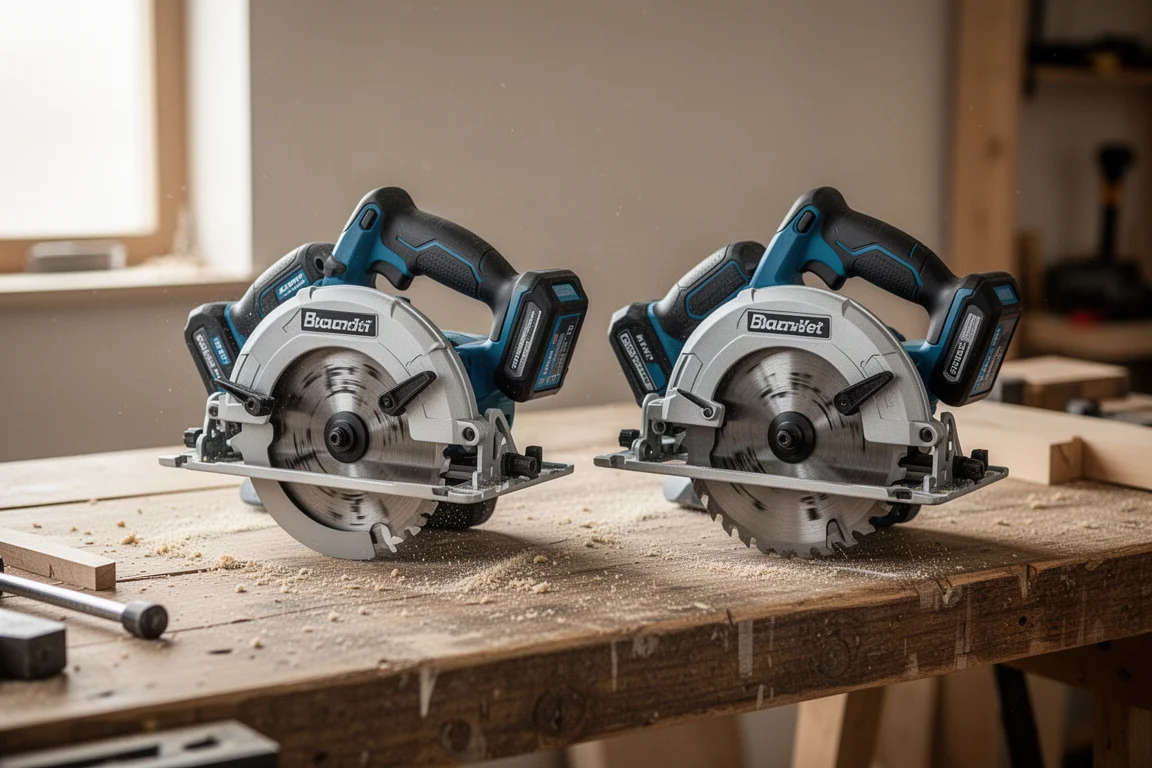
The XSR01 runs the same 7-1/4 inch blade format but turns it at about 5,100 RPM. Makita rates it for fewer crosscuts than the top-handle saw, so it is the less powerful of the two, and it suits the usual 2x4 and 2x6 lumber cuts just fine.
Where it shines is one-handed use. The weight sits back in your grip, making it easier to drop a board by your foot and knock out quick cuts. It is also the lighter saw of the pair, and the battery indicator lights sit exactly where your right hand naturally rests, so checking charge is effortless.
One clarification: despite the rear-handle layout, this is not a worm drive saw. Makita does not claim it is either. It is simply a rear-handle style saw.
Batteries, Charging, and Everyday Handling
Both saws accept pairs of 18V batteries, and Makita’s dual-battery system is genuinely flexible. You can mix capacities, for example a 2.5Ah battery with a 5Ah battery, and the saw will drain both at the same rate like two connected fuel tanks. When one battery reaches zero, the saw stops. In practice, these saws run for hours on the jobsite before needing a swap.
Battery handling differs between the two. The top-handle XSH06 is easier for inserting and removing batteries since nothing obstructs them, while the rear-handle XSR01 requires moving the rafter hook every time. If you use a rafter hook regularly, that tips the scales toward the XSR01; if not, the XSH06 is the more convenient pick.
Both are bulky saws, but both fit into a large Packout-style box or a rolling bin, so transport is manageable.
Blades Worth Pairing With These Saws
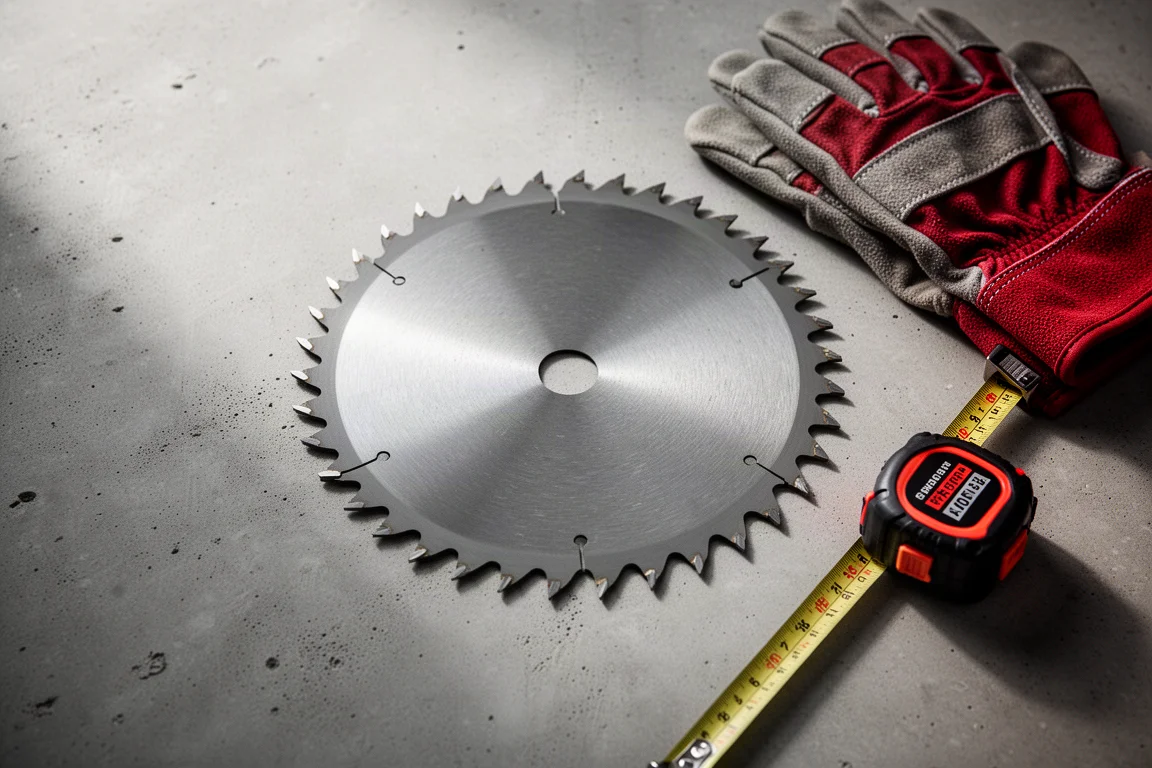
The blade you run matters as much as the saw. Diablo blades have proven the most reliable and longest lasting option, with teeth that hold up remarkably well when demolition work puts nails and metal in the cut path. Deals like two blades for around $12 show up periodically, which makes keeping spares on hand easy.
Which One Should You Buy?
Pick the XSH06 if you cut denser material regularly and want the smoother, faster, more powerful saw, and you mainly work with two hands. Pick the XSR01 if you value one-handed control, lighter weight, and easier battery charge checks, and your cuts are mostly standard dimensional lumber.
If you are hesitant about running two batteries at once, it is worth reconsidering: the bulk is real, but on the jobsite the runtime and balance make it worthwhile.
Conclusion
Both Makita 36V saws deliver excellent everyday performance, and the right choice depends entirely on your cutting style. For power-first framing work, the XSH06 leads; for versatile, lighter one-handed use, the XSR01 is the better fit.
Product link
View more details for Makita XSH06
This product is mentioned in the review. Check the specifications, options, and compatibility before buying.
View more details for Makita XSH06Further reading
Related Reviews
Power Tools
Best 1-Inch Pistol Impact Wrenches: Three Heavy-Duty Options Compared
We compare three 1-inch pistol impact wrenches, from a budget-friendly Harbor Freight model to a premium Caterpillar unit, to help you choose the right one.
Power Tools
Best 3/4-Inch Impact Wrenches 2026: Five Contenders Compared
We compare five 3/4-inch impact wrenches across price and performance, from a budget Amazon option to Snap-on's most powerful model yet.
Power Tools
Best Budget Cordless Tools 2026: Walmart Finds That Punch Above Their Price
We tested five cordless tools from Walmart, including a high-torque impact wrench that trades blows with Milwaukee and a $35 duster that outperforms its price class.