Power Tools
Makita 18V LXT XM-1 Cut-Off Tool Review: A Handy Small-Cut Specialist with a Few Misses
Makita's new 18V LXT cut-off tool finally joins the compact cutting race, with three included blades and quick swaps, but its design quirks may give some buyers pause.
Introduction
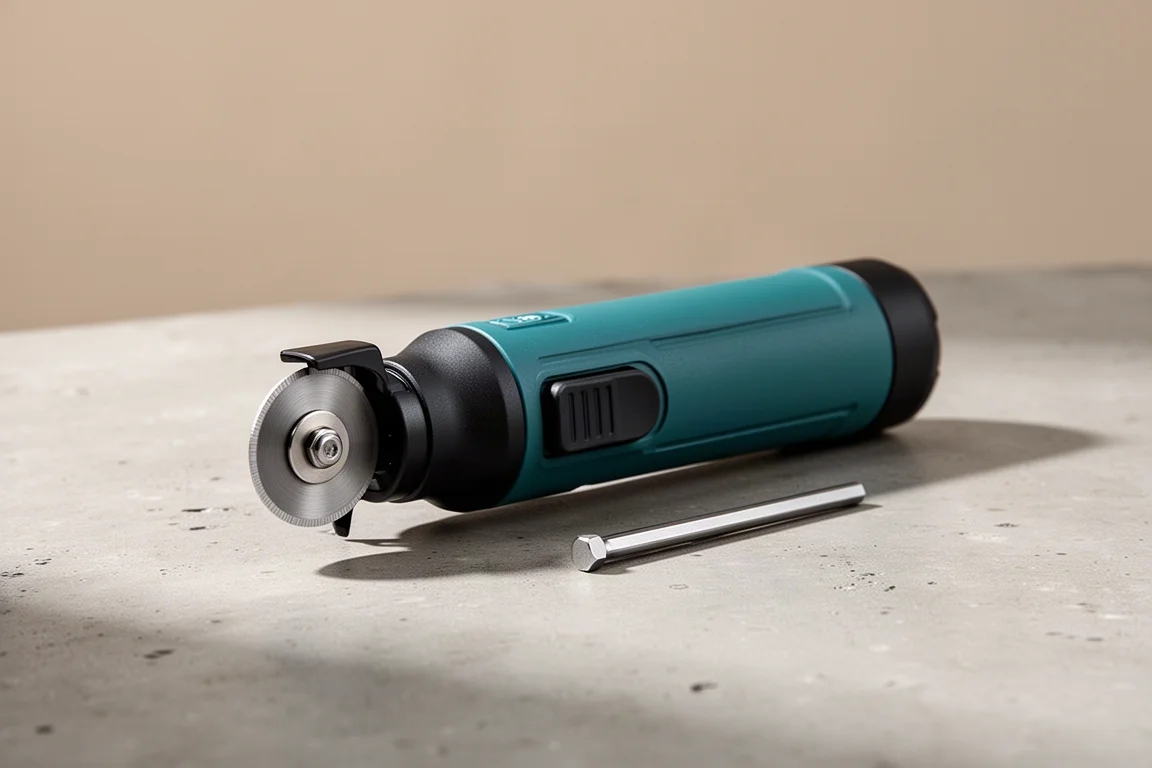
Makita has finally entered the compact cut-off tool space with the 18V LXT XM-1, its first offering in a category where Milwaukee and DeWalt have already been established for a couple of years. Milwaukee has its M12 Fuel version, and DeWalt’s 20V Max entry has earned strong feedback from users. The XM-1 is Makita’s answer to those tools, and after spending real time cutting metal, wood, and even stone with it, the picture is mixed: a genuinely useful small-cut specialist, held back by a few design decisions that feel undercooked.
If you have ever delayed a job because pulling out a full-size angle grinder felt like overkill, this class of tool will make sense to you immediately. It shines at cutting lots of small metal pieces quickly and conveniently, and it reaches tight spots where a grinder simply will not fit.
Who This Product Is For
The Makita XM-1 is best suited to people who regularly cut small metal parts, modify brackets, trim fasteners, or make fabrication tweaks in tight spaces. It is not a replacement for an angle grinder in raw cutting speed, but for quick, contained cuts it is far more convenient than dragging out the big tool. During testing it handled a project modifying a computer case to fit a larger graphics card, cutting out disc drive trays, and it worked fantastically for that kind of detail work.
Design and Handling: Some Odd Choices
Pulling the XM-1 out of the box leads to some immediate head-scratching. You would expect the tool to stand upright on its base, but it does not. It simply tips over, and in doing so tends to smack its cutting wheel into whatever is nearby. There is no good way to set it down either: the side of the housing has no padding or over-molding, so resting it on its side means laying bare plastic on your bench. It feels like Makita could not decide whether the tool should stand, lie flat, or something in between.
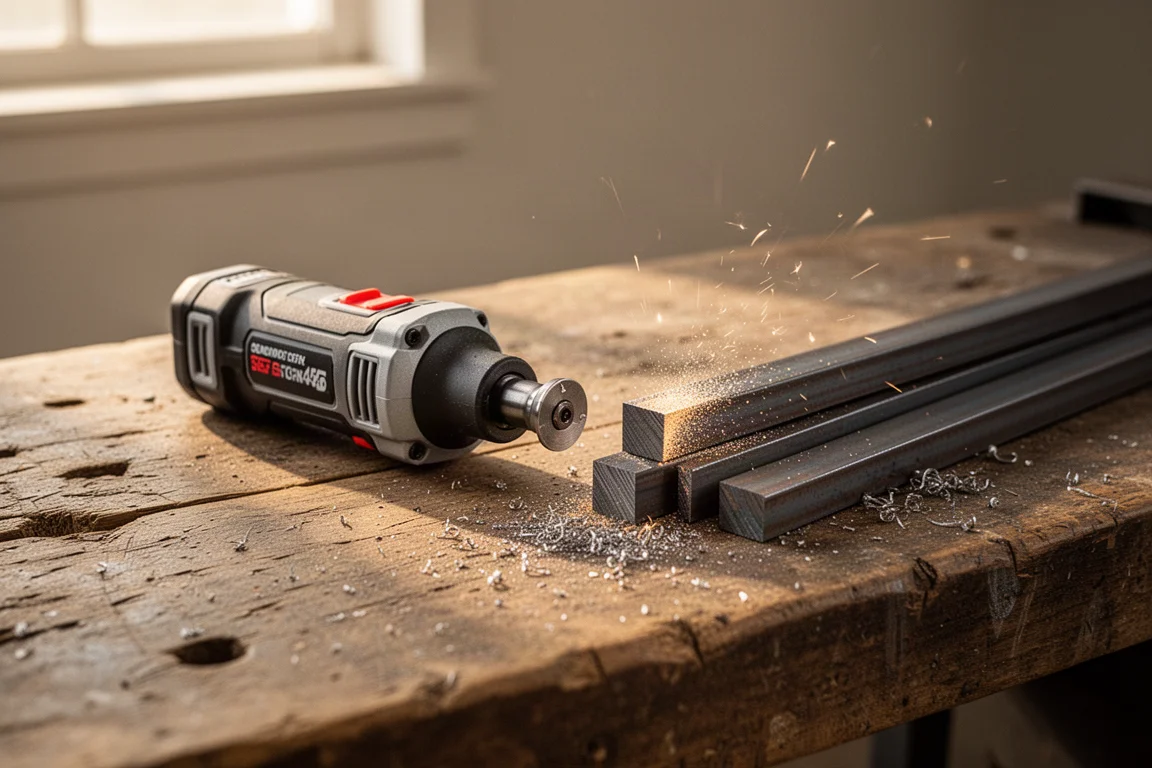
Other design choices divide opinion too. The guard is completely fixed and not adjustable. Forward and reverse is a welcome addition, since it lets you direct sparks away from yourself, and the switch is easy to flip either way. The bigger annoyance is the safety switch: it exists only on the left side. Right-handed users gripping the tool with a thumb on the right have to bring their index finger a long way up to hit the safety switch, which gets fussy when switching hands mid-cut. It is hard to see why Makita did not fit a safety switch on both sides.
Blade Changes and Included Blades
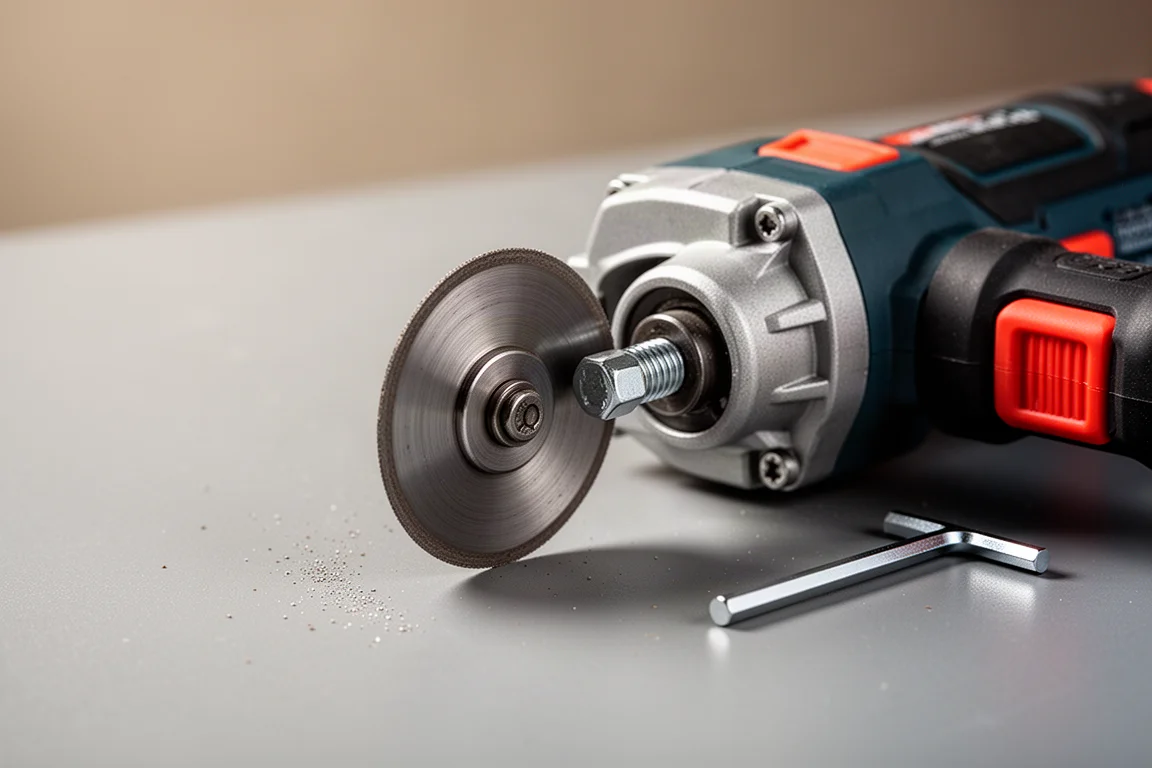
Blade changes are refreshingly easy. There is a spindle lock button that holds the blade in place while you unscrew it, and a hex key stores right on board. Even better, there is a 10 mm bolt option so you can skip the hex key entirely, which makes swaps super quick. Pull off a small retaining piece, slide the blade off, and you are back to cutting in seconds.
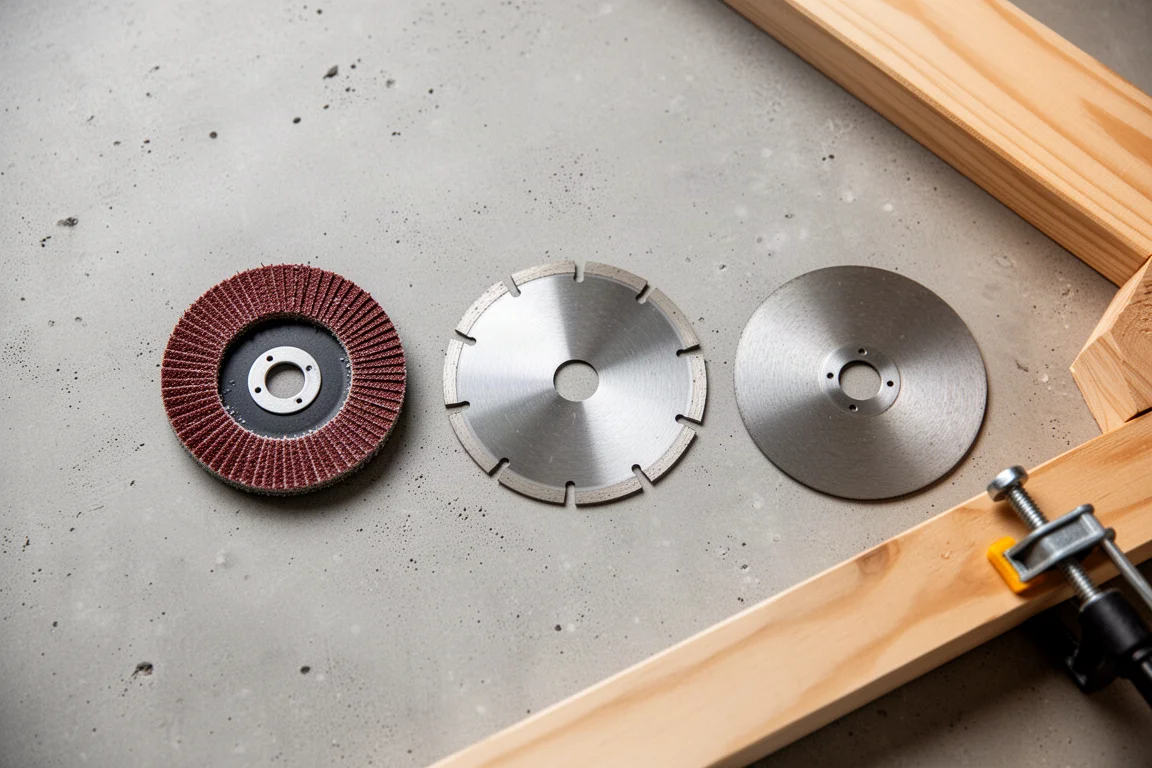
The box includes three blades covering the main use cases: a multi-material abrasive blade for things like epoxy and PVC, a diamond blade for tile, ceramic, and porcelain, and a metal cut-off wheel, which will be what most people use the majority of the time. Replacement metal cut-off wheels are cheap and widely available, so running costs stay low.
Cutting Performance
With a fresh metal cut-off wheel installed, the XM-1 got to work on reasonably sized pieces of steel. These compact tools are not known for cutting as quickly as a full angle grinder, but they get the job done, and they do it in very tight areas where a grinder cannot reach. For most small cuts, that trade-off is worth it.

The multi-material blade was also tried on a piece of 1x2 wood, even though the tool is not designed for it. As expected, a 3-inch-class tool does not have the capacity to power through roughly an inch of material in that mode, so it is worth being realistic about what each blade can handle. The diamond blade, on the other hand, sliced through a chunk of stone like butter, confirming the tile and ceramic cutting claims.
Battery Life and Everyday Practicality
Battery drain is a non-issue here. After a full testing session of metal, wood, and stone cuts, a 5 amp hour battery still showed plenty of charge. Compact cut-off tools simply do not draw power the way a full-size grinder does, so a single mid-capacity pack covers a lot of small jobs.
That efficiency, combined with quick blade swaps and three included wheels, makes the XM-1 easy to reach for constantly. Once it is on the bench, it tends to stay in use for lots of little cuts here and there.
Things to Consider Before Buying
The core performance is solid, but the execution details matter. The tool will not stand upright and there is no padded surface to rest it on, so finding a safe place to put it down mid-job is a constant minor frustration. The single-sided safety switch is a genuine ergonomic miss, especially when switching hands. The fixed guard limits flexibility compared with some competitors. Overall, it feels like a first-generation tool: very good at its core job, with a few oversights that a second version could easily fix.
Buying Advice
If you are already invested in the Makita 18V LXT platform and regularly make small metal cuts, this tool is easy to recommend despite its quirks. If you are brand-neutral and shopping this category, it is worth comparing carefully against the established Milwaukee M12 Fuel and DeWalt 20V Max options, the latter of which has earned particularly strong user feedback. Whatever brand you run, a compact cut-off tool of this type is phenomenally convenient, and far less hassle than breaking out a full-size angle grinder for small jobs.
Conclusion
The Makita 18V LXT XM-1 is a super useful tool that earns its place on the bench. It cuts small metal pieces well, handles tile and stone with the included diamond blade, sips battery power, and makes blade changes almost effortless. The frustrations are real but fixable: it will not stand up on its own, the fixed guard is limiting, and the one-sided safety switch is awkward. Makita could have done more here, and a revised version seems likely. As it stands, it is a good tool with a few things overlooked that could have made it significantly better.
Product link
View more details for Makita 18V LXT XM-1 Cut-Off Tool
This product is mentioned in the review. Check the specifications, options, and compatibility before buying.
View more details for Makita 18V LXT XM-1 Cut-Off ToolFurther reading
Related Reviews
Power Tools
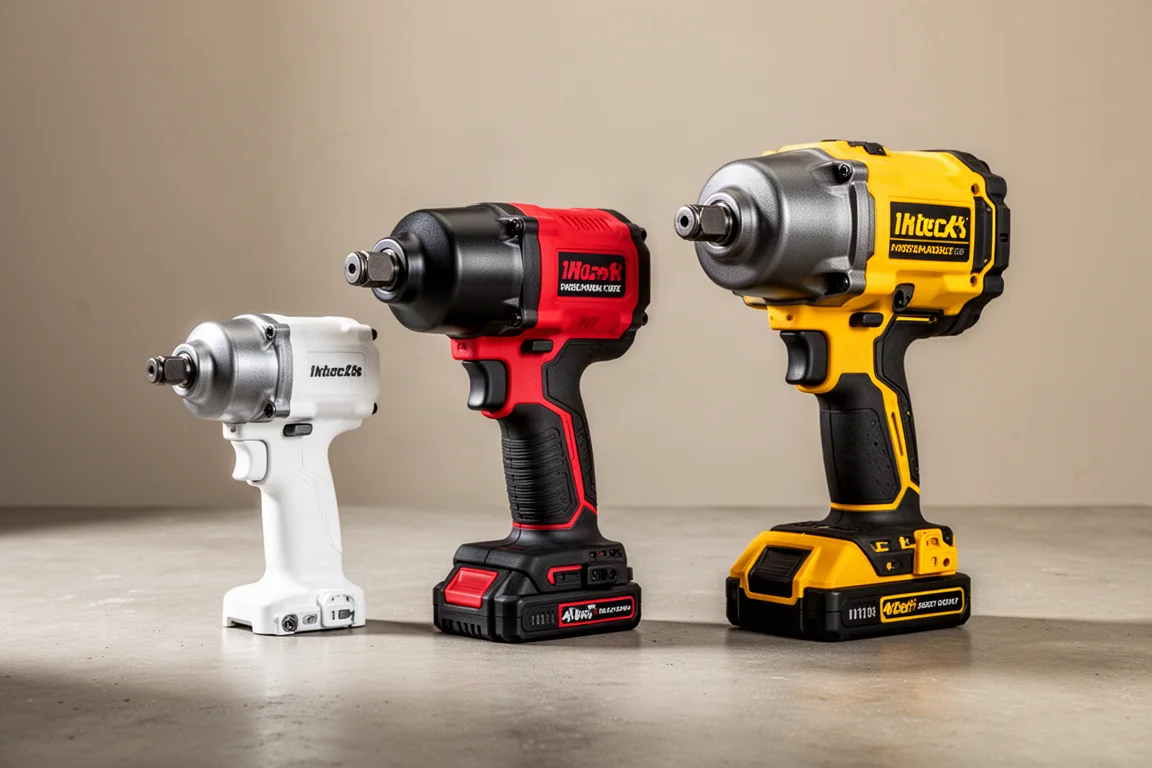
Best 1-Inch Pistol Impact Wrenches: Three Heavy-Duty Options Compared
We compare three 1-inch pistol impact wrenches, from a budget-friendly Harbor Freight model to a premium Caterpillar unit, to help you choose the right one.
Power Tools
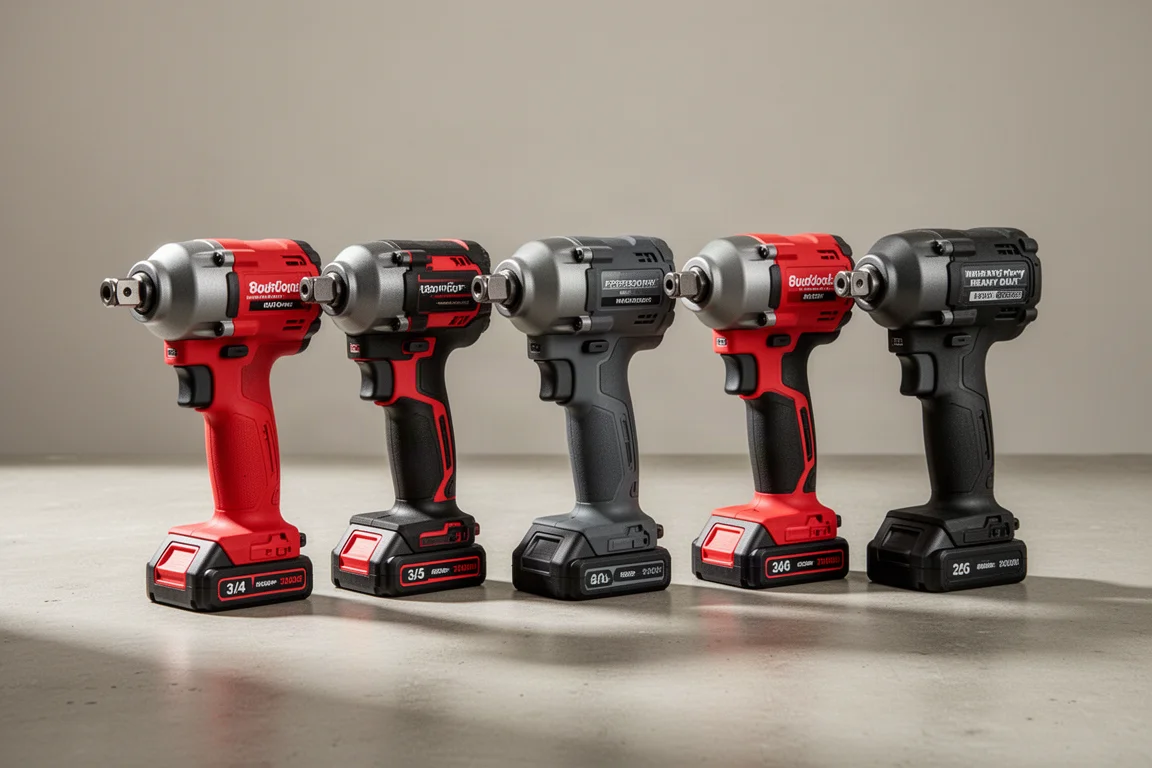
Best 3/4-Inch Impact Wrenches 2026: Five Contenders Compared
We compare five 3/4-inch impact wrenches across price and performance, from a budget Amazon option to Snap-on's most powerful model yet.
Power Tools
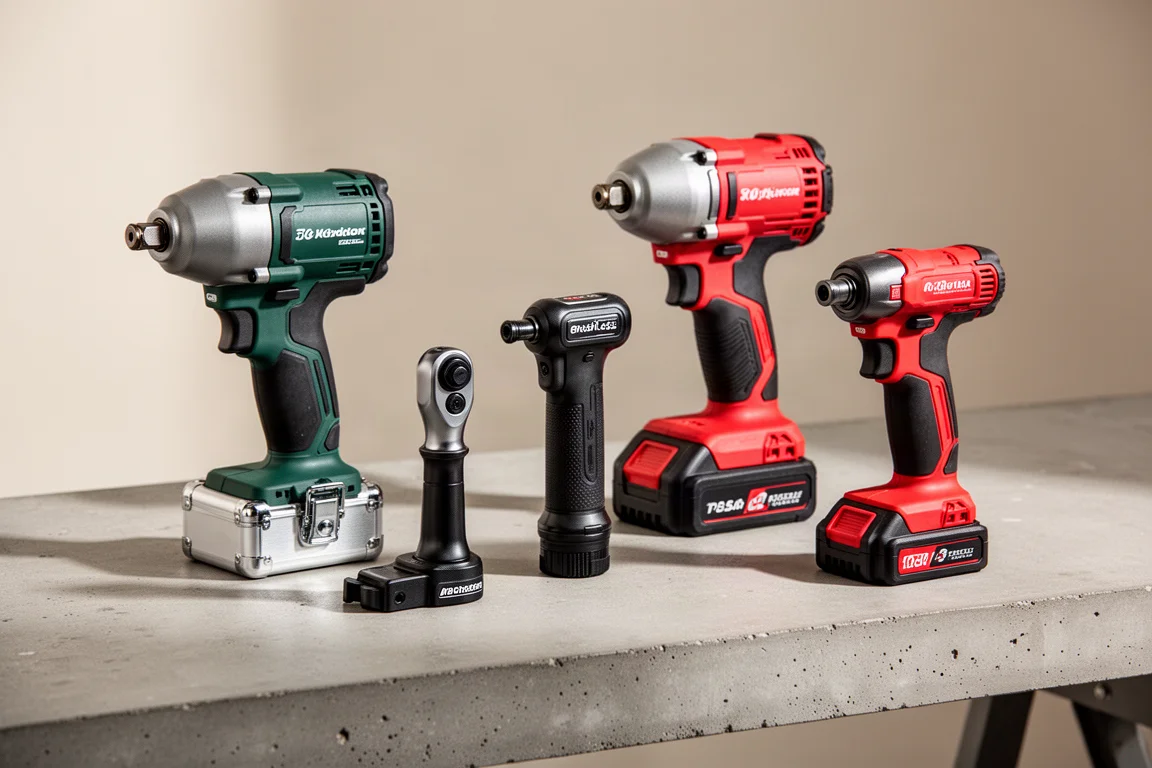
Best Budget Cordless Tools 2026: Walmart Finds That Punch Above Their Price
We tested five cordless tools from Walmart, including a high-torque impact wrench that trades blows with Milwaukee and a $35 duster that outperforms its price class.