Power Tools
Makita's New 16 Gauge Finish Nailers vs the Milwaukee: Which One Should You Buy?
Two new Makita 16 gauge finish nailers go head to head with the Milwaukee angled finish nailer, with real firing tests into softwood, hardwood and composite board.
Introduction
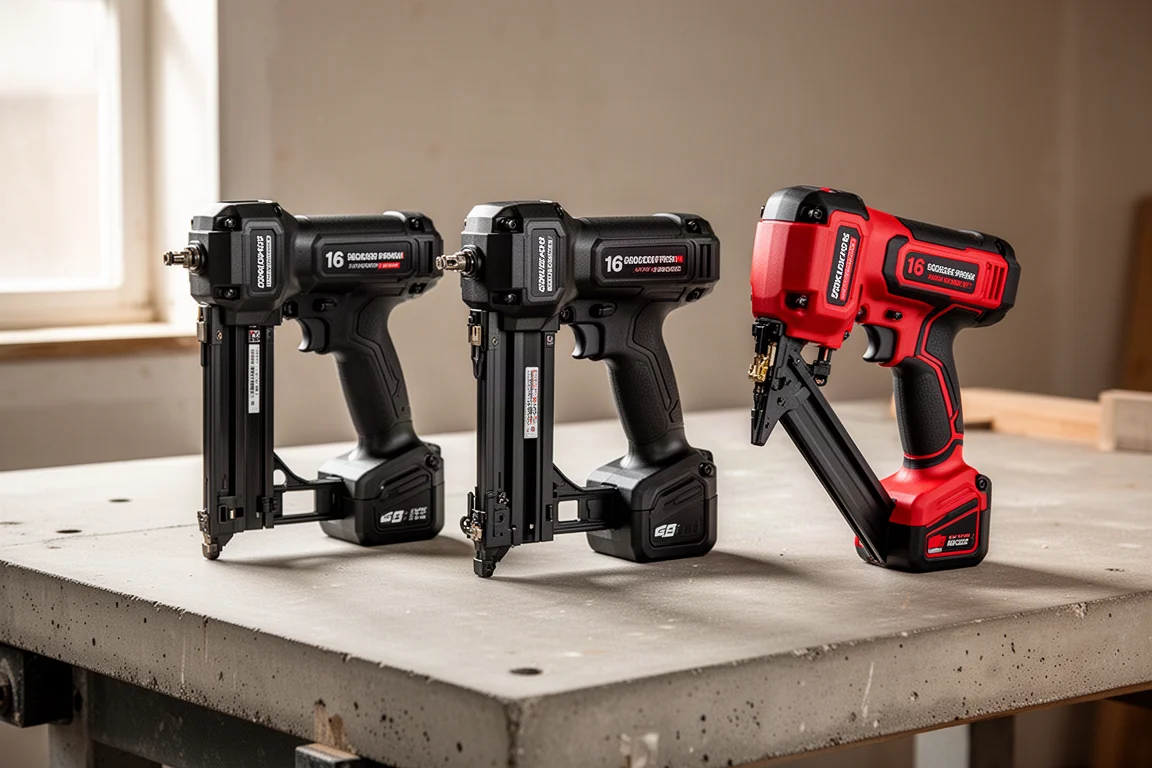
For a long time, Makita’s cordless nailers have not been the tools people reached for first. That may be changing. Two new 16 gauge finish nailers have arrived, the DBN6016 straight nailer and the DBN610 angled nailer, and both feel like a genuine attempt to compete with the established leaders such as Milwaukee, DeWalt and HiKOKI.
We spent time with both tools, firing them into soft pine, dense hardwood, composite board and laminate flooring material, and then ran the angled Makita directly against the Milwaukee 16 gauge angled finish nailer, a tool that has long been a favourite in this category. The results were genuinely surprising.
Straight vs Angled: What You Actually Need to Know
Before choosing a finish nailer, it helps to understand the terminology, because it gets confusing fast. A straight nailer takes straight nail strips, and an angled nailer takes angled strips. The two are not interchangeable, and forcing the wrong strip into the wrong magazine is a reliable way to jam the tool.
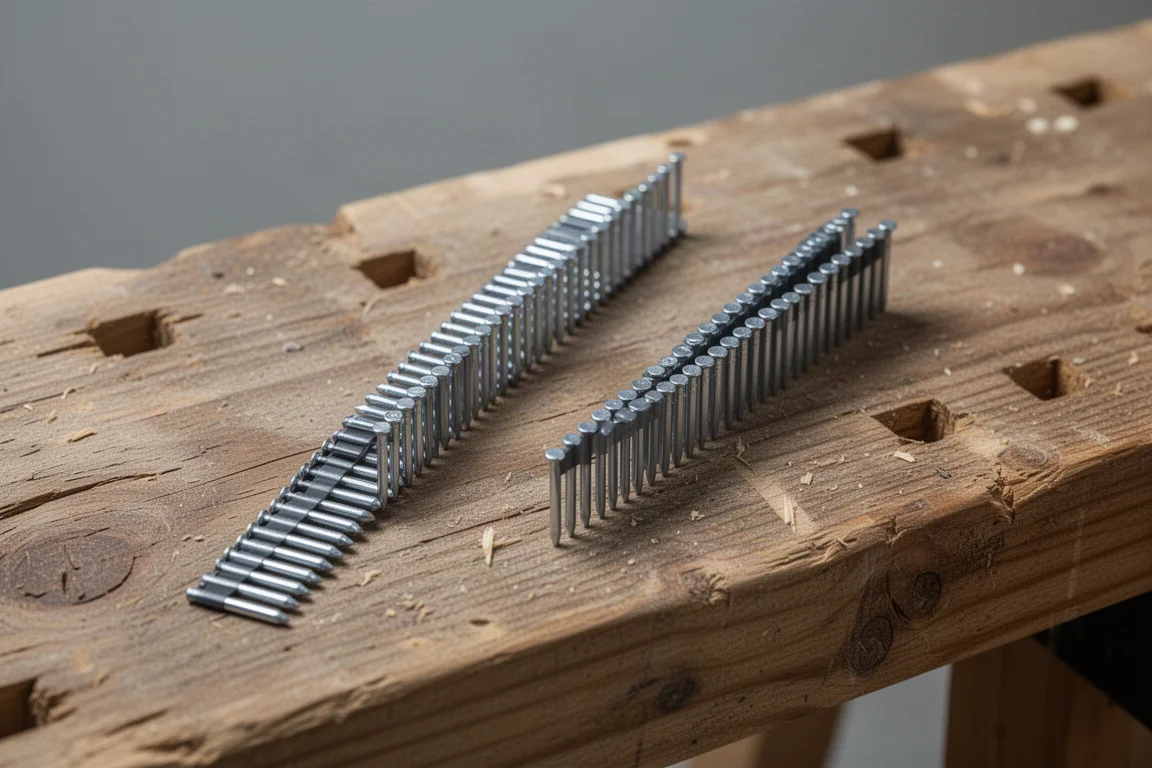
Gauge matters too. 16 gauge nails are 1.6 mm wide, while 18 gauge nails are around 1.25 mm wide. Counterintuitively, the higher the gauge number, the thinner the nail. These same nails also go by other names in different parts of the world, such as C size brads for 16 gauge, C1 for 18 gauge, and D or DA for 15 gauge. The key checks before buying: match the strip angle to your gun, and do not mix 18s into a 16 gauge tool.
The Makita DBN6016 Straight Nailer
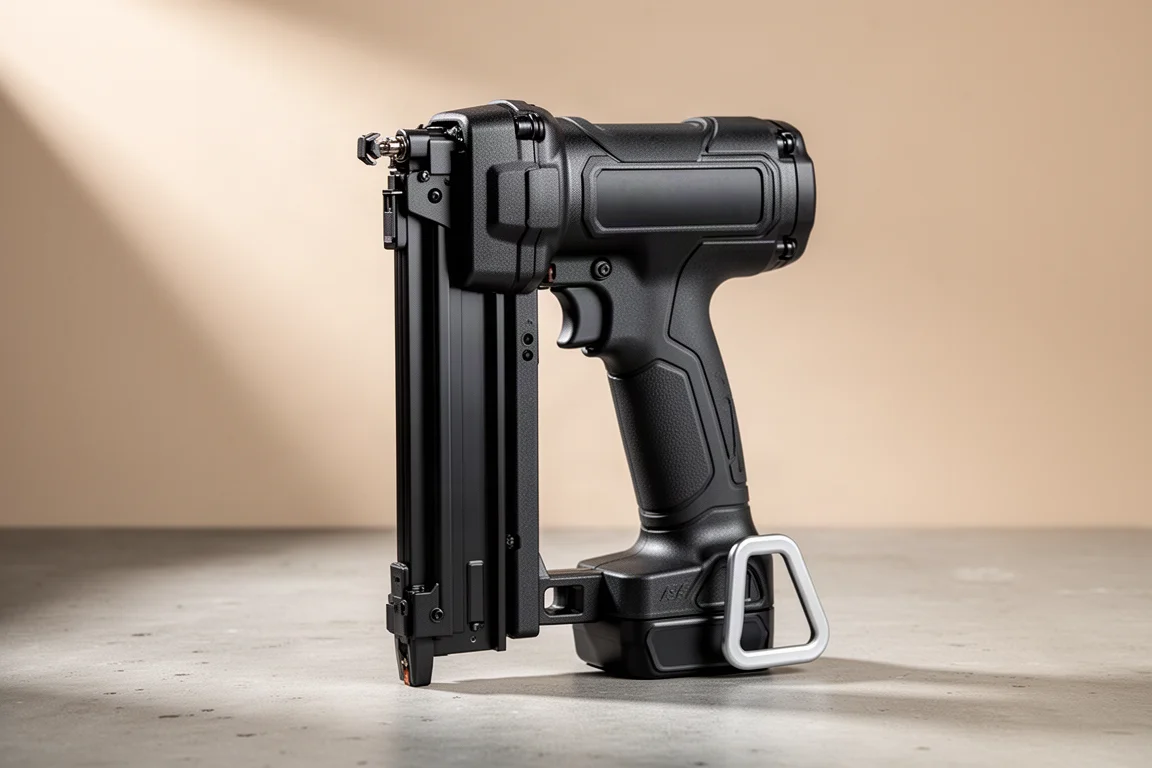
The straight DBN6016 has one clear advantage: short nails. It fires 16 gauge nails from 19 mm (3/4 inch) up to 64 mm, while the angled version only goes down to 32 mm. If you regularly need very short 16 gauge nails, this is the tool for the job.
Both new Makitas share the same core design: an air-spring mechanism rather than a flywheel design, so there is none of the constant whirring noise that some competitor nailers produce. They also come with a belt hook, a non-marring tip plus two spare tips stored on the magazine, and a forward-facing work light. The light placement is not ideal and tends to create shadows, which is a common complaint across most nailer lights.
The Makita DBN610 Angled Nailer
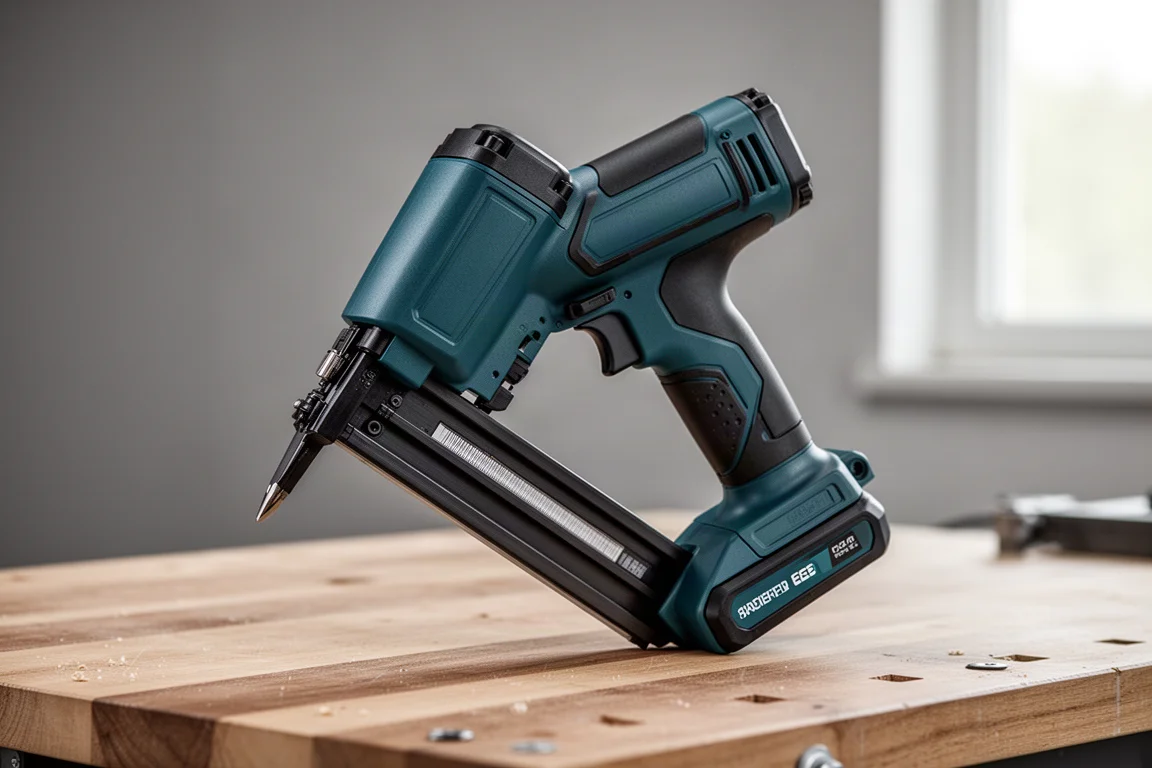
Here is the interesting part. Even though the angled DBN610 is slightly heavier than the straight model on paper, it feels lighter in the hand. The balance is simply better, with the weight sitting closer to a framing-nailer angle rather than pulling forward. If you could only own one of the two, the angled one is the easier recommendation.
One regional note: in some markets these tools ship in a single-fire configuration only, so you pull the trigger for every nail rather than using bump-fire mode. In other regions there is an additional light and a bump-fire option. Either way, the DBN610 feels like a well-sorted tool the moment you pick it up.
Loading, Jam Clearing and Everyday Handling
Both Makita nailers load in the same straightforward way: pull the magazine follower down, it locks, slide the strip in, and press the release lever to put spring pressure on the nails. Removing a strip is equally easy, with the nails sliding straight out.
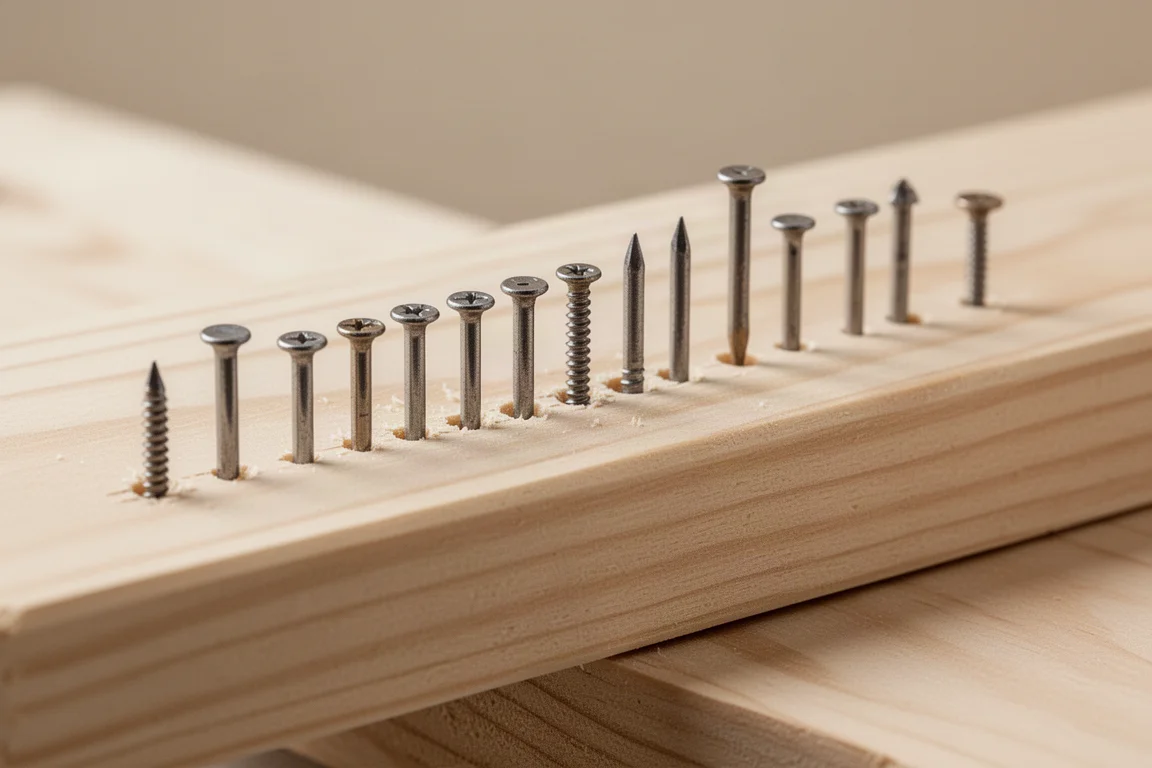
Jam clearance is handled by a flexible plastic piece at the front that lifts the whole nose up so you can remove the obstruction. One important tip for anyone new to nail guns: release the magazine pressure before opening the nose, so a stuck strip does not launch across the room when you unlock it.
Firing Test: Pine and Depth of Drive
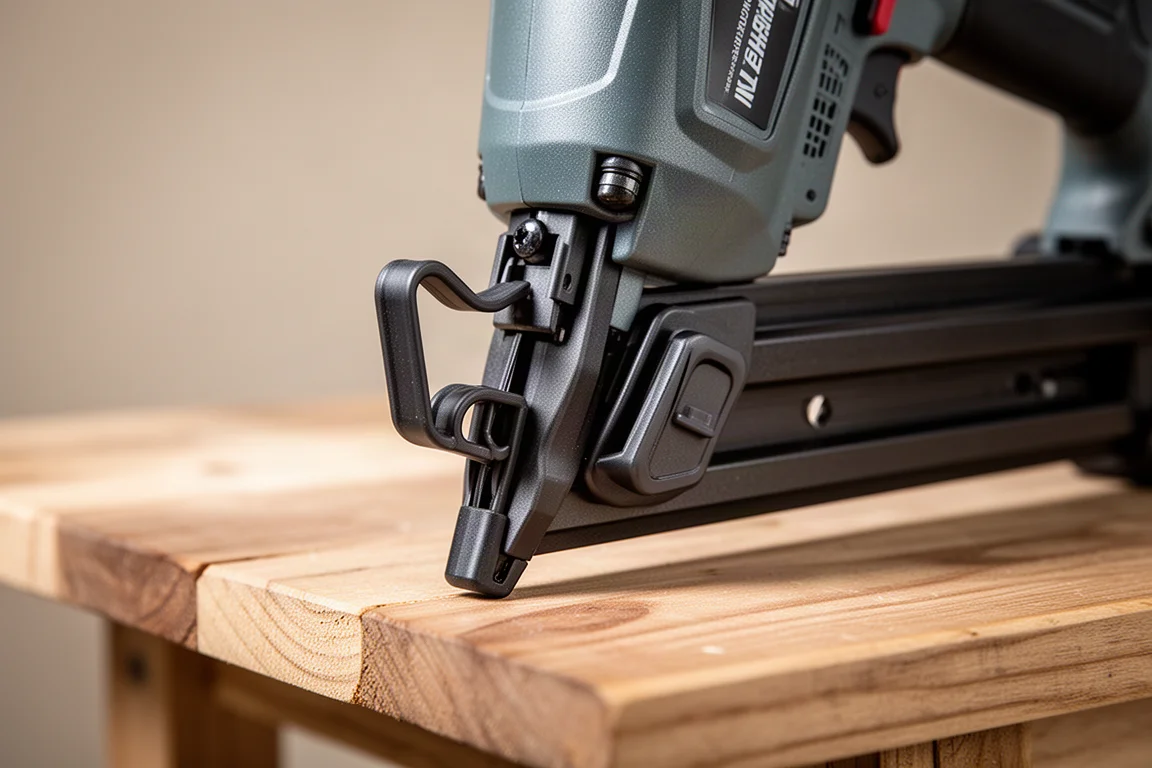
In pine, both Makitas performed well with depth wound fully out, sitting a few millimetres proud. Wound fully in, they sank nails well and truly deep, arguably a touch deeper on the angled model. At maximum firing pace without bump-fire, the tools could not quite keep up with rapid pulls, but every nail seated with no problem.
Both tools also handled multiple layers of laminate flooring material without issue, which was a tougher test than expected. Neither gun broke a sweat on that one.
The Head to Head Against the Milwaukee
The Milwaukee 16 gauge angled finish nailer has long been regarded as one of the best in the category, so the angled Makita was pitted against it directly, using the same 64 mm nails into the same materials.
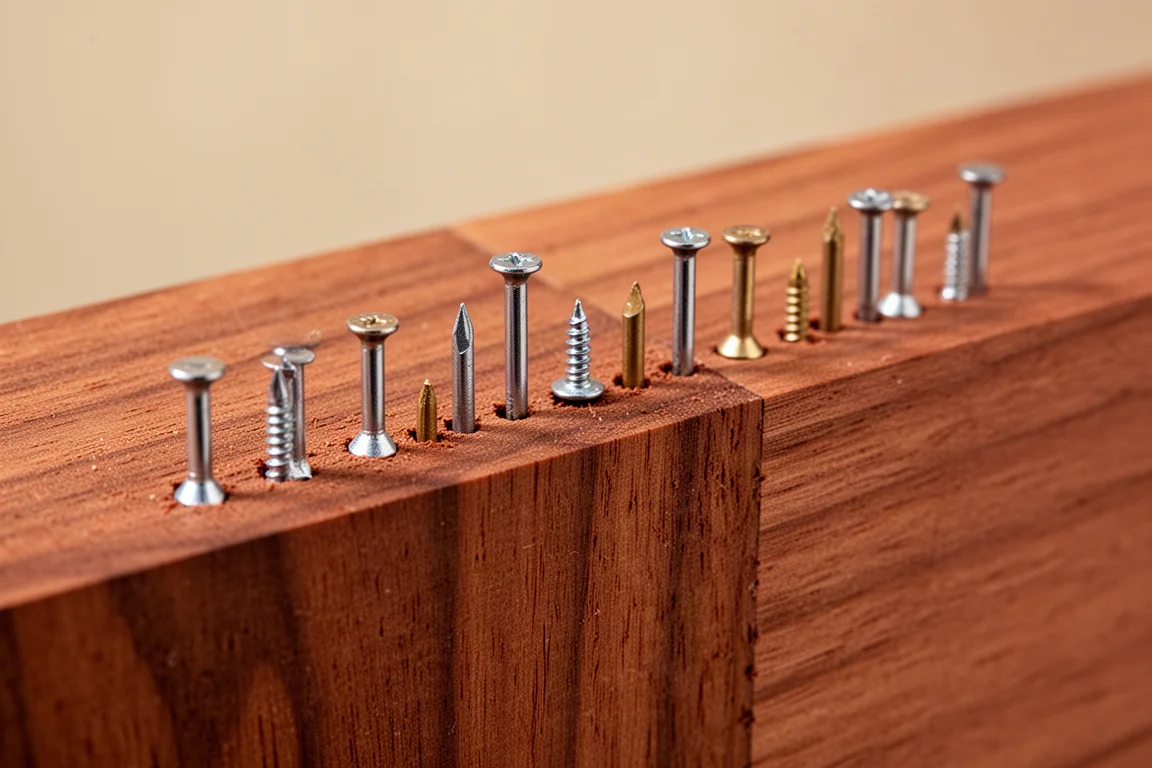
In laminate flooring material the two were extremely close, with the Makita arguably sinking slightly deeper. But in dense hardwood, the gap opened up. The Milwaukee was noticeably hit and miss, with a repeating pattern where roughly every second nail failed to seat fully, some sitting up to a quarter of an inch proud, and it produced more recoil into the arm. The Makita, in the same timber and the same positions, seated every nail perfectly and needed less downward pressure to do it. In this test at least, the new Makita outperformed a tool many people consider the benchmark.
Overall Buying Advice
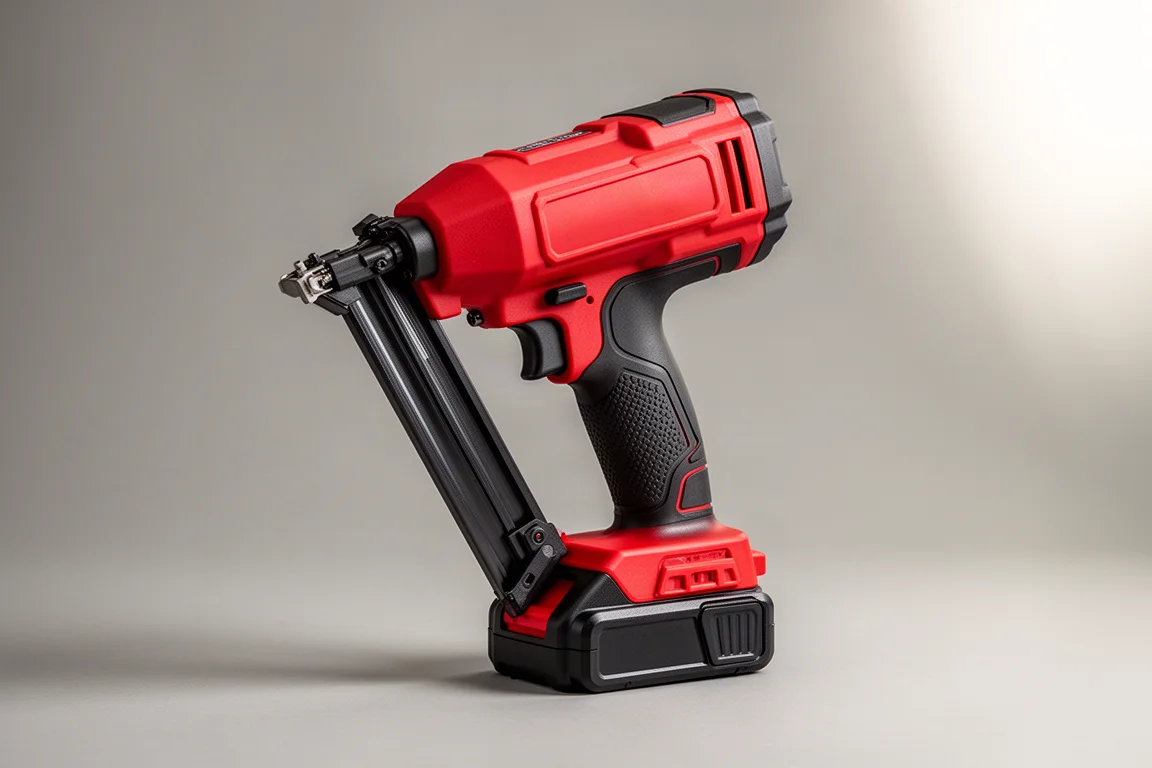
The angled Makita DBN610, paired with a 5 Ah battery, comes in around 370 g lighter than the Milwaukee, which is a significant difference for a tool you hold overhead all day. The straight DBN6016 is lighter still, though it gives up the short-nail capability equation in reverse: it goes down to 19 mm while the angled tool stops at 32 mm.
If you only buy one, the angled DBN610 is the stronger all-round pick thanks to its balance, comfort and outright driving power. If short 16 gauge nails are part of your regular work, the straight DBN6016 earns its place. And while the Milwaukee remains an excellent nailer with a trigger and sound that some will still prefer, anyone dismissing Makita nailers out of habit may want to reconsider.
Conclusion
Makita has genuinely rejoined the finish nailer conversation. The DBN6016 and DBN610 are comfortable, well balanced, quiet air-spring nailers that drove nails as deep or deeper than the competition in testing, with the angled DBN610 standing out as the pick of the bunch. With an 18 gauge, a narrow crown stapler and more models apparently on the way, Makita’s nailer range is one to watch.
Further reading
Related Reviews

Power Tools
Best 1-Inch Pistol Impact Wrenches: Three Heavy-Duty Options Compared
We compare three 1-inch pistol impact wrenches, from a budget-friendly Harbor Freight model to a premium Caterpillar unit, to help you choose the right one.

Power Tools
Best 3/4-Inch Impact Wrenches 2026: Five Contenders Compared
We compare five 3/4-inch impact wrenches across price and performance, from a budget Amazon option to Snap-on's most powerful model yet.

Power Tools
Best Budget Cordless Tools 2026: Walmart Finds That Punch Above Their Price
We tested five cordless tools from Walmart, including a high-torque impact wrench that trades blows with Milwaukee and a $35 duster that outperforms its price class.