Power Tools
Makita 14.4V Batteries Explained: BL1460A, BL1430B and How They Compare to the 18V LXT
A closer look at Makita's overlooked 14.4V battery platform, the special features of the BL1460A, and how these packs behave on 18V tools.
Introduction
When most people think of Makita’s LXT platform, they think 18V. But there is another LXT: the 14.4V line. It dates back to the era when tool companies shipped all sorts of battery shapes, sizes and platforms, before 18V took over. Makita is one of the few companies that has stuck with 14.4V all these years, and it still makes tools and batteries for the platform.
This guide looks at the special features these batteries have that the 18V LXT packs may not have, what tools they fit, and whether you can mix them with 18V gear.
What Makes the 14.4V Platform Different
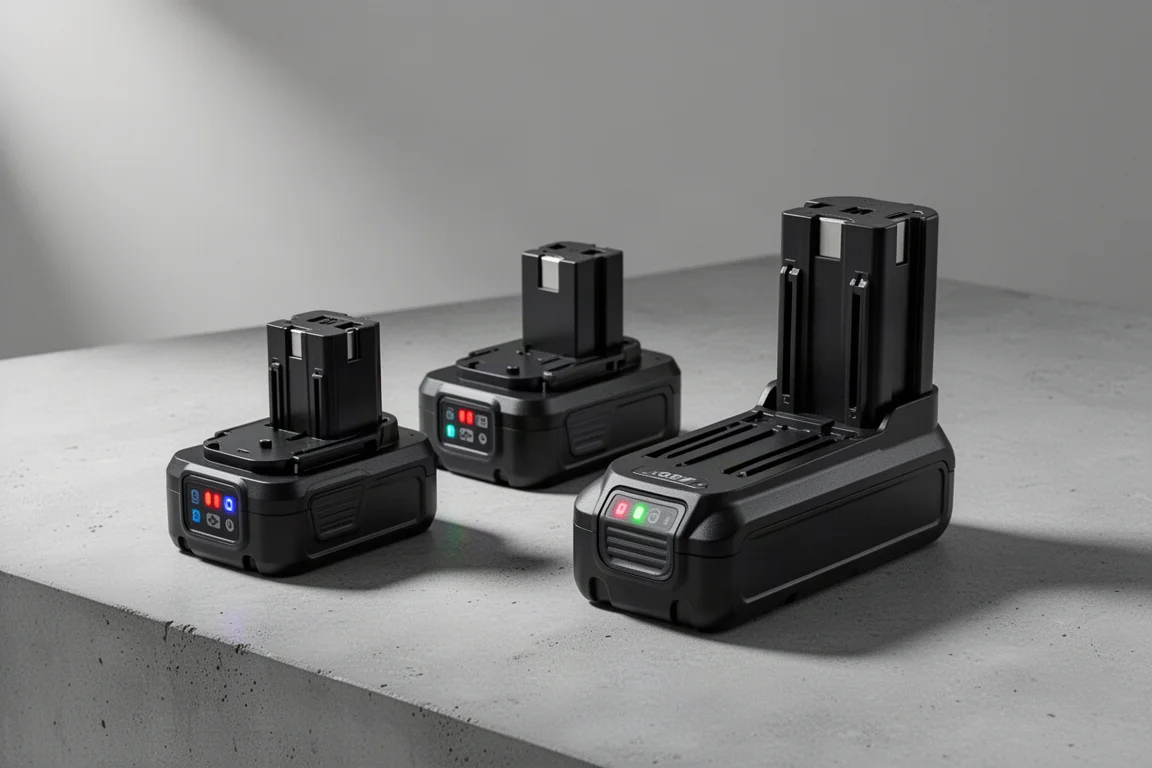
The physical difference comes down to cells. Each cell inside these packs is 3.6V. The 18V battery uses five cells in series, then another five paralleled up, giving a higher-capacity 18V pack. The 14.4V pack does the same with four cells: four in series, then another four in parallel.
That also explains the naming: 3.6V multiplied by four is 14.4V, and the 14.4V packs are physically shorter than 18V packs because they carry fewer cells. The rails and connection points look essentially the same, which raises some interesting compatibility questions.
The BL1460A: Green Lights and Auto Stop
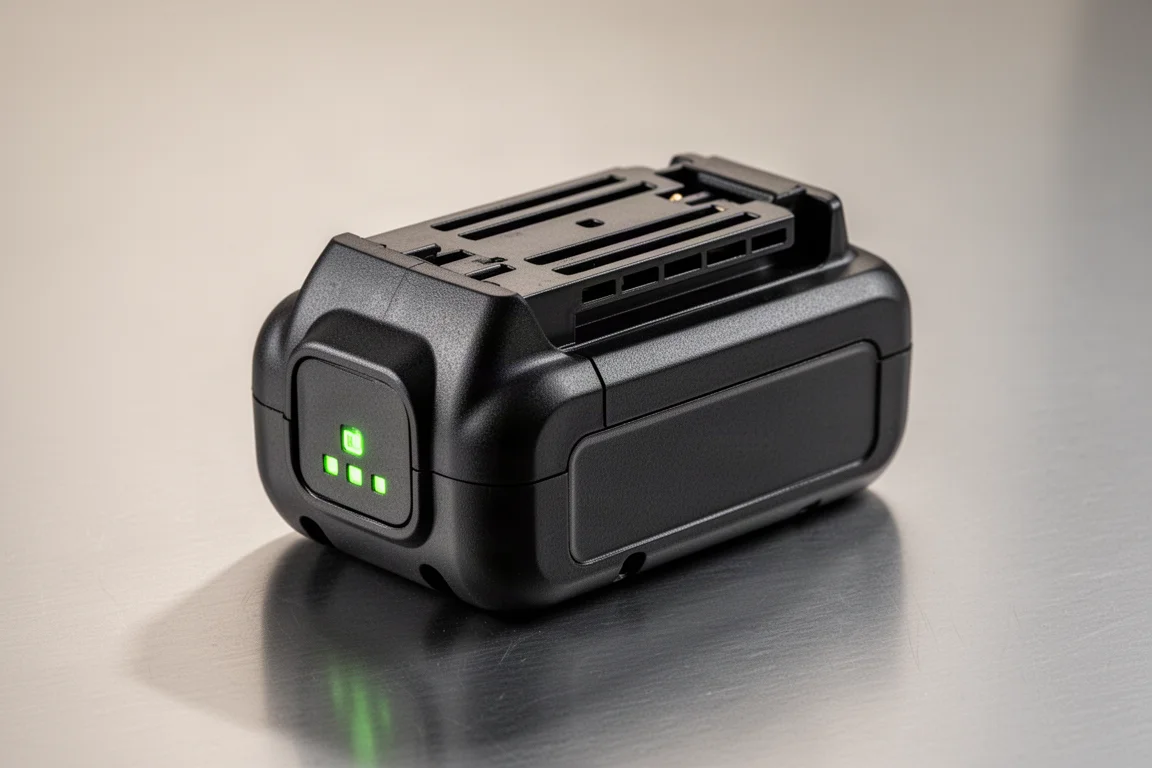
The BL1460A is a 6.0Ah 14.4V pack rated at 87 watt-hours. On the bottom you will find the model marking with an A suffix. Its indicator lights behave differently from what most users are used to: instead of four red lights, it uses three green lights plus an amber end light.
The behaviour is different too. When the battery is on a tool and you pull the trigger, the indicator lights stay on while you are working, so you can always see the charge level at a glance. The same happens on the charger: the lights stay on while power is flowing in or out, and switch off when charging completes.
The amber end light relates to Auto Stop. Once the battery drops to 20% or below, the pack cuts power to the tool so you do not under-fasten, a feature designed around Makita’s production tools that run at exact torque and timing settings. It is a genuinely useful bonus that is not standard on 18V LXT batteries.
The BL1430B: The Standard 3.0Ah Pack
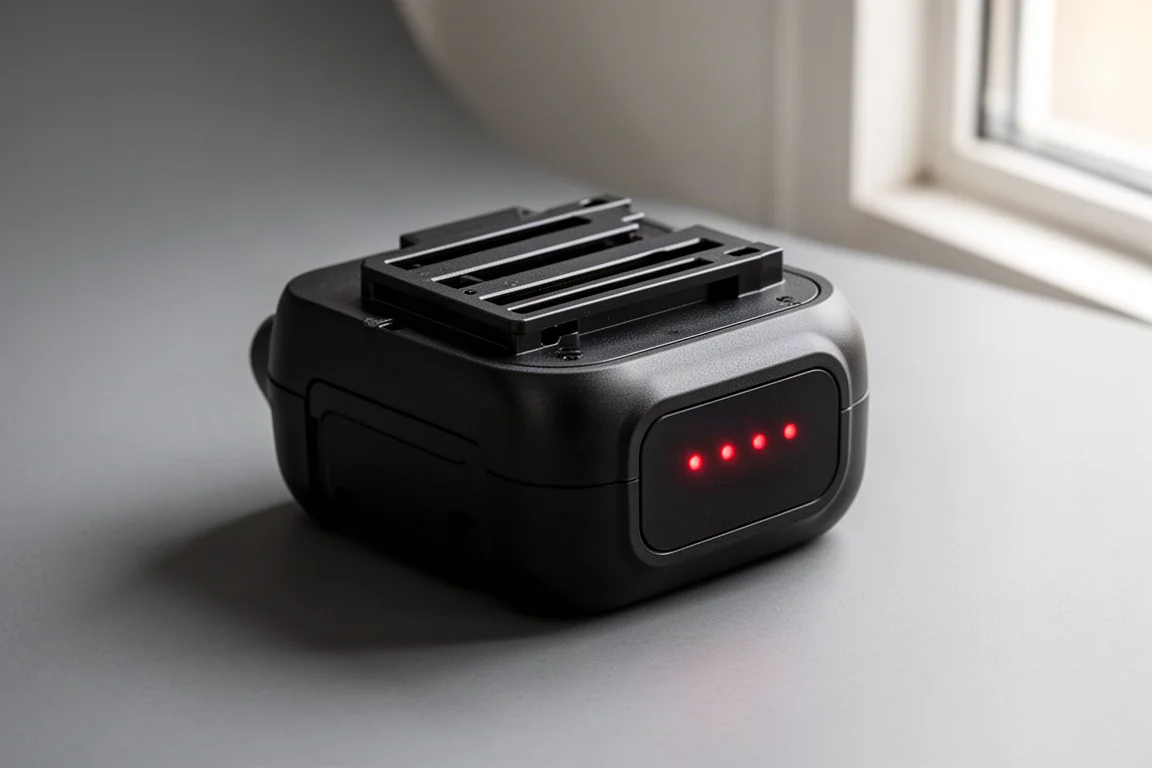
The BL1430B is a 3.0Ah 14.4V pack with the familiar four red charge indicator lights, the same style used on 18V packs. The naming here is worth knowing: the original packs had no battery indicator, and the B suffix was added when the indicators were introduced.
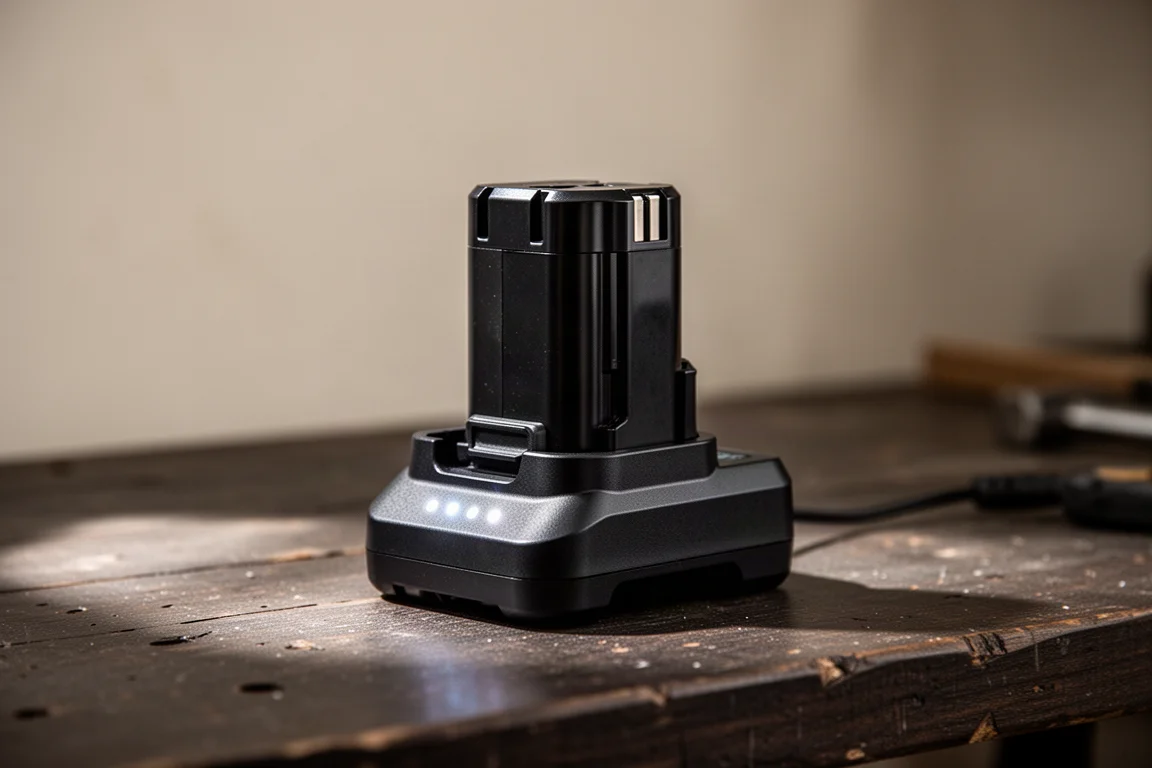
It charges on the same charger as your 18V batteries. The charger is labelled for 14.4 to 18V lithium-ion, so there is no need for separate charging hardware. One small difference: with a B-suffix pack, no lights come on when you place it on the charger unless you press the button.
The 18V Reference Point: BL1850B
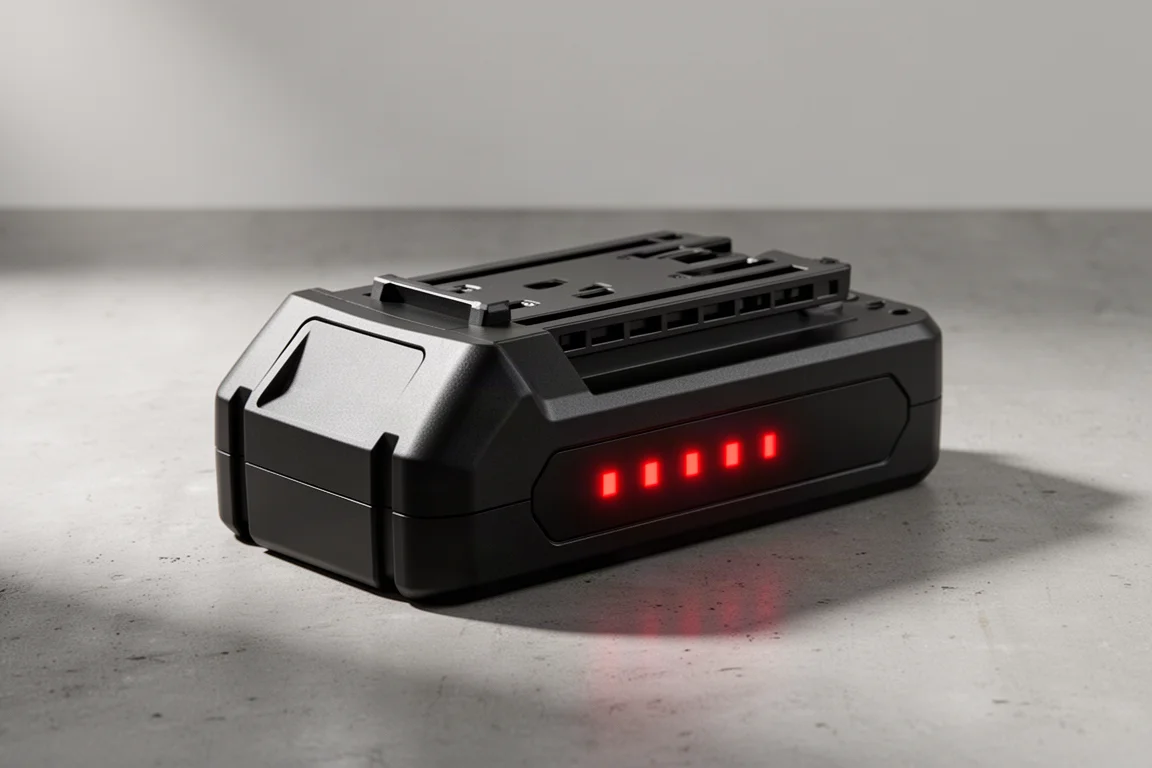
To judge the 14.4V packs fairly, it helps to have the standard 18V pack in mind. The BL1850B is an 18V LXT pack with two more cells than the 14.4V packs, which is why it is longer and heavier. Like the BL1430B, it uses red indicator lights and only shows charge on the charger when you press the button.
On a battery checker, a fully charged 18V pack reads up to 20.2V and cuts out around 15.6V when depleted. That full-charge reading is why some brands market their packs as 20V Max in certain markets. The BL1850B remains the baseline for power and runtime in the LXT range.
Can a 14.4V Battery Power an 18V Tool?
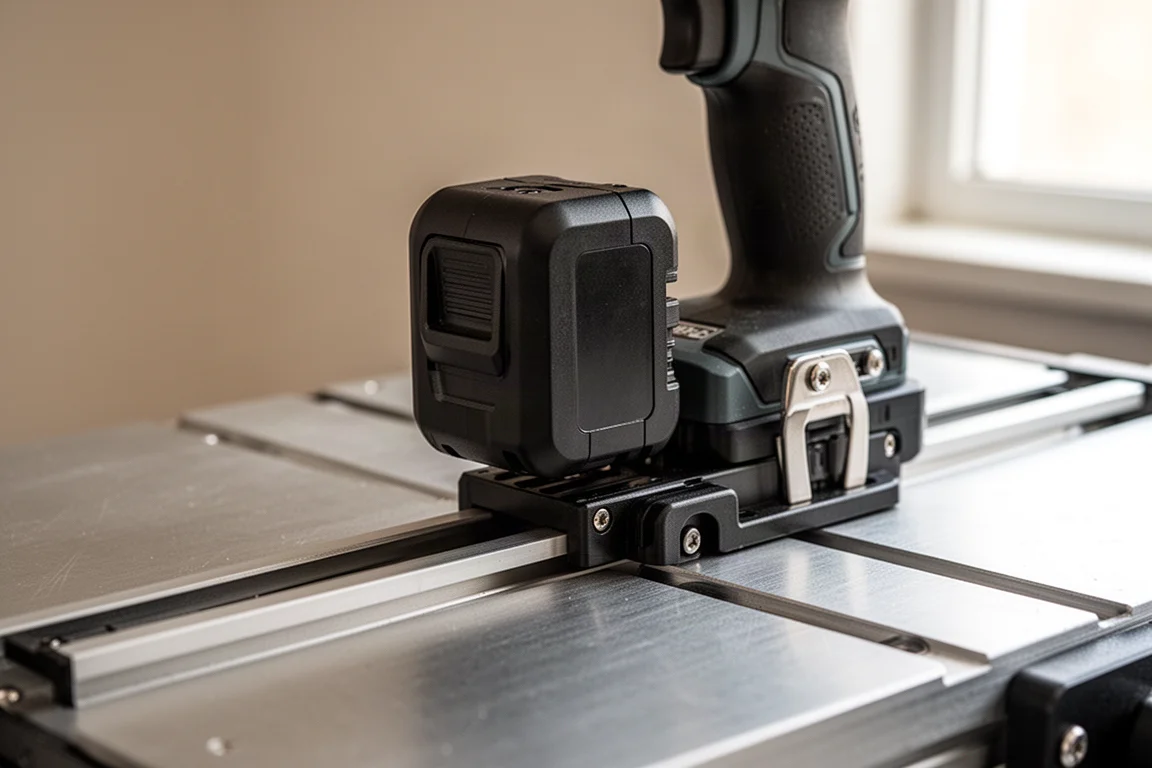
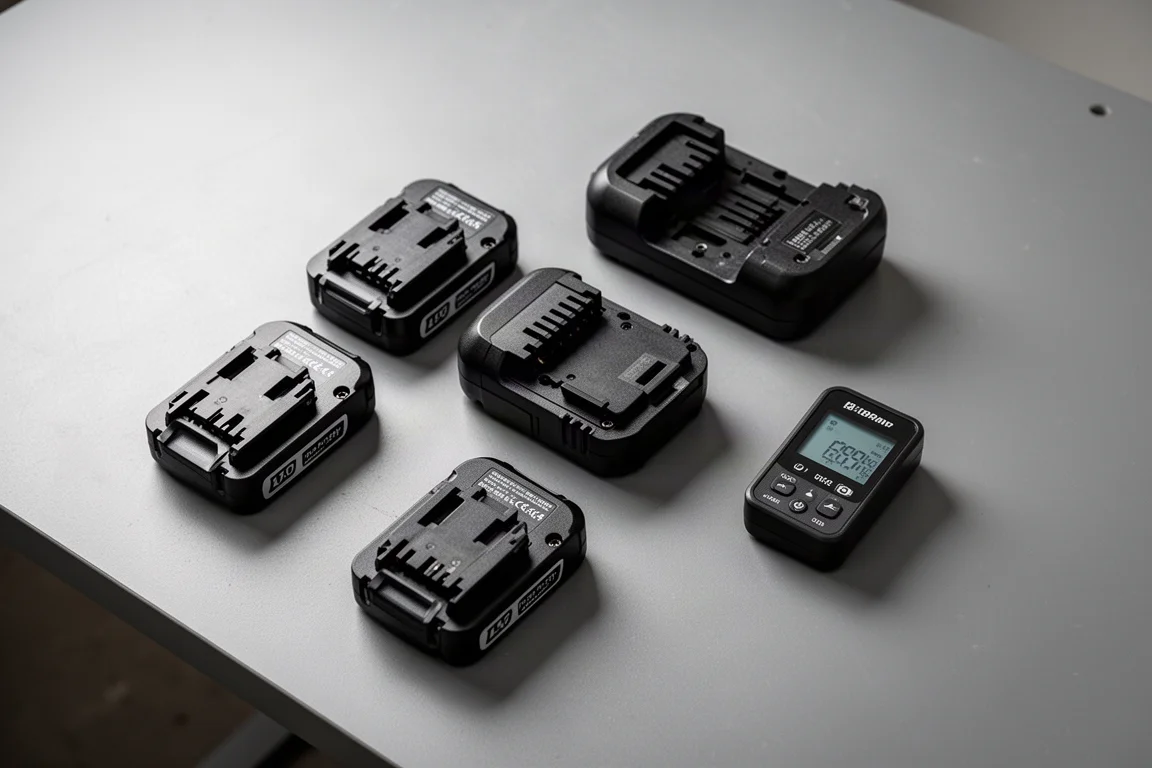
In most cases, yes. The 14.4V packs fit and drive many 18V tools, including circular saws, impact drivers, radios, lights, fans and even larger tools such as angle grinders. A freshly charged 14.4V pack reads 16.2V on a battery checker, which puts it in the ballpark of running an 18V tool.
There are trade-offs. On an 18V circular saw, the 18V pack delivered noticeably more power, and driving screws with a 14.4V pack took longer even though runtime felt roughly similar. Some 3.0Ah-sensitive tools are also a problem: a Starlock multi-tool refused to run on fully charged 3.0Ah packs, whether 14.4V or 18V, while it worked fine on 6.0Ah packs.
The reverse does not work cleanly. An 18V battery will not properly fit a 14.4V tool because the rails differ by just a couple of millimetres, and the small plastic latch on the tool catches on the higher rail piece. Forcing it can jam the pack, and this is not something to attempt.
Should You Still Buy 14.4V?
The 14.4V platform is still very active in Japan, where Makita sells many tools that the rest of the world gets as 18V, including a trim router. Elsewhere it tends to be limited to oddities such as vacuums, lights, and accessories for production tools.
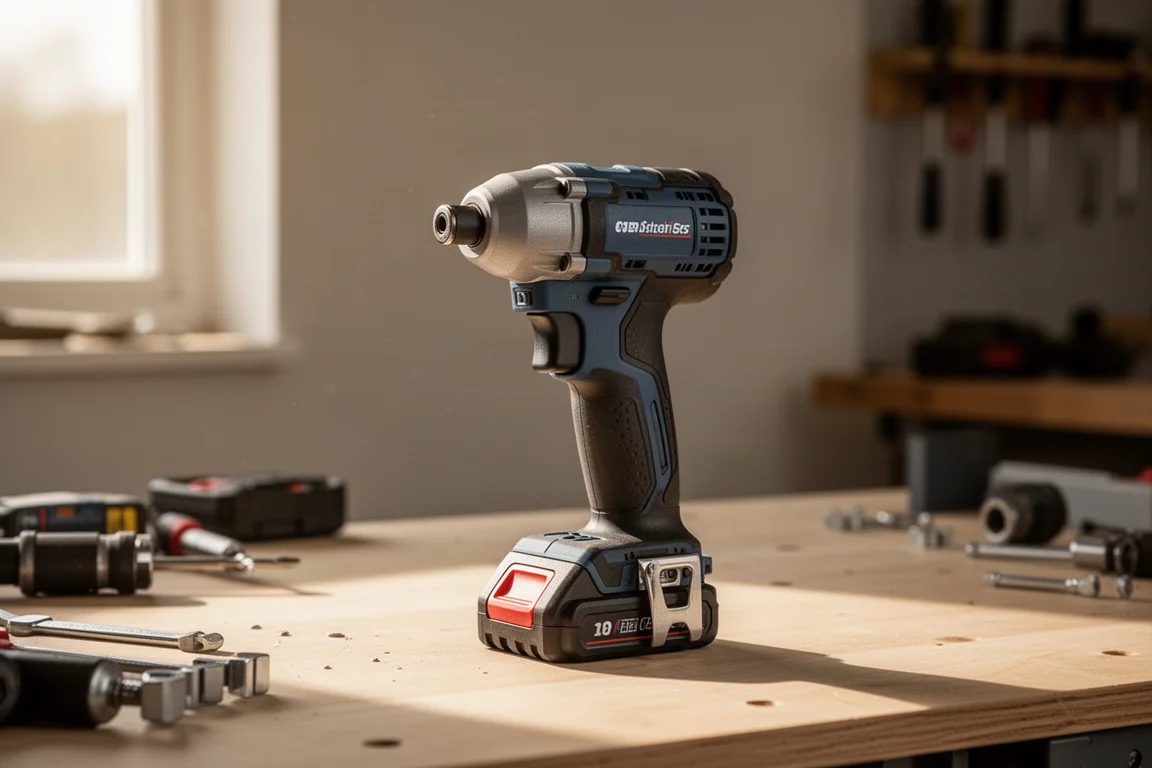
For everyday users, the appeal is real: you get fair grunt and runtime with less weight and a shorter pack that does not stick out the front of a compact tool. The A-suffix packs also add the always-on charge indicators and Auto Stop behaviour that many wish existed on 18V LXT batteries.
Conclusion
Makita’s 14.4V batteries are more interesting than they first appear. The BL1460A brings useful live-status features you will not find on standard 18V packs, the BL1430B is the straightforward compact option, and the BL1850B remains the benchmark for full-power LXT work. If you value a lighter, more compact tool and are happy to accept some power loss on demanding 18V tools, the 14.4V platform is still worth a look.
Further reading
Related Reviews

Power Tools
Best 1-Inch Pistol Impact Wrenches: Three Heavy-Duty Options Compared
We compare three 1-inch pistol impact wrenches, from a budget-friendly Harbor Freight model to a premium Caterpillar unit, to help you choose the right one.

Power Tools
Best 3/4-Inch Impact Wrenches 2026: Five Contenders Compared
We compare five 3/4-inch impact wrenches across price and performance, from a budget Amazon option to Snap-on's most powerful model yet.

Power Tools
Best Budget Cordless Tools 2026: Walmart Finds That Punch Above Their Price
We tested five cordless tools from Walmart, including a high-torque impact wrench that trades blows with Milwaukee and a $35 duster that outperforms its price class.