Power Tools
Makita 12V vs 18V Sub-Compact: Which Compact Tool Line Makes Sense for You?
A practical comparison of Makita's 12V tools and 18V sub-compact line, covering size, power, and which one to reach for on real jobs.
Introduction
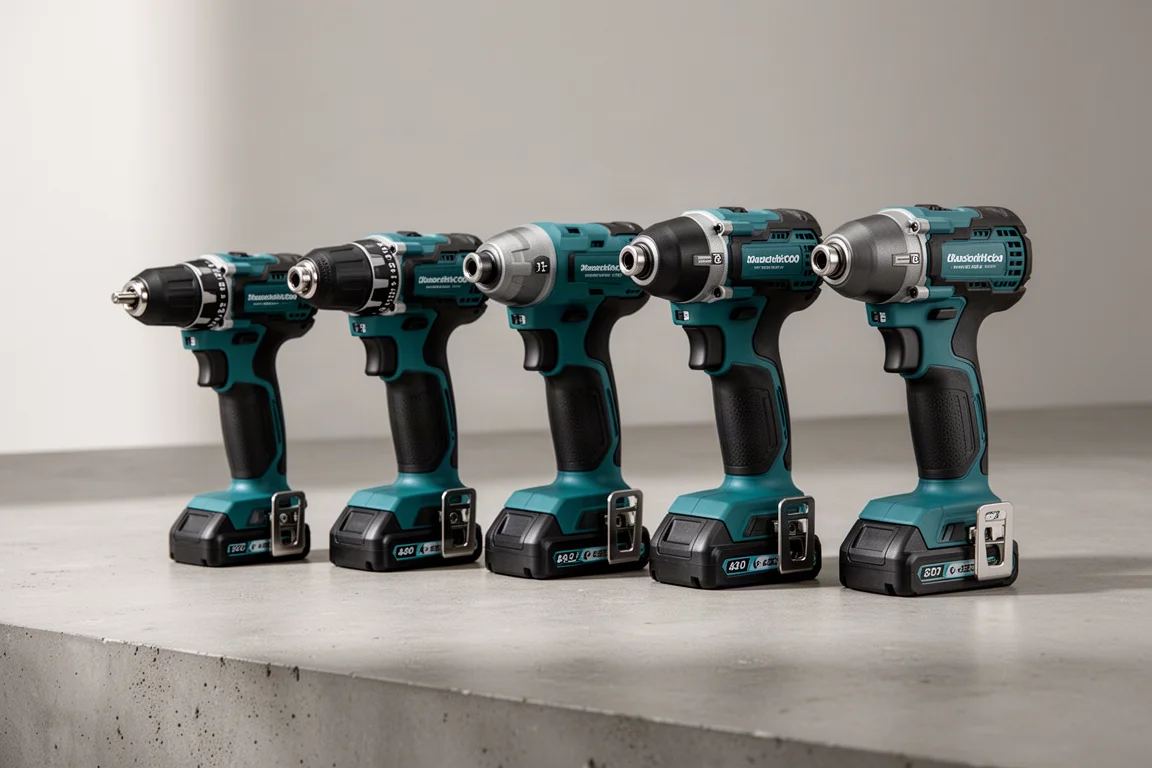
Compact cordless tools are in an interesting place right now. Most brands offer a full 12V line, and many are also pushing a sub-compact version of their 18V platform. That leaves buyers with a genuine question: should you go all-in on 12V, or start buying 18V sub-compact tools instead?
Having used both Makita lines side by side, the answer is less clear-cut than the spec sheets suggest. Each line has a reason to exist, and many people will honestly want one of each.
Size and Footprint: Where the Difference Starts
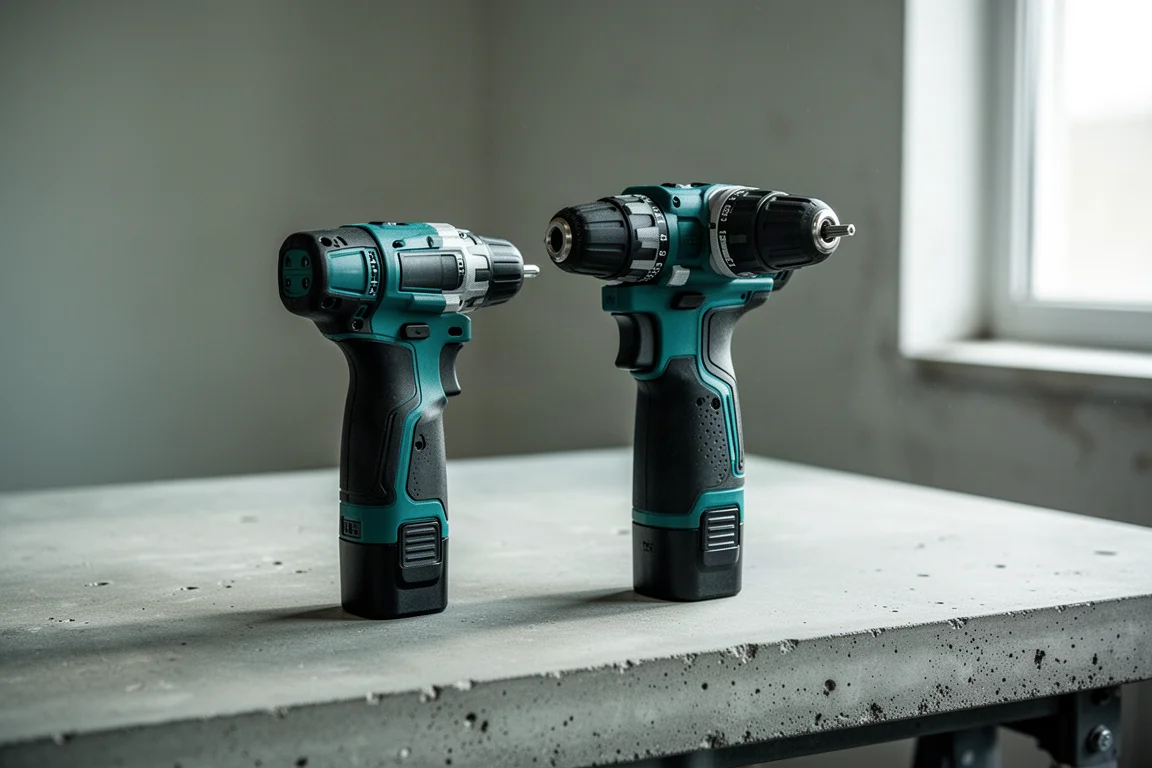
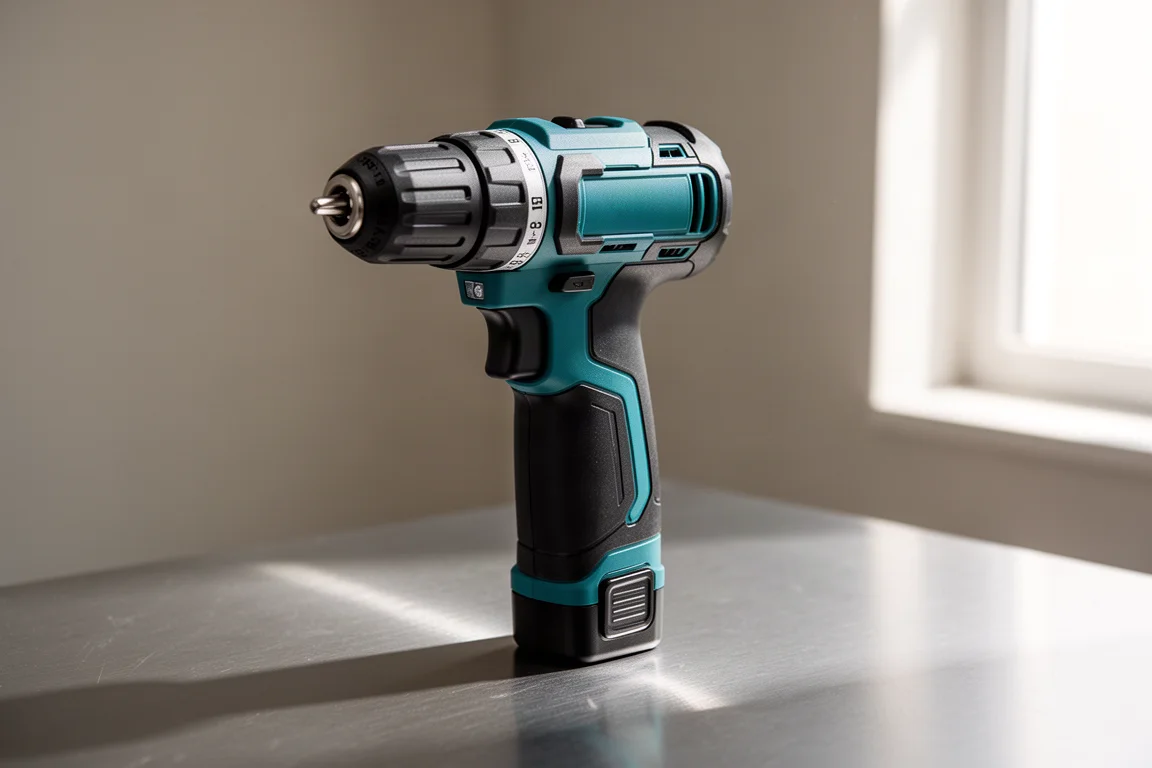
No matter how small a sub-compact tool gets, it cannot escape the footprint of its battery. Comparing the Makita 12V drill to the 18V sub-compact drill, the sub-compact is smaller by about an inch. But place the 12V battery next to the smallest 18V battery Makita makes, and the 12V pack is still clearly the more compact of the two.
That battery size is the real story. It is where most of the size savings live, and it is why 12V tools still squeeze into spaces an 18V sub-compact simply cannot.
Power: The 18V Advantage You Cannot Escape
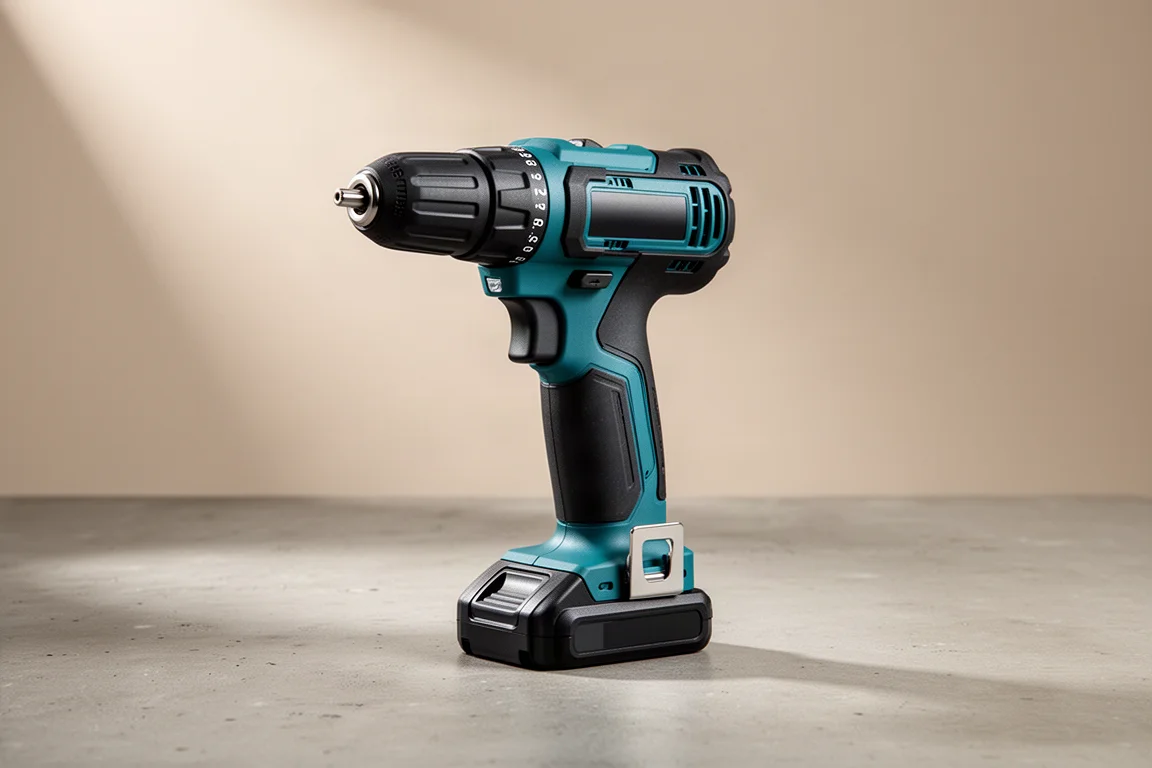
Power is the other side of the trade. There is 12V and there is 18V, and no amount of compact engineering changes that. The 18V sub-compact drill delivers noticeably more power than the 12V drill, even though it is the smaller-package line in Makita’s 18V family.
For light work such as drilling small holes for cabinetry, the difference may not matter much. But for anything demanding more torque, the 18V sub-compact pulls ahead, and you cannot really escape that.
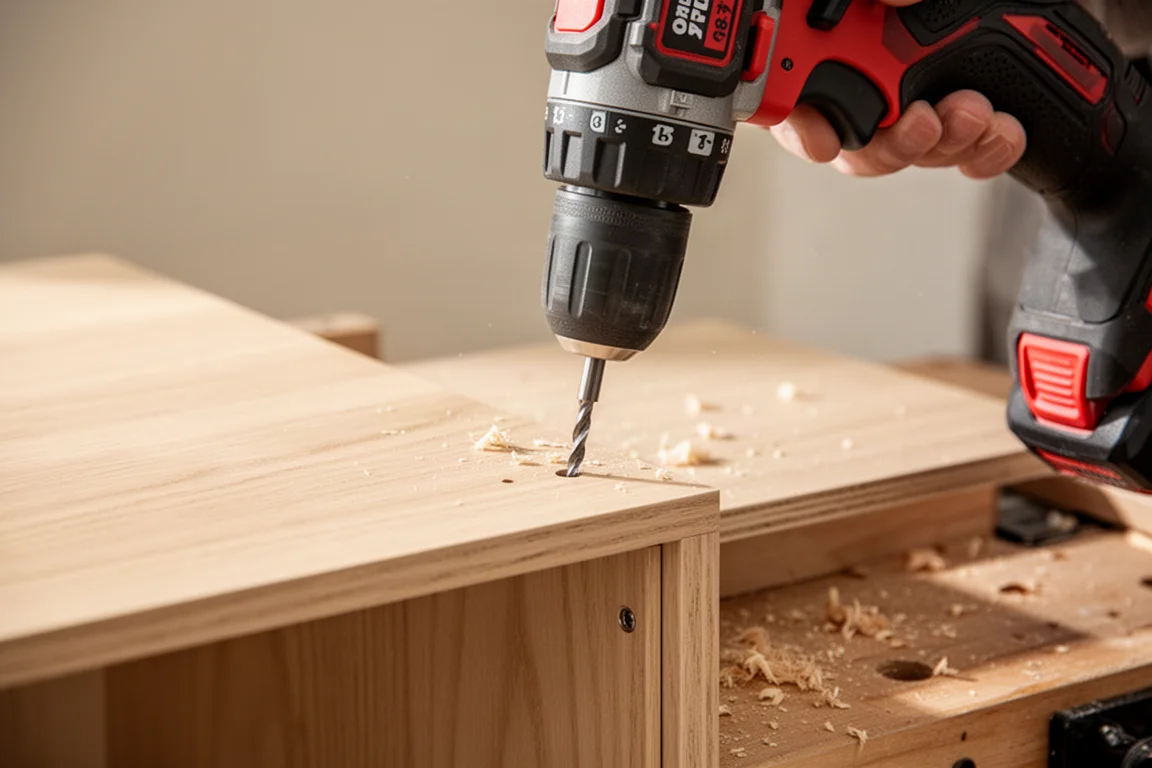
So which drill gets picked up often depends on the job: more power calls for the 18V sub-compact, while a smaller footprint calls for the 12V.
Impacts: A Surprising Price and Size Gap
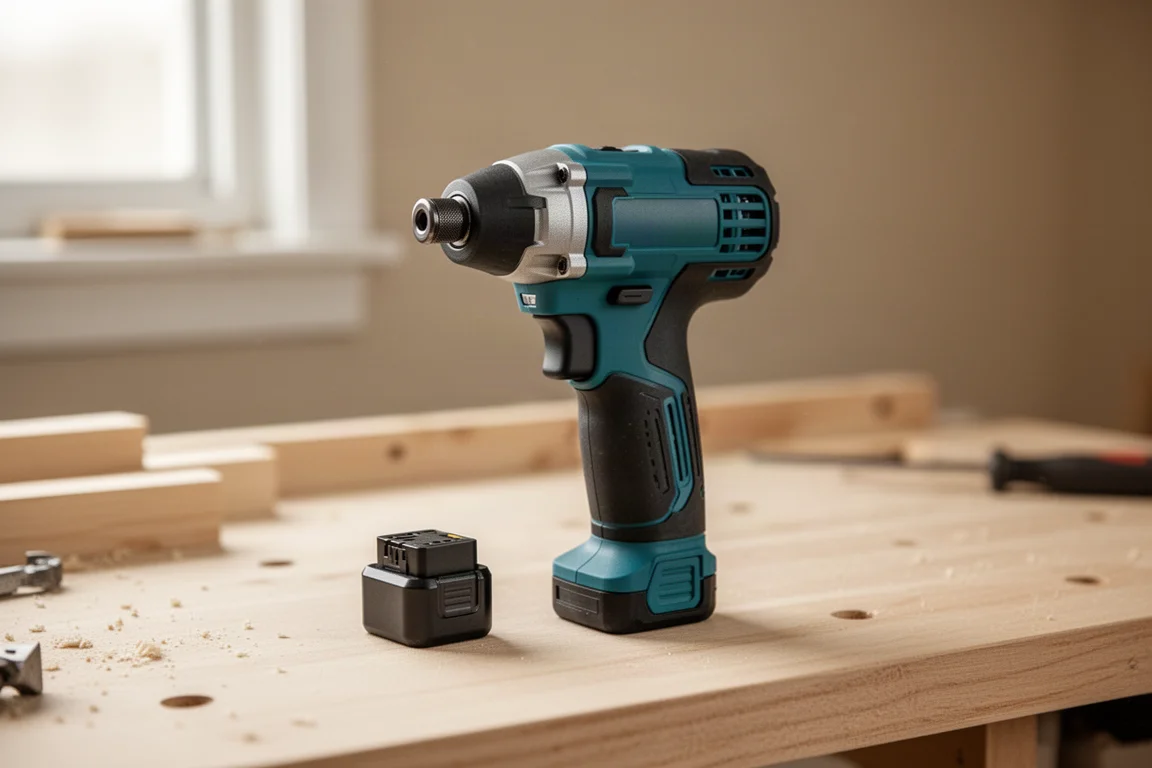
The impact driver comparison gets even more interesting. On one side, there is a smaller 3/8” impact on the 18V platform, which is brushless. On the other, a standard 12V 3/8” impact, which is brushed. The price gap between them is dramatic: the brushed 12V model was picked up on clearance in a plain box for $30 at Home Depot, while the brushless 18V sub-compact costs $129.
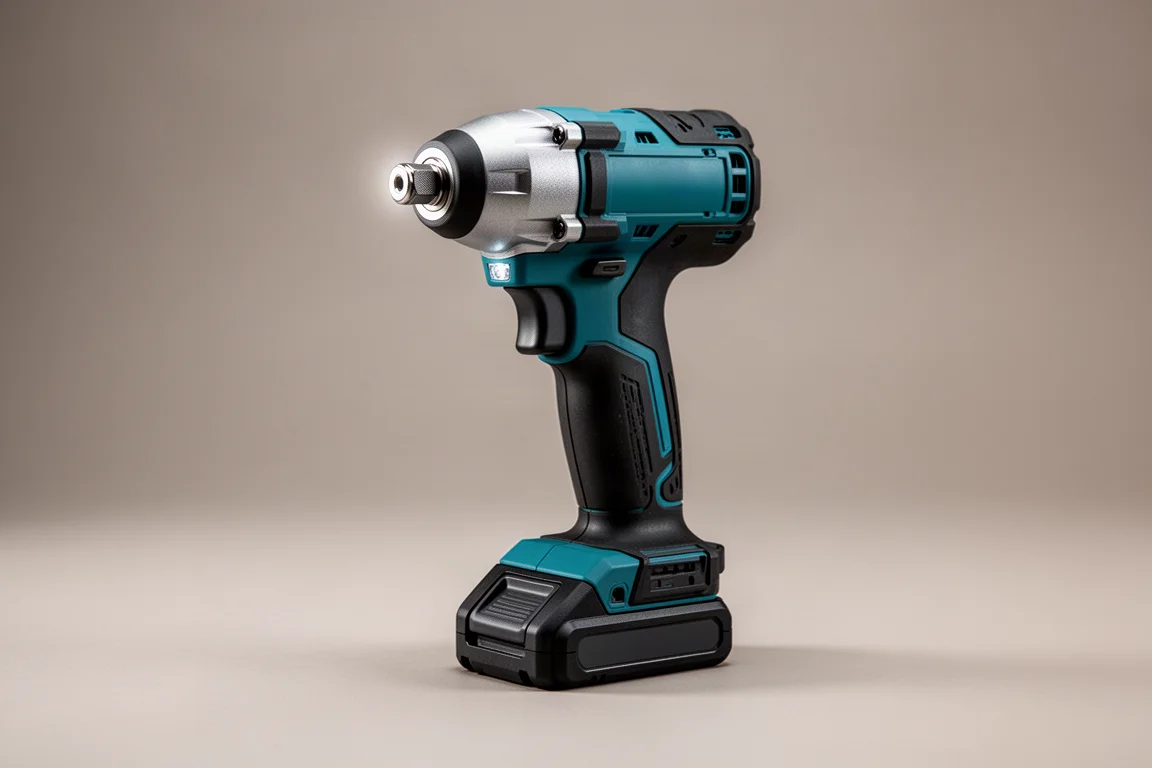
The brushless 18V sub-compact puts out considerably more power, offers different modes, and is about half an inch smaller than the 12V impact.
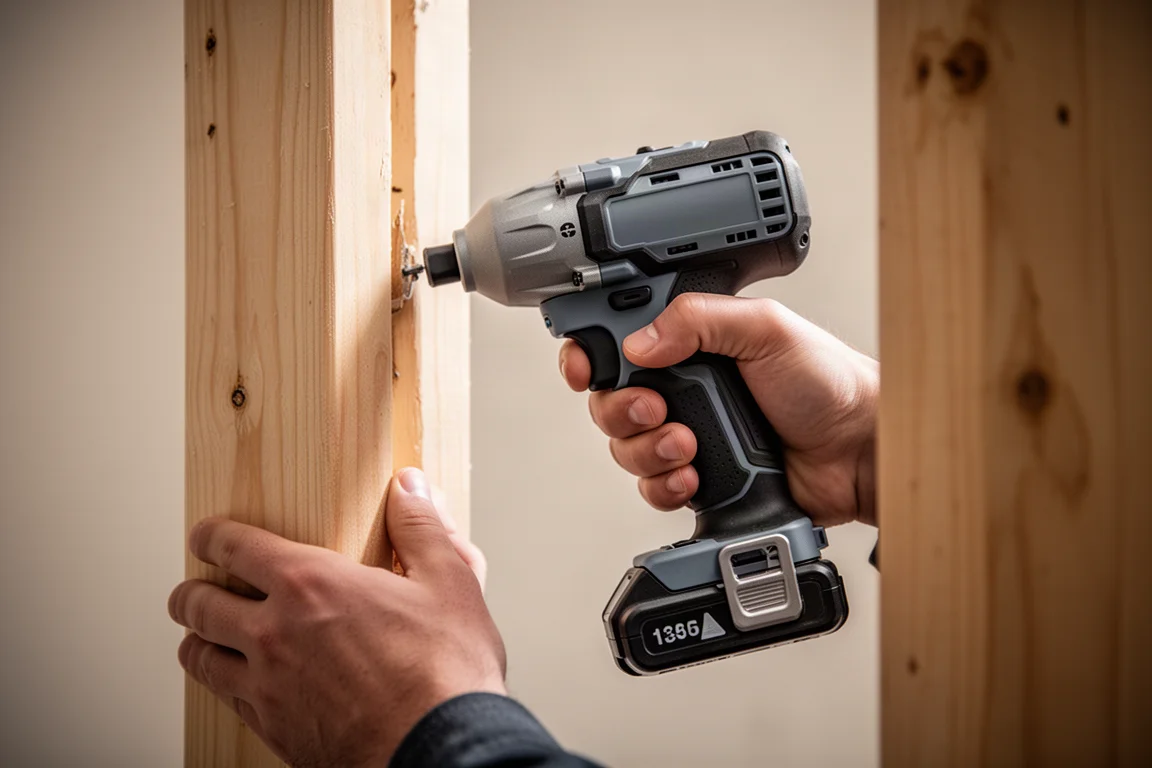
Still, the 12V impact sees significantly more use. Because the battery is so small, it slides into tighter spaces than the 18V version can. It behaves almost like a cordless ratchet in tight spots, which makes it a genuinely useful problem-solver.
Buying Advice: Which One Should You Pick?
There is no single right answer here. If your work leans toward tight, fiddly spaces, the 12V tools reward you with their small batteries and ratchet-like maneuverability. If your work leans toward more demanding fastening and drilling, the 18V sub-compact line delivers the power you need in a package that is still far smaller than a full-size 18V tool.
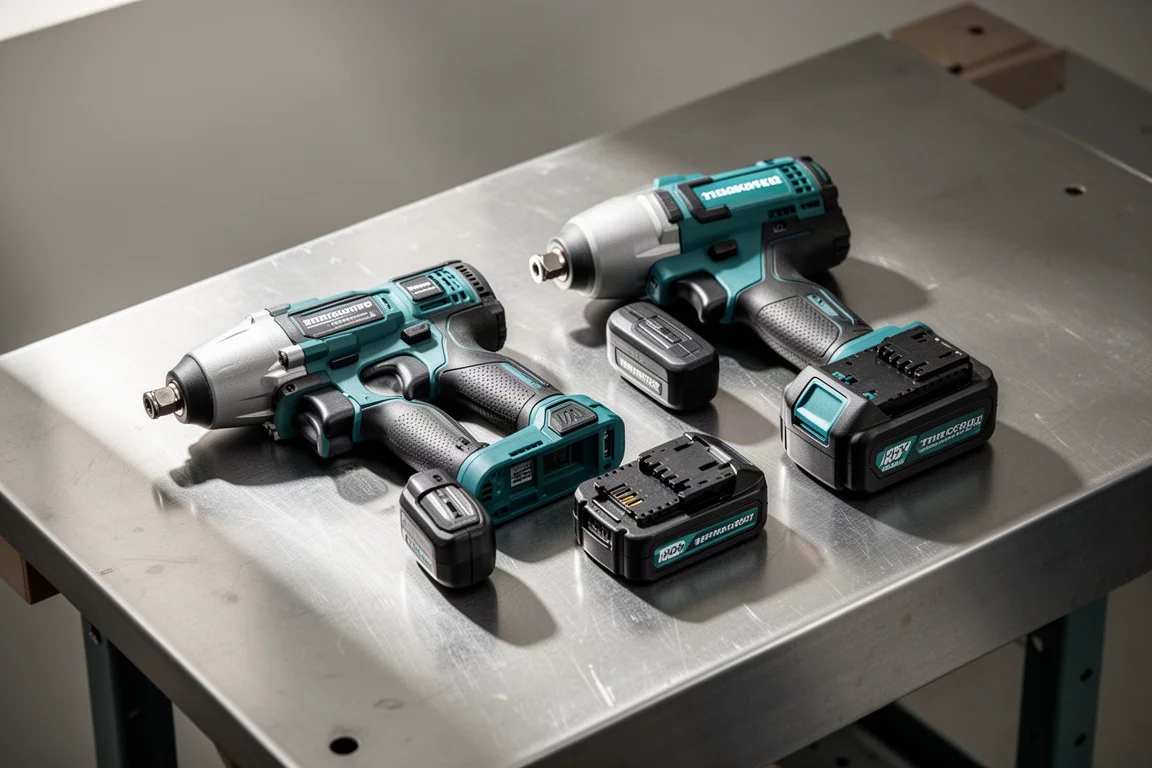
One honest suggestion: consider buying one of each. Live with both for a while, and depending on the jobs you actually do, you may find yourself reaching for one line or the other consistently. It really could go either way.
Conclusion
Makita’s 12V and 18V sub-compact lines overlap less than their marketing suggests. The 12V line wins on battery footprint and access to tight spaces, while the 18V sub-compact line wins on power without giving up much size. Match your choice to your typical jobs, or own both and let each one handle what it does best.
Further reading
Related Reviews

Power Tools
Best 1-Inch Pistol Impact Wrenches: Three Heavy-Duty Options Compared
We compare three 1-inch pistol impact wrenches, from a budget-friendly Harbor Freight model to a premium Caterpillar unit, to help you choose the right one.

Power Tools
Best 3/4-Inch Impact Wrenches 2026: Five Contenders Compared
We compare five 3/4-inch impact wrenches across price and performance, from a budget Amazon option to Snap-on's most powerful model yet.

Power Tools
Best Budget Cordless Tools 2026: Walmart Finds That Punch Above Their Price
We tested five cordless tools from Walmart, including a high-torque impact wrench that trades blows with Milwaukee and a $35 duster that outperforms its price class.