Food & Kitchen
Make It or Buy It: Butter, Pesto and Hummus Compared
Three everyday staples put to the test against premium and mid-range store-bought alternatives to see which are worth making at home.
Introduction
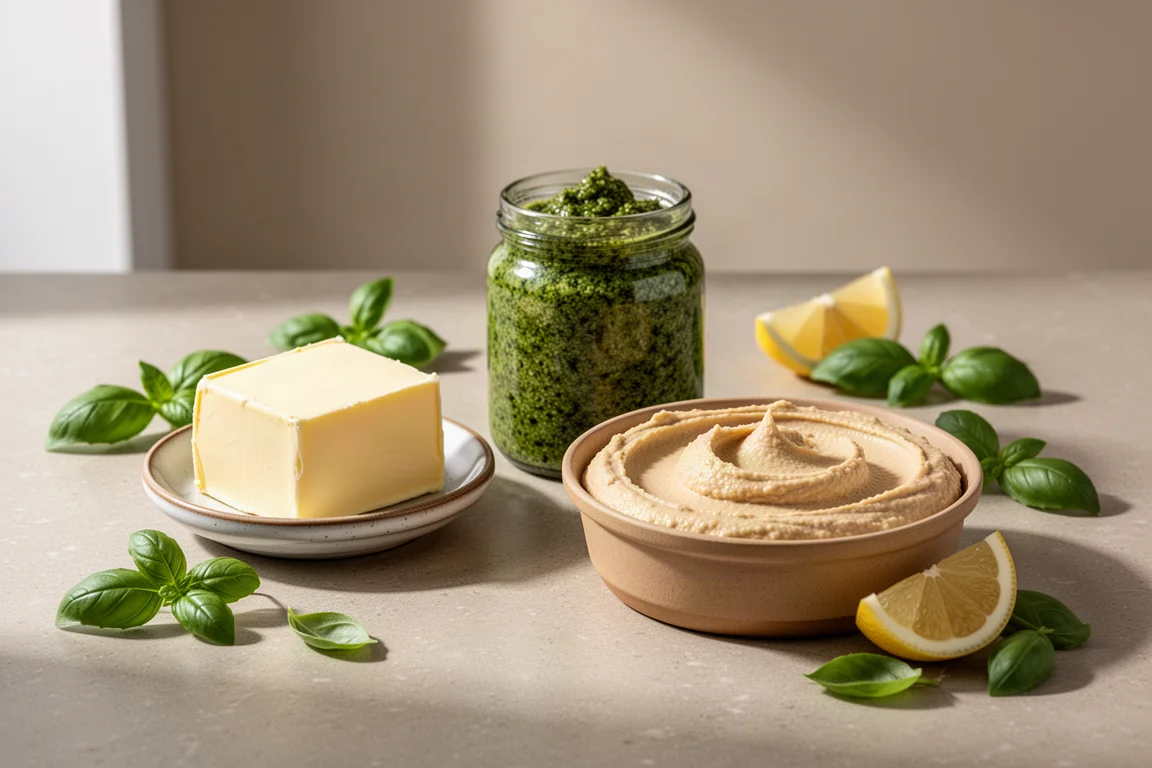
Some foods are clearly better made from scratch, and others are clearly better left to the professionals. To settle the debate for three everyday staples, home cooks and a chef compared homemade versions against store-bought alternatives: hand-churned butter versus a premium French butter, fresh basil pesto versus a shop-bought jar, and quick blender hummus versus a mid-range supermarket tub. Time, effort, cost and taste were all weighed before placing each one on the make-it-or-buy-it scale.
Butter: A Fun Project, Not a Money Saver
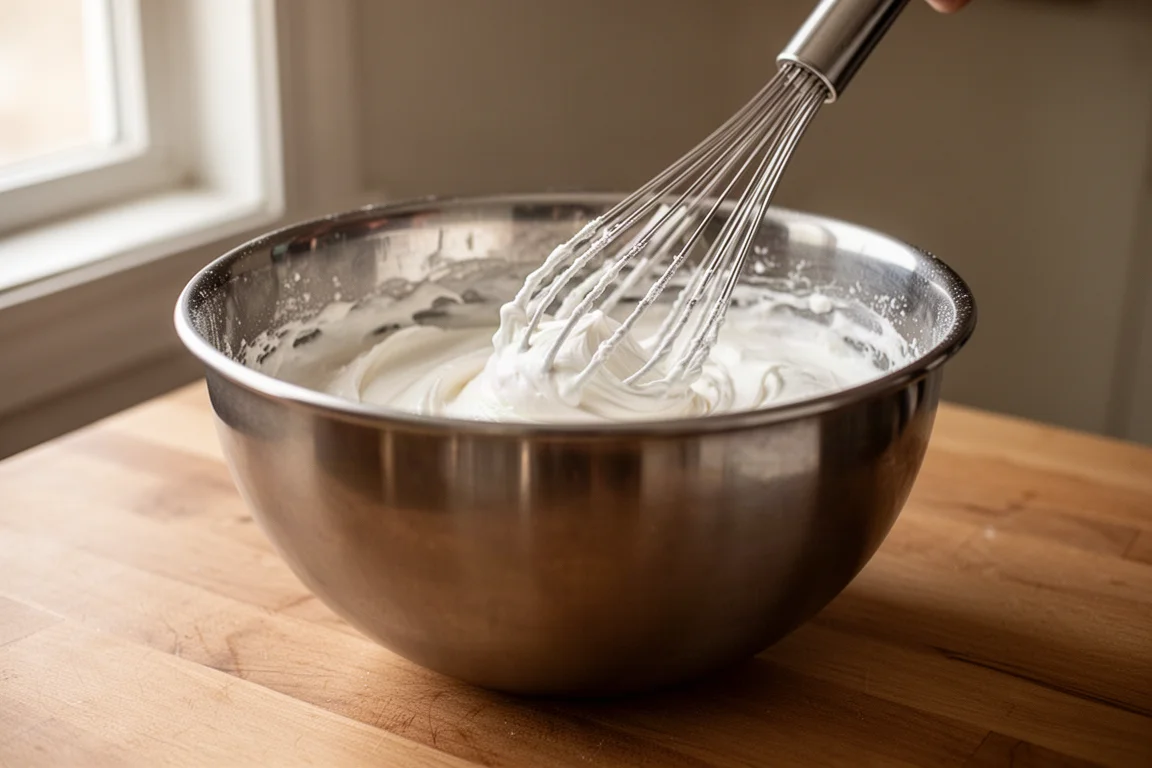
Homemade butter is simpler than most people expect. The process starts with 750ml of double cream, ideally slightly warmed so it splits more easily, whisked by hand until it goes past whipped cream, turns crumbly, and finally separates into yellow butterfat and semi-translucent buttermilk. That split took around three minutes and 50 seconds of whisking, with the full process, including washing, squeezing in muslin and shaping in ice-cold water, coming in at just over eight minutes total.
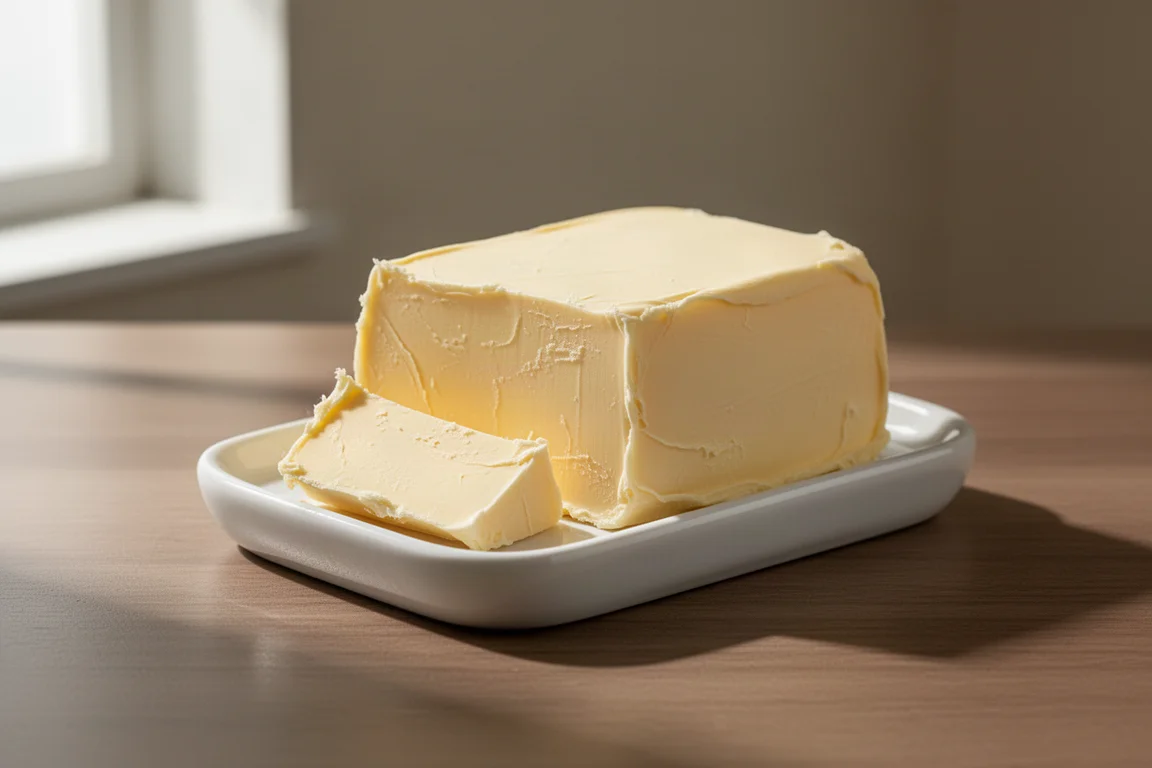
The comparison point was Beurre D’Isigny unsalted butter, a cultured French butter where the milk is slightly fermented for a deeper, more farmyard flavour. Tasted side by side, the homemade version was judged to be on par in quality: the store-bought option was a little lighter, creamier and funkier thanks to the culturing, but the homemade butter was rich, creamy and good enough to serve to the poshest guests.
The deciding factor is price. A 250g pack of the store-bought butter costs £3.90, while making 250g at home from the luxury cream used here cost £6.24 in ingredients. Leftover buttermilk can go into marinades, dressings or a seasoned dip, but it will not claw the money back. The verdict: buy it, and save the hand-churning for a fun one-off, perhaps with cheaper cream or as a flavoured garlic or harissa butter where the cream’s quality matters less.
Pesto: Homemade Wins This Round
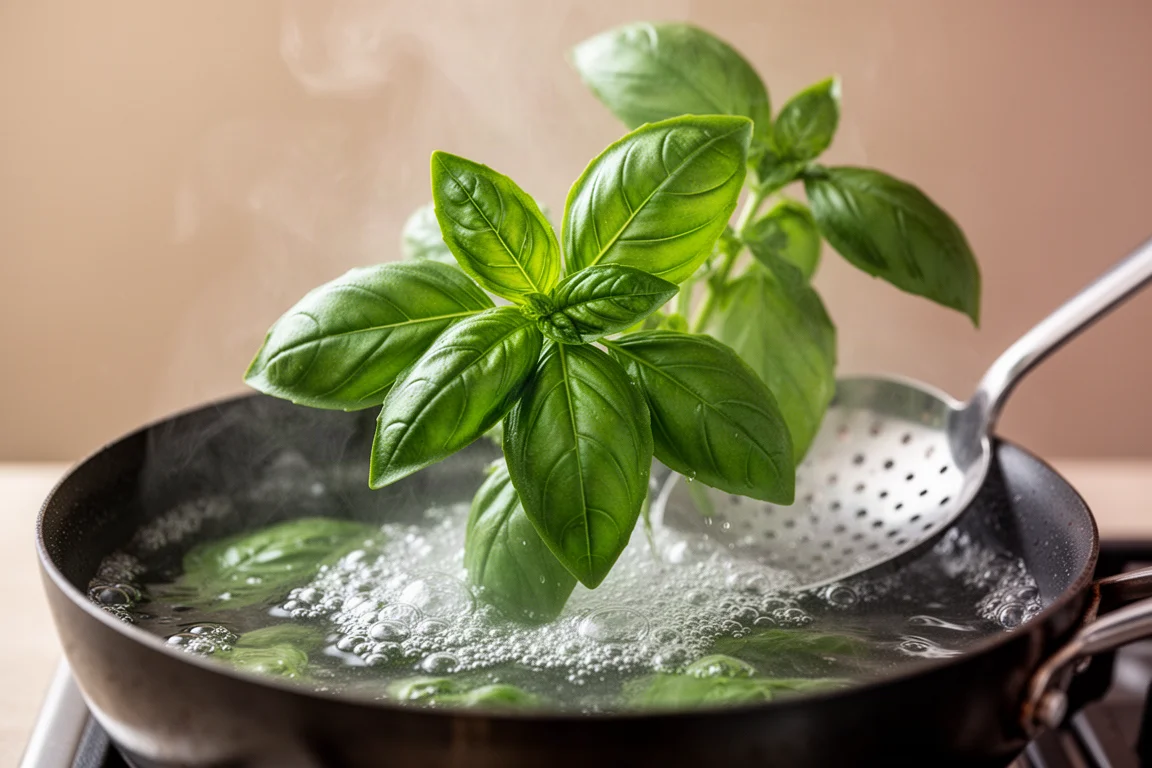
The global pesto sauce market was estimated at $4.2 billion in 2024 and projected to reach $5.2 billion by 2030, so plenty of people are buying it. But the homemade version made here used a clever trick: blanching the basil, stalks and all, in boiling salted water for 30 seconds before refreshing it in cold water. That locks in the chlorophyll and keeps the pesto a vibrant green rather than the dull grey of many shop-bought jars, and it stays green for weeks or months in the freezer.
The homemade pesto blended up in about 20 seconds with Parmesan, olive oil, pine nuts and a chunky clove of garlic, using mid-range ingredients. The result was punchy with raw garlic, heavy on the cheese, with the creaminess of olive oil rounding it out, and no extra salt needed because the Parmesan does that job.
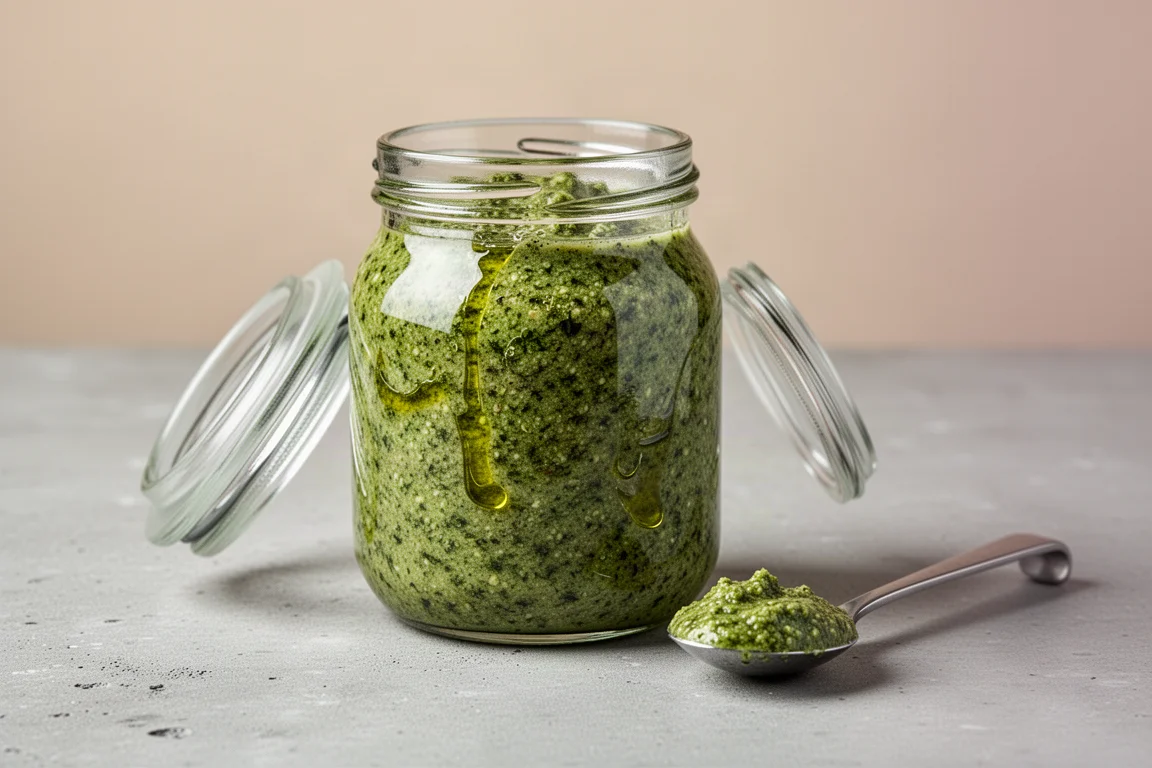
The store-bought comparison was Filotea Genovese pesto, described as the fanciest non-refrigerated shop-bought option, made with basil, olive and sunflower seed oils, pine nuts, cashew nuts, bamboo fiber, garlic, Grana Padano, Pecorino, salt and acids. It is delicious, better seasoned, with a crumblier texture from the cheese that coats a spoon beautifully and reacts really well over hot pasta. What it lacks is the freshness of the homemade batch.
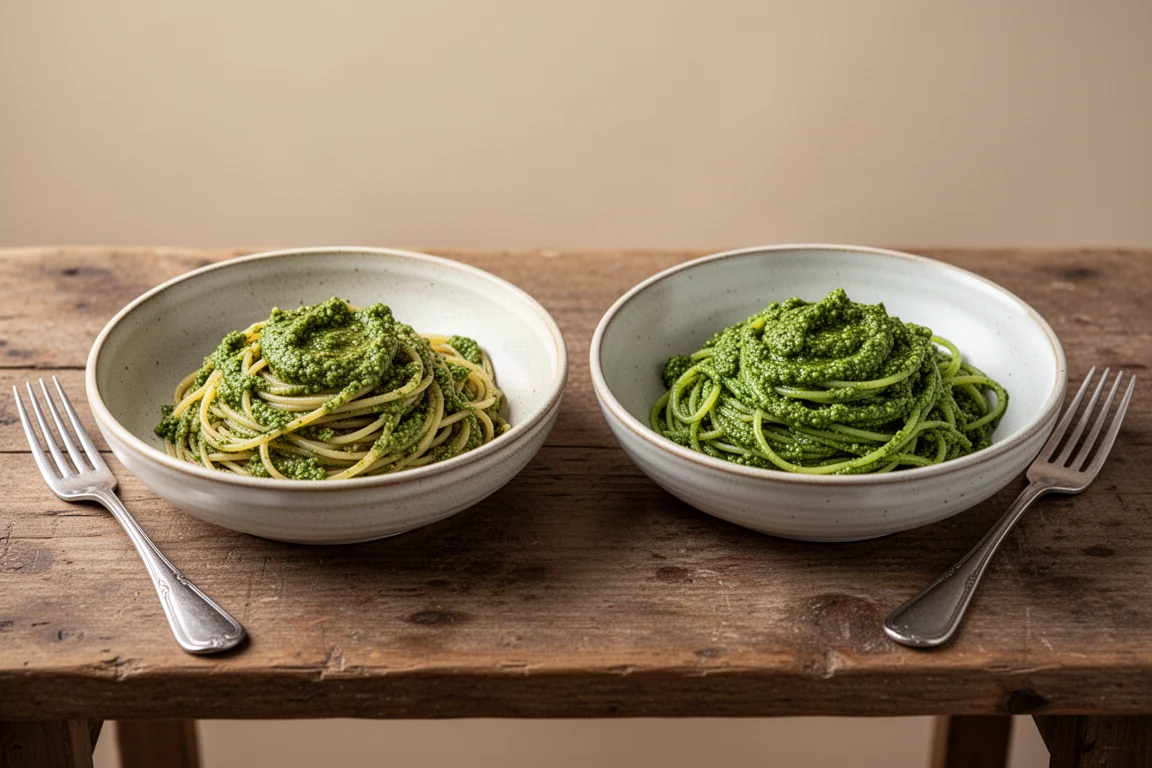
On taste over hot pasta, the homemade version won the tasters over completely. On price, homemade also won: 100g of homemade pesto cost £2.95 in ingredients, against £5.50 for a 130g jar of the store-bought version. On the make-it-to-buy-it scale, the panel went fully to the homemade side, with one convert declaring they did not know why they would buy pesto again, especially since a handful of ingredients lets you tailor the garlic and basil levels to your own taste.
Hummus: The Closest Call
Brits spend £170 million per year on hummus, and it is now so popular that the Office for National Statistics uses it to calculate UK inflation. The homemade version here is deliberately not the silky-smooth restaurant kind: tinned chickpeas, half a clove of garlic, a whole lemon’s juice, rich tahini, salt and pepper, blended for about a minute into a standard dip for pita chips.
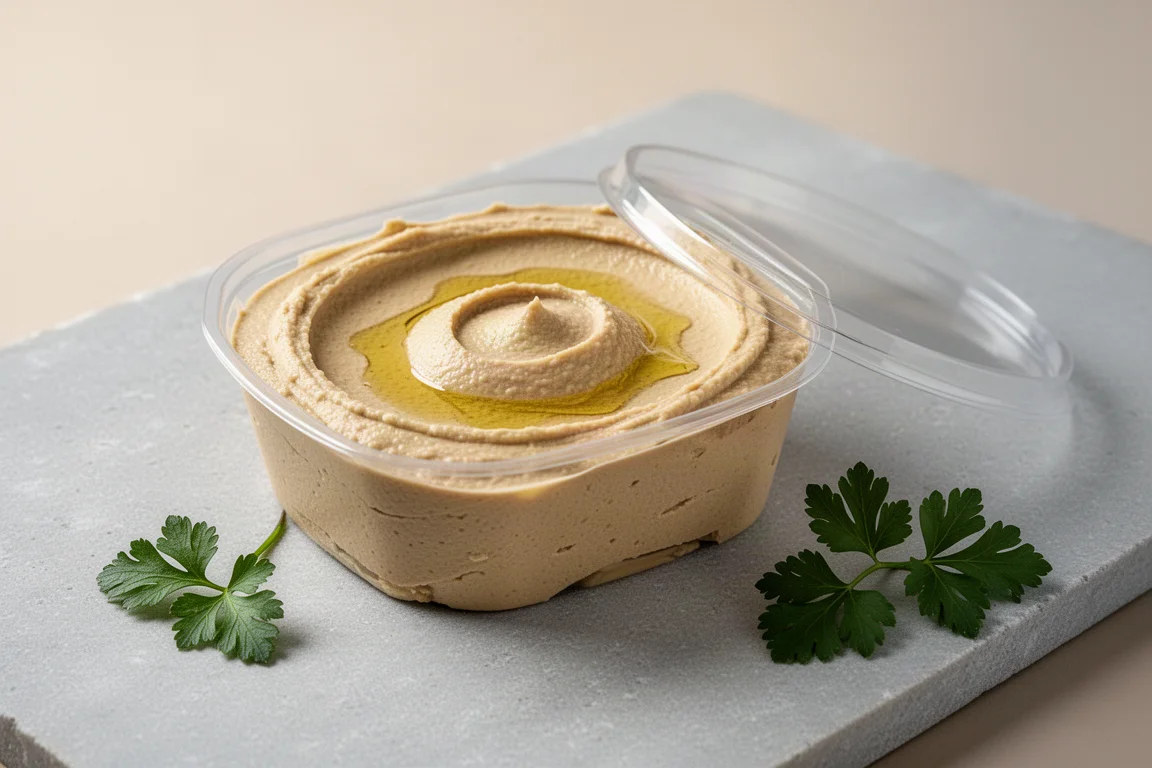
The comparison was Ocado regular hummus, a mid-range supermarket tub costing £1.40 for 200g, or 70p per 100g. Homemade came in at 63p per 100g, so there is only 7p in it. Tasted side by side, the store-bought version had noticeably more flavour, likely from a higher tahini content, giving it a nuttier edge, while texturally the two were fairly similar and neither was super smooth.
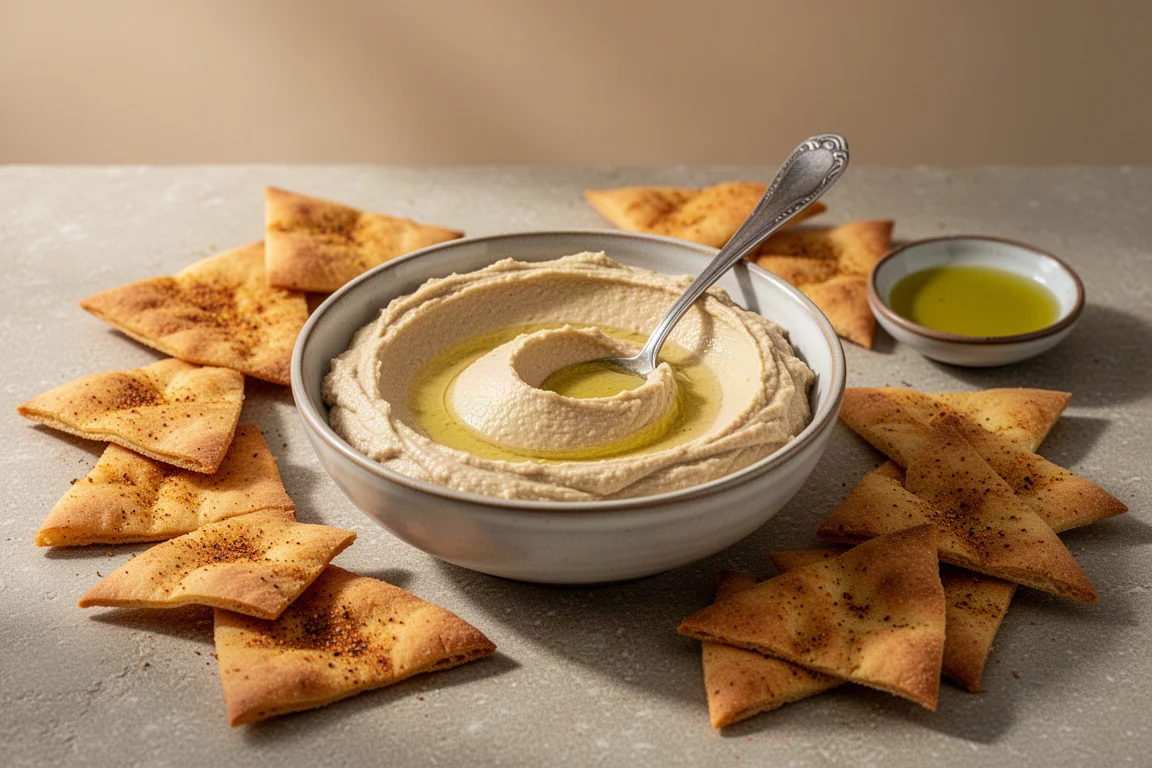
The honest conclusion is that with this style of hummus, the flavour mostly comes from what you dip into it. Spiced pita chips provide the hit, and the hummus is a soft, creamy vehicle rather than the hero of the dish. You can absolutely make a better hummus at home by blending longer, soaking your own chickpeas with bicarbonate of soda, using ice for smoothness, and adding ingredients like sumac, but that takes extra steps, knowledge and testing.
On the make-it-to-buy-it scale, the panel split: one taster would keep buying the store-bought tub because it costs the same, another wanted to invest in good tahini and make a better version whenever they want, and the overall position landed in the middle. If you are making the basic version, just buy it. Only bother making hummus if you are going all-in on the best version you possibly can.
Overall Buying Advice
The pattern across all three is that making staples at home is not complicated and not expensive, but it does take up mental capacity: having the ingredients, knowing the process, and finding the time. Butter makes sense to buy at £3.90 versus £6.24 for the equivalent homemade batch. Pesto makes sense to make, at £2.95 per 100g versus £5.50 per 130g jar, with better freshness and colour. Hummus is effectively a draw on price, so the choice comes down to how much effort you want to invest for a better result.
Conclusion
Buy the butter, make the pesto, and treat hummus as a toss-up unless you are ready to go all-in on a truly great version. All of the store-bought options tested were genuinely good, but where homemade delivered both better taste and better value, the extra effort paid off.
Further reading
Related Reviews
Food & Kitchen
Apple Products Worth Knowing: From Applesauce to Hard Cider
Applesauce, apple butter, cider, hard cider, apple cider vinegar, and apple juice compared, with two picks that stand out.

Food & Kitchen
Best Bone Broth, Chicken Stock, and Chicken Base: Four Kitchen Staples Worth Knowing
Four warmed-and-tasted pantry staples compared: two bone broths with notably more protein, a classic chicken stock, and a convenient chicken base.
Food & Kitchen
Best Box Brownie Mixes: Four Standouts Worth Baking
We tested popular box brownie mixes for chocolate flavor, texture, and that crackly top. Here are the four that rose to the top of the pan.