Tool Accessories
Magnetic Tool Mat Comparison: Icon vs Ulsa Tools
A hands-on look at two magnetic tool mats, with a simple lift test to see which one actually holds wrenches and sockets in place.
Introduction
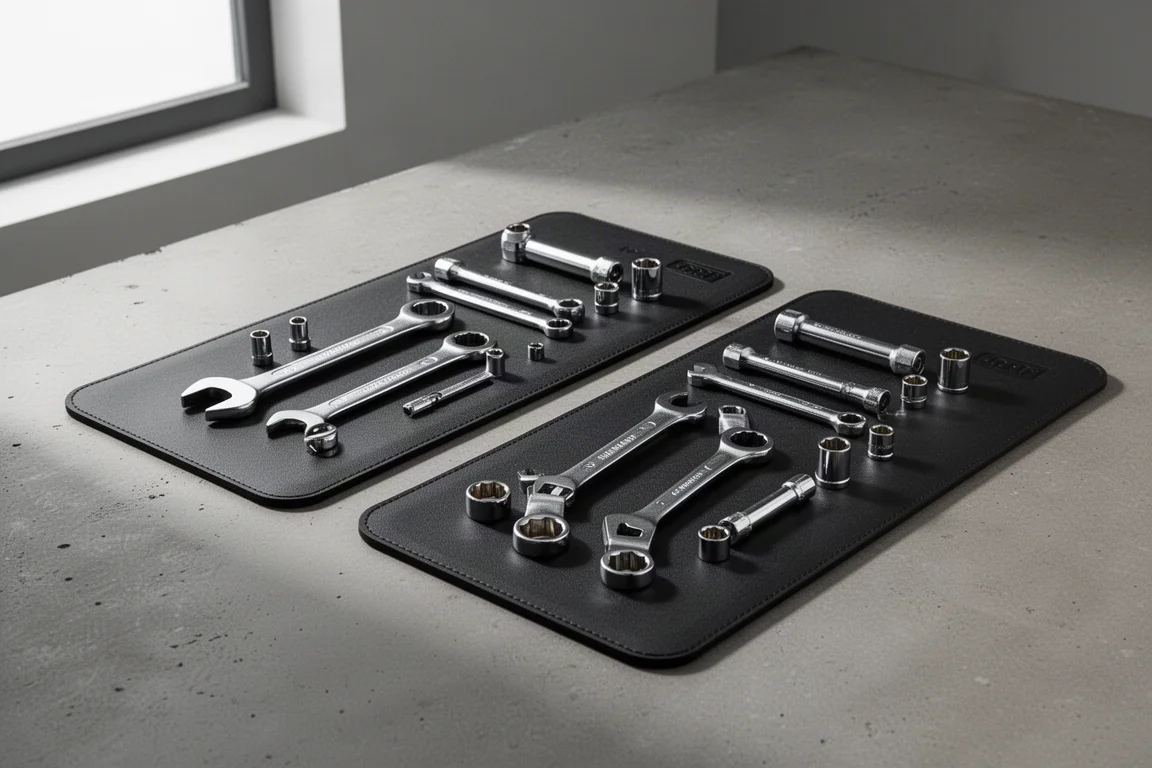
Magnetic tool mats are one of those workshop accessories that sound simple until you use a bad one. The whole point is that bolts, sockets, and wrenches stay exactly where you put them, and that the mat itself can hold onto a steel surface. In this comparison we look at the Icon magnetic tool mat and the Ulsa Tools magnetic tool mat, both of which appear to come from the same OEM design, and run a straightforward test to see how their magnetic strength holds up in practice.
The Simple Lift Test
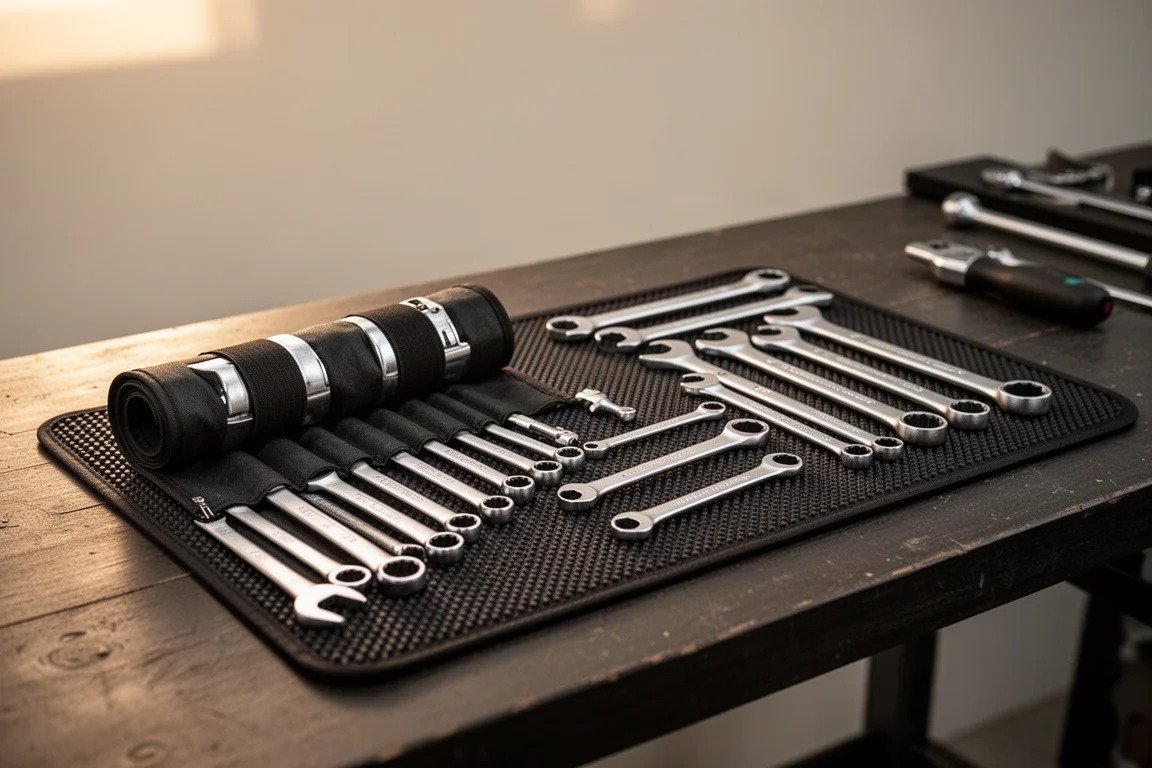
The easiest way to judge a magnetic mat is a lift test: place a wrench on the mat and see whether you can pick the whole mat up with it. That is the baseline most people use, and it is a reasonable one. It tells you the mat has enough magnetic grip to hold small tools and attach itself firmly to a steel bench or panel.
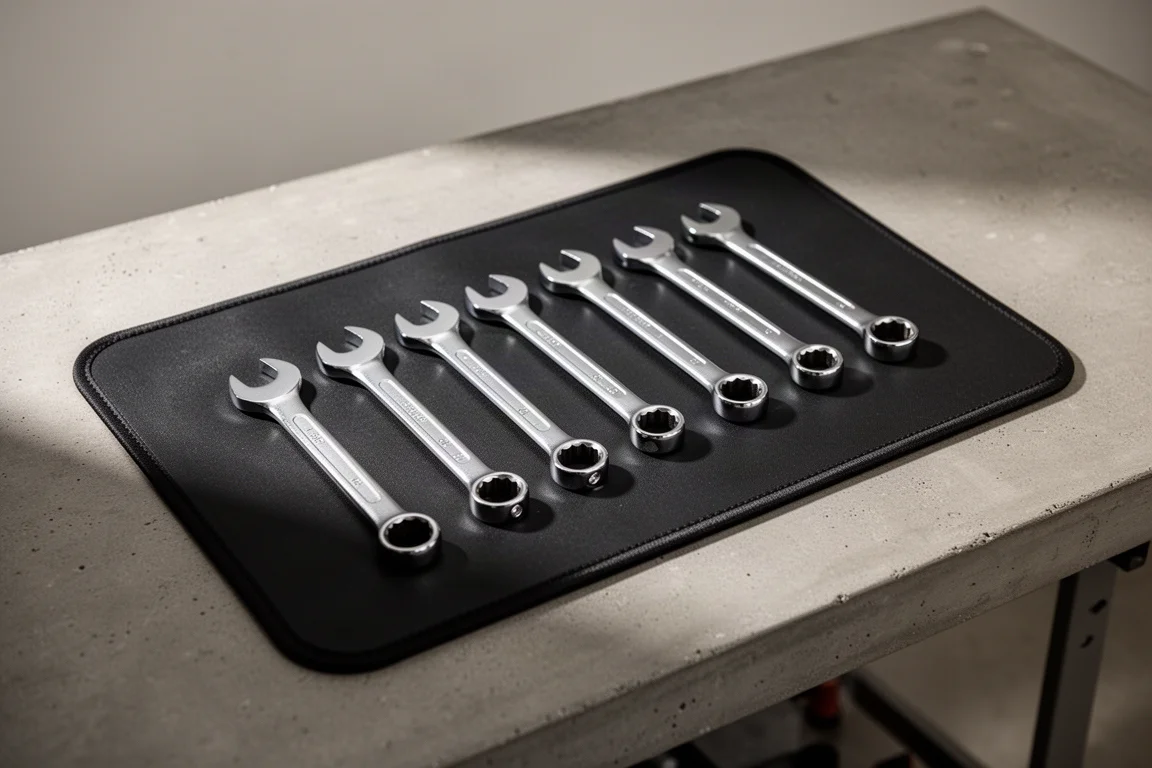
The first Icon mat we tested performed poorly here. With a wrench in place, lifting the mat produced almost nothing, with only a single small bit staying attached. Everything else slid right off. This is worth flagging because a dud unit can happen with any mass-produced tool accessory, and it is a good reminder that if a product performs dramatically below what everyone else reports, you may simply have received a defective one.
Two Mats, Nearly Identical
The Ulsa Tools mat looks almost identical to the Icon mat, and it appears to share the same OEM origin. That matters here because it set the expectation for what the Icon mat should do. The Ulsa mat holds tools firmly, keeps them in place even when the mat is tilted, and passes the lift test without drama. If two mats share the same construction, one performing drastically worse than the other strongly suggests a defective unit rather than a design flaw.
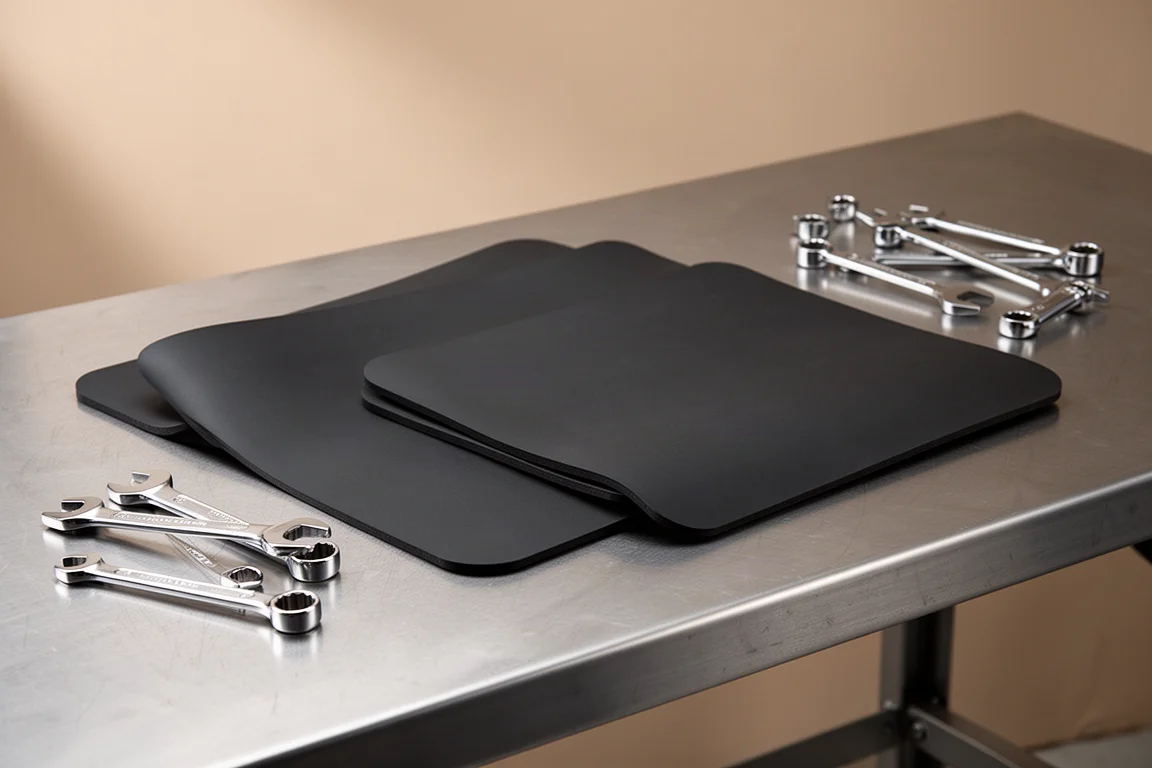
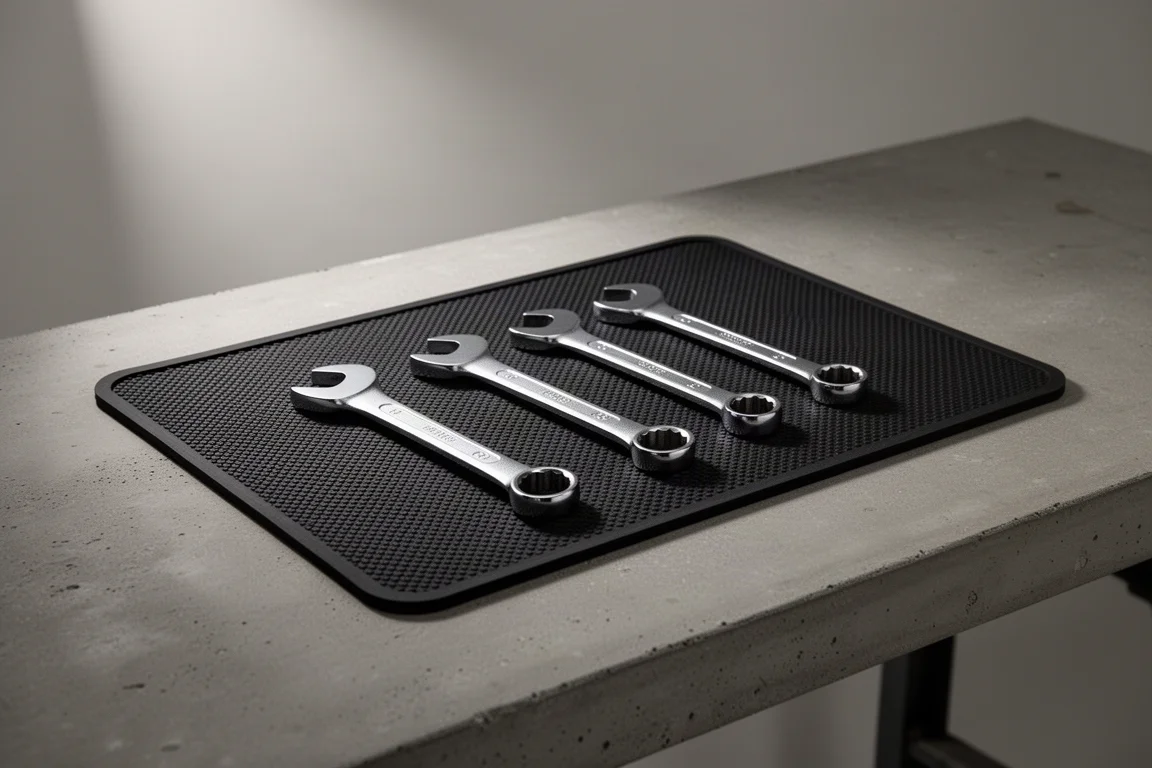
When testing the Ulsa mat, a wrench placed on the surface lets you pick the entire mat up, and tools stay stuck even with extra weight from small parts underneath. That is the minimum standard a magnetic mat should meet, and it is a useful benchmark when comparing anything in this category.
What the New Icon Mat Could Do
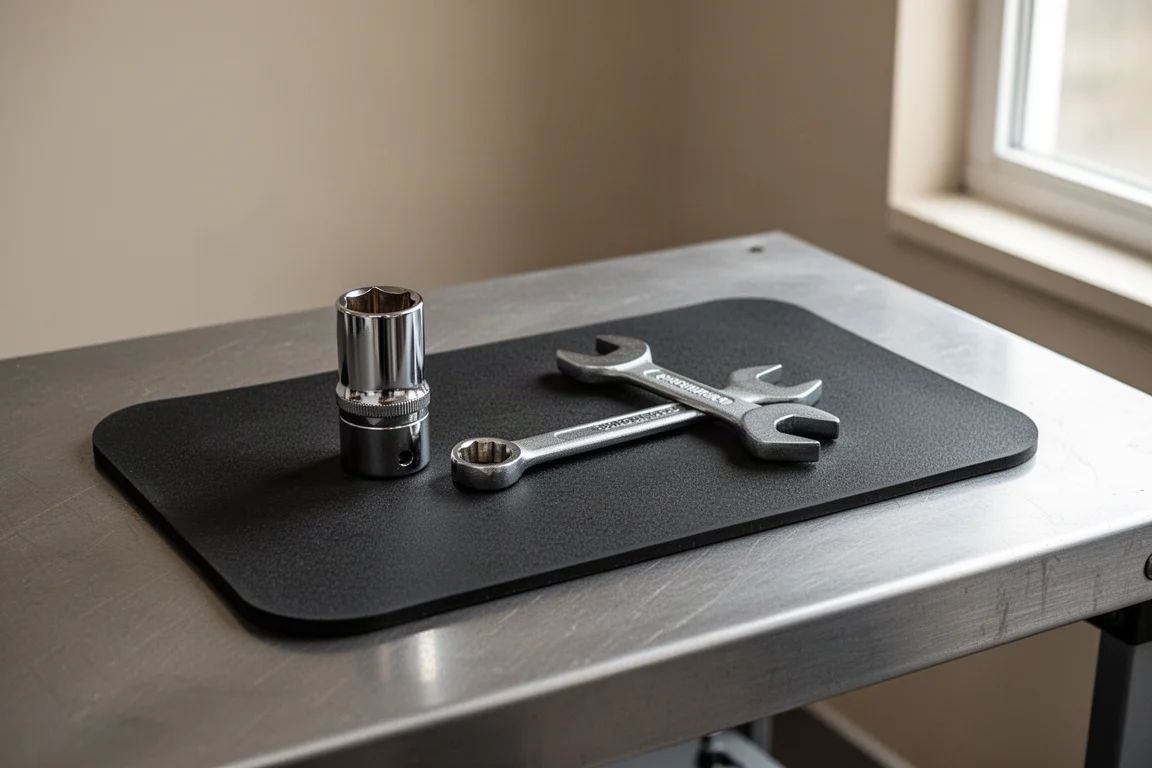
A replacement Icon mat told a completely different story. With the new mat, the lift test worked exactly as expected: a wrench on the surface was enough to pick up the whole mat, and the grip felt even stiffer than the Ulsa mat in hand. That is the level of magnetic strength the Icon mat should be delivering.
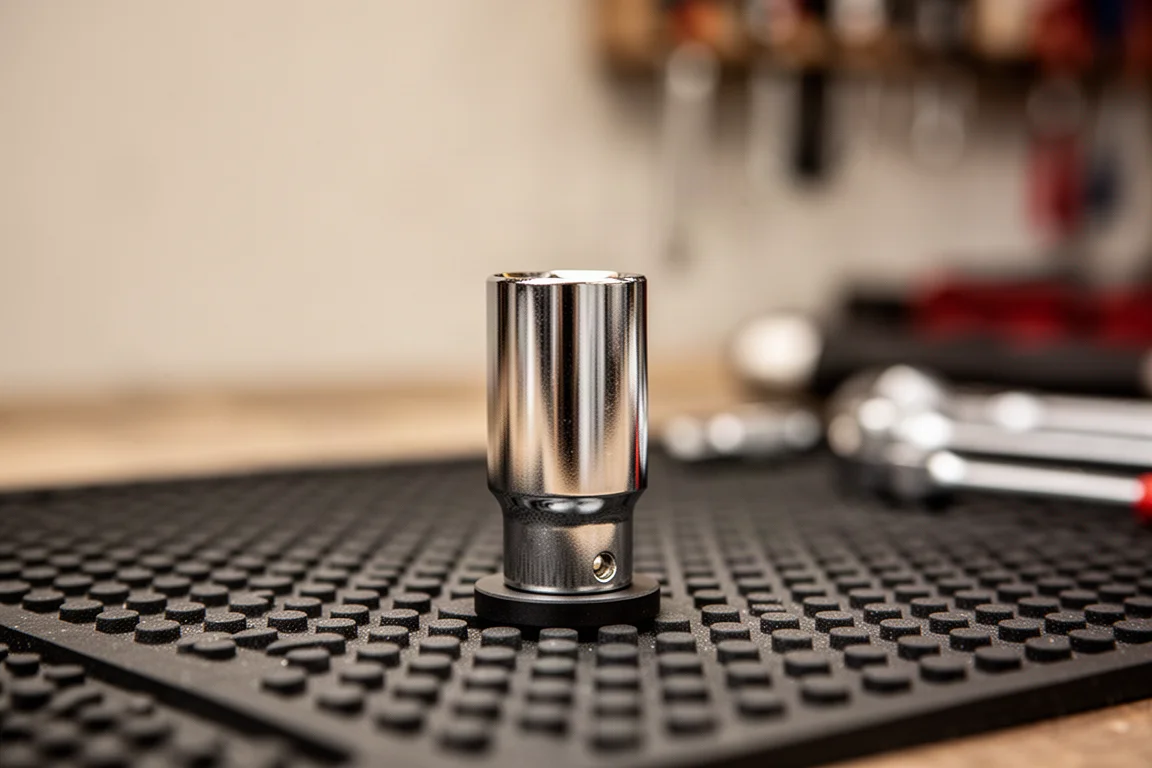
On the new mat, sockets and larger wrenches stay put when placed on the surface, which is exactly the behavior you want when working inside an engine bay or next to a teardown. One practical note: simply laying a mat against a metal surface improves holding compared with testing it in midair, so context matters, but the strong units hold tools in essentially any reasonable position.
Things to Consider Before Buying
A few lessons came out of this testing. First, magnetic mats can vary unit to unit, so if your mat feels weak, it may genuinely be a dud rather than normal performance. Second, there is no obvious way to ruin these magnets through ordinary contact with another magnetized surface. Neodymium magnets can be damaged by heat or hard impact, but simply touching the mat to something magnetic should not degrade it. Third, compare against a known good unit when possible. The Ulsa mat’s consistent performance is what made the weak Icon mat’s behavior so obvious.
Buying Advice
Both mats are worth considering, but check the mat’s grip as soon as you receive it. Drop a wrench on it, try lifting the mat by the wrench, and see whether small bits stay attached. If none of that works, exchange it. A strong unit should let you lift the entire mat with a single wrench, and both the Icon and Ulsa mats are capable of that when you get a good one.
Conclusion
In this comparison, the Ulsa Tools mat delivered consistent magnetic performance and set the benchmark, while the Icon mat ranged from a genuinely defective unit to one that matched or slightly exceeded that standard once replaced. The takeaway is simple: a magnetic tool mat should hold your tools and lift itself with a wrench, and if yours will not, trust the test and get a replacement.
Further reading
Related Reviews
Tool Accessories
Best Bit Holders 2026: Four Ways to Keep Your Bits Organized
From the dual-molded Tekton 9-bit holder to premium PB Swiss and Snap-on options, four bit holders compared on retention, convenience, and value.
Tool Accessories
Best Magnetic Mats for Tools and Hardware: Three Options Compared
A flexible parts tray, a super-strength mat, and a classic magnetic plate: three magnetic mats with very different personalities and price points.
Tool Accessories
Best Magnetic Tool Accessories: Five Small Additions That Tidy Up Any Workspace
From Snap-on magnetic parts mats to Olsa Tools rails, five magnetic accessories that earn their place around the tool chest.