Kitchen Knives
Mac Bird's Beak Paring Knife Review: The Top Pick for Precision Work
A curved-edge paring knife that hugs rounded produce, backed by hands-on testing of eight bird's beak knives priced from $15 to $85.
Introduction
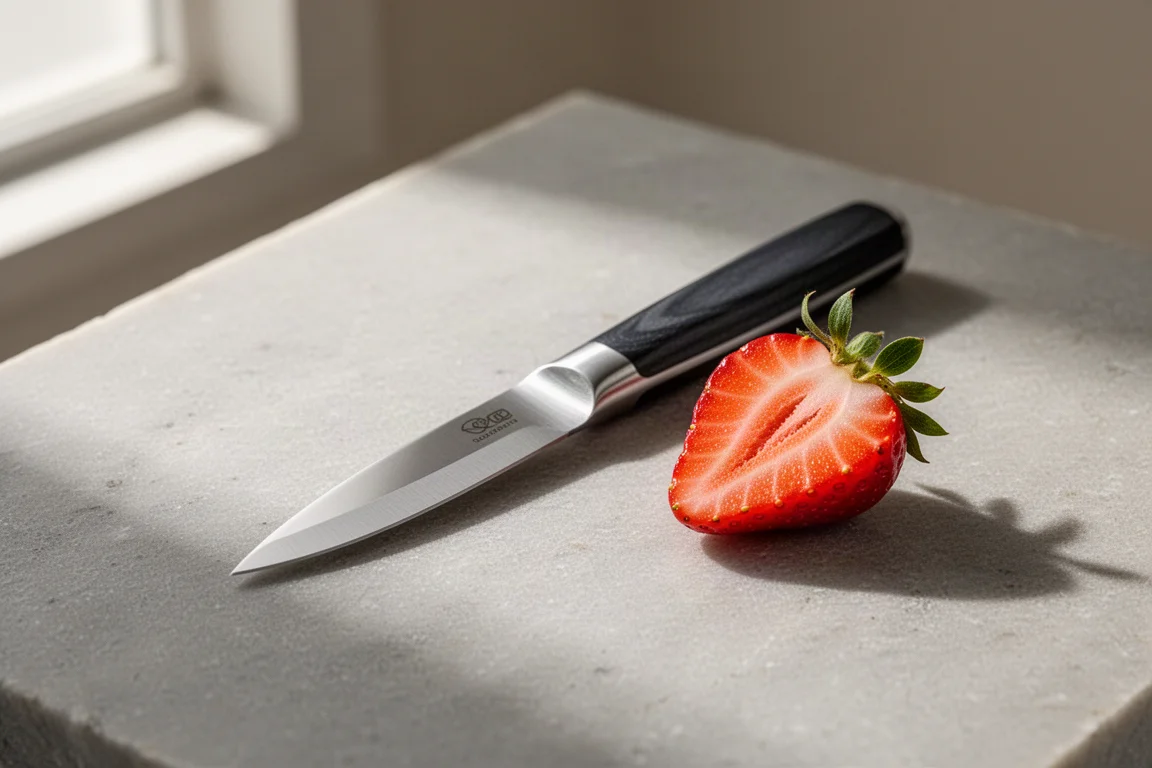
Bird’s beak paring knives look like a specialist tool from another era, and in some ways they are. Traditional French tasks like fluting mushrooms or making radish roses have largely disappeared from home kitchens. But testing shows these curved little knives still earn their place for the precision work modern cooks actually do, and one model in particular stood out from a field of eight.
We tested eight bird’s beak paring knives with prices ranging from about $15 to $85, and ran them alongside a favorite standard paring knife, the Victorinox, as a benchmark. The test group included cooks with different hand sizes and different hand dominance, and everyone used every knife.
What a Bird’s Beak Knife Is Actually For
A bird’s beak knife has a gently curved cutting edge and a fairly short blade. That shape turned out to be its greatest strength: testers immediately noticed that these knives hugged rounded, irregularly shaped items more closely than a standard paring knife, and they liked it.
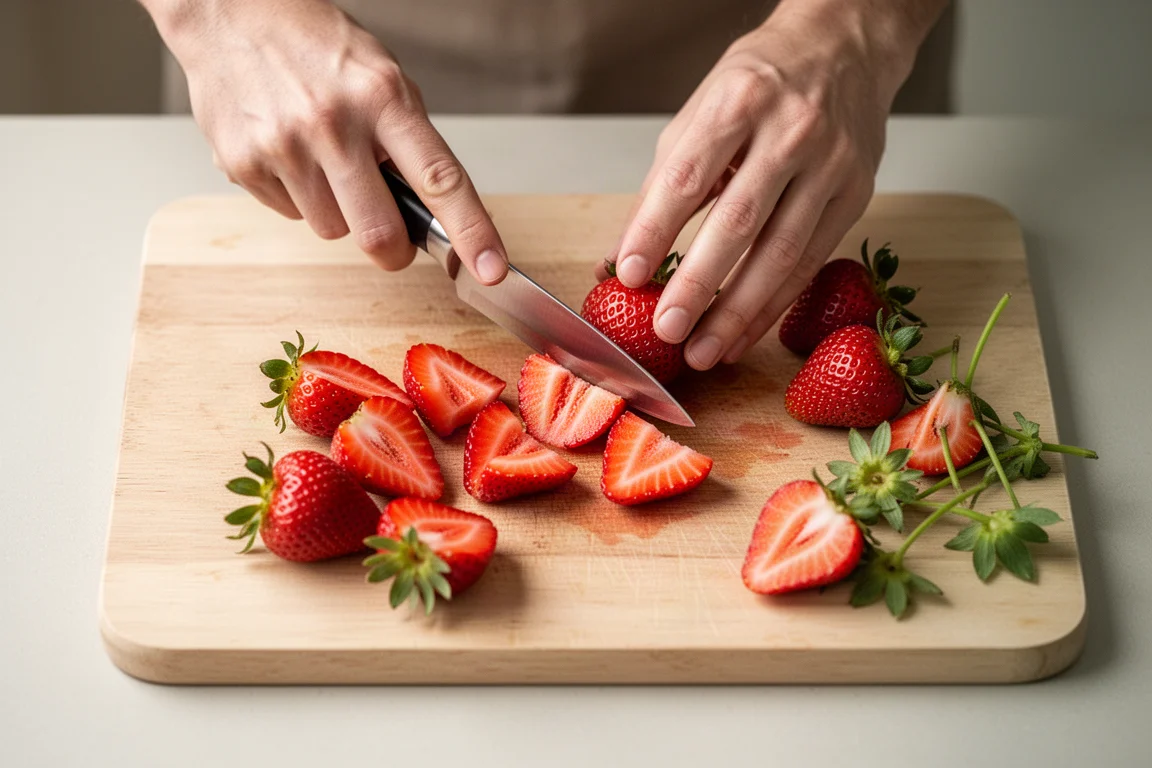
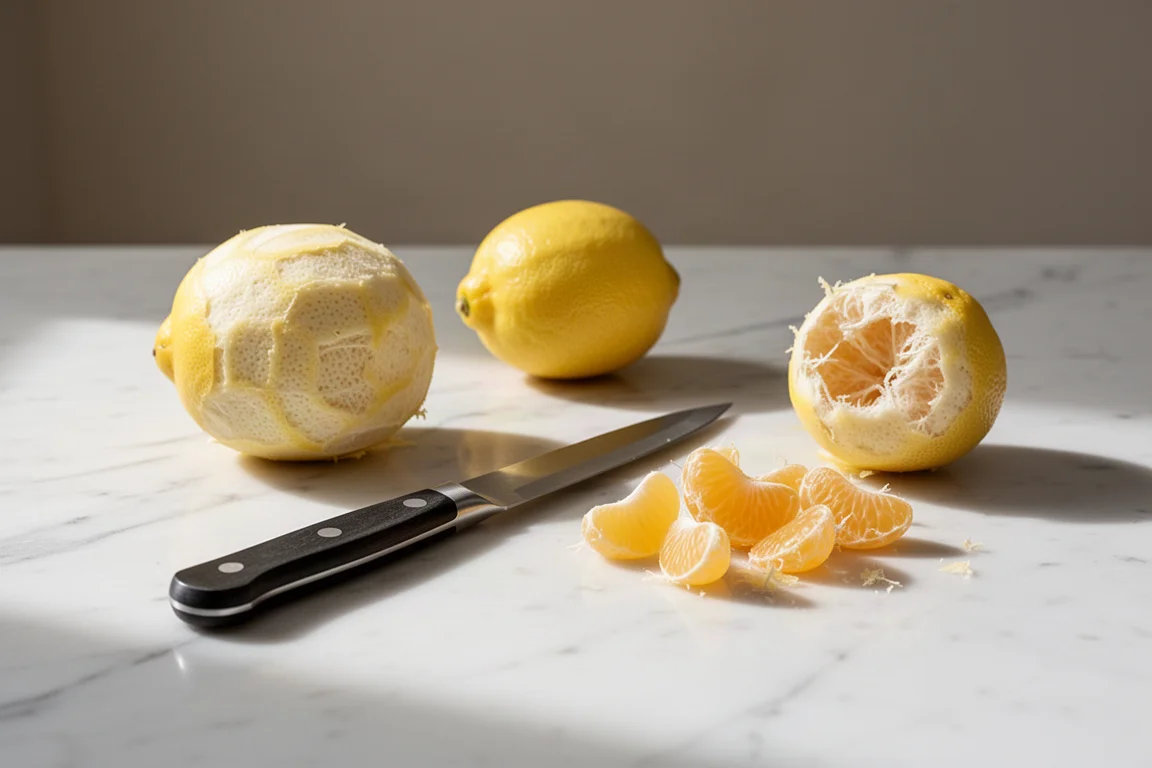
The test tasks were refreshingly practical: hulling and quartering strawberries, coring and peeling tomatoes, peeling and sectioning lemons, and cutting the eyes out of fresh peeled pineapple. If your paring work involves curved surfaces, this blade shape genuinely helps.
Why the Narrow, Curved Blade Matters
Beyond the curve, blade geometry matters. A relatively narrow blade, measured both from tip to spine and at the cutting edge, lets you get in very close to something like a tomato core without wasting flesh. Precise cuts are the whole point of this knife category.
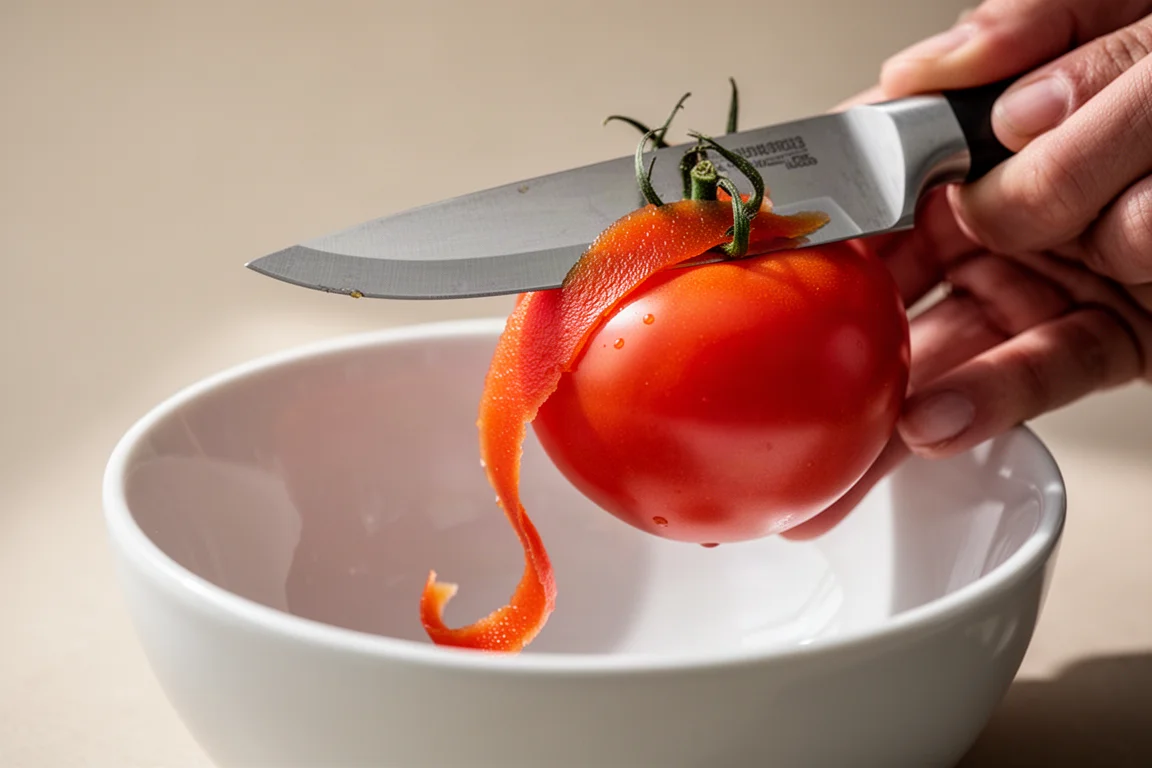
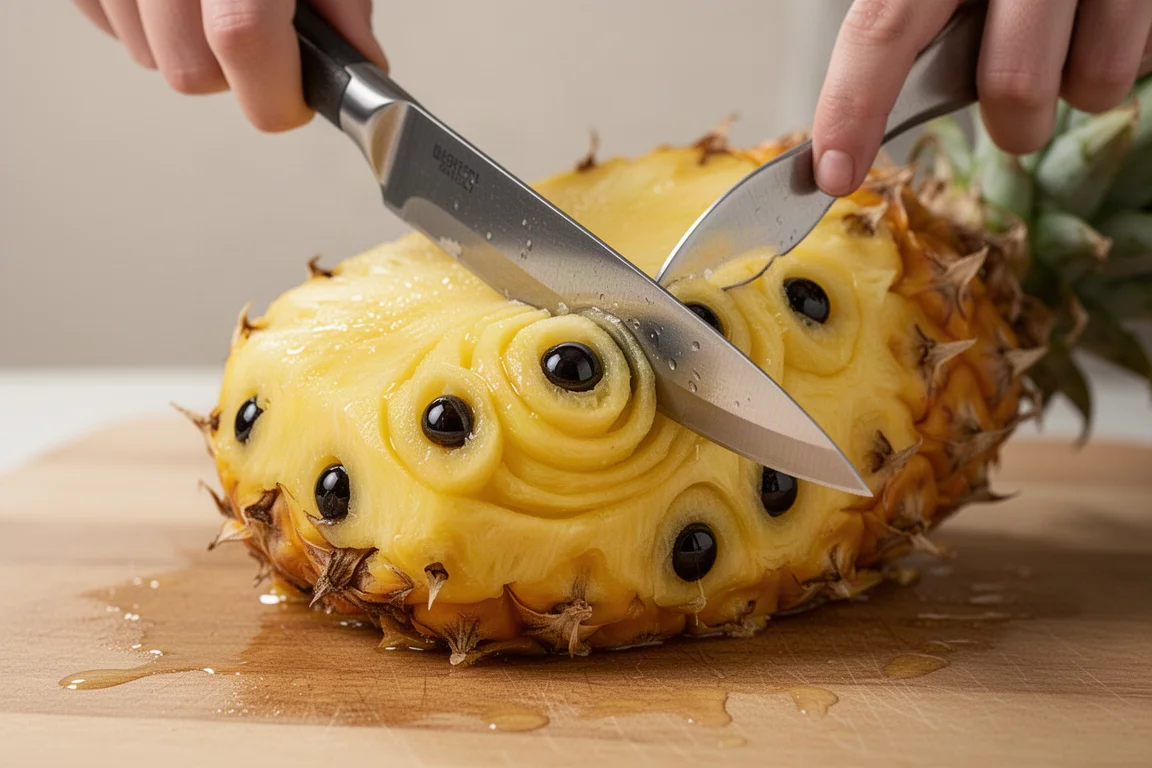
Peeling tomatoes is where the curved edge really shines, since the blade follows the fruit’s shape naturally. The fine point also does an excellent job cutting the eyes out of fresh peeled pineapple.
What the Testing Revealed About Size
Blade length turned out to be a real dividing line. The shorter blades in the test, around two to two and a half inches, felt a little too small for testers with larger hands. Meanwhile, every single tester found the larger blades, in the two and a half to three inch range, comfortable.
Handles followed the same pattern. Medium-length handles of about three and a half to four inches with a medium circumference were the most comfortable for the widest range of testers. If your hands run large, lean toward the bigger end of both measurements.
Sharpness Out of the Box Matters More Than Usual
Here is the catch with this knife style: curved bird’s beak blades are very hard to sharpen at home. That means factory sharpness carries more weight than it does with a standard straight-edged paring knife, and the test made clear that not all of these knives arrive equally sharp.
Treat factory edge quality as a primary buying criterion rather than a nice-to-have. A dull bird’s beak knife is a frustrating tool with no easy fix for most home cooks.
The Winner: Mac Bird’s Beak Paring Knife 2.5 Inch
The Mac Paring Knife Bird’s Beak, two and a half inches, took the top spot at $30. It arrived razor sharp, and it pairs that edge with a nicely narrow blade and a very fine tip, exactly the geometry that made this category worth testing in the first place.
Testers repeatedly commented that this knife made their paring tasks feel effortless. That combination of out-of-the-box sharpness and precise blade shape is what separates it from cheaper alternatives that may need professional sharpening from day one.
Things to Consider Before Buying
The obvious question is whether you need a second paring knife at all. A standard paring knife still handles general peeling and cutting fine, so a bird’s beak makes sense mainly if you do a lot of precision or detail work: coring tomatoes, sectioning citrus, cleaning pineapple, decorating tasks.
If you have larger hands, also double-check the blade and handle dimensions before buying. The shorter two-inch blades were the least comfortable in testing for that group.
Buying Advice
If precision paring is a regular part of your cooking, a bird’s beak paring knife is a nice addition to your knife collection, and the Mac two and a half inch model is the one to get. At $30 it sits in the comfortable middle of the $15 to $85 field while delivering the sharpest, most refined cutting experience of the group.
Conclusion
The bird’s beak paring knife is a niche tool that still makes sense, provided you buy one that arrives sharp and fits your hand. The Mac Bird’s Beak Paring Knife 2.5 inch delivered on both counts, making precision paring work feel genuinely effortless where other curved blades fell short.
Product link
View more details for Mac Bird's Beak Paring Knife 2.5 Inch
This product is mentioned in the review. Check the specifications, options, and compatibility before buying.
View more details for Mac Bird's Beak Paring Knife 2.5 InchFurther reading
Related Reviews

Kitchen Knives
Best Chef's Knives 2026: 27 Popular Options Tested and Ranked
A comprehensive review of 27 chef's knives ranging from $18 to $380, with honest assessments of handle comfort, blade balance, and real-world performance.

Kitchen Knives
Best Chef's Knives Under $75: Two Tested Recommendations
Two practical 8-inch chef's knives that balance sharpness, comfort, and durability without premium pricing.

Kitchen Knives
Best Chef's Knives 2026: 27 Options Tested and Ranked
A comprehensive review of 27 chef's knives ranging from $18 to $380, with honest assessments of handle design, balance, blade profile, and real-world performance.